
Field guide · common
American Crow
The all-American corvid, intelligent enough to hold funerals and remember your face for years.
Least Concern
Corvus brachyrhynchos
Overview
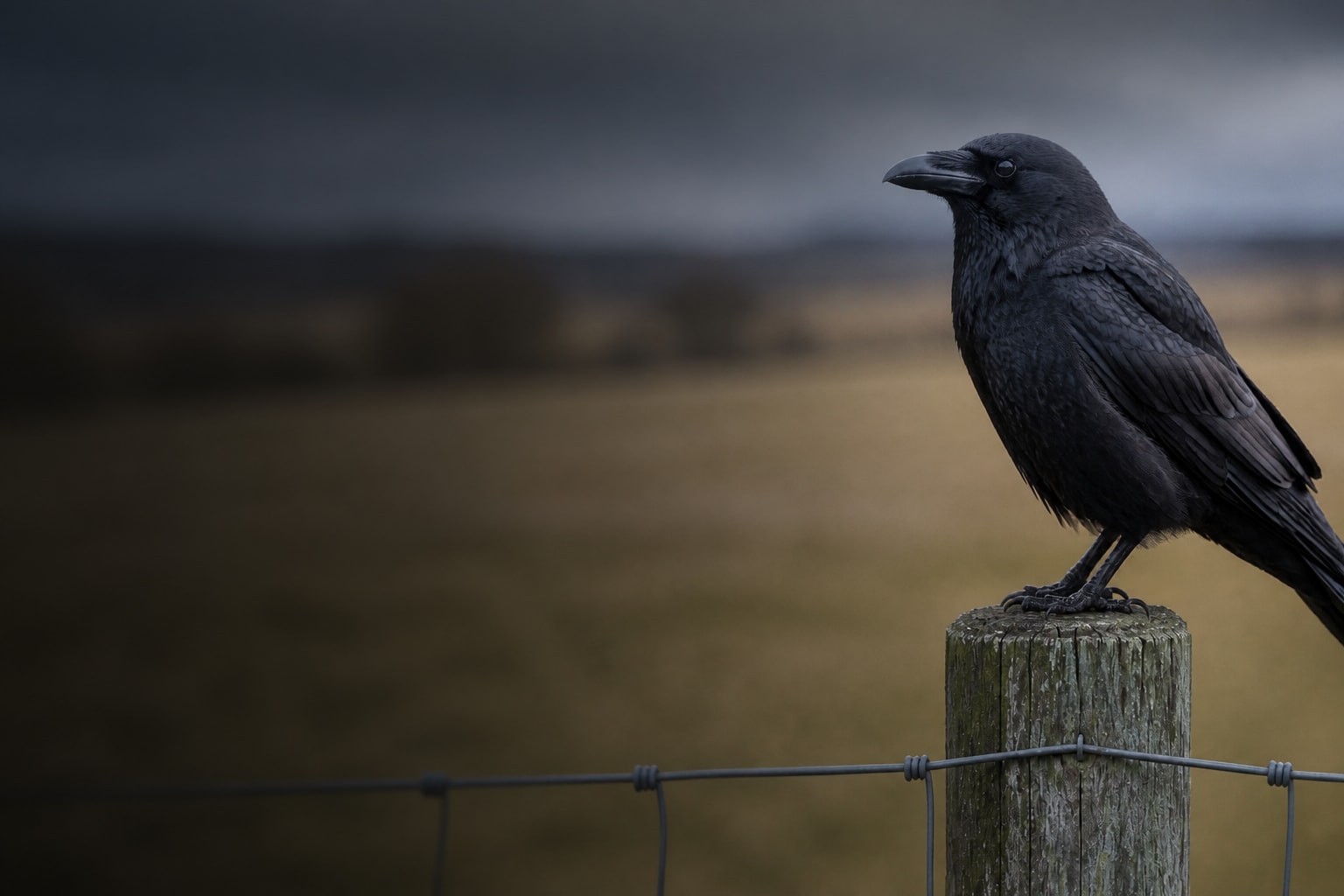
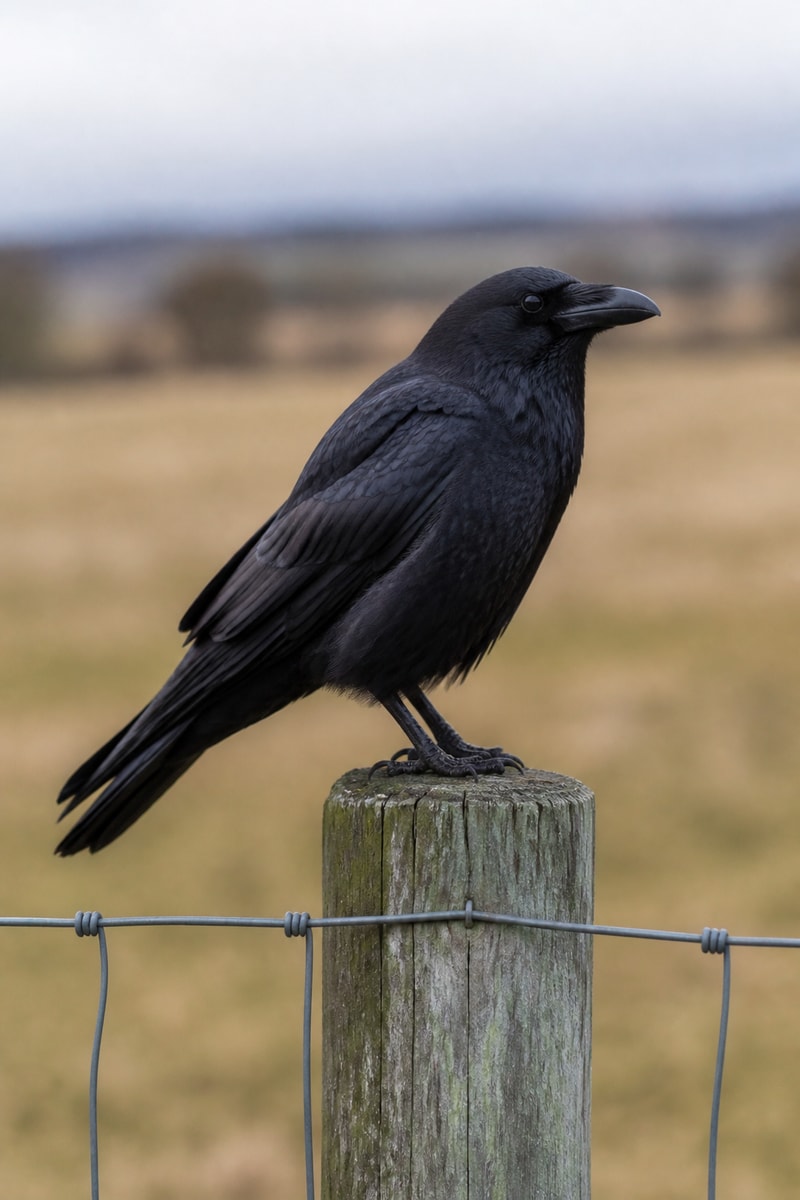
The American crow is the large, all-black bird of American fields, towns, and treetops, cawing, clever, and far more sophisticated than folklore gives it credit for. Crows solve problems, use tools, and gather silently around dead crows in behaviour that looks uncannily like mourning.
Ubiquitous across the lower 48, they're a baseline common, but spend time watching a family group and you'll see coordinated feeding, mobbing of hawks, and play that reveals genuine intelligence.
- Scientific nameCorvus brachyrhynchos
- Length40–53 cm
- Weight300–600 g
- Lifespan7–15 years in the wild
- DietOmnivore
- ConservationLeast Concern
- RegionFields & Towns
Habitat
- Woodland
- Farmland
- Suburbs
- Parks
American crows live across the entire continental United States in farmland, woodland, coast, and cities. They roost in large communal groups in winter, sometimes tens of thousands in a single wood, and nest in trees near food sources.
Countries found
Field notes
Field scale for the American Crow: length around 40-53 cm; weight 300-600 g. Typical lifespan: 7-15 years in the wild.
When you are scanning habitat, prioritise woodland, farmland, suburbs, and parks. Those settings are where a clean look and a usable photo are most likely.
Quick ID anchor: Entirely glossy black plumage with a stout bill and relatively square, fan-shaped tail in flight. Larger and thicker-billed than a fish crow; the classic call is a harsh, drawn-out 'caw'. Confirm with behaviour and habitat before you log the discovery.
Where to see one
United States
In United States, start at Golden Gate Park (San Francisco). Lakes, meadows, and tree cover where common birds and park wildlife turn an afternoon stroll into a discovery session.
More context on this destination lives on the United States expedition page.
Diet
Omnivorous and opportunistic: insects, earthworms, seeds, fruit, carrion, eggs, nestling birds, and human food scraps. Flocks often work fields after ploughing and scavenge roadsides.
Behaviour
Highly social and intelligent; family groups defend territories in the breeding season and join large communal winter roosts. Famous for problem-solving, food caching, and loud nasal caws.
How to identify
Entirely glossy black plumage with a stout bill and relatively square, fan-shaped tail in flight. Larger and thicker-billed than a fish crow; the classic call is a harsh, drawn-out 'caw'.
Interesting facts
- 01
American crows hold 'funerals', gathering silently around dead crows.
- 02
They can remember human faces for years and teach their offspring who to avoid.
- 03
Crows use tools, bending wire into hooks to extract food from tubes.
- 04
A group of crows is called a murder, family groups stay together for years.
- 05
They mob raptors collectively, small birds join crow harassment parties.
- 06
Their varied calls include distinct alarm, contact, and flight calls.
Conservation status
American crows are Least Concern and abundant across North America. West Nile virus caused significant regional declines in the early 2000s but populations have largely recovered.
Sources: IUCN Red List
Related discoveries

Keep exploring
Related discoveries
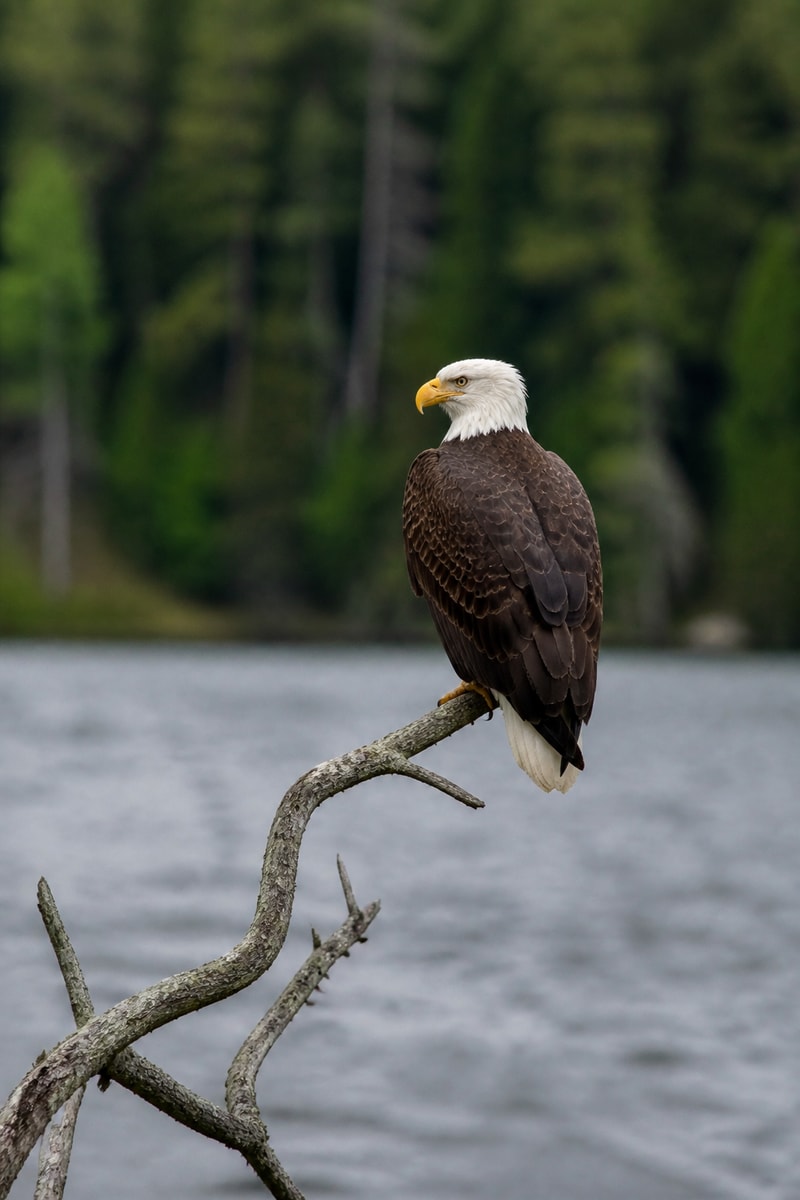
- Bald Eaglelegendary • Lakes & Coasts
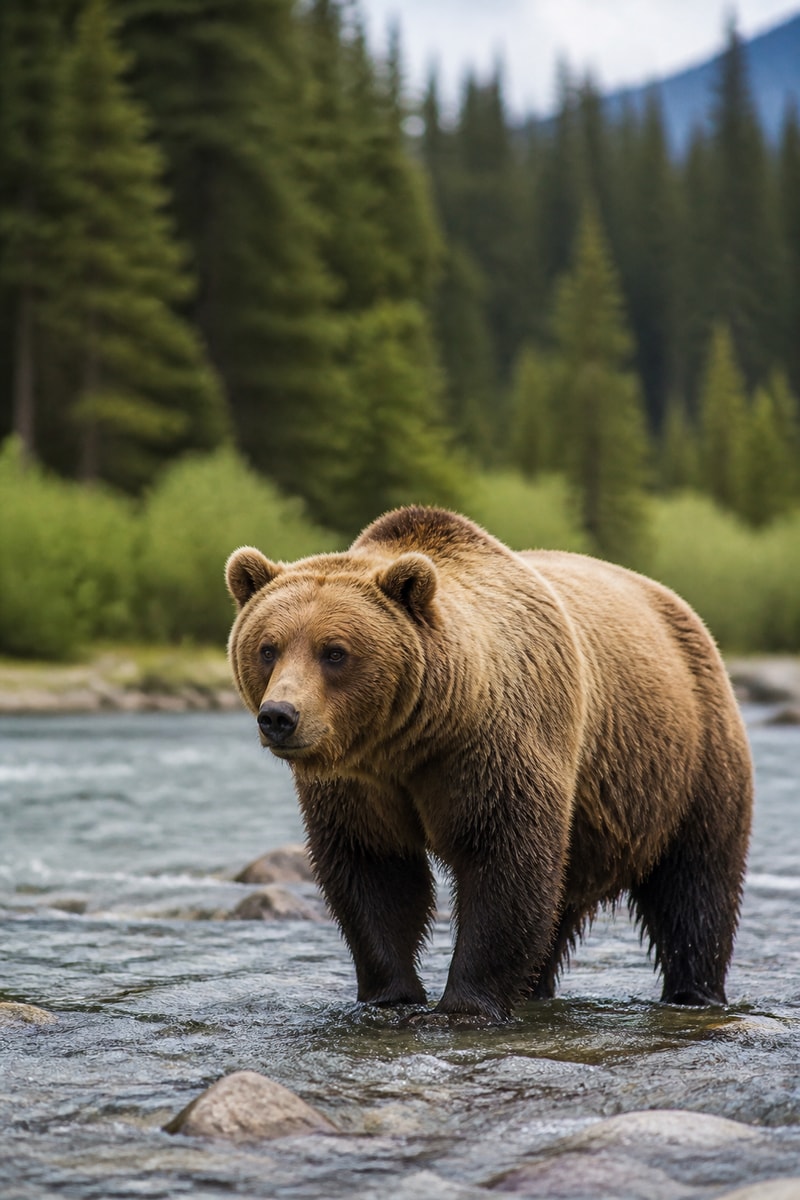
- Grizzly Bearlegendary • Mountains & Rivers
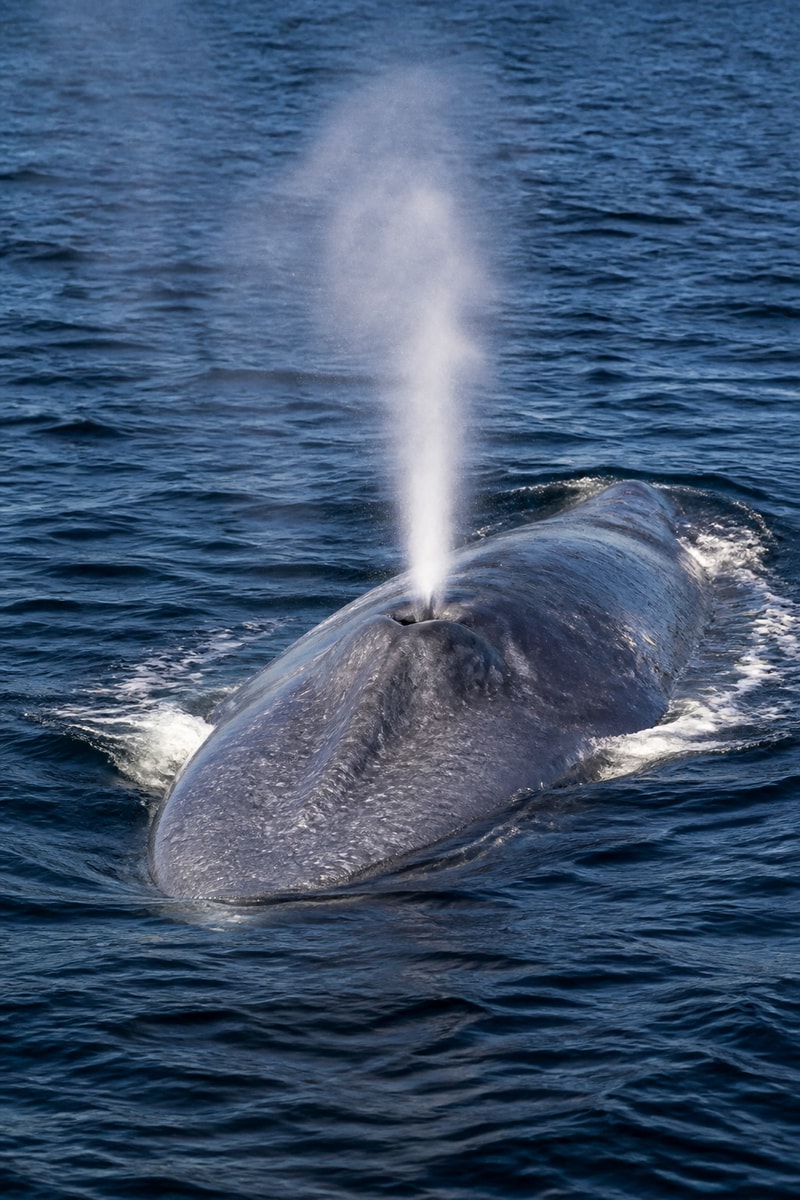
- Blue Whalelegendary • Open Ocean
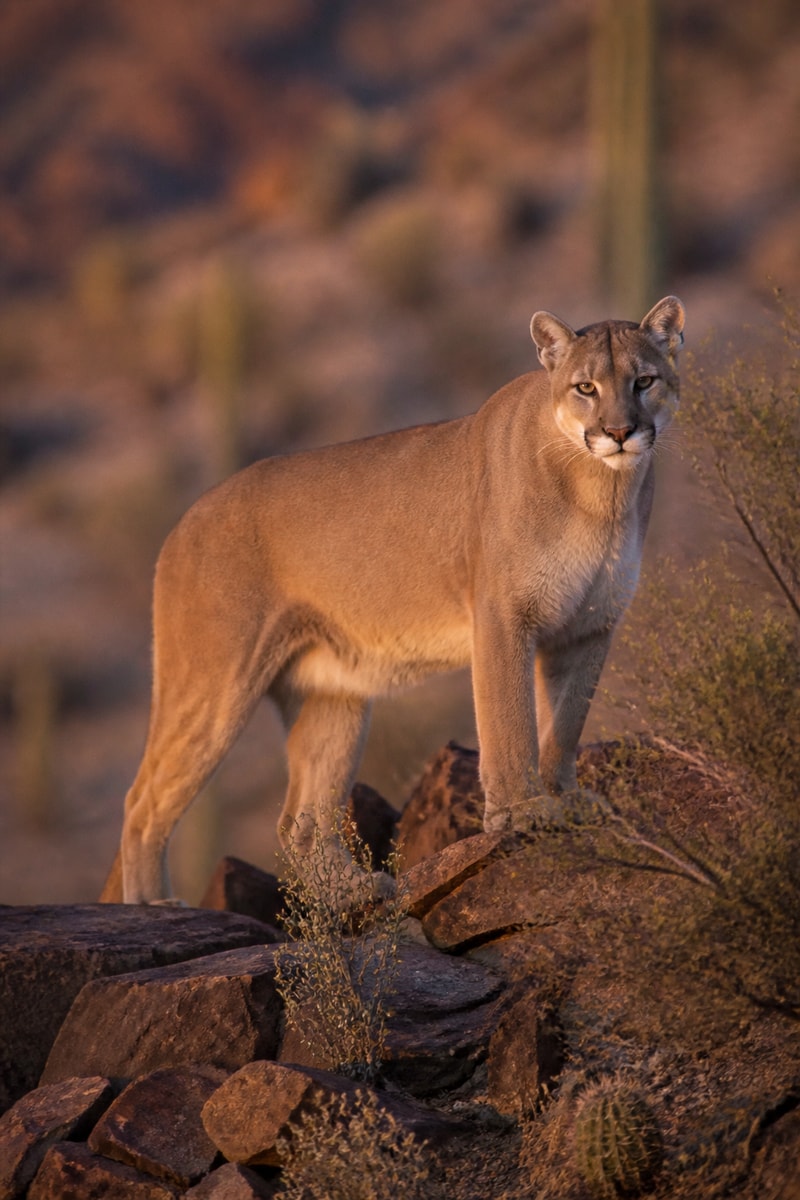
- Mountain Lionlegendary • Mountains & Desert
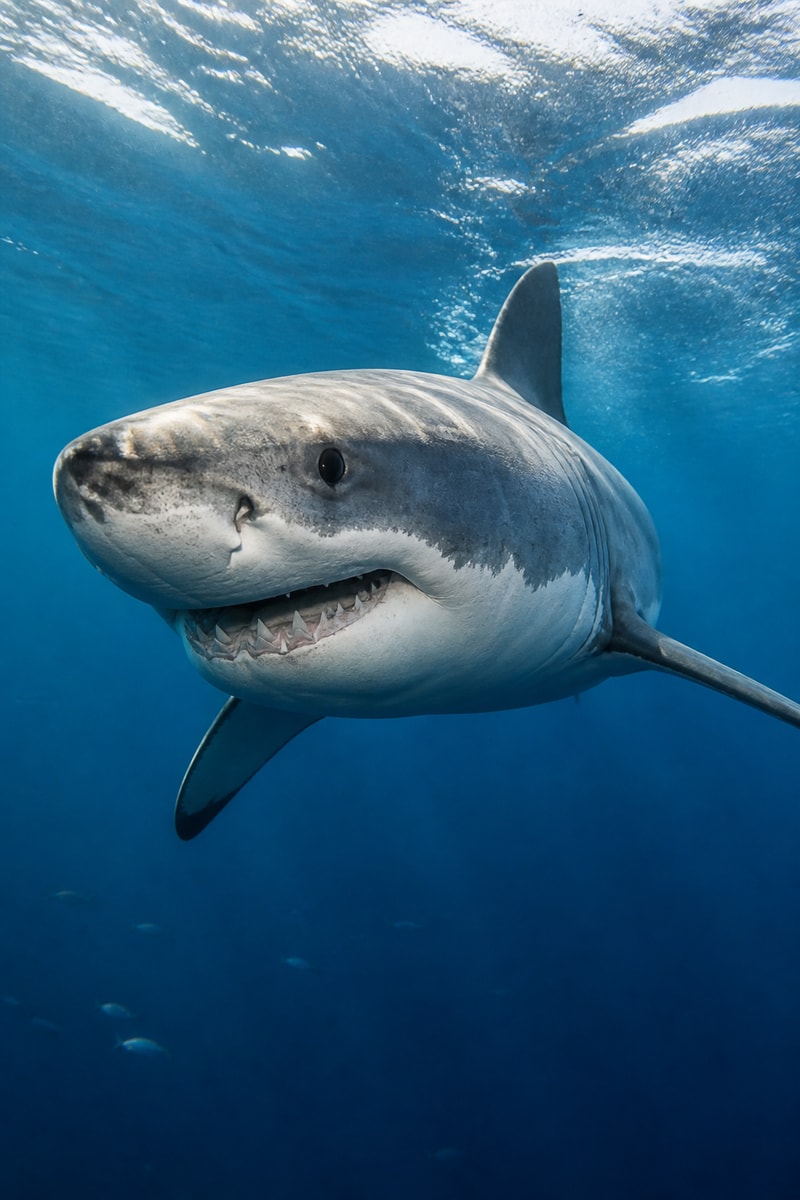
- Great White Sharklegendary • Coastal Ocean
- Orcalegendary • Coastal Ocean
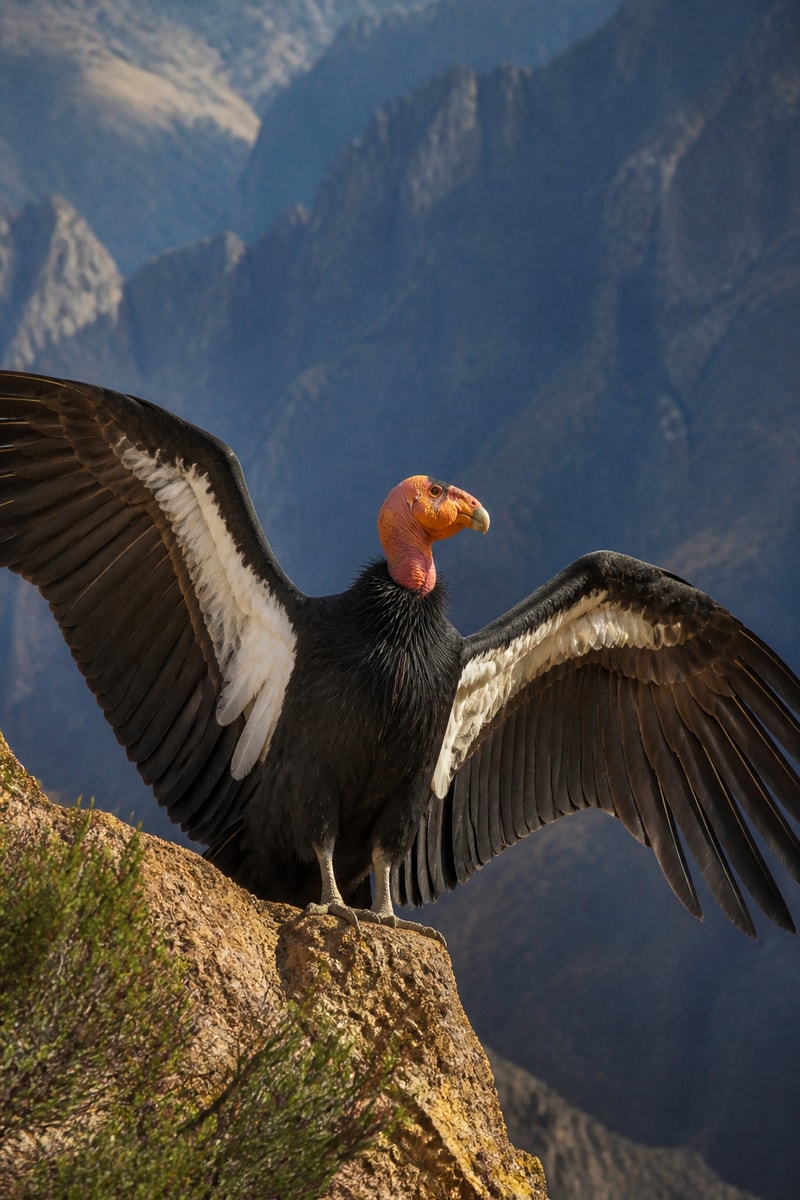
- California Condorlegendary • Canyons & Cliffs
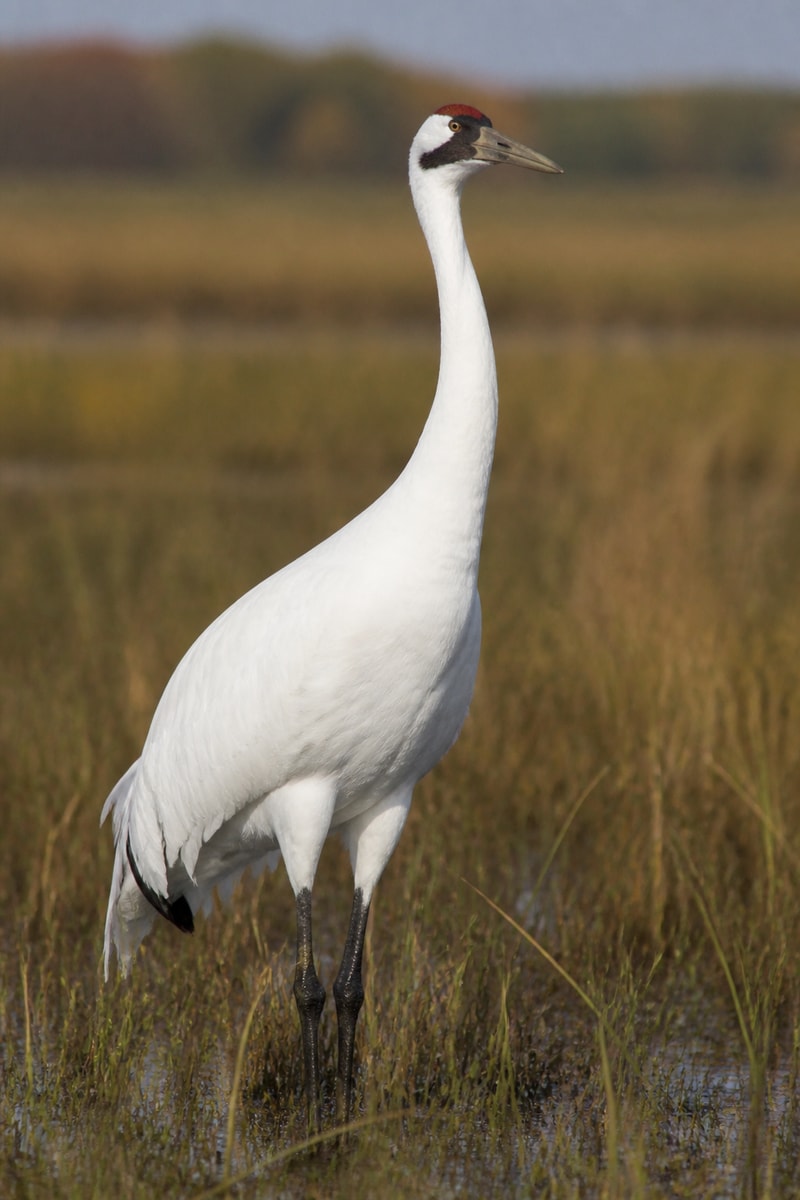
- Whooping Cranelegendary • North American Wetlands
Free on iOS
Catch the American Crow
Spot one in the wild, then scan it in Catch'Um to log your common discovery.