
Field guide · common
American Bullfrog
Deep ‘jug-o-rum’ bass of summer nights — North America’s largest true frog.
Least Concern
Lithobates catesbeianus
Overview
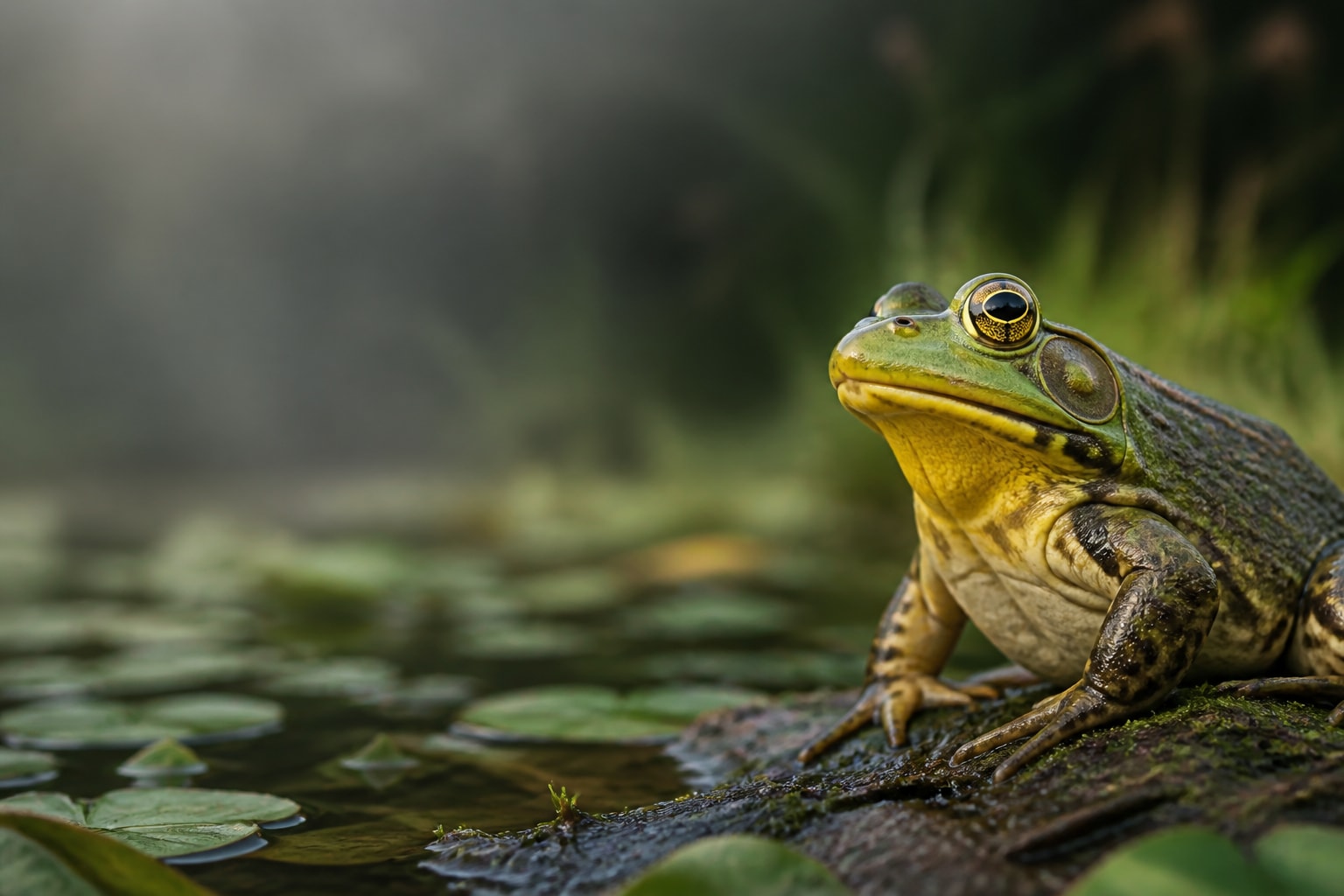
American bullfrogs are the largest true frogs in North America, inhabiting permanent ponds, lakes, and slow rivers. Males boom a deep jug-o-rum call on summer nights, and adults will eat almost anything they can swallow.
For US collectors, the bullfrog is a common pond giant — booming nights, huge tadpoles, and a familiar — if invasive outside its native East — wetland species.
- Scientific nameLithobates catesbeianus
- Length9–17 cm body
- Weight200–500 g
- LifespanAround 7–10 years in the wild
- DietAlmost any animal that fits
- ConservationLeast Concern
- RegionUS Ponds & Lakes
Where to see them
Habitat
- Permanent pond
- Lake margin
- Slow river
- Reservoir edge
Permanent freshwater ponds, lakes, reservoirs, and slow streams with vegetated banks across eastern and central North America; widely introduced farther west.
Field notes
Field scale for the American Bullfrog: length around 9-17 cm body; weight 200-500 g. Typical lifespan: Around 7-10 years in the wild.
When you are scanning habitat, prioritise permanent pond, lake margin, slow river, and reservoir edge. Those settings are where a clean look and a usable photo are most likely.
Quick ID anchor: Large green to brown frog without dorsolateral ridges running down the back. Confirm with behaviour and habitat before you log the discovery.
Diet
Almost any animal that fits — insects, crayfish, fish, frogs, snakes, and small mammals or birds.
Sit-and-wait ambush hunters at the water’s edge.
Behaviour
Males defend calling territories with deep booming choruses.
Mostly aquatic; leap into water when disturbed from the bank.
How to identify
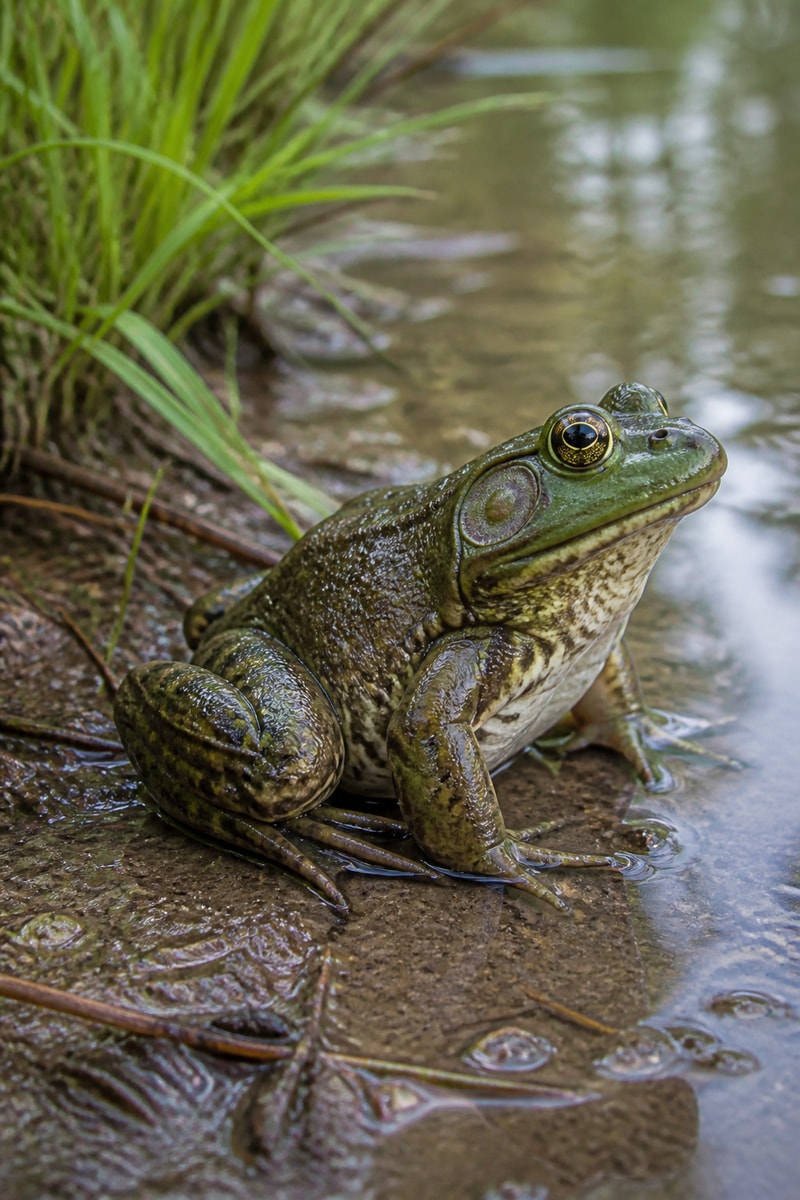
Large green to brown frog without dorsolateral ridges running down the back.
Fold of skin curves from eye around a large tympanum; hind feet fully webbed.
Interesting facts
- 01
Largest North American true frog — adults often 10–17 cm.
- 02
Male call is a deep resonant ‘jug-o-rum’.
- 03
Tadpoles may take 1–3 years to metamorphose.
- 04
Voracious predators of insects, fish, frogs, and even small birds.
- 05
Tympanum (eardrum) is larger than the eye in males.
- 06
Invasive and harmful in many regions outside the native East.
Conservation status
American bullfrogs are Least Concern in their native range and often abundant. Outside that range they are invasive predators that threaten native amphibians and aquatic wildlife.
Sources: IUCN Red List
Related discoveries
Keep exploring
Related discoveries
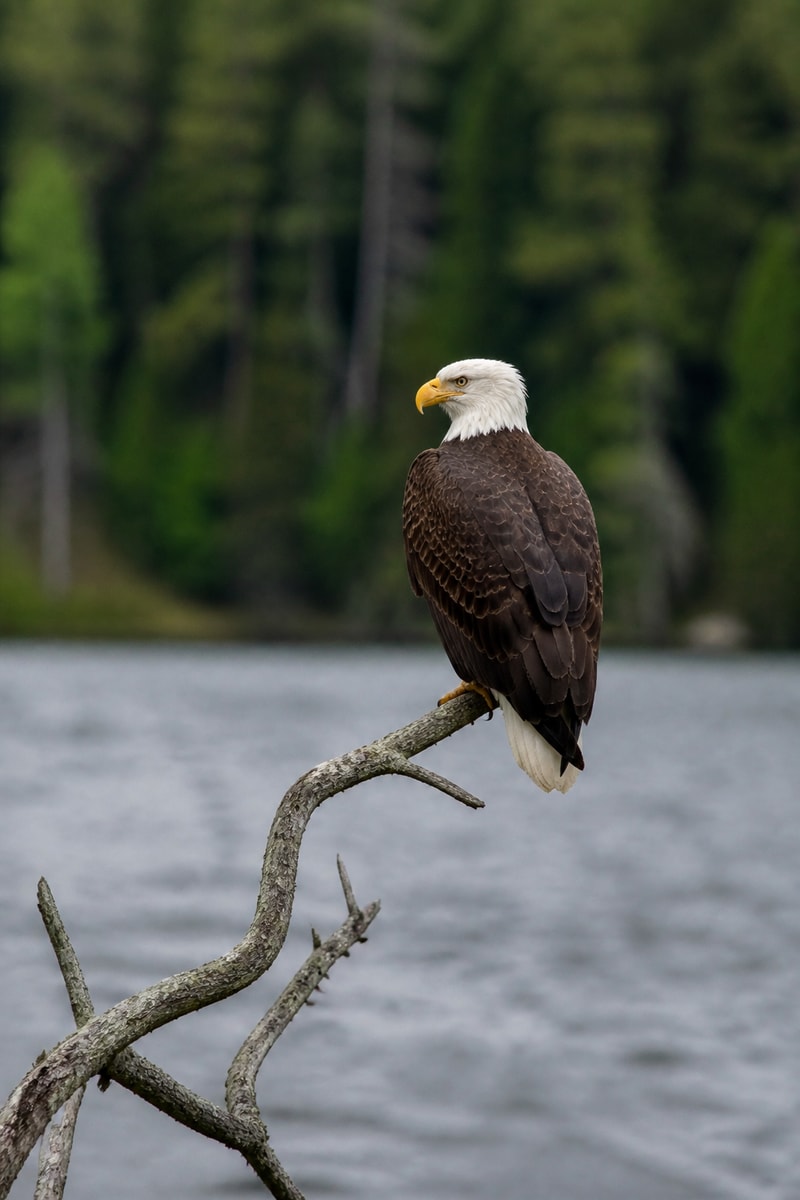
- Bald Eaglelegendary • Lakes & Coasts
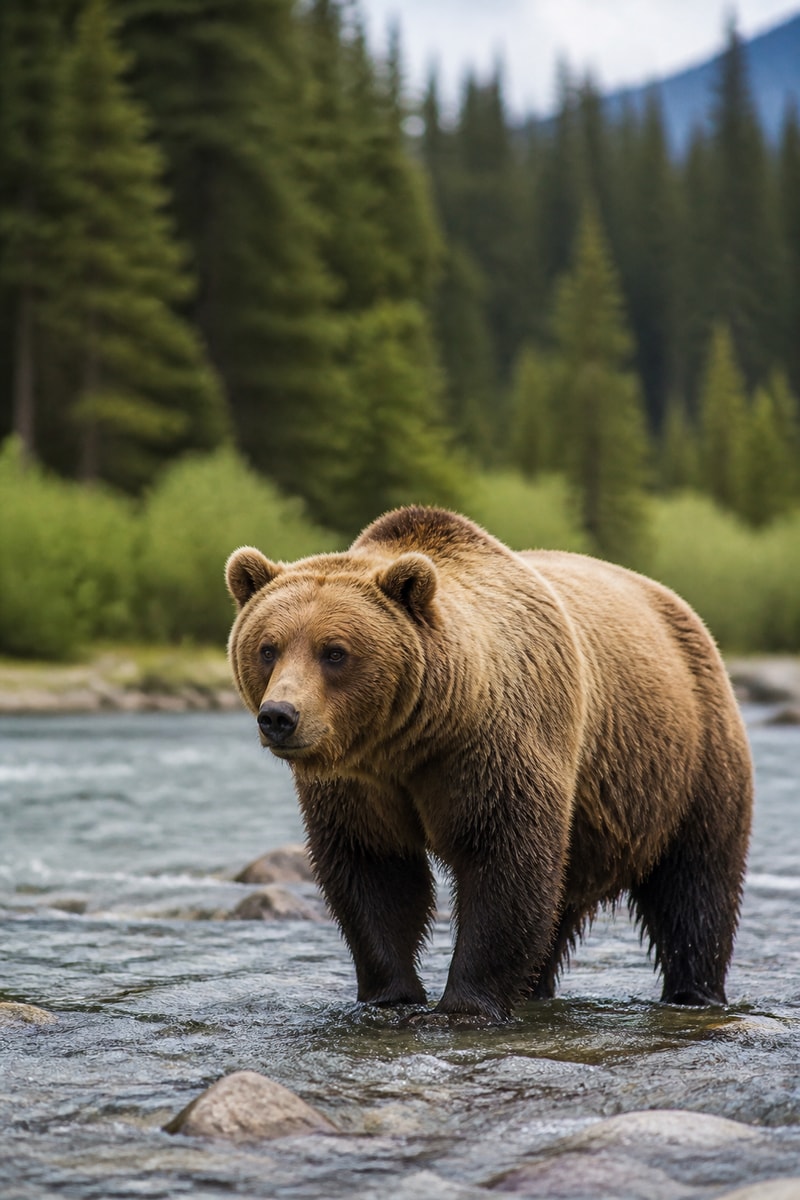
- Grizzly Bearlegendary • Mountains & Rivers
- Blue Whalelegendary • Open Ocean
- Mountain Lionlegendary • Mountains & Desert
- Great White Sharklegendary • Coastal Ocean
- Orcalegendary • Coastal Ocean
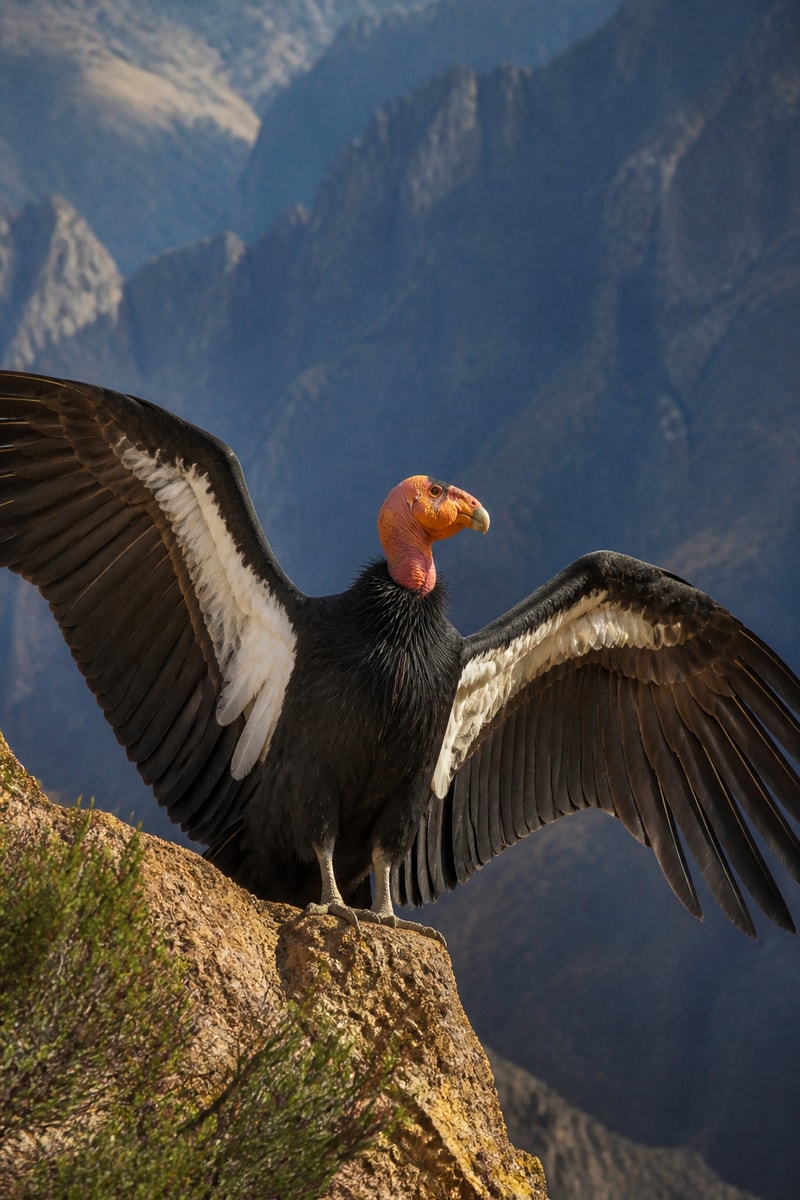
- California Condorlegendary • Canyons & Cliffs
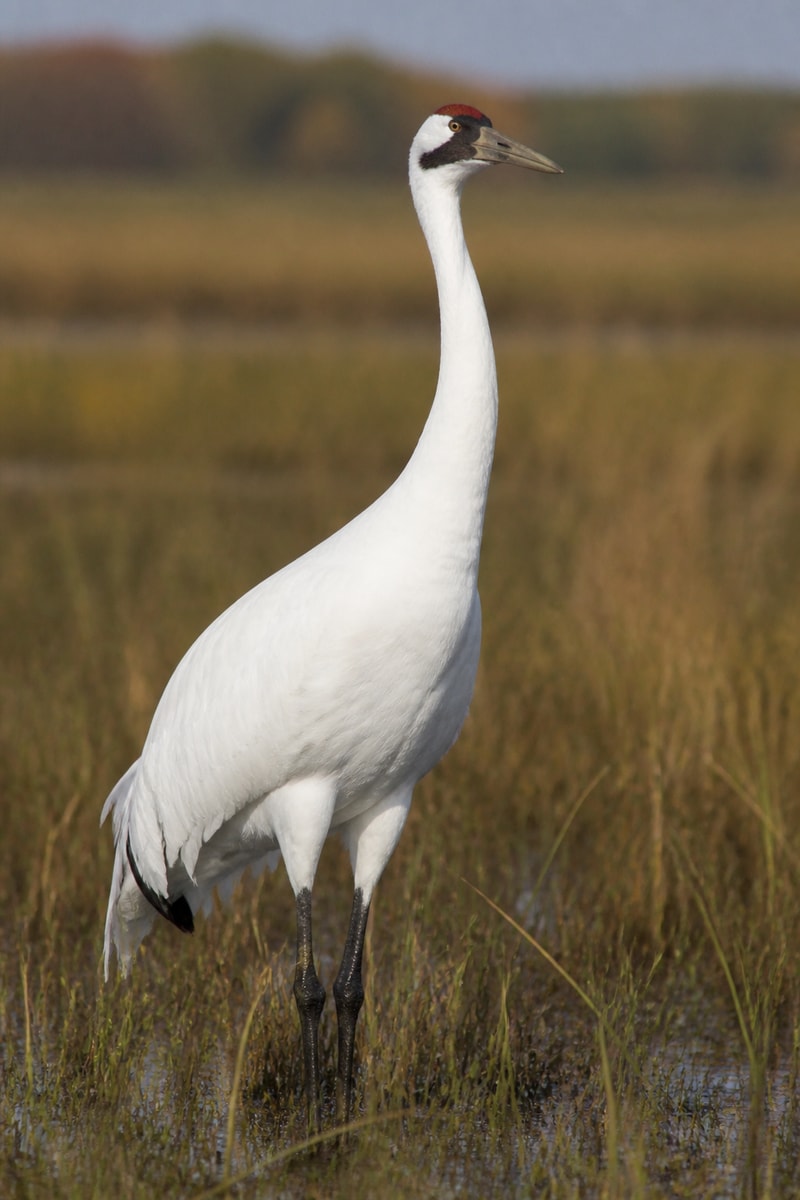
- Whooping Cranelegendary • North American Wetlands
Free on iOS
Catch the American Bullfrog
Spot one in the wild, then scan it in Catch'Um to log your common discovery.