
Field guide · common
American Black Bear
North America's most familiar bear — adaptable, curious, and far more widespread than the grizzly.
Least Concern
Ursus americanus
Overview
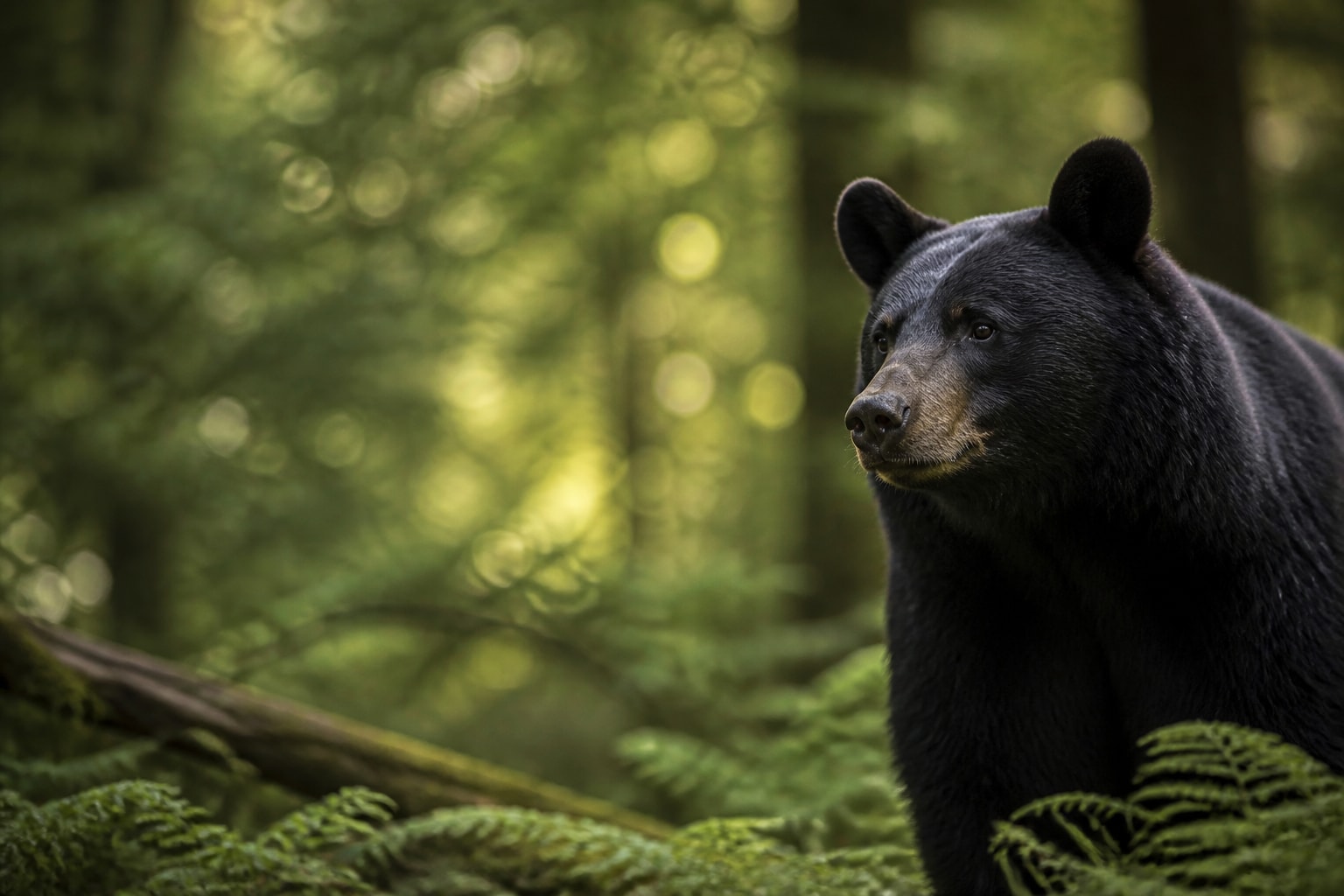
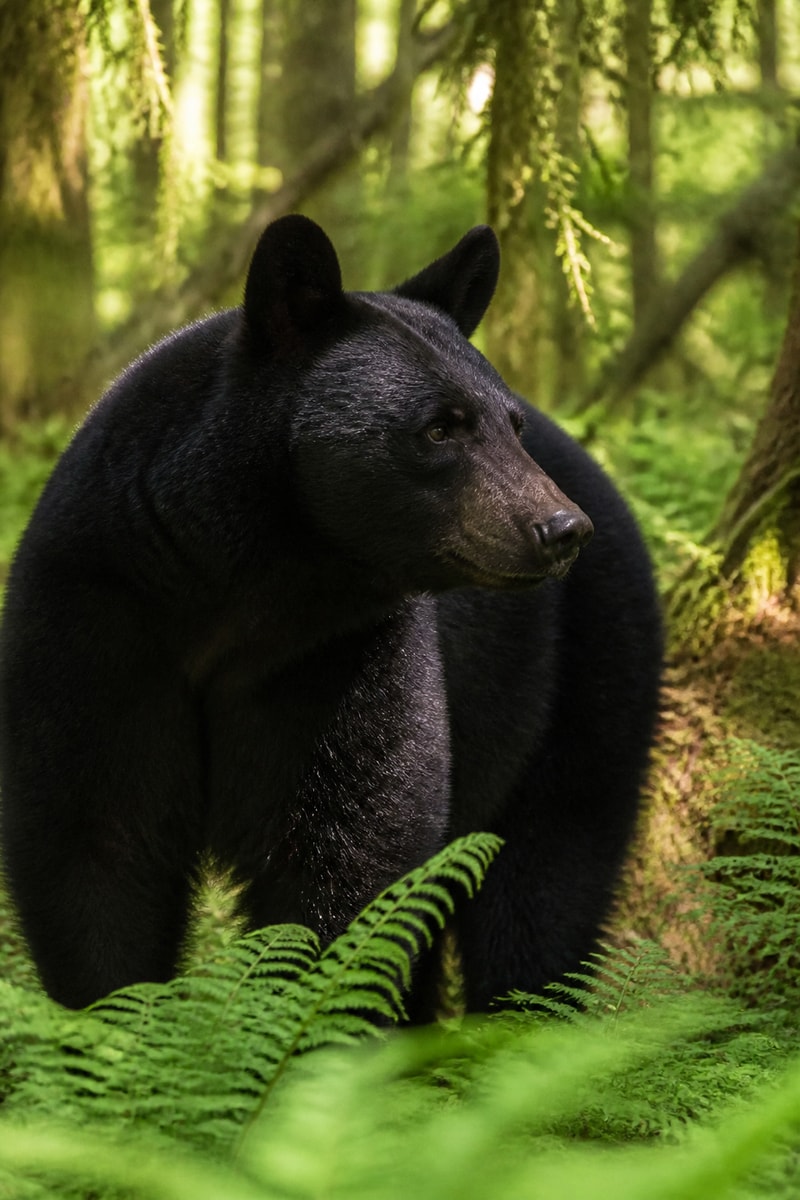
American black bears are the continent's most common bear, at home in forests from Canada to Mexico. Despite the name, coats can be black, brown, cinnamon, or even blonde; what defines them is a lighter build and a straighter facial profile than a grizzly.
For US and Canada collectors, a black bear browsing berry patches or flipping logs is an achievable, high-recognition discovery that sits neatly beside grizzly and polar bear.
- Scientific nameUrsus americanus
- Length1.4–2 m
- Height0.7–1 m at the shoulder
- Weight40–200+ kg
- LifespanAround 20–30 years in the wild
- DietOmnivore
- ConservationLeast Concern
- RegionForest
Where to see them
Habitat
- Deciduous forest
- Conifer forest
- Mountains
- Suburban woodland
Black bears use deciduous and coniferous forest, mountains, and increasingly suburban greenbelts across North America wherever food and cover exist. They den in winter in colder regions and range widely for berries, nuts, and insects.
Field notes
Field scale for the American Black Bear: length around 1.4-2 m; height 0.7-1 m at the shoulder; weight 40-200+ kg. Typical lifespan: Around 20-30 years in the wild.
When you are scanning habitat, prioritise deciduous forest, conifer forest, mountains, and suburban woodland. Those settings are where a clean look and a usable photo are most likely.
Quick ID anchor: Straight facial profile, no large shoulder hump, and relatively tall ears. Confirm with behaviour and habitat before you log the discovery.
Diet
Omnivores eating berries, nuts, grasses, insects, carrion, and occasional mammal prey.
Raid bee nests and human food stores when accessible — a common source of conflict.
Behaviour
Usually solitary except mothers with cubs; mostly crepuscular.
Climb trees readily; den through winter in colder climates.
How to identify
Straight facial profile, no large shoulder hump, and relatively tall ears.
Coat usually black in the east; brown colour morphs common in the west.
Interesting facts
- 01
Despite the name, black bears can be brown, cinnamon, or blonde.
- 02
They are excellent climbers — cubs often escape danger up trees.
- 03
Unlike grizzlies, they lack a prominent shoulder hump.
- 04
Their diet is mostly plants, berries, and insects — true omnivores.
- 05
Winter dens can be under root plates, in caves, or brush piles.
- 06
They have an outstanding sense of smell for finding food.
Conservation status
American black bears are Least Concern and have rebounded in many regions with hunting management and forest recovery. Local conflicts with people remain the main management challenge.
Sources: IUCN Red List


Keep exploring
Where it lives
Related discoveries
- Bald Eaglelegendary • Lakes & Coasts
- Grizzly Bearlegendary • Mountains & Rivers
- Polar Bearlegendary • Arctic Ice
- Blue Whalelegendary • Open Ocean
- Mountain Lionlegendary • Mountains & Desert
- Great White Sharklegendary • Coastal Ocean
- Orcalegendary • Coastal Ocean
- California Condorlegendary • Canyons & Cliffs
Free on iOS
Catch the American Black Bear
Spot one in the wild, then scan it in Catch'Um to log your common discovery.