
Field guide · common
Alligator
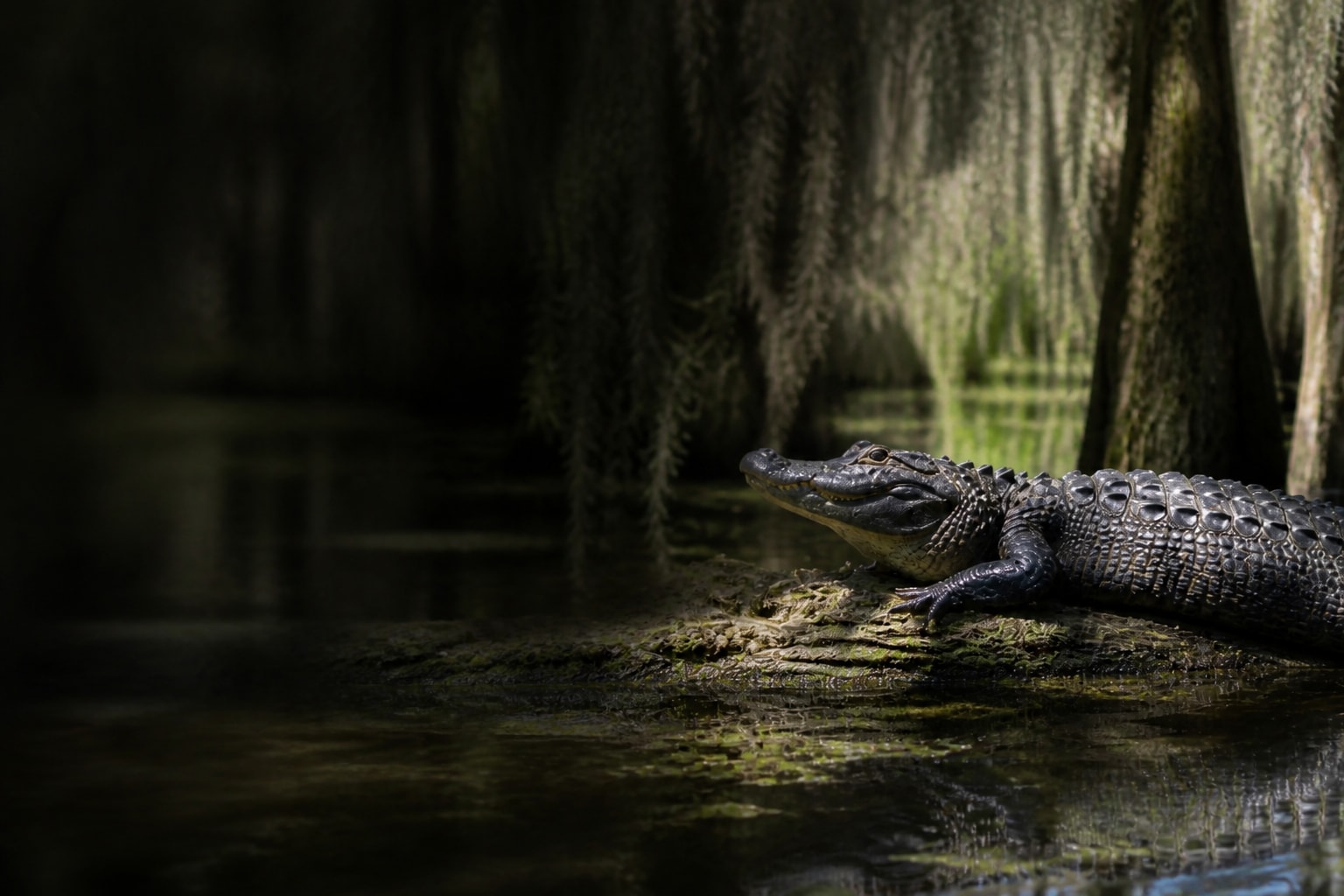
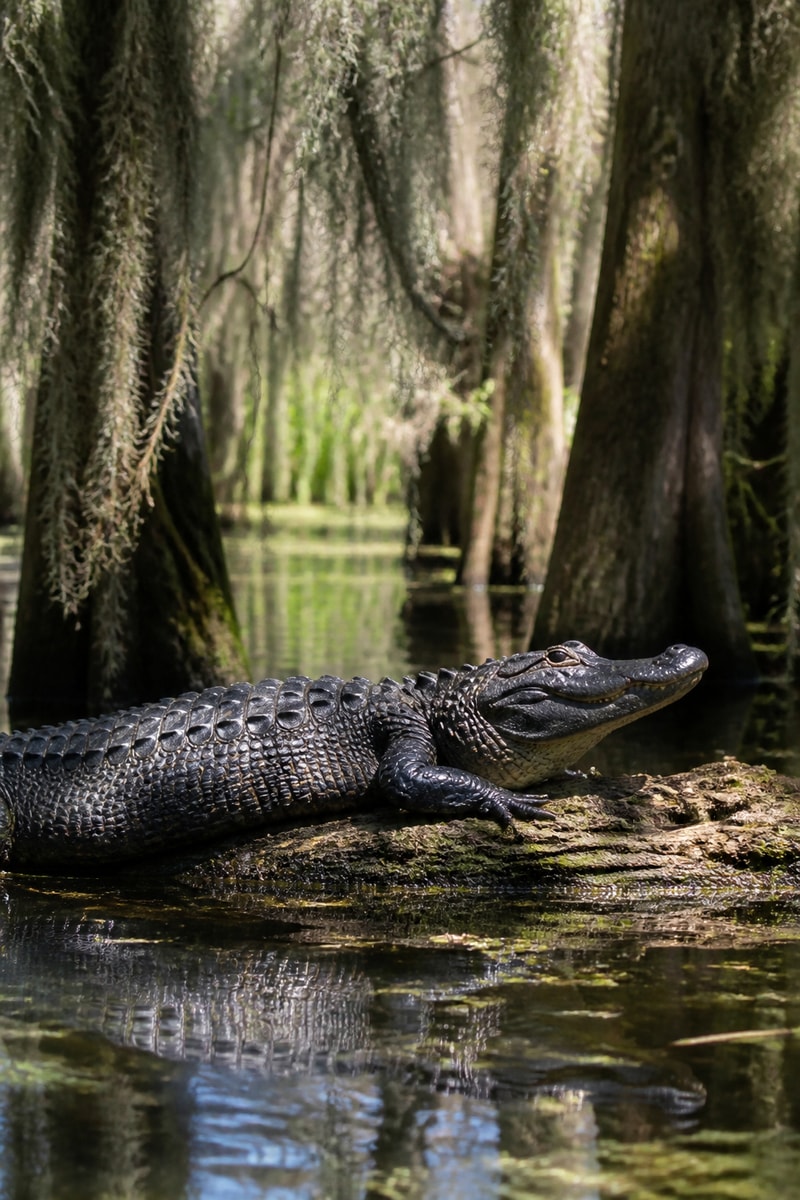
Living dinosaur of the Deep South, an armoured reptile that bellows in spring and basks on banks with prehistoric patience.
Least Concern
Alligator mississippiensis
Overview
The American alligator is a survivor from the age of dinosaurs, unchanged in essentials for over 80 million years. Adults can exceed four metres and weigh over 450 kilograms, yet they are wary of humans and essential to wetland ecology, their wallows create habitat for other species.
In spring, bull alligators bellow to attract mates, a deep rumble that makes water 'dance' on their backs. Females build mound nests of vegetation, and temperature determines whether eggs hatch male or female.
- Scientific nameAlligator mississippiensis
- Length3–4.5 m
- Weight180–450 kg
- LifespanAround 35–50 years in the wild
- DietCarnivore
- ConservationLeast Concern
- RegionSwamps & Rivers
Habitat
- Freshwater swamp
- Marsh
- River
Freshwater swamps, marshes, rivers, and lakes across the southeastern United States hold alligators. Louisiana and Florida have the largest populations, with gators common in the Everglades, bayous, and golf course ponds throughout the South.
Countries found
Field notes
Field scale for the Alligator: length around 3-4.5 m; weight 180-450 kg. Typical lifespan: Around 35-50 years in the wild.
When you are scanning habitat, prioritise freshwater swamp, marsh, and river. Those settings are where a clean look and a usable photo are most likely.
Quick ID anchor: Broad U-shaped snout, dark armoured body, and a fourth lower tooth that fits into a socket and is hidden when the mouth is closed (unlike most crocs). Adults are dark grey to black. Confirm with behaviour and habitat before you log the discovery.
Diet
Opportunistic carnivore taking fish, turtles, birds, mammals, and carrion. Ambush from the water's edge; juveniles eat more insects and small aquatic prey.
Behaviour
Bask on banks and float with only eyes and nostrils showing. Bulls bellow in spring; females guard mound nests, and hatchling sex is determined by nest temperature.
How to identify
Broad U-shaped snout, dark armoured body, and a fourth lower tooth that fits into a socket and is hidden when the mouth is closed (unlike most crocs). Adults are dark grey to black.
Interesting facts
- 01
Alligators have been on Earth for over 80 million years, outliving dinosaurs.
- 02
Their bite force is one of the strongest measured in any living animal.
- 03
Alligators were once endangered in the US but have recovered fully.
Conservation status
American alligators are Least Concern after a remarkable recovery from near extinction in the 1960s. Protected status and farming programmes transformed them into a conservation success story.
Sources: IUCN Red List
Related discoveries
Keep exploring
Related discoveries
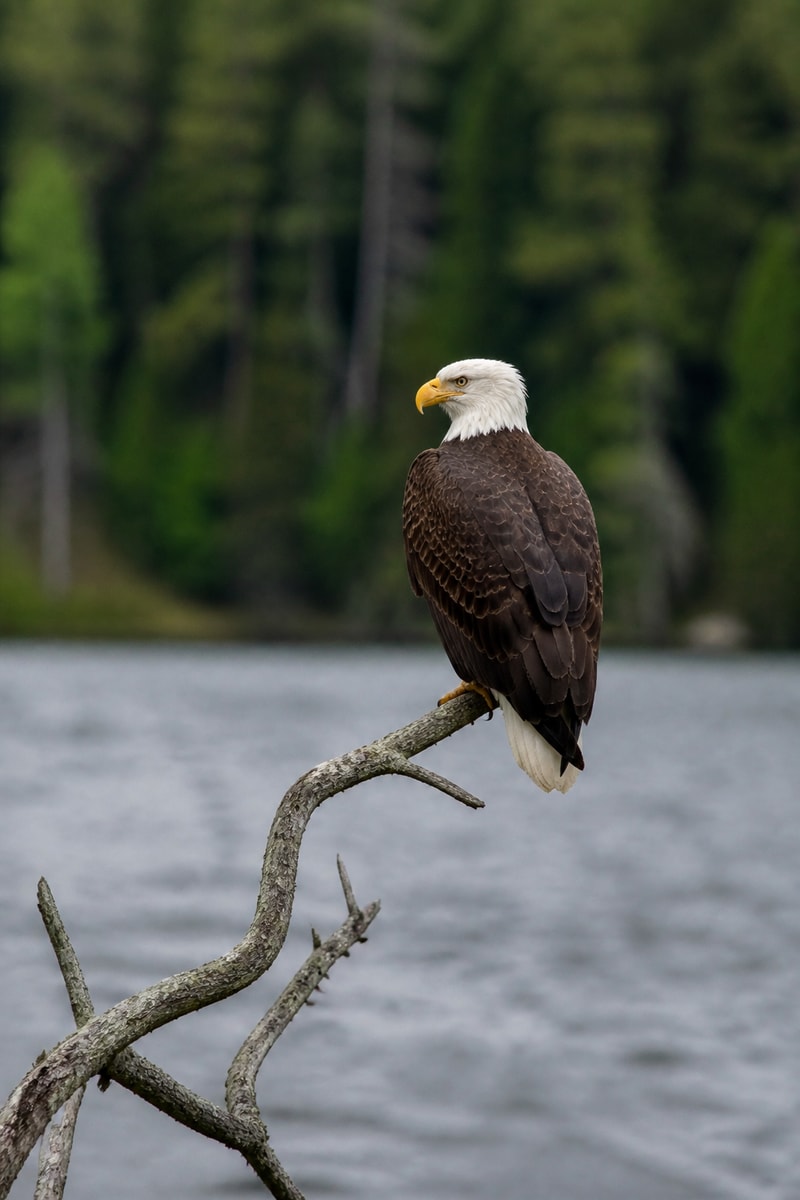
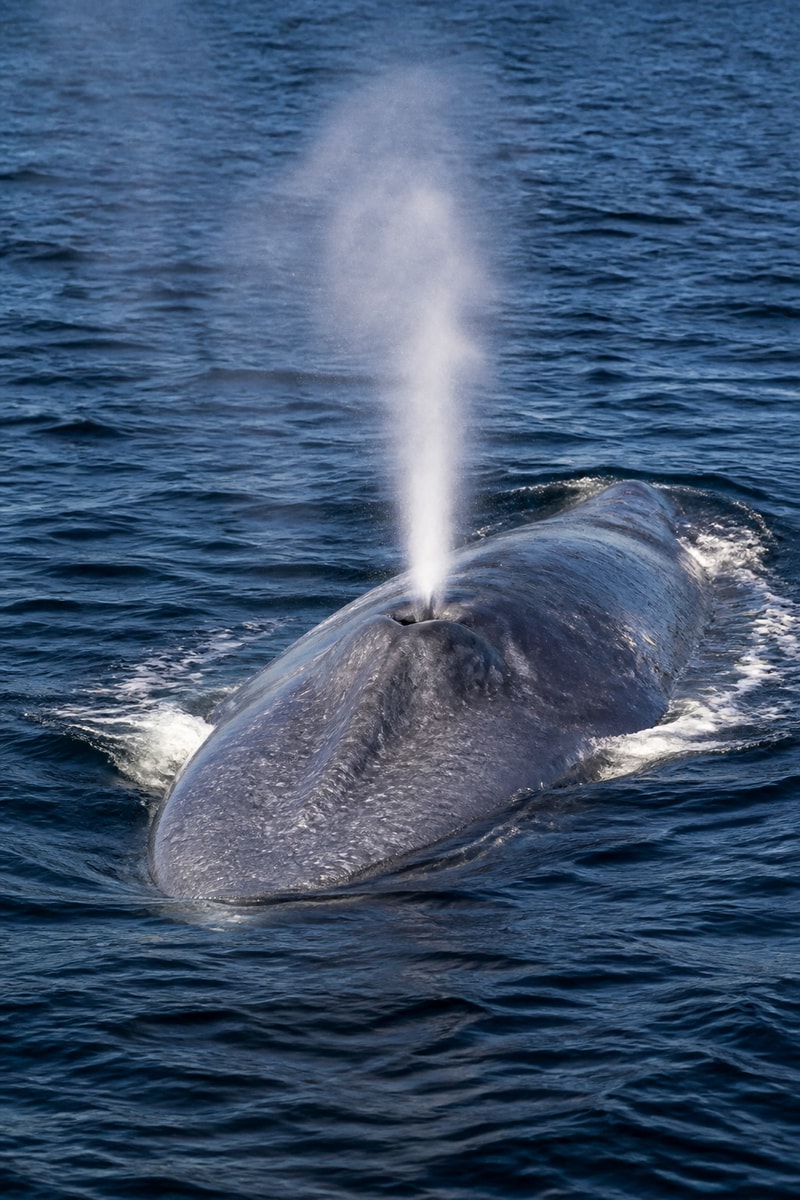
- Bald Eaglelegendary • Lakes & Coasts
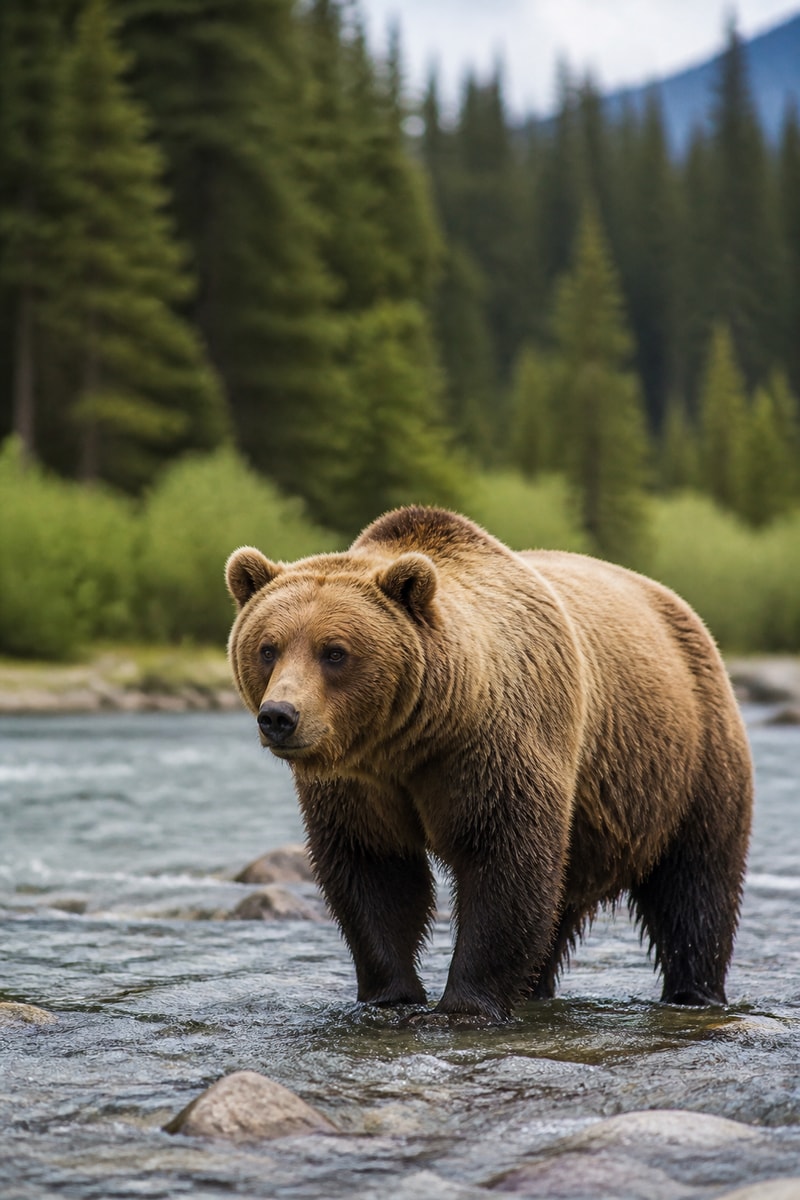
- Grizzly Bearlegendary • Mountains & Rivers
- Blue Whalelegendary • Open Ocean
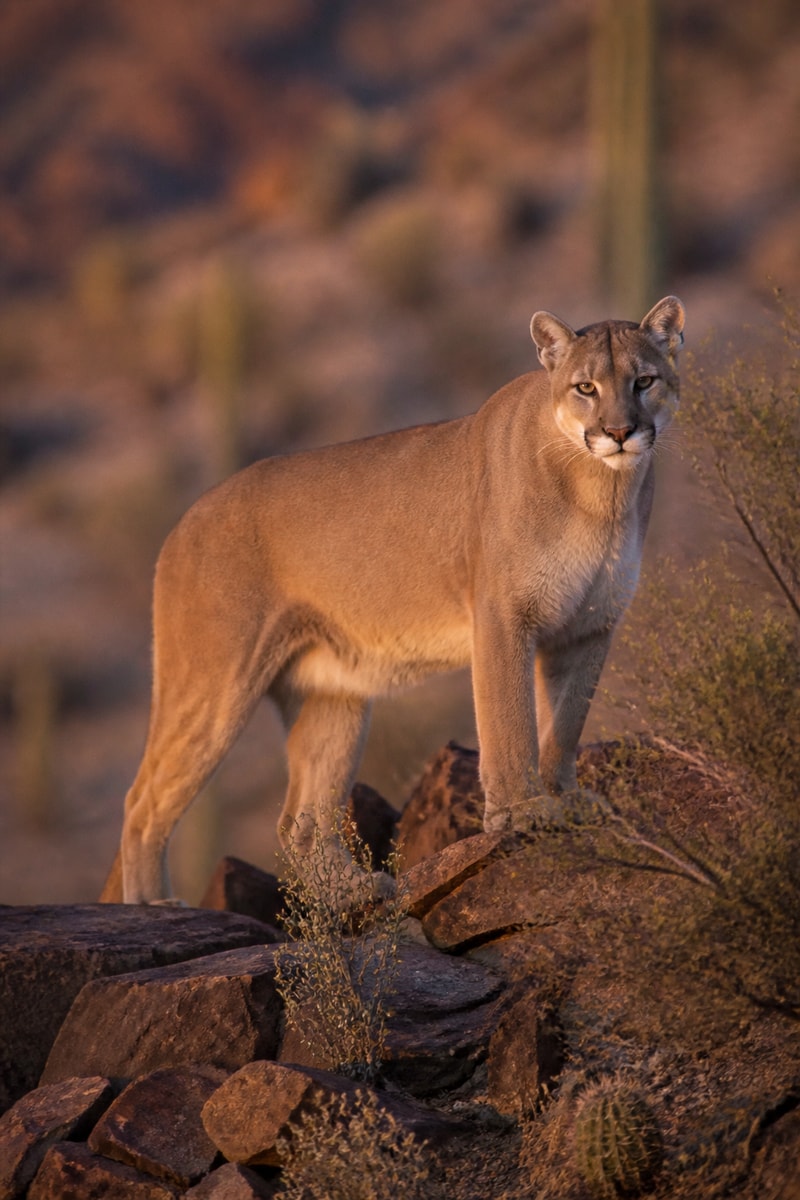
- Mountain Lionlegendary • Mountains & Desert
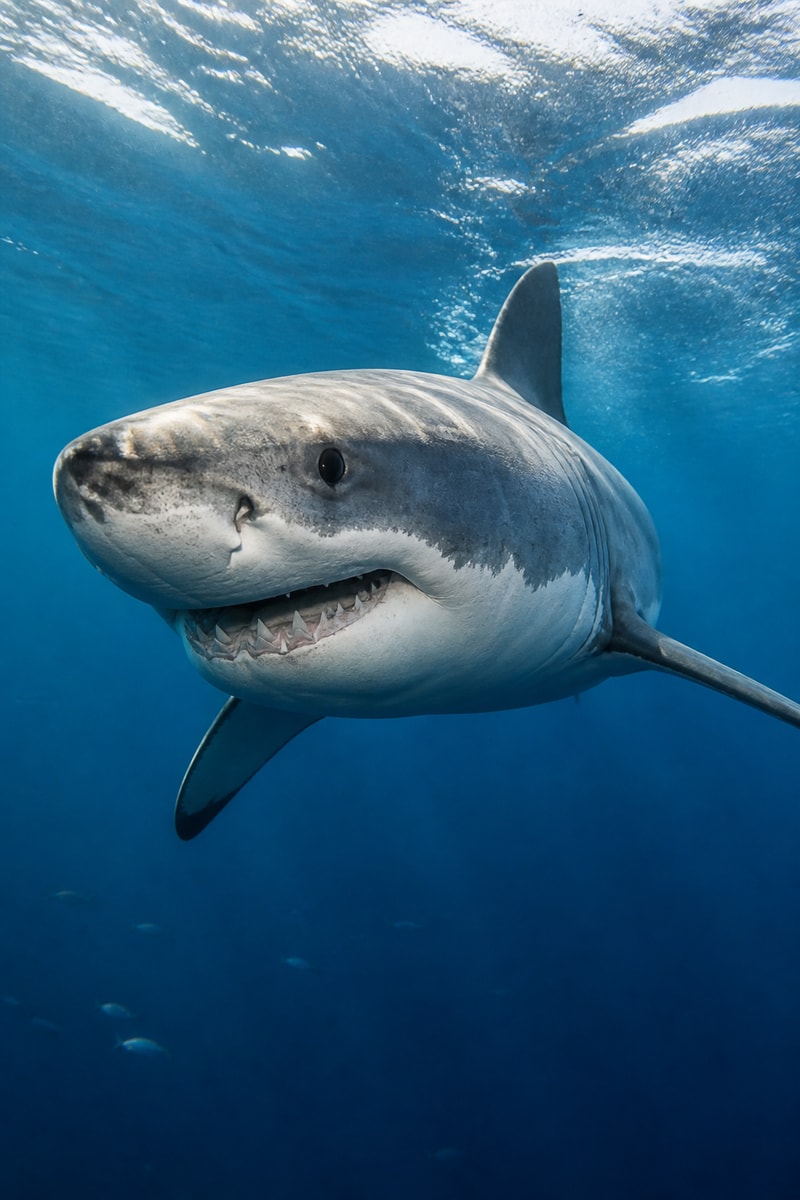
- Great White Sharklegendary • Coastal Ocean
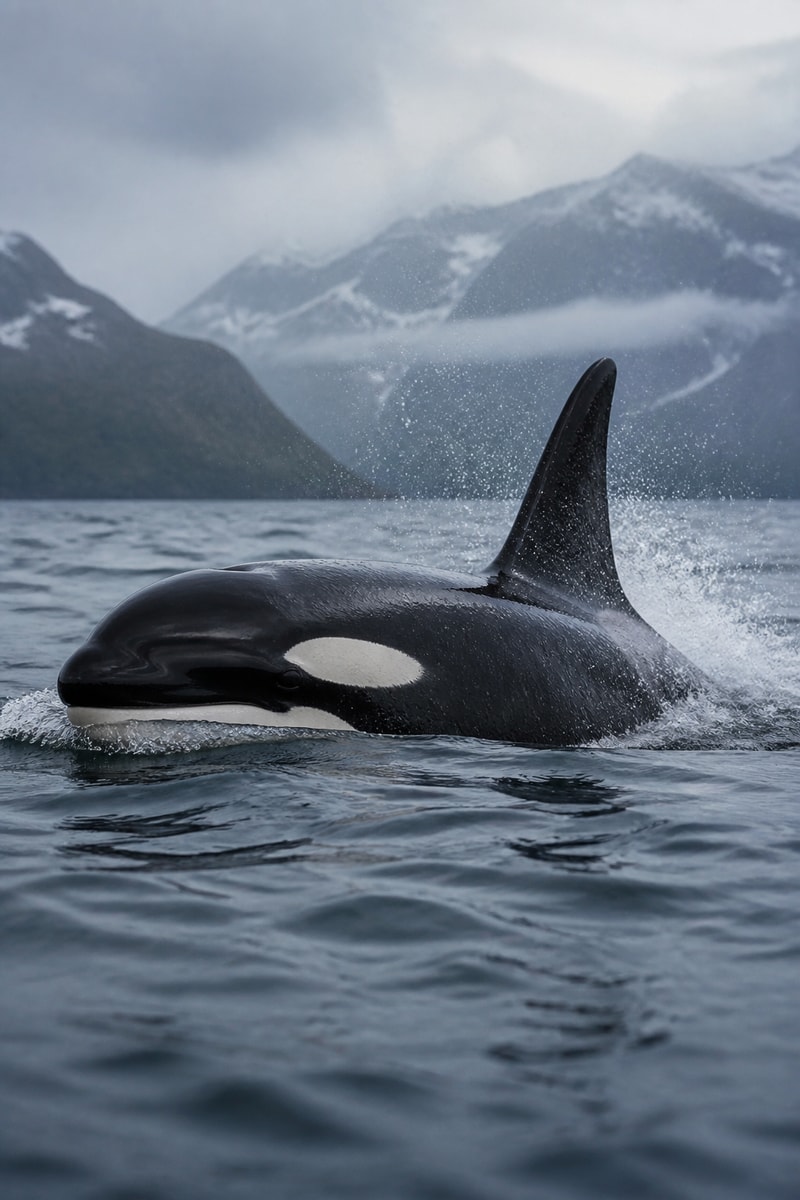
- Orcalegendary • Coastal Ocean
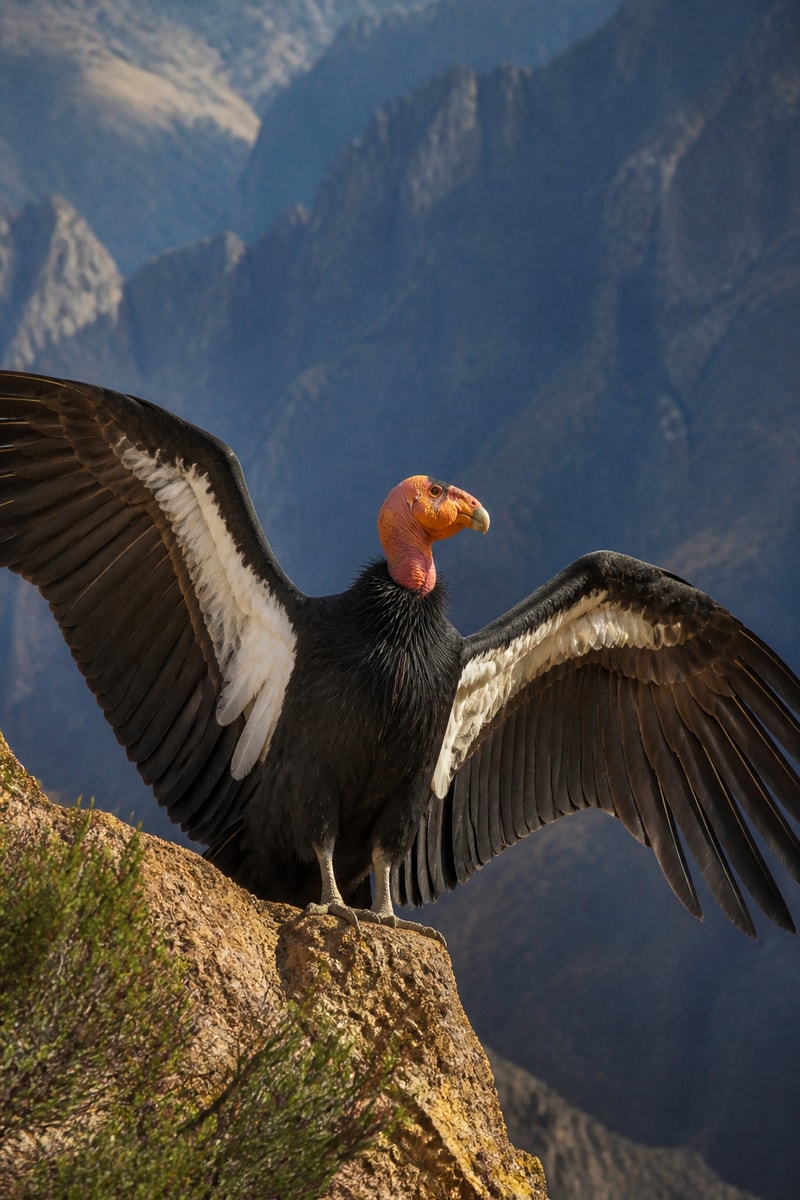
- California Condorlegendary • Canyons & Cliffs
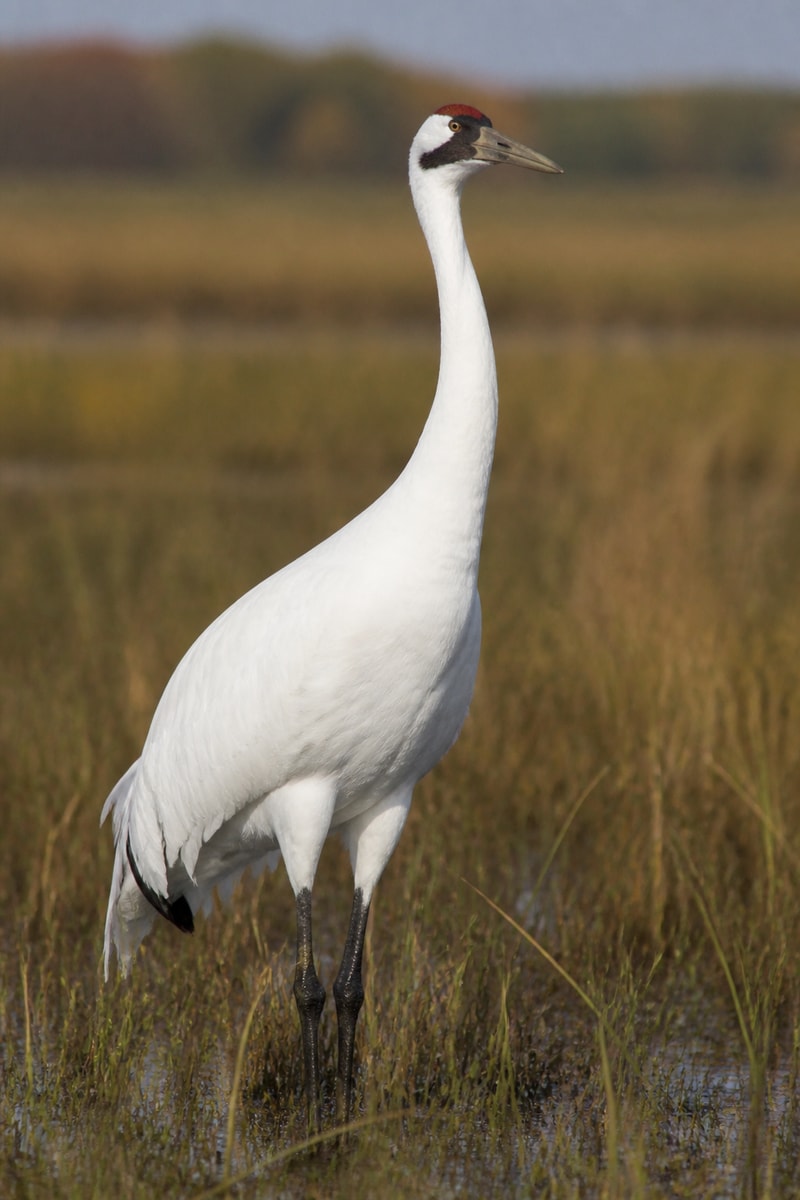
- Whooping Cranelegendary • North American Wetlands
Free on iOS
Catch the Alligator
Spot one in the wild, then scan it in Catch'Um to log your common discovery.