
Field guide · rare
Water Vole
Blunt-nosed riverbank legend — Ratty of the reeds, now a hard-won UK find.
Least Concern
Arvicola amphibius
Overview
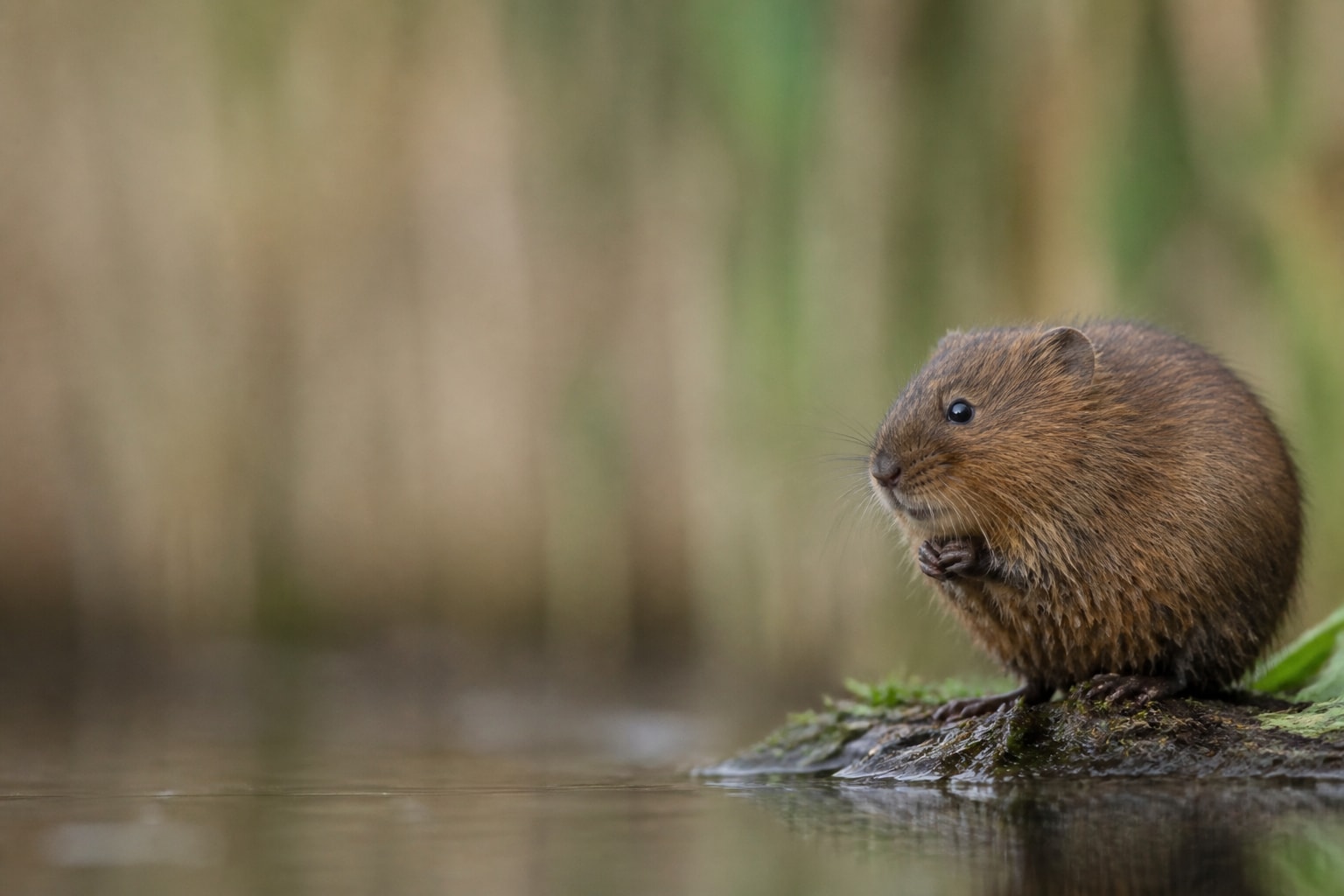
Water voles are chunky aquatic rodents of British rivers, ditches, and wetlands, with blunt noses, small ears, and furry tails. They dive from banks, leave neat ‘lawns’ of chewed vegetation, and have become scarce after habitat loss and American mink predation.
For UK collectors, the water vole is a rare wetland prize — plop into the water, latrine piles on the bank, and Britain’s most cherished disappearing riverside mammal.
- Scientific nameArvicola amphibius
- Length14–22 cm body; tail 9–14 cm
- Weight150–300 g
- LifespanAround 1–3 years in the wild
- DietGrasses
- ConservationLeast Concern
- RegionBritish Rivers & Wetlands
Where to see them
Habitat
- Riverbank
- Canal edge
- Reedbed
- Wet ditch
Slow rivers, canals, ditches, reedbeds, and wetlands across the UK with lush bankside vegetation and soft earth for burrows.
Field notes
Field scale for the Water Vole: length around 14-22 cm body; tail 9-14 cm; weight 150-300 g. Typical lifespan: Around 1-3 years in the wild.
When you are scanning habitat, prioritise riverbank, canal edge, reedbed, and wet ditch. Those settings are where a clean look and a usable photo are most likely.
Quick ID anchor: Chubby brown vole with a rounded blunt face and inconspicuous ears. Confirm with behaviour and habitat before you log the discovery.
Diet
Grasses, reeds, sedges, and other riparian plants.
Occasionally take bark, roots, and some invertebrates.
Behaviour
Burrow in soft banks and swim strongly along vegetated edges.
Territorial; mark with latrines and defend stretches of waterway.
How to identify
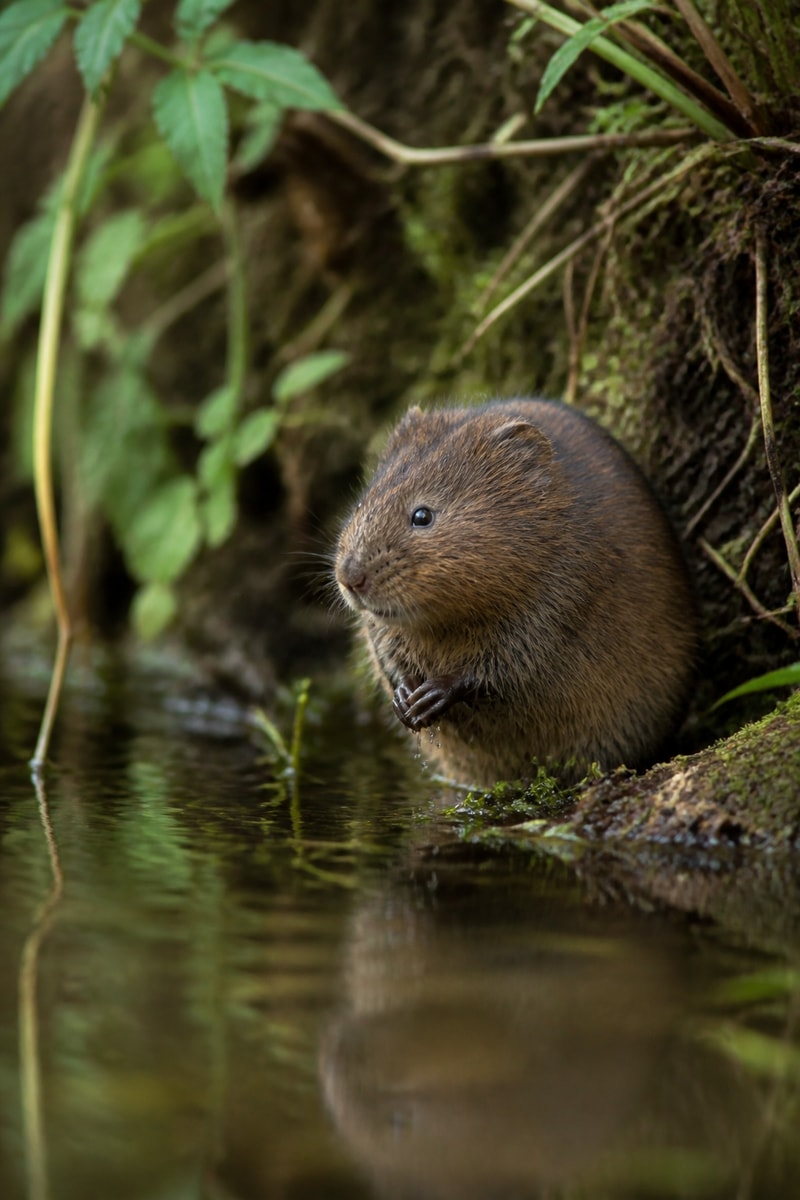
Chubby brown vole with a rounded blunt face and inconspicuous ears.
Furry tail and smaller size than a brown rat; often seen diving from banks.
Interesting facts
- 01
Blunt nose, small ears, and a furry tail distinguish them from brown rats.
- 02
Dive with a distinctive ‘plop’ when alarmed.
- 03
Leave latrines of droppings and cropped ‘lawns’ by burrows.
- 04
Feed mainly on grasses, reeds, and other bank plants.
- 05
Severely declined in Britain due to mink and habitat loss.
- 06
Protected in the UK and the subject of major reintroduction efforts.
Conservation status
Water voles are Least Concern globally but endangered on Great Britain’s mammal Red List. American mink predation and wetland degradation remain the critical UK threats.
Sources: IUCN Red List
Keep exploring
Free on iOS
Catch the Water Vole
Spot one in the wild, then scan it in Catch'Um to log your rare discovery.