
Field guide · rare
Thorny Devil
A walking thorn bush — ant specialist that drinks dew through its skin channels.
Least Concern
Moloch horridus
Overview
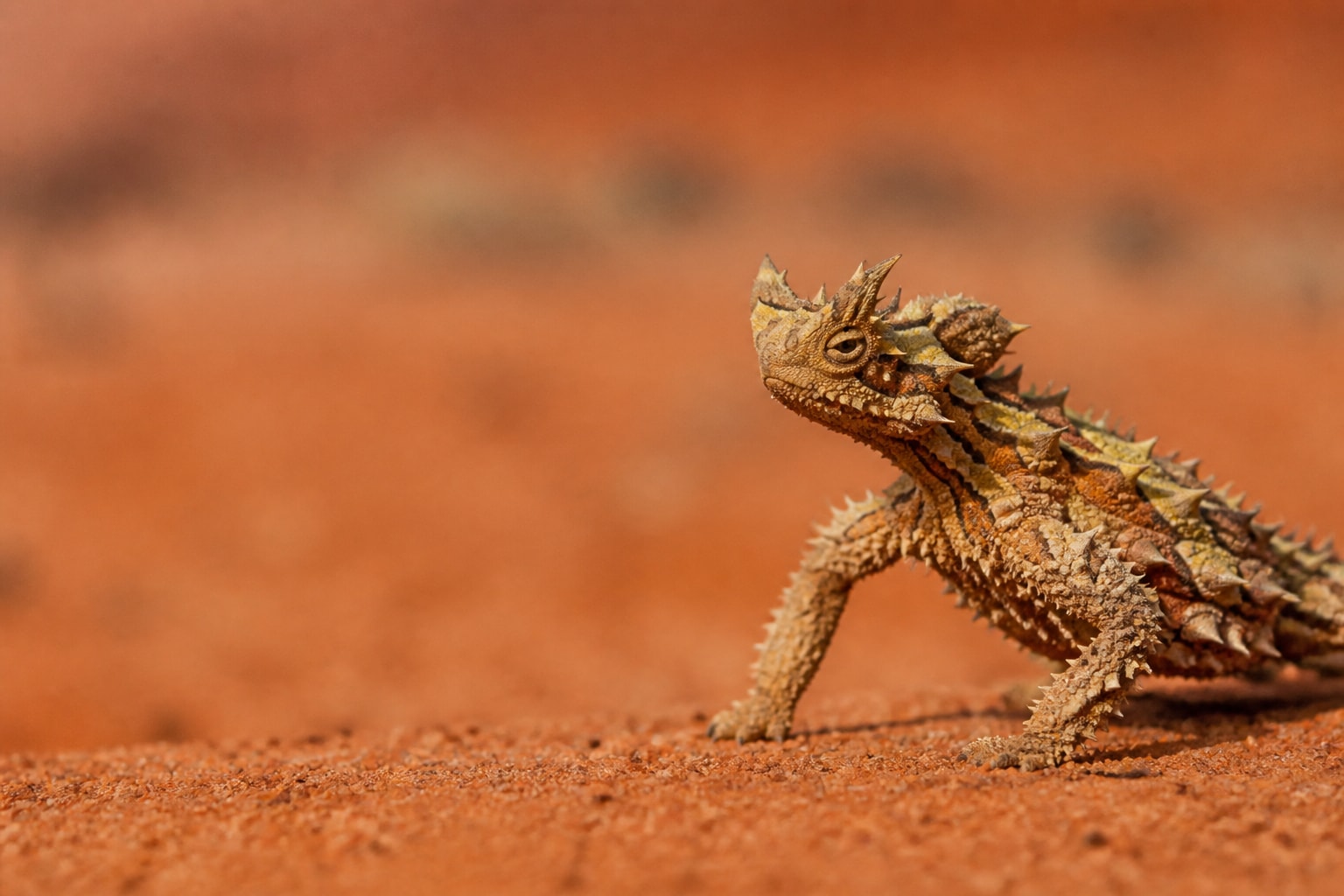
Thorny devils are small Australian agamid lizards covered in sharp spines. They specialise almost entirely on ants and channel rain and dew along skin grooves to the mouth — a desert water-harvesting trick.
For Australia collectors, a thorny devil on red sand is a rare Outback card — armour, ants, and arid ingenuity.
- Scientific nameMoloch horridus
- Length15–20 cm total
- WeightAround 50–90 g
- LifespanAround 15–20 years in the wild
- DietSpecialist ant-eaters
- ConservationLeast Concern
- RegionAustralian Desert
Where to see them
Habitat
- Sandy desert
- Spinifex grassland
- Arid shrubland
Spinifex grasslands, sandy deserts, and shrublands of arid and semi-arid Australia, especially interior Western Australia, South Australia, and the Northern Territory.
Field notes
Field scale for the Thorny Devil: length around 15-20 cm total; weight Around 50-90 g. Typical lifespan: Around 15-20 years in the wild.
When you are scanning habitat, prioritise sandy desert, spinifex grassland, and arid shrubland. Those settings are where a clean look and a usable photo are most likely.
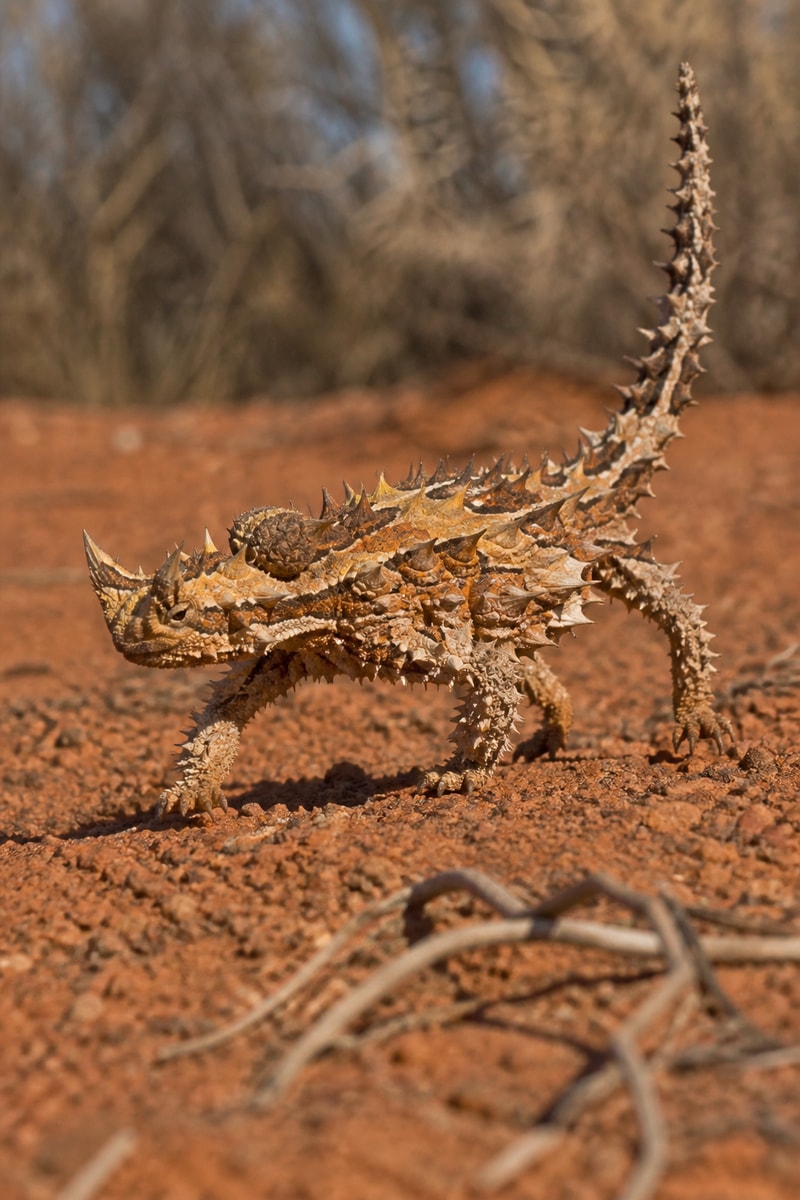
Quick ID anchor: Orange, brown, and tan patterned body bristling with thorns; plump belly. Confirm with behaviour and habitat before you log the discovery.
Diet
Specialist ant-eaters, licking up worker ants at trails and nests.
May take thousands of ants in a single feeding bout.
Behaviour
Slow, deliberate walk with a rocking motion; freeze when threatened.
Bask to warm up; shelter in sand or under vegetation in extreme heat.
How to identify
Orange, brown, and tan patterned body bristling with thorns; plump belly.
Small head, spiny 'false head' on the neck, and short legs.
Interesting facts
- 01
Body is covered in sharp conical spines for defence.
- 02
Diet is almost exclusively ants — thousands per meal.
- 03
Skin grooves channel water to the corners of the mouth.
- 04
Can change colour somewhat between pale and darker tones.
- 05
Walk with a slow, rocking gait that may confuse predators.
- 06
False head' knob on the neck may deflect attacks.
Conservation status
Thorny devils are Least Concern across arid Australia. Feral predators and habitat change affect some areas, but the species remains widespread in suitable desert country.
Sources: IUCN Red List
Keep exploring
Related discoveries
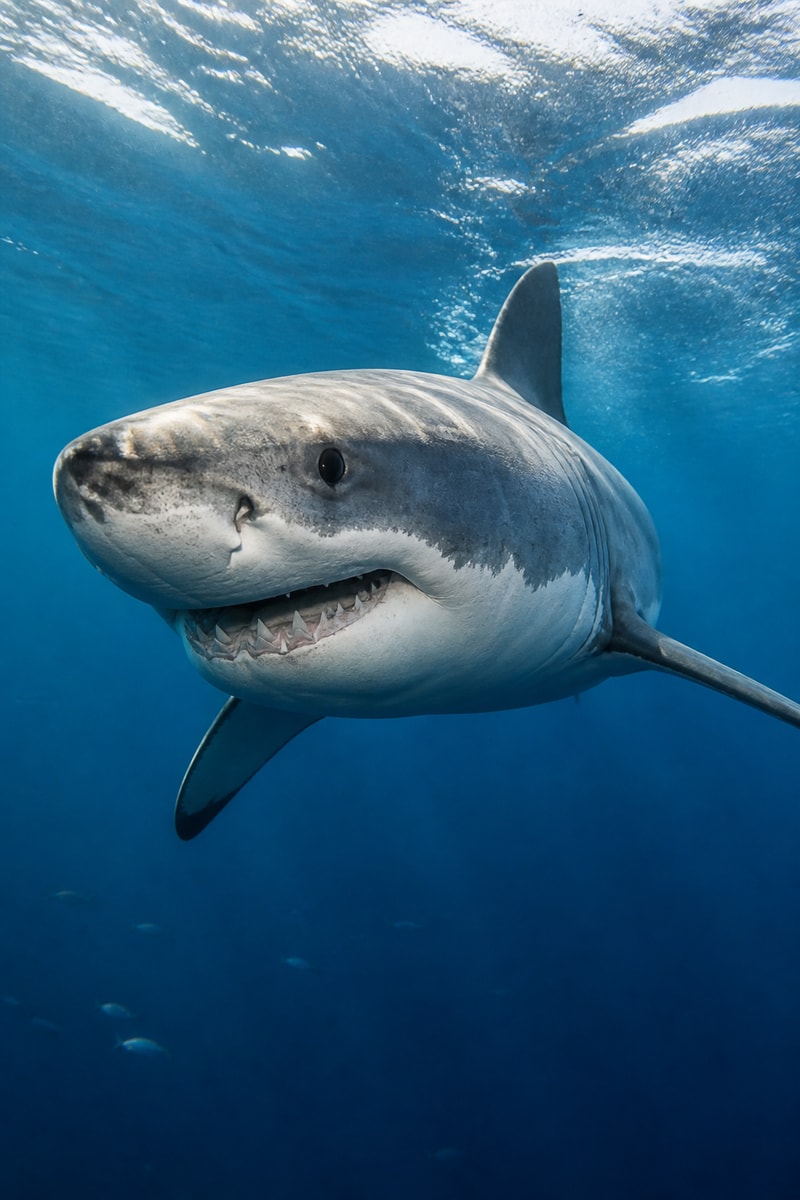
- Great White Sharklegendary • Coastal Ocean
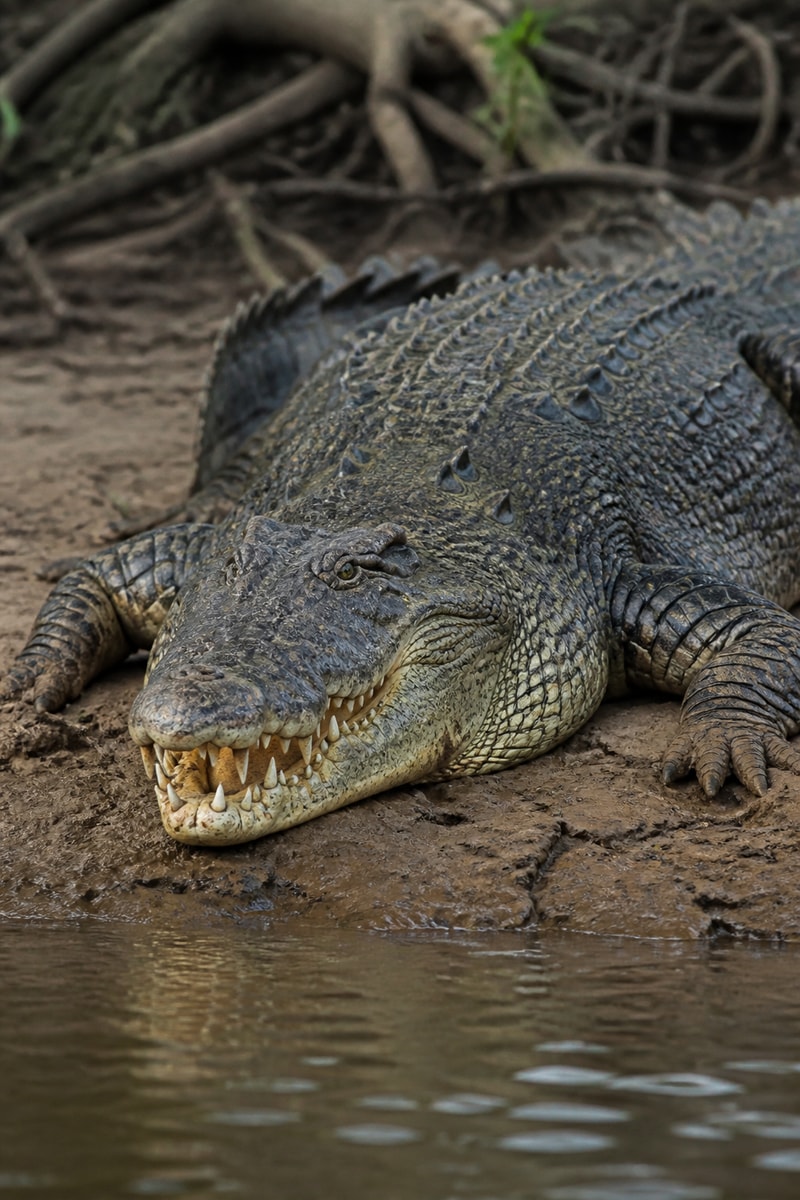
- Saltwater Crocodilelegendary • Estuaries & Coast
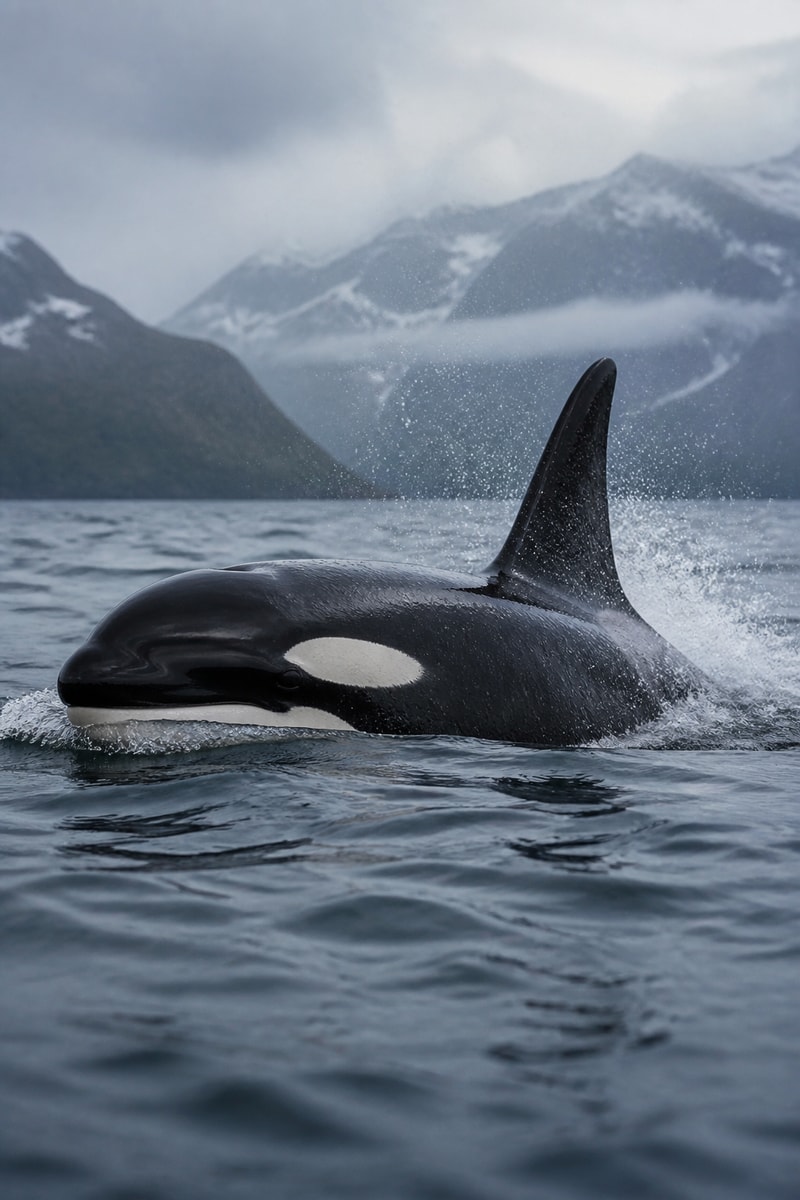
- Orcalegendary • Coastal Ocean
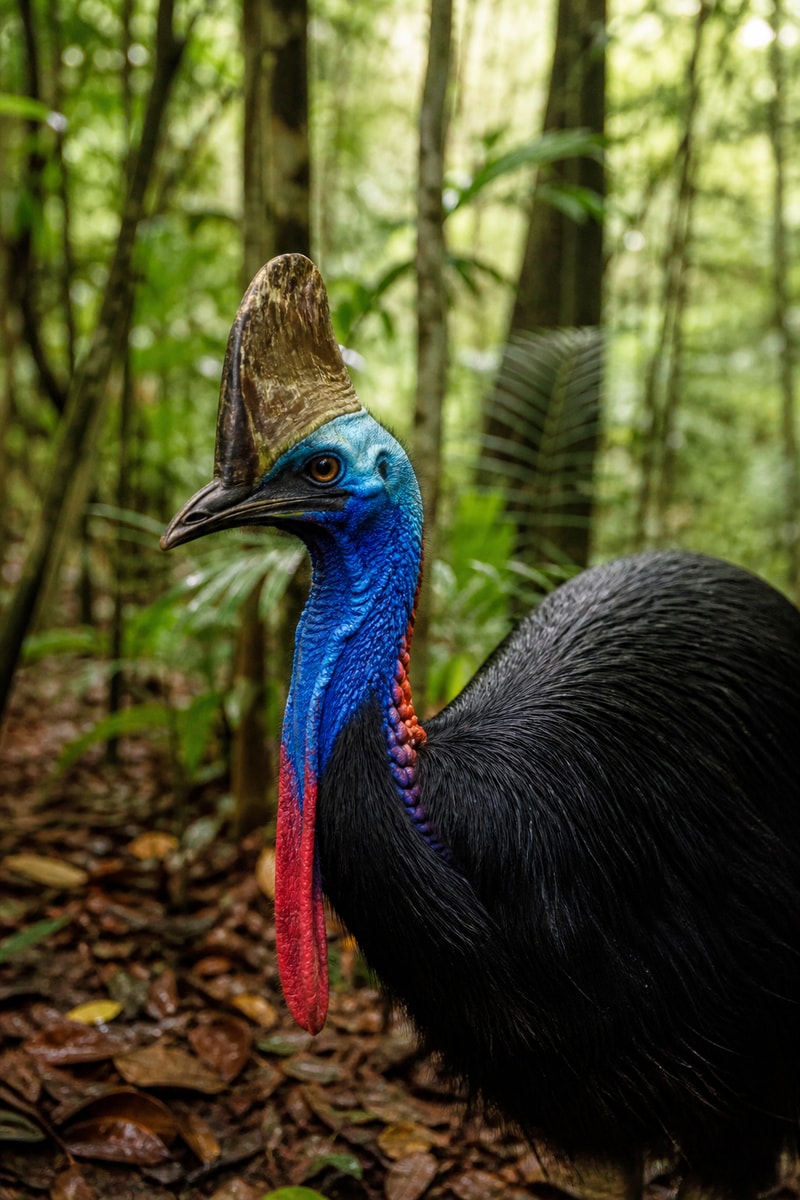
- Southern Cassowarylegendary • Rainforest
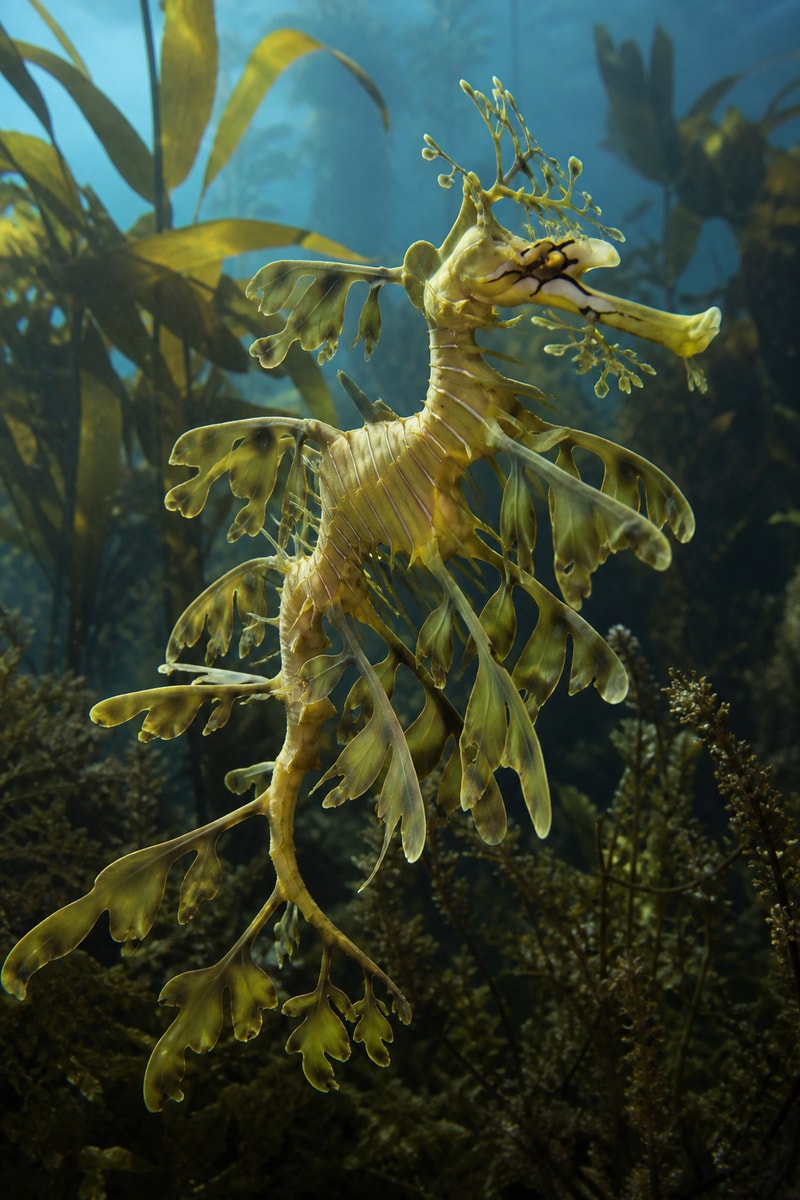
- Leafy Sea Dragonlegendary • Kelp & Seagrass
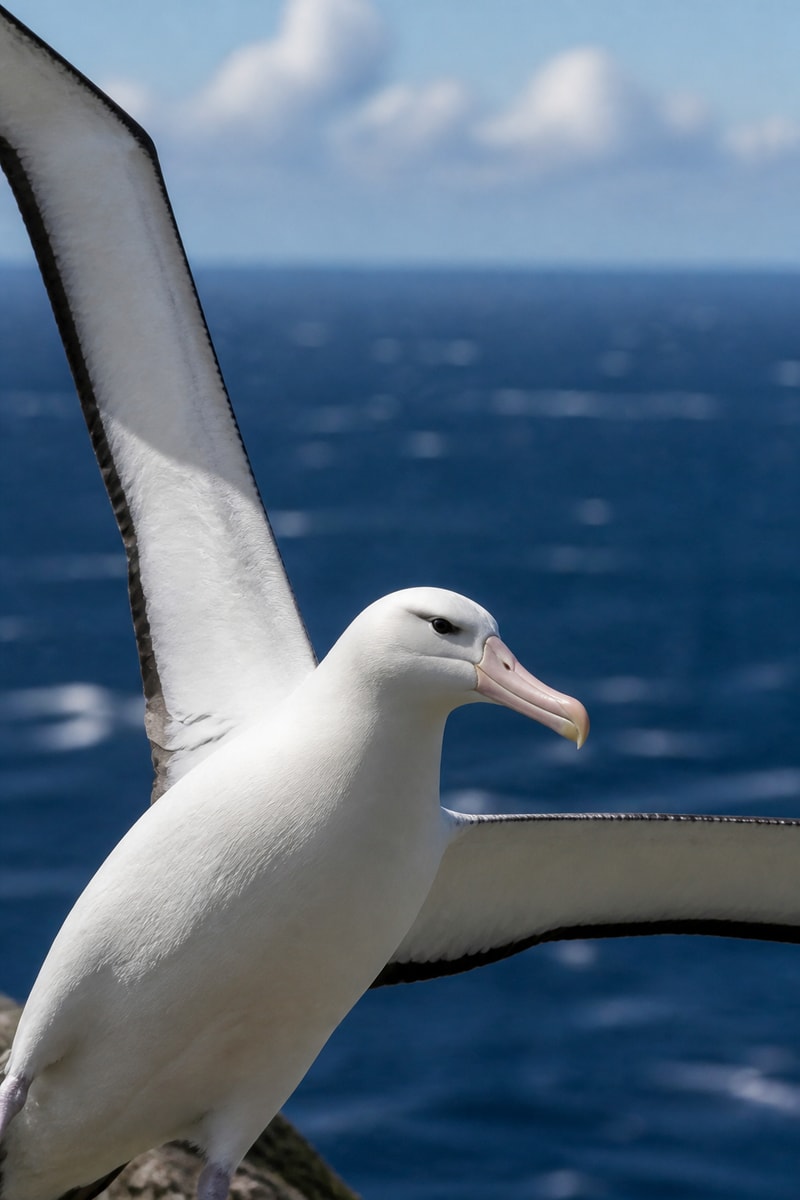
- Wandering Albatrosslegendary • Southern Ocean Skies
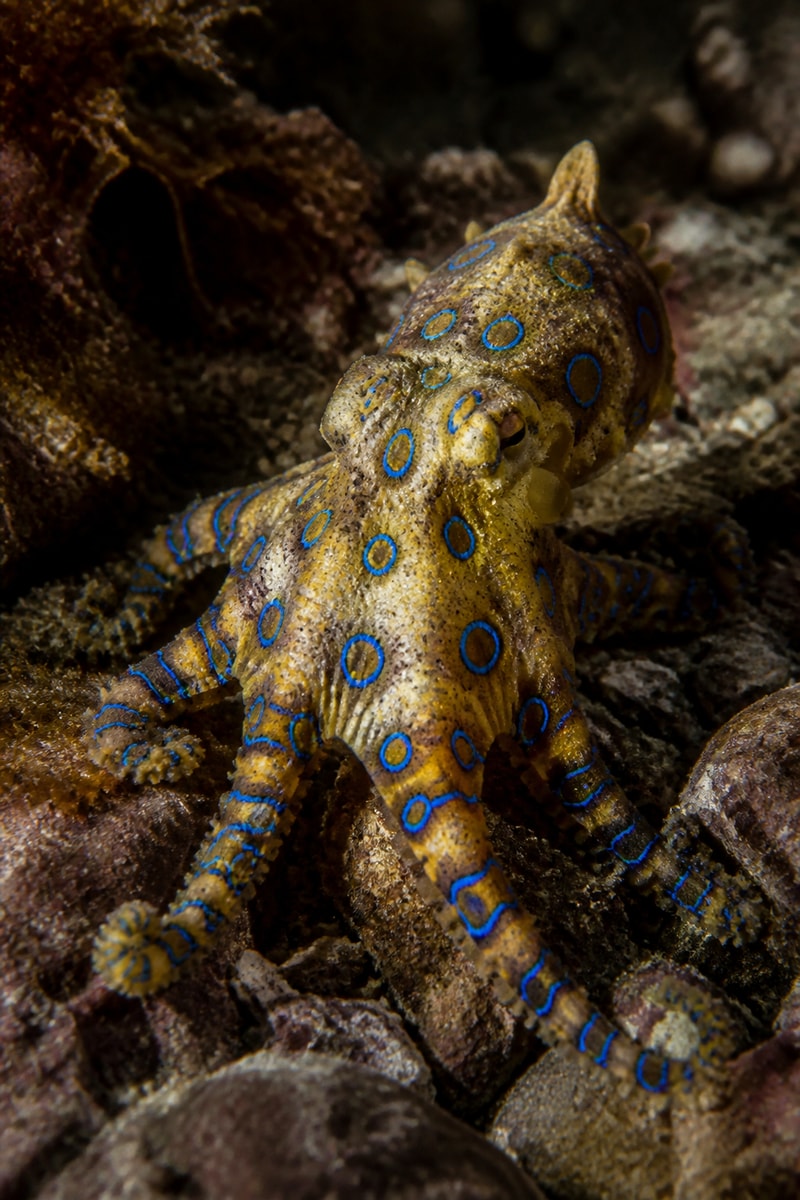
- Southern Blue-ringed Octopuslegendary • Southern Australian Reefs
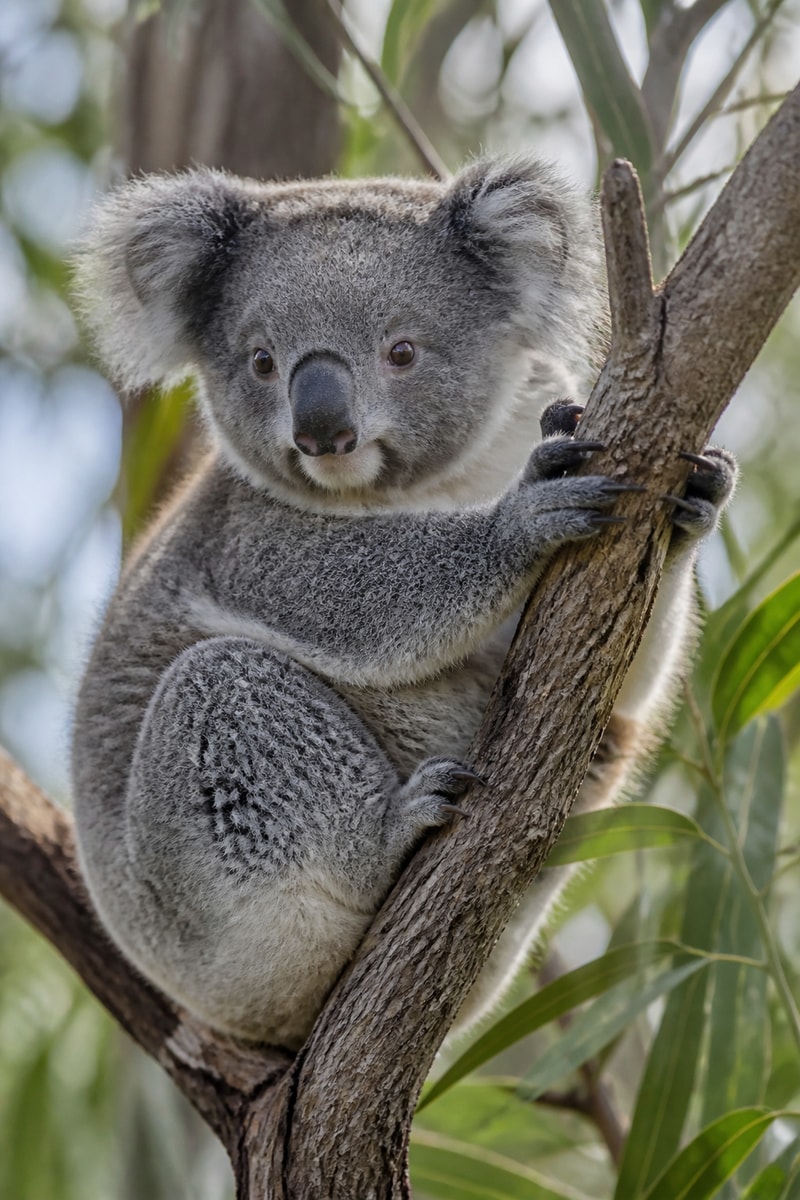
- Koalarare • Eucalyptus Forest
Free on iOS
Catch the Thorny Devil
Spot one in the wild, then scan it in Catch'Um to log your rare discovery.