
Field guide · common
Springbok
Pronking icon of the arid plains — white face blaze, side stripe, and gravity-defying leaps.
Least Concern
Antidorcas marsupialis
Overview
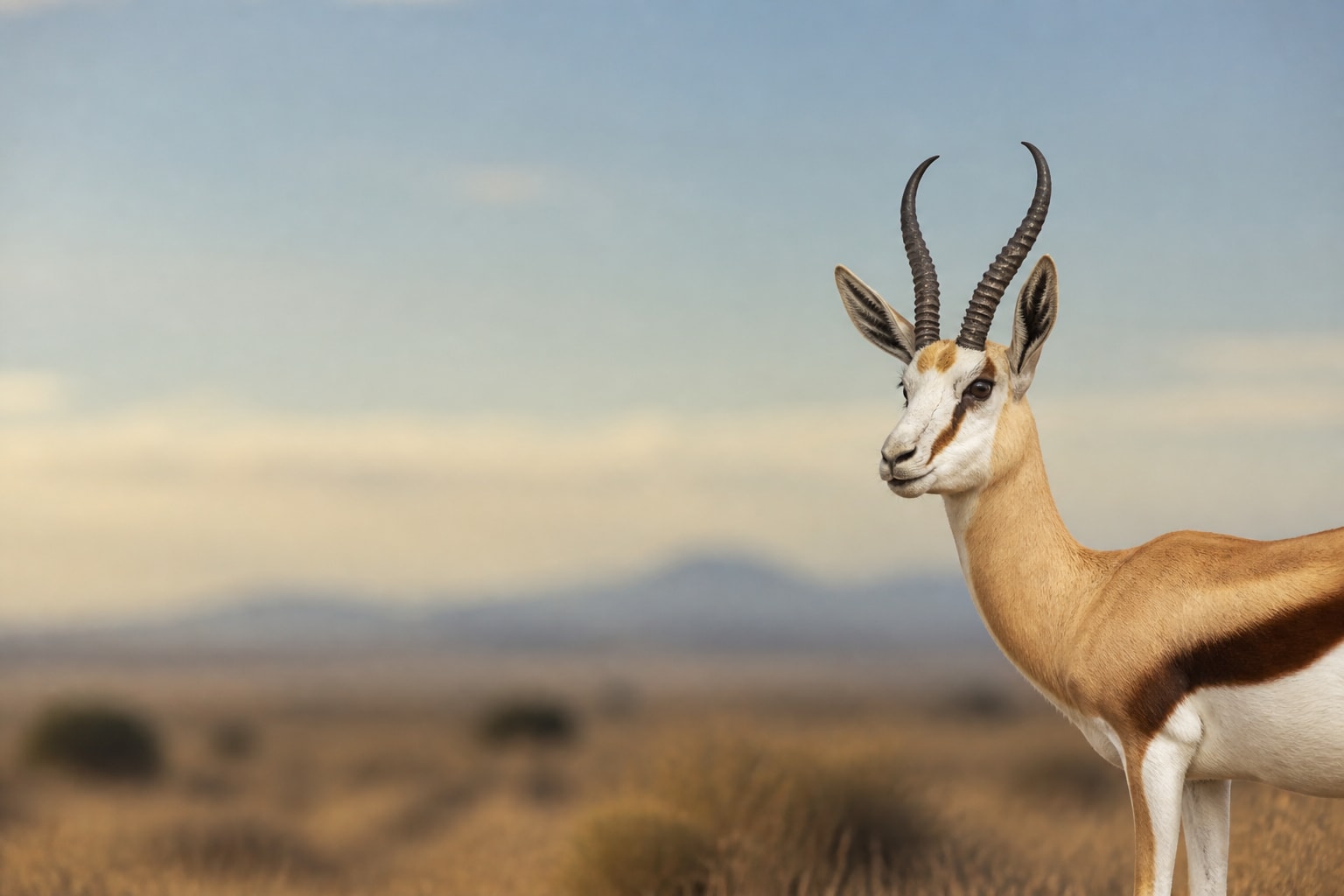
Springbok are medium antelope of southern Africa’s dry grasslands and scrub, famous for stiff-legged pronking displays that flash a white dorsal fan. They thrive where rainfall is sparse and forage stays within reach of open plains.
For South Africa and Botswana collectors, the springbok is a classic arid-savanna card — national symbolism, speed, and that signature leap.
- Scientific nameAntidorcas marsupialis
- Height70–90 cm at the shoulder
- Weight30–45 kg
- LifespanAround 7–10 years in the wild
- DietBrowsers and grazers…
- ConservationLeast Concern
- RegionSouthern African Savanna
Where to see them
Habitat
- Semi-arid grassland
- Karoo scrub
- Open plains
Open grassland, Karoo scrub, and semi-arid plains of southern Africa, avoiding dense woodland and seeking short forage near water when available.
Field notes
Field scale for the Springbok: height 70-90 cm at the shoulder; weight 30-45 kg. Typical lifespan: Around 7-10 years in the wild.
When you are scanning habitat, prioritise semi-arid grassland, karoo scrub, and open plains. Those settings are where a clean look and a usable photo are most likely.
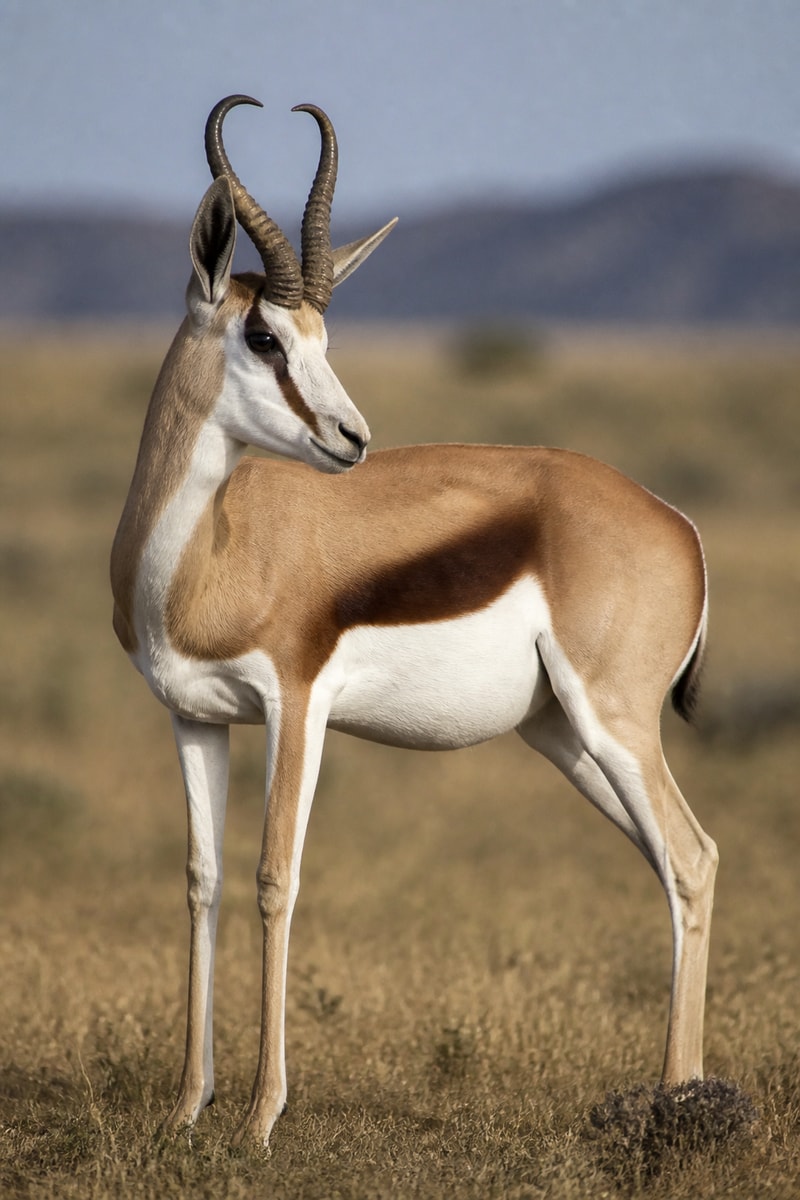
Quick ID anchor: Cinnamon-brown upperparts, white underside, and a dark horizontal flank stripe. Confirm with behaviour and habitat before you log the discovery.
Where to see one
Botswana
In Botswana, start at Kalahari Desert (Central Botswana). Red sand and sparse scrub, home to meerkat mobs, gemsbok, and brown hyenas at burrow entrances at dawn.
More context on this destination lives on the Botswana expedition page.
Diet
Browsers and grazers taking shrubs, forbs, and short grasses depending on season.
Select nutritious leaves and shoots in arid scrub when grass is poor.
Behaviour
Form mixed herds; males defend territories in the rut.
Pronk when alarmed or excited — stiff legs, arched back, white fan raised.
How to identify
Cinnamon-brown upperparts, white underside, and a dark horizontal flank stripe.
White face with dark cheek stripe; lyre horns on both sexes in most populations.
Interesting facts
- 01
South Africa’s national animal.
- 02
Pronking leaps can clear a metre or more.
- 03
A white dorsal crest flares during displays.
- 04
Both sexes usually carry lyre-shaped horns.
- 05
Can go long periods with little free water.
- 06
Form large migratory herds where forage allows.
Conservation status
Springbok are Least Concern. Wide range and ranchland populations keep numbers strong, though local drought and fencing can fragment historic movements.
Sources: IUCN Red List
Related discoveries
Great White Shark
United States, South Africa, Australia
African Wild Dog
Kenya, Botswana
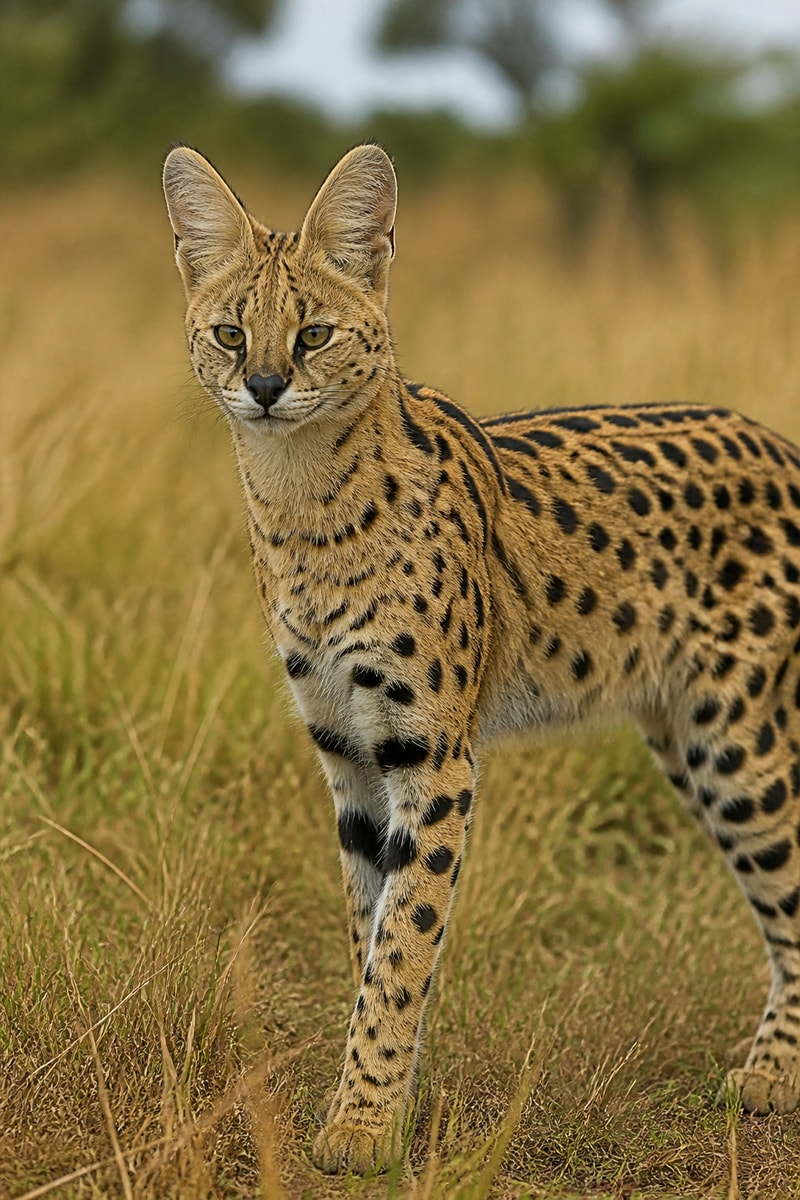
Serval
Kenya, South Africa
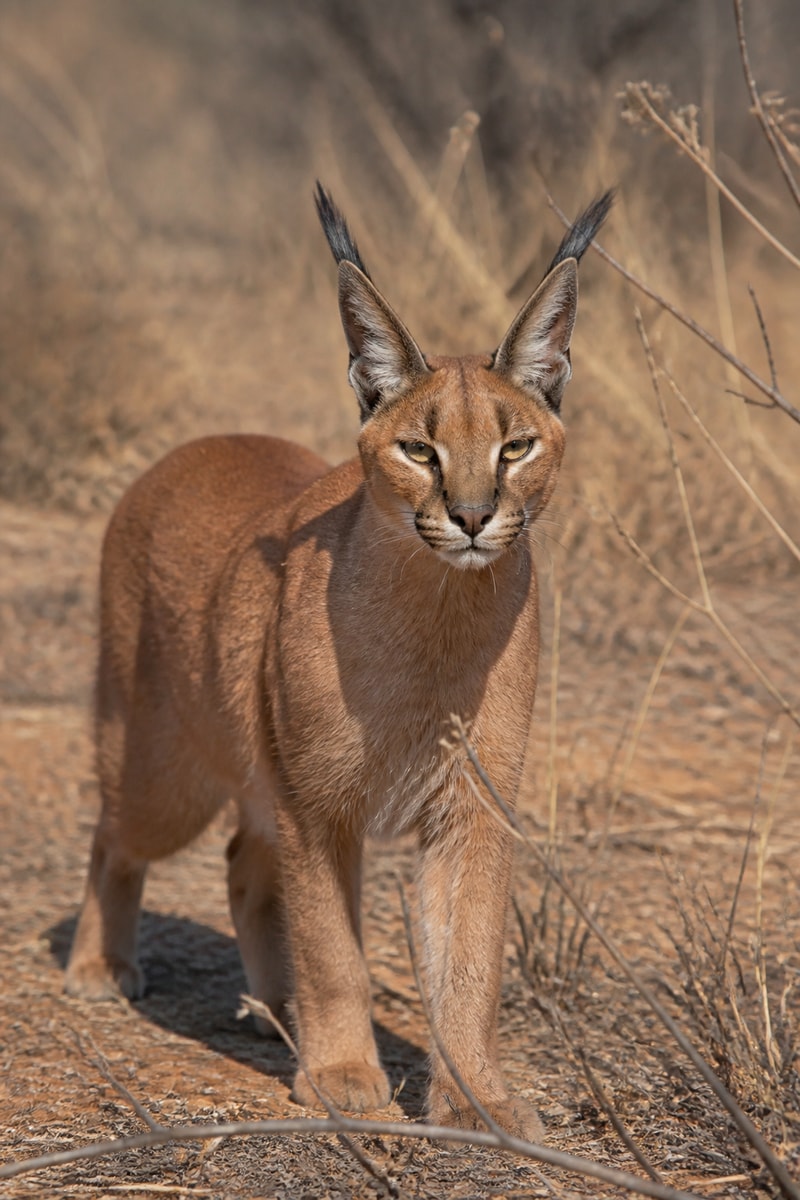
Caracal
Kenya, India, South Africa
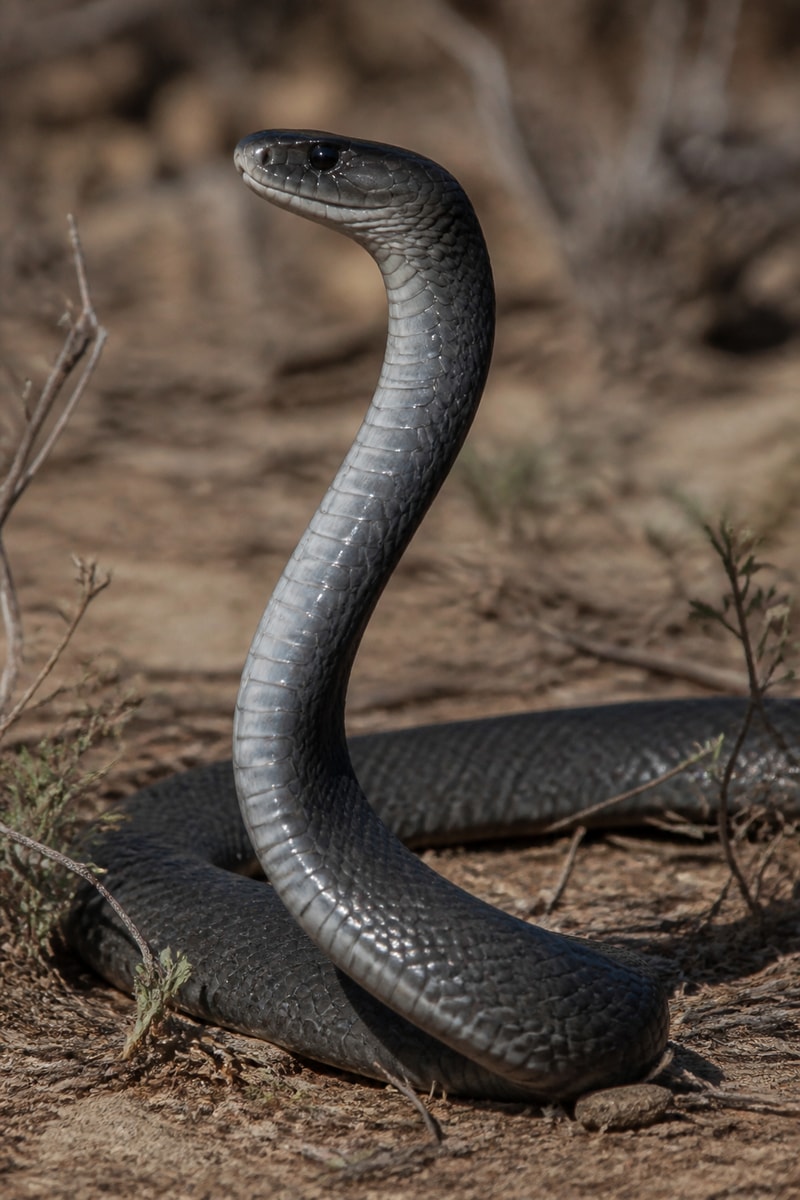
Black Mamba
Kenya, South Africa, Botswana
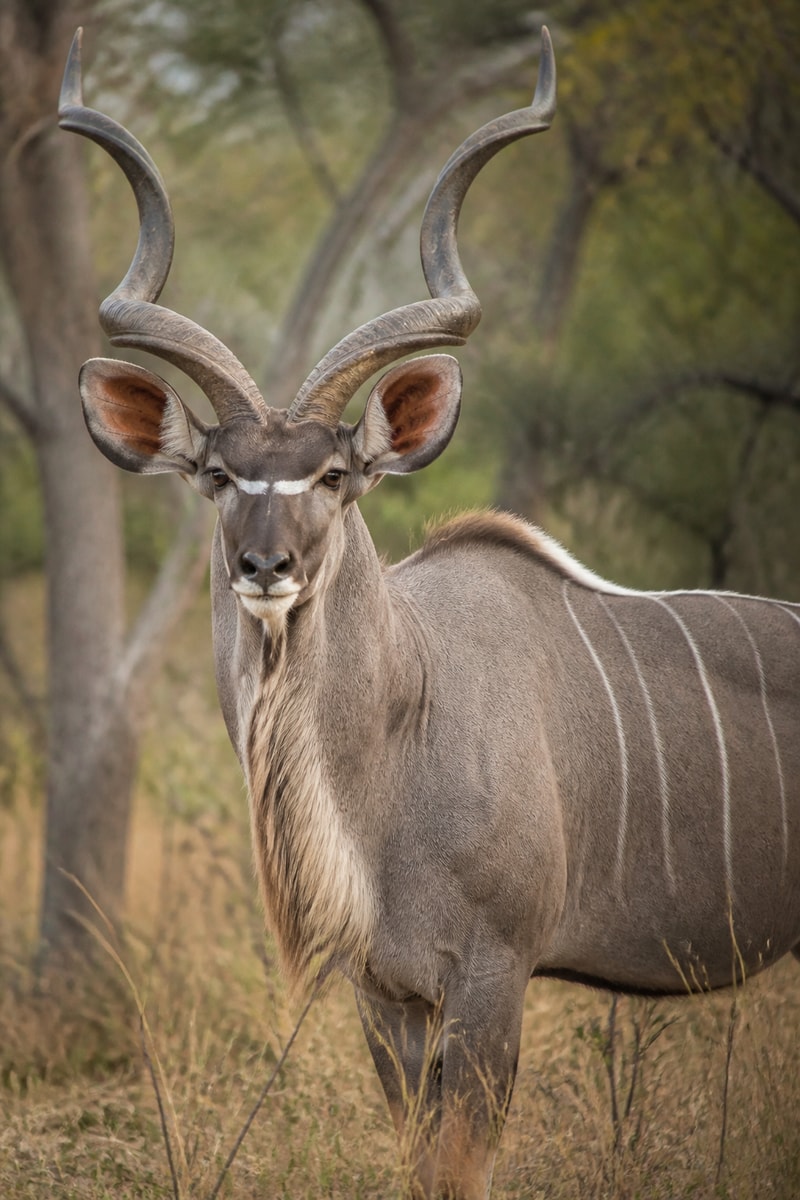
Greater Kudu
Kenya, Botswana, South Africa
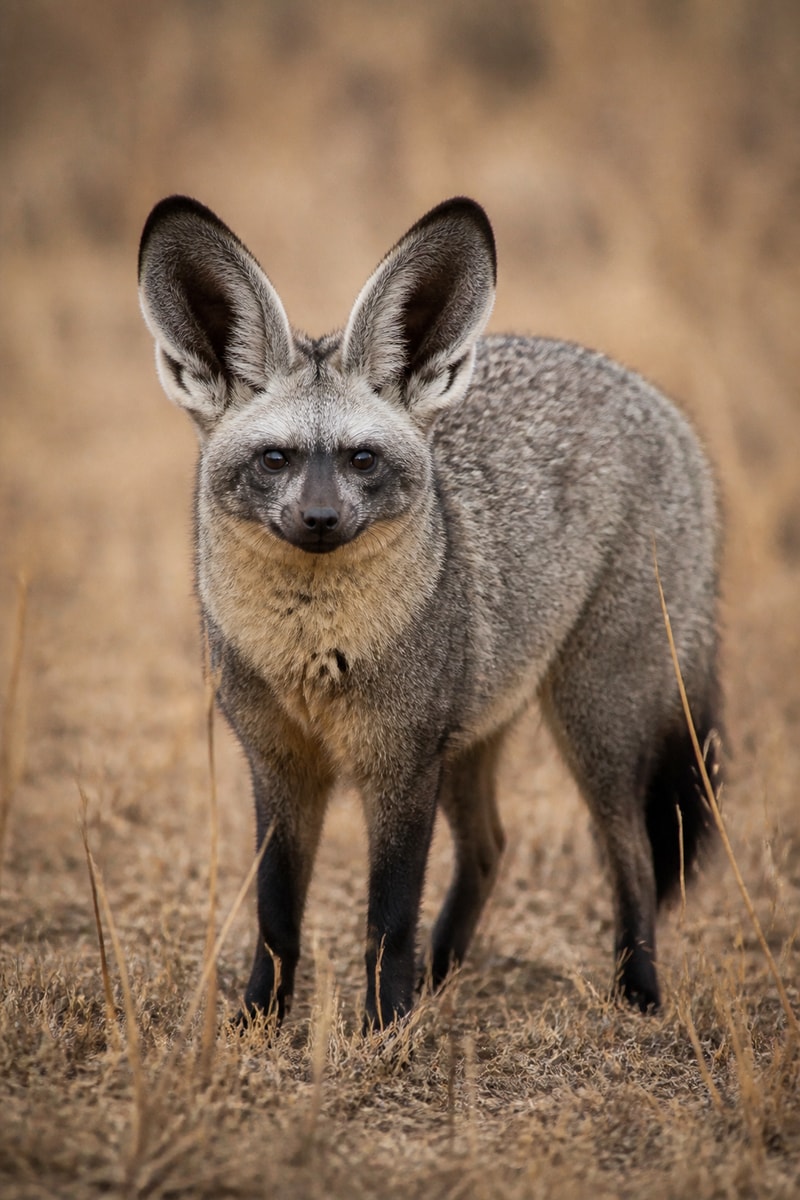
Bat-eared Fox
Botswana, Kenya, South Africa
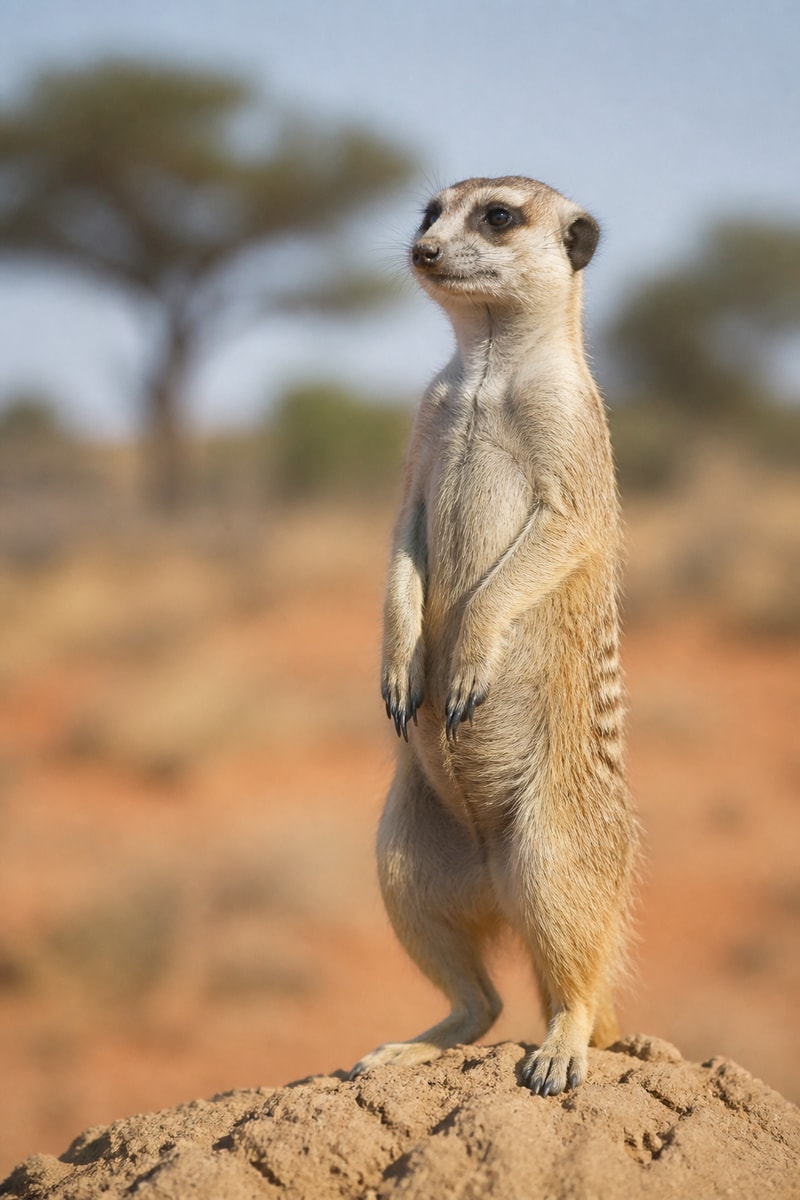
Meerkat
Botswana
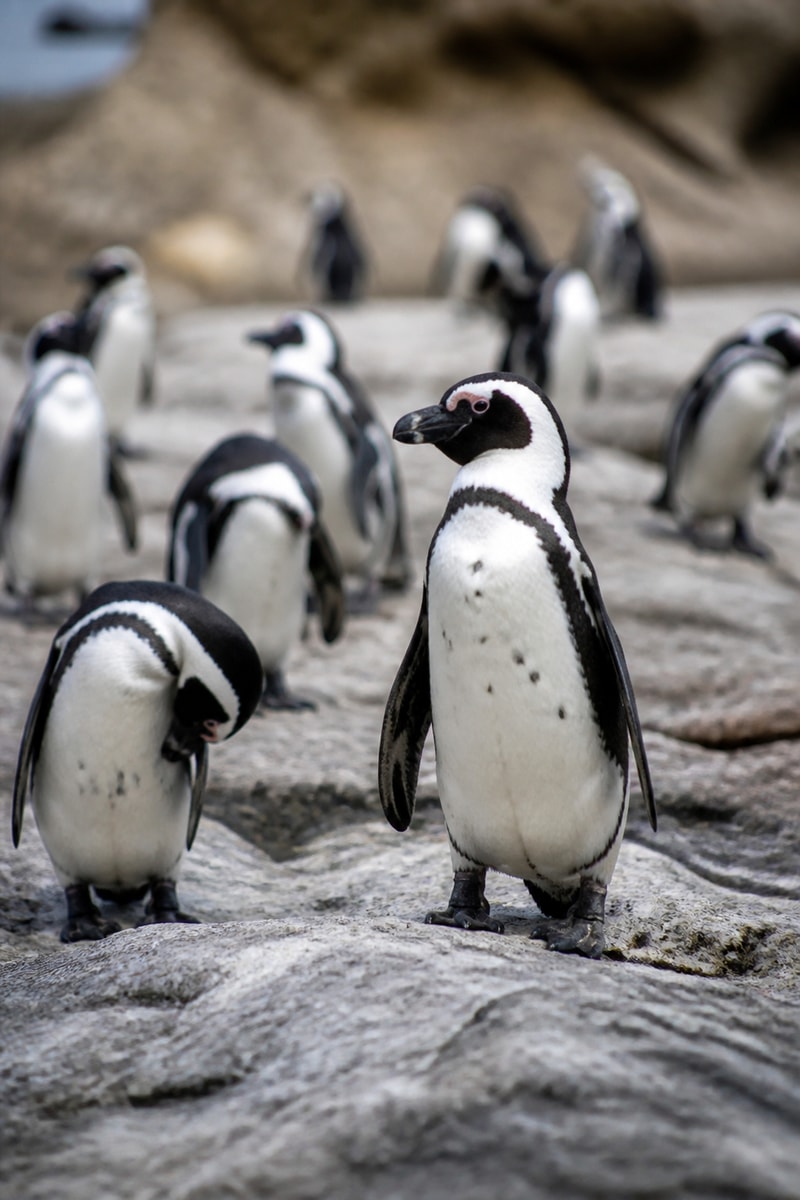
African Penguin
South Africa
Keep exploring
Where it lives
Free on iOS
Catch the Springbok
Spot one in the wild, then scan it in Catch'Um to log your common discovery.