
Field guide · common
African Penguin
The donkey-brays of Boulders Beach, a black-footed penguin that breeds on South African shores and swims into cold Atlantic currents.
Endangered
Spheniscus demersus
Overview
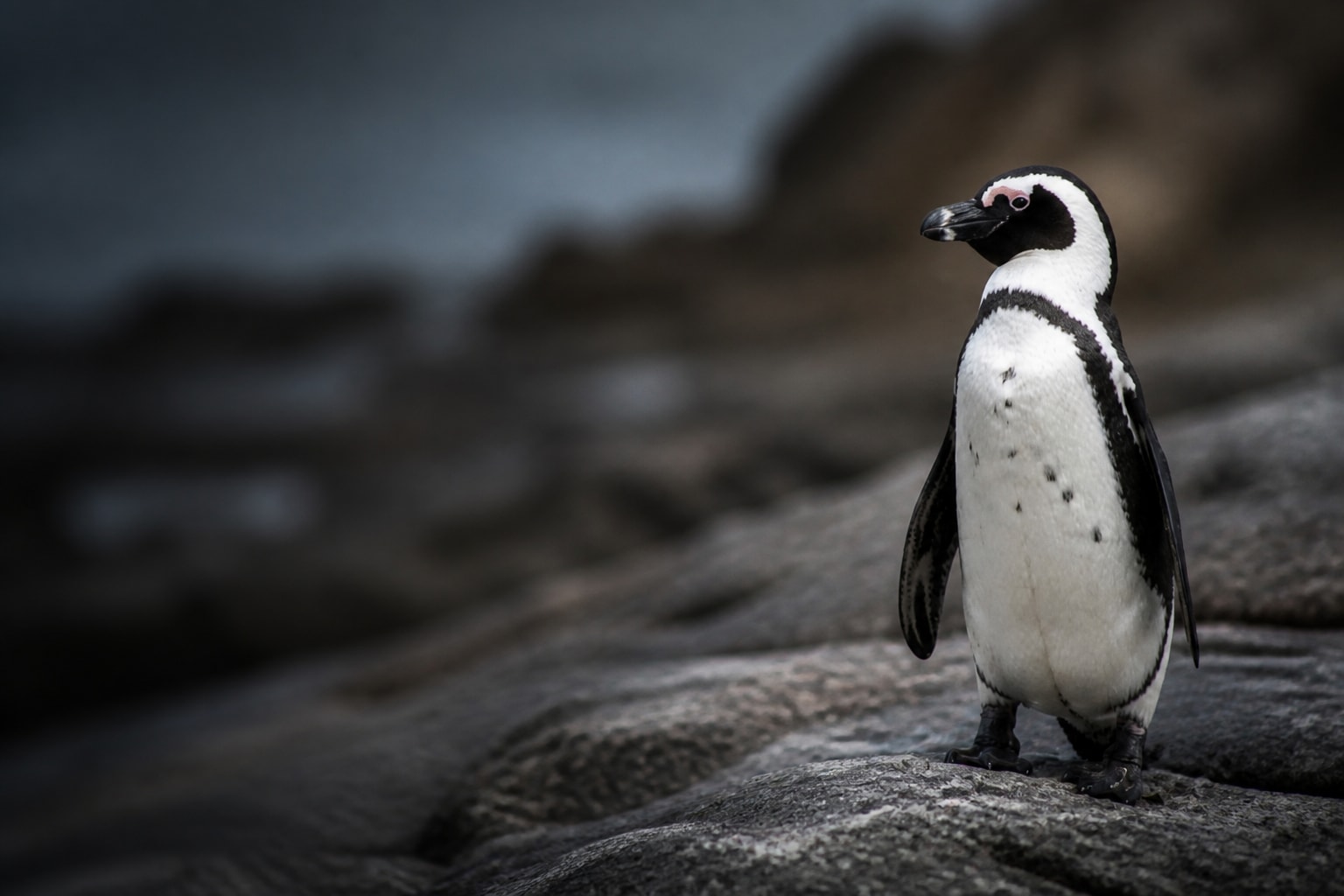
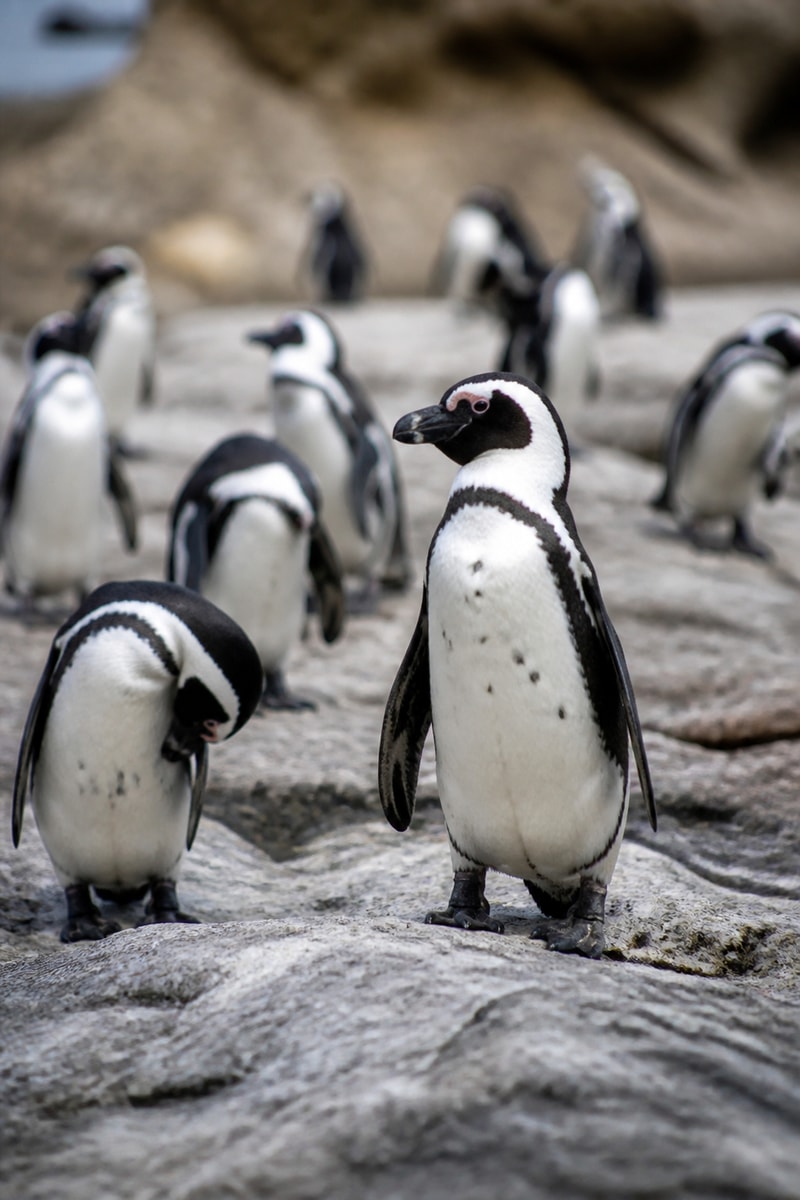
The African penguin, also called the jackass penguin for its braying call, is the only penguin that breeds on the African continent. Black band across the chest, pink glands above the eyes, and a waddling commute from sea to burrow make colonies at Boulders Beach and Betty's Bay unforgettable.
African penguins hunt sardines and anchovies in cold Benguela Current upwelling, diving over 100 metres and staying at sea for days. They nest in burrows dug into guano or sand, pairs returning to the same colony year after year.
- Scientific nameSpheniscus demersus
- Height60–70 cm
- Weight2.2–3.5 kg
- LifespanAround 10–15 years in the wild
- DietMarine hunter of…
- ConservationEndangered
- RegionCoastal Colonies
Habitat
- Rocky coast
- Offshore island
- Coastal bay
Rocky coastlines and offshore islands of South Africa and Namibia hold African penguin colonies. They need sheltered bays for breeding and cold, fish-rich waters nearby, and are now largely dependent on protected areas as populations crash.
Countries found
Field notes
Field scale for the African Penguin: height 60-70 cm; weight 2.2-3.5 kg. Typical lifespan: Around 10-15 years in the wild.
When you are scanning habitat, prioritise rocky coast, offshore island, and coastal bay. Those settings are where a clean look and a usable photo are most likely.
Quick ID anchor: Black-and-white 'tuxedo' plumage with a black horseshoe band across the chest and pink bare skin above the eyes. Unique black spotting on the chest helps identify individuals. Confirm with behaviour and habitat before you log the discovery.
Where to see one
South Africa
In South Africa, strong options include Boulders Beach and Table Mountain National Park. Boardwalks through a breeding colony of African penguins, close enough to hear them bray.
Open the South Africa spotting guide for every park note tied to the african penguin.
Diet
Marine hunter of schooling fish, especially sardines and anchovies, plus squid when available. Dive from the surface and may forage for hours offshore.
Behaviour
Breed in coastal colonies, nesting in burrows or under vegetation. Pairs are often faithful; adults commute between nest and sea and call with a loud donkey-like bray.
How to identify
Black-and-white 'tuxedo' plumage with a black horseshoe band across the chest and pink bare skin above the eyes. Unique black spotting on the chest helps identify individuals.
Interesting facts
- 01
African penguins have a braying call that sounds like a donkey.
- 02
They have a black stripe and black spots on the chest, unique to each bird.
- 03
Populations have fallen by over 95% since the early 1900s.
Conservation status
African penguins are Endangered, devastated by overfishing, oil spills, and guano harvesting that destroyed nest sites. Sanccob rehabilitation centres and marine protected areas are critical to their survival.
Sources: IUCN Red List
Related discoveries
Great White Shark
United States, South Africa, Australia
Serval
Kenya, South Africa
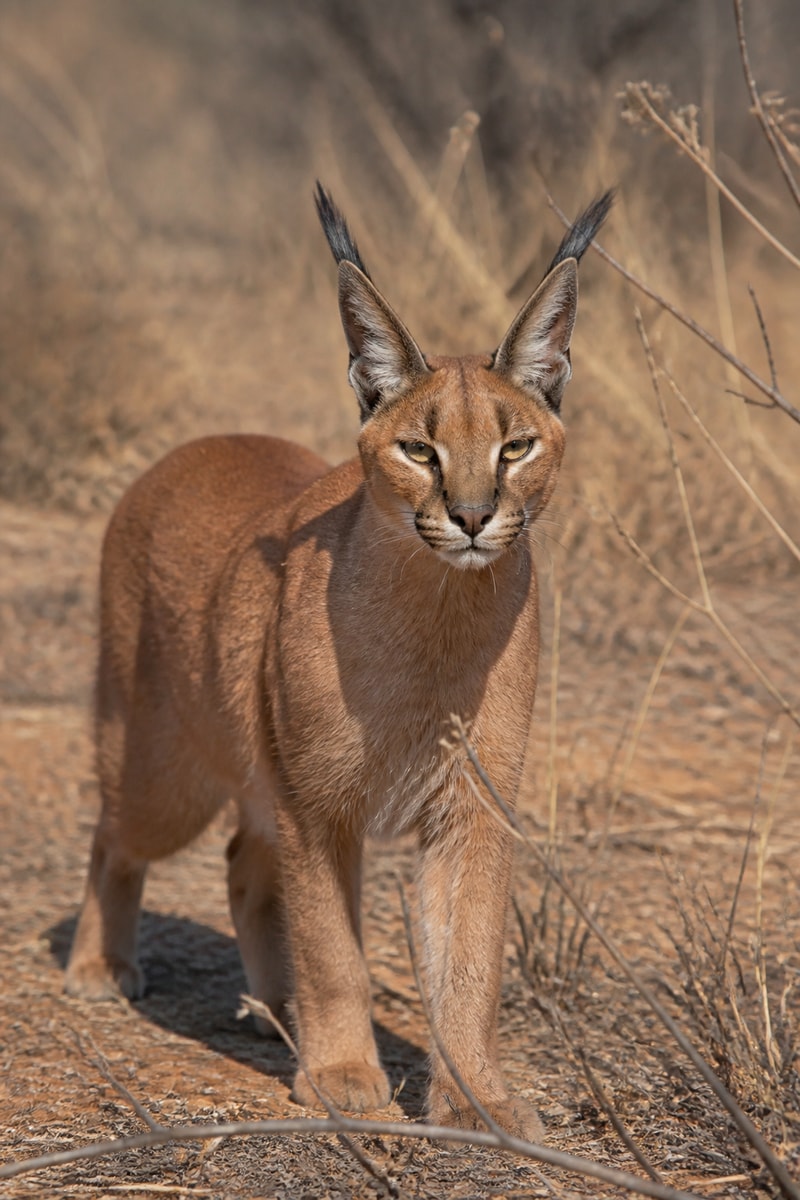
Caracal
Kenya, India, South Africa
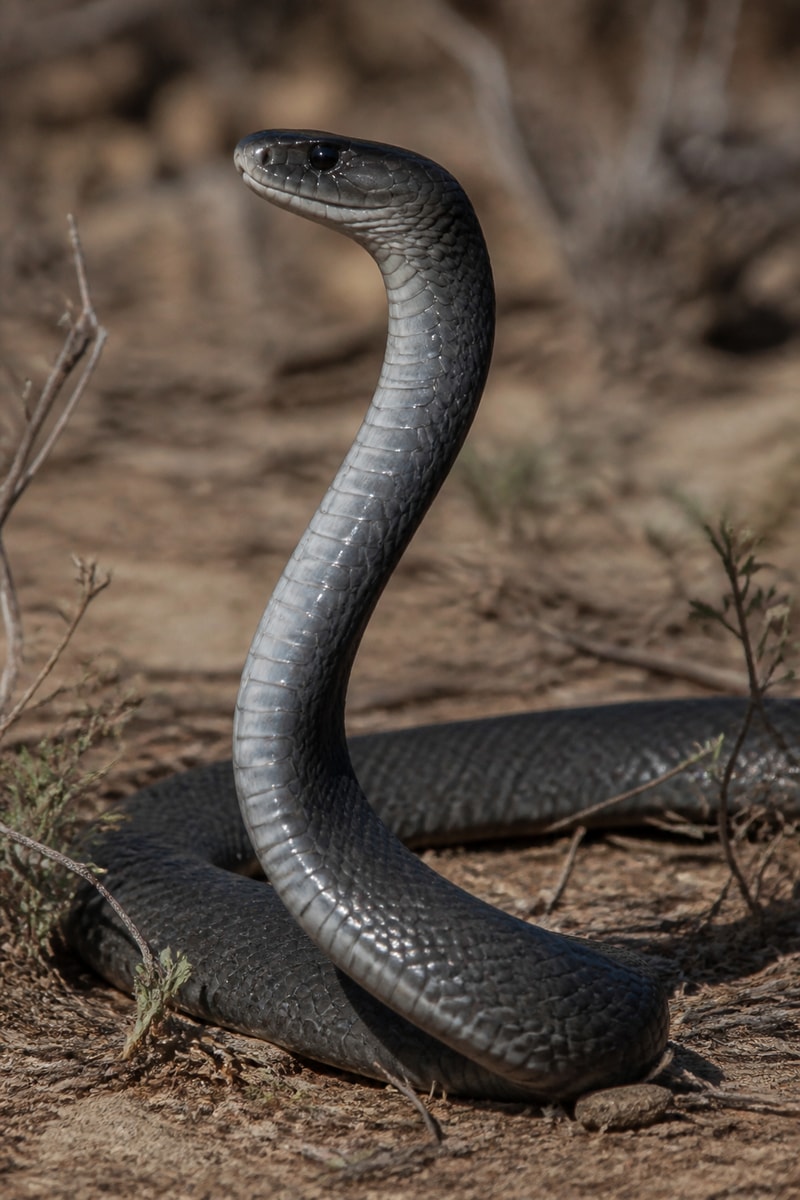
Black Mamba
Kenya, South Africa, Botswana
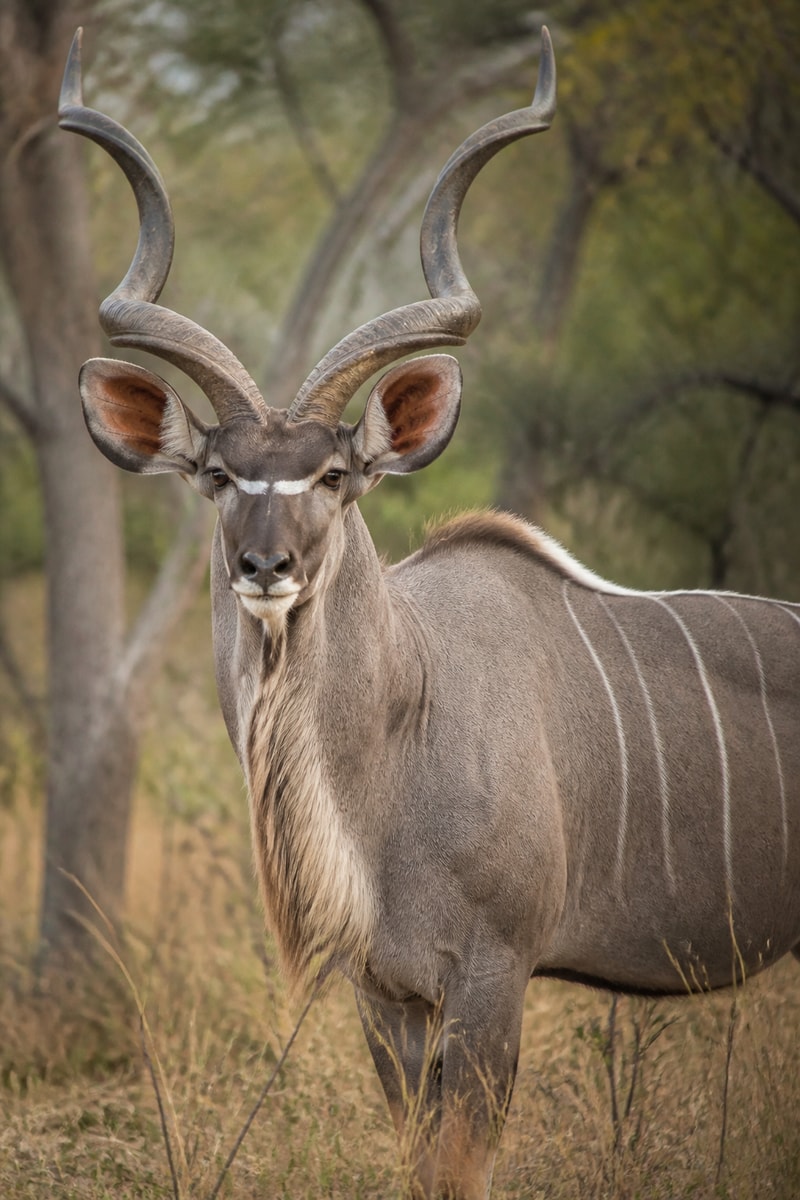
Greater Kudu
Kenya, Botswana, South Africa
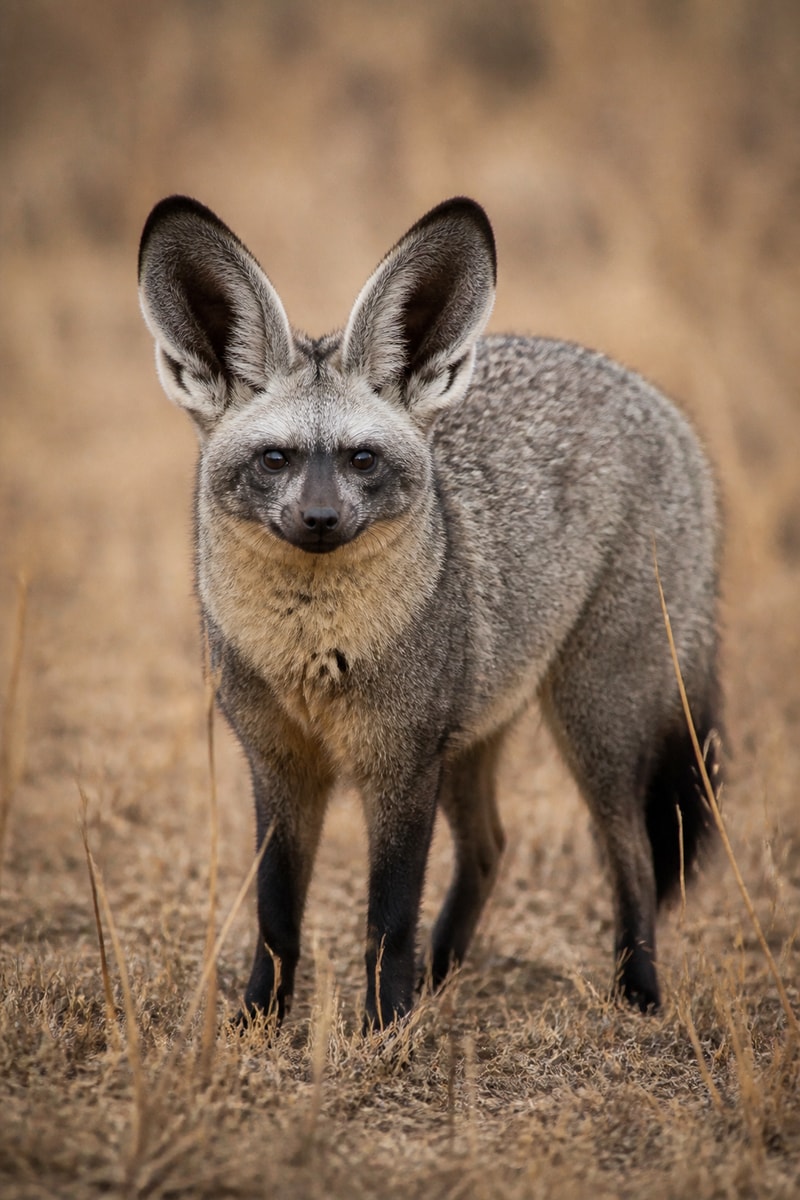
Bat-eared Fox
Botswana, Kenya, South Africa
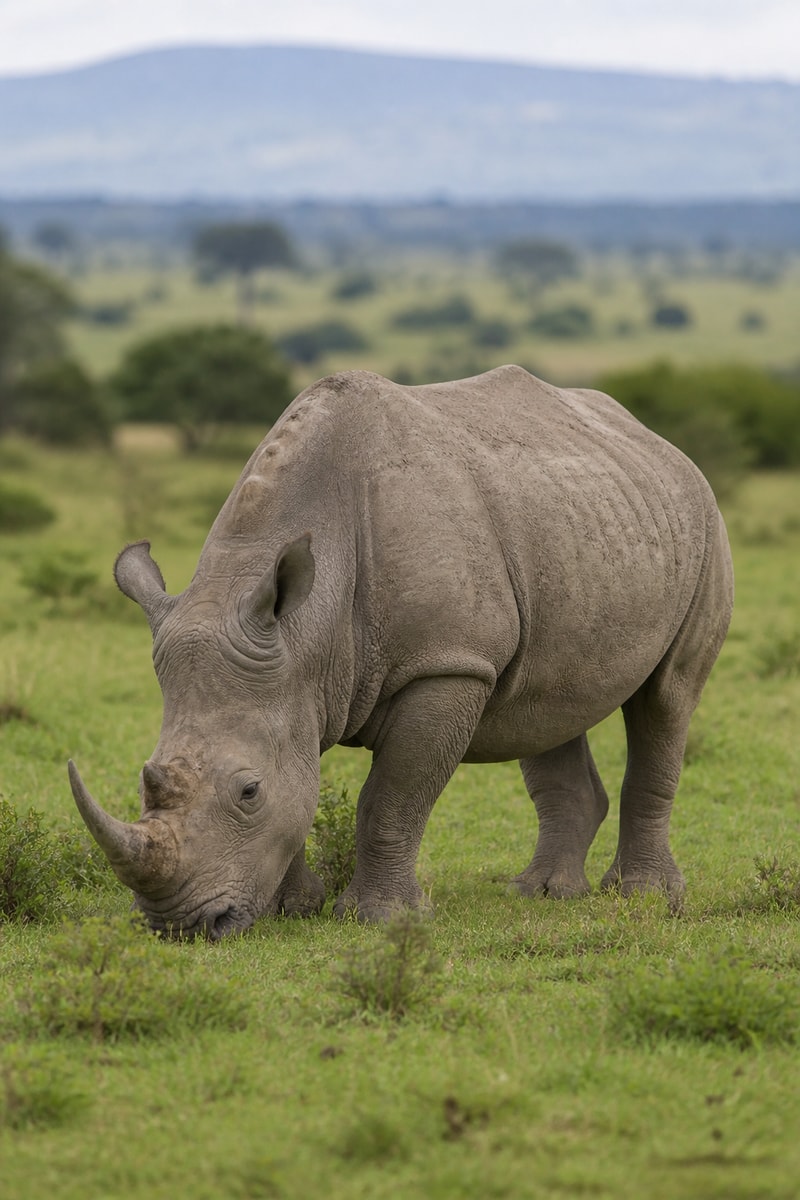
Rhinoceros
South Africa, Kenya
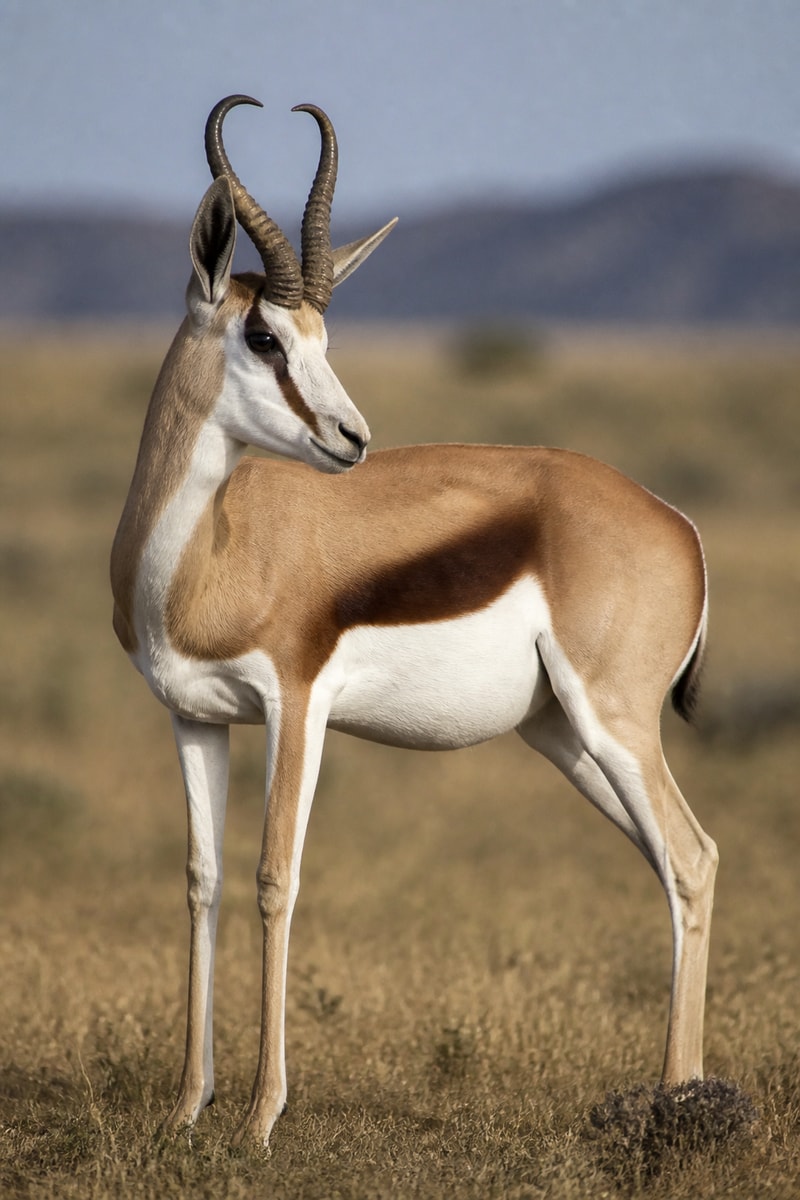
Springbok
South Africa, Botswana
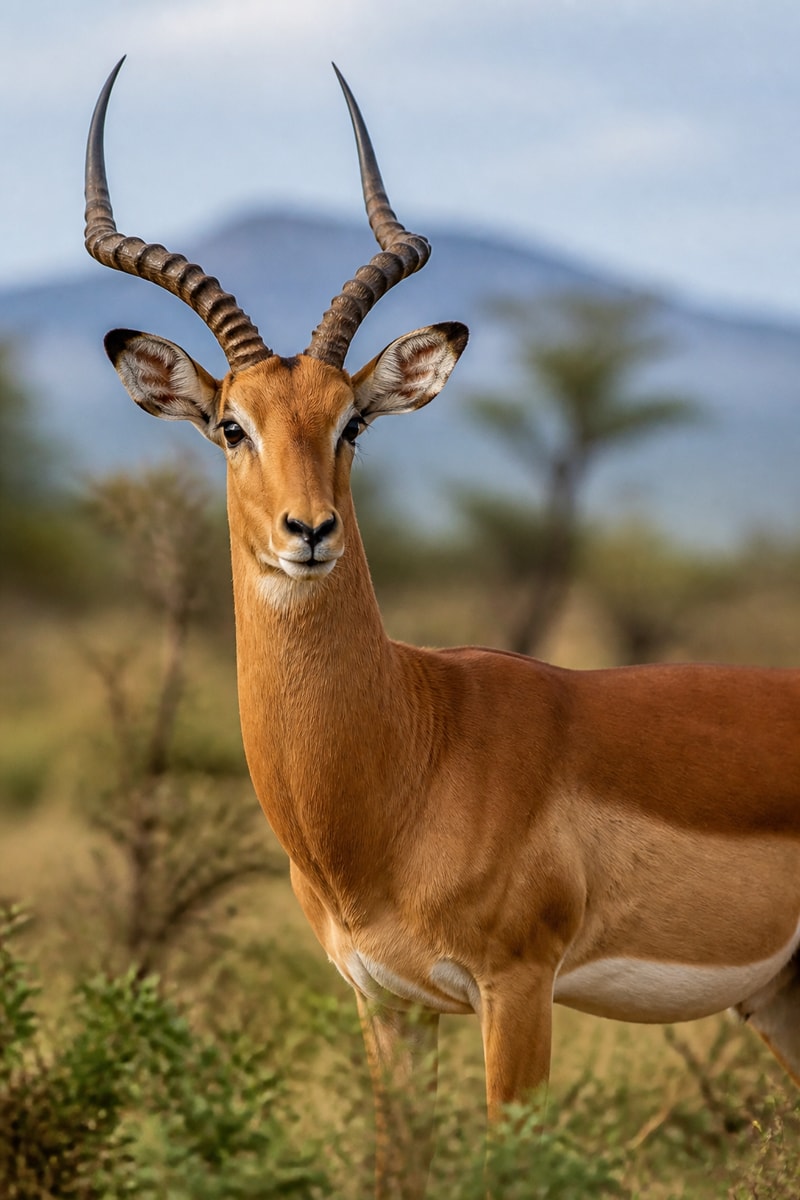
Impala
Kenya, South Africa
Keep exploring
Related discoveries
Free on iOS
Catch the African Penguin
Spot one in the wild, then scan it in Catch'Um to log your common discovery.