
Field guide · common
Seven-spot Ladybird
Seven black spots on red — Britain’s classic aphid-eating beetle of gardens and hedgerows.
Least Concern
Coccinella septempunctata
Overview
Seven-spot ladybirds are familiar red-and-black beetles that patrol plants for aphids across Europe and beyond. Adults and larvae are voracious soft-insect predators, overwintering in crevices and leaf litter.
For United Kingdom collectors, the seven-spot is a classic garden common — cheerful armour, serious aphid control, and pure countryside nostalgia.
- Scientific nameCoccinella septempunctata
- Length6–8 mm
- LifespanAround 1 year in the wild
- DietPrimarily aphids
- ConservationLeast Concern
- RegionEuropean Gardens & Fields
Where to see them
Habitat
- Garden
- Hedgerow
- Farmland edge
Gardens, farmland, hedgerows, and grassland with aphid prey, roosting on vegetation and overwintering in sheltered gaps.
Field notes
Field scale for the Seven-spot Ladybird: length around 6-8 mm. Typical lifespan: Around 1 year in the wild.
When you are scanning habitat, prioritise garden, hedgerow, and farmland edge. Those settings are where a clean look and a usable photo are most likely.
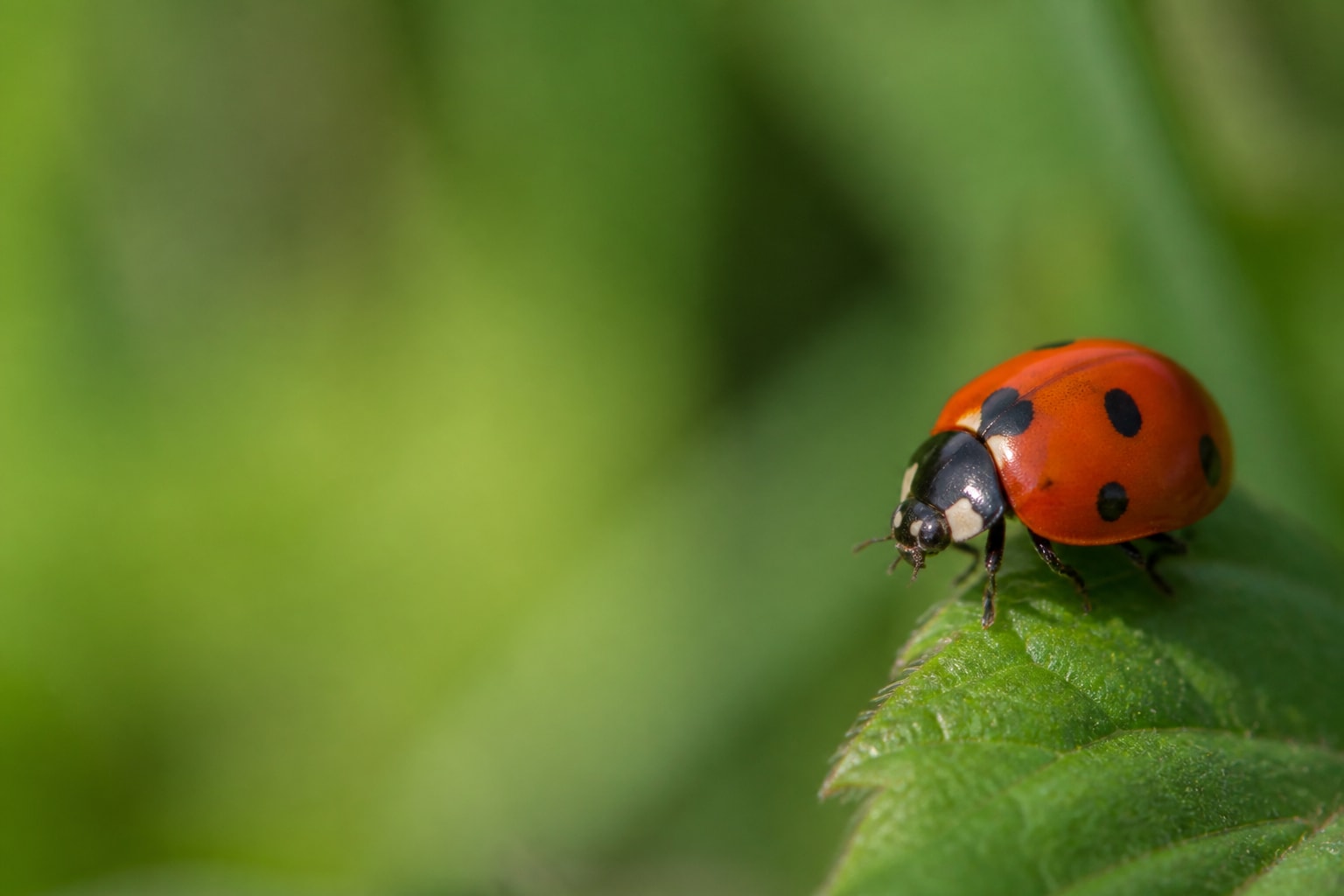
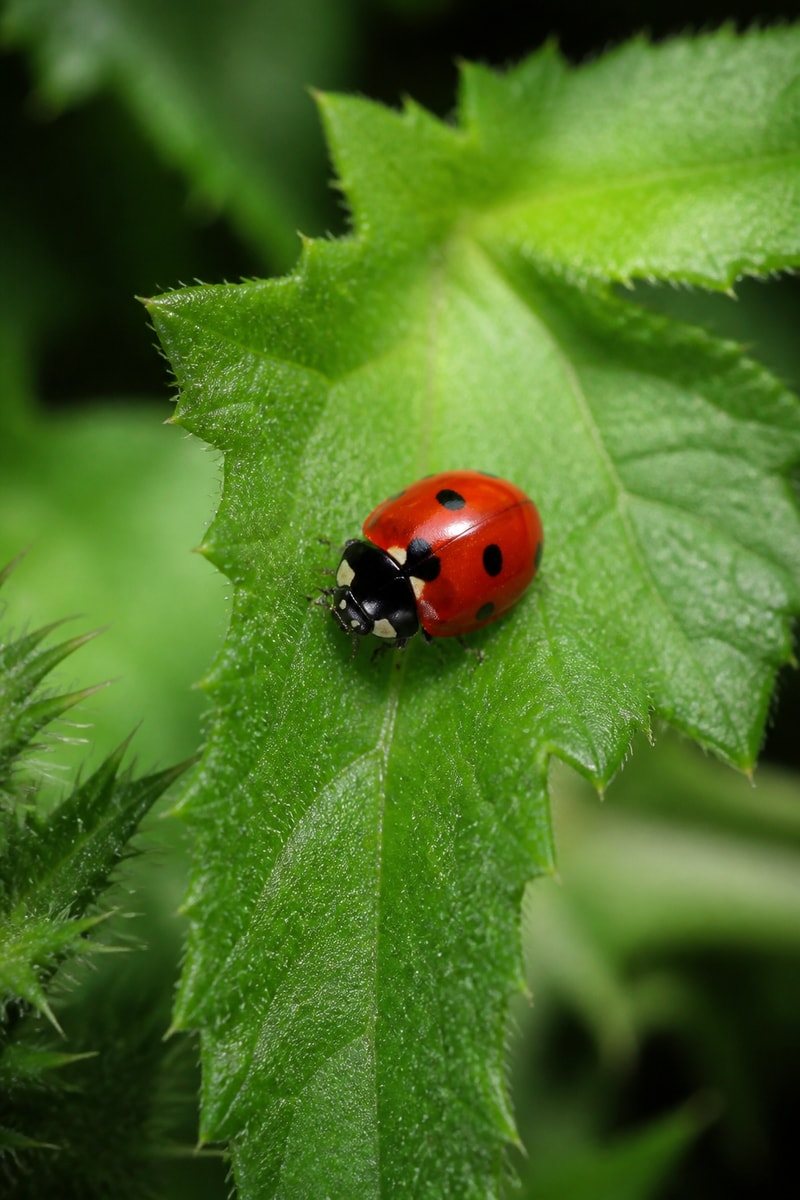
Quick ID anchor: Dome-shaped red beetle with seven black spots and a black-and-white pronotum pattern. Confirm with behaviour and habitat before you log the discovery.
Diet
Primarily aphids, plus other soft-bodied insects and occasional pollen or nectar.
Larvae and adults hunt actively across leaves and stems.
Behaviour
Diurnal foragers; aggregate to overwinter in sheltered sites.
May reflex-bleed bitter fluids when handled by predators.
How to identify
Dome-shaped red beetle with seven black spots and a black-and-white pronotum pattern.
Larger and more uniformly spotted than many small garden ladybirds.
Interesting facts
- 01
Usually seven black spots on red elytra — three each side plus one central.
- 02
Both adults and larvae eat aphids.
- 03
Native across much of Europe and Asia.
- 04
Overwinter in groups in hollows and litter.
- 05
Bright colours warn predators of foul taste.
- 06
Widely used as a natural aphid biocontrol ally.
Conservation status
Seven-spot ladybirds are Least Concern. They remain widespread in the UK, though competition from invasive ladybirds and pesticide use can reduce local numbers.
Sources: IUCN Red List

Keep exploring
Free on iOS
Catch the Seven-spot Ladybird
Spot one in the wild, then scan it in Catch'Um to log your common discovery.