


Field guide · rare
Scalloped Hammerhead
The hammer-headed schooler — a shark whose wide-set eyes and scalloped head are built for hunting.
Critically Endangered
Sphyrna lewini
Overview
Scalloped hammerheads are instantly recognisable sharks with a broad, notched cephalofoil that spreads the eyes and nostrils wide for panoramic sensing. They often form spectacular daytime schools around seamounts and islands before hunting alone at night.
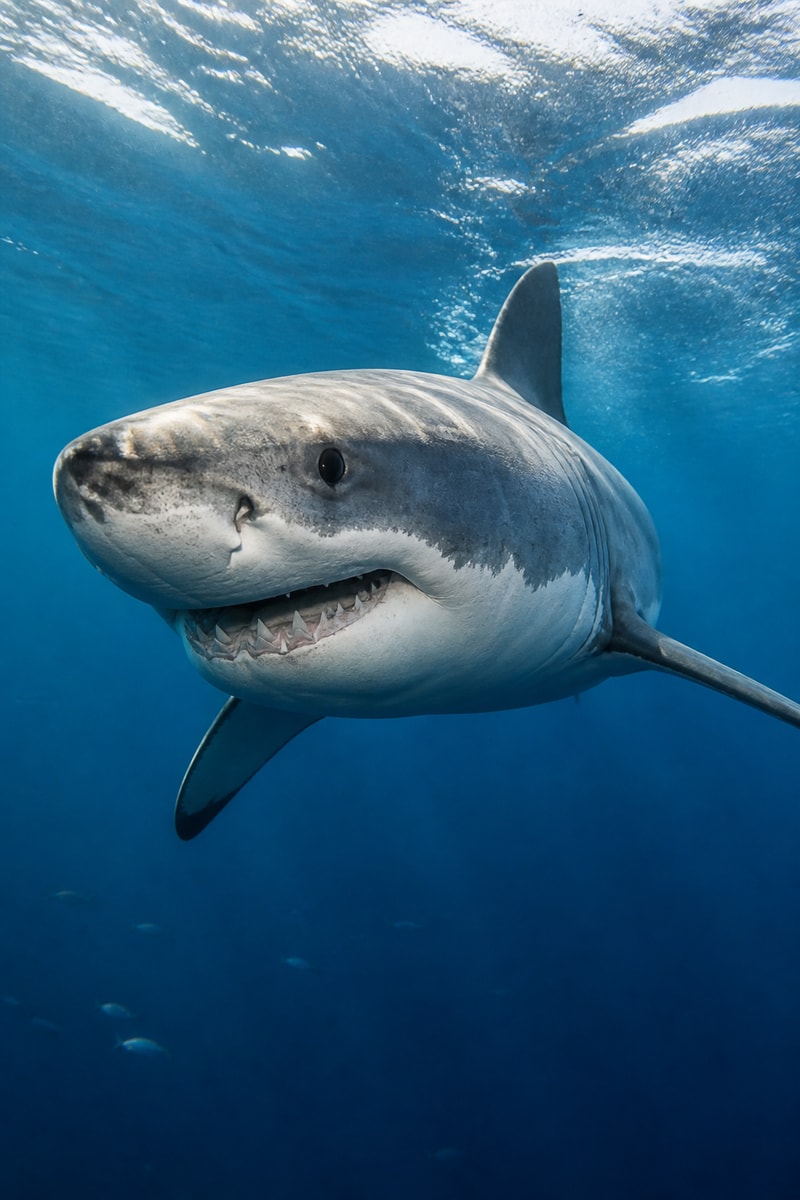
Distinct from the great white already in the catalogue, they add a second iconic shark — and urgent conservation story — for Australian, Indonesian, and US waters.
- Scientific nameSphyrna lewini
- Length2.5–4 m typical adults
- WeightUp to ~150 kg or more
- LifespanAround 20–30 years
- DietFish
- ConservationCritically Endangered
- RegionCoastal Ocean
Habitat
- Coastal ocean
- Continental shelf
- Seamounts
Scalloped hammerheads use warm coastal seas, continental shelves, and offshore seamounts in tropical and subtropical oceans worldwide, including waters off Australia, Indonesia, and the Americas.
Field notes
Field scale for the Scalloped Hammerhead: length around 2.5-4 m typical adults; weight Up to ~150 kg or more. Typical lifespan: Around 20-30 years.
When you are scanning habitat, prioritise coastal ocean, continental shelf, and seamounts. Those settings are where a clean look and a usable photo are most likely.
Quick ID anchor: Shark with a broad flattened head scalloped along the front edge. Confirm with behaviour and habitat before you log the discovery.
Diet
Fish, squid, crustaceans, and rays located with widely spaced sensors on the hammer head.
Often hunt alone at night after schooling by day.
Behaviour
Form large daytime schools around seamounts and islands — a famous diver spectacle.
Migrate along coasts; use shallow nurseries for pups.
How to identify
Shark with a broad flattened head scalloped along the front edge.
Tall first dorsal fin; grey-brown above, pale below; eyes at the tips of the hammer.
Interesting facts
- 01
The hammer-shaped head may improve vision, prey detection, and manoeuvrability.
- 02
Scalloped hammerheads often school by day in large numbers.
- 03
They are among the most threatened large sharks due to finning.
- 04
Pups are born live in coastal nursery areas.
- 05
The 'scalloped' front edge of the head has distinctive notches.
- 06
They hunt fish, squid, and rays, often at night.
Conservation status
Scalloped hammerheads are Critically Endangered. Targeted fishing for fins and bycatch have driven severe declines. Sanctuaries, finning bans, and protection of nursery bays are urgently needed.
Sources: IUCN Red List




Keep exploring
Where it lives
Related discoveries
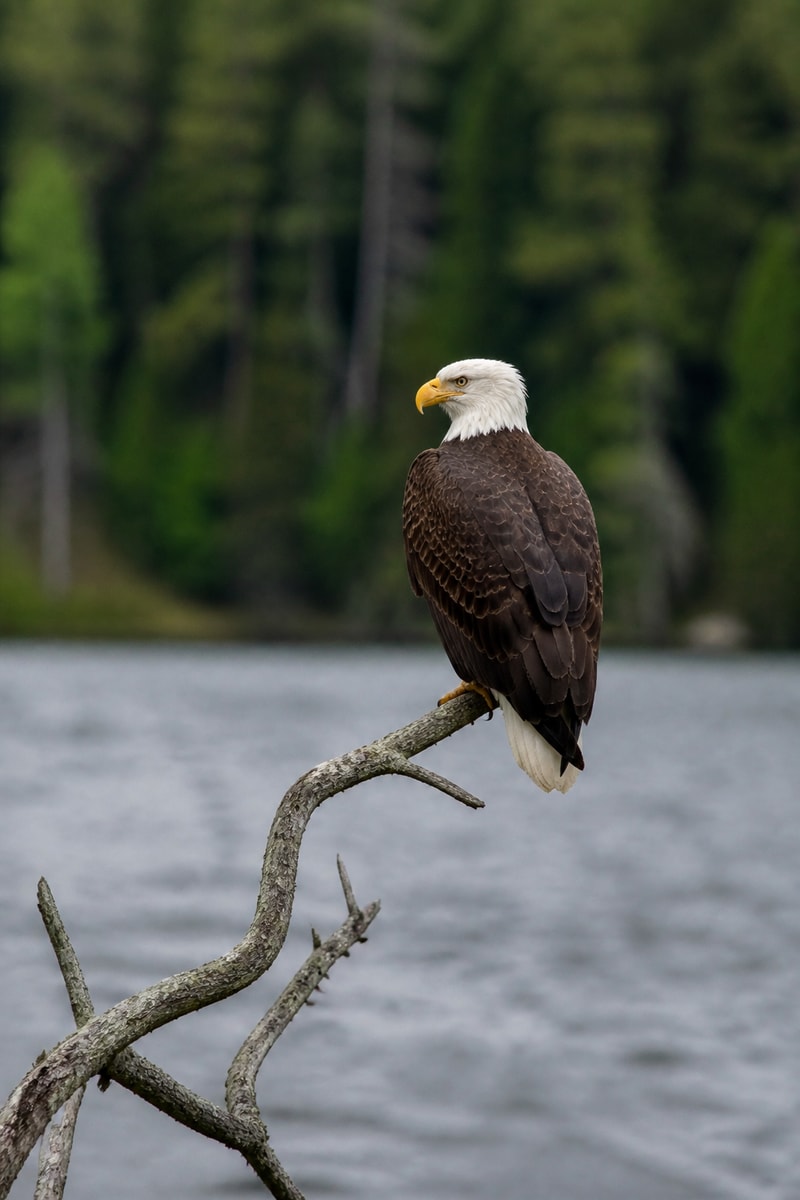
- Bald Eaglelegendary • Lakes & Coasts
- Grizzly Bearlegendary • Mountains & Rivers
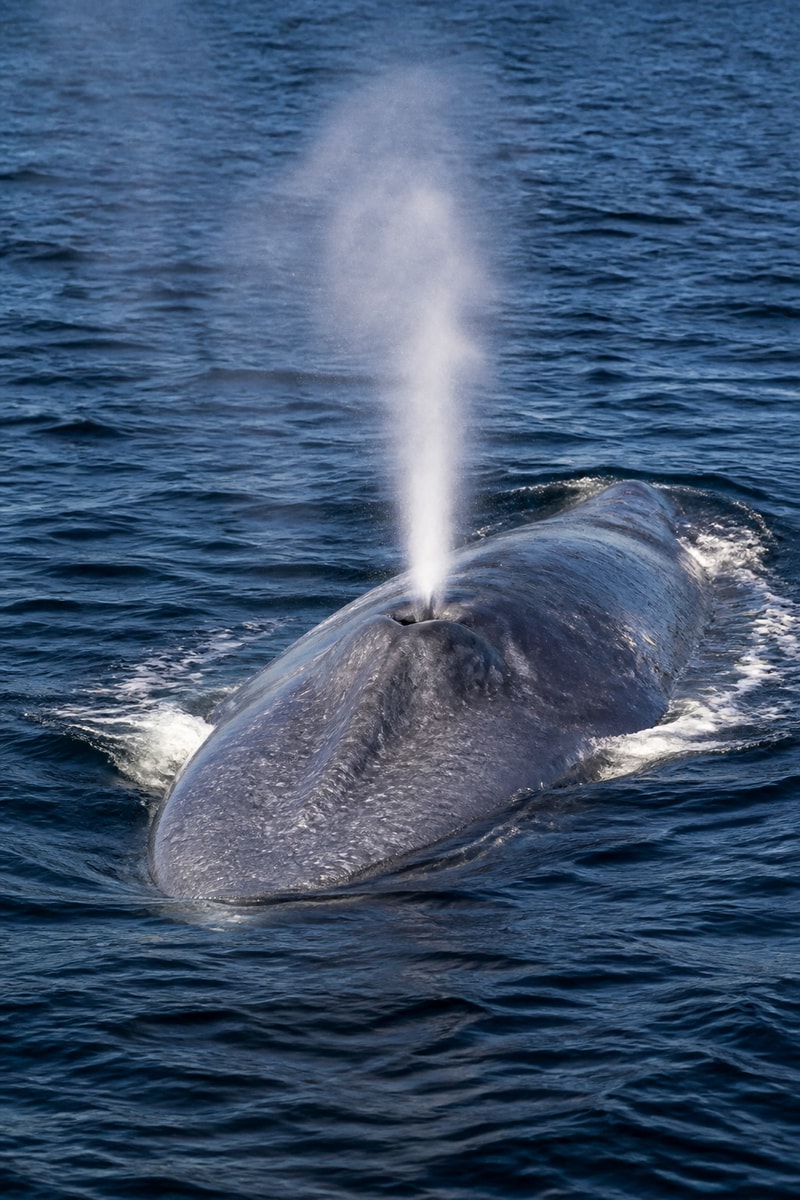
- Blue Whalelegendary • Open Ocean
- Mountain Lionlegendary • Mountains & Desert
- Great White Sharklegendary • Coastal Ocean
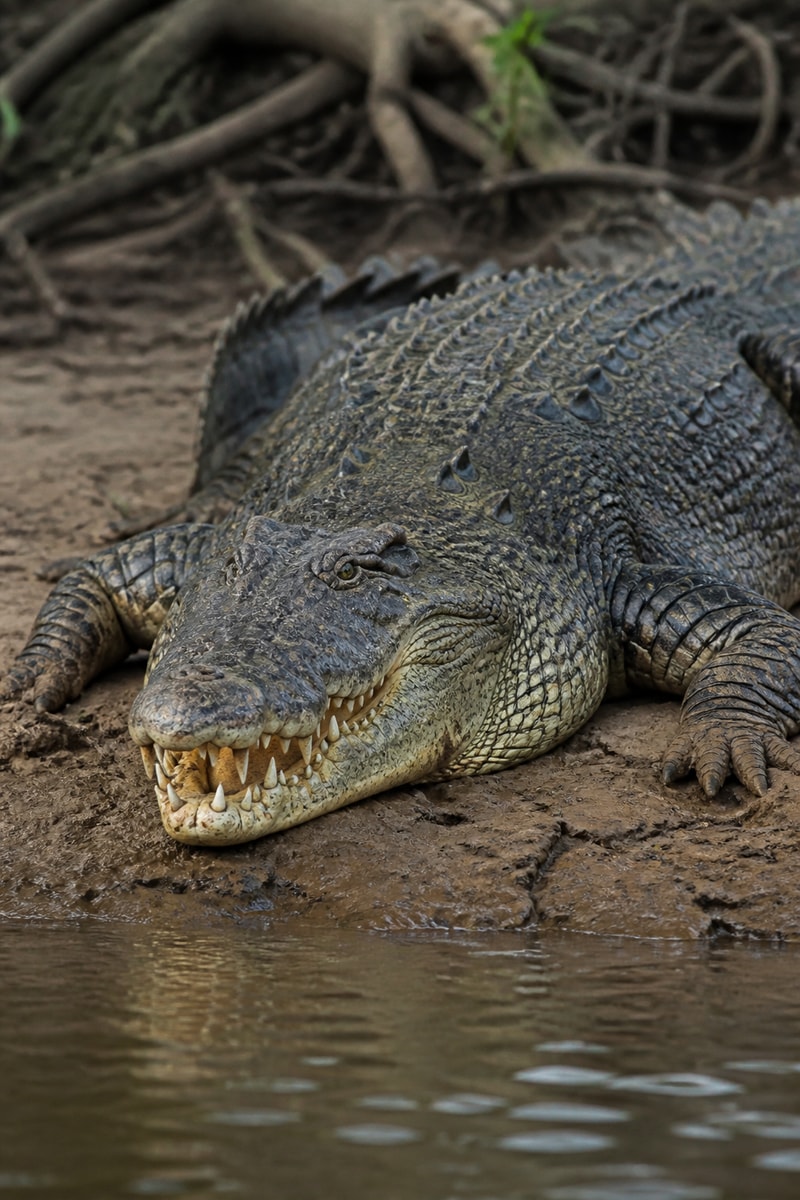
- Saltwater Crocodilelegendary • Estuaries & Coast
- Komodo Dragonlegendary • Komodo Islands
- Bali Starlinglegendary • Bali
Free on iOS
Catch the Scalloped Hammerhead
Spot one in the wild, then scan it in Catch'Um to log your rare discovery.