
Field guide · common
Roe Deer
Small native deer of the dawn ride — white rump flash and barking alarm.
Least Concern
Capreolus capreolus
Overview
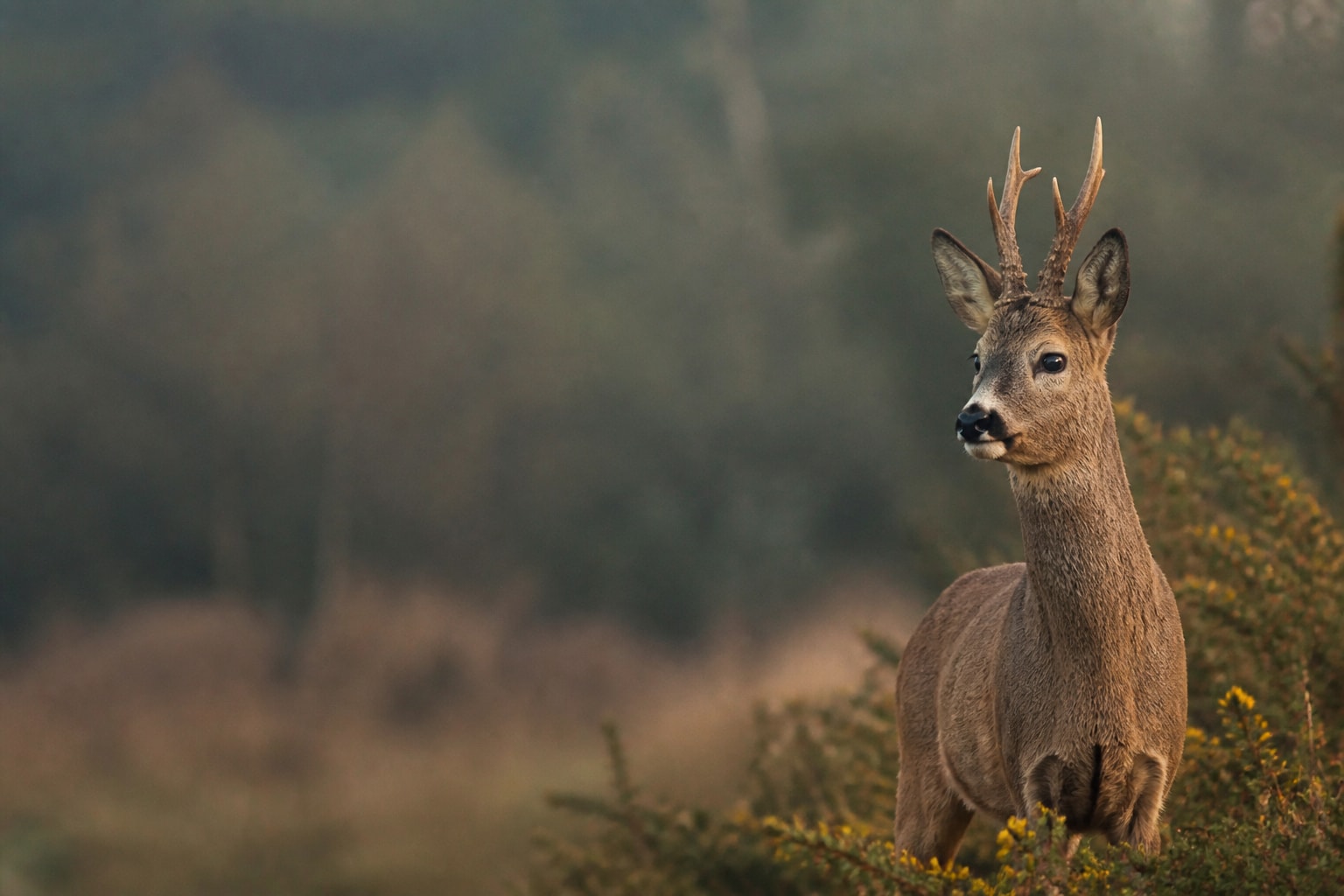
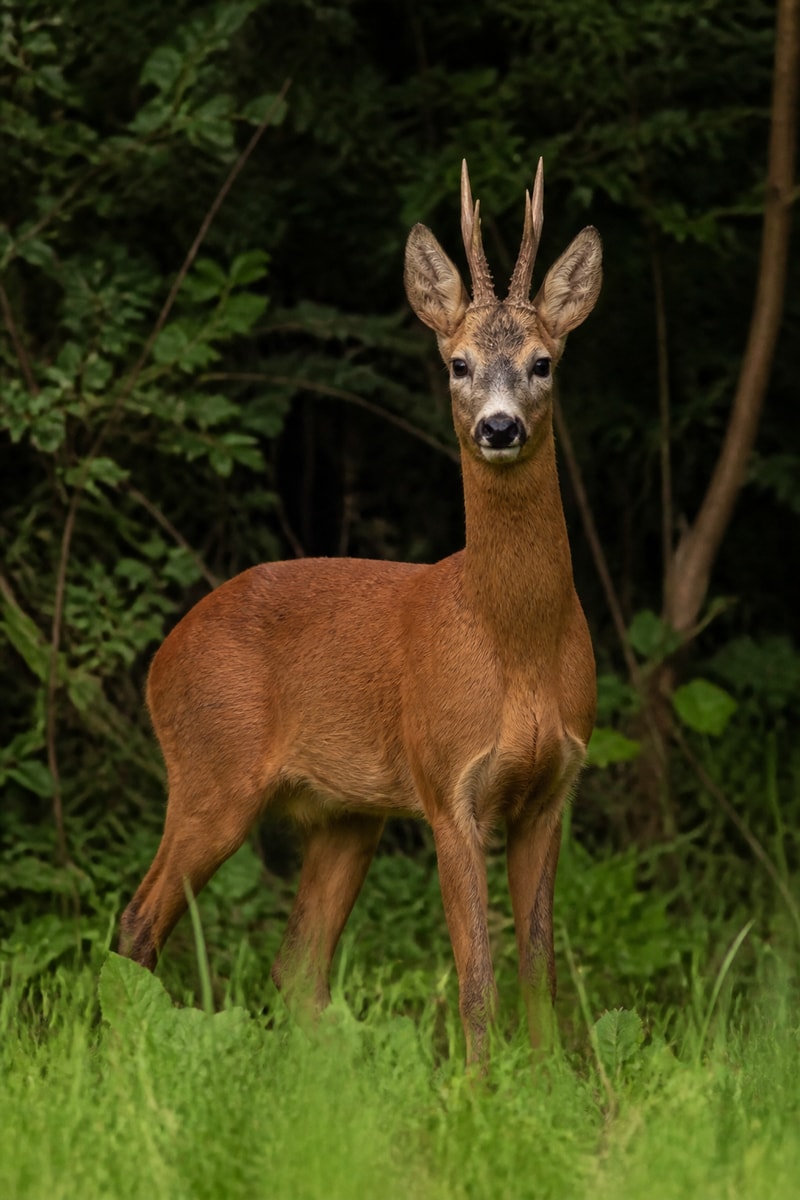
Roe deer are small native deer of British woodland edges and farmland. Reddish summer coats turn grey-brown in winter, and a pale rump patch flashes when they bound away with a sharp bark.
For UK collectors, the roe is a common countryside mammal — dawn rides, woodland fringes, and Britain’s most frequently seen wild deer outside parks.
- Scientific nameCapreolus capreolus
- Length95–135 cm
- Height60–75 cm at shoulder
- Weight15–30 kg
- LifespanAround 6–10 years in the wild
- DietBrowser taking leaves
- ConservationLeast Concern
- RegionBritish Woodland Edges
Where to see them
Habitat
- Woodland edge
- Young plantation
- Farmland mosaic
- Scrub
Woodland edges, young plantations, farmland mosaics, and scrub across Britain, feeding at dusk and dawn in open glades.
Field notes
Field scale for the Roe Deer: length around 95-135 cm; height 60-75 cm at shoulder; weight 15-30 kg. Typical lifespan: Around 6-10 years in the wild.
When you are scanning habitat, prioritise woodland edge, young plantation, farmland mosaic, and scrub. Those settings are where a clean look and a usable photo are most likely.
Quick ID anchor: Small deer with no visible tail and a pale rump patch. Confirm with behaviour and habitat before you log the discovery.
Diet
Browser taking leaves, buds, herbs, brambles, and farm crops.
Most active at dawn and dusk along woodland edges.
Behaviour
Territorial bucks in summer; small groups more common in winter.
Freeze or bark when alarmed, then bound with a flashing rump.
How to identify
Small deer with no visible tail and a pale rump patch.
Summer coat reddish; winter grey-brown; bucks have short upright antlers.
Interesting facts
- 01
Native British deer, smaller than red or fallow deer.
- 02
White or pale rump ‘target’ shows when fleeing.
- 03
Bucks grow short, upright antlers with usually three points.
- 04
Alarm call is a sharp dog-like bark.
- 05
Feed on leaves, shoots, herbs, and agricultural crops.
- 06
Often seen singly or in small family groups.
Conservation status
Roe deer are Least Concern and have expanded across much of Britain. Local management balances crop damage with healthy woodland populations.
Sources: IUCN Red List
Keep exploring
Free on iOS
Catch the Roe Deer
Spot one in the wild, then scan it in Catch'Um to log your common discovery.