
Field guide · common
Red Fox
The familiar wild neighbour, a russet-furred survivor you can actually spot on a normal evening walk in Britain.
Least Concern
Vulpes vulpes
Overview
The red fox is the most widespread carnivore in Britain and one of the few wild mammals many people will ever see without leaving their own neighbourhood. That flash of amber fur at the edge of a field, the sharp bark from a garden hedge at dusk: for UK collectors, the fox is often the first real discovery that proves the game works in the real world.
Highly adaptable and famously clever, foxes thrive everywhere from city parks to open farmland and woodland fringe. They are largely nocturnal but often appear at dawn and dusk, especially in quieter suburbs where they have learned to move confidently alongside human life.
- Scientific nameVulpes vulpes
- Length45–90 cm body; tail 30–55 cm
- Weight3–14 kg
- LifespanAround 2–5 years in the wild; up to about 10–12 years
- DietOmnivore
- ConservationLeast Concern
- RegionUnited Kingdom
Where to see them
Habitat
- Woodland
- Farmland
- Suburbia
- Moorland
Red foxes are found across the entire United Kingdom (England, Scotland, Wales, and Northern Ireland), wherever there is cover and a reliable food supply. They favour woodland edges, hedgerows, farmland, parkland, and increasingly urban gardens, operating from earth dens or sheltered spots under sheds, decks, and scrub.
Field notes
Field scale for the Red Fox: length around 45-90 cm body; tail 30-55 cm; weight 3-14 kg. Typical lifespan: Around 2-5 years in the wild; up to about 10-12 years.
When you are scanning habitat, prioritise woodland, farmland, suburbia, and moorland. Those settings are where a clean look and a usable photo are most likely.
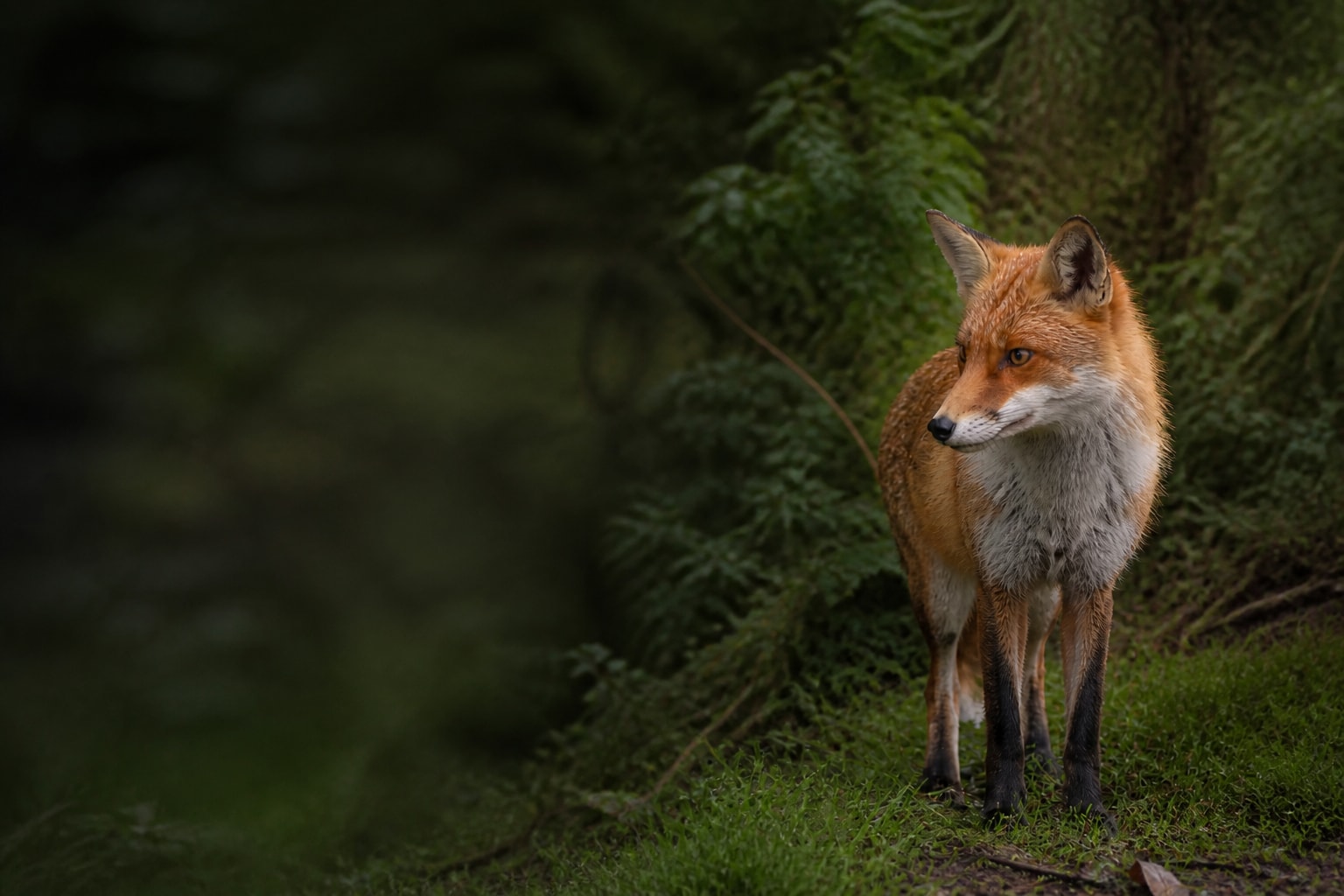
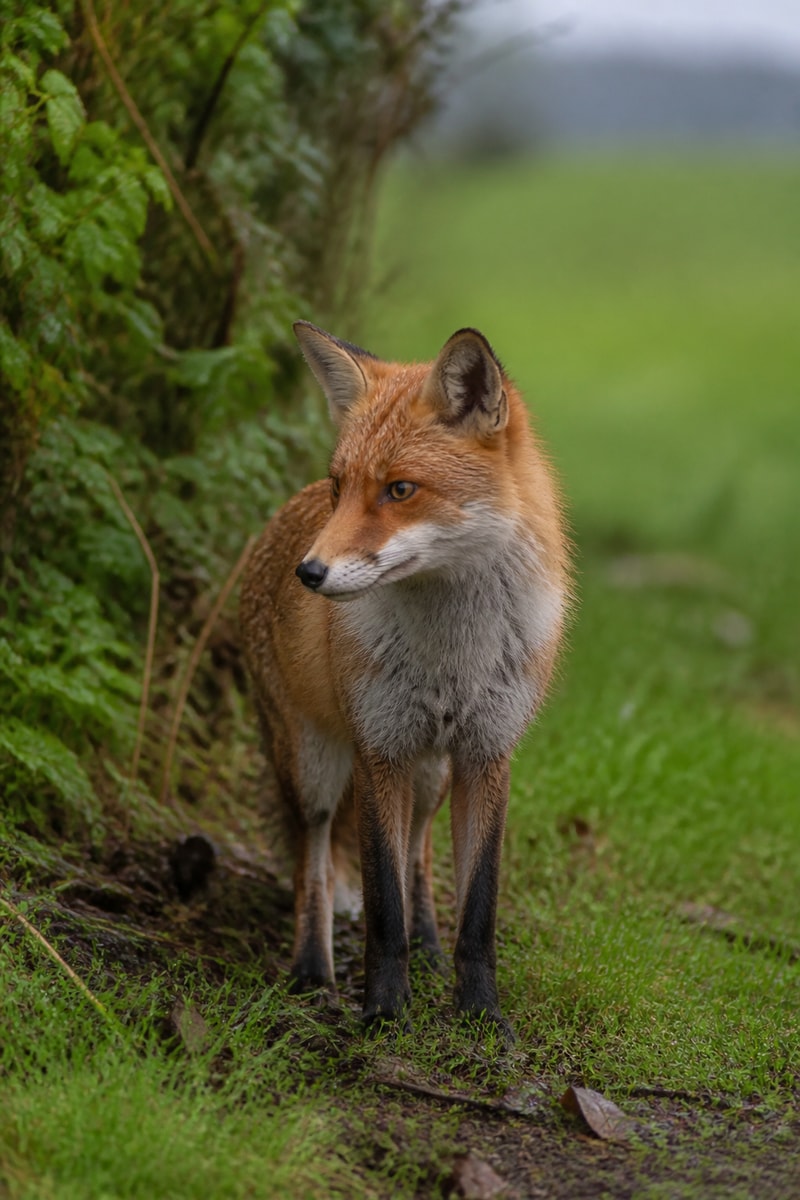
Quick ID anchor: Russet coat, white chest, black lower legs, and a long bushy white-tipped tail (brush). Confirm with behaviour and habitat before you log the discovery.
Where to see one
United Kingdom
In United Kingdom, strong options include Richmond Park, The New Forest, and Cotswolds Farmland. Ancient parkland where red deer graze at dawn, mallards paddle the ponds, and foxes slip through bracken at the woodland edge.
Open the United Kingdom spotting guide for every park note tied to the red fox.
Diet
Opportunistic omnivore: rodents, rabbits, birds, insects, fruit, and human scraps in towns.
Caches surplus kills and returns later; highly adaptable diet across habitats.
Behaviour
Mostly nocturnal or crepuscular; holds territories marked with scent and sharp barking calls.
Thrives from wilderness to city suburbs; dens in earth banks, under sheds, or in thickets.
How to identify
Russet coat, white chest, black lower legs, and a long bushy white-tipped tail (brush).
Pointed muzzle and upright black-backed ears; smaller and lighter-framed than a coyote or jackal.
Interesting facts
- 01
Britain is home to an estimated 357,000 red foxes, one of our most successful wild mammals.
- 02
Foxes can hear a mouse squeak from up to 30 metres away.
- 03
Their bushy tail (the brush) helps with balance and warmth, and signals mood to other foxes.
- 04
Urban foxes often live within a few streets of where they were born, patrolling familiar routes every night.
- 05
Vixens give birth in spring; cubs emerge from the den in late April and May.
- 06
That eerie scream in the small hours? Often foxes communicating during the breeding season.
Conservation status
The red fox is classed as Least Concern across its global range and remains widespread throughout the UK. Local populations fluctuate with food availability and control measures, but the species is not considered at risk, making it a reassuring baseline discovery for new collectors.
Sources: IUCN Red List

Keep exploring
Free on iOS
Catch the Red Fox
Spot one in the wild, then scan it in Catch'Um to log your common discovery.