
Field guide · common
Pied Wagtail
Black-and-white pavement dancer — Britain’s wagging town companion.
Least Concern
Motacilla alba
Overview
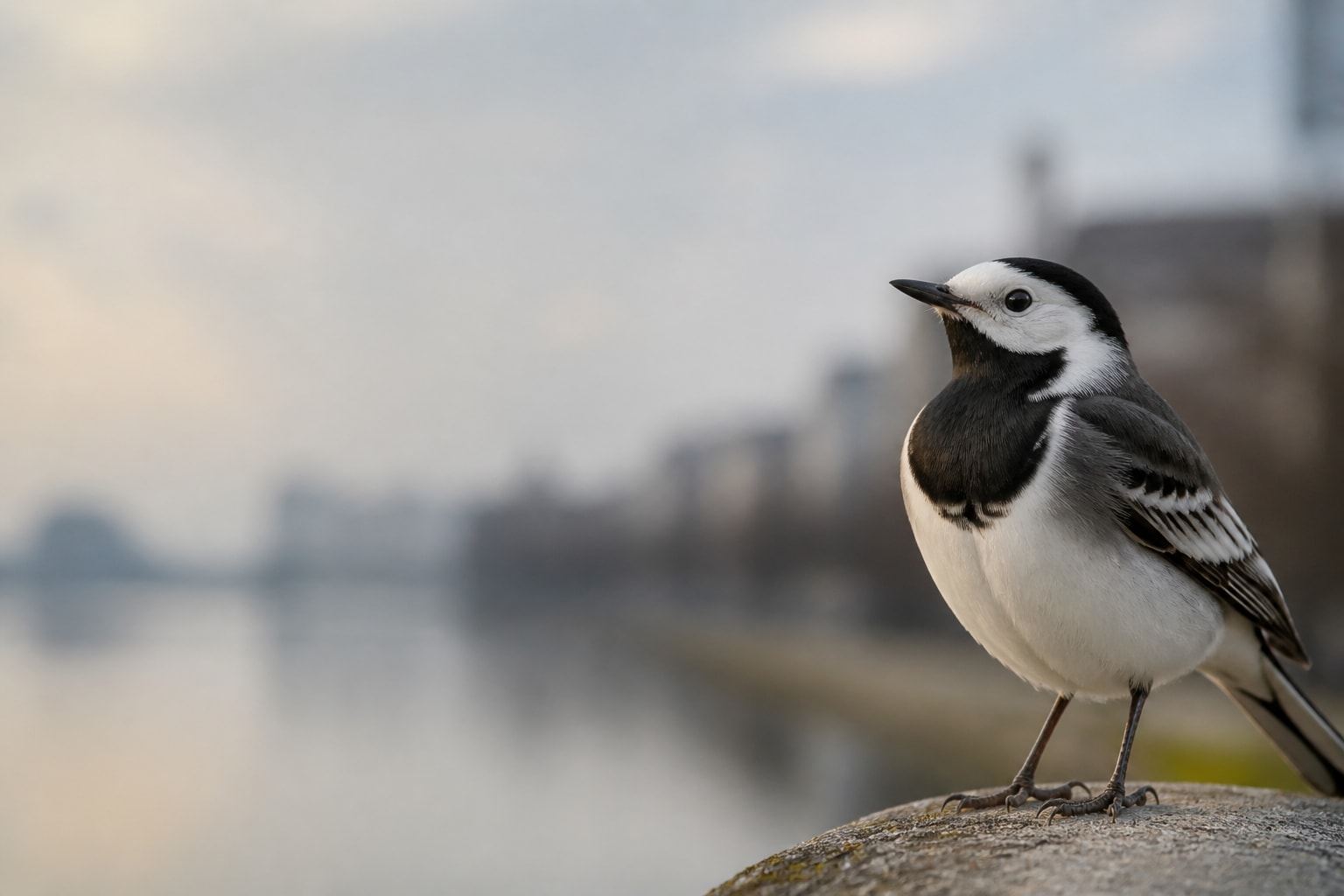
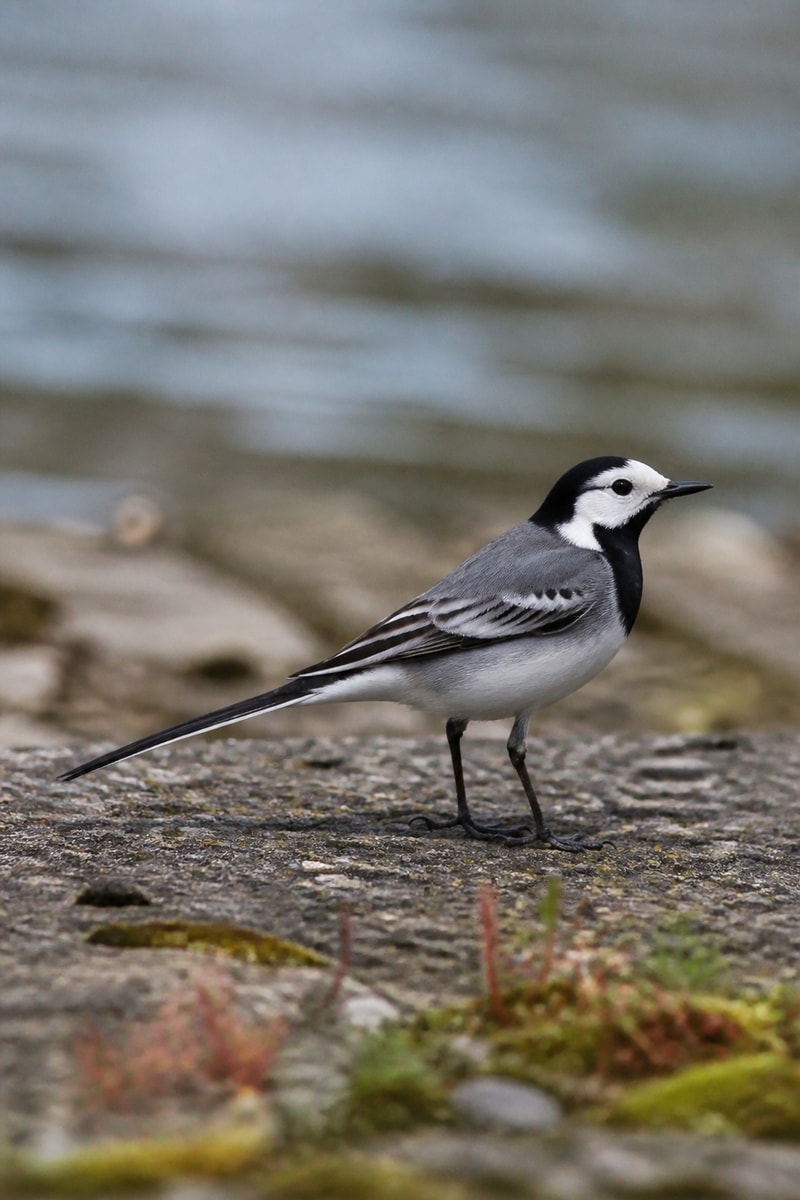
Pied wagtails are black-and-white Motacilla alba of British towns, farms, and watersides — the familiar yarrellii form with a darker back than continental white wagtails. They pump the long tail constantly while picking insects from car parks, roofs, and river edges.
For UK collectors, the pied wagtail is an everyday urban catch — supermarket roof, canal towpath, and that tireless black-and-white bob wherever people and insects meet.
- Scientific nameMotacilla alba
- Length16–19 cm
- Weight18–25 g
- LifespanAround 3–5 years in the wild
- DietFlies
- ConservationLeast Concern
- RegionBritish Towns & Watersides
Where to see them
Habitat
- Urban hardstanding
- Farmyard
- River edge
- Roof and gutter
Towns, farms, riversides, and open ground across the UK, especially near water, roofs, and short-grazed or paved areas rich in insects.
Field notes
Field scale for the Pied Wagtail: length around 16-19 cm; weight 18-25 g. Typical lifespan: Around 3-5 years in the wild.
When you are scanning habitat, prioritise urban hardstanding, farmyard, river edge, and roof and gutter. Those settings are where a clean look and a usable photo are most likely.
Quick ID anchor: Slender black-and-white bird with a long constantly wagging tail. Confirm with behaviour and habitat before you log the discovery.
Diet
Flies, beetles, midges, and other insects taken from ground and water edges.
Also pick scraps and tiny prey around human structures.
Behaviour
Active runners that pause to wag the tail and sally after flies.
Form dense winter roosts in trees, reedbeds, or warm buildings.
How to identify
Slender black-and-white bird with a long constantly wagging tail.
British yarrellii typically shows a blacker back than continental white wagtails.
Interesting facts
- 01
British birds are mostly subspecies Motacilla alba yarrellii.
- 02
Constantly wag the long black-and-white tail while foraging.
- 03
Common on roofs, car parks, and watersides in towns.
- 04
Diet is almost entirely insects and other small invertebrates.
- 05
Often gather in large communal winter roosts.
- 06
Closely related to continental white wagtails.
Conservation status
Pied wagtails (as Motacilla alba) are Least Concern globally and remain common in the UK. They adapt well to towns, though harsh winters can reduce local numbers.
Sources: IUCN Red List
Keep exploring
Free on iOS
Catch the Pied Wagtail
Spot one in the wild, then scan it in Catch'Um to log your common discovery.