
Field guide · common
Peacock Butterfly
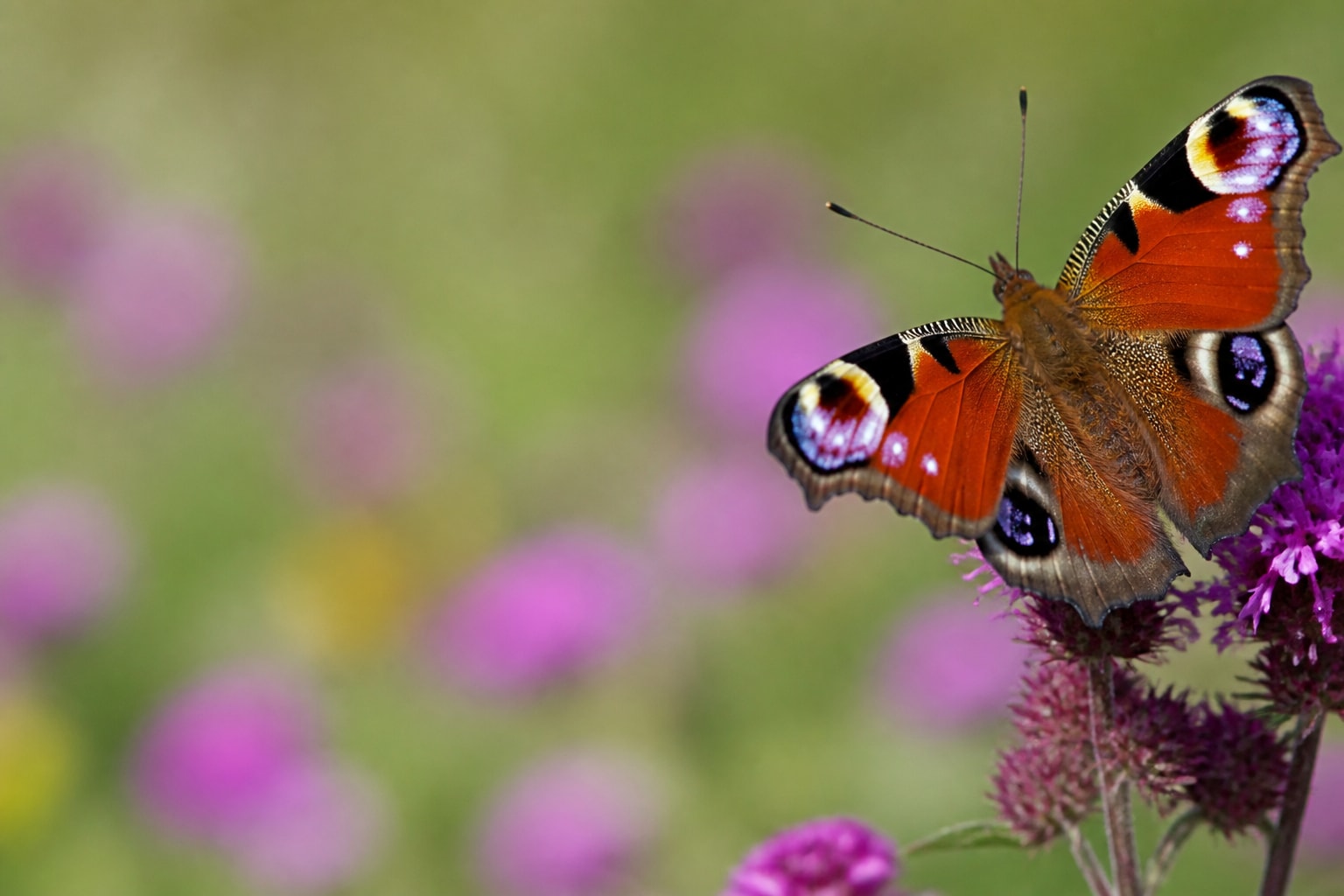
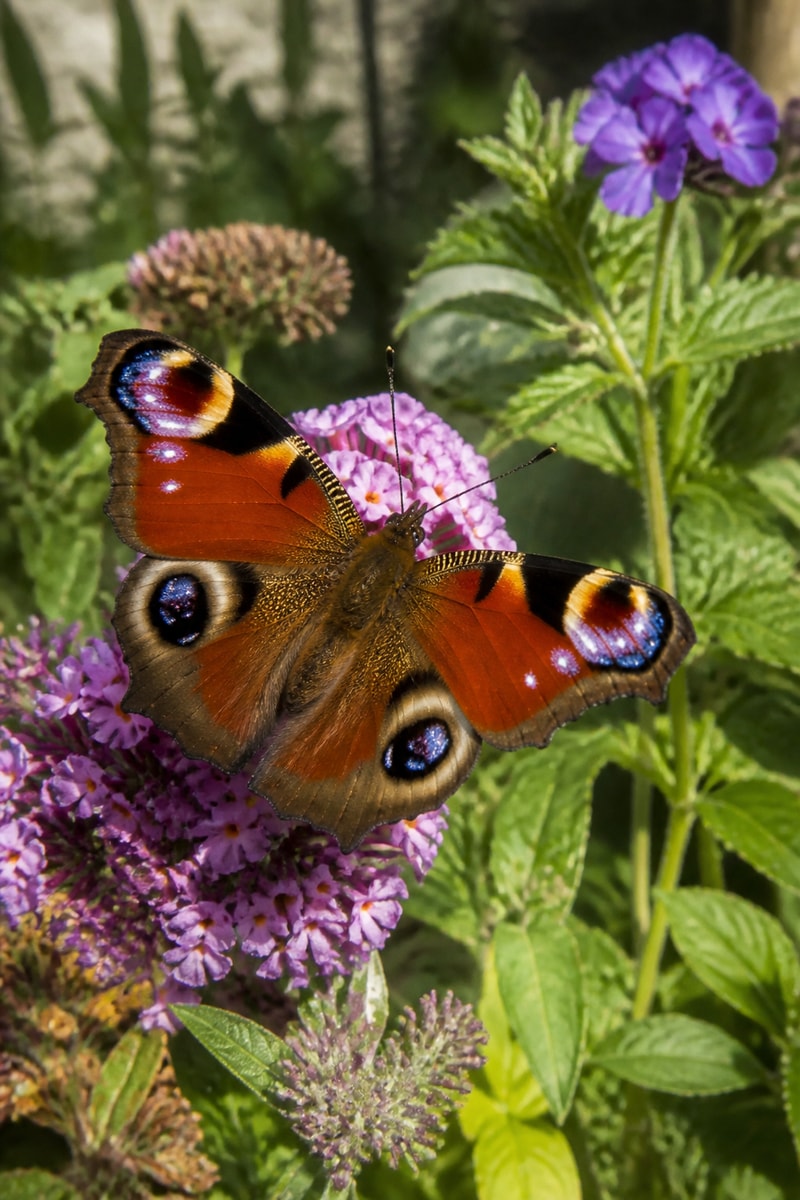
Four peacock eyespots on velvet wings — Britain’s flashiest garden nymphalid.
Least Concern
Aglais io
Overview
Peacock butterflies are striking UK butterflies with four large eyespots on deep maroon wings. Adults overwinter in dark sheds and hollows, emerging on warm spring days to nectar on garden flowers while caterpillars feed on nettles.
For UK collectors, the peacock is a common garden butterfly — eyespot flash, nettle patches, and one of the easiest spring and summer IDs.
- Scientific nameAglais io
- LengthWingspan 63–75 mm
- LifespanAround 11 months as adults including hibernation
- DietAdults nectar on buddleia
- ConservationLeast Concern
- RegionBritish Gardens & Nettles
Where to see them
Habitat
- Garden nectar border
- Nettle bed
- Woodland ride
- Hedgerow
Gardens, woodland rides, and nettle beds across Britain, basking on paths and nectaring on buddleia, thistles, and other summer flowers.
Field notes
Field scale for the Peacock Butterfly: length around Wingspan 63-75 mm. Typical lifespan: Around 11 months as adults including hibernation.
When you are scanning habitat, prioritise garden nectar border, nettle bed, woodland ride, and hedgerow. Those settings are where a clean look and a usable photo are most likely.
Quick ID anchor: Maroon-red wings with a large peacock eyespot on each wing. Confirm with behaviour and habitat before you log the discovery.
Diet
Adults nectar on buddleia, thistles, dandelions, and other flowers; also take tree sap.
Larvae feed exclusively on stinging nettles in groups.
Behaviour
Territorial adults bask and chase rivals on warm days.
Overwinter as adults, emerging on the first mild spring spells.
How to identify
Maroon-red wings with a large peacock eyespot on each wing.
Nearly black cryptic undersides; robust body and strong flight.
Interesting facts
- 01
Four large eyespots mimic predator eyes on the wing upperside.
- 02
Undersides are dark and cryptic like dead leaves.
- 03
Caterpillars feed communally on stinging nettles.
- 04
Adults hibernate in sheds, hollow trees, and outbuildings.
- 05
One of Britain’s most recognisable garden butterflies.
- 06
Flash their eyespots and hiss-like wing rubs to deter birds.
Conservation status
Peacock butterflies are Least Concern and generally common in the UK. Maintaining nettle patches and nectar plants supports local breeding success.
Sources: IUCN Red List
Keep exploring
Free on iOS
Catch the Peacock Butterfly
Spot one in the wild, then scan it in Catch'Um to log your common discovery.