
Field guide · common
Mute Swan
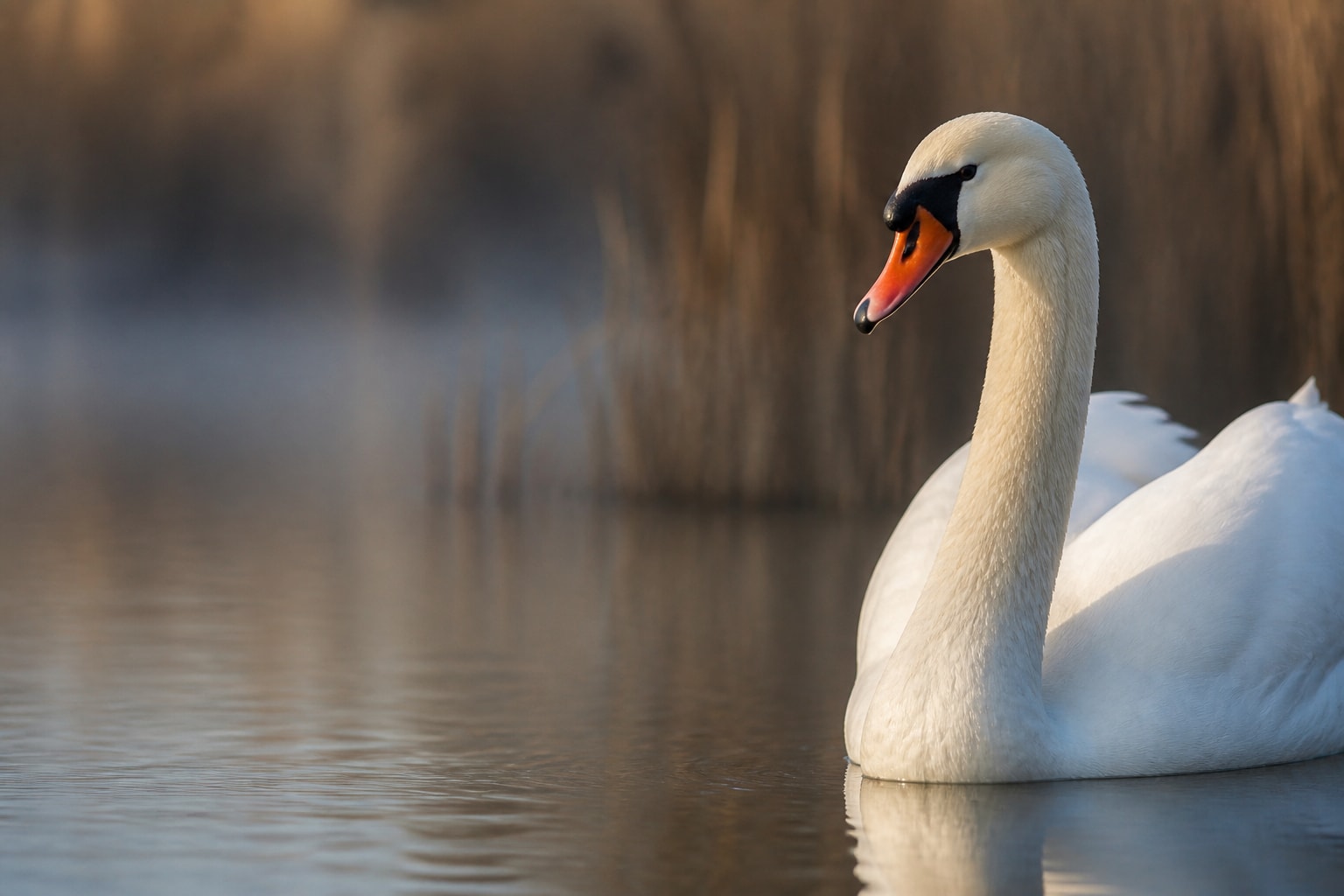
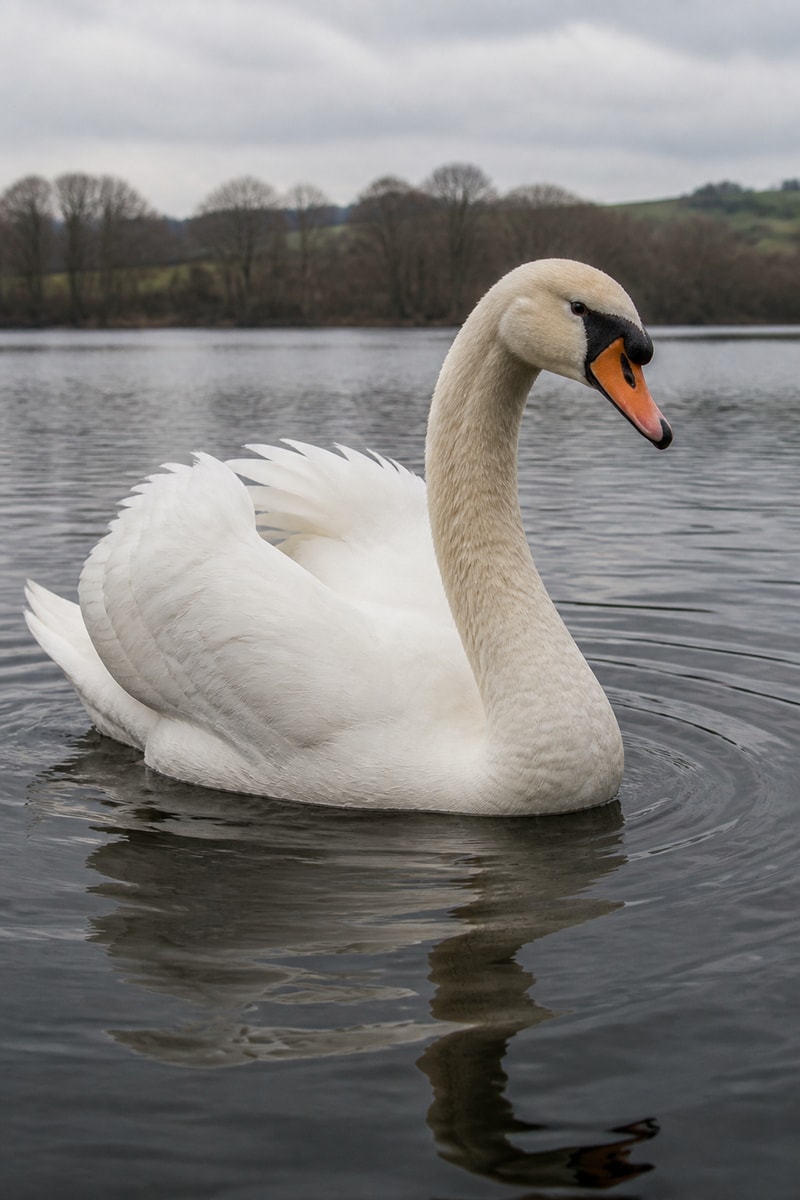
Britain's classic white swan — curved neck, orange bill, and a presence on almost every royal park lake.
Least Concern
Cygnus olor
Overview
Mute swans are the familiar white swans of UK lakes, rivers, and park ponds: graceful on the water, powerfully territorial in the breeding season, and far less 'mute' than the name suggests when hissing at intruders.
For UK collectors, a swan gliding under willows is an everyday discovery that still feels premium on a Catch'Um card.
- Scientific nameCygnus olor
- Length140–160 cm
- HeightWingspan 200–240 cm
- Weight7–14 kg
- LifespanAround 10–20 years in the wild
- DietAquatic plants
- ConservationLeast Concern
- RegionLakes & Rivers
Where to see them
Habitat
- Lakes
- Rivers
- Canals
- Estuaries
Lakes, slow rivers, canals, estuaries, and park waters across the United Kingdom wherever aquatic plants and nesting banks are available.
Field notes
Field scale for the Mute Swan: length around 140-160 cm; height Wingspan 200-240 cm; weight 7-14 kg. Typical lifespan: Around 10-20 years in the wild.
When you are scanning habitat, prioritise lakes, rivers, canals, and estuaries. Those settings are where a clean look and a usable photo are most likely.
Quick ID anchor: All-white adult with an S-curved neck and orange bill topped by a black knob. Confirm with behaviour and habitat before you log the discovery.
Diet
Aquatic plants, algae, and grasses; also take some invertebrates.
Dabble and upend in shallow water; graze on banks.
Behaviour
Territorial pairs on breeding waters; form larger flocks in winter.
Threat displays include raised wings in a 'busking' posture.
How to identify
All-white adult with an S-curved neck and orange bill topped by a black knob.
Cygnets are grey-brown; juveniles whiten over their first years.
Interesting facts
- 01
The 'mute' name contrasts them with noisier wild swans — they still hiss and snort.
- 02
Orange bill with a black basal knob distinguishes adults.
- 03
Wings can span over 2 metres.
- 04
Pairs often mate for multiple seasons and fiercely guard cygnets.
- 05
They feed by dabbling and upending for aquatic plants.
- 06
Historically associated with royal ownership traditions in England.
Conservation status
Mute swans are Least Concern in the UK after recovering from past declines linked to lead fishing weights. Local conflicts and boat disturbance still occur on busy waterways.
Sources: IUCN Red List
Keep exploring
Free on iOS
Catch the Mute Swan
Spot one in the wild, then scan it in Catch'Um to log your common discovery.