
Field guide · common
House Martin
White-rumped summer aerialist — mud-cup nester under British eaves.
Least Concern
Delichon urbicum
Overview
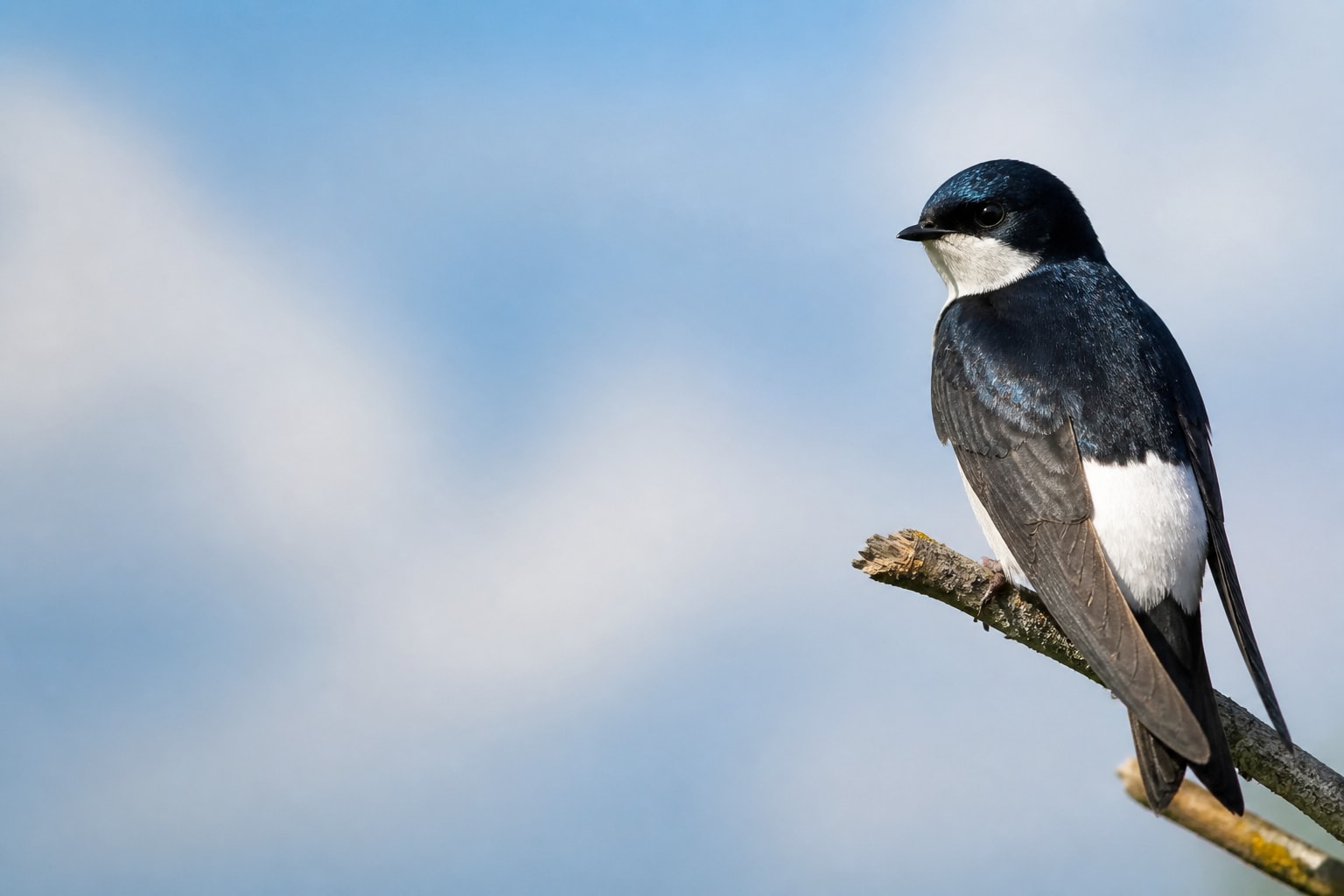
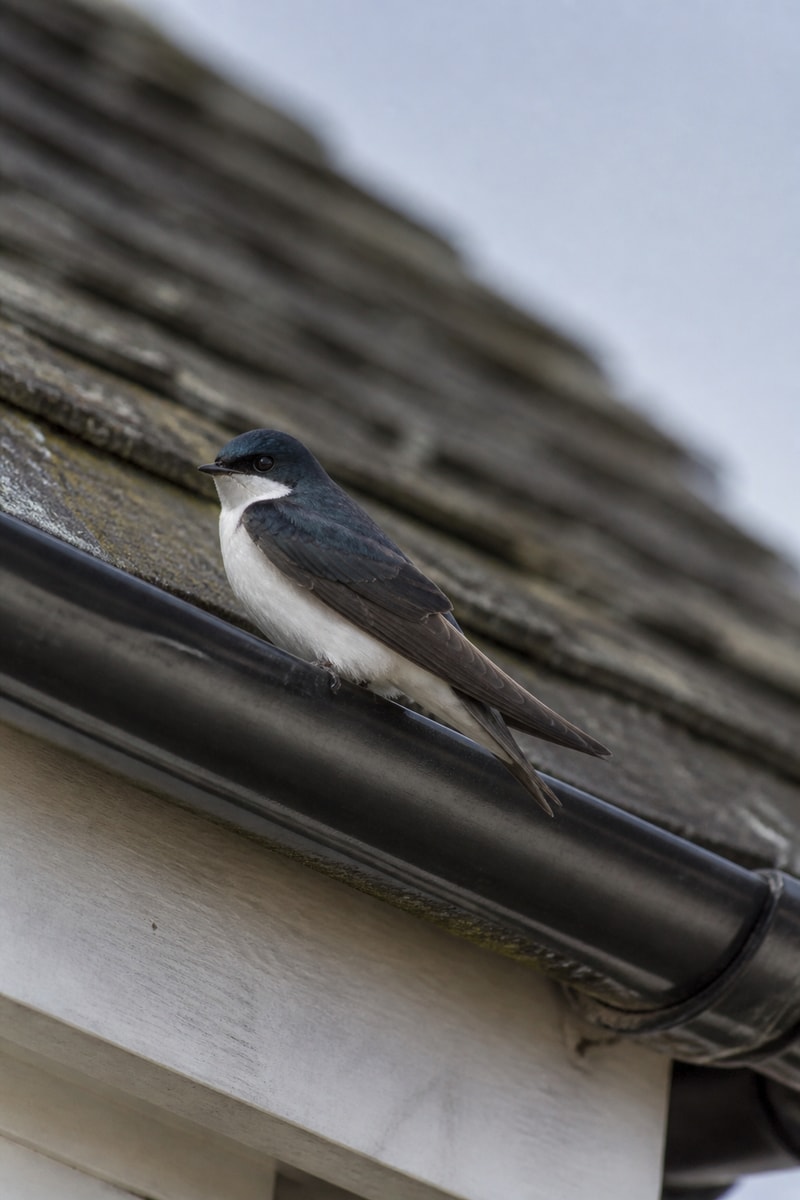
House martins are sleek blue-black swallows with pure white underparts and a distinctive white rump. They spend summers hawking insects over British towns and farms, building neat mud cups under eaves and bridges before migrating to Africa.
For UK collectors, the house martin is a summer sky staple — white rump flash, eaves colony, and a classic common swallow relative of British rooftops.
- Scientific nameDelichon urbicum
- Length12–15 cm
- Weight15–23 g
- LifespanAround 2–5 years in the wild
- DietFlying insects such as flies
- ConservationLeast Concern
- RegionBritish Skies & Eaves
Where to see them
Habitat
- Village eaves
- Farm buildings
- Open farmland airspace
- Waterside mud source
Open country, towns, and villages across the UK with flying insects, nearby water for mud, and eaves or cliffs for nesting colonies.
Field notes
Field scale for the House Martin: length around 12-15 cm; weight 15-23 g. Typical lifespan: Around 2-5 years in the wild.
When you are scanning habitat, prioritise village eaves, farm buildings, open farmland airspace, and waterside mud source. Those settings are where a clean look and a usable photo are most likely.
Quick ID anchor: Blue-black upperparts, pure white underparts, and a square white rump. Confirm with behaviour and habitat before you log the discovery.
Diet
Flying insects such as flies, aphids, and midges taken in continuous flight.
Drink and gather mud on the wing from puddles and pond edges.
Behaviour
Aerial foragers that circle high then skim low over fields and water.
Colonial mud-nesters; pairs repair cups and raise multiple broods.
How to identify
Blue-black upperparts, pure white underparts, and a square white rump.
Short forked tail without long streamers; fluttering, agile flight.
Interesting facts
- 01
White rump is the key flight mark versus swallows and sand martins.
- 02
Build closed mud nests under eaves, bridges, and cliffs.
- 03
Feed entirely on flying insects caught on the wing.
- 04
Long-distance migrants wintering mainly in Africa.
- 05
Often nest in colonies on the same buildings year after year.
- 06
Forked tail is shallower than a barn swallow’s.
Conservation status
House martins are Least Concern globally but have declined in parts of the UK. Loss of nesting sites, mud, and aerial insects are the main pressures on local colonies.
Sources: IUCN Red List
Keep exploring
Free on iOS
Catch the House Martin
Spot one in the wild, then scan it in Catch'Um to log your common discovery.