
Field guide · common
Harbour Seal
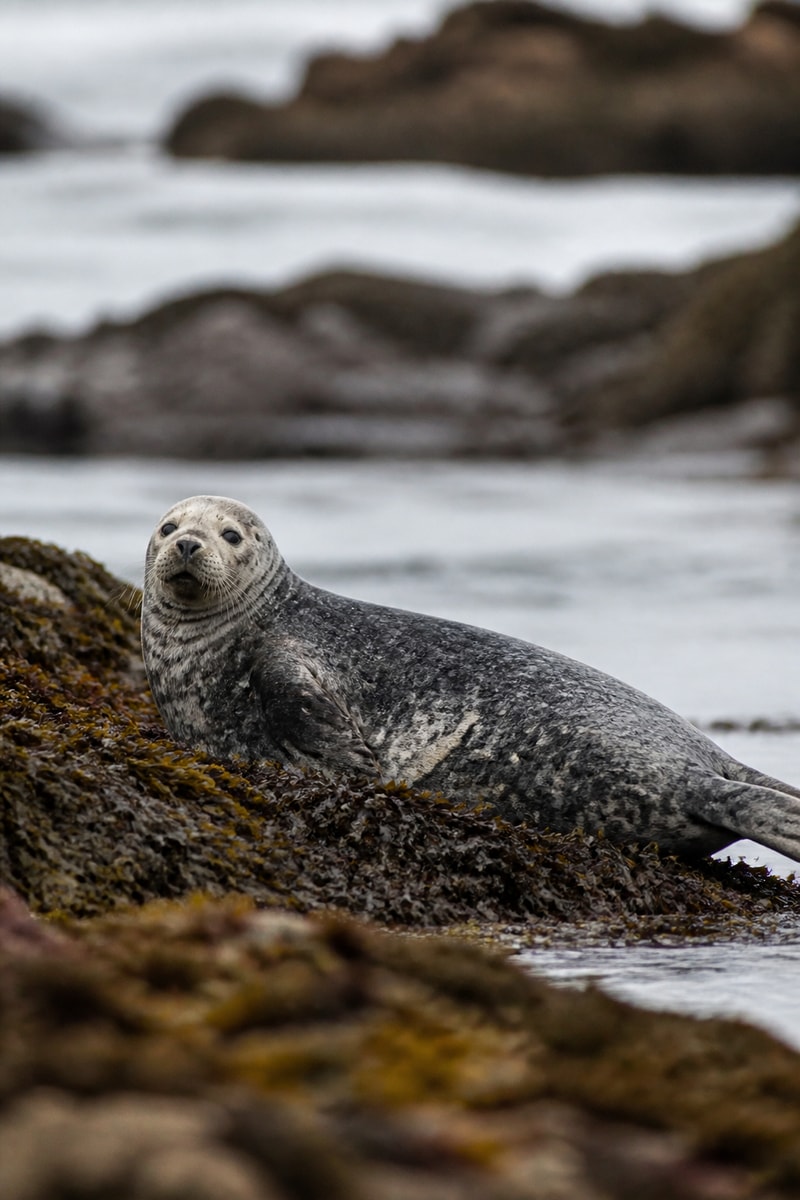
Spotted true seal of quiet shores — dog-like face, V-nostrils, haul-out regular.
Least Concern
Phoca vitulina
Overview
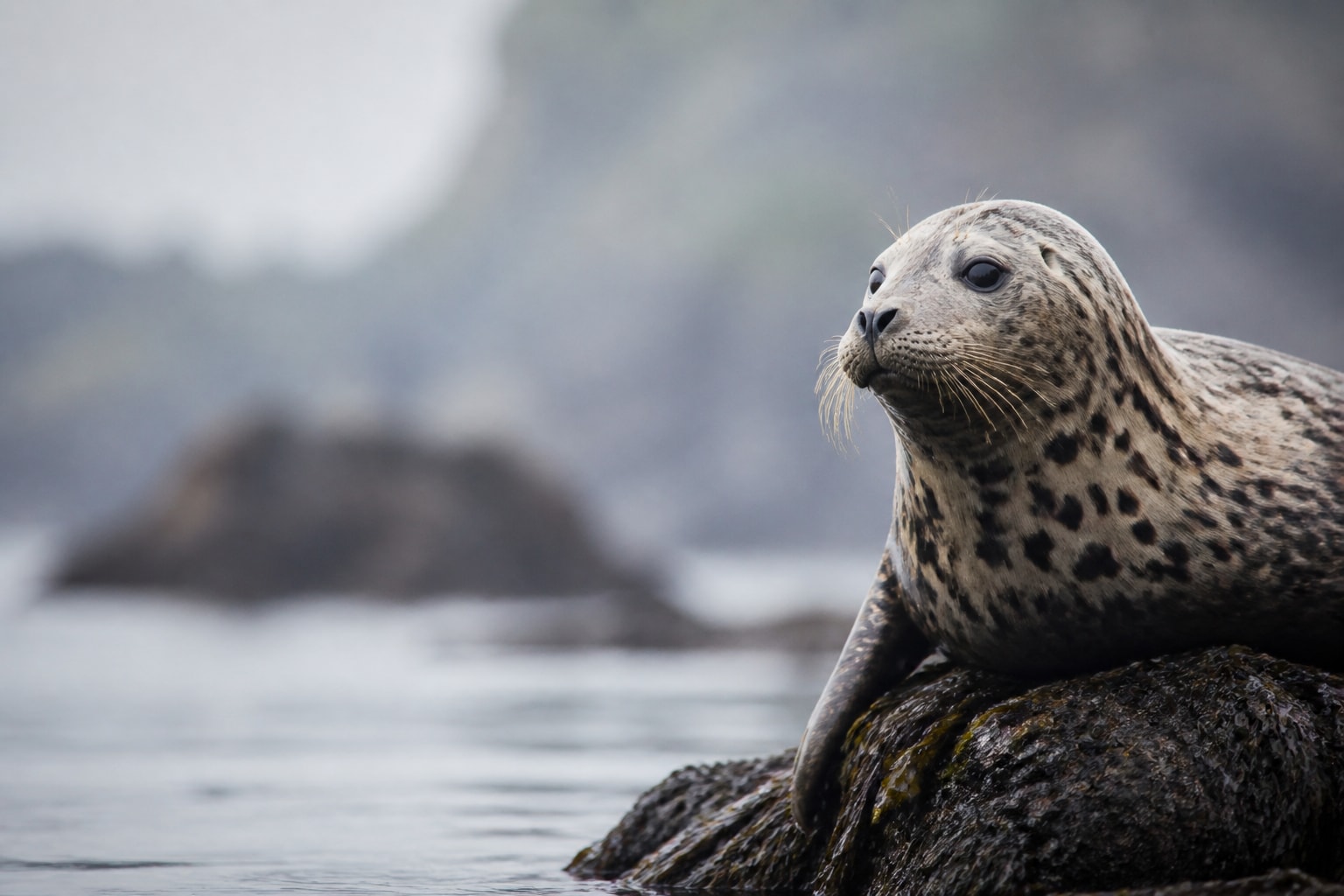
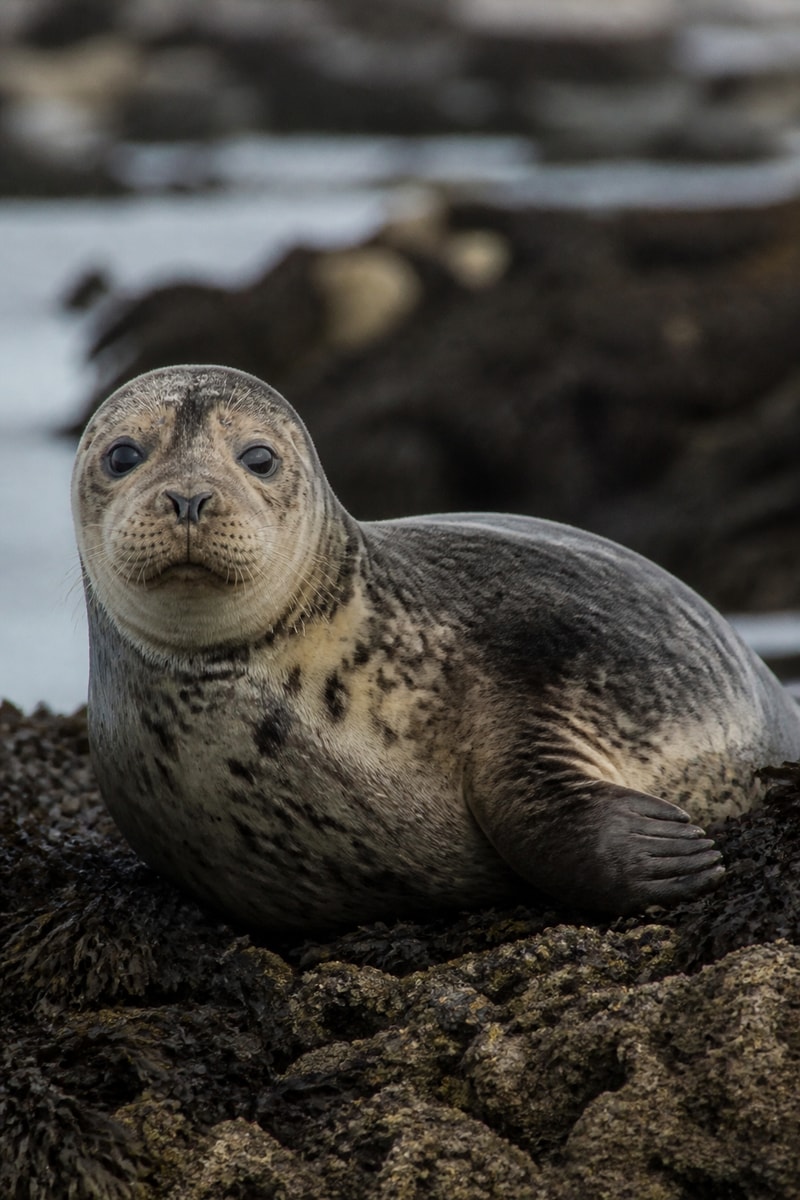
Harbour seals (also called common seals) are smaller spotted seals of British estuaries, sandbanks, and sheltered coasts. Unlike grey seals, they have dog-like faces with short snouts and nostrils that form a V when closed.
For UK collectors, the harbour seal is the other classic seal card beside grey seal — quieter estuaries, spotted coats, and a staple of Scottish and east-coast haul-outs.
- Scientific namePhoca vitulina
- Length1.2–1.9 m
- Weight60–130 kg
- LifespanAround 20–30 years in the wild
- DietFish such as sand eels
- ConservationLeast Concern
- RegionBritish Coasts & Estuaries
Where to see them
Habitat
- Estuary sandbank
- Sheltered coast
- Rocky haul-out
- Shallow fishing grounds
Sheltered coasts, estuaries, sandbanks, and rocky shores around the UK, hauling out to rest and pup, and hunting fish in nearby shallow waters.
Field notes
Field scale for the Harbour Seal: length around 1.2-1.9 m; weight 60-130 kg. Typical lifespan: Around 20-30 years in the wild.
When you are scanning habitat, prioritise estuary sandbank, sheltered coast, rocky haul-out, and shallow fishing grounds. Those settings are where a clean look and a usable photo are most likely.
Quick ID anchor: Smaller than grey seal, with a concave dog-like profile and V-shaped nostrils. Confirm with behaviour and habitat before you log the discovery.
Diet
Fish such as sand eels, herring, and flatfish, plus squid and shrimp.
Hunt in shallow coastal and estuarine waters, often alone.
Behaviour
Haul out on sandbanks and rocks between tides to rest and moult.
Curious but shy; dive quietly when boats approach too close.
How to identify
Smaller than grey seal, with a concave dog-like profile and V-shaped nostrils.
Fine dark spots on a grey-brown coat; rounded head without a Roman nose.
Interesting facts
- 01
Also called the common seal in Britain.
- 02
Dog-like face with short snout; nostrils form a V when closed.
- 03
Coat is spotted grey to brown — finer pattern than grey seals.
- 04
Pups can swim almost immediately after birth.
- 05
Feed on fish, squid, and crustaceans in coastal waters.
- 06
Strongholds include Scotland and parts of eastern England.
Conservation status
Harbour seals are Least Concern globally. Some UK populations have declined from disease outbreaks and other pressures, so regional monitoring remains important.
Sources: IUCN Red List
Keep exploring
Free on iOS
Catch the Harbour Seal
Spot one in the wild, then scan it in Catch'Um to log your common discovery.