
Field guide · common
Common Toad
Warty night walker of damp paths — Britain’s classic garden toad.
Least Concern
Bufo bufo
Overview
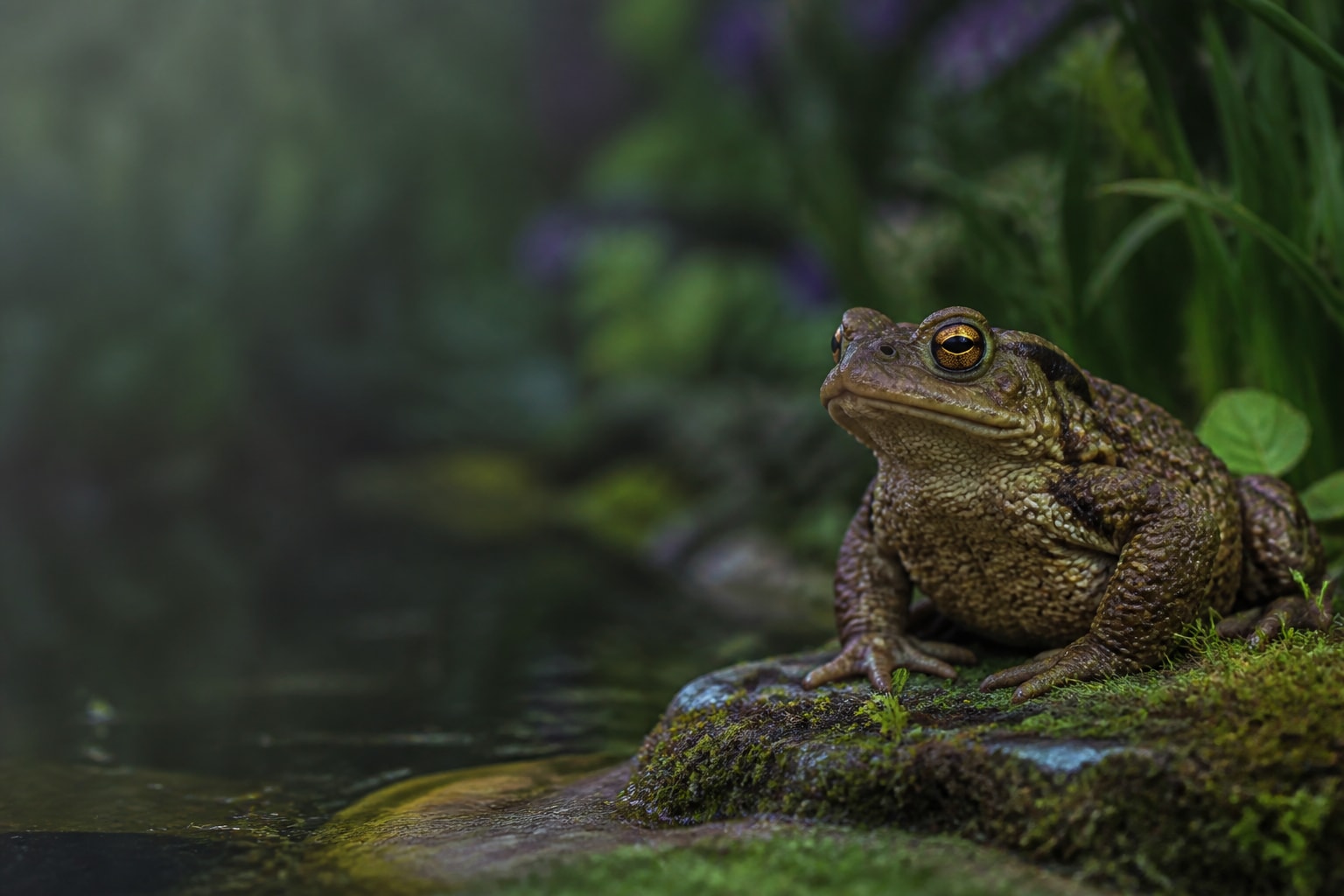
Common toads are robust, dry-skinned amphibians that crawl through gardens, woodland, and damp grassland after rain. They migrate to breeding ponds in spring, laying long gelatinous strings of eggs unlike frogs’ clumps.
For UK collectors, the common toad is an everyday spring find — garden paths, pond migrations, and a protected favourite of British wildlife nights.
- Scientific nameBufo bufo
- Length8–13 cm
- Weight20–80 g
- LifespanAround 10–12 years in the wild
- DietInsects
- ConservationLeast Concern
- RegionBritish Gardens & Ponds
Where to see them
Habitat
- Garden shelter
- Woodland floor
- Breeding pond
- Damp grassland
Gardens, woodland, hedgerows, and damp grassland across Britain, breeding in ponds, ditches, and still waters in spring.
Field notes
Field scale for the Common Toad: length around 8-13 cm; weight 20-80 g. Typical lifespan: Around 10-12 years in the wild.
When you are scanning habitat, prioritise garden shelter, woodland floor, breeding pond, and damp grassland. Those settings are where a clean look and a usable photo are most likely.
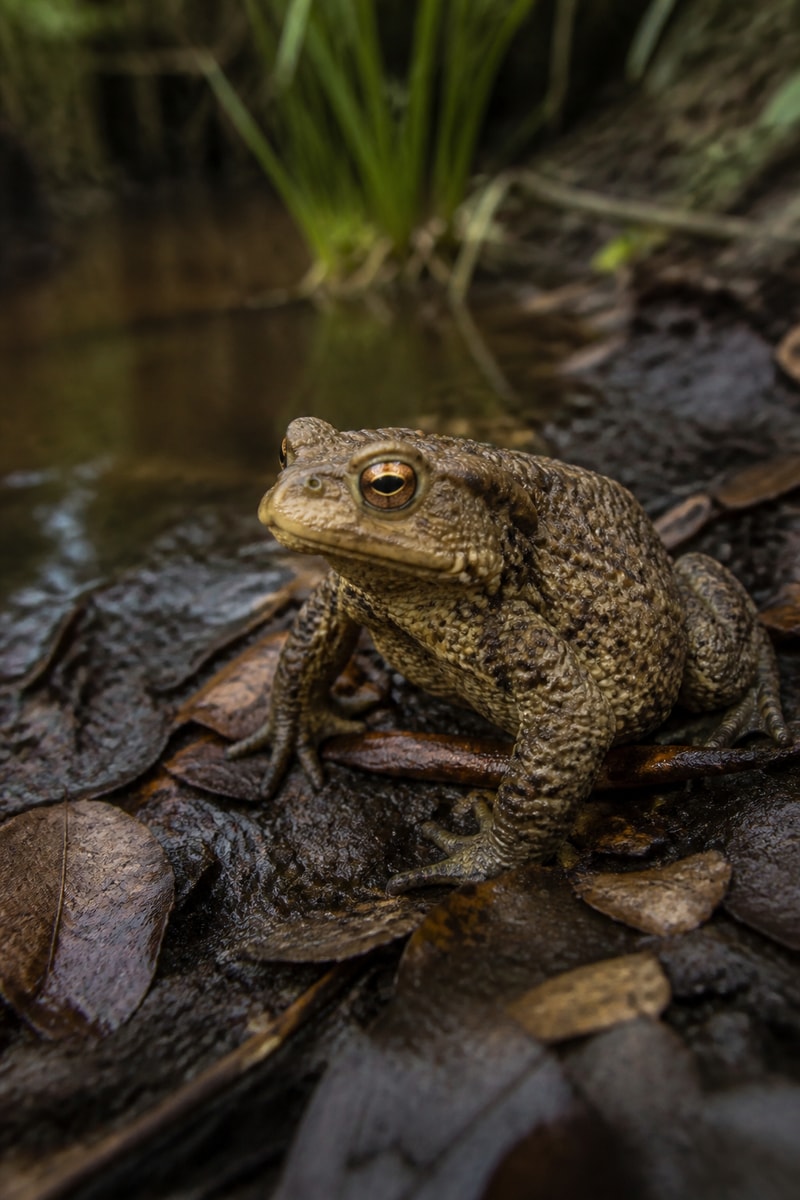
Quick ID anchor: Olive-brown to reddish warty toad with short legs and a blunt snout. Confirm with behaviour and habitat before you log the discovery.
Diet
Insects, spiders, slugs, worms, and other terrestrial invertebrates.
Sit-and-wait hunters that flick a sticky tongue at moving prey.
Behaviour
Nocturnal on land; hide by day under logs, stones, and compost.
Mass spring migrations to ponds for breeding choruses and egg-laying.
How to identify
Olive-brown to reddish warty toad with short legs and a blunt snout.
Coppery horizontal pupil; egg strings rather than frogspawn clumps.
Interesting facts
- 01
Warty dry skin and a horizontal pupil distinguish them from frogs.
- 02
Walk rather than hop when moving on land.
- 03
Lay eggs in long double strings, not clumps.
- 04
Spring migrations to ancestral breeding ponds are famous.
- 05
Diet is mostly invertebrates — beetles, slugs, and ants.
- 06
Parotoid glands behind the eyes secrete bitter toxins.
Conservation status
Common toads are Least Concern globally but have declined in parts of the UK. Road mortality on spring migrations and pond loss are key local threats.
Sources: IUCN Red List
Keep exploring
Free on iOS
Catch the Common Toad
Spot one in the wild, then scan it in Catch'Um to log your common discovery.