
Field guide · common
Chaffinch
The pink-breasted finch, a woodland songster whose loud, descending trill ends with a flourish and varies from county to county.
Least Concern
Fringilla coelebs
Overview
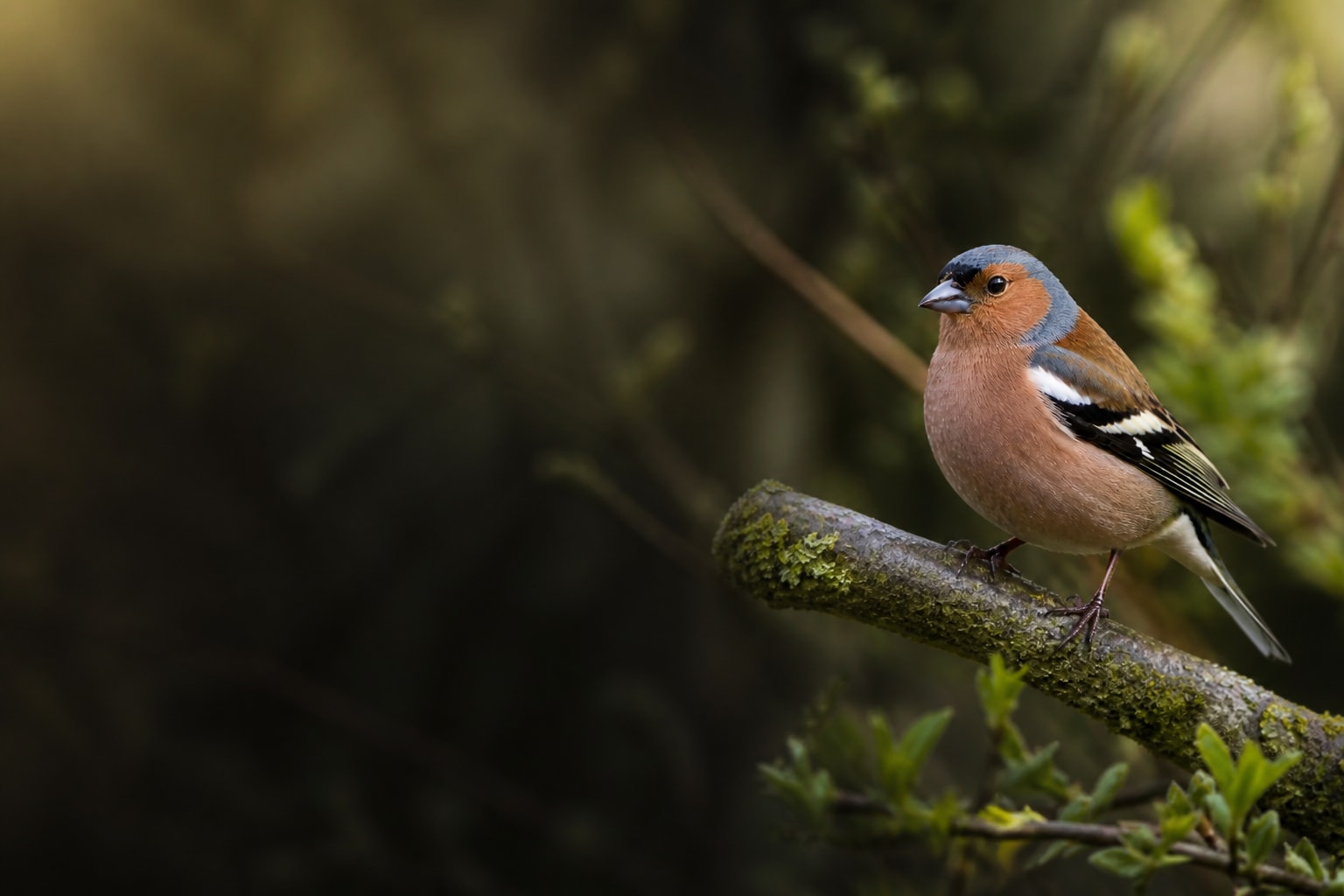
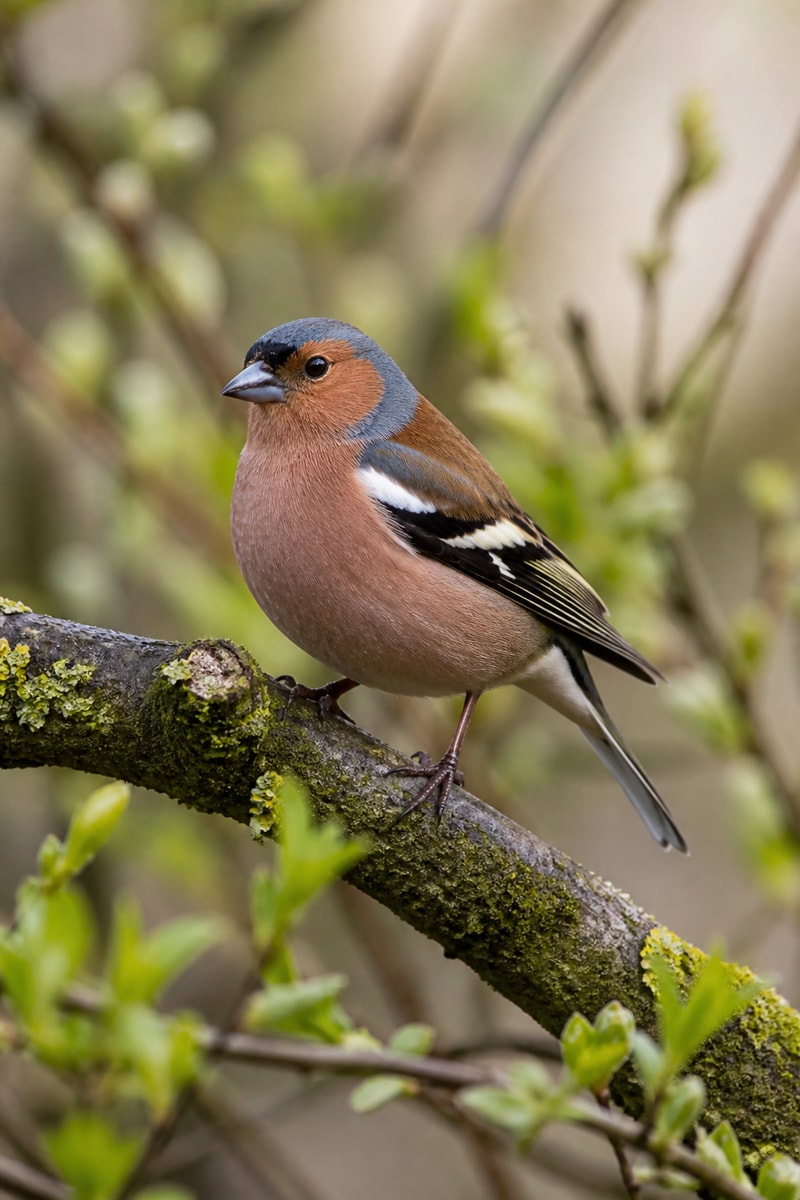
The chaffinch is one of Britain's most common and colourful finches. Breeding males show a blue-grey cap, pink breast, and white wing bars; females are more subdued in brown and olive. Their song, a loud, descending series ending in a sharp flourish, is a soundtrack of spring woodland.
Chaffinches are remarkable for their regional song dialects: birds in different parts of the UK learn slightly different versions of the song from their neighbours, creating acoustic borders that ornithologists can map across the landscape.
- Scientific nameFringilla coelebs
- Length14–16 cm
- Weight18–29 g
- Lifespan3–5 years in the wild
- DietSeeds of trees and weeds…
- ConservationLeast Concern
- RegionWoodland & Gardens
Habitat
- Woodland
- Parks
- Gardens
- Farmland
Deciduous and mixed woodland, parks, gardens, and farmland hedgerows across the UK. Chaffinches visit bird tables for seeds but do most of their foraging on the ground beneath trees.
Countries found
Field notes
Field scale for the Chaffinch: length around 14-16 cm; weight 18-29 g. Typical lifespan: 3-5 years in the wild.
When you are scanning habitat, prioritise woodland, parks, gardens, and farmland. Those settings are where a clean look and a usable photo are most likely.
Quick ID anchor: Males have a pinkish breast and cheeks, blue-grey crown, and bold white wing bars and outer tail feathers. Females are browner but share the same double white wing bars and white tail flashes in flight. Confirm with behaviour and habitat before you log the discovery.
Diet
Seeds of trees and weeds dominate outside the breeding season; chicks are fed large numbers of caterpillars and other invertebrates. Common under beeches and at winter feeders.
Behaviour
Familiar woodland and garden songbird; males deliver a descending, rattling song from prominent perches. Forms mixed finch flocks in winter and often feeds on the ground.
How to identify
Males have a pinkish breast and cheeks, blue-grey crown, and bold white wing bars and outer tail feathers. Females are browner but share the same double white wing bars and white tail flashes in flight.
Interesting facts
- 01
Chaffinches have regional song dialects, birds in different counties sing differently.
- 02
Males sing from high perches to defend territory through spring.
- 03
Their name comes from Old English ceaffinc, finch that chaffs or pecks grain.
Conservation status
Chaffinches are Least Concern and widespread across the UK. Trichomonosis disease has caused declines in some regions, but populations remain generally stable.
Sources: IUCN Red List
Keep exploring
Free on iOS
Catch the Chaffinch
Spot one in the wild, then scan it in Catch'Um to log your common discovery.