
Field guide · common
Blue Wildebeest
Engine of the Great Migration — bearded, humped, and endlessly on the move across East African plains.
Least Concern
Connochaetes taurinus
Overview
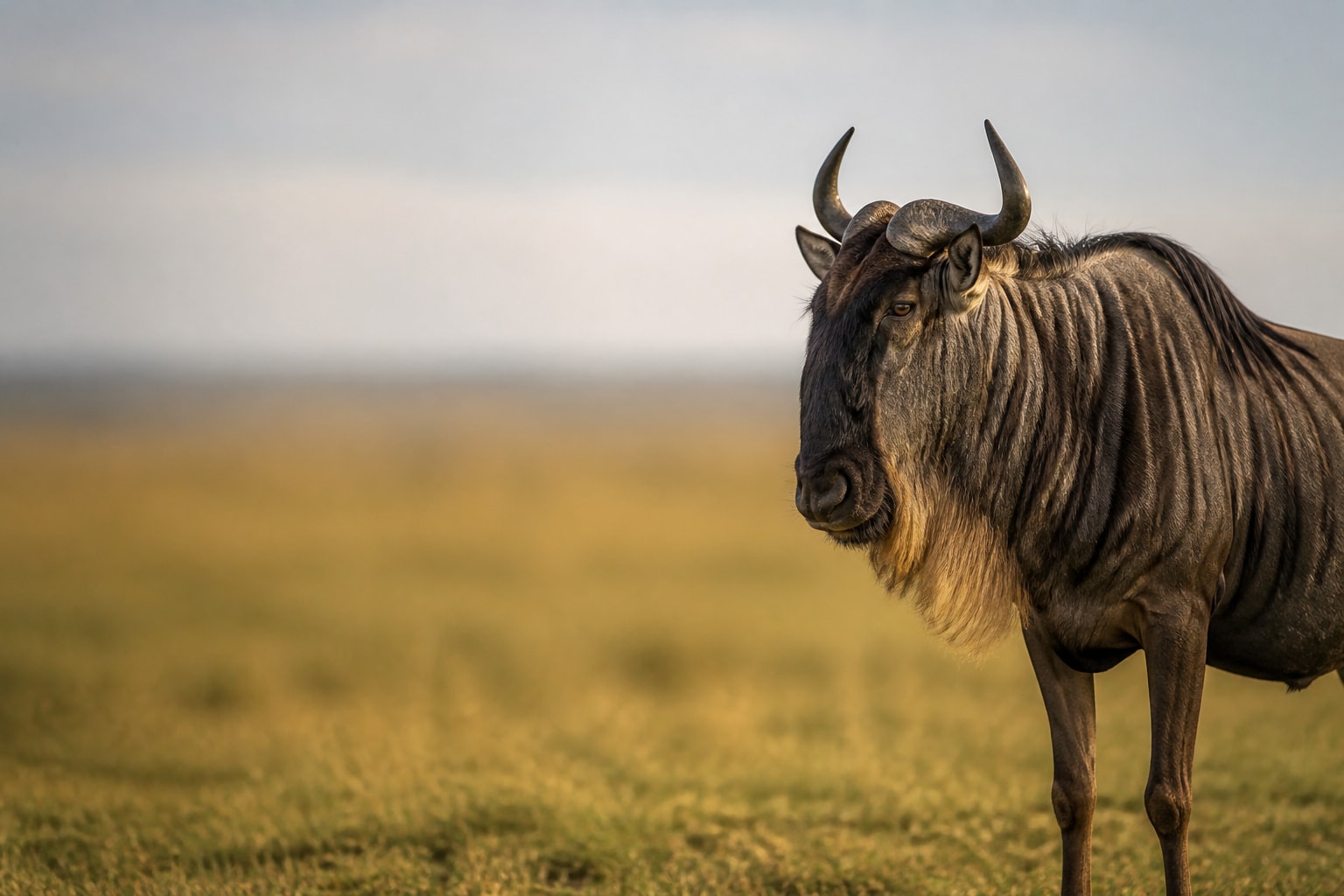
Blue wildebeest are the iconic antelope of the Serengeti–Mara ecosystem, travelling in vast herds that follow rain and fresh grass. Their bearded faces, sloping backs, and constant motion define classic safari scenery.
For Kenya collectors, wildebeest are both common and essential — the living heartbeat of migration season and a high-search species for habitat and behaviour queries.
- Scientific nameConnochaetes taurinus
- Length1.5–2.4 m
- Height1.2–1.5 m at the shoulder
- Weight120–270 kg
- LifespanAround 20 years in the wild
- DietGrazers specialised on…
- ConservationLeast Concern
- RegionSavanna
Where to see them
Habitat
- Short-grass plains
- Savanna
- Open grassland
Blue wildebeest inhabit short-grass plains and open savanna across eastern and southern Africa. The densest populations move seasonally between the Serengeti in Tanzania and Kenya's Masai Mara.
Field notes
Field scale for the Blue Wildebeest: length around 1.5-2.4 m; height 1.2-1.5 m at the shoulder; weight 120-270 kg. Typical lifespan: Around 20 years in the wild.
When you are scanning habitat, prioritise short-grass plains, savanna, and open grassland. Those settings are where a clean look and a usable photo are most likely.
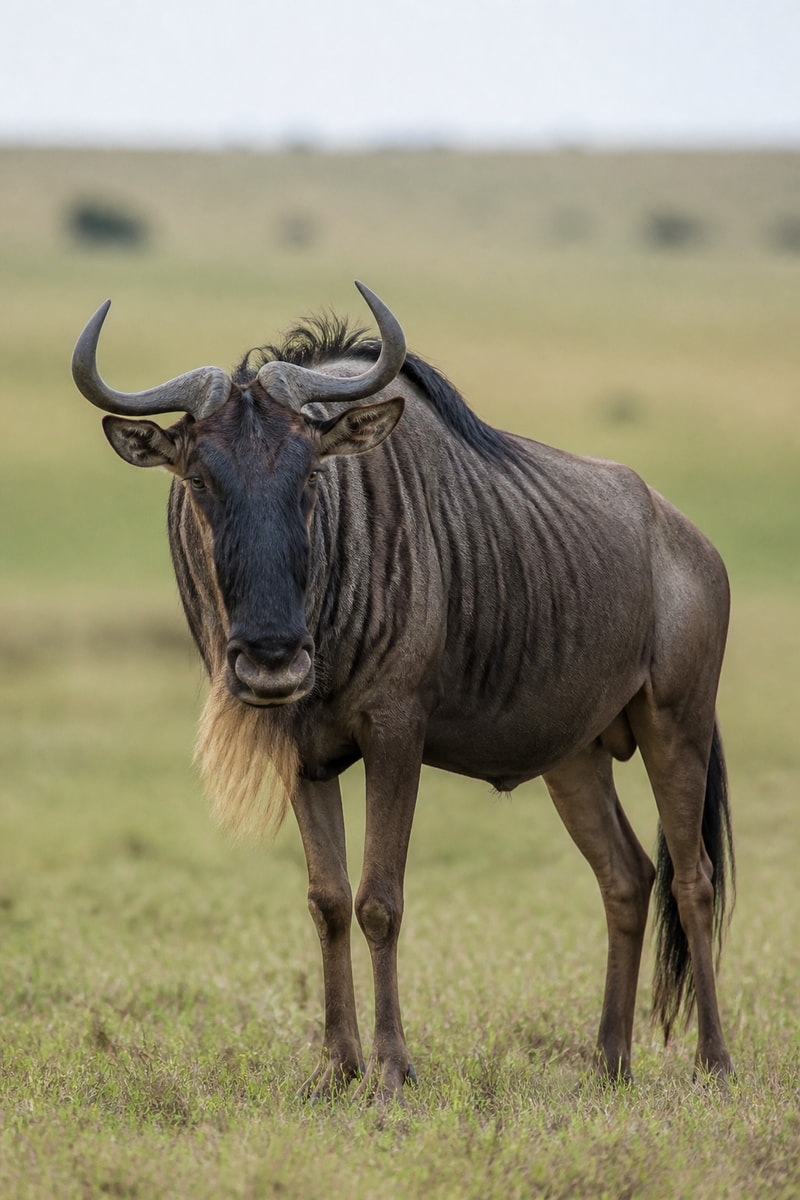
Quick ID anchor: Sloping back, shaggy mane and beard, deep chest, and cow-like horns. Confirm with behaviour and habitat before you log the discovery.
Where to see one
Kenya
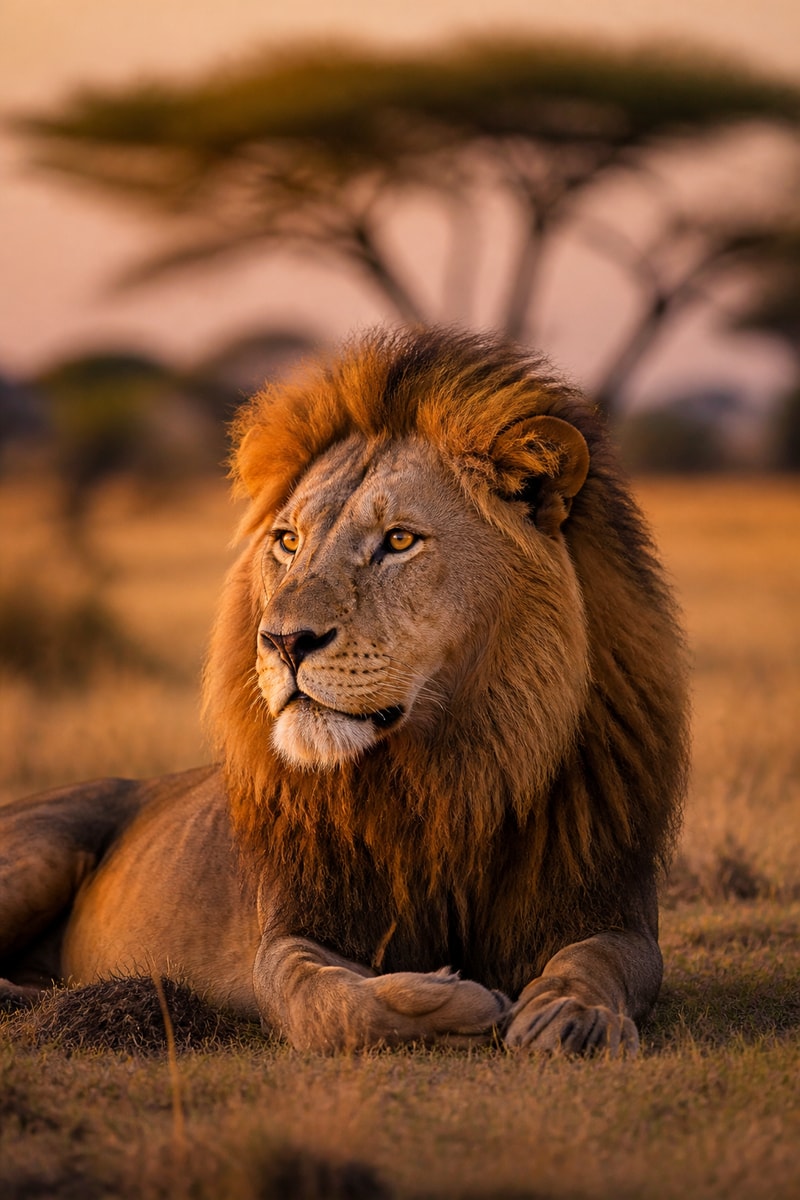
In Kenya, start at Masai Mara National Reserve (Southwest Kenya). Open savanna where lion prides patrol the grassland and the Great Migration crosses the Mara River from July to October.
More context on this destination lives on the Kenya expedition page.
Diet
Grazers specialised on short grasses, moving constantly to follow fresh growth after rains.
Drink regularly when water is available and can travel far between water sources.
Behaviour
Form huge migratory herds; bulls hold temporary territories in the rut.
Calves can stand and run within minutes of birth — vital against predators.
How to identify
Sloping back, shaggy mane and beard, deep chest, and cow-like horns.
Grey-brown 'blue' coat with darker vertical stripes on the neck and shoulder.
Interesting facts
- 01
Over a million wildebeest take part in the Serengeti–Mara migration.
- 02
Calving is tightly synchronised — hundreds of thousands born within weeks.
- 03
They often move with zebras, which eat taller grass first.
- 04
Despite a cow-like look, they are antelopes.
- 05
River crossings during migration are among Africa's greatest wildlife spectacles.
- 06
Both sexes have horns, though shapes differ.
Conservation status
Blue wildebeest are Least Concern overall, but migration routes are vulnerable to fencing and habitat loss. Keeping the Serengeti–Mara corridor open is essential for the famous migratory herds.
Sources: IUCN Red List

Keep exploring
Where it lives
Free on iOS
Catch the Blue Wildebeest
Spot one in the wild, then scan it in Catch'Um to log your common discovery.