
Field guide · common
Yak
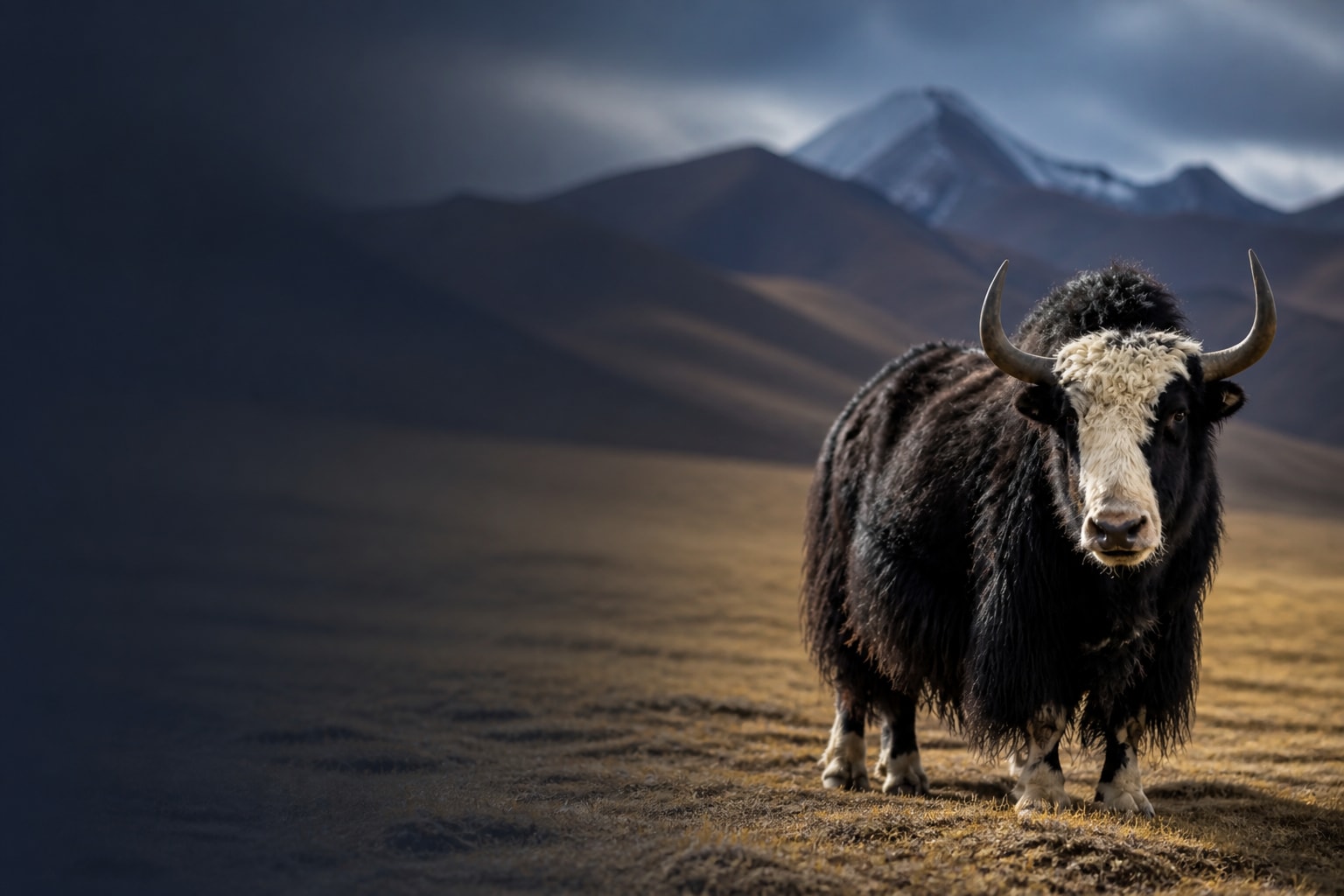
The shaggy giant of the roof of the world, a high-altitude bovine that carries life across the Tibetan Plateau.
Least Concern
Bos grunniens
Overview
The domestic yak has been the backbone of Himalayan and Tibetan life for thousands of years, providing milk, meat, fibre, and transport above 4,000 metres where cattle cannot survive. Long-haired, sure-footed, and placid, yaks graze alpine meadows that would kill lesser animals from cold and thin air.
Wild yaks still roam remote corners of the Tibetan Plateau, larger and more aggressive than their domestic cousins, with populations clinging on above 5,000 metres. Domestic yaks are central to nomadic culture across Bhutan, Nepal, and western China.
- Scientific nameBos grunniens
- Height1.6–2.0 m at shoulder (wild bulls larger)
- WeightDomestic ~250–550 kg; wild bulls to ~1,000 kg
- LifespanAround 20–25 years
- DietGrazes alpine grasses
- ConservationLeast Concern
- RegionHigh Plateau
Habitat
- Alpine meadow
- High plateau
- Mountain steppe
Alpine grassland and high plateau above 3,000 metres in Tibet, Qinghai, Nepal, and Bhutan suit yaks. They withstand temperatures below minus 40°C and graze sparse vegetation where oxygen is half what it is at sea level.
Countries found
Field notes
Field scale for the Yak: height 1.6-2.0 m at shoulder (wild bulls larger); weight Domestic ~250-550 kg; wild bulls to ~1,000 kg. Typical lifespan: Around 20-25 years.
When you are scanning habitat, prioritise alpine meadow, high plateau, and mountain steppe. Those settings are where a clean look and a usable photo are most likely.
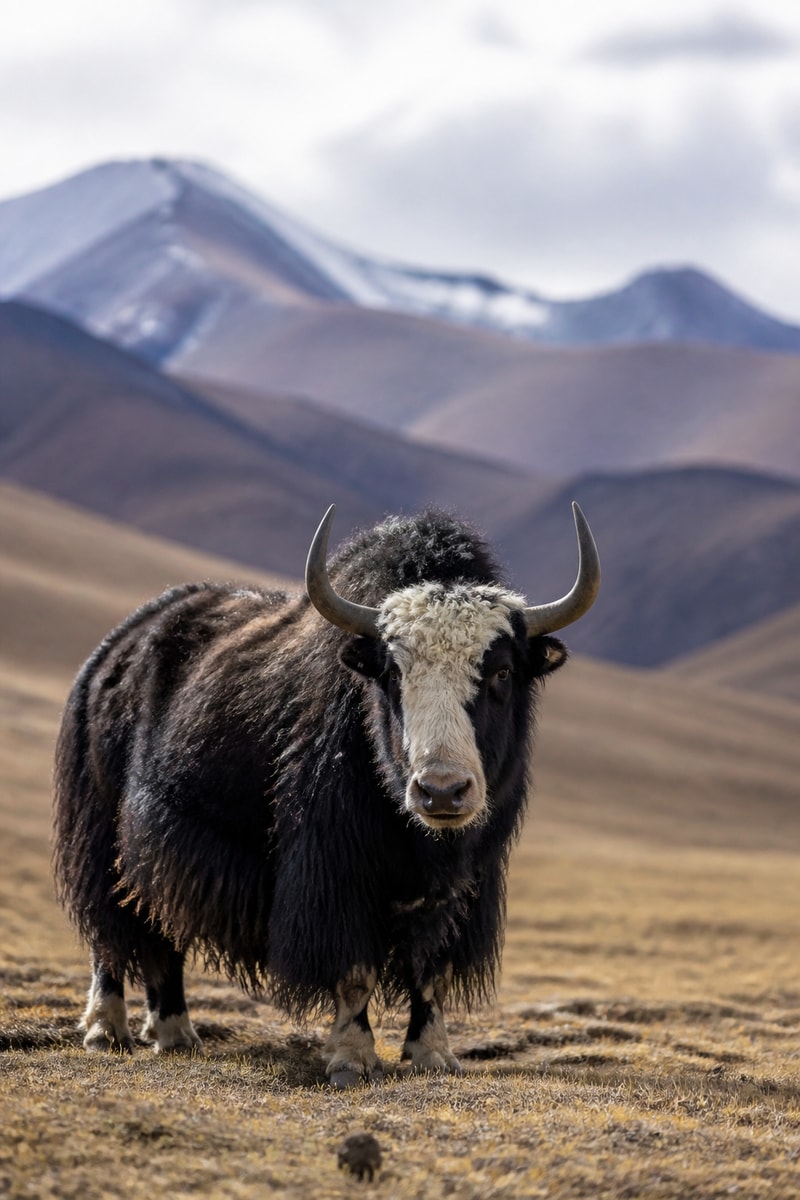
Quick ID anchor: Massive long-haired bovine with dense undercoat, curved horns, and a bushy tail; coat often black or dark brown. Confirm with behaviour and habitat before you log the discovery.
Diet
Grazes alpine grasses, sedges, herbs, and lichens on high plateaus where ordinary cattle cannot thrive.
Domestic herds are managed for milk, meat, fibre, and pack work above roughly 3,000–4,000 m.
Behaviour
Sure-footed herd animals adapted to thin air and extreme cold; often move slowly while grazing.
Wild yaks are shy and form herds in remote plateaus; domestic yaks are central to highland livelihoods.
How to identify
Massive long-haired bovine with dense undercoat, curved horns, and a bushy tail; coat often black or dark brown.
Shorter legs and denser fur than lowland cattle; cold-adapted muzzle and large lungs.
Interesting facts
- 01
Wild yaks survive at altitudes above 5,000 metres where oxygen is thin.
- 02
Yak wool is among the warmest natural fibres, finer than cashmere.
- 03
Domestic yaks have been herded on the Tibetan Plateau for over 4,000 years.
Conservation status
Domestic yaks are abundant across the Himalaya. Wild yaks are Vulnerable, with fewer than 10,000 remaining on the Tibetan Plateau due to hunting and hybridisation with domestic stock.
Sources: IUCN Red List

Keep exploring
Where it lives
Related discoveries
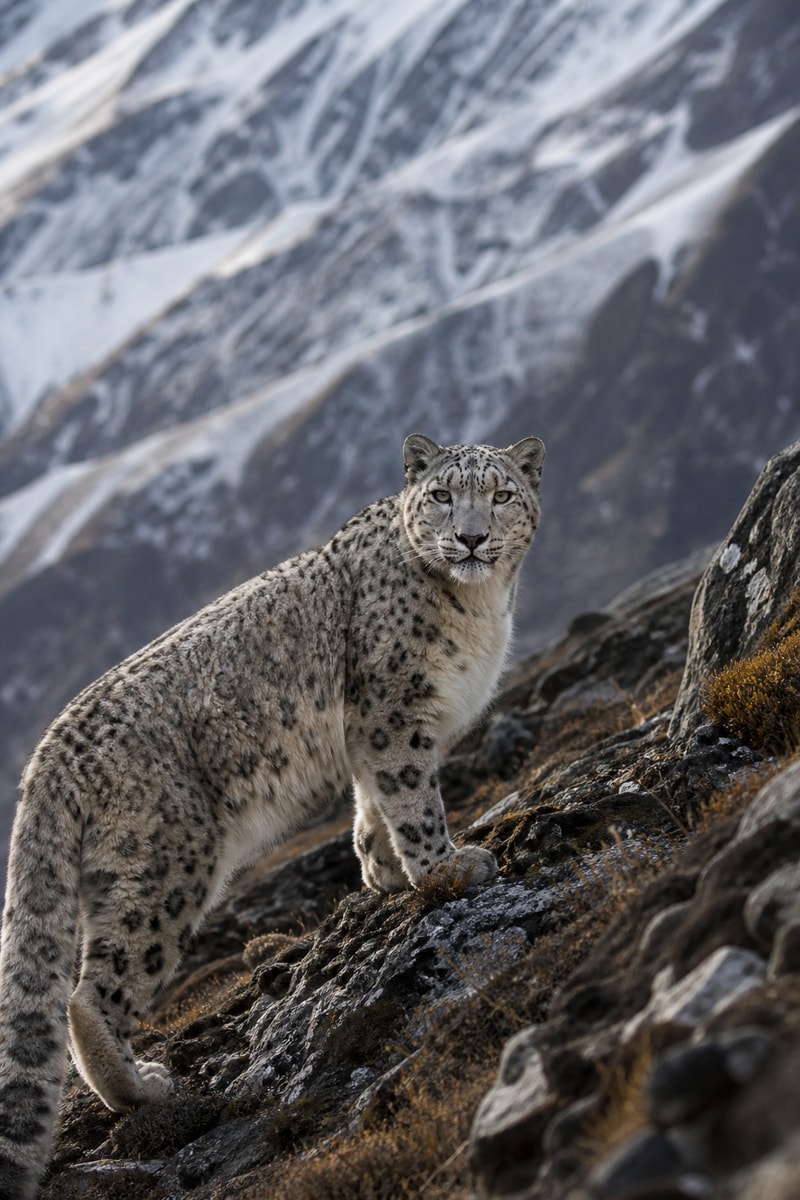
- Snow Leopardlegendary • High Mountains
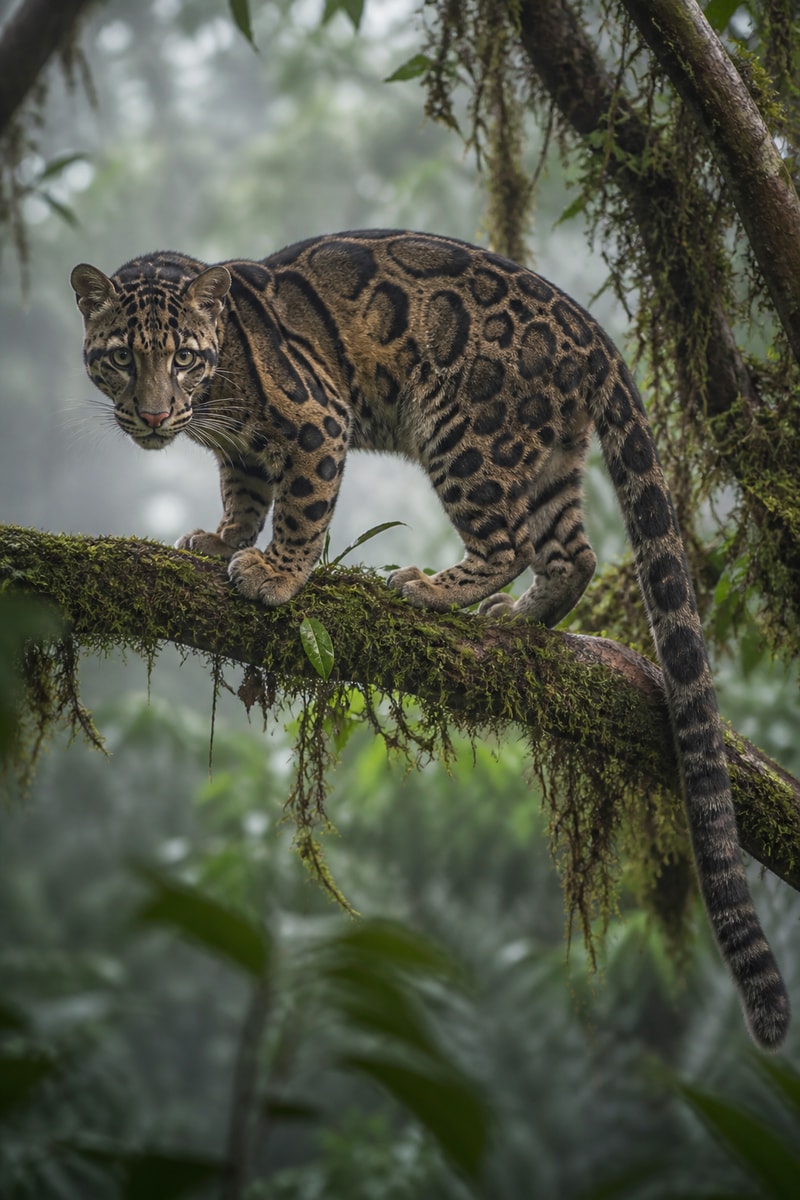
- Clouded Leopardlegendary • Forest Canopy
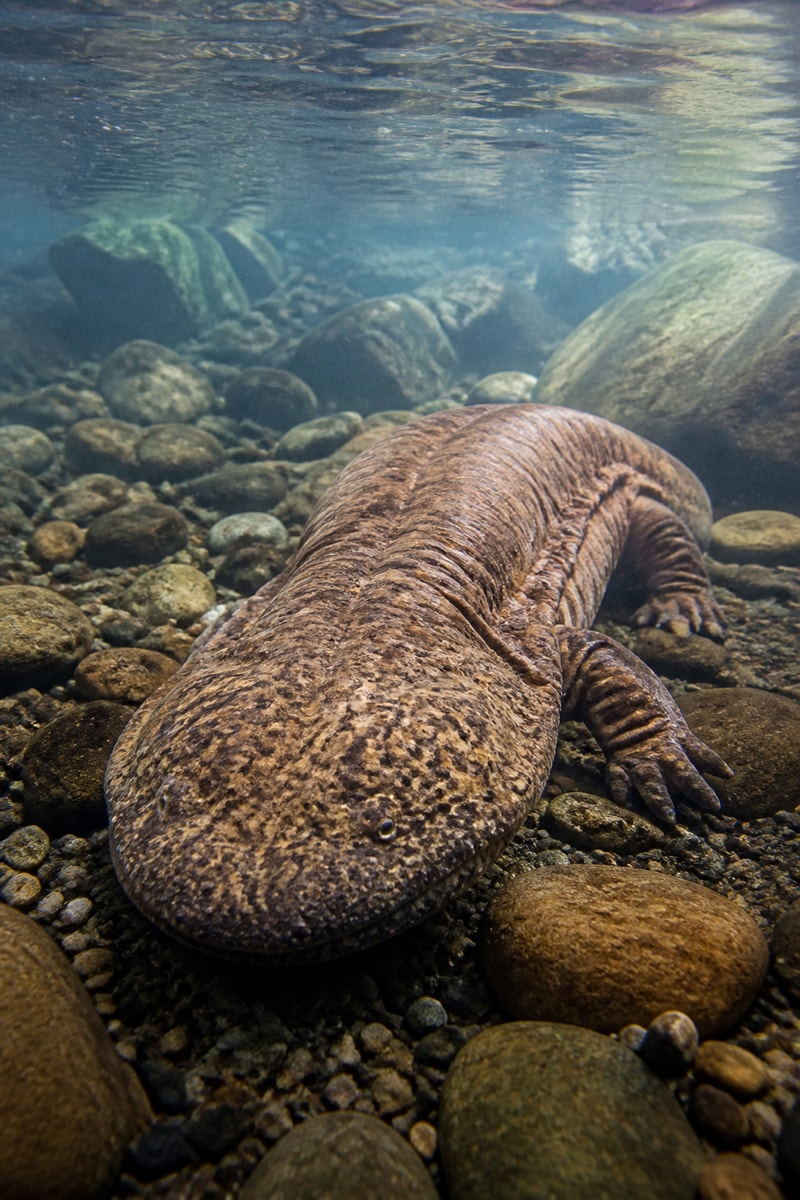
- Chinese Giant Salamanderlegendary • Mountain Streams
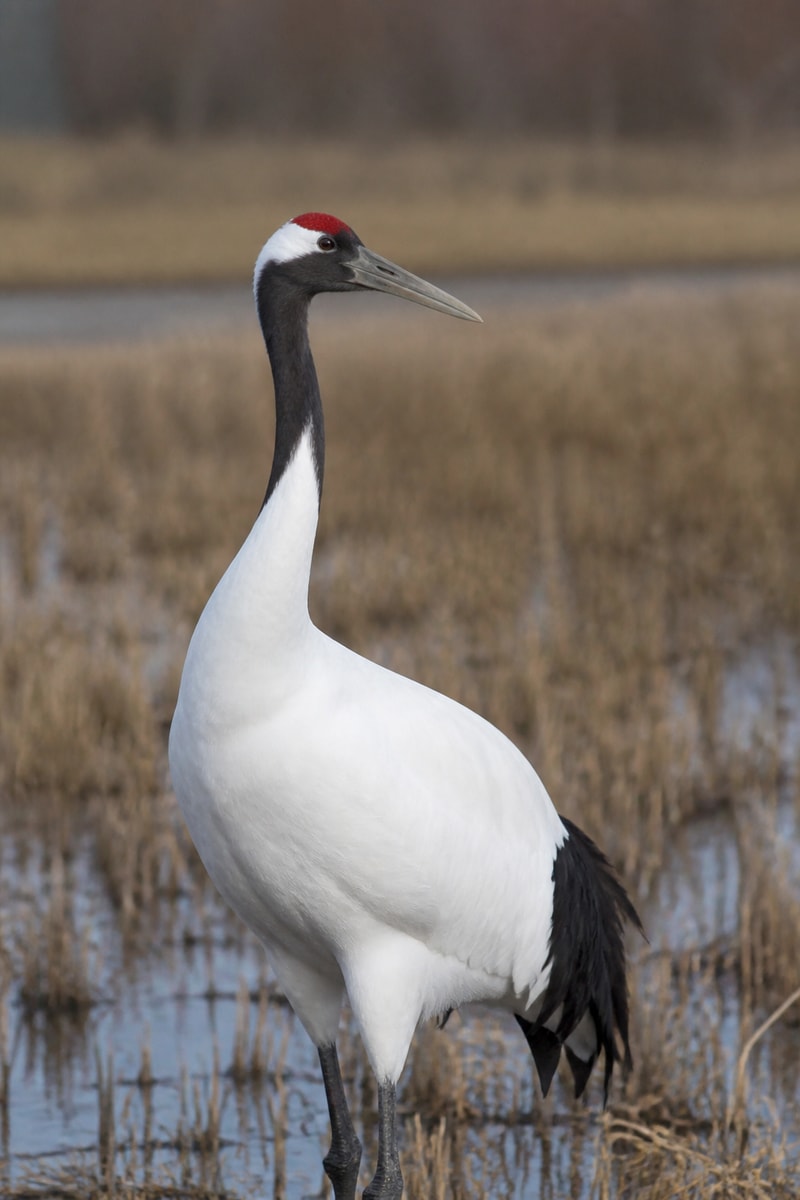
- Red-crowned Cranelegendary • Wetland Marshes
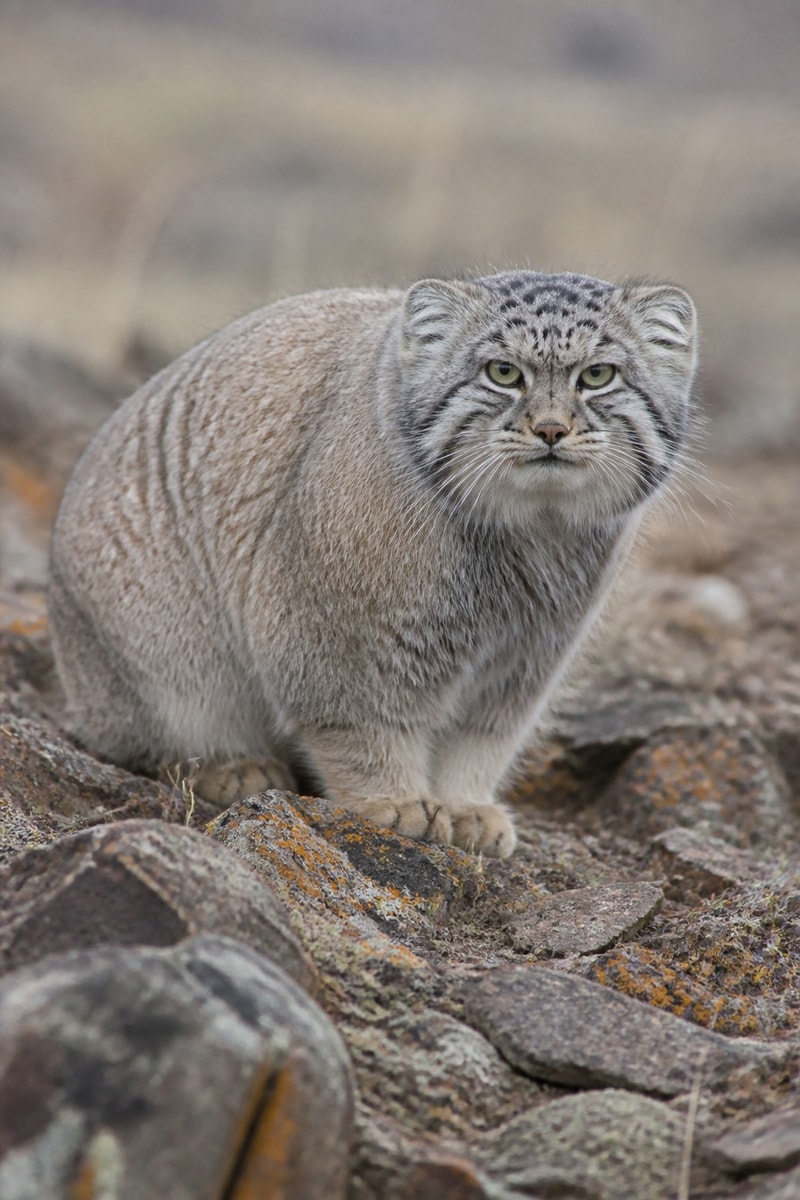
- Pallas's Catlegendary • Central Asian Steppe
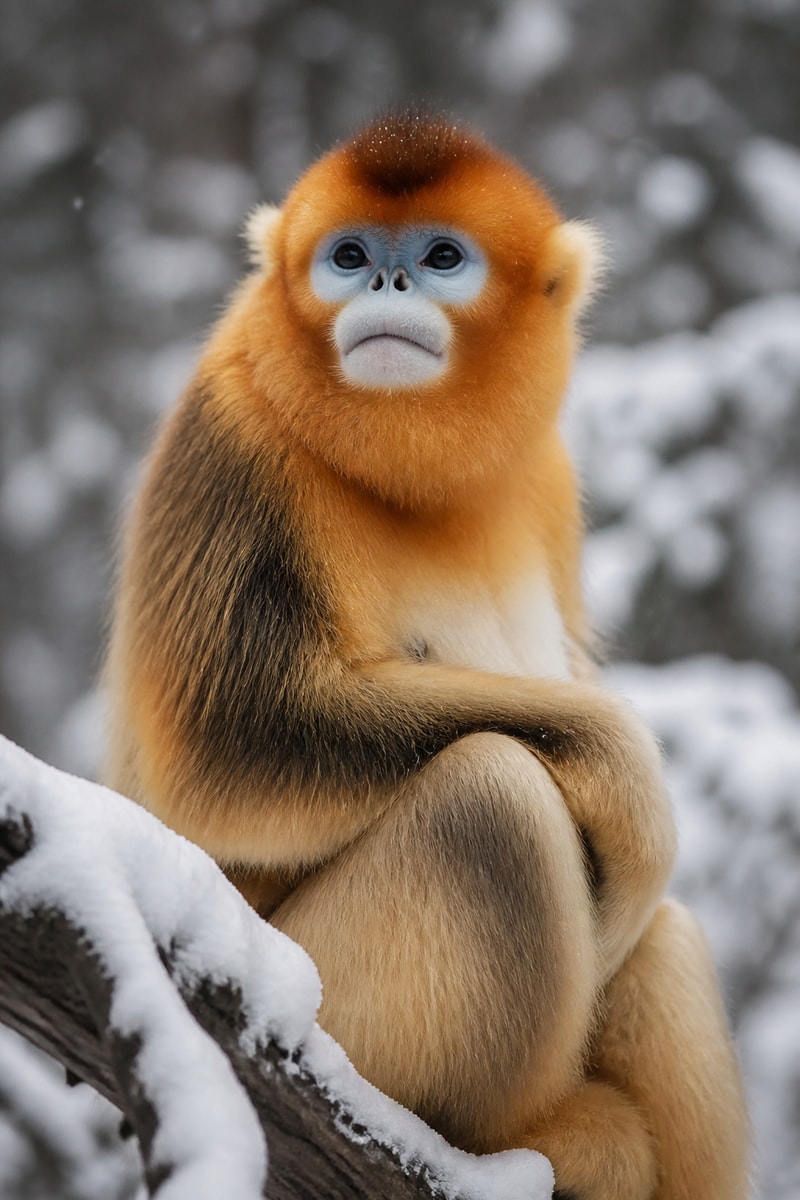
- Golden Snub-nosed Monkeylegendary • Chinese Mountain Forest
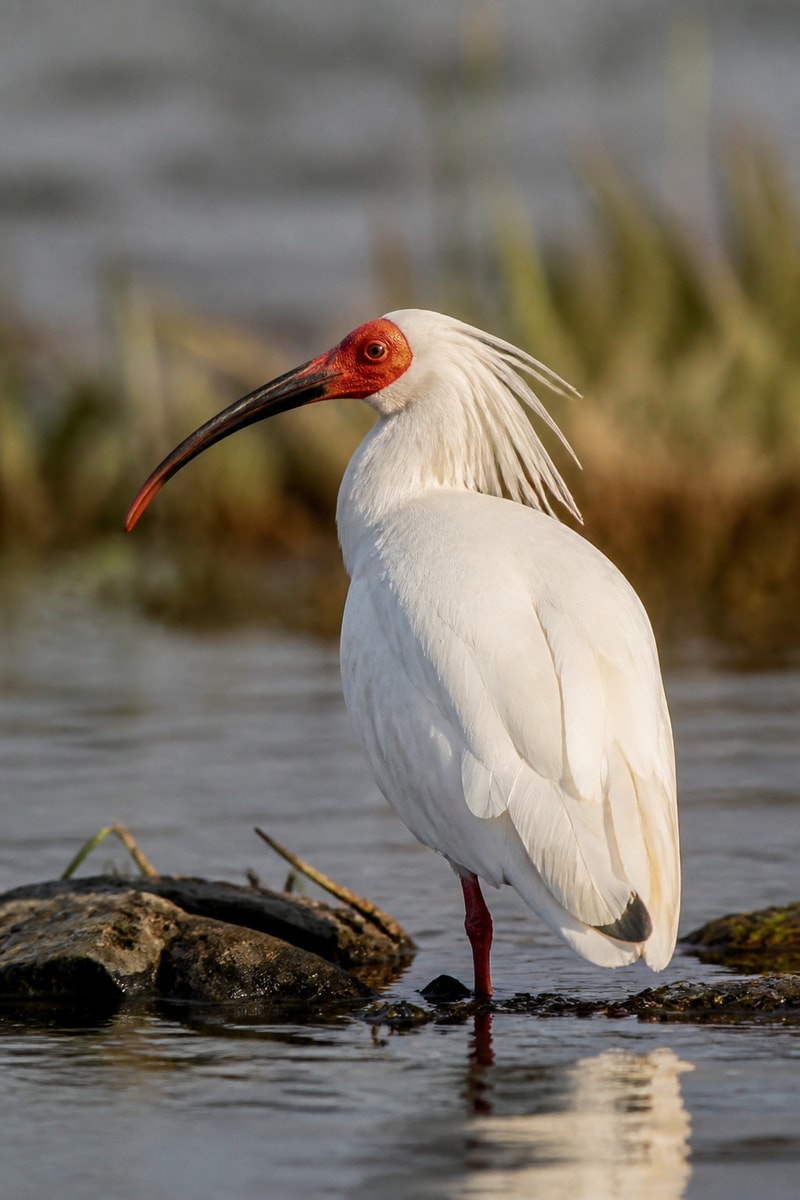
- Crested Ibislegendary • East Asian Wetlands
- Giant Pandarare • Bamboo Forest
Free on iOS
Catch the Yak
Spot one in the wild, then scan it in Catch'Um to log your common discovery.