
Field guide · common
Wombat
The barrel-bodied burrower, a marsupial that digs with determination and poops in perfect cubes.
Least Concern
Vombatus ursinus
Overview
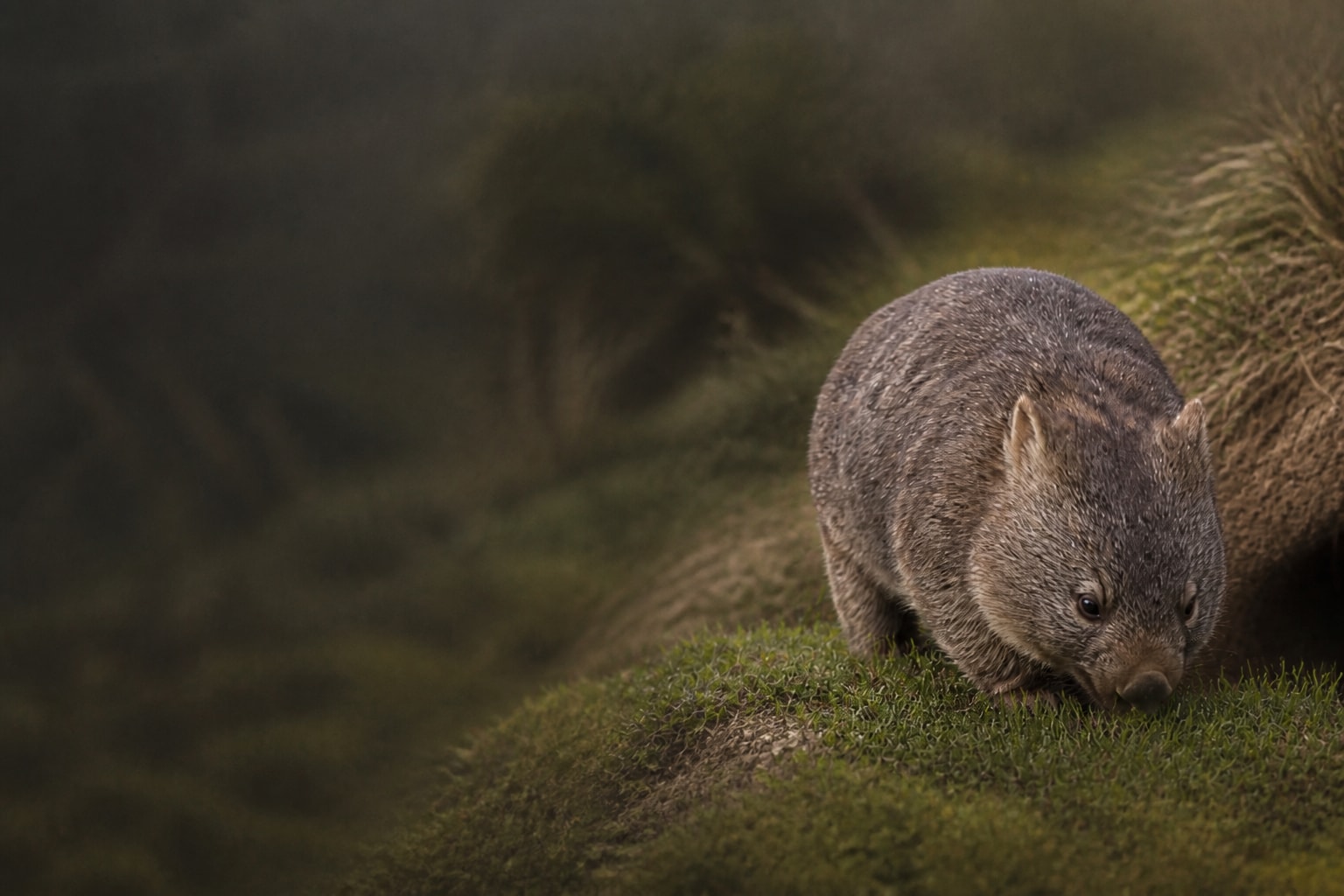
The common wombat is a sturdy, short-legged marsupial built like a furry boulder, powerful diggers that excavate extensive burrow systems in forest and grassland across southeastern Australia and Tasmania.
Wombats are famously the only animals that produce cube-shaped droppings, which they stack on rocks and logs to mark territory without them rolling away. They have a reinforced rump plate used to block burrow entrances against predators.
- Scientific nameVombatus ursinus
- Length80–120 cm
- Weight20–35 kg
- LifespanAround 12–15 years in the wild
- DietCommon wombats graze grasses
- ConservationLeast Concern
- RegionForest & Grassland
Habitat
- Forest
- Grassland
- Coastal scrub
Temperate forest, coastal scrub, and grassland in Victoria, New South Wales, Tasmania, and South Australia hold common wombats. They need soil soft enough for digging and grass for grazing.
Countries found
Field notes
Field scale for the Wombat: length around 80-120 cm; weight 20-35 kg. Typical lifespan: Around 12-15 years in the wild.
When you are scanning habitat, prioritise forest, grassland, and coastal scrub. Those settings are where a clean look and a usable photo are most likely.
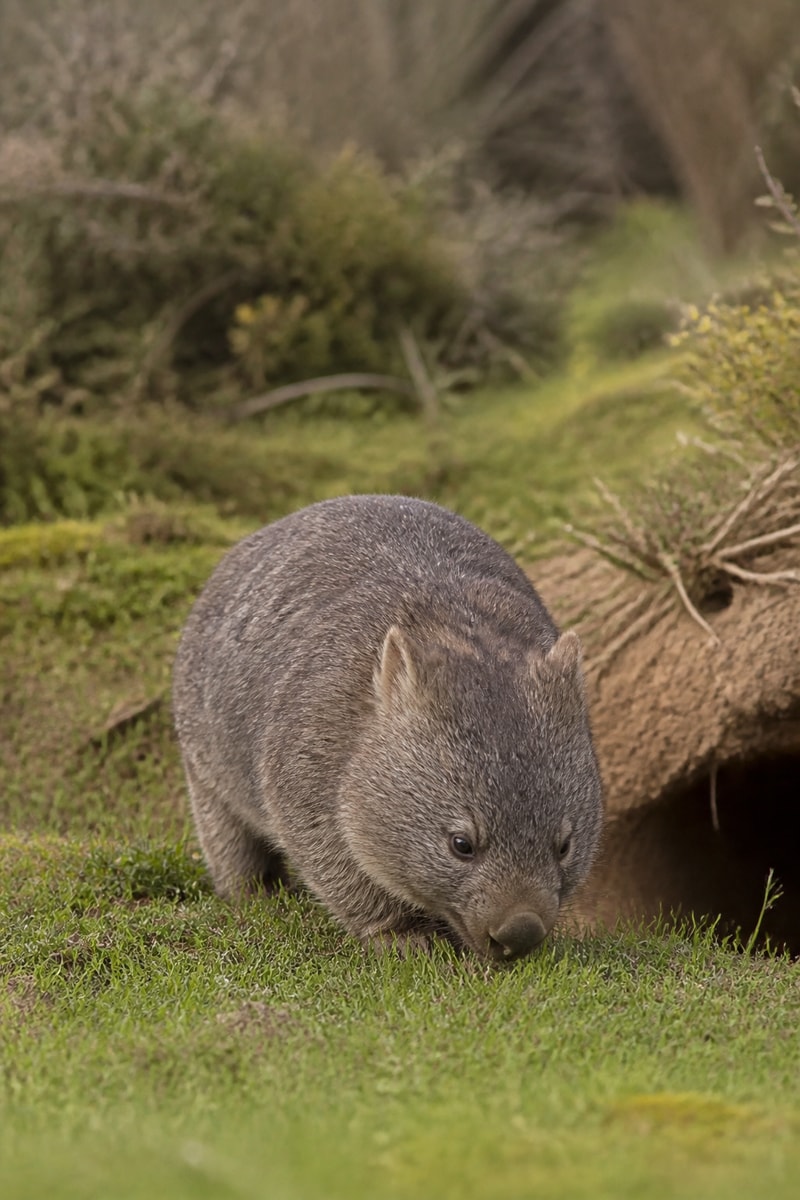
Quick ID anchor: Barrel-shaped marsupial with short legs, a broad head, and coarse grey-brown fur. Confirm with behaviour and habitat before you log the discovery.
Diet
Common wombats graze grasses, sedges, roots, and bark, often at night.
Efficient digesters of coarse forage; produce distinctive cube-shaped droppings used to mark territory.
Behaviour
Powerful burrowers that excavate extensive warren systems; mostly nocturnal or crepuscular.
Solitary and territorial; backward-facing pouch protects joeys from dirt while digging.
How to identify
Barrel-shaped marsupial with short legs, a broad head, and coarse grey-brown fur.
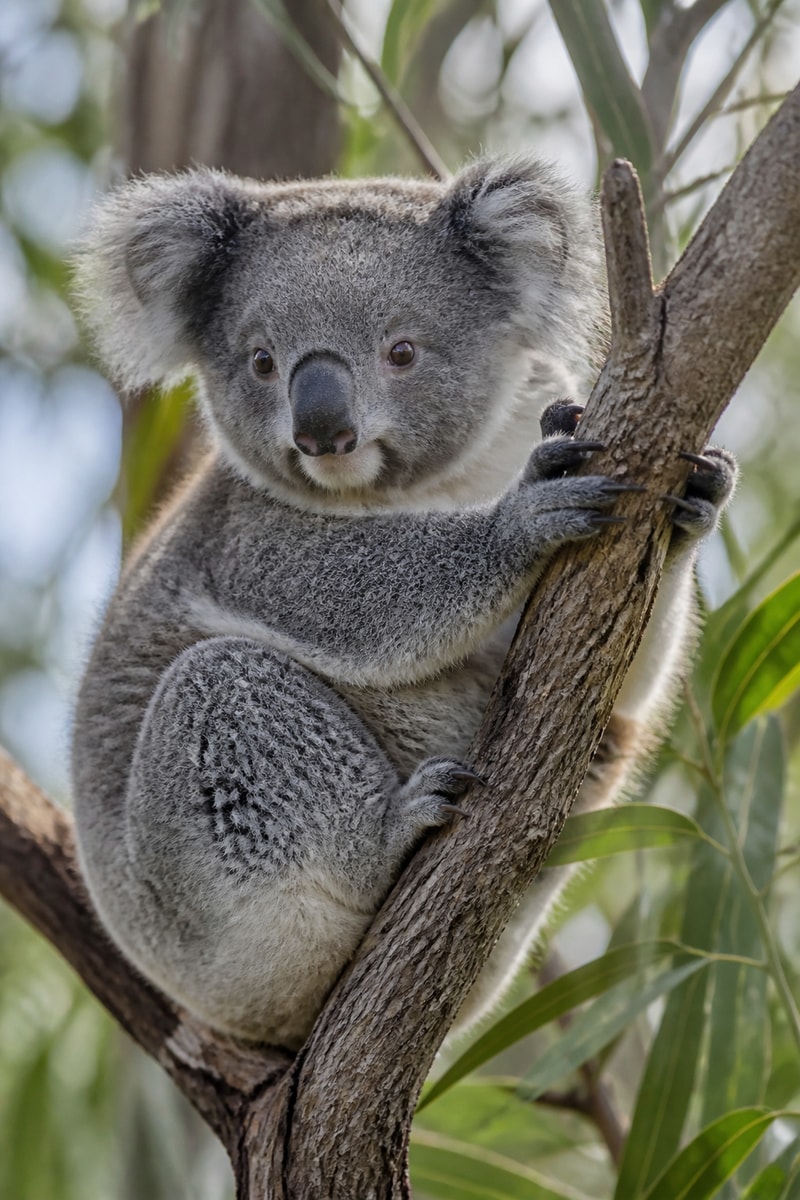
Larger and stockier than a koala, with a short stubby tail and rodent-like digging claws.
Interesting facts
- 01
Wombats produce cube-shaped droppings so they don't roll off marking rocks.
- 02
Their backward-facing pouch keeps dirt out while digging.
- 03
A wombat's burrow can extend over 30 metres underground.
Conservation status
Common wombats are Least Concern but suffer locally from sarcoptic mange, road mortality, and habitat loss. Tasmania and Victoria hold the largest populations.
Sources: IUCN Red List

Keep exploring
Where it lives
Related discoveries
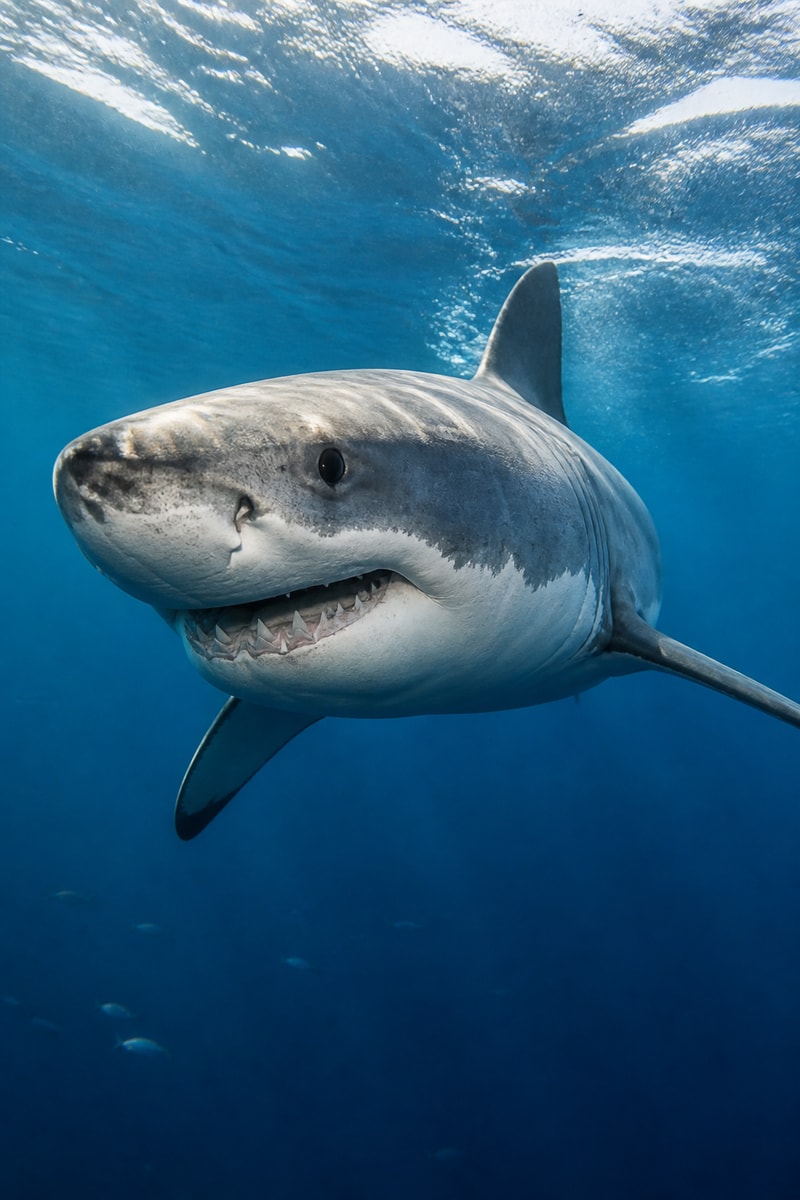
- Great White Sharklegendary • Coastal Ocean
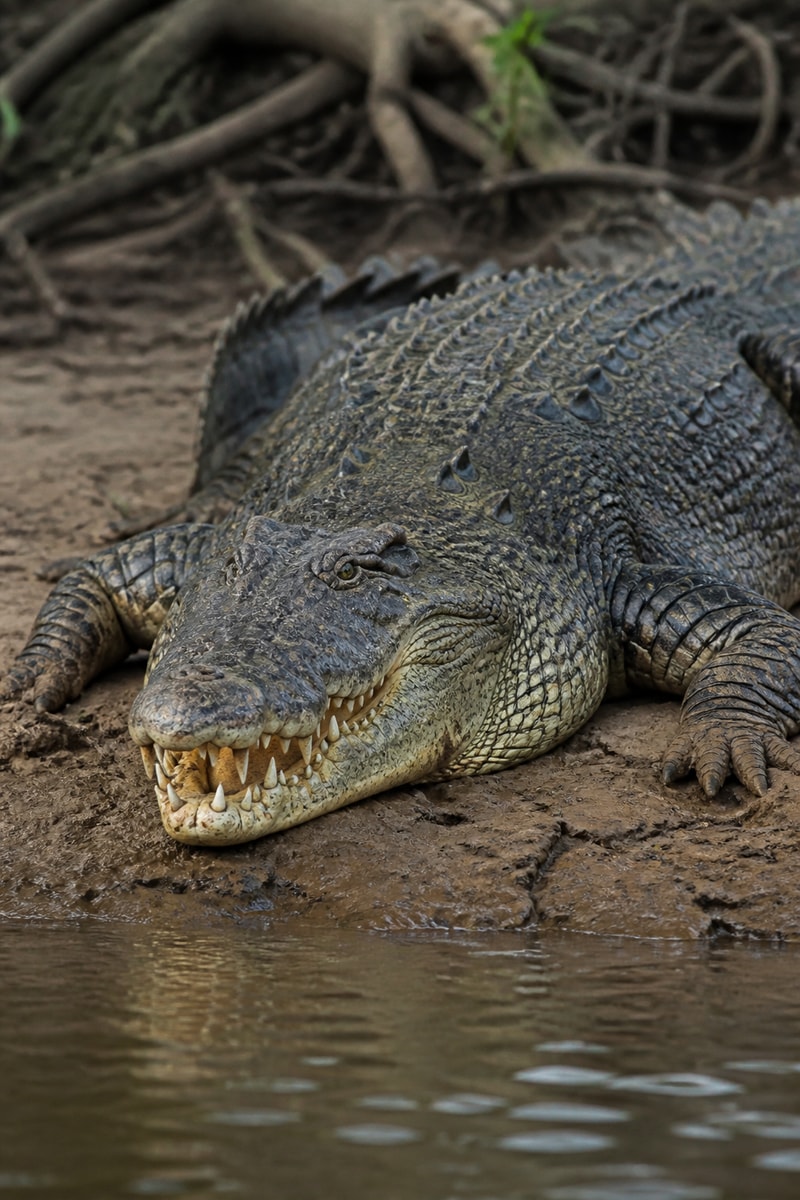
- Saltwater Crocodilelegendary • Estuaries & Coast
- Orcalegendary • Coastal Ocean
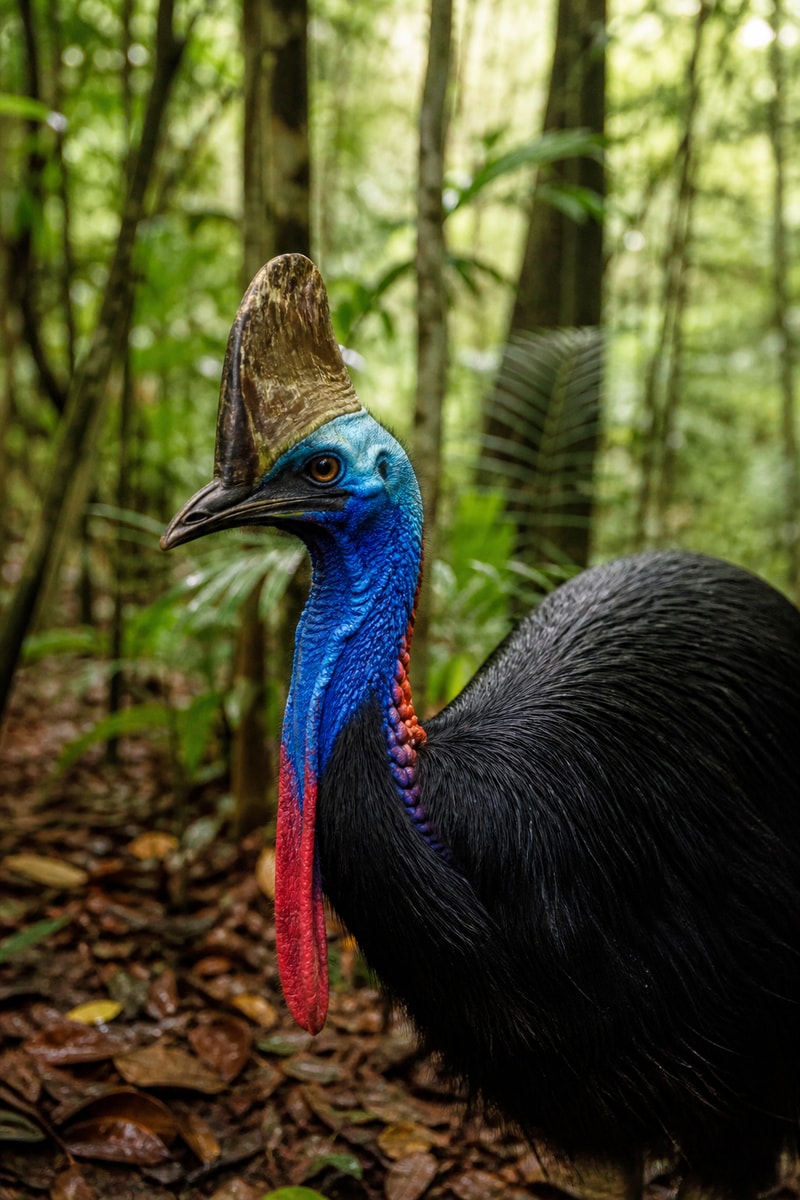
- Southern Cassowarylegendary • Rainforest
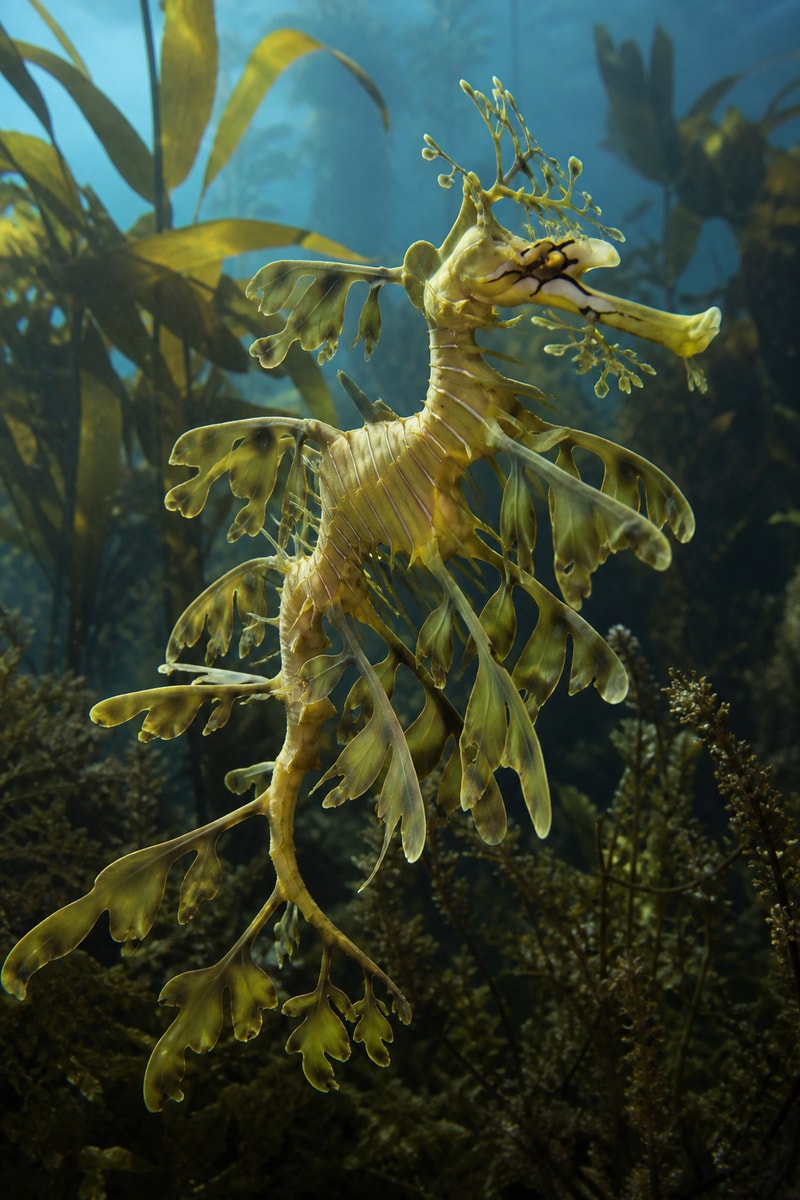
- Leafy Sea Dragonlegendary • Kelp & Seagrass
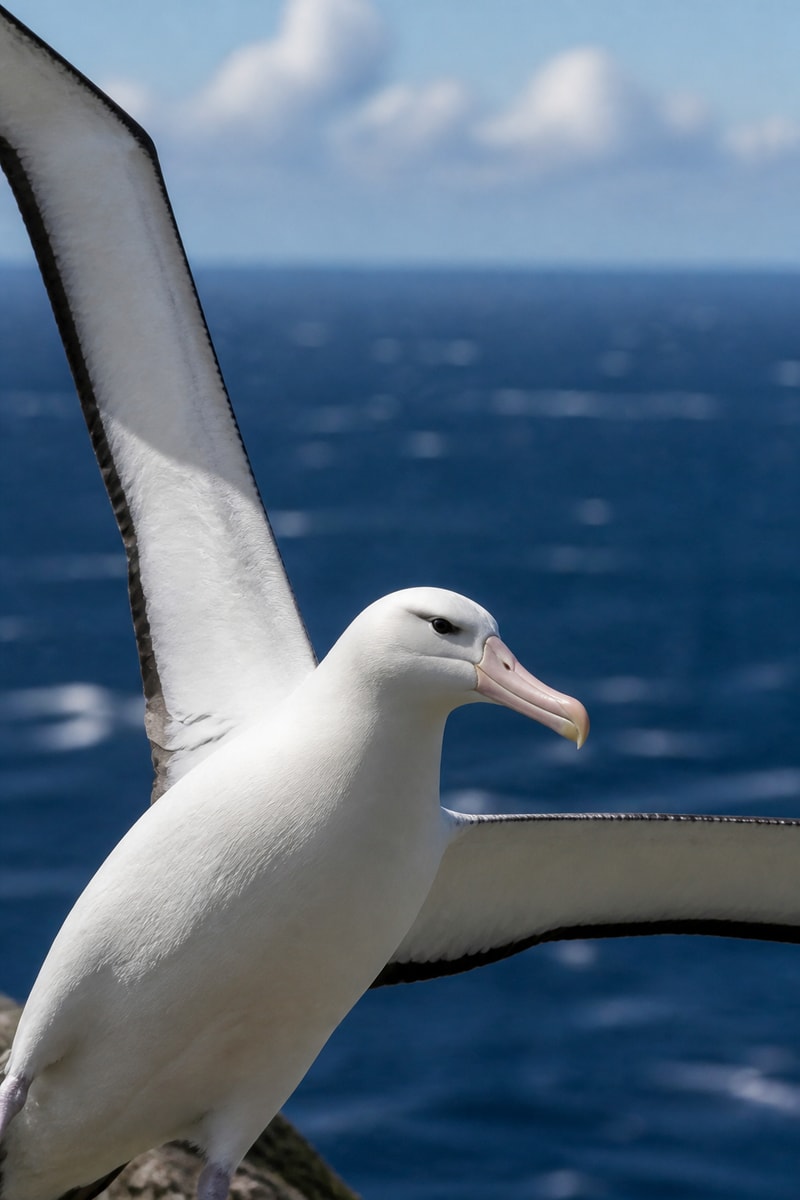
- Wandering Albatrosslegendary • Southern Ocean Skies
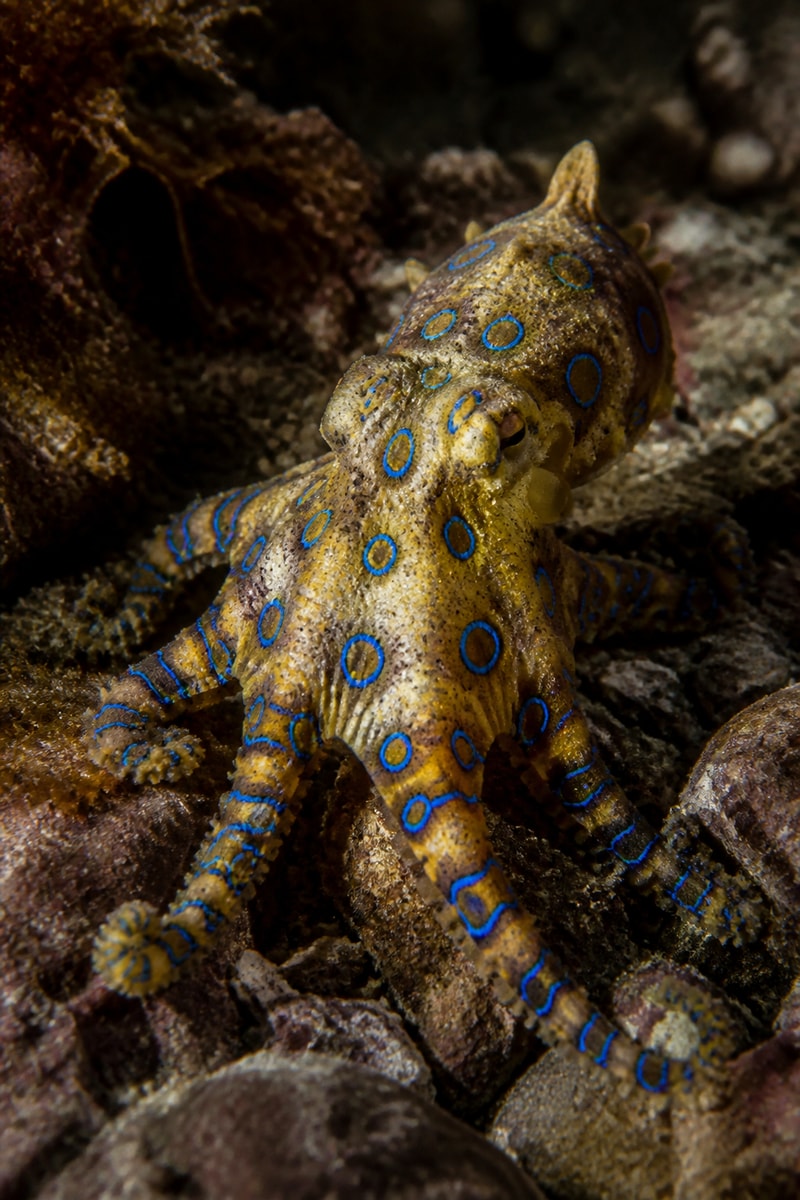
- Southern Blue-ringed Octopuslegendary • Southern Australian Reefs
- Koalarare • Eucalyptus Forest
Free on iOS
Catch the Wombat
Spot one in the wild, then scan it in Catch'Um to log your common discovery.