
Field guide · common
Willie Wagtail
Black-and-white fantail that never stops flicking — lawn sentinel with attitude.
Least Concern
Rhipidura leucophrys
Overview
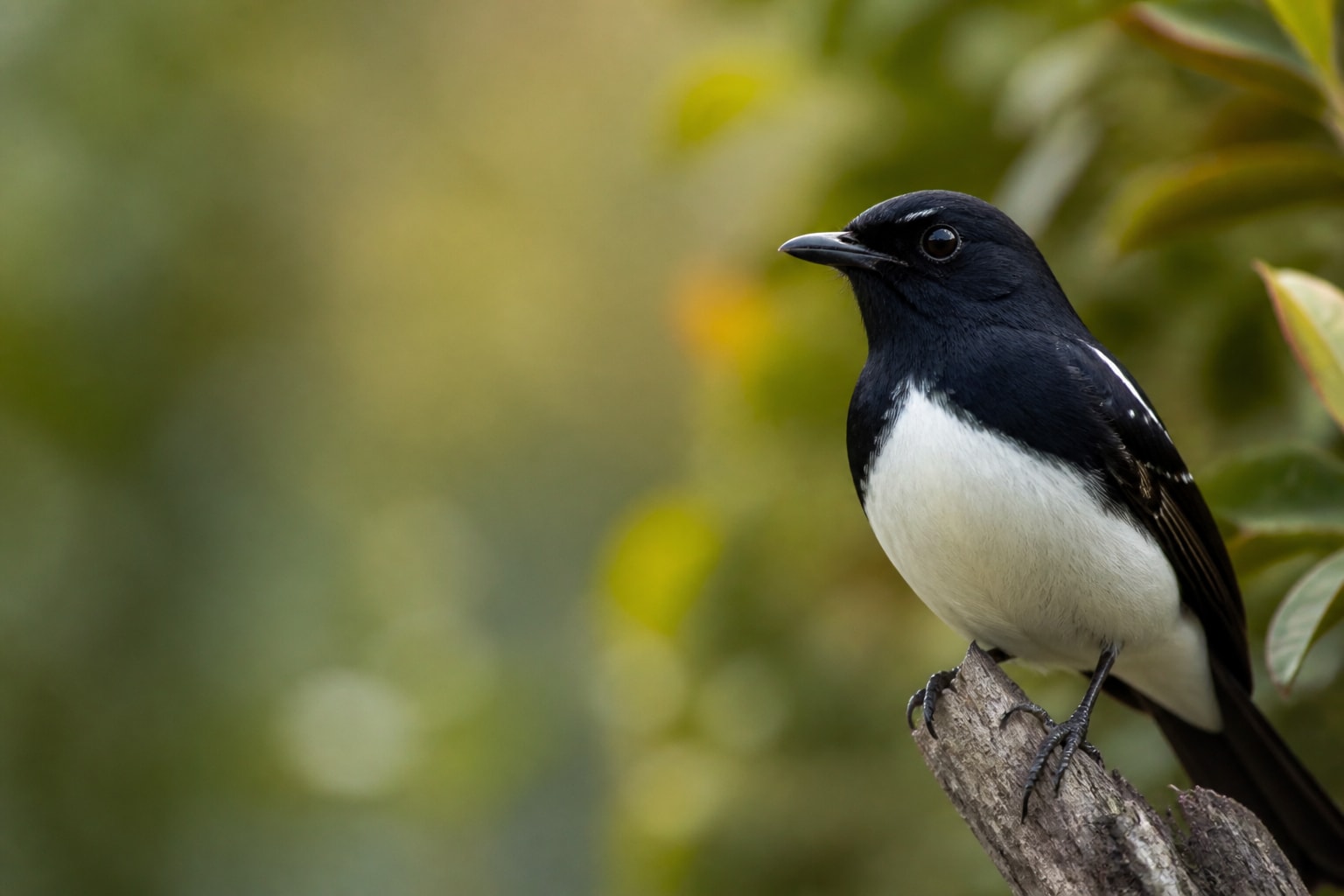
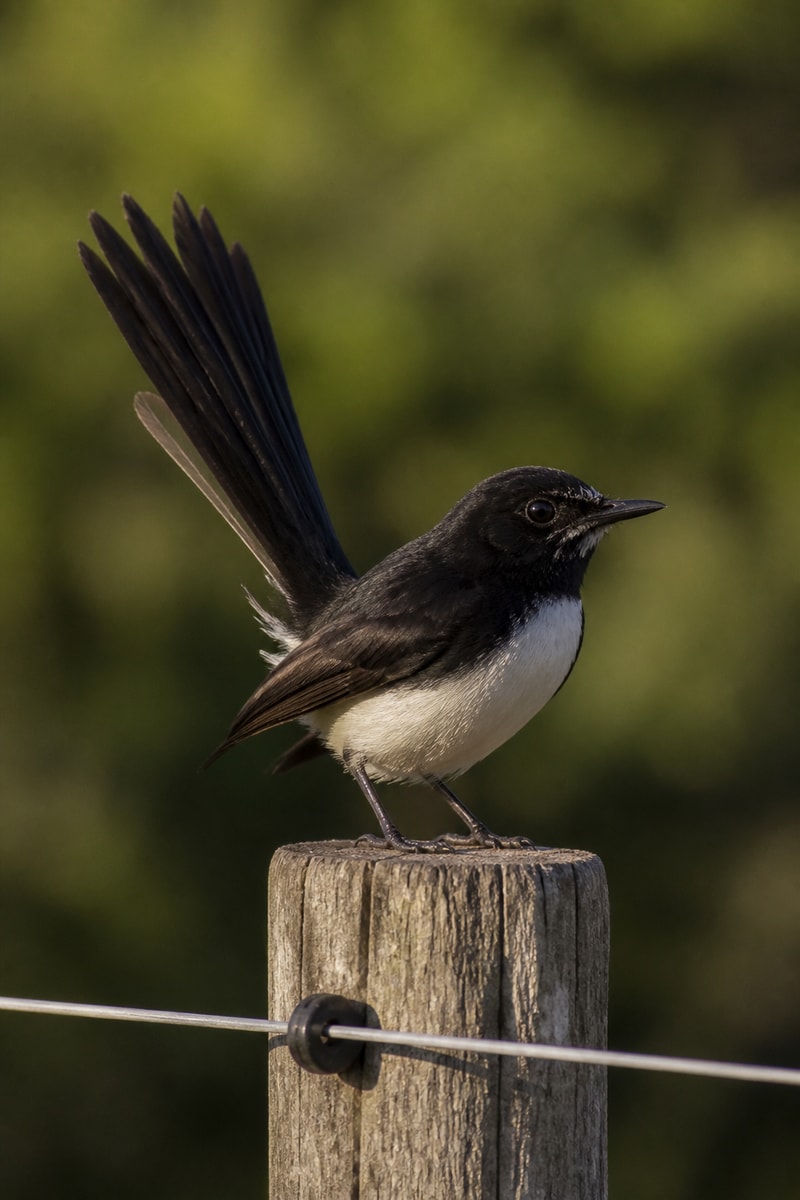
Willie wagtails are bold fantails that hunt insects on lawns, farmyards, and stock paddocks. They fan and wag the long black tail, chase rivals, and scold anything that comes too close to the nest.
For Australia collectors, this wagtail is a classic common catch — backyard fearless, white eyebrow flash, and always on the move across open ground.
- Scientific nameRhipidura leucophrys
- Length19–22 cm
- Weight17–25 g
- LifespanAround 5–10 years in the wild
- DietFlies
- ConservationLeast Concern
- RegionAustralian Lawns & Farms
Where to see them
Habitat
- Suburban lawn
- Farmyard
- Open paddock
- Park grassland
Open country, farms, parks, and suburban lawns across Australia wherever short grass and insects meet low perches and nest sites.
Field notes
Field scale for the Willie Wagtail: length around 19-22 cm; weight 17-25 g. Typical lifespan: Around 5-10 years in the wild.
When you are scanning habitat, prioritise suburban lawn, farmyard, open paddock, and park grassland. Those settings are where a clean look and a usable photo are most likely.
Quick ID anchor: Small black-and-white bird with a long fanned black tail and white eyebrow. Confirm with behaviour and habitat before you log the discovery.
Where to see one
Australia
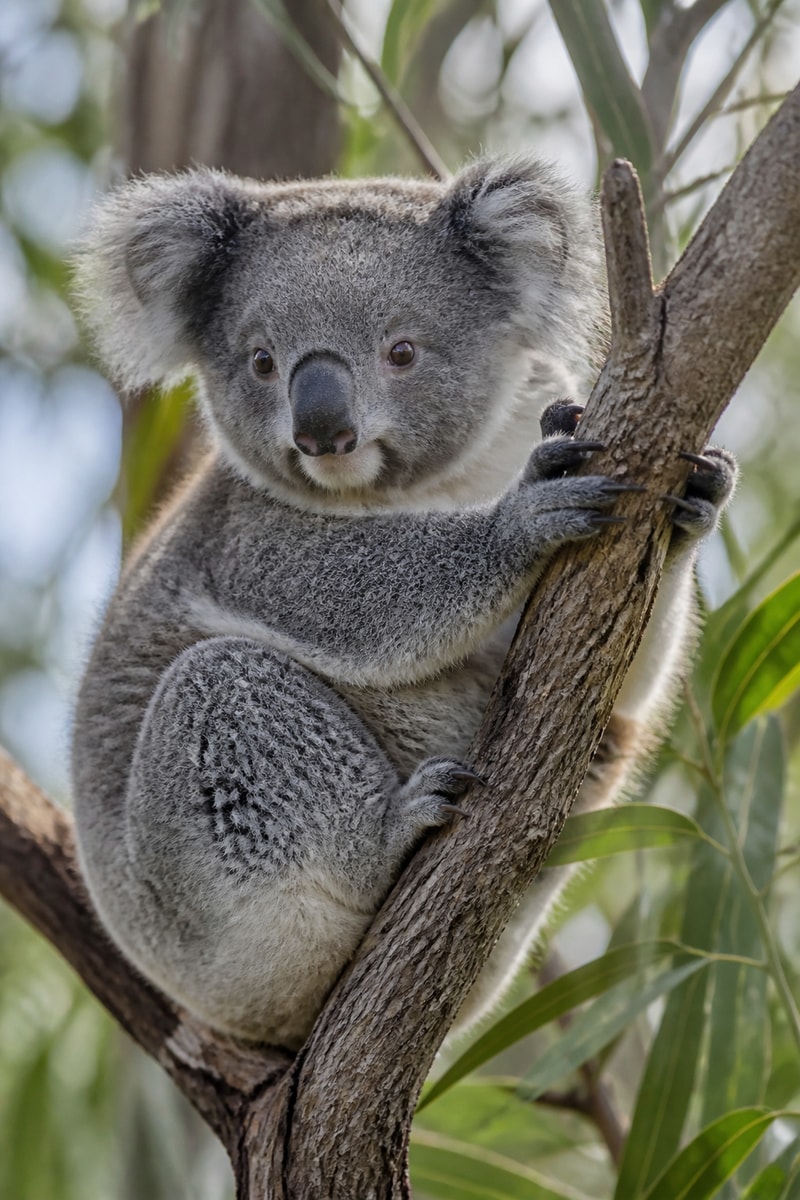
In Australia, strong options include Great Ocean Road and Uluru-Kata Tjuta National Park. Coastal eucalyptus forest and Kennett River's wild koalas, one of the most reliable places to spot them in the wild.
Open the Australia spotting guide for every park note tied to the willie wagtail.
Diet
Flies, beetles, caterpillars, and other insects snatched from the ground or air.
Often follow livestock and mowers that flush prey.
Behaviour
Restless foragers that flick the fantail and dash after insects.
Aggressive nest defenders that mob magpies, cats, and people.
How to identify
Small black-and-white bird with a long fanned black tail and white eyebrow.
White belly contrasts with black upperparts; restless wagging is diagnostic.
Interesting facts
- 01
Constantly fans and wags its long black tail while foraging.
- 02
Bold white eyebrow on a glossy black-and-white body.
- 03
Often nest near human activity and fiercely defend the site.
- 04
Diet is almost entirely insects and other small invertebrates.
- 05
One of Australia’s most familiar fantails.
- 06
Also occurs in New Guinea and nearby islands.
Conservation status
Willie wagtails are Least Concern and remain widespread in open habitats. They adapt well to farms and towns where insect prey and nest sites are available.
Sources: IUCN Red List

Keep exploring
Related discoveries
- Great White Sharklegendary • Coastal Ocean
- Saltwater Crocodilelegendary • Estuaries & Coast
- Orcalegendary • Coastal Ocean
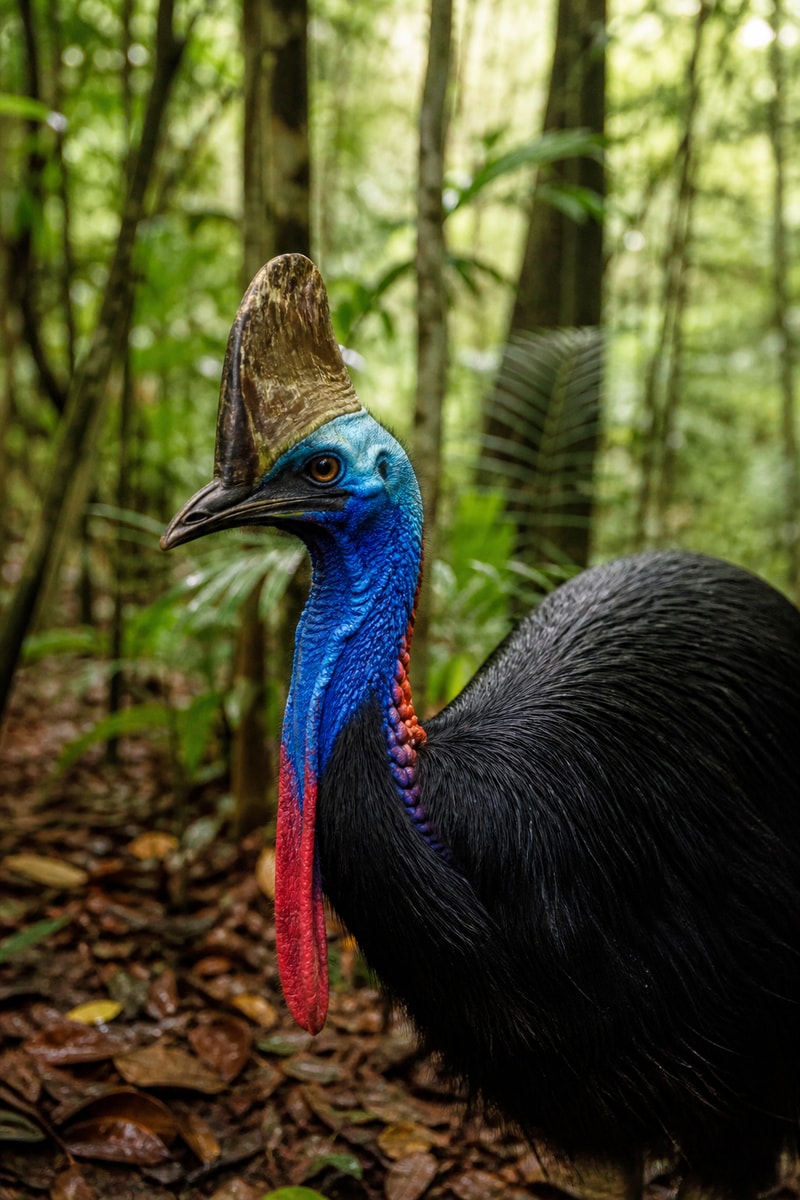
- Southern Cassowarylegendary • Rainforest
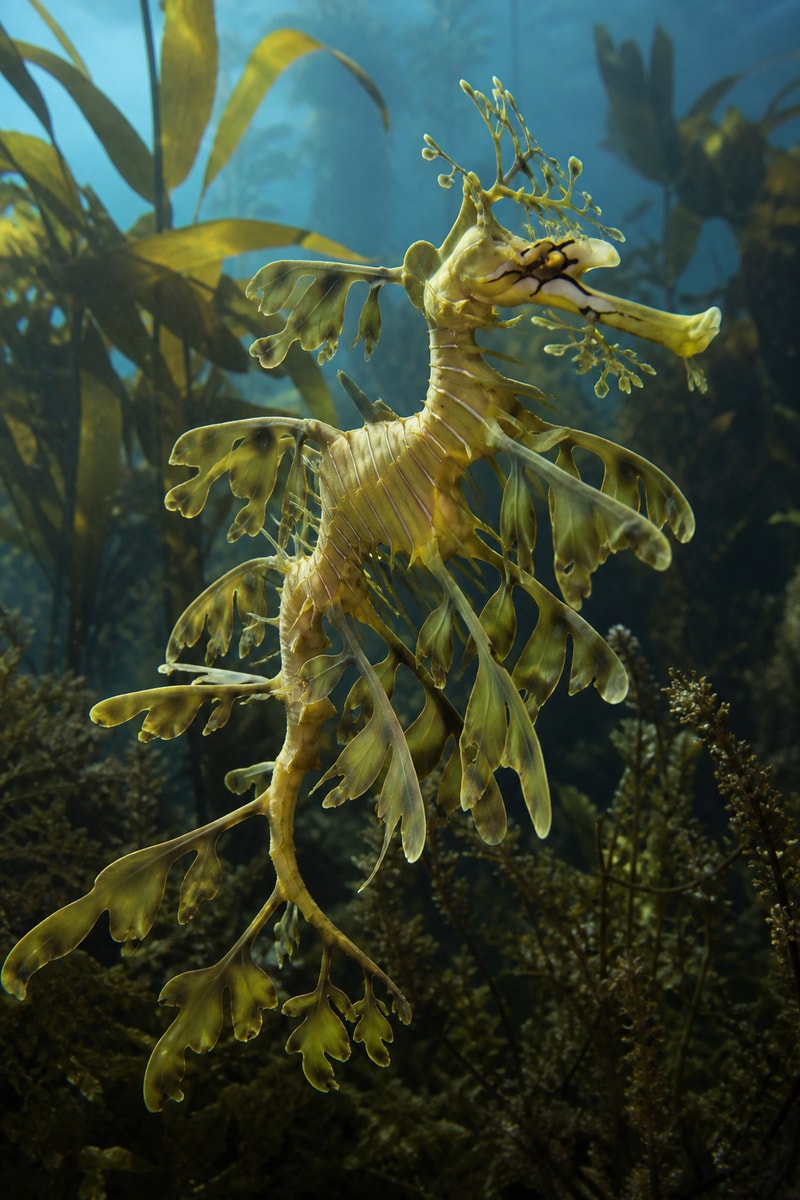
- Leafy Sea Dragonlegendary • Kelp & Seagrass
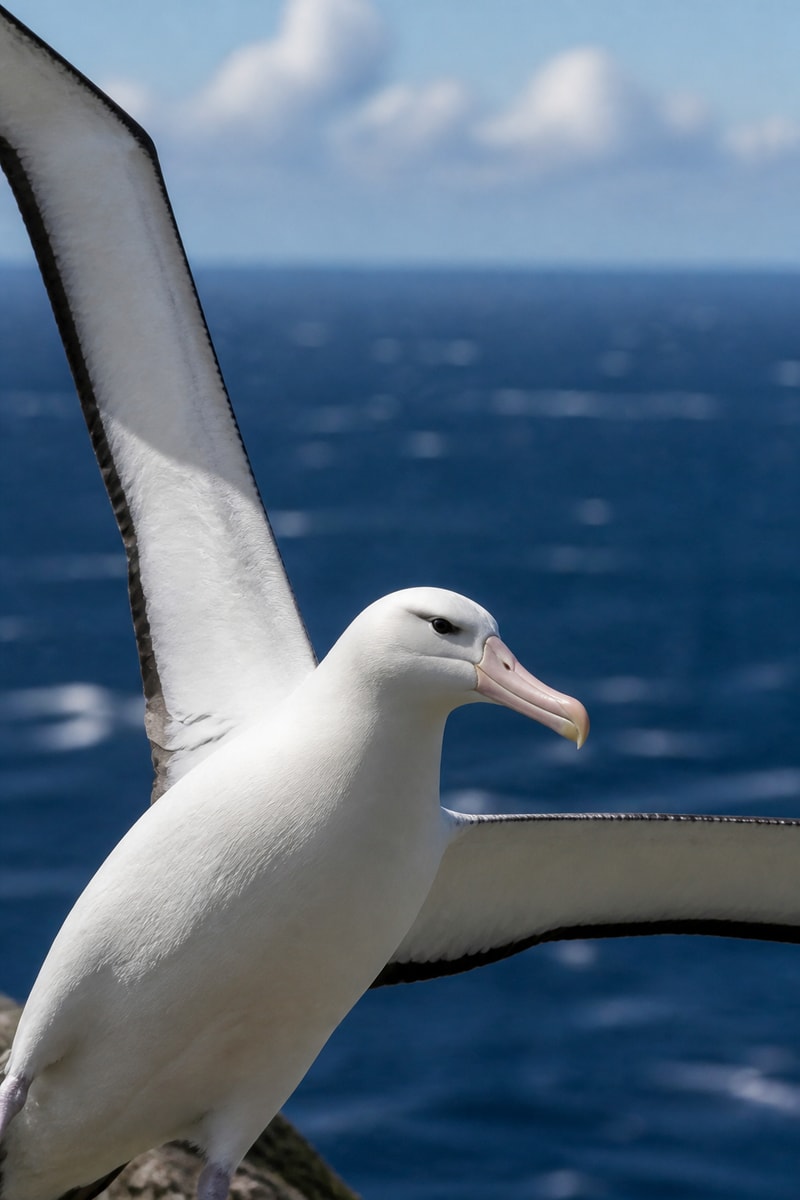
- Wandering Albatrosslegendary • Southern Ocean Skies
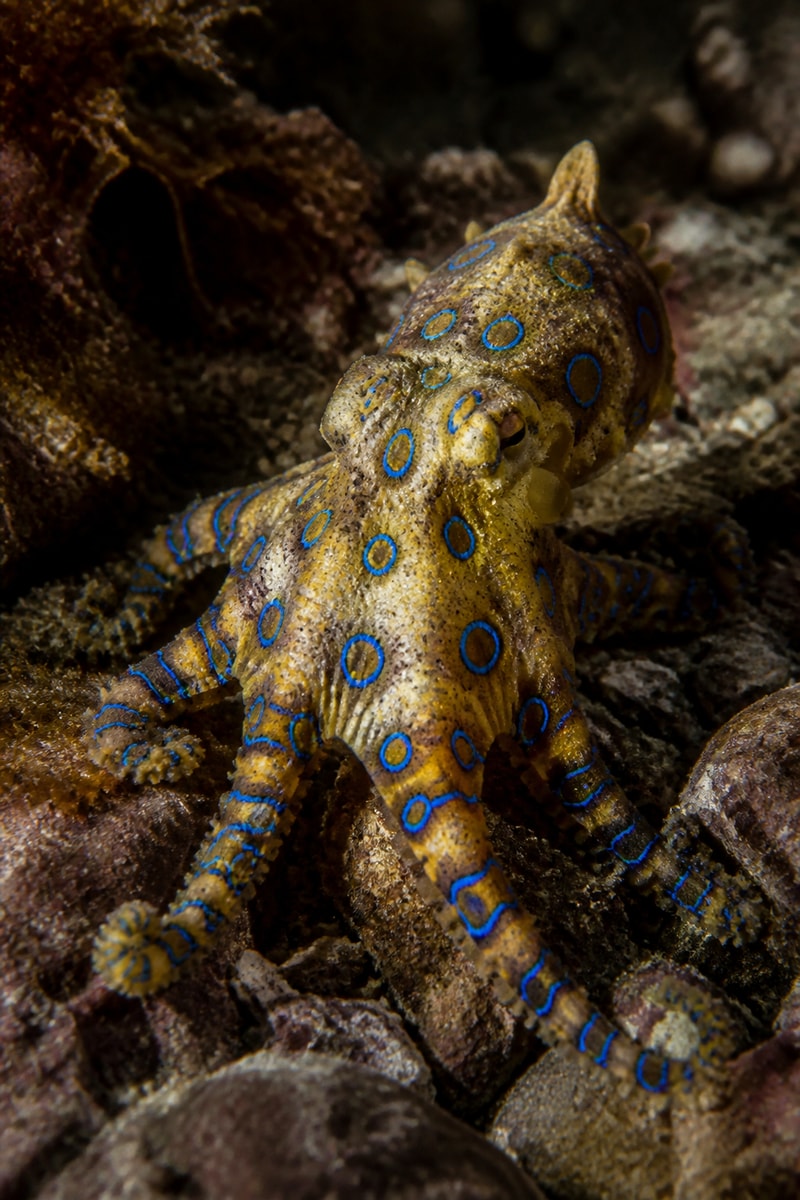
- Southern Blue-ringed Octopuslegendary • Southern Australian Reefs
- Koalarare • Eucalyptus Forest
Free on iOS
Catch the Willie Wagtail
Spot one in the wild, then scan it in Catch'Um to log your common discovery.