
Field guide · common
White-faced Capuchin
Costa Rica's clever monkey — white face, black body, and a talent for tools and troop drama.
Vulnerable
Cebus imitator
Overview
White-faced capuchins are the curious, pale-faced monkeys of Central American rainforest — intelligent, social, and often the primates visitors actually see. They use tools, raid hard fruits, and move in noisy troops through the canopy.
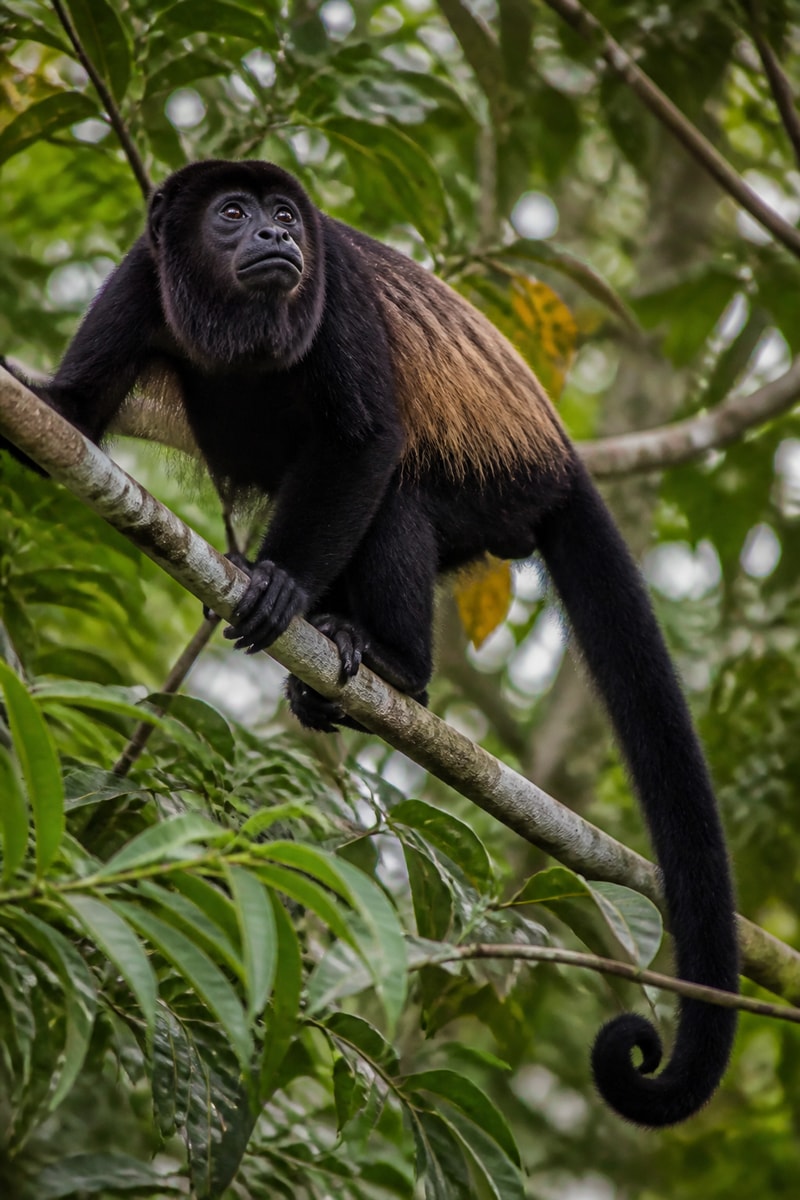
A perfect Costa Rica companion card beside sloths, howlers, quetzals, and tree frogs.
- Scientific nameCebus imitator
- Length35–45 cm body; tail 40–55 cm
- Weight2.5–4 kg
- LifespanAround 15–25 years in the wild
- DietFruit
- ConservationVulnerable
- RegionRainforest Canopy
Where to see them
Habitat
- Tropical rainforest
- Dry forest
- Secondary woodland
Tropical rainforest, dry forest, and secondary woodland from Honduras through Costa Rica and Panama, foraging from forest floor to canopy.
Field notes
Field scale for the White-faced Capuchin: length around 35-45 cm body; tail 40-55 cm; weight 2.5-4 kg. Typical lifespan: Around 15-25 years in the wild.
When you are scanning habitat, prioritise tropical rainforest, dry forest, and secondary woodland. Those settings are where a clean look and a usable photo are most likely.
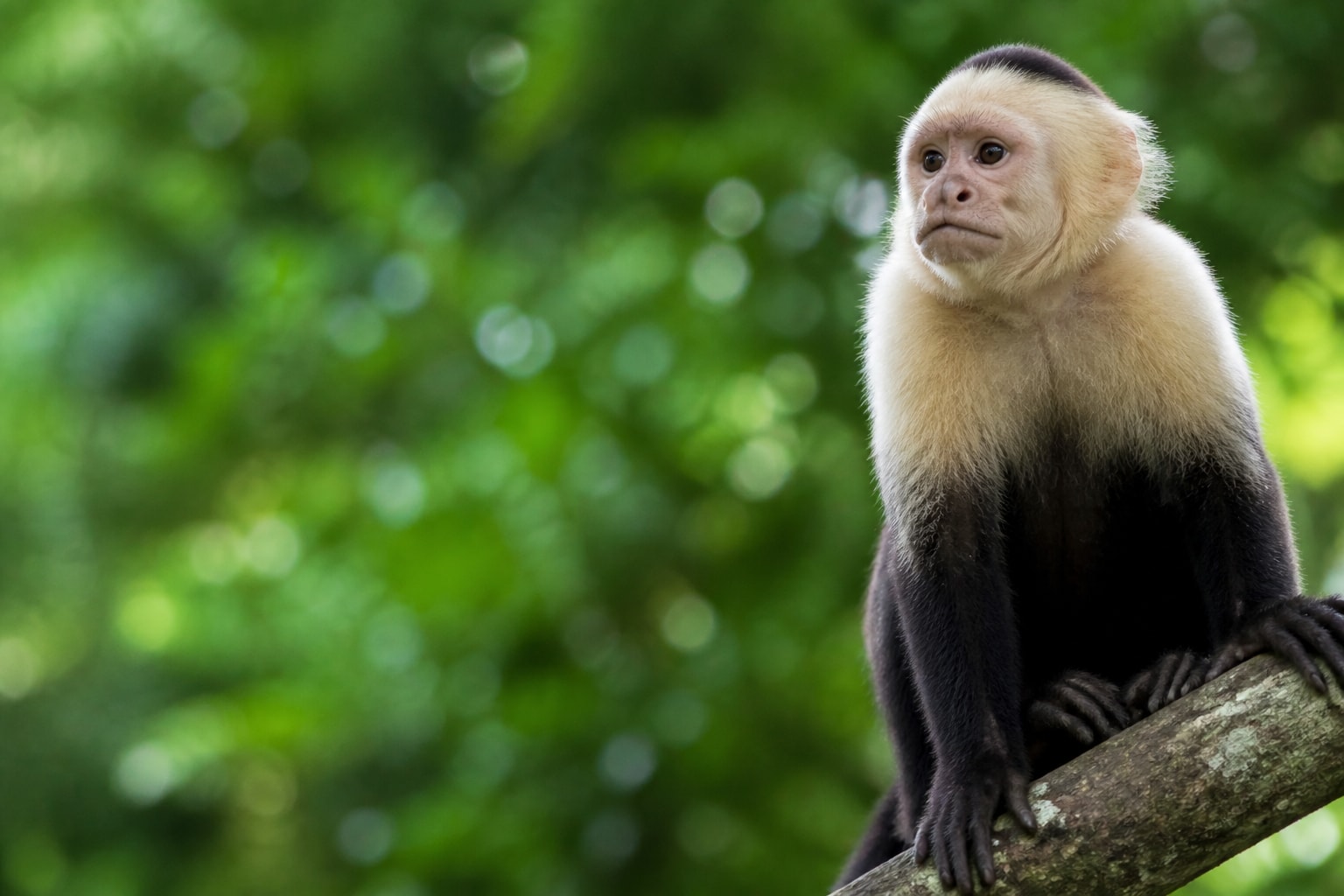
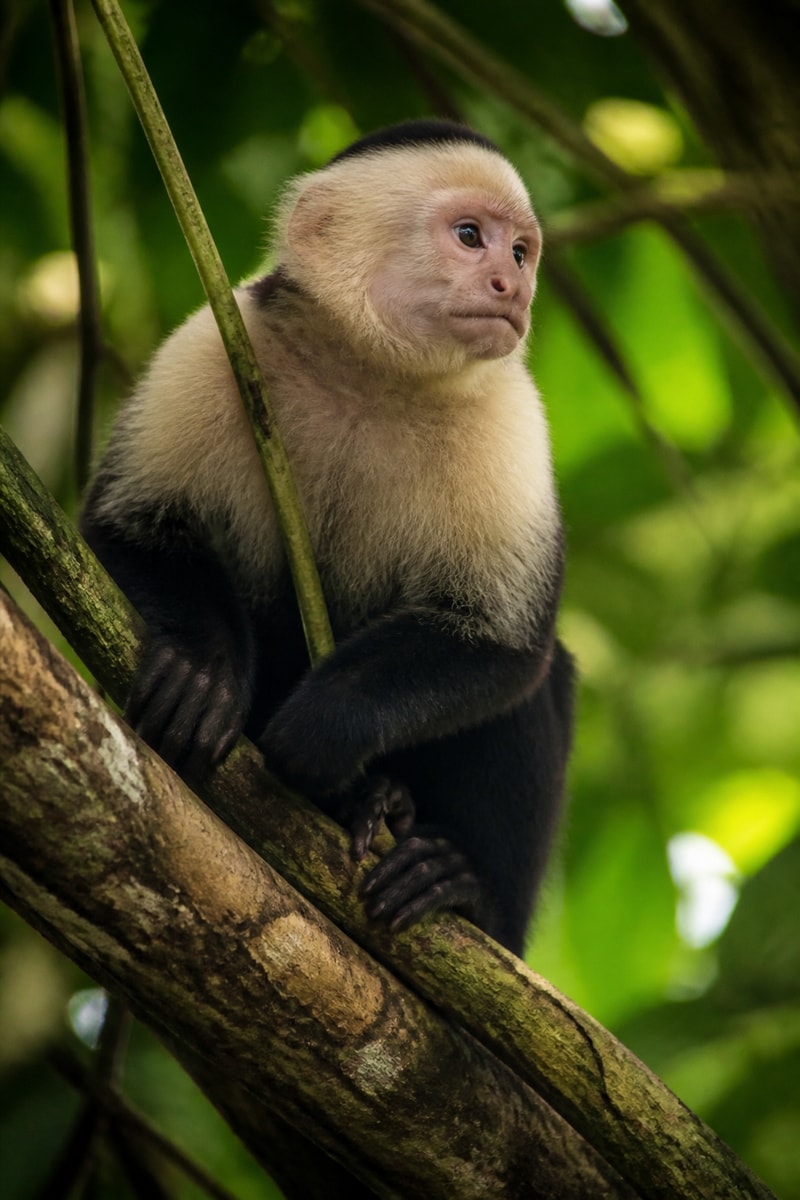
Quick ID anchor: Black body with a white face, throat, and shoulders; dark cap on the crown. Confirm with behaviour and habitat before you log the discovery.
Where to see one
Costa Rica
In Costa Rica, strong options include Monteverde Cloud Forest and Manuel Antonio National Park. Misty canopy bridges and moss-draped trees, with sloths, quetzals, and hummingbirds in cool highland forest.
Open the Costa Rica spotting guide for every park note tied to the white-faced capuchin.
Diet
Fruit, nuts, insects, bird eggs, and small vertebrates.
Clever foragers that may use tools on hard foods.
Behaviour
Live in mixed-sex troops; highly social and vocal.
Travel widely each day through forest layers.
How to identify
Black body with a white face, throat, and shoulders; dark cap on the crown.
Long prehensile tail; expressive pale face.
Interesting facts
- 01
White face and chest contrast with a black body.
- 02
Among the most intelligent New World monkeys.
- 03
Known to use tools such as stones to crack food.
- 04
Troops are led by complex social hierarchies.
- 05
Prehensile tails help in the canopy.
- 06
Omnivores that eat fruit, insects, and small animals.
Conservation status
White-faced capuchins are Vulnerable as forests fragment. Protected Costa Rican parks keep accessible troops, but habitat corridors remain important.
Sources: IUCN Red List

Keep exploring
Related discoveries
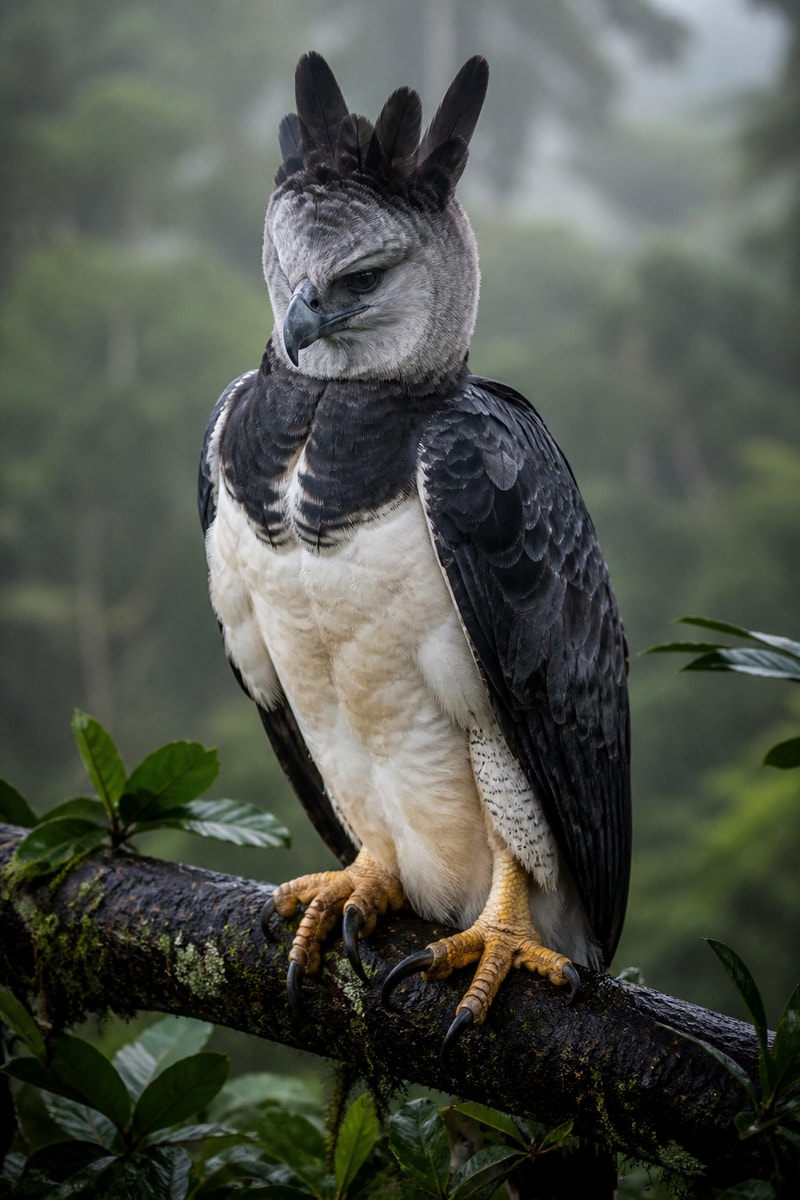
- Harpy Eaglelegendary • Rainforest Canopy
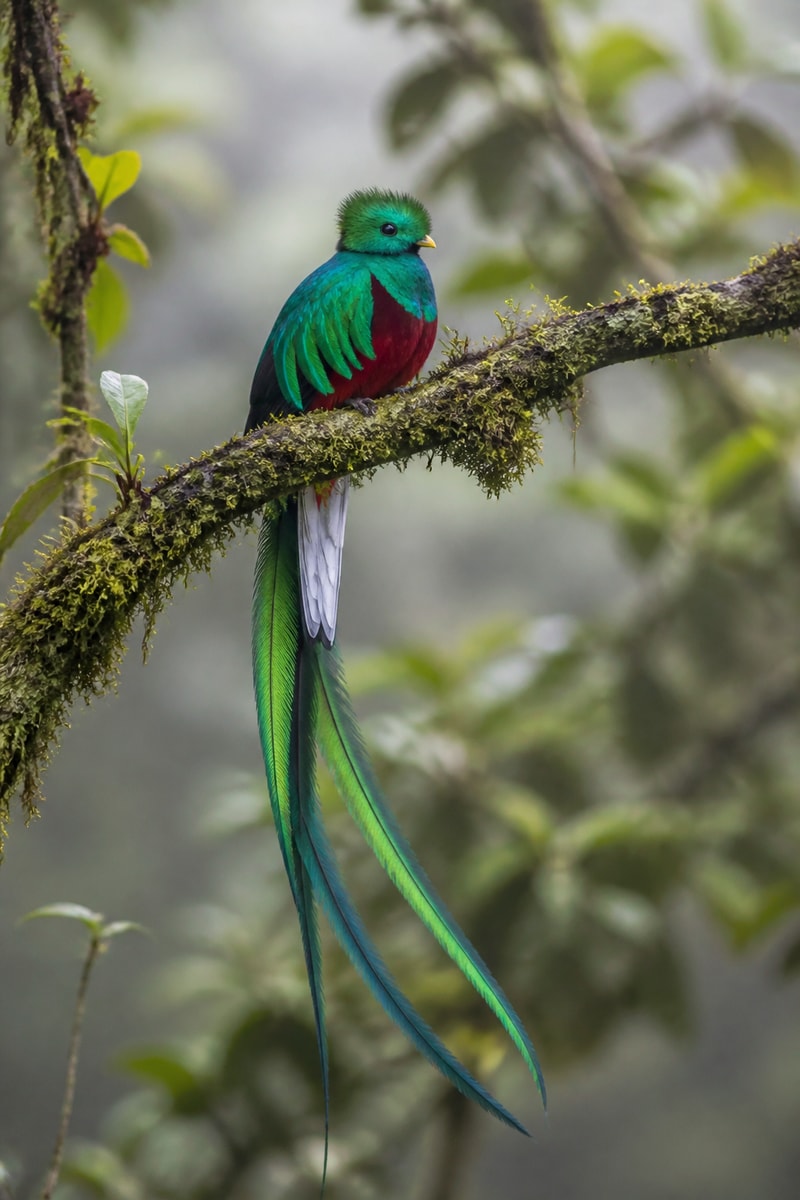
- Resplendent Quetzallegendary • Cloud Forest
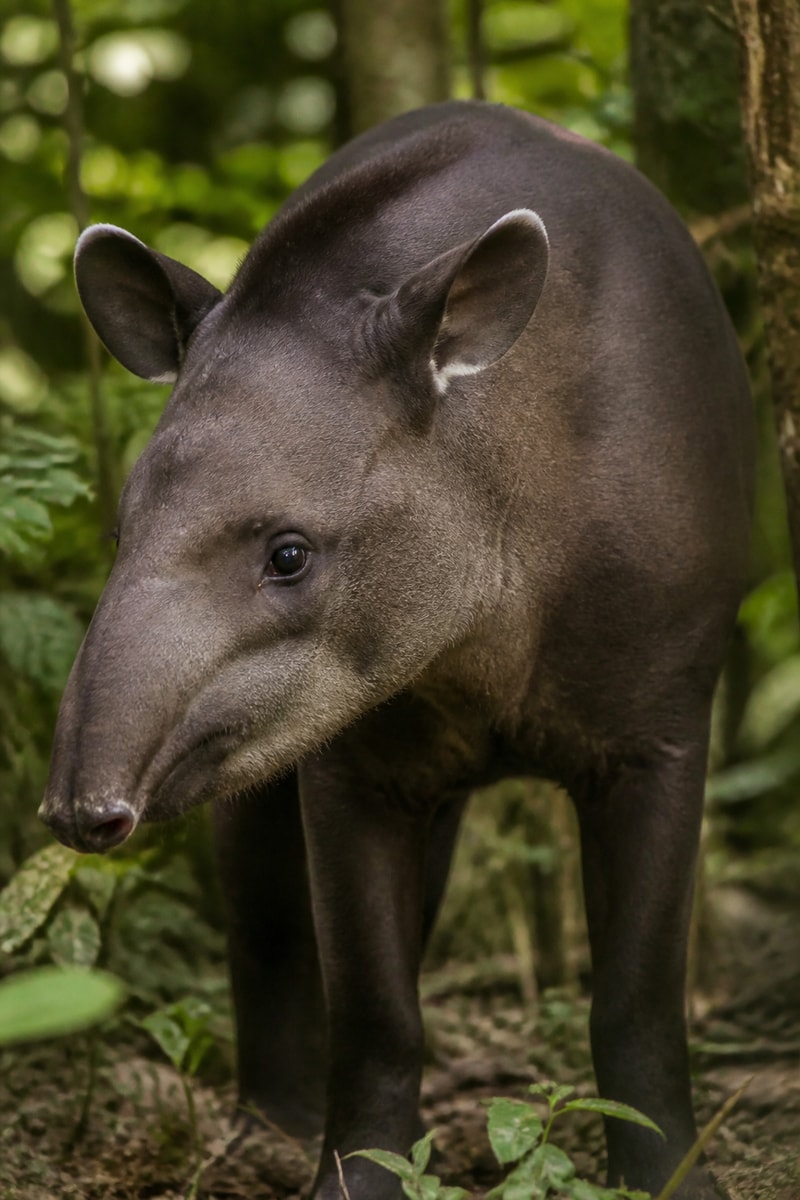
- Baird's Tapirlegendary • Central American Forest
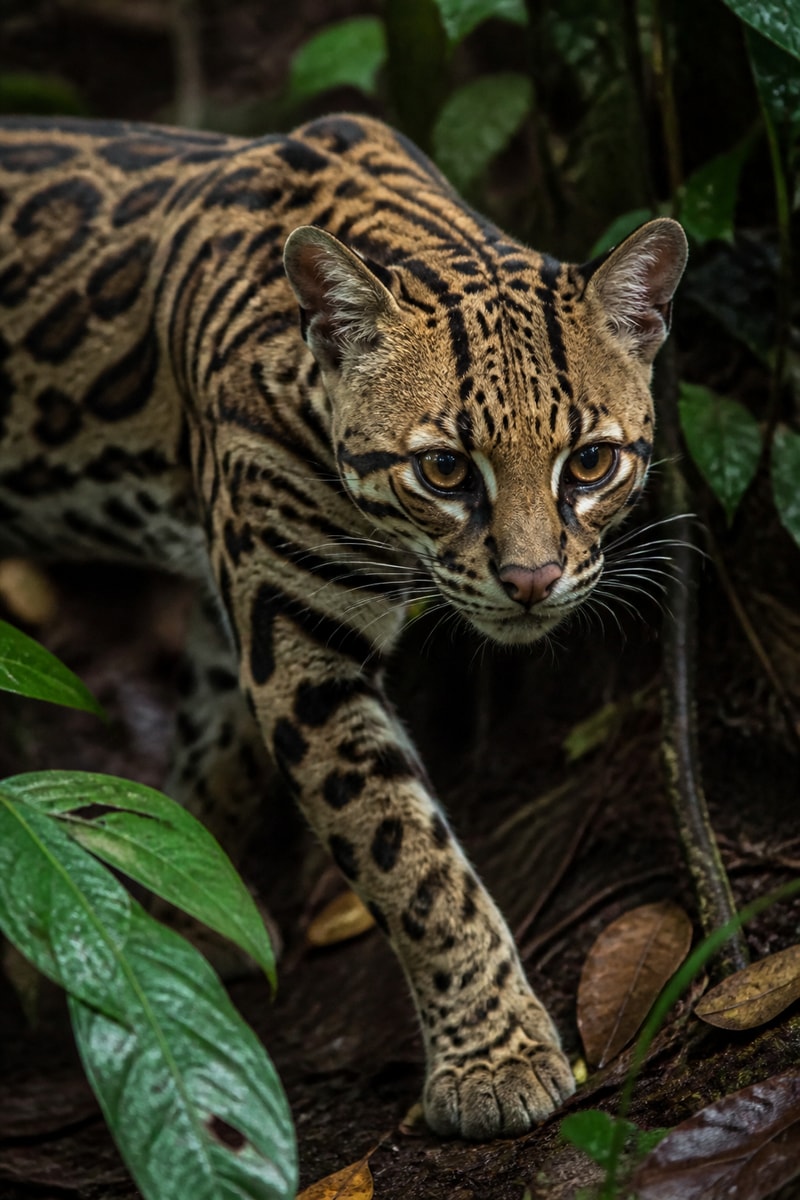
- Ocelotrare • Neotropical Forest
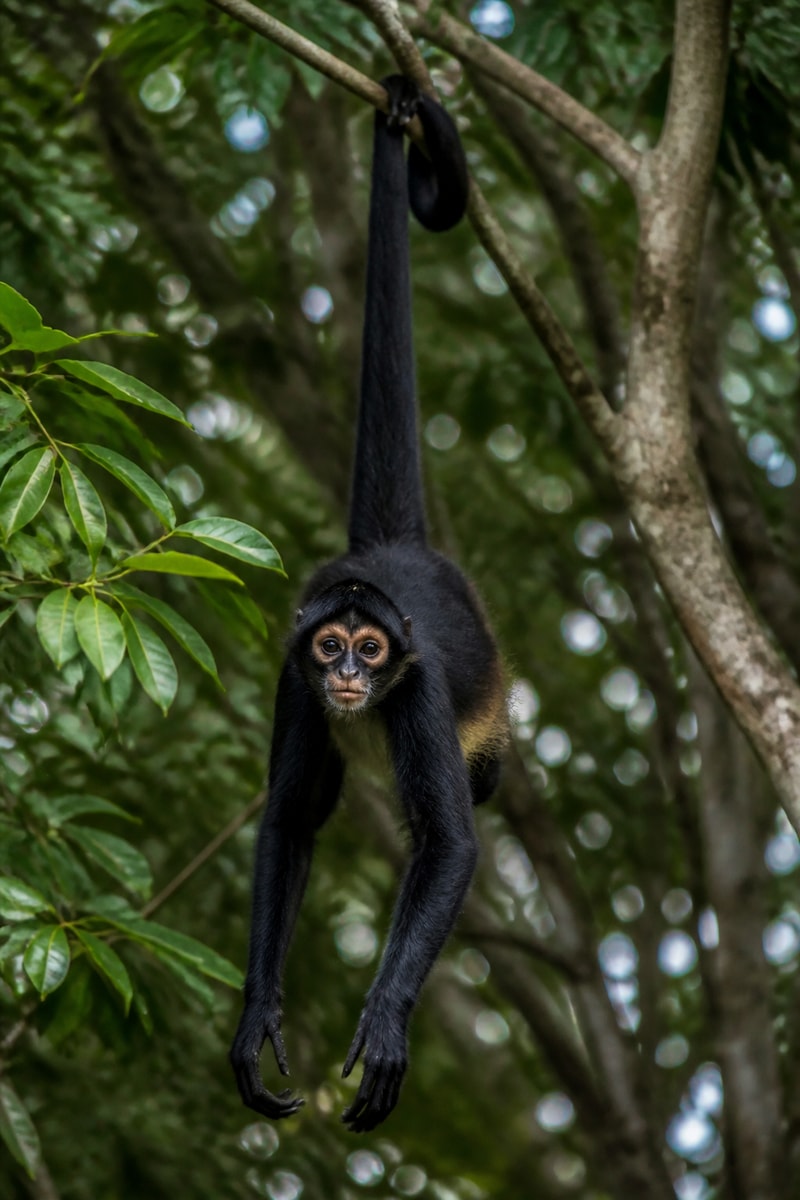
- Geoffroy's Spider Monkeyrare • Central American Canopy
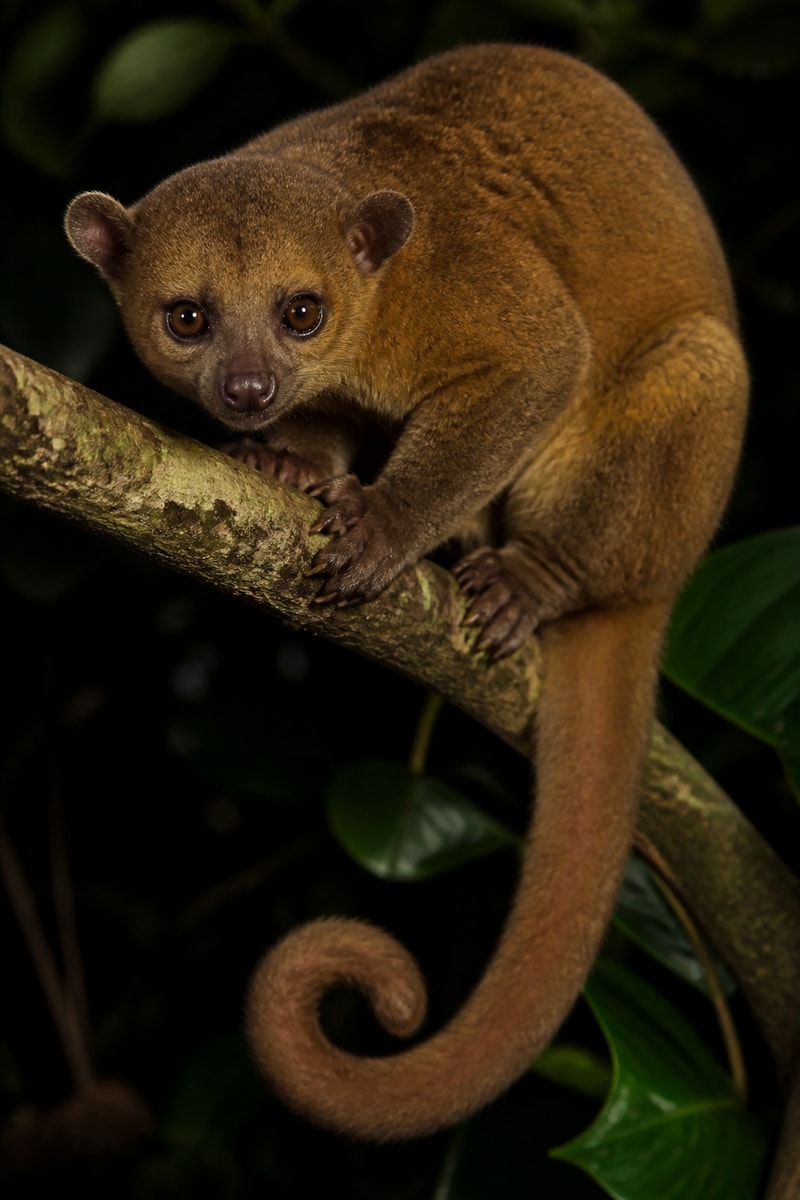
- Kinkajourare • Neotropical Canopy
- Slothcommon • Rainforest Canopy
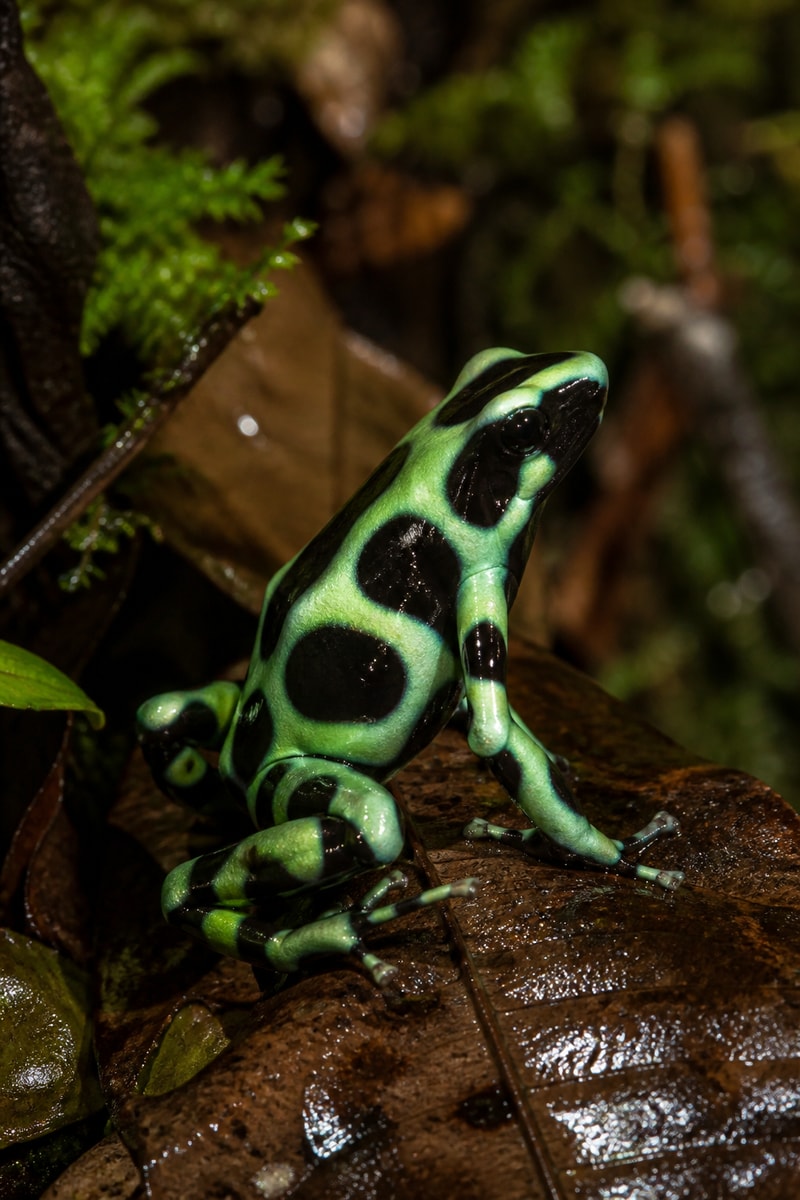
- Poison Dart Frogcommon • Rainforest Floor
Free on iOS
Catch the White-faced Capuchin
Spot one in the wild, then scan it in Catch'Um to log your common discovery.