
Field guide · legendary
Resplendent Quetzal
The sacred bird of cloud forest — emerald plumage and a train of feathers that seems to float on mist.
Near Threatened
Pharomachrus mocinno
Overview
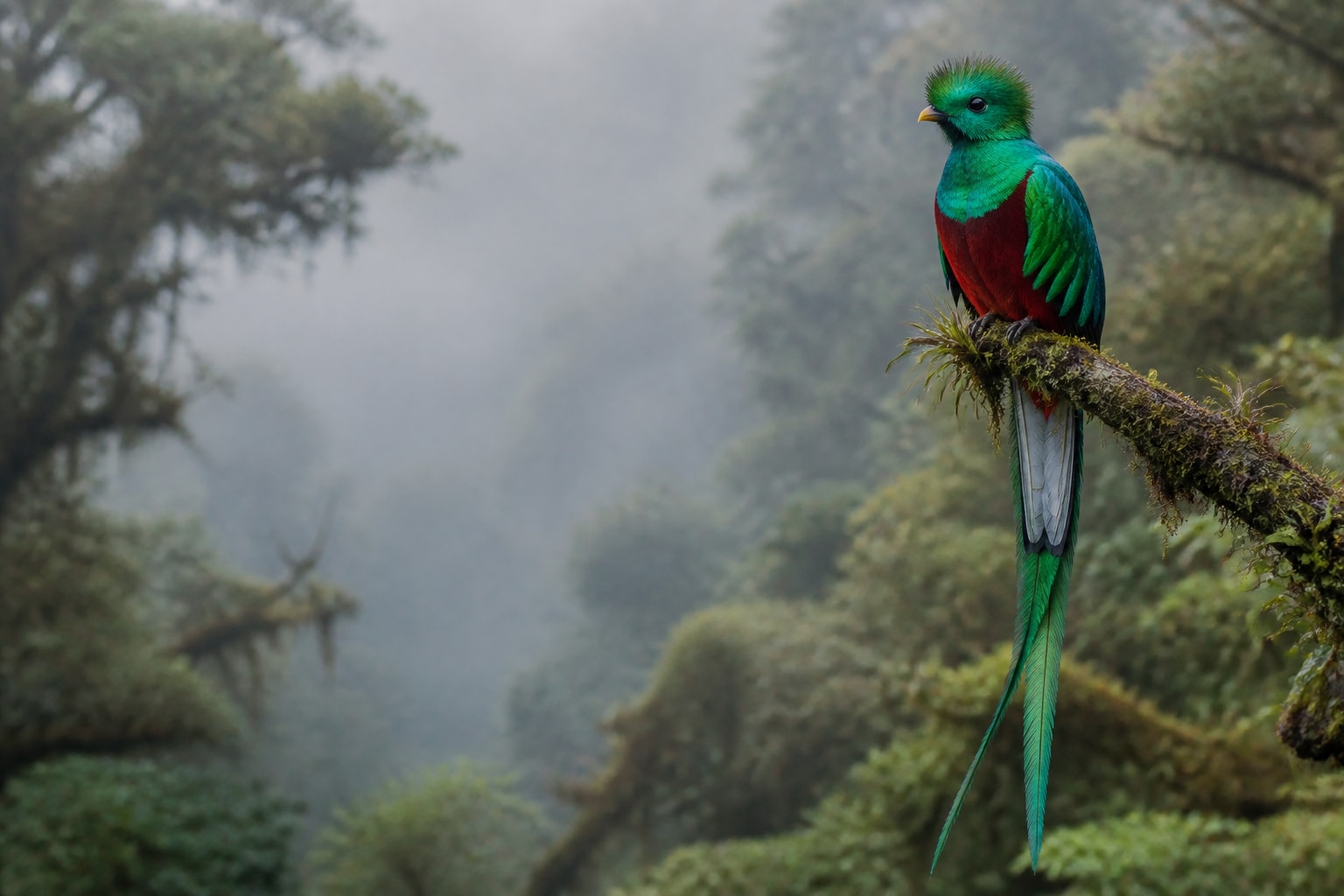
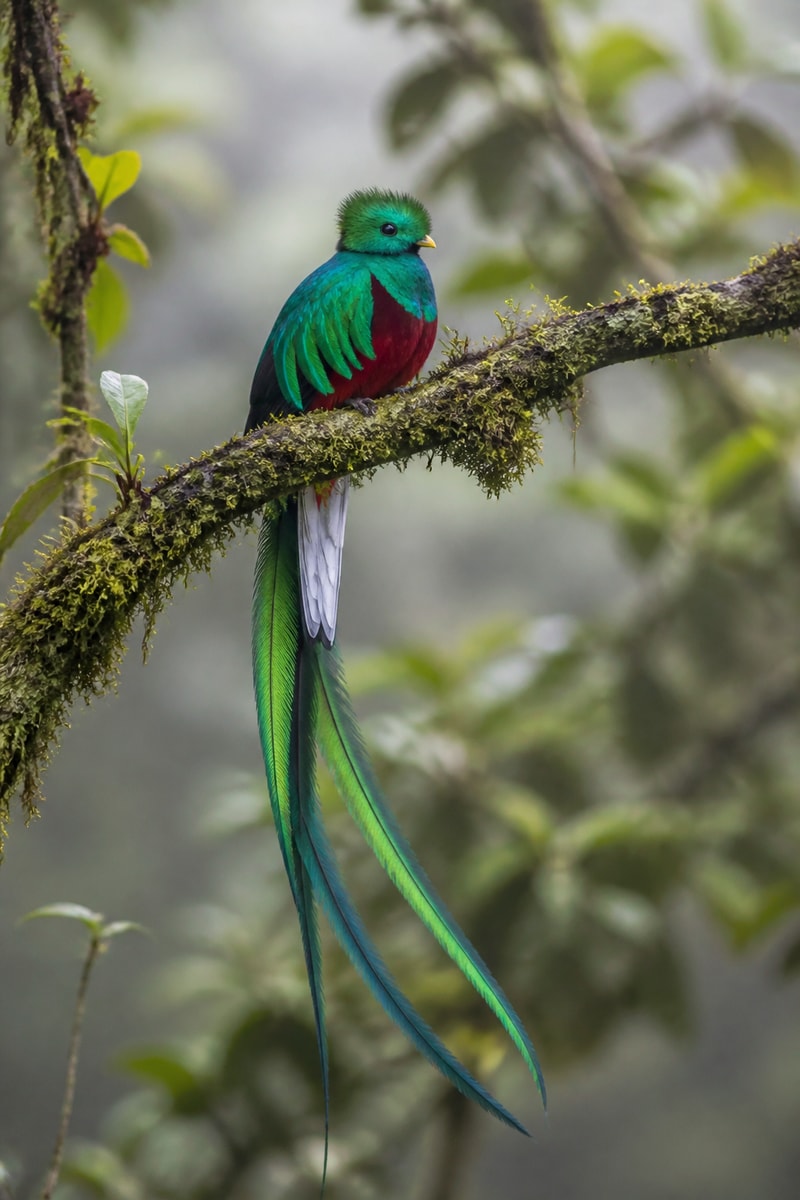
The resplendent quetzal is Central America's most legendary bird: iridescent green, crimson belly, and — in breeding males — coverts that trail far beyond the body like floating ribbons. It was sacred to Maya and Aztec cultures and remains a symbol of freedom and forest beauty.
Monteverde and other Costa Rican cloud forests are classic places to earn this card — patience, elevation, and a flash of emerald through the mist.
- Scientific namePharomachrus mocinno
- Length36–40 cm body; male streamers much longer
- Weight180–210 g
- LifespanAround 20–25 years estimated
- DietPrimarily fruit
- ConservationNear Threatened
- RegionCloud Forest
Where to see them
Habitat
- Cloud forest
- Montane rainforest
Resplendent quetzals inhabit montane cloud forest from southern Mexico through Costa Rica and Panama, relying on wild avocados and other fruiting trees in cool, misty highlands.
Field notes
Field scale for the Resplendent Quetzal: length around 36-40 cm body; male streamers much longer; weight 180-210 g. Typical lifespan: Around 20-25 years estimated.
When you are scanning habitat, prioritise cloud forest and montane rainforest. Those settings are where a clean look and a usable photo are most likely.
Quick ID anchor: Brilliant iridescent green upperparts, red belly, white undertail, and helmet-like crest. Confirm with behaviour and habitat before you log the discovery.
Where to see one
Costa Rica
In Costa Rica, start at Monteverde Cloud Forest (Puntarenas). Misty canopy bridges and moss-draped trees, with sloths, quetzals, and hummingbirds in cool highland forest.
More context on this destination lives on the Costa Rica expedition page.
Diet
Primarily fruit, especially wild avocados and other Lauraceae, plus insects, frogs, and lizards when feeding chicks.
Swallow fruits whole and regurgitate seeds.
Behaviour
Often perch quietly before making short flights to pluck fruit.
Pairs nest in cavities; males help incubate and feed young despite the long train.
How to identify
Brilliant iridescent green upperparts, red belly, white undertail, and helmet-like crest.
Breeding males trail extraordinarily long green coverts; females are shorter-tailed and duller.
Interesting facts
- 01
Male train feathers can exceed 60 cm beyond the body in the breeding season.
- 02
The quetzal was sacred in ancient Mesoamerican cultures.
- 03
They nest in tree cavities, often old woodpecker holes.
- 04
Wild avocados (Lauraceae fruits) are a crucial food.
- 05
Despite the long train, males can still fly skilfully through mossy forest.
- 06
The name 'quetzal' relates to Nahuatl words for the bird's precious feathers.
Conservation status
Resplendent quetzals are Near Threatened. Cloud-forest clearance and climate shifts squeeze highland habitat. Protected reserves such as Monteverde are vital strongholds for nesting pairs.
Sources: IUCN Red List
Keep exploring
Related discoveries
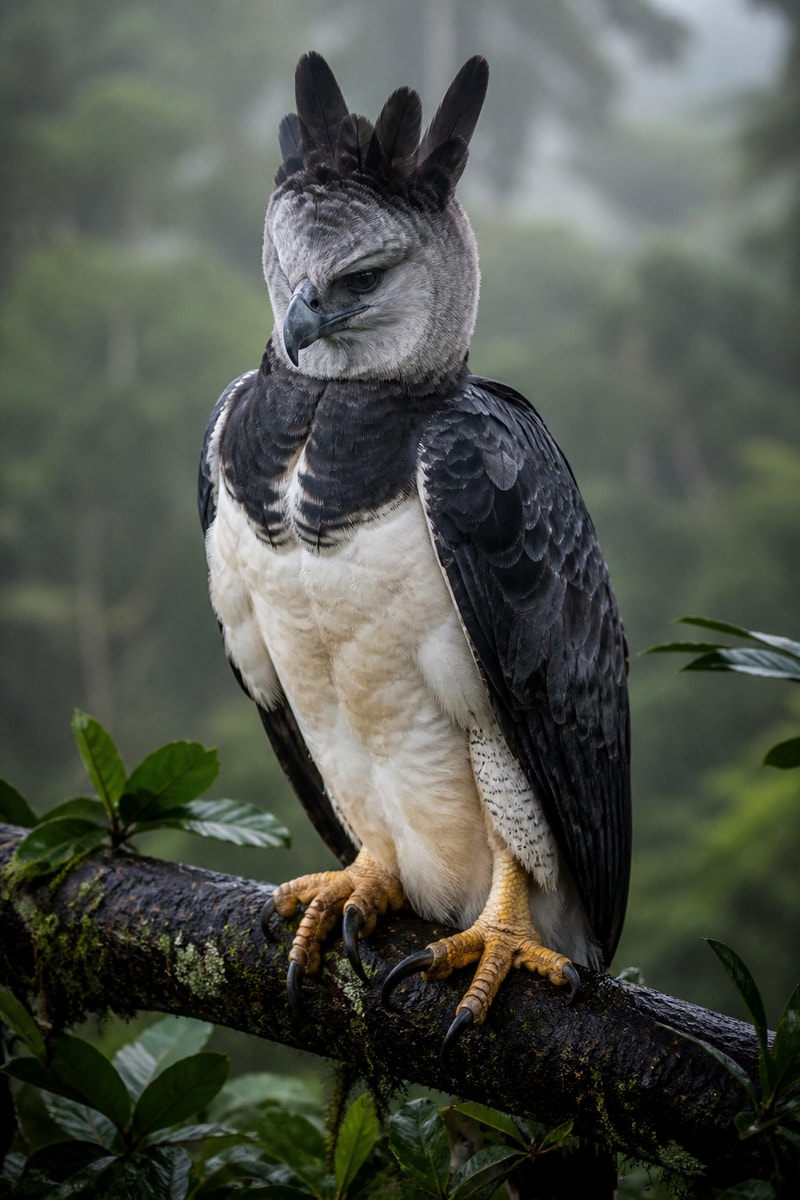
- Harpy Eaglelegendary • Rainforest Canopy
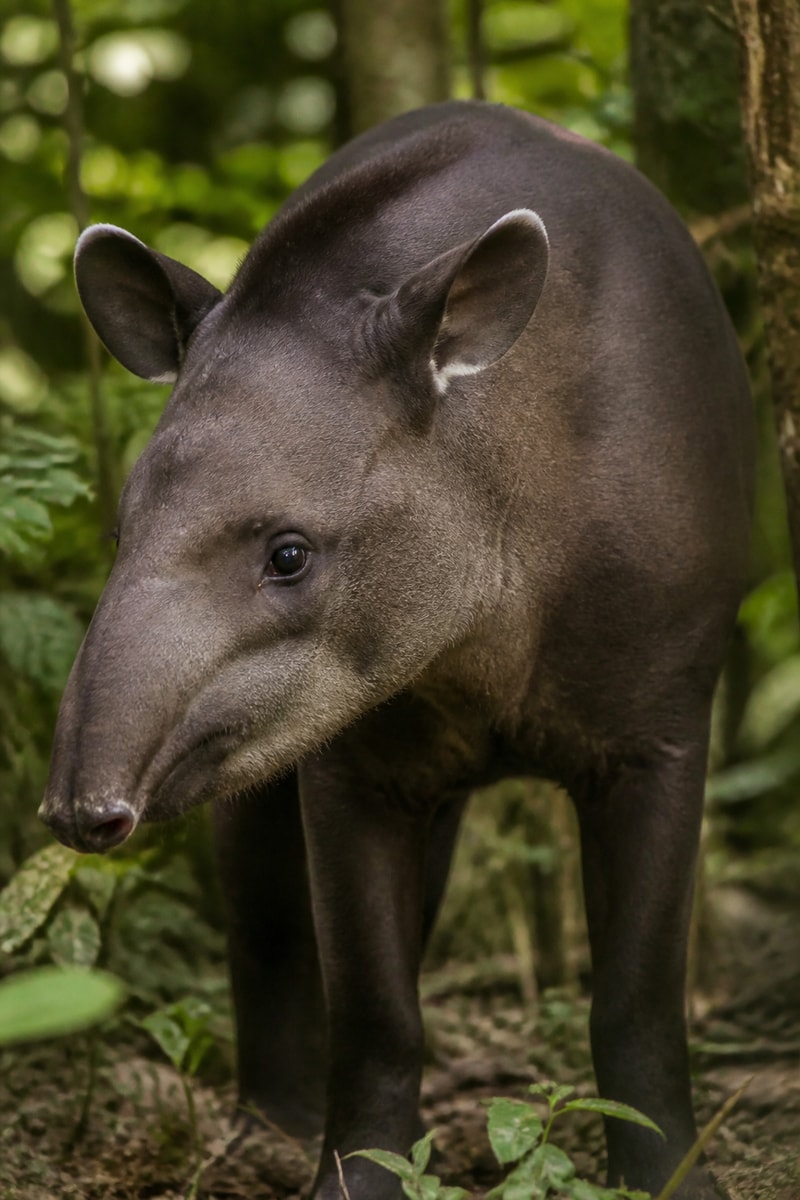
- Baird's Tapirlegendary • Central American Forest
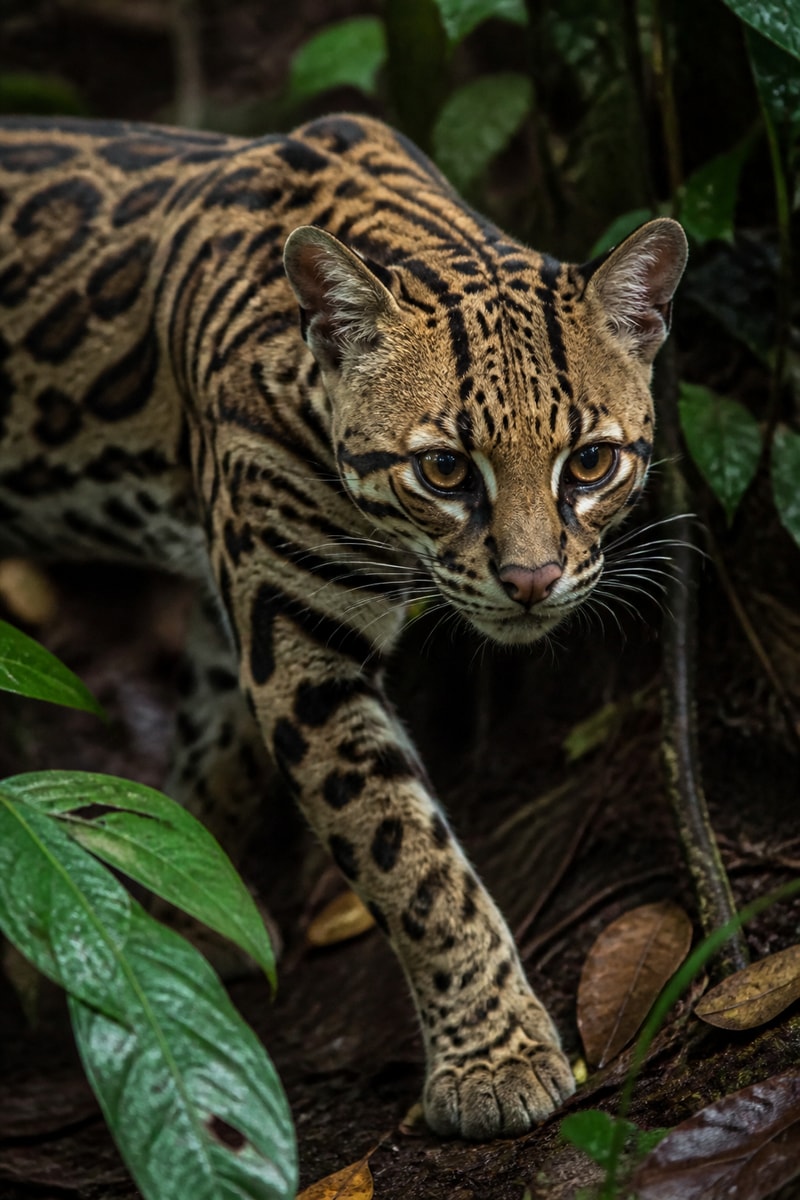
- Ocelotrare • Neotropical Forest
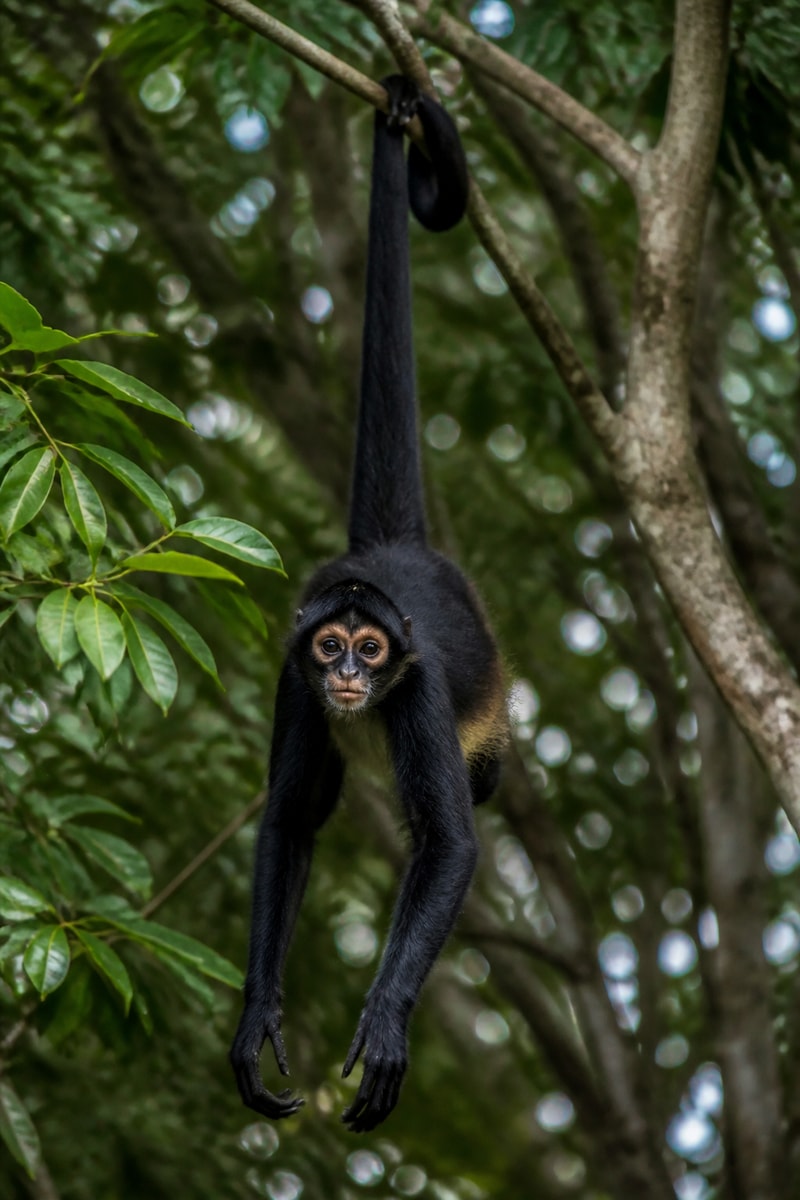
- Geoffroy's Spider Monkeyrare • Central American Canopy
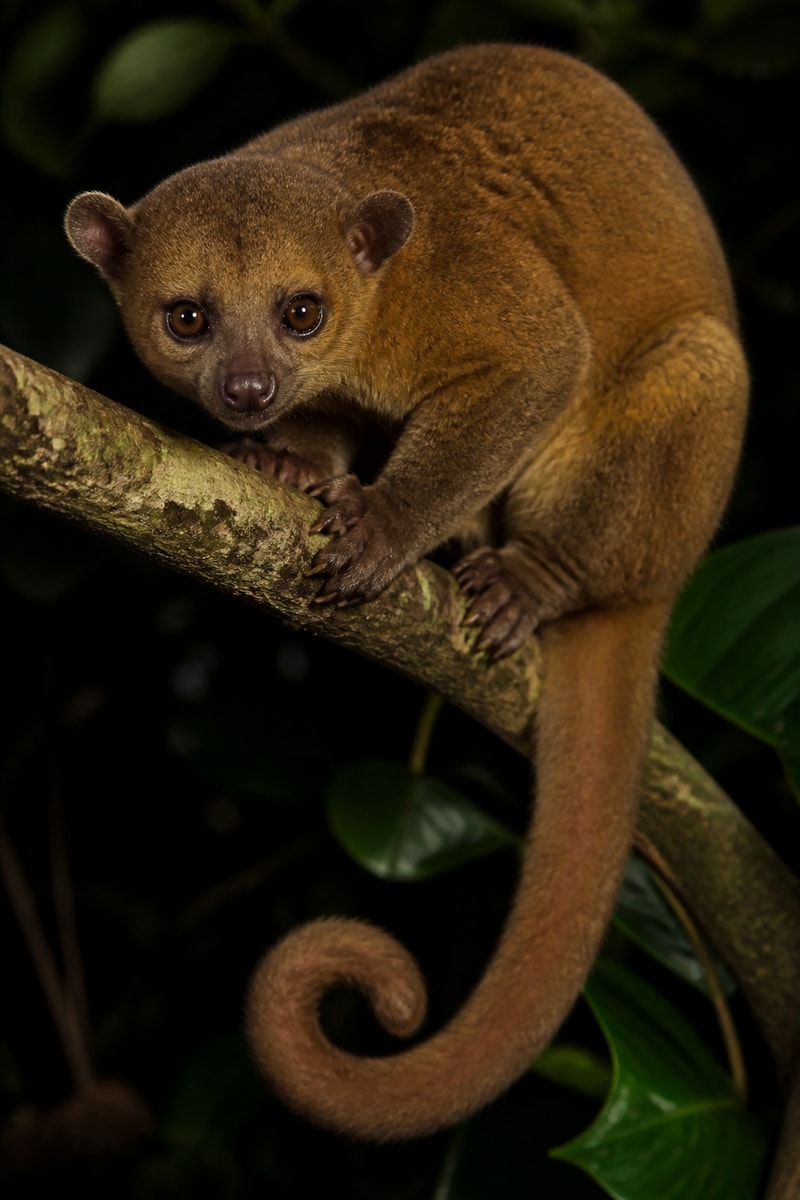
- Kinkajourare • Neotropical Canopy
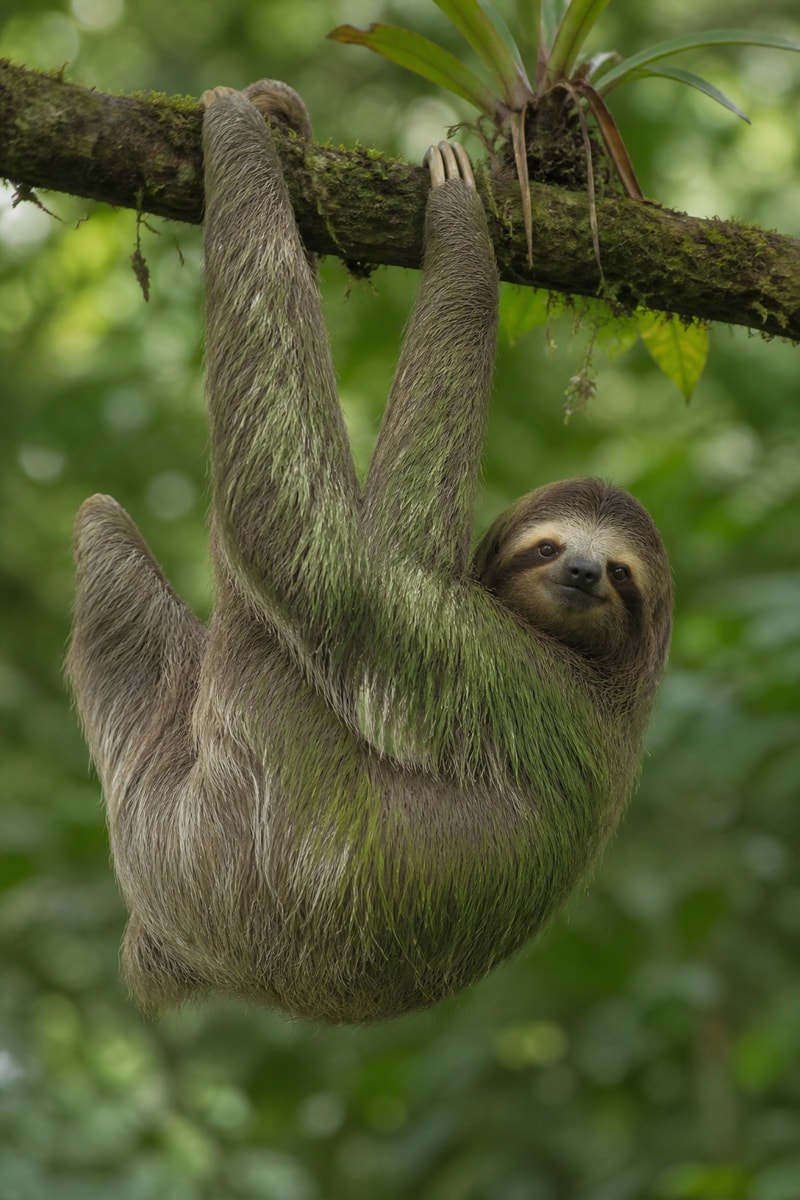
- Slothcommon • Rainforest Canopy
- Poison Dart Frogcommon • Rainforest Floor
- Mantled Howlercommon • Rainforest Canopy
Free on iOS
Catch the Resplendent Quetzal
Spot one in the wild, then scan it in Catch'Um to log your legendary discovery.