
Field guide · common
Poison Dart Frog
A jewel of the rainforest floor — tiny, brilliantly coloured, and famous for its toxic skin.
Least Concern
Dendrobates auratus
Overview
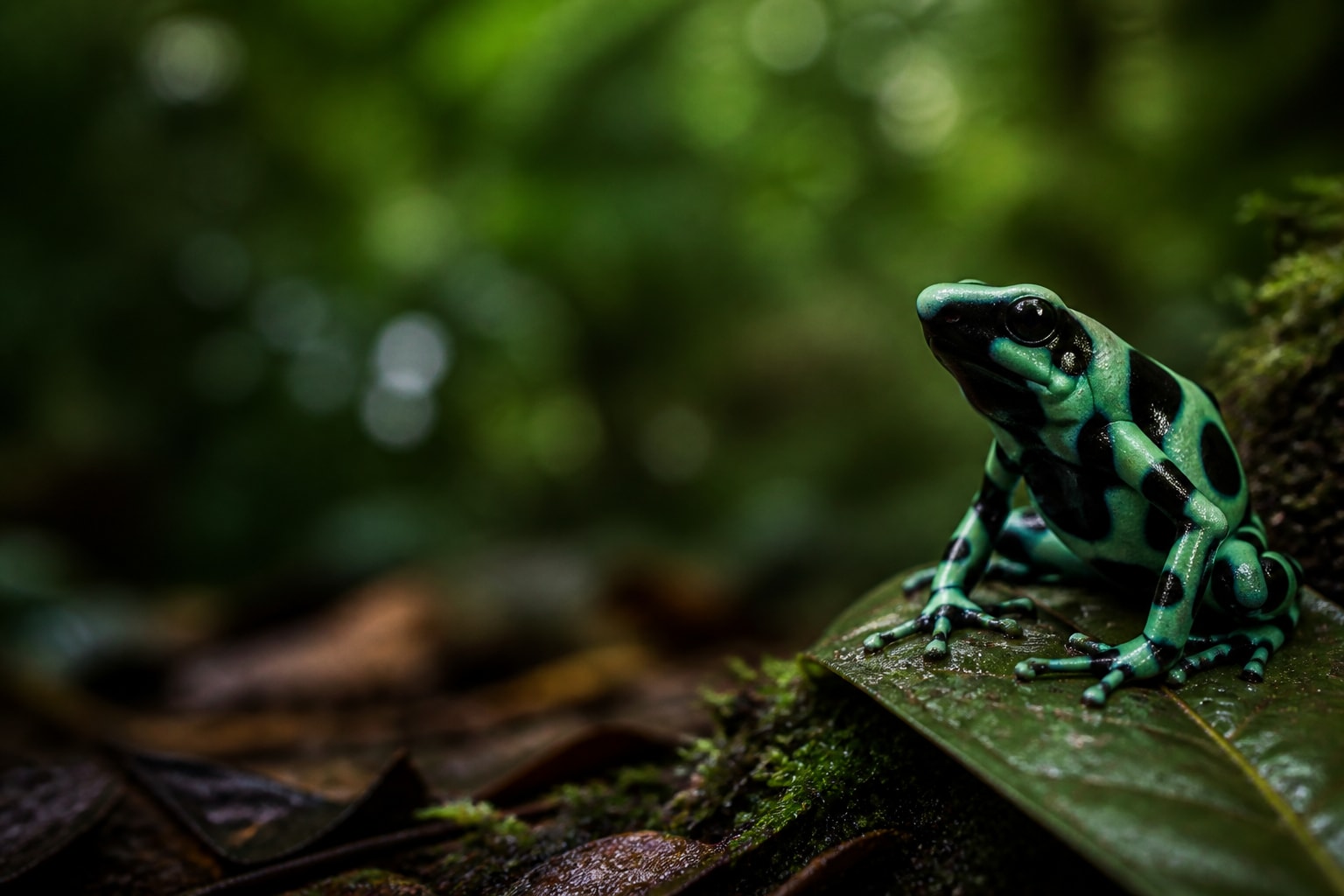
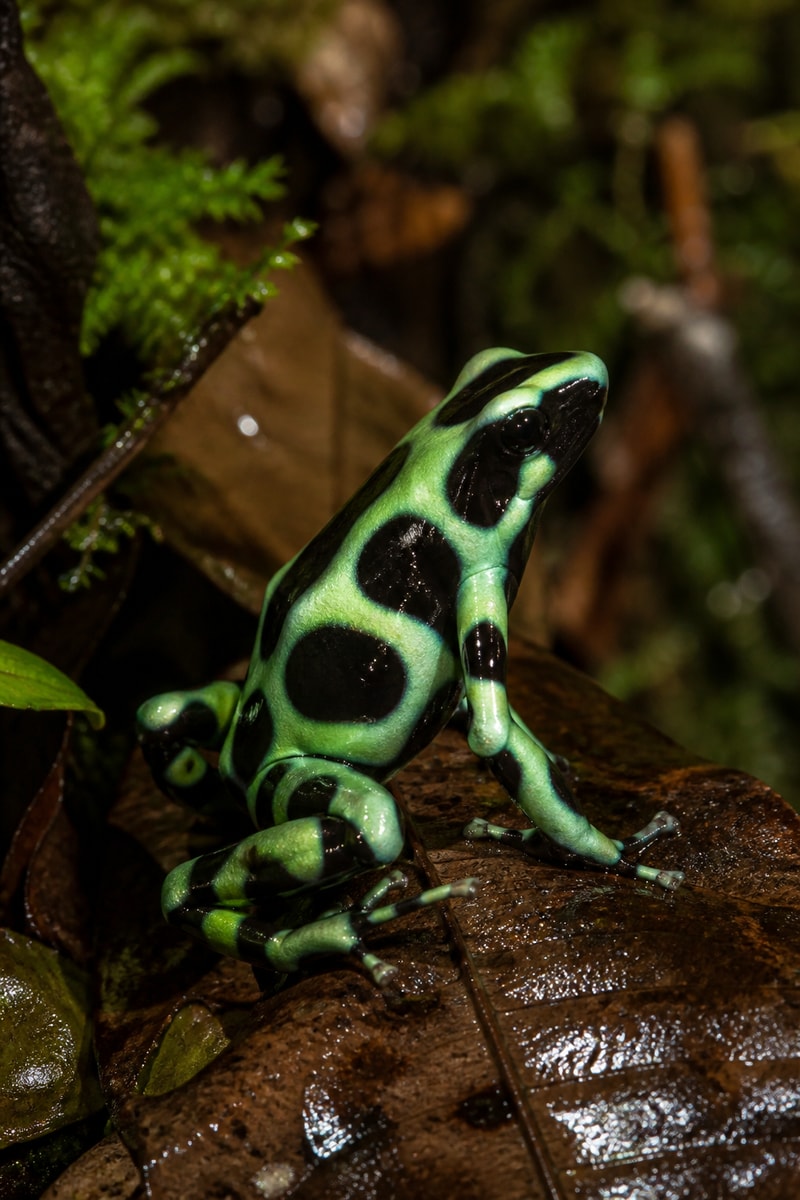
The green-and-black poison dart frog is a small Central American amphibian whose bold colouration warns predators of toxic skin alkaloids. In the wild those toxins come from their diet of ants and other tiny arthropods.
For Costa Rica collectors, a flash of mint and black on a damp leaf litter trail is a perfect small-but-mighty Catch'Um find — amphibian diversity the catalogue has been missing.
- Scientific nameDendrobates auratus
- Length2.5–4 cm
- WeightAround 3–5 g
- LifespanAround 5–8 years in the wild; longer in captivity
- DietTiny ants
- ConservationLeast Concern
- RegionRainforest Floor
Where to see them
Habitat
- Tropical rainforest
- Leaf litter
- Humid understorey
These frogs live in humid lowland and foothill rainforest from Nicaragua through Costa Rica and Panama into Colombia. They stay near the forest floor and low vegetation where moisture and leaf-litter insects are abundant.
Field notes
Field scale for the Poison Dart Frog: length around 2.5-4 cm; weight Around 3-5 g. Typical lifespan: Around 5-8 years in the wild; longer in captivity.
When you are scanning habitat, prioritise tropical rainforest, leaf litter, and humid understorey. Those settings are where a clean look and a usable photo are most likely.
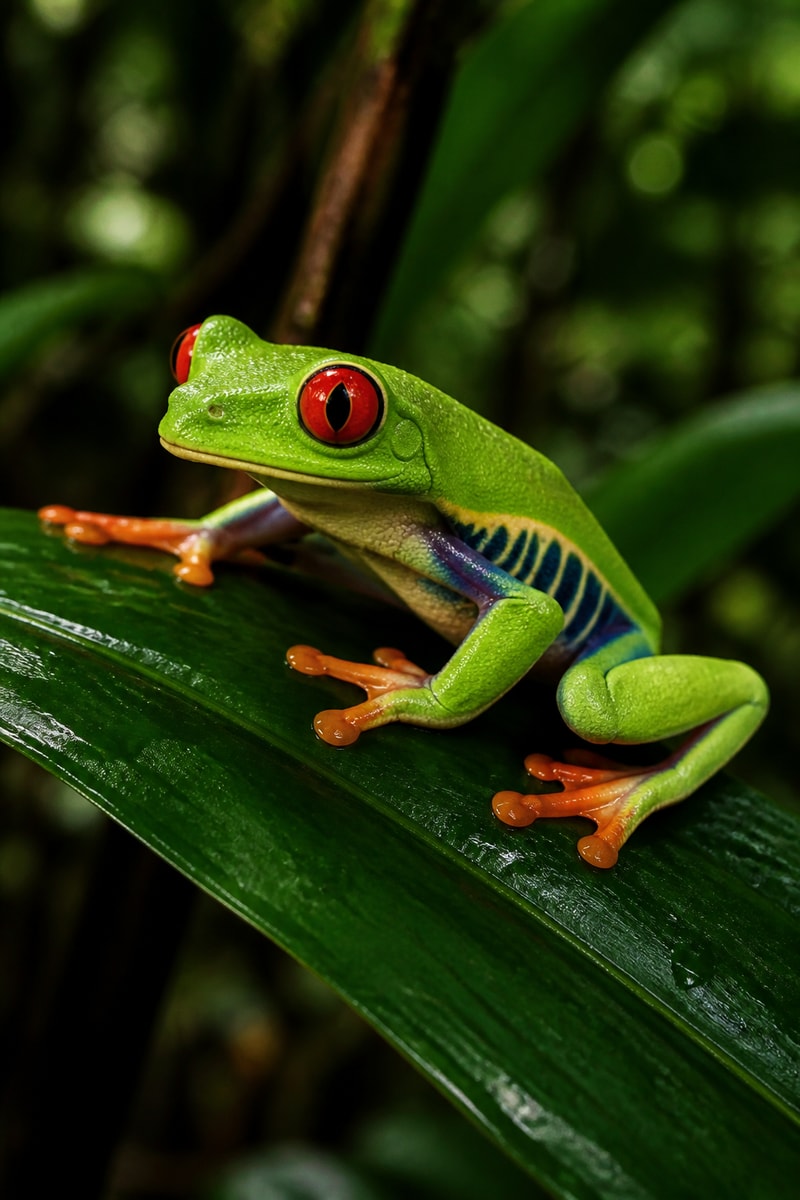
Quick ID anchor: Small frog with glossy green (or blue-green) and black blotches or bands. Confirm with behaviour and habitat before you log the discovery.
Diet
Tiny ants, mites, and other small arthropods gleaned from leaf litter.
Alkaloids from prey are sequestered into the skin as chemical defence.
Behaviour
Diurnal and territorial; males call with soft buzzes and chirps.
Parents may transport tadpoles piggyback to phytotelmata (water pools in plants).
How to identify
Small frog with glossy green (or blue-green) and black blotches or bands.
Smooth skin, slender body, and sticky toe pads for climbing low vegetation.
Interesting facts
- 01
Wild poison dart frogs gain toxins from their diet; captive frogs fed differently are typically non-toxic.
- 02
Bright colours advertise danger to predators (aposematism).
- 03
Males often guard eggs and may carry tadpoles to water-filled plants.
- 04
Despite the name, only a few species were historically used to tip darts.
- 05
Green-and-black morphs can look mint, lime, or almost turquoise.
- 06
They are diurnal — active by day unlike many frogs.
Conservation status
Dendrobates auratus is Least Concern but sensitive to deforestation and the pet trade in some areas. Intact humid forest in Costa Rica and neighbouring countries keeps wild populations healthy.
Sources: IUCN Red List
Keep exploring
Related discoveries
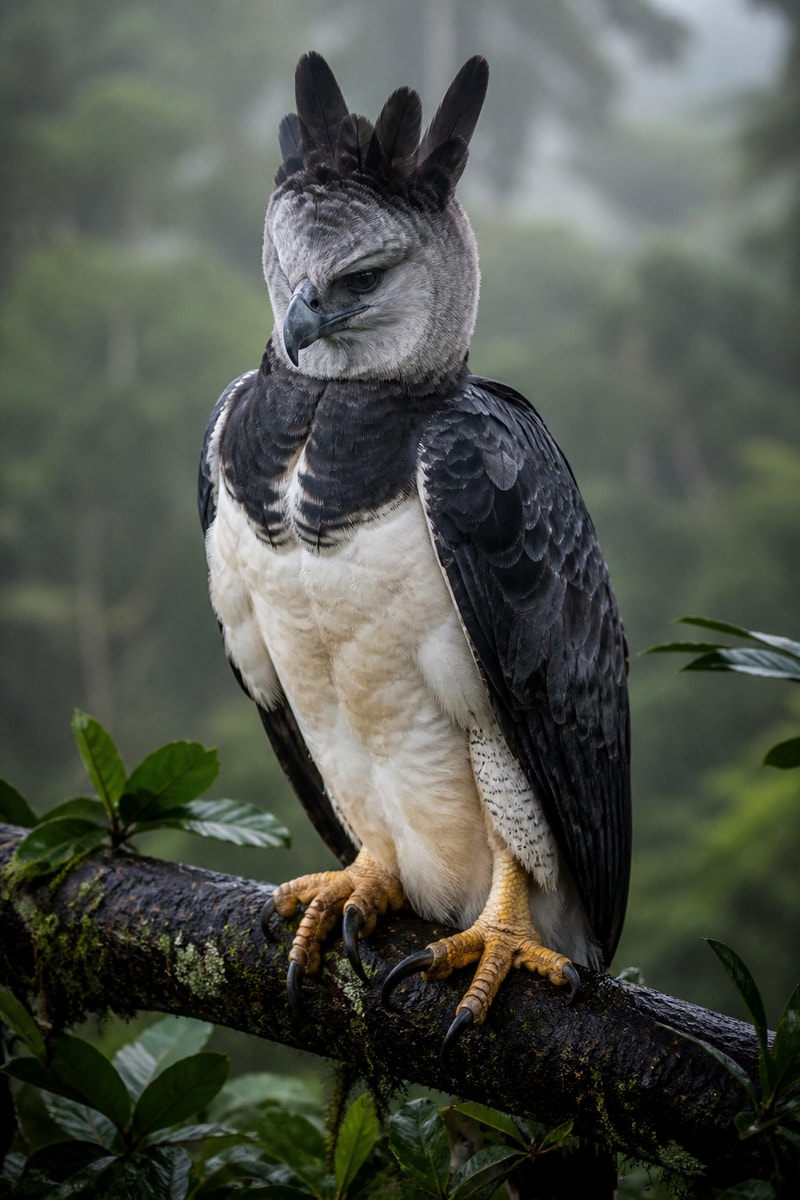
- Harpy Eaglelegendary • Rainforest Canopy
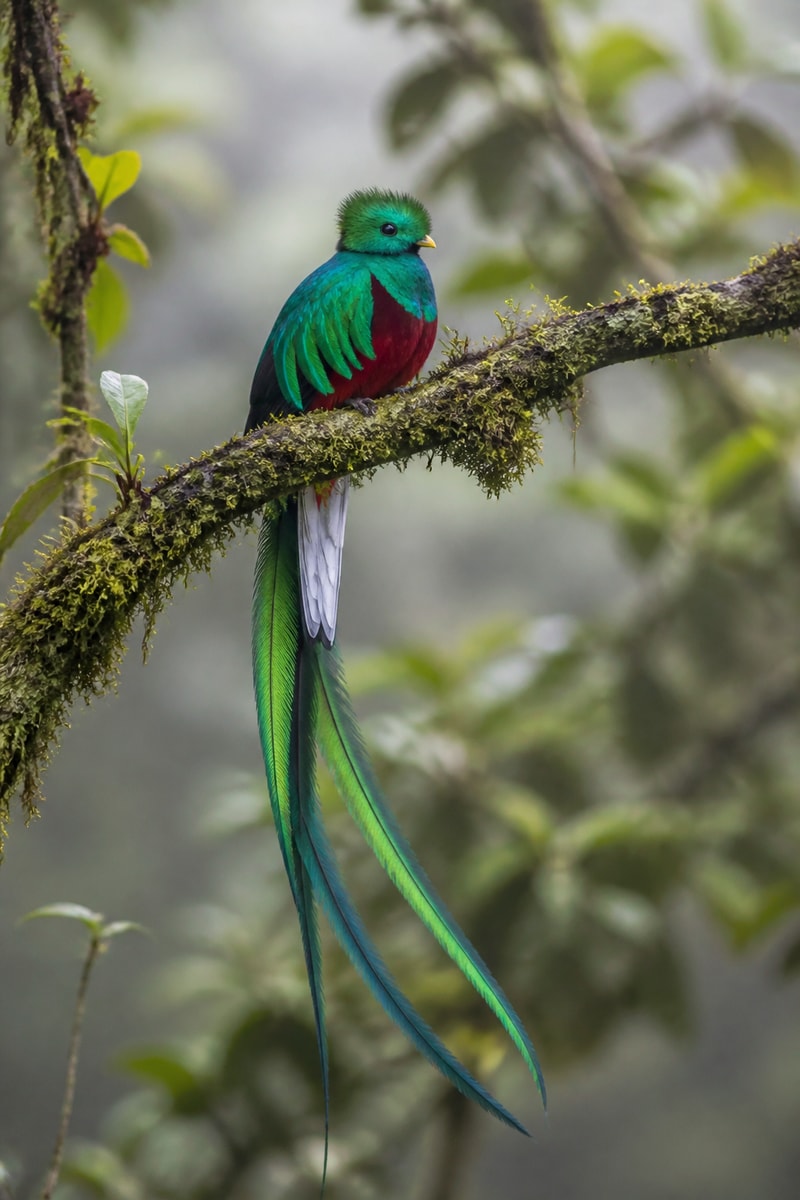
- Resplendent Quetzallegendary • Cloud Forest
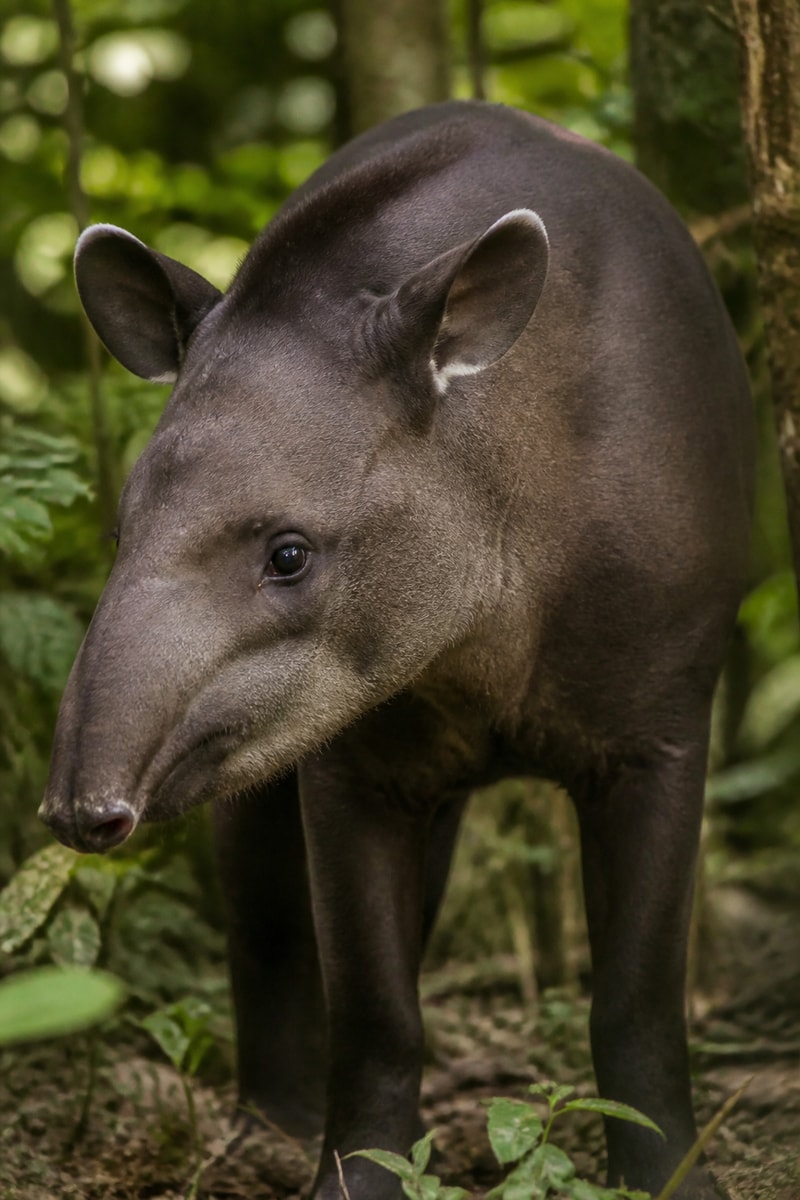
- Baird's Tapirlegendary • Central American Forest
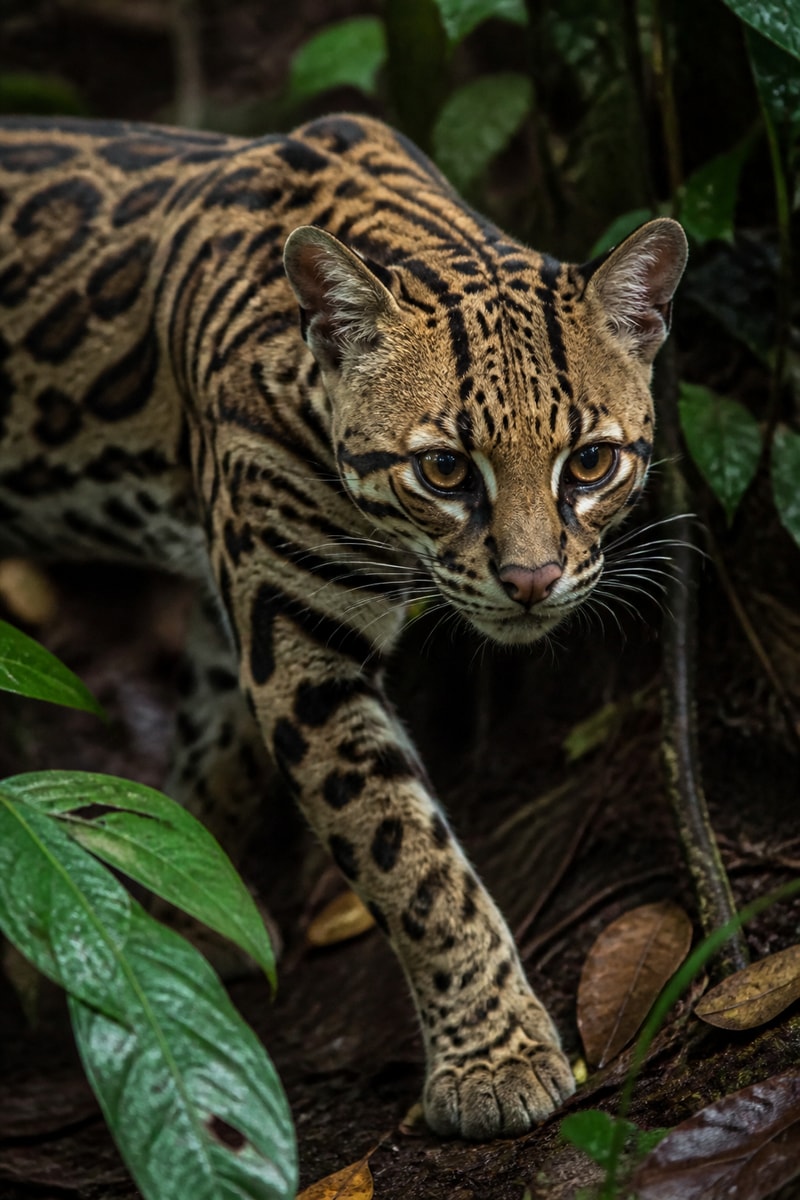
- Ocelotrare • Neotropical Forest
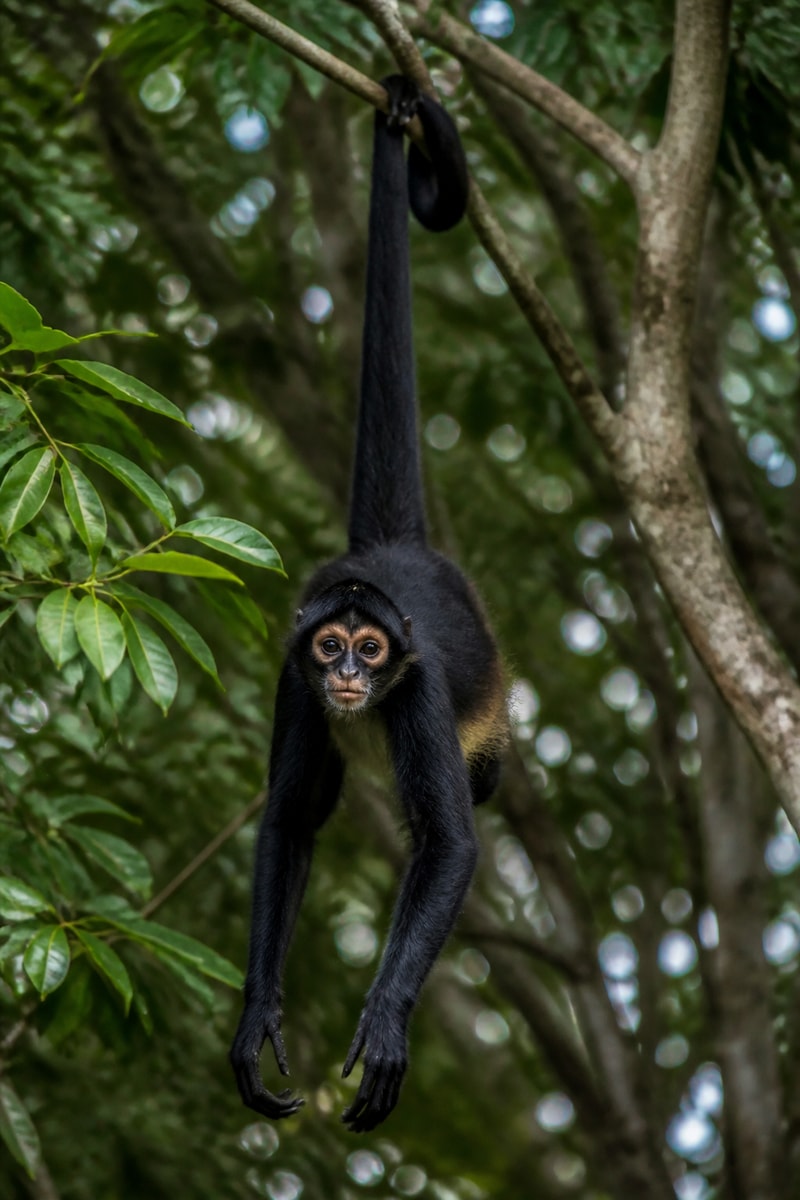
- Geoffroy's Spider Monkeyrare • Central American Canopy
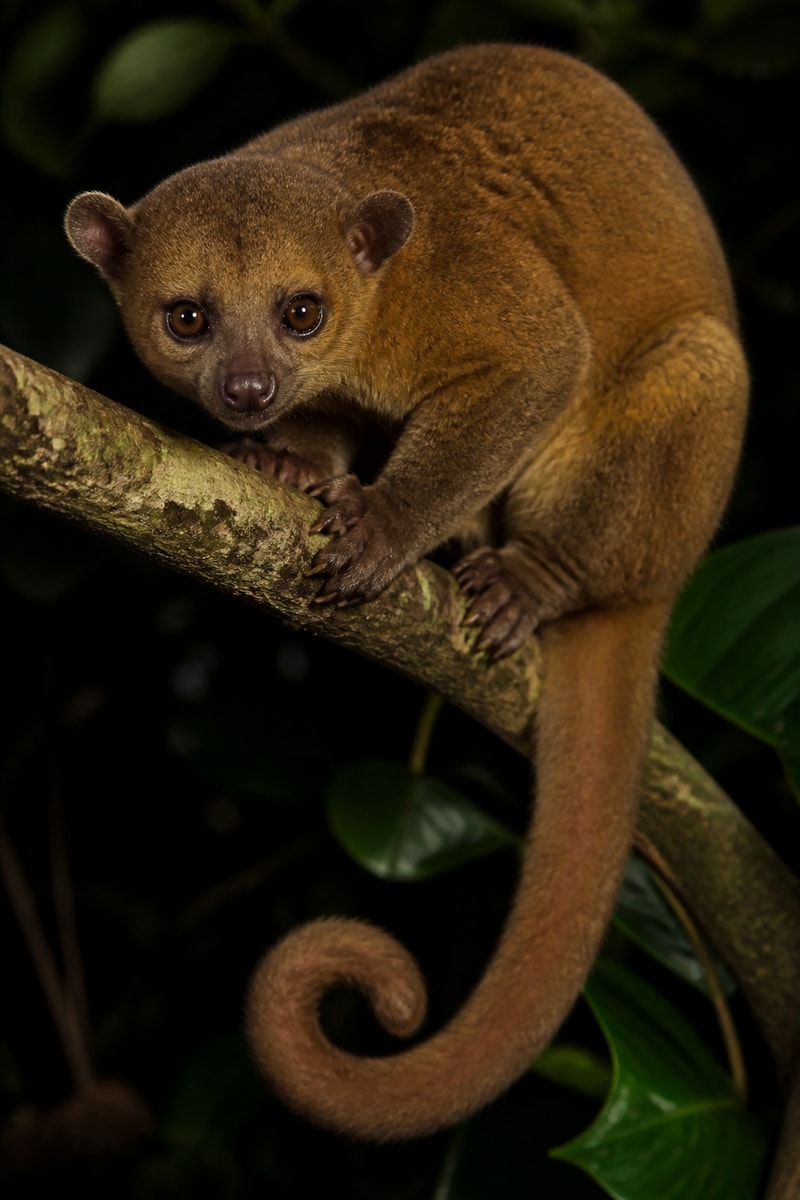
- Kinkajourare • Neotropical Canopy
- Slothcommon • Rainforest Canopy
- Mantled Howlercommon • Rainforest Canopy
Free on iOS
Catch the Poison Dart Frog
Spot one in the wild, then scan it in Catch'Um to log your common discovery.