
Field guide · rare
Kinkajou
Honey bear of the night canopy — prehensile tail, nectar tongue, and rainforest sweetness.
Least Concern
Potos flavus
Overview
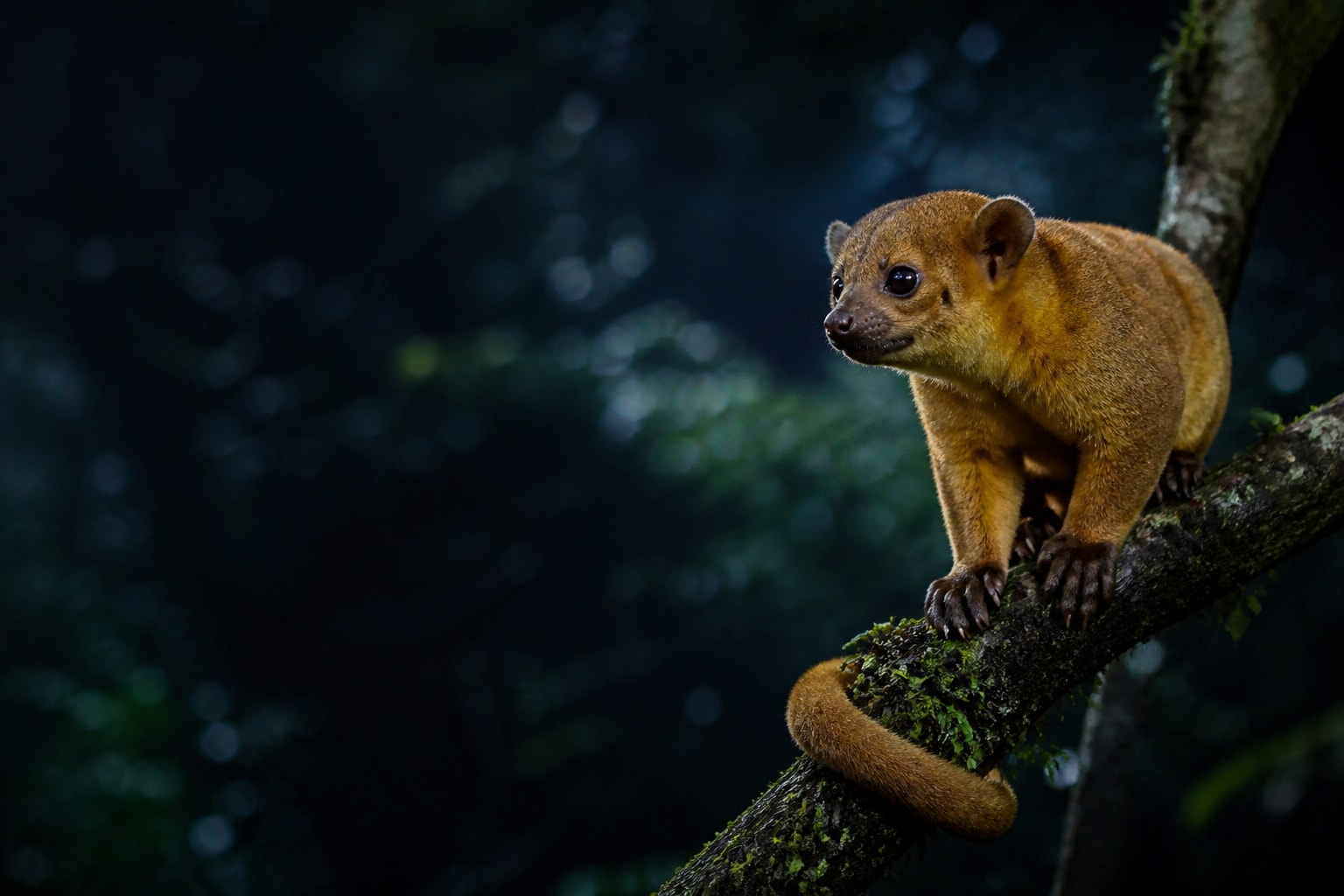
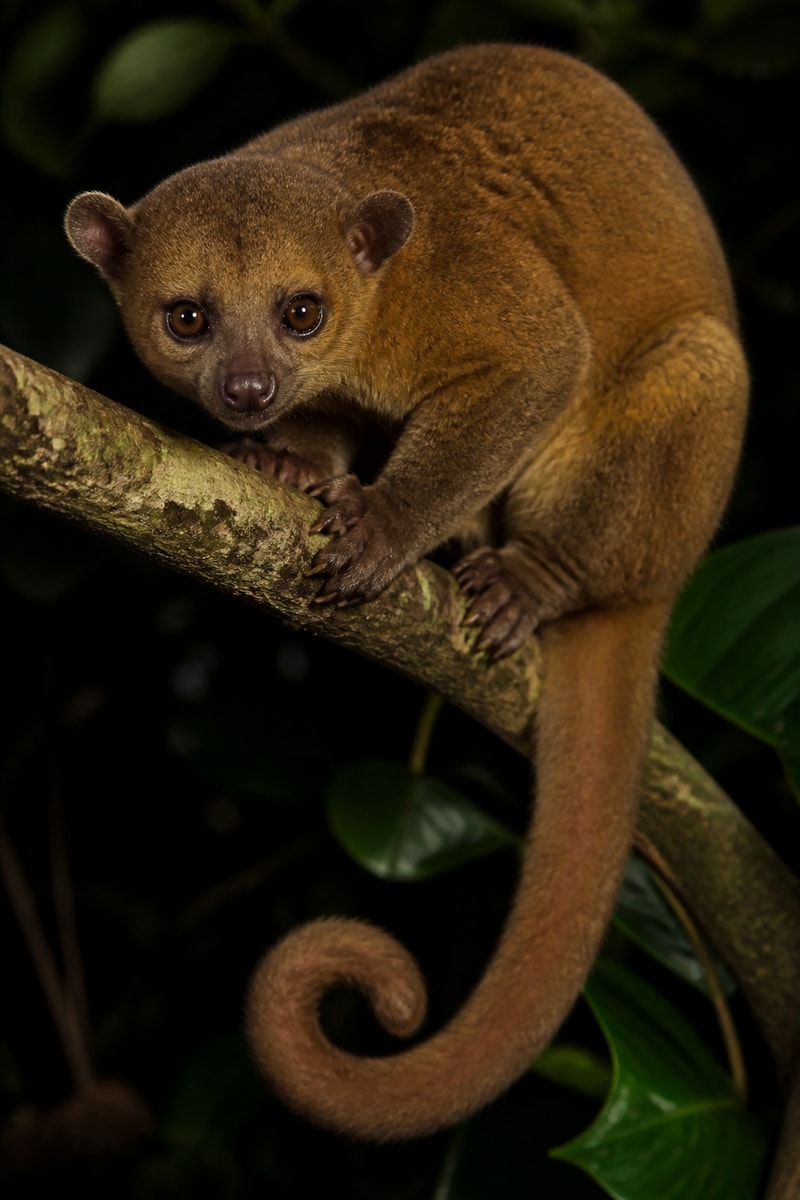
Kinkajous are nocturnal canopy mammals related to raccoons, not true bears, despite the “honey bear” nickname. A prehensile tail and long tongue help them take fruit and nectar while moving head-down through tropical trees.
For Costa Rica and Mexico collectors, the kinkajou is a rare night-canopy card — soft gold fur, quiet calls, and pure Neotropical charm.
- Scientific namePotos flavus
- Length40–60 cm body; tail ~40–60 cm
- Weight1.4–4.6 kg
- LifespanAround 15–20 years in the wild
- DietFruit and nectar are staples
- ConservationLeast Concern
- RegionNeotropical Canopy
Where to see them
Habitat
- Tropical rainforest
- Moist woodland canopy
- Secondary forest
Tropical rainforest and moist woodland canopy from southern Mexico through Central and South America, nesting in tree hollows.
Field notes
Field scale for the Kinkajou: length around 40-60 cm body; tail ~40-60 cm; weight 1.4-4.6 kg. Typical lifespan: Around 15-20 years in the wild.
When you are scanning habitat, prioritise tropical rainforest, moist woodland canopy, and secondary forest. Those settings are where a clean look and a usable photo are most likely.
Quick ID anchor: Golden-brown woolly coat, rounded face, and a long prehensile tail. Confirm with behaviour and habitat before you log the discovery.
Where to see one
Costa Rica
In Costa Rica, strong options include Monteverde Cloud Forest and Corcovado National Park. Misty canopy bridges and moss-draped trees, with sloths, quetzals, and hummingbirds in cool highland forest.
Open the Costa Rica spotting guide for every park note tied to the kinkajou.
Diet
Fruit and nectar are staples, plus flowers, insects, and occasional small vertebrates.
Use the long tongue and dexterous hands to work flowers and soft fruit.
Behaviour
Nocturnal and mostly solitary while foraging; may share day dens.
Communicate with soft chirps, barks, and scent marks in the canopy.
How to identify
Golden-brown woolly coat, rounded face, and a long prehensile tail.
Short muzzle and large eyes; silhouette is stockier than a spider monkey.
Interesting facts
- 01
Not a bear — a member of the raccoon family (Procyonidae).
- 02
Fully prehensile tail aids upside-down feeding.
- 03
Long tongue reaches nectar and soft fruit pulp.
- 04
Strictly nocturnal canopy dwellers.
- 05
Often called honey bears for their sweet tooth.
- 06
Can rotate hind feet to run down trunks headfirst.
Conservation status
Kinkajous are Least Concern across a wide Neotropical range, but local declines follow deforestation and pet trade. Intact canopy in Mexico and Costa Rica supports healthier densities.
Sources: IUCN Red List



Keep exploring
Where it lives
Related discoveries
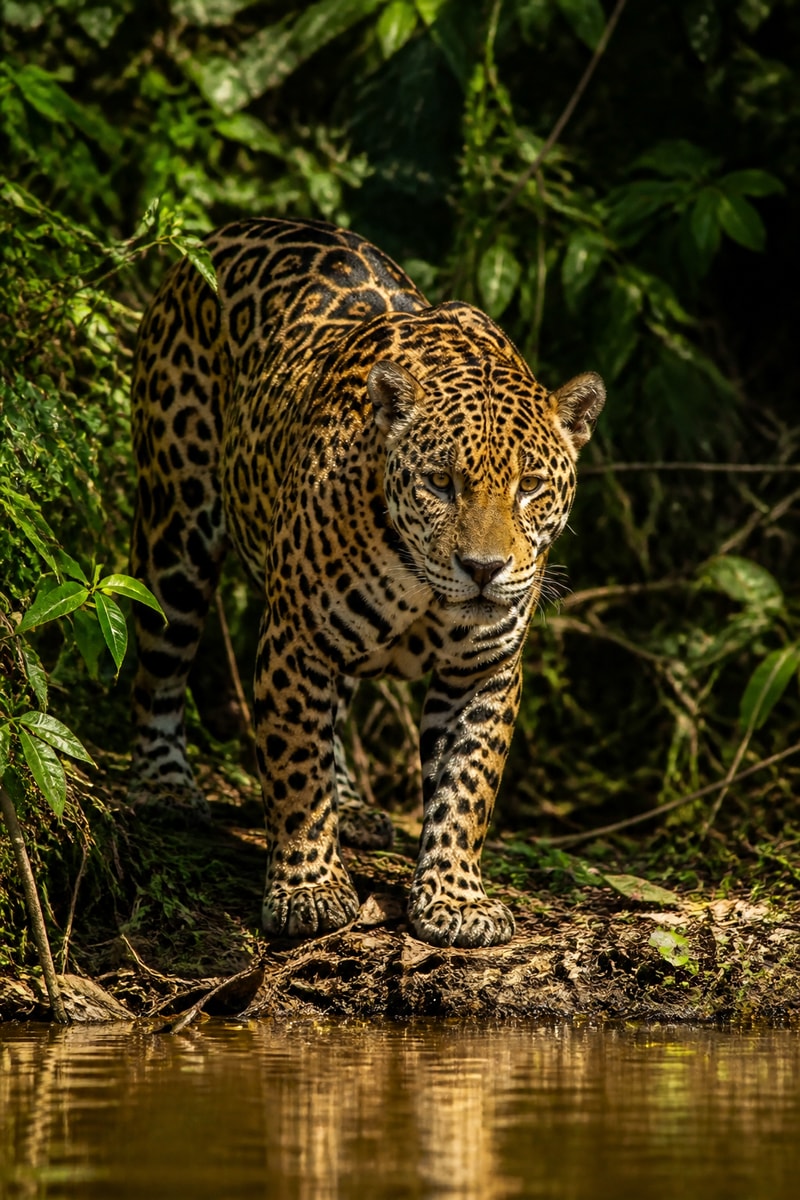
- Jaguarlegendary • Rainforest & Wetland
- Harpy Eaglelegendary • Rainforest Canopy
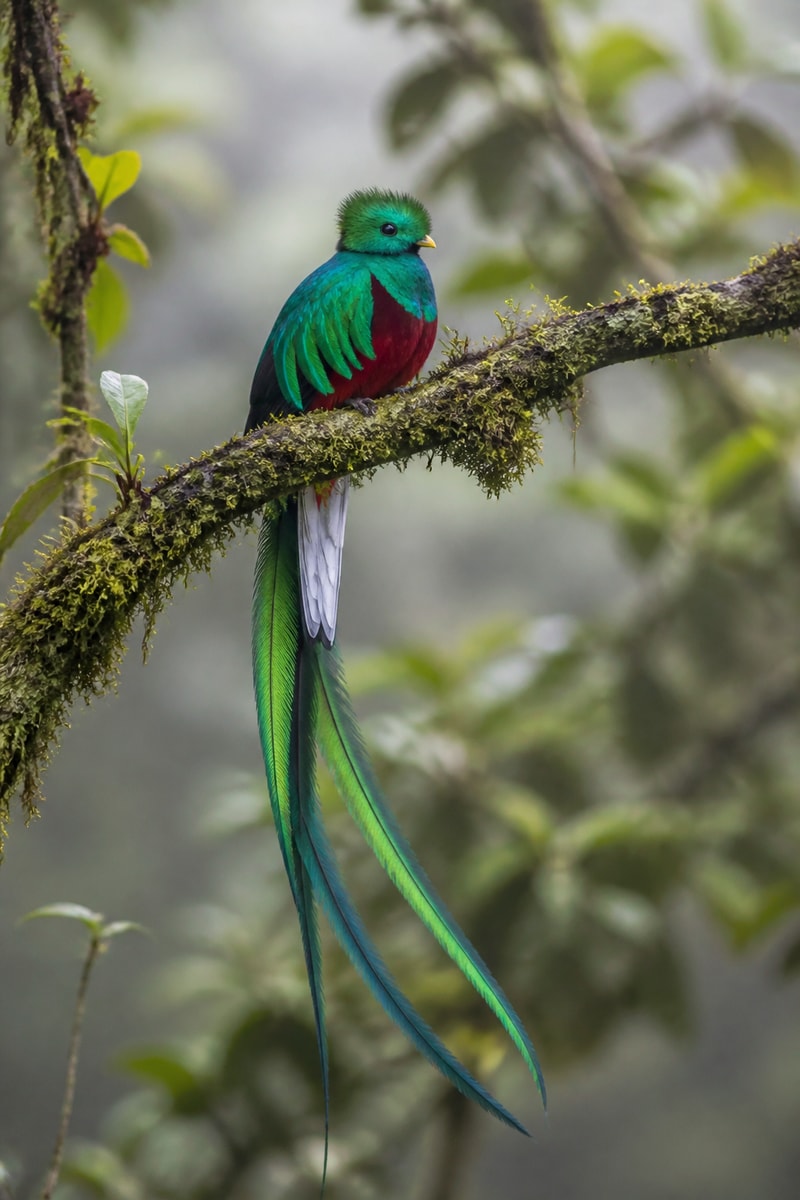
- Resplendent Quetzallegendary • Cloud Forest
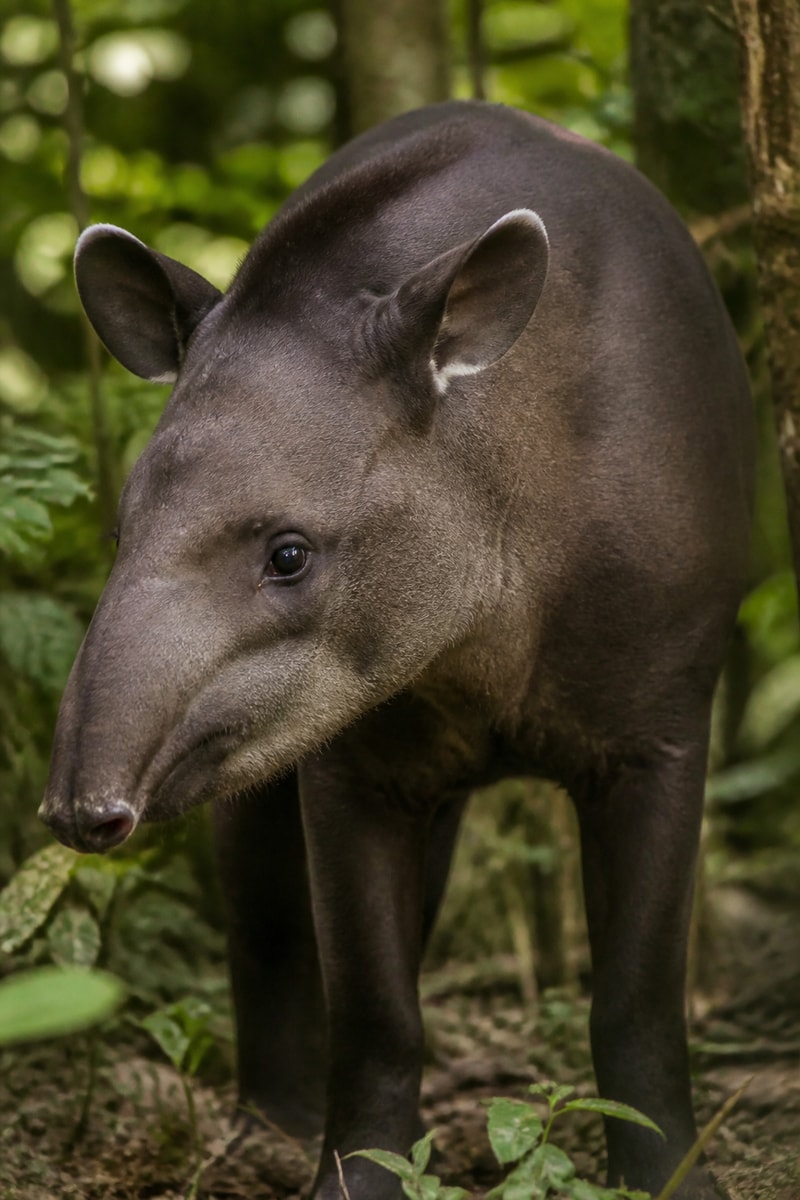
- Baird's Tapirlegendary • Central American Forest
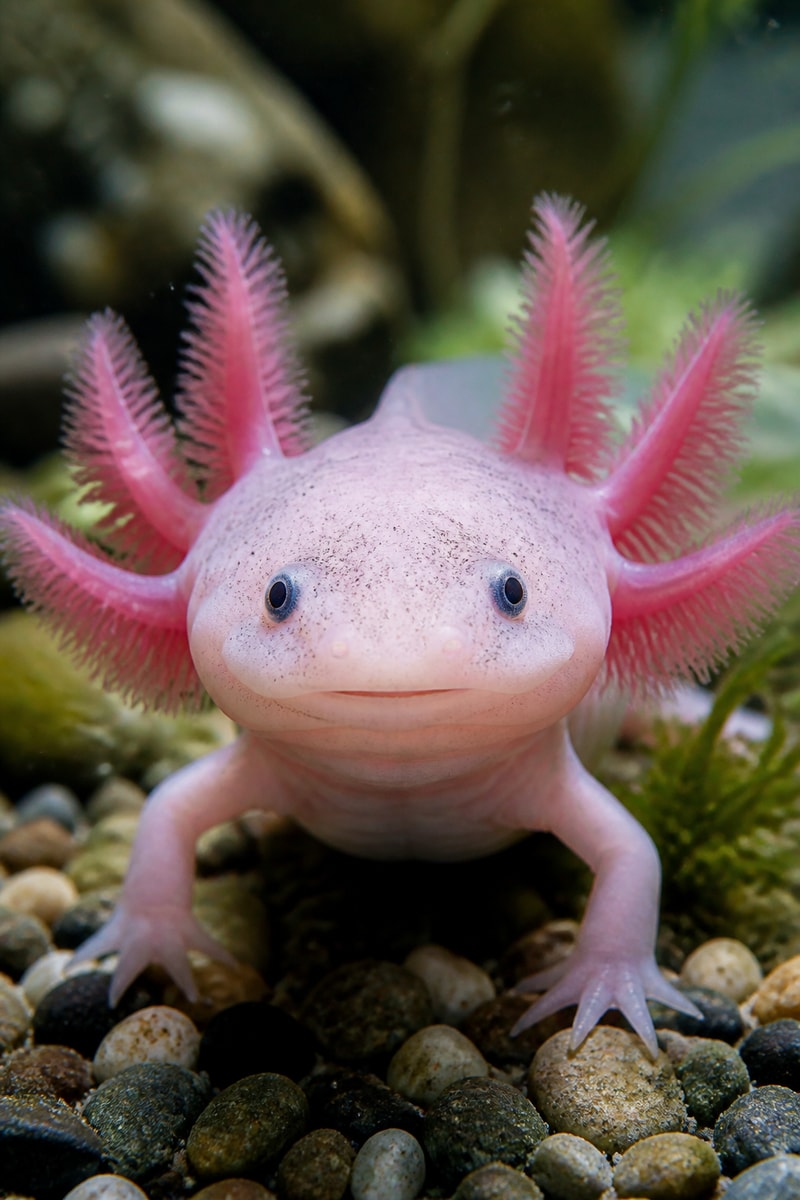
- Axolotlrare • Lake & Canals
- Giant Manta Rayrare • Open Ocean & Reefs
- Hawksbill Turtlerare • Coral Reefs
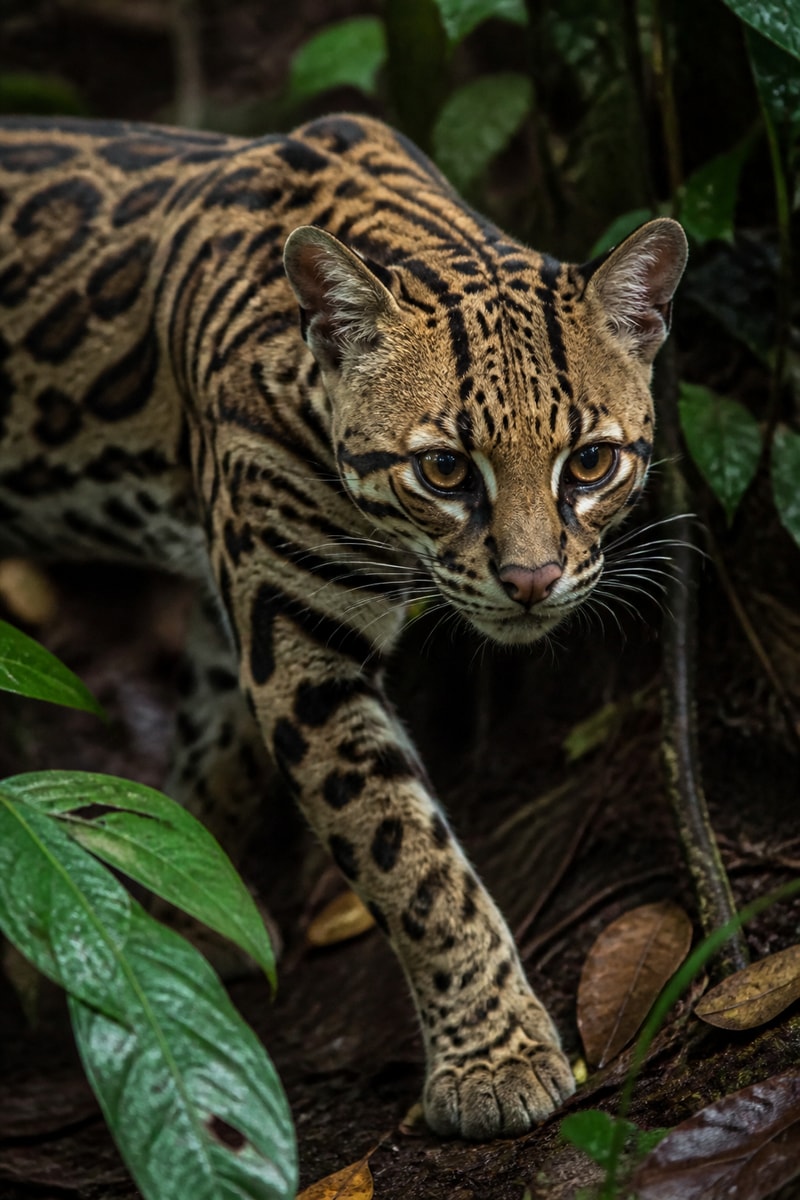
- Ocelotrare • Neotropical Forest
Free on iOS
Catch the Kinkajou
Spot one in the wild, then scan it in Catch'Um to log your rare discovery.