
Field guide · rare
Hawksbill Turtle
The reef's patterned shell — a tropical turtle with a hawk-like beak built for sponges.
Critically Endangered
Eretmochelys imbricata
Overview
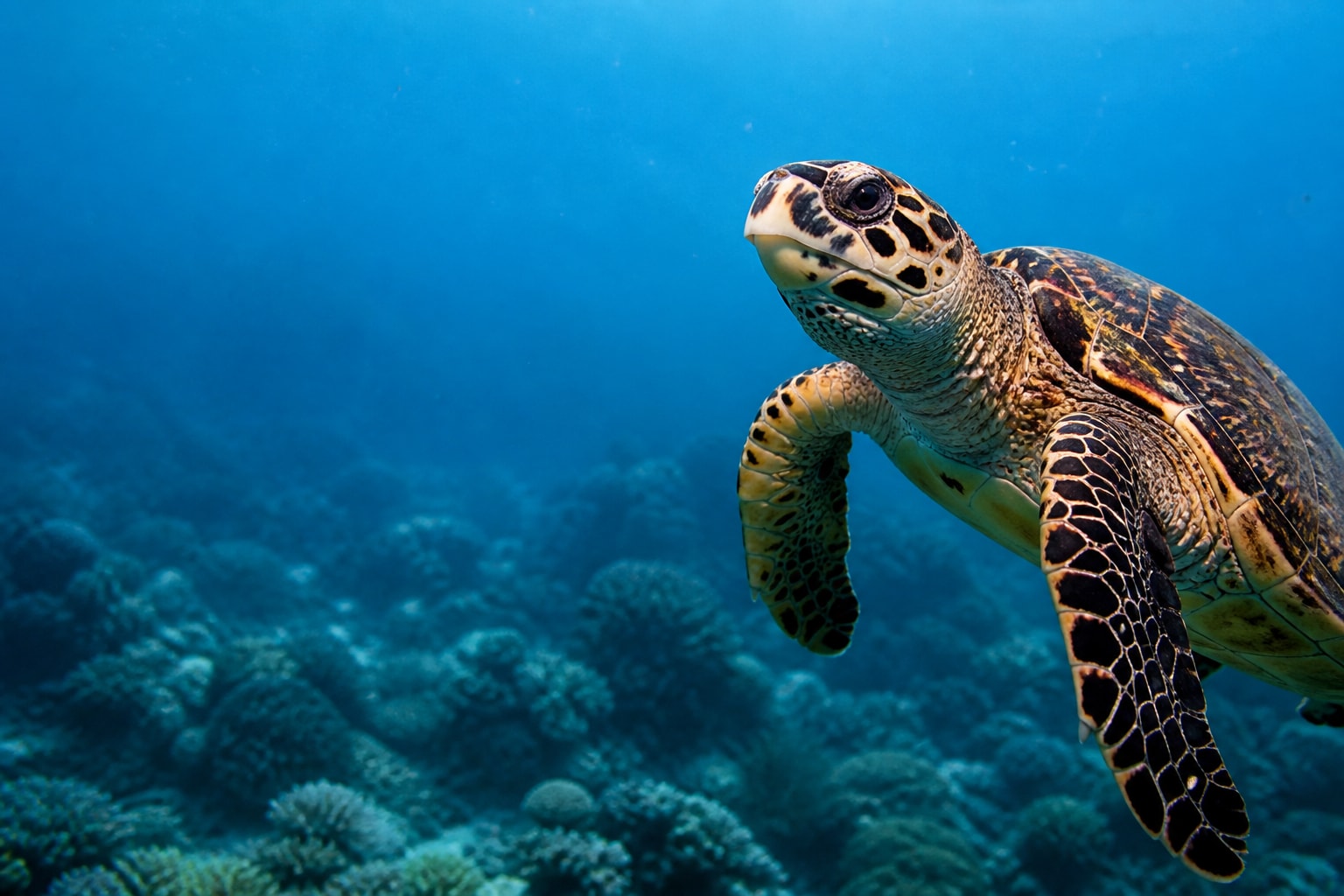
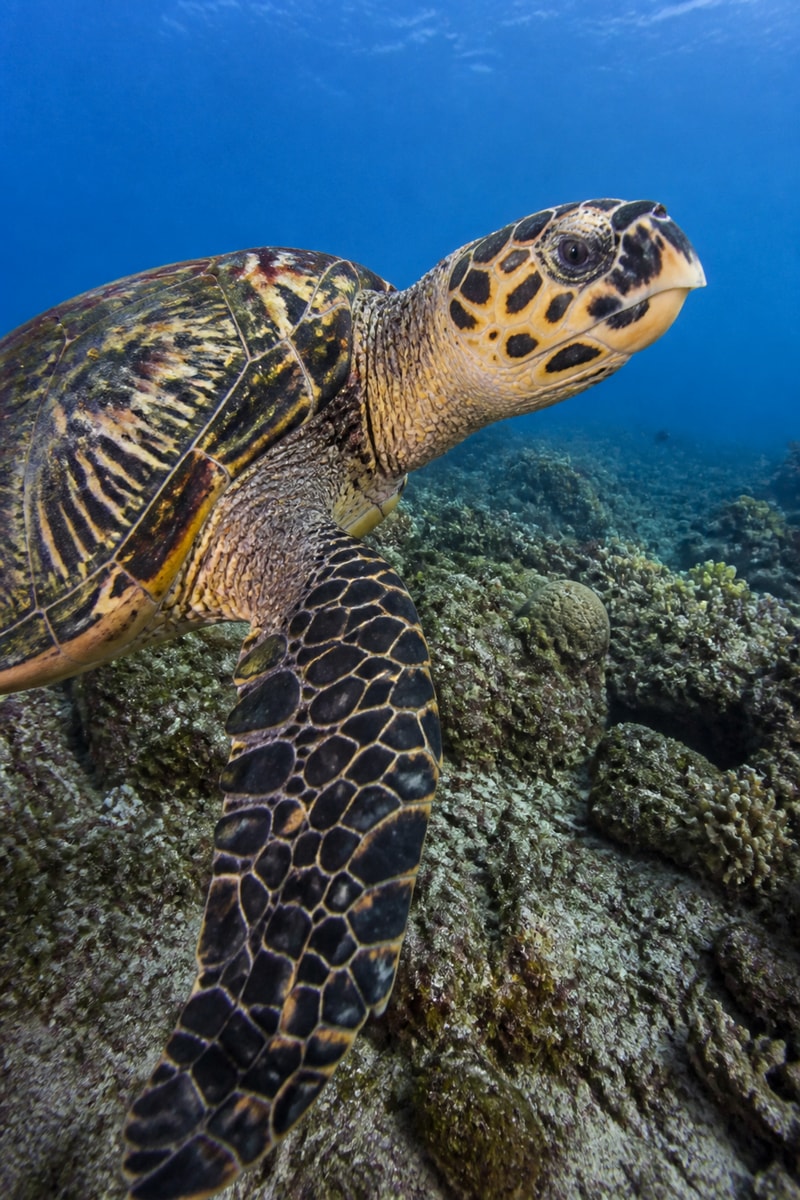
Hawksbill turtles are the artists of the turtle world: overlapping scutes create a beautiful tortoiseshell pattern, and a narrow hooked beak lets them pull sponges from reef crevices. They are smaller and more reef-tied than green turtles.
Adding hawksbills beside the existing green sea turtle gives Catch'Um a clear second turtle identity for Indo-Pacific reefs.
- Scientific nameEretmochelys imbricata
- Length70–90 cm carapace typical
- Weight45–70 kg
- LifespanAround 30–50 years estimated
- DietPrimarily reef sponges
- ConservationCritically Endangered
- RegionCoral Reefs
Habitat
- Coral reefs
- Rocky coasts
- Nesting beaches
Tropical coral reefs, rocky coasts, and nesting beaches across the Indo-Pacific and Atlantic, including waters of Indonesia, Australia, and Mexico.
Field notes
Field scale for the Hawksbill Turtle: length around 70-90 cm carapace typical; weight 45-70 kg. Typical lifespan: Around 30-50 years estimated.
When you are scanning habitat, prioritise coral reefs, rocky coasts, and nesting beaches. Those settings are where a clean look and a usable photo are most likely.
Quick ID anchor: Overlapping amber-and-brown patterned scutes and a narrow hooked beak. Confirm with behaviour and habitat before you log the discovery.
Where to see one
Mexico
In Mexico, start at Sian Ka'an Biosphere Reserve (Quintana Roo). UNESCO coastal wetlands and jungle south of Tulum, where jaguars still use forest corridors between cenotes and the Caribbean coast.
More context on this destination lives on the Mexico expedition page.
Diet
Primarily reef sponges, plus other invertebrates and algae on coral reefs.
Use the hooked beak to extract food from crevices.
Behaviour
Solitary foragers on reefs; migrate between feeding and nesting areas.
Females dig night nests on sandy tropical beaches.
How to identify
Overlapping amber-and-brown patterned scutes and a narrow hooked beak.
Four prefrontal scales on the head; more colourful than a green turtle.
Interesting facts
- 01
Named for a narrow hawk-like beak.
- 02
Overlapping shell scutes create classic tortoiseshell patterning.
- 03
They specialise on sponges that few other animals eat.
- 04
Smaller and more colourful than green turtles.
- 05
Nesting females return to tropical beaches at night.
- 06
Illegal tortoiseshell trade has devastated populations.
Conservation status
Hawksbill turtles are Critically Endangered. Hunting for tortoiseshell, bycatch, and reef degradation drive declines. Nesting beach protection and trade bans are essential.
Sources: IUCN Red List
Keep exploring
Where it lives
Related discoveries
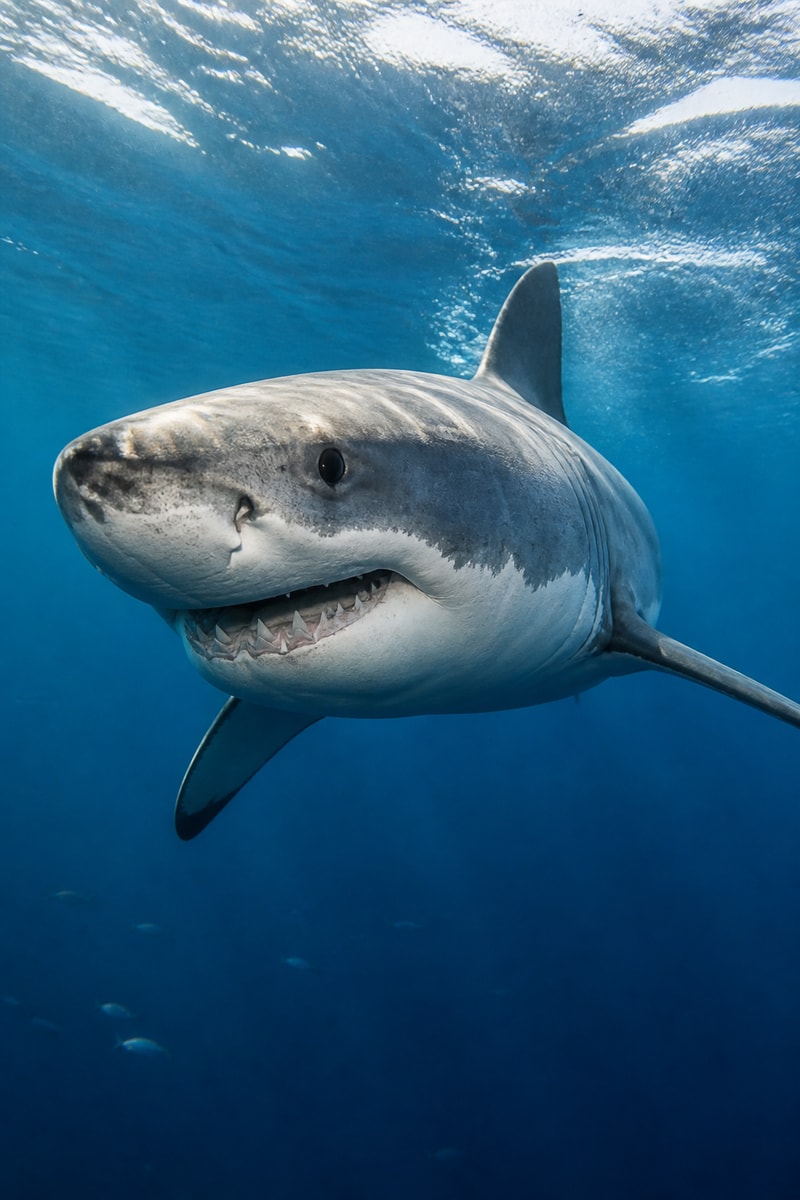
- Great White Sharklegendary • Coastal Ocean
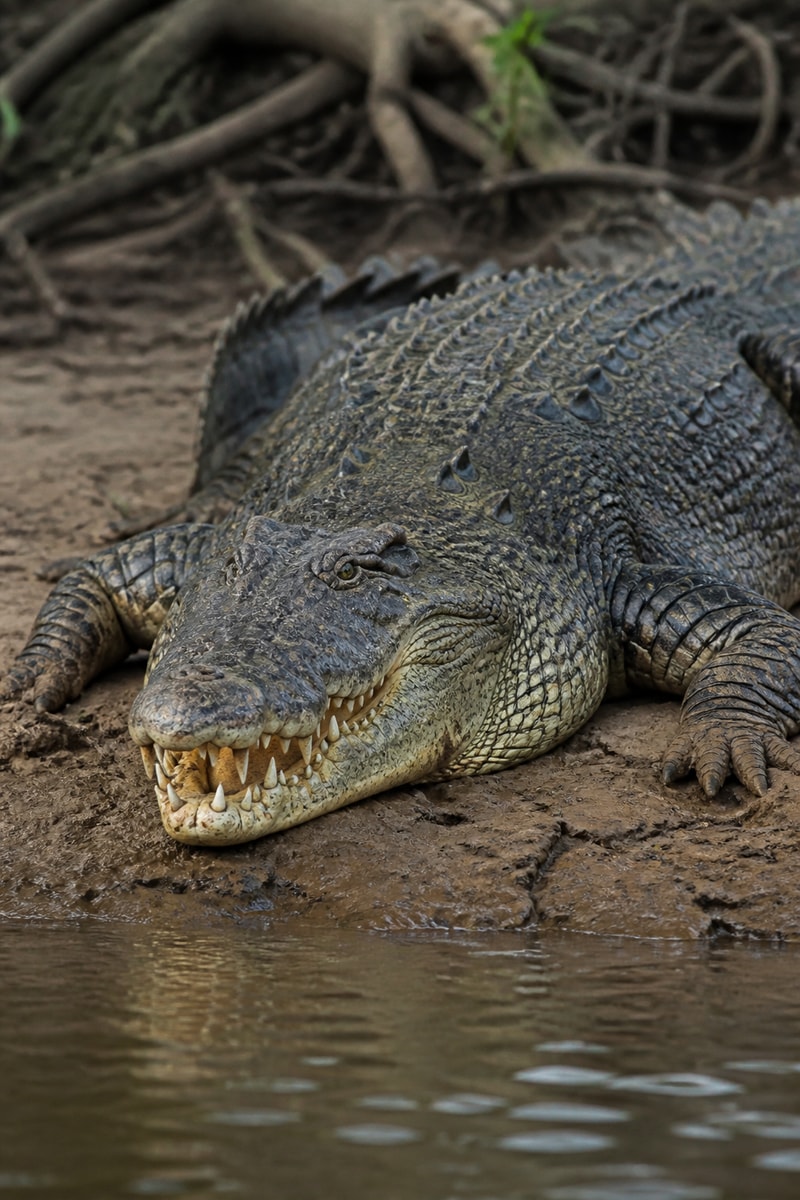
- Saltwater Crocodilelegendary • Estuaries & Coast
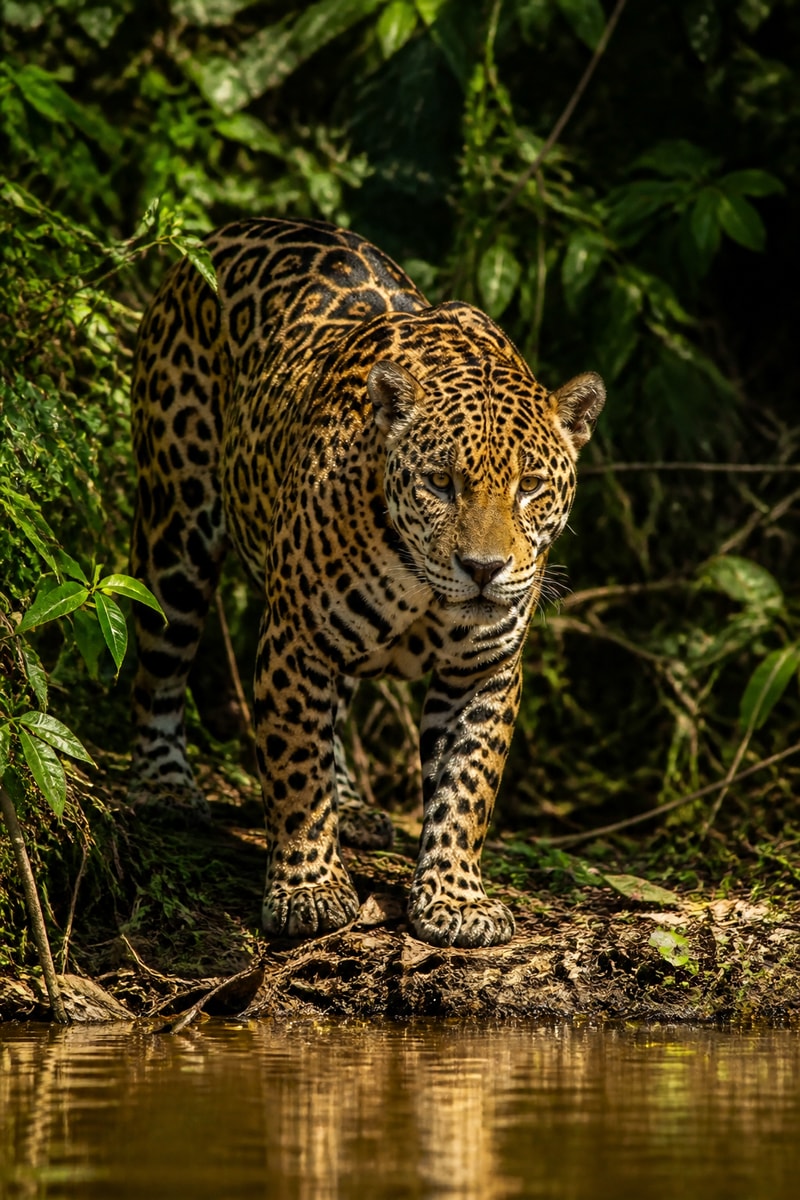
- Jaguarlegendary • Rainforest & Wetland
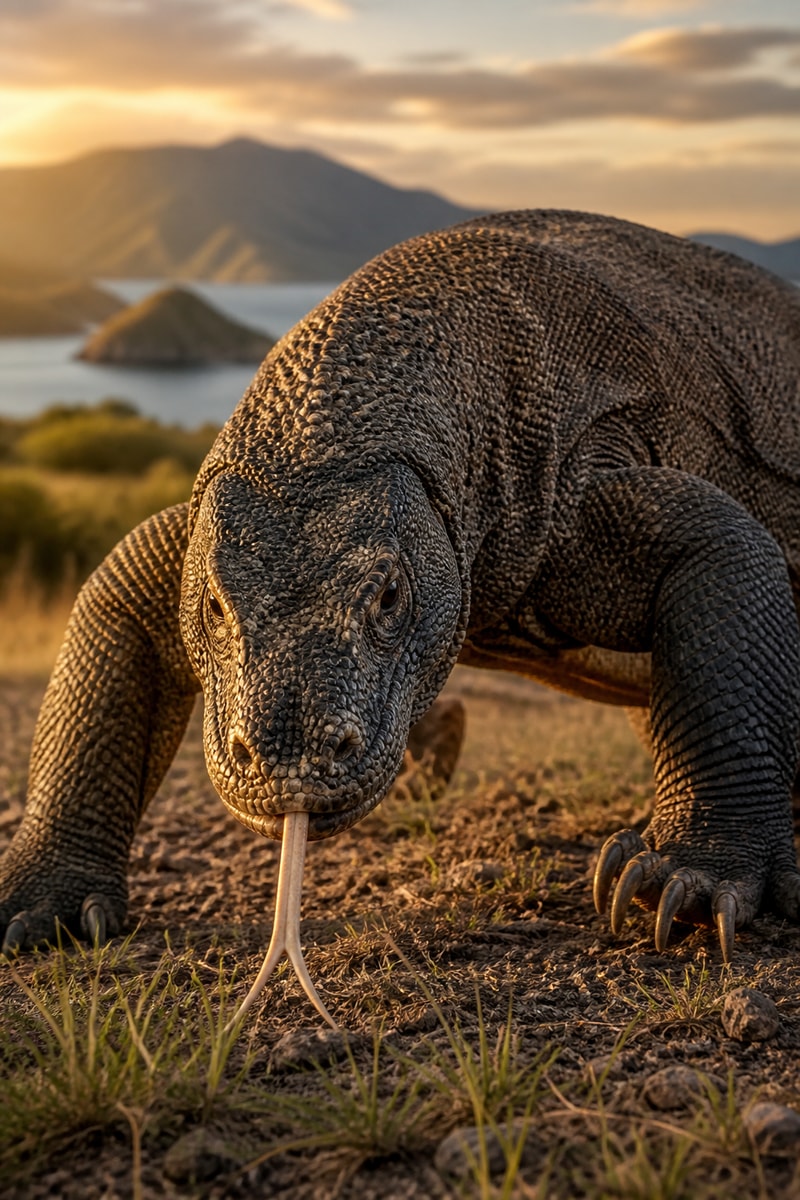
- Komodo Dragonlegendary • Komodo Islands
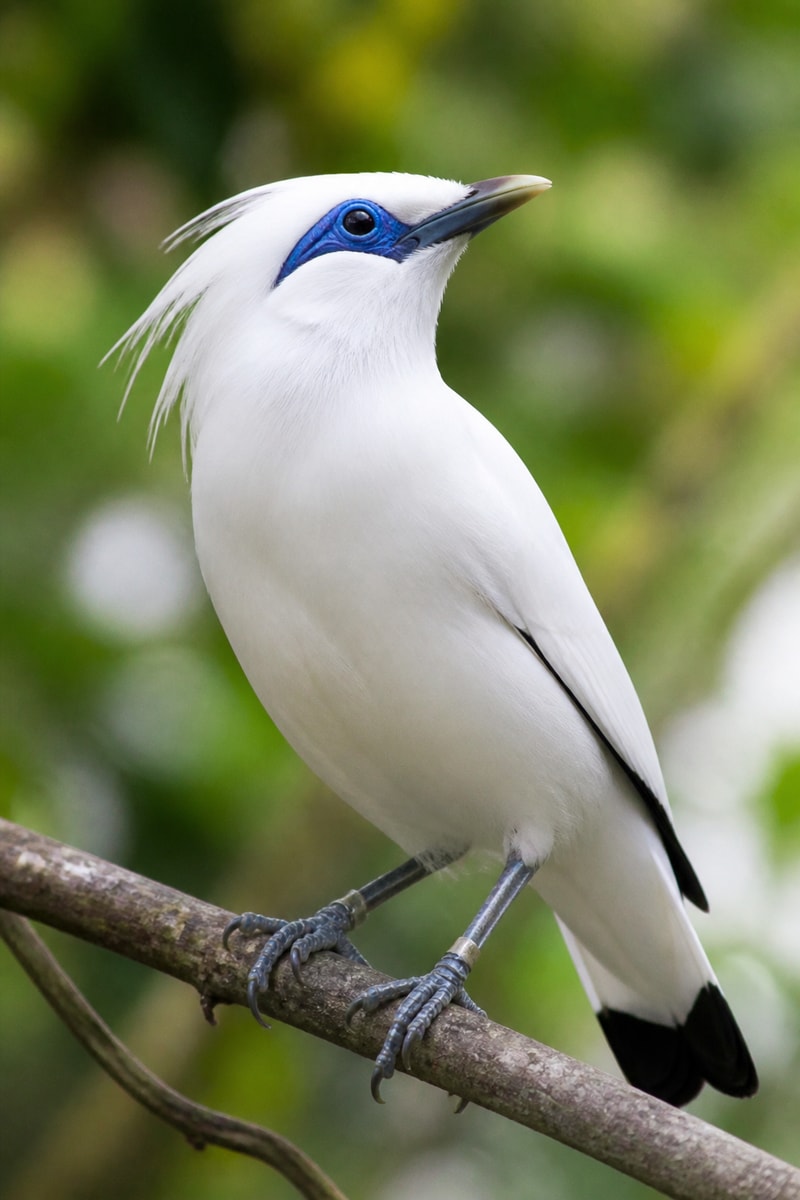
- Bali Starlinglegendary • Bali
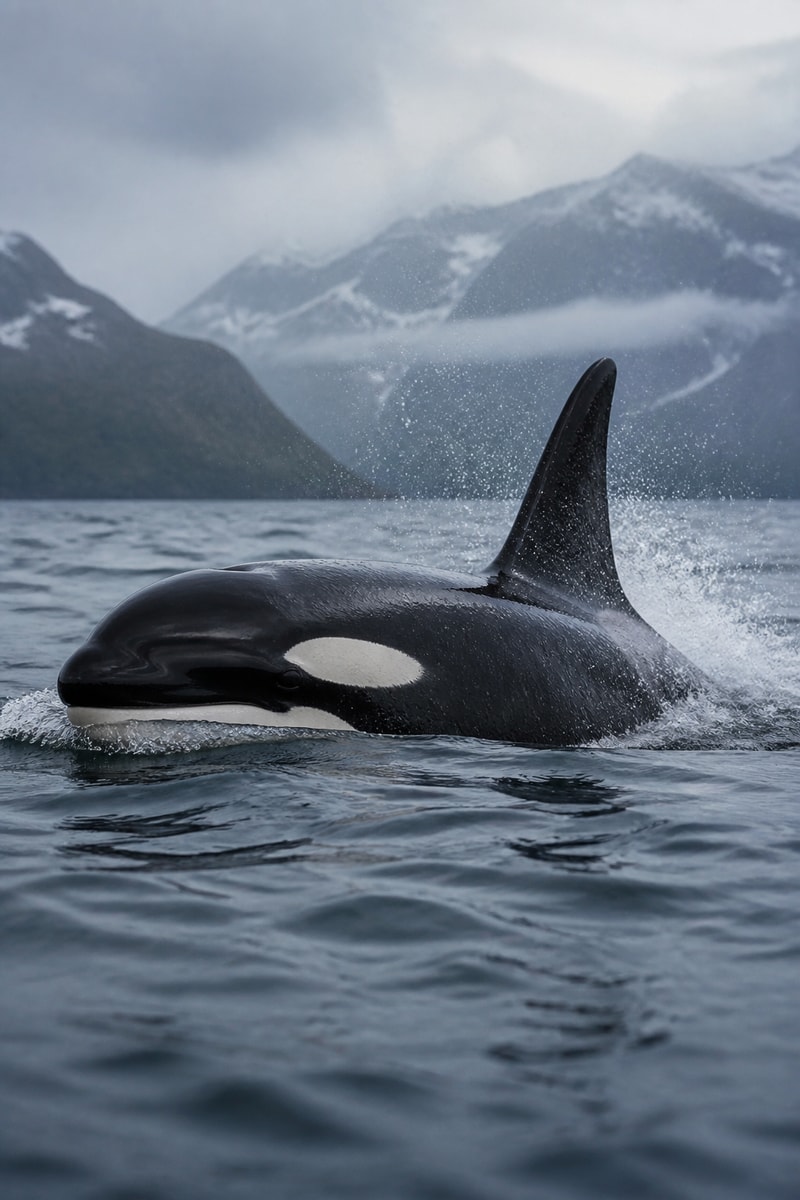
- Orcalegendary • Coastal Ocean
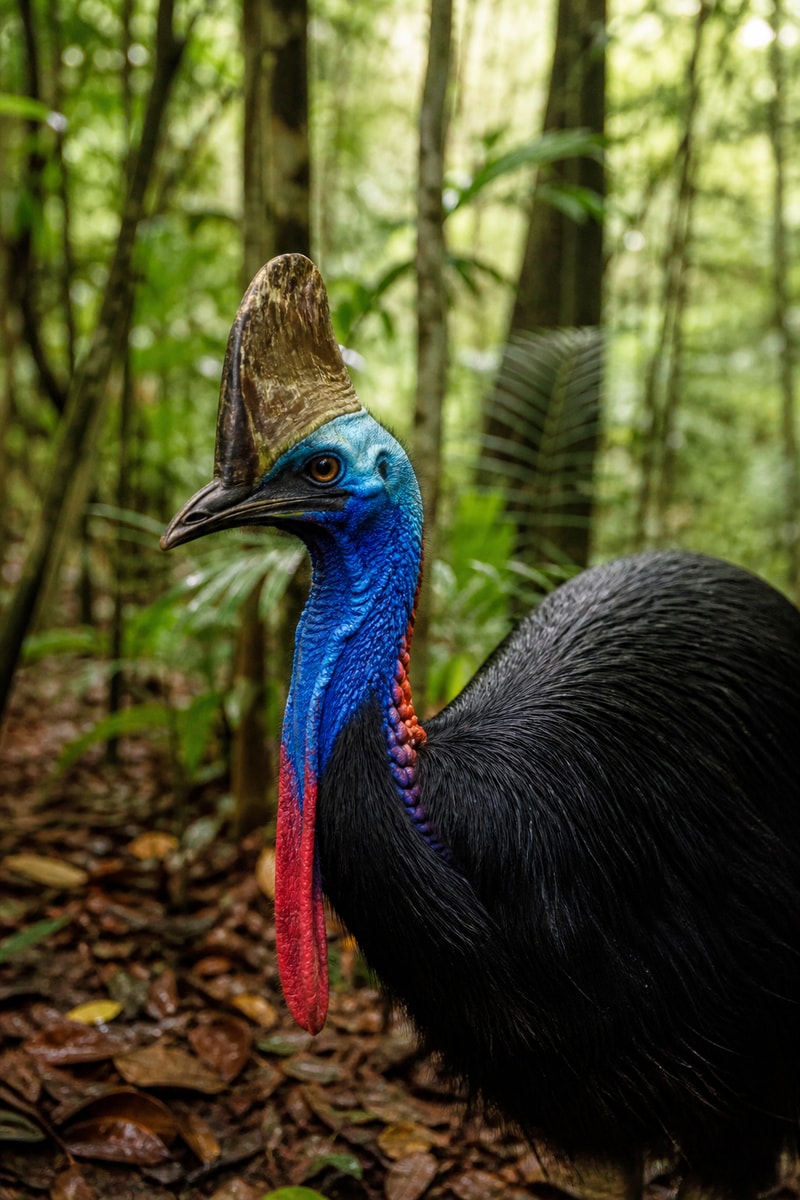
- Southern Cassowarylegendary • Rainforest
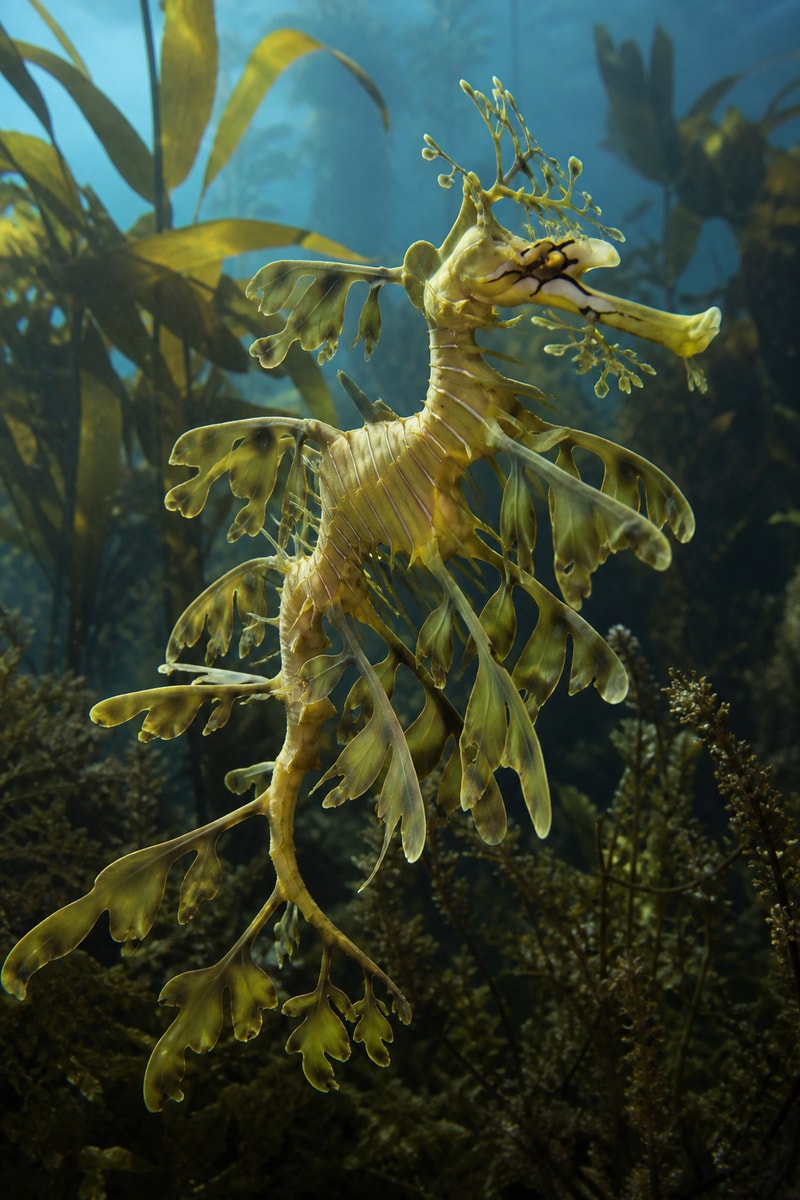
- Leafy Sea Dragonlegendary • Kelp & Seagrass
Free on iOS
Catch the Hawksbill Turtle
Spot one in the wild, then scan it in Catch'Um to log your rare discovery.