
Field guide · rare
Giant Manta Ray
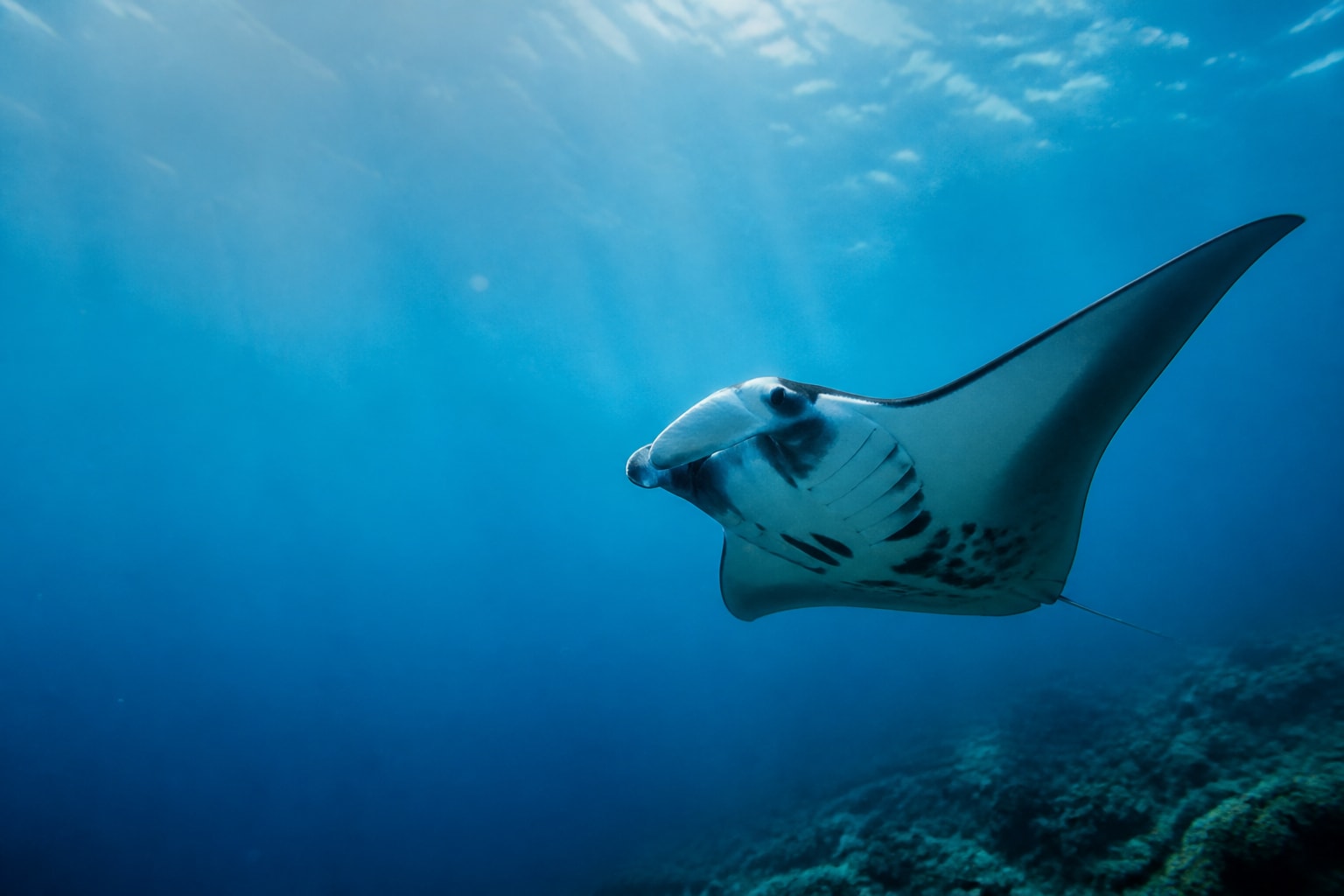
Ocean wings — the largest ray, gliding through blue water with a wingspan that can top seven metres.
Endangered
Mobula birostris
Overview
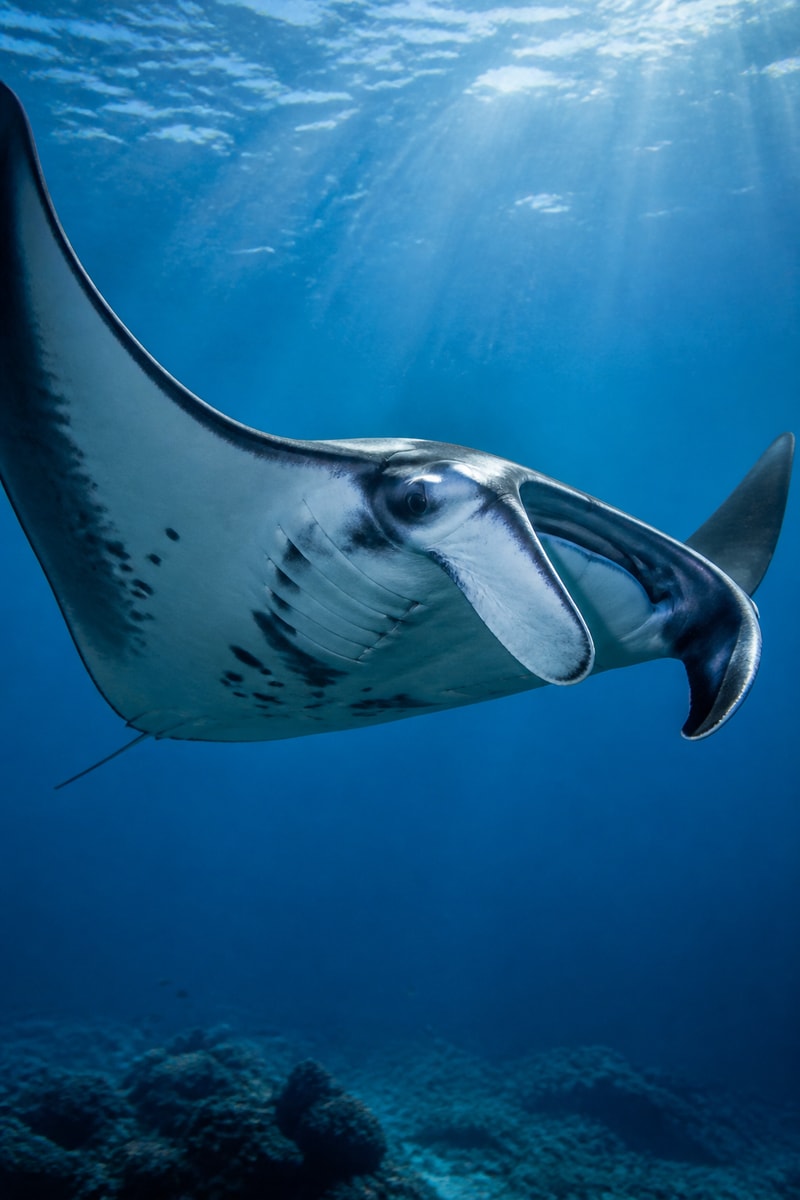
Giant manta rays are the largest rays in the ocean, soaring on vast triangular pectoral fins and filtering plankton through cavernous mouths. Cephalic fins unroll like horns when feeding, giving them an almost otherworldly silhouette.
Diving with mantas on Indonesian or Australian reefs is a bucket-list marine moment — and a visually spectacular Catch'Um card.
- Scientific nameMobula birostris
- LengthWingspan typically 4–7 m
- WeightUp to about 2 tonnes
- LifespanAround 40 years estimated
- DietFilter-feeders that…
- ConservationEndangered
- RegionOpen Ocean & Reefs
Habitat
- Coral reefs
- Open ocean
- Upwellings
Giant mantas roam tropical and subtropical oceans, visiting cleaning stations on reefs and productive upwellings where plankton gathers. Indonesia, Australia, and Mexico's Pacific coast are among well-known encounter regions.
Field notes
Field scale for the Giant Manta Ray: length around Wingspan typically 4-7 m; weight Up to about 2 tonnes. Typical lifespan: Around 40 years estimated.
When you are scanning habitat, prioritise coral reefs, open ocean, and upwellings. Those settings are where a clean look and a usable photo are most likely.
Quick ID anchor: Vast diamond-shaped ray with wing-like pectoral fins and two cephalic lobes at the mouth. Confirm with behaviour and habitat before you log the discovery.
Where to see one
Indonesia
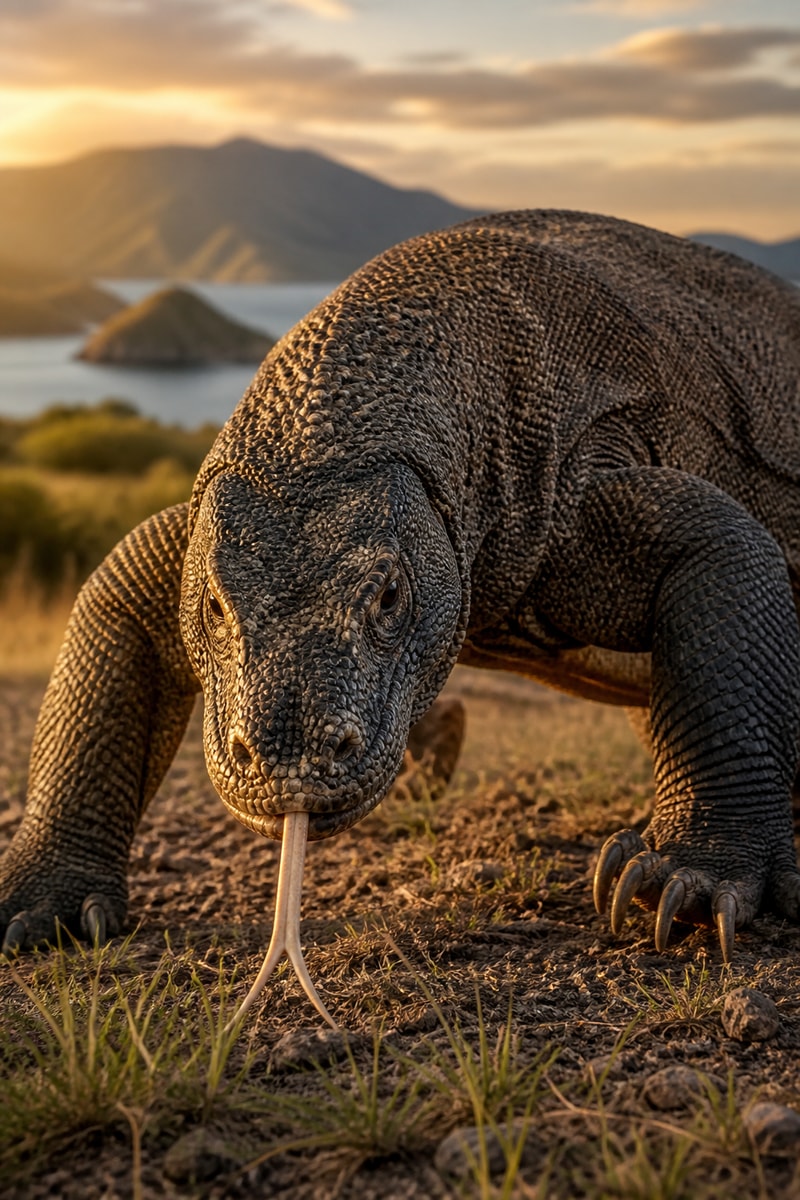
In Indonesia, start at Komodo National Park (East Nusa Tenggara). The only place on Earth to see wild Komodo dragons, patrolling savanna hillsides between pink-sand beaches and manta-filled reefs.
More context on this destination lives on the Indonesia expedition page.
Diet
Filter-feeders that consume zooplankton, scooped while swimming with mouths wide open.
Often aggregate where currents concentrate plankton.
Behaviour
Solitary or loosely social; return to familiar cleaning stations and feeding sites.
May breach, somersault, or barrel-roll while feeding.
How to identify
Vast diamond-shaped ray with wing-like pectoral fins and two cephalic lobes at the mouth.
Dark dorsal surface, pale underside with unique spot patterns; no venomous tail spine.
Interesting facts
- 01
Giant manta rays can have wingspans over 7 metres.
- 02
They are filter-feeders that eat tiny plankton, not people.
- 03
Cephalic fins roll into 'horns' when swimming and unfurl to funnel food.
- 04
Each manta's belly spot pattern is unique.
- 05
They visit reef cleaning stations where small fish remove parasites.
- 06
Despite their size, they can leap clear of the water.
Conservation status
Giant manta rays are Endangered. Targeted and bycatch fisheries for gill plates, plus boat strikes, threaten slow-reproducing populations. Marine protected areas and fishing bans are key to recovery.
Sources: IUCN Red List
Keep exploring
Where it lives
Related discoveries
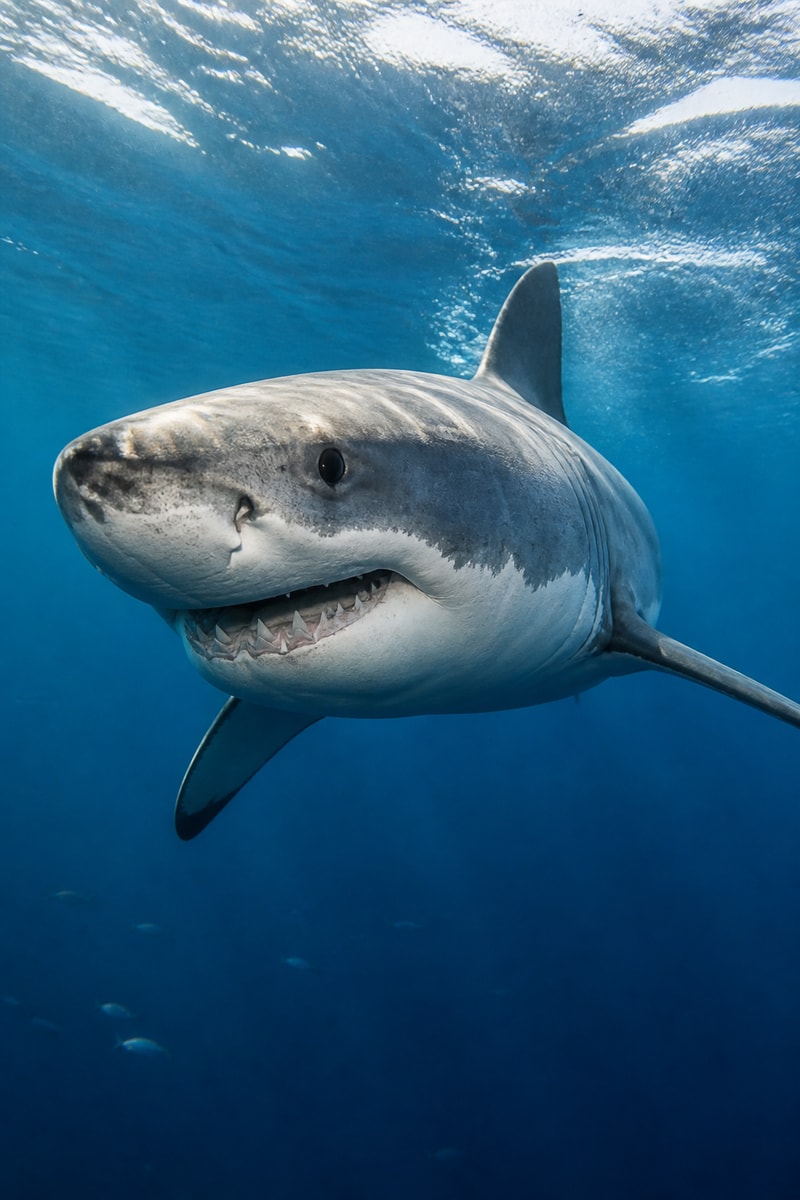
- Great White Sharklegendary • Coastal Ocean
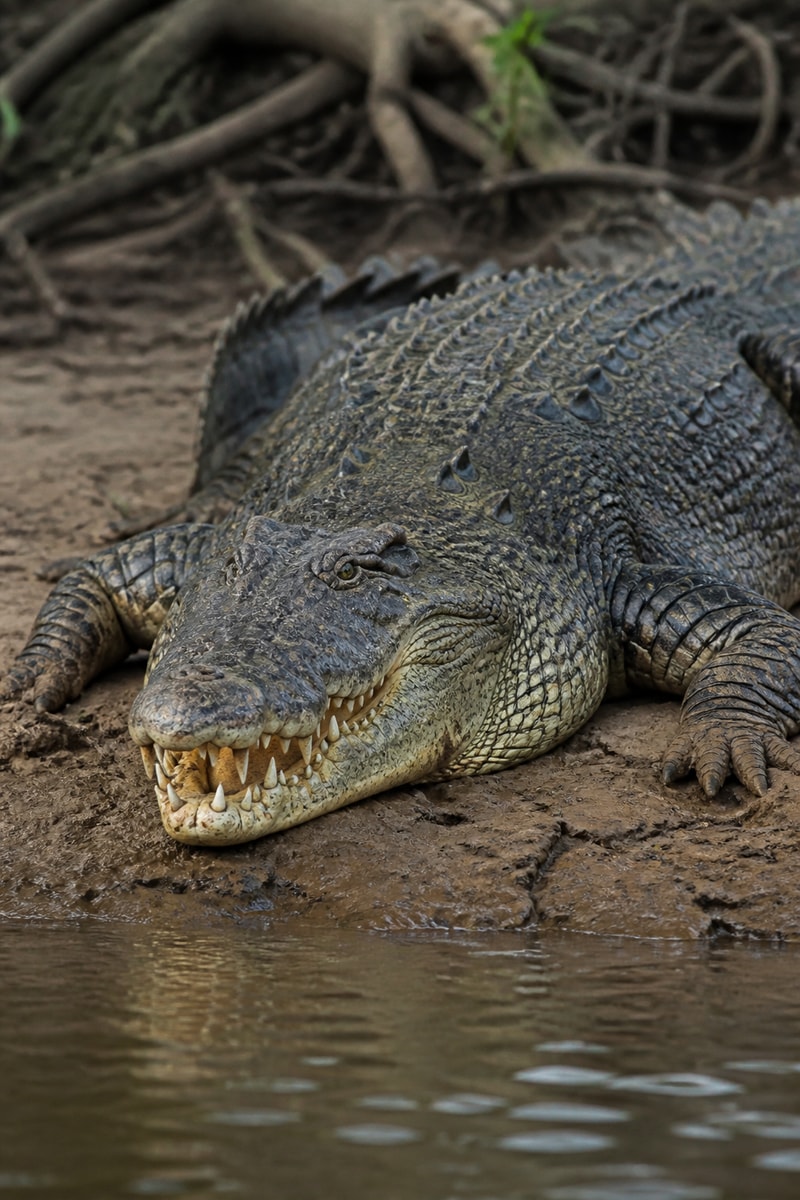
- Saltwater Crocodilelegendary • Estuaries & Coast
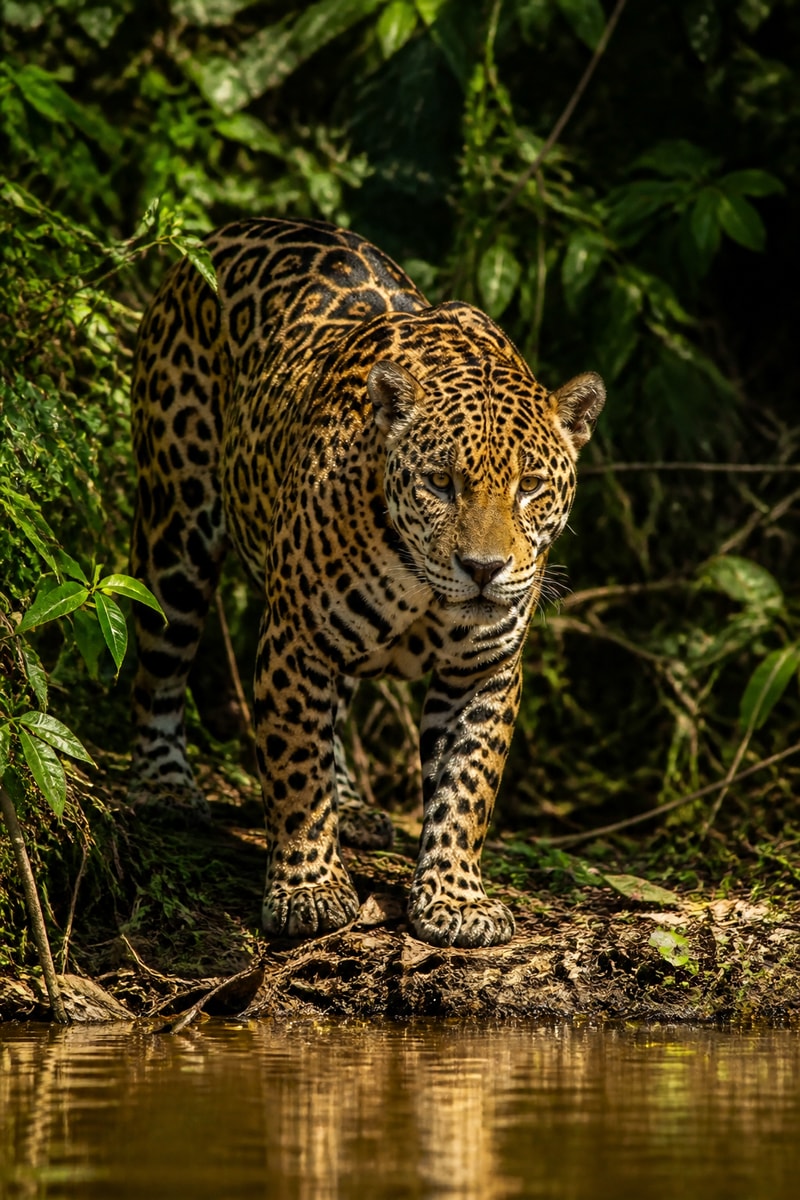
- Jaguarlegendary • Rainforest & Wetland
- Komodo Dragonlegendary • Komodo Islands
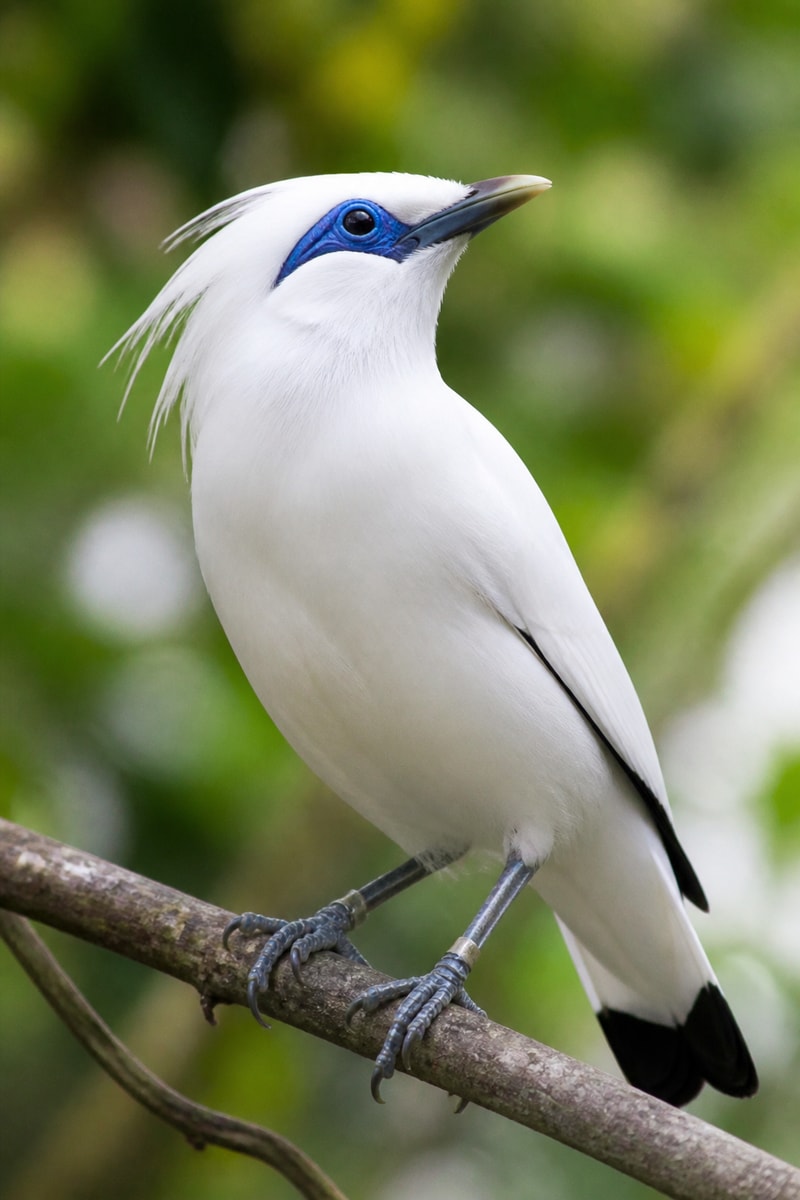
- Bali Starlinglegendary • Bali
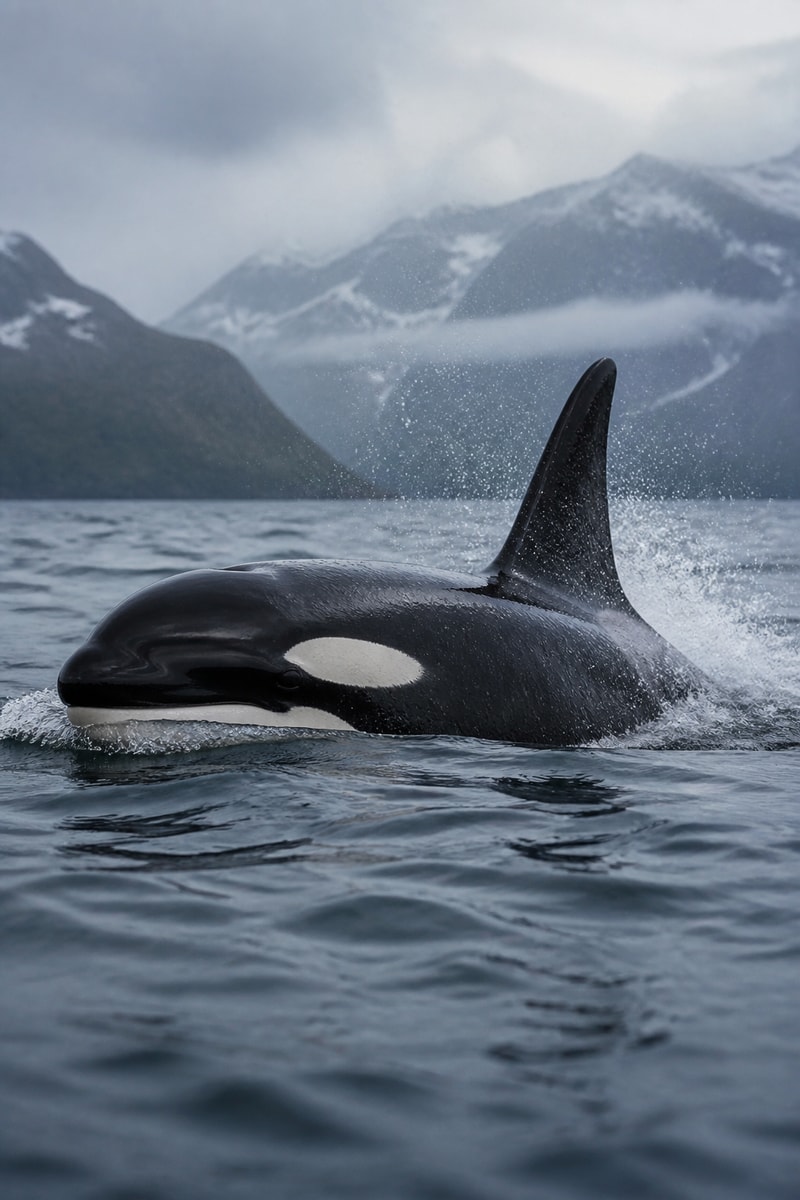
- Orcalegendary • Coastal Ocean
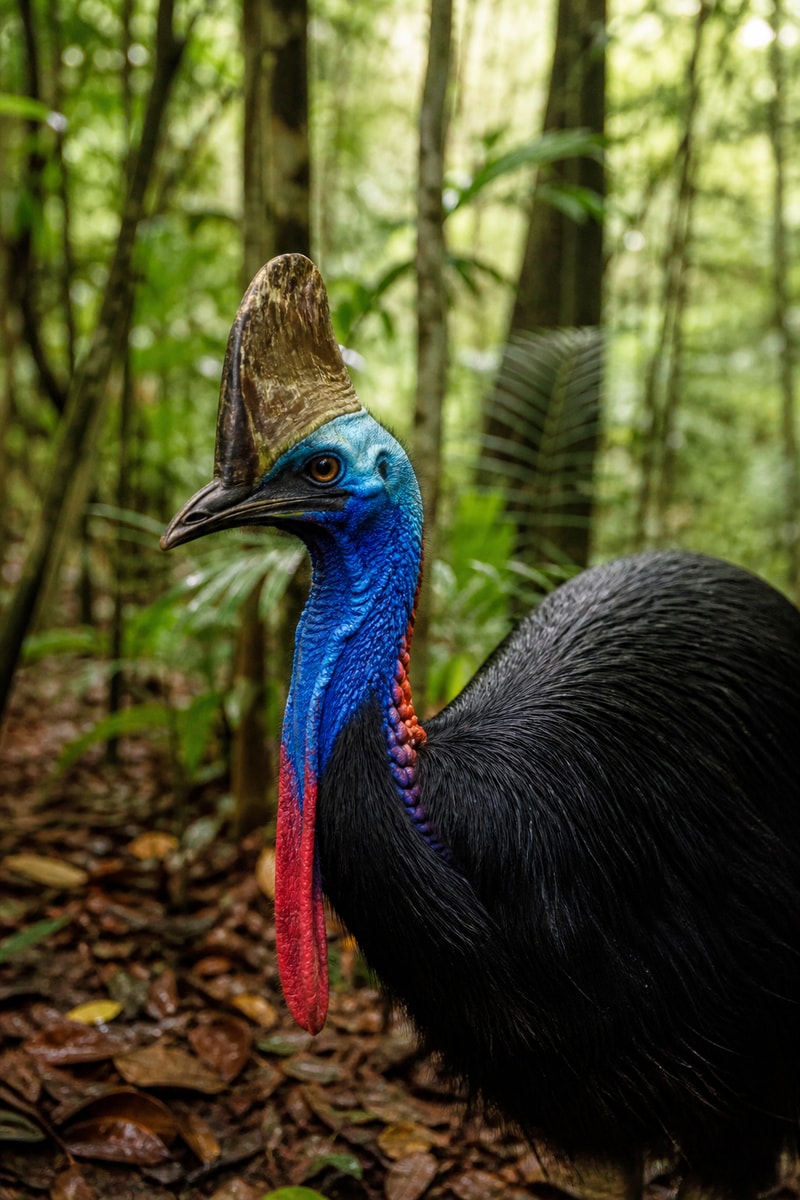
- Southern Cassowarylegendary • Rainforest
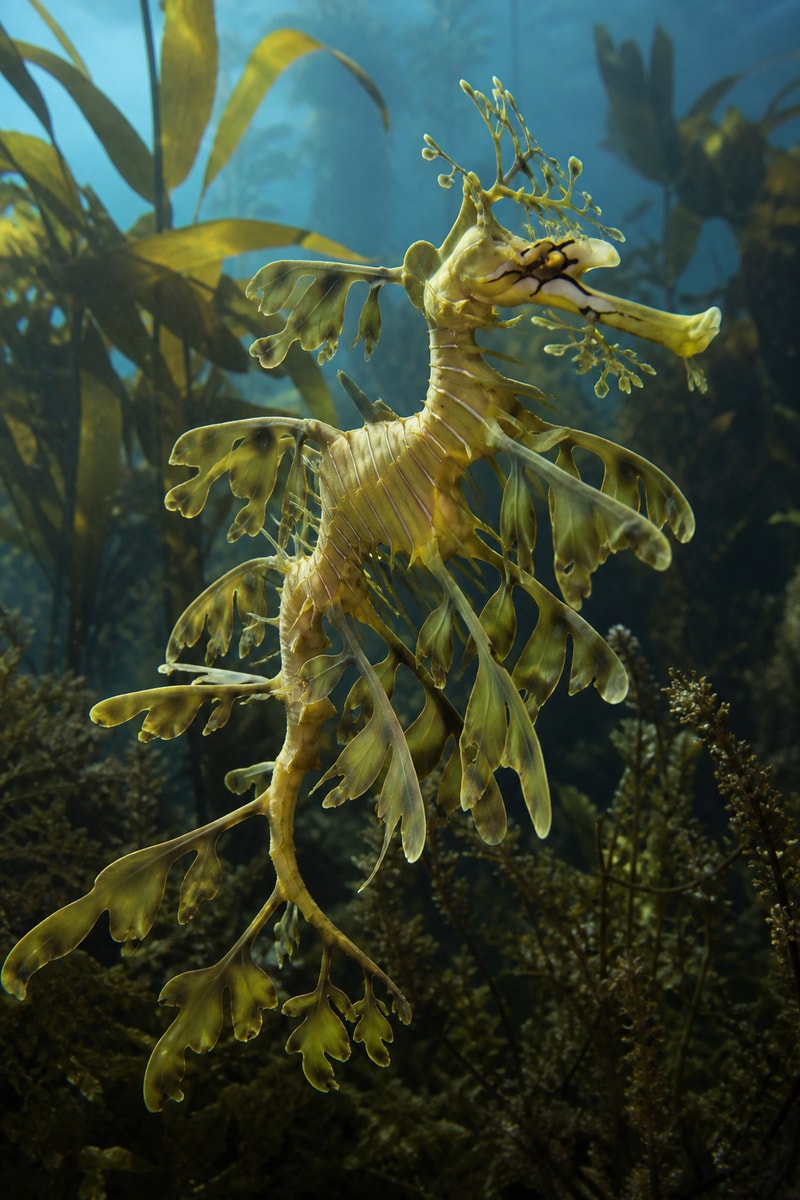
- Leafy Sea Dragonlegendary • Kelp & Seagrass
Free on iOS
Catch the Giant Manta Ray
Spot one in the wild, then scan it in Catch'Um to log your rare discovery.