
Field guide · common
Red-eyed Tree Frog
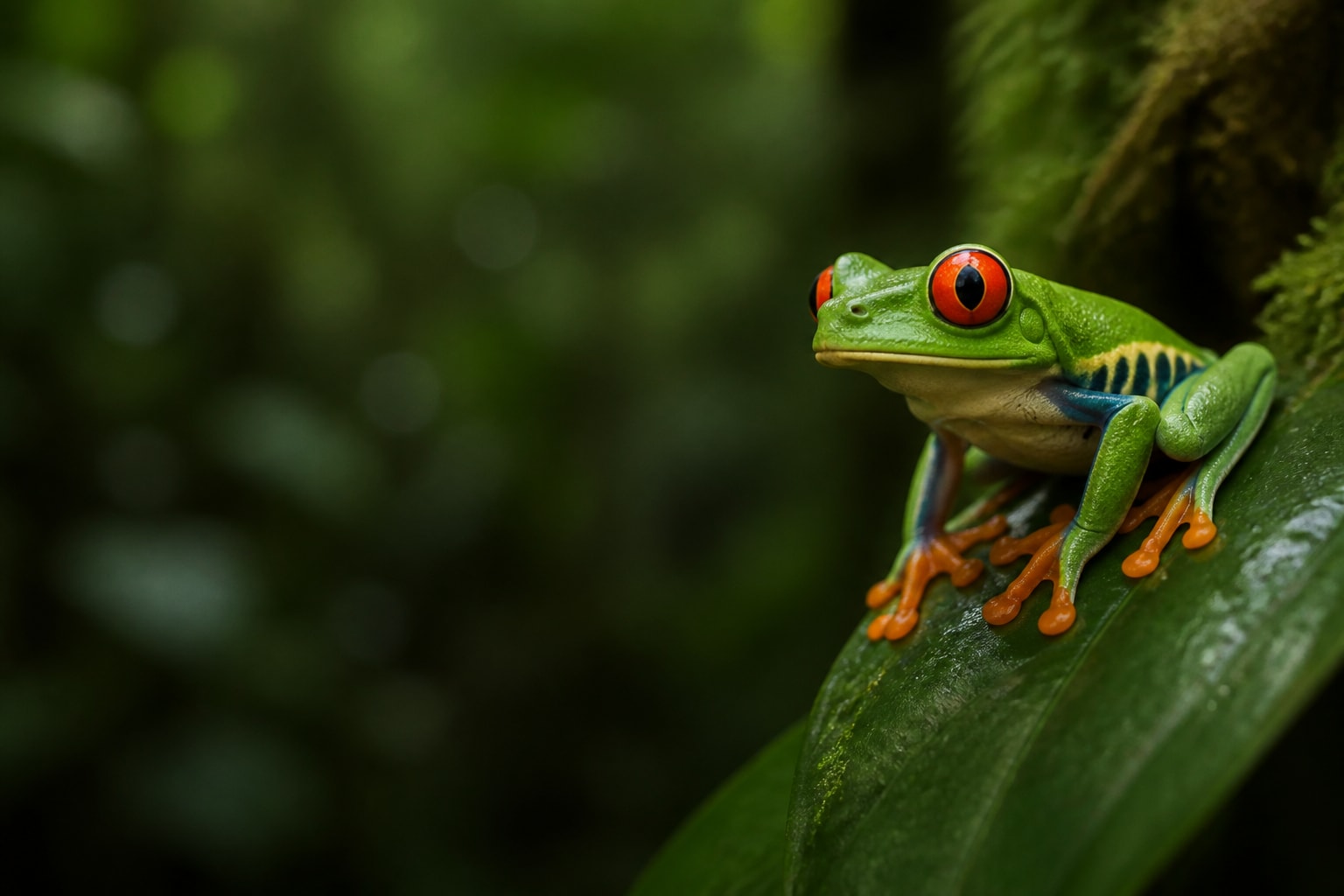
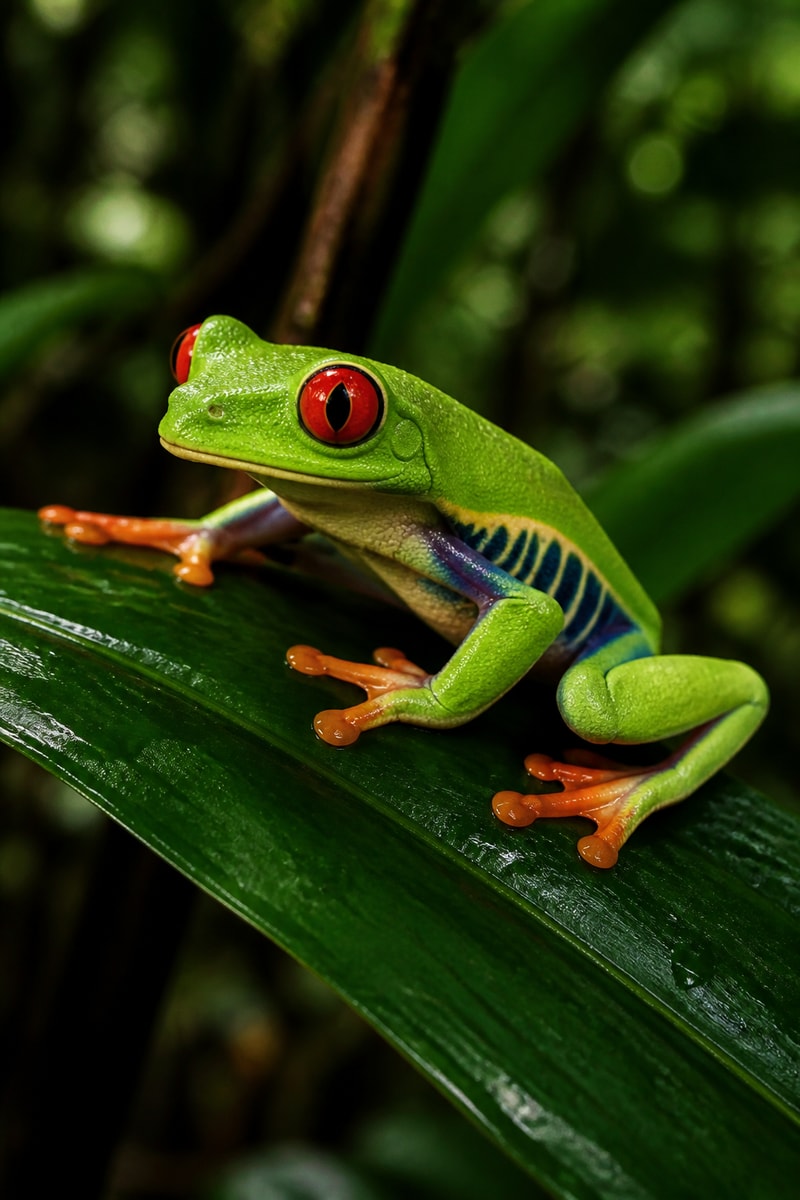
Costa Rica's jewel frog — neon green, scarlet eyes, and blue-and-orange flanks that flash when it leaps.
Least Concern
Agalychnis callidryas
Overview
The red-eyed tree frog is one of the most recognisable amphibians on Earth. By day it sleeps flat against leaves with eyes closed; at night those scarlet eyes open and it hunts insects among wet rainforest foliage.
For Costa Rica collectors, a frog on a broad leaf after rain is the classic tropical discovery — small, vivid, and perfect for Catch'Um cards.
- Scientific nameAgalychnis callidryas
- Length4–7 cm
- WeightAround 5–15 g
- LifespanAround 3–5 years in the wild; longer in captivity
- DietInsectivore
- ConservationLeast Concern
- RegionRainforest Canopy
Where to see them
Habitat
- Tropical rainforest
- Forest pools
- Canopy foliage
Humid lowland and foothill rainforest from southern Mexico through Central America, especially near ponds and slow streams where eggs are laid on leaves overhanging water.
Field notes
Field scale for the Red-eyed Tree Frog: length around 4-7 cm; weight Around 5-15 g. Typical lifespan: Around 3-5 years in the wild; longer in captivity.
When you are scanning habitat, prioritise tropical rainforest, forest pools, and canopy foliage. Those settings are where a clean look and a usable photo are most likely.
Quick ID anchor: Bright green upperparts, huge red eyes with vertical pupils, blue-and-yellow striped flanks, and orange toes. Confirm with behaviour and habitat before you log the discovery.
Where to see one
Costa Rica
In Costa Rica, start at Monteverde Cloud Forest (Puntarenas). Misty canopy bridges and moss-draped trees, with sloths, quetzals, and hummingbirds in cool highland forest.
More context on this destination lives on the Costa Rica expedition page.
Diet
Nocturnal insectivores taking moths, flies, crickets, and other small arthropods.
Ambush from leaves and branches in the wet canopy.
Behaviour
Sleep camouflaged by day; become active after dusk in humid weather.
Males call near breeding pools; pairs place egg clutches on overhanging leaves.
How to identify
Bright green upperparts, huge red eyes with vertical pupils, blue-and-yellow striped flanks, and orange toes.
Smooth skin and large adhesive toe pads.
Interesting facts
- 01
Bright red eyes may startle predators when the frog suddenly opens them (deimatic display).
- 02
Eggs are laid on leaves above water; tadpoles drop in when they hatch.
- 03
Blue-and-orange flanks are hidden until the frog jumps.
- 04
They are nocturnal and sleep pressed flat to leaf undersides by day.
- 05
Toe pads let them cling to smooth wet leaves.
- 06
Despite the famous look, they are not highly toxic like poison dart frogs.
Conservation status
Red-eyed tree frogs are Least Concern but sensitive to deforestation and water pollution. Intact humid forest in Costa Rica keeps wild populations healthy.
Sources: IUCN Red List
Keep exploring
Related discoveries
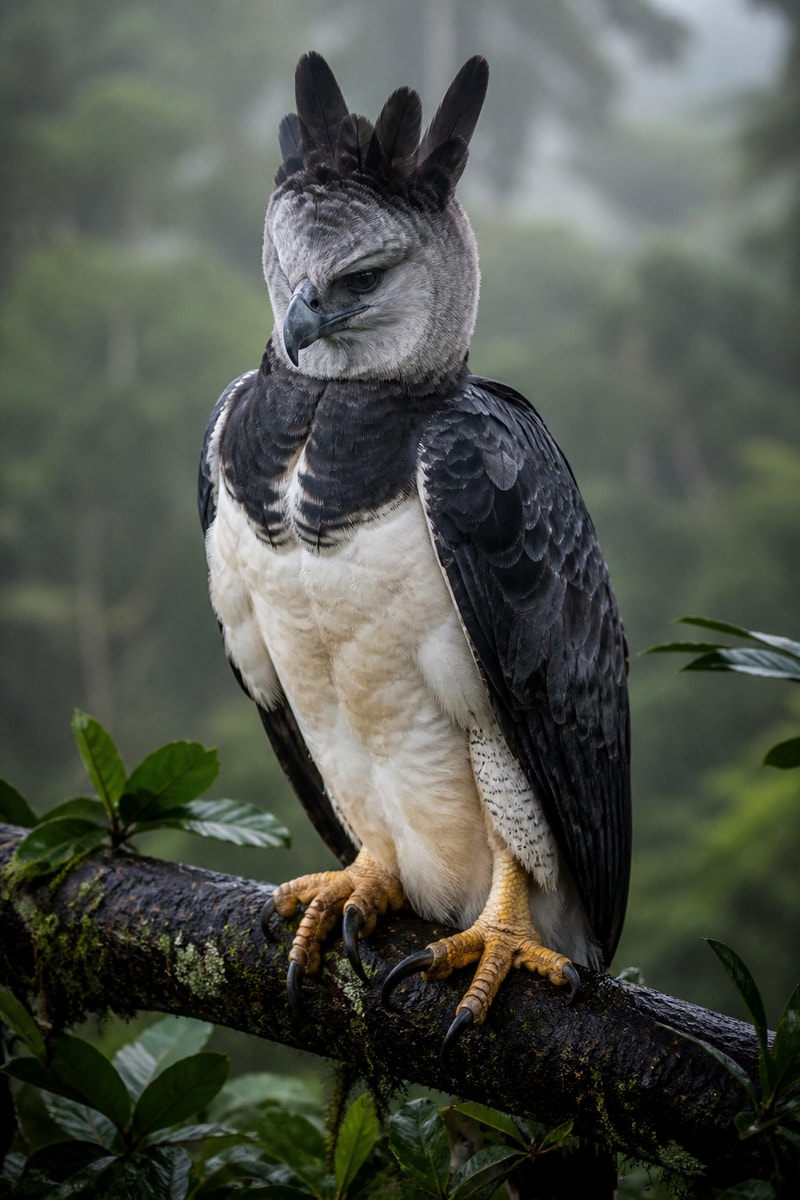
- Harpy Eaglelegendary • Rainforest Canopy
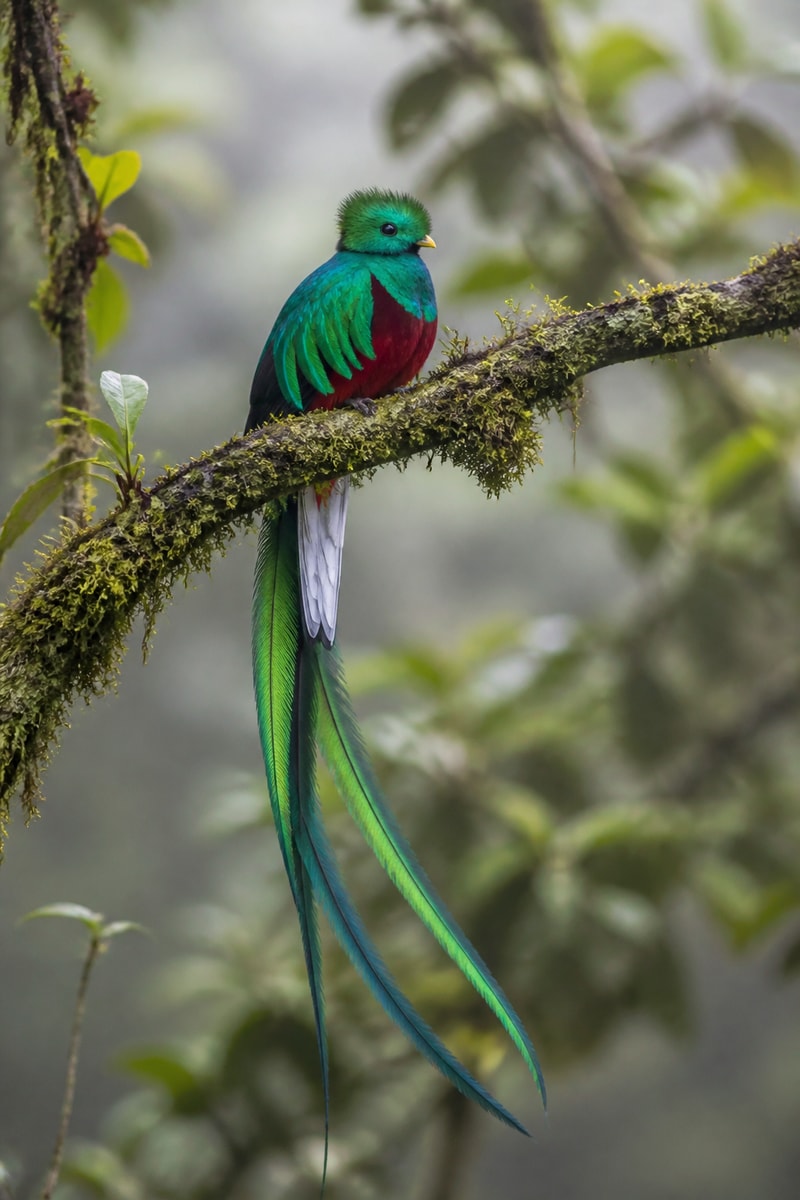
- Resplendent Quetzallegendary • Cloud Forest
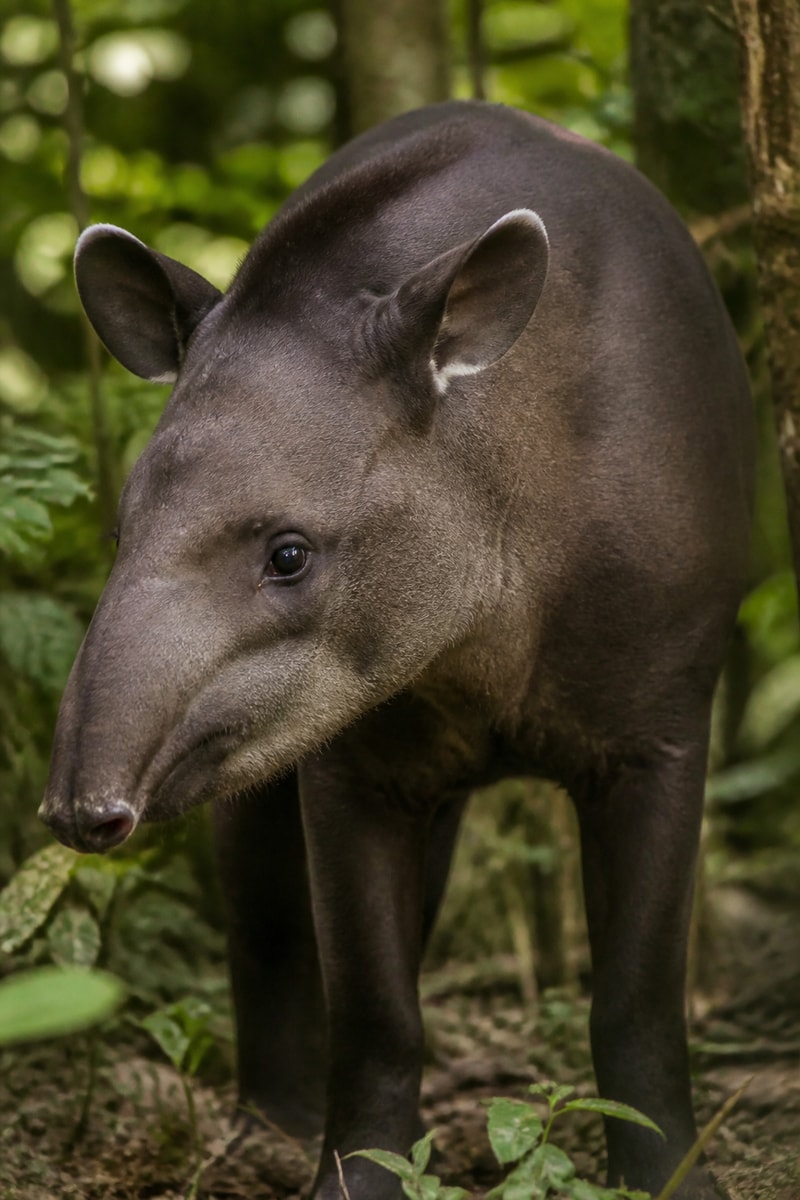
- Baird's Tapirlegendary • Central American Forest
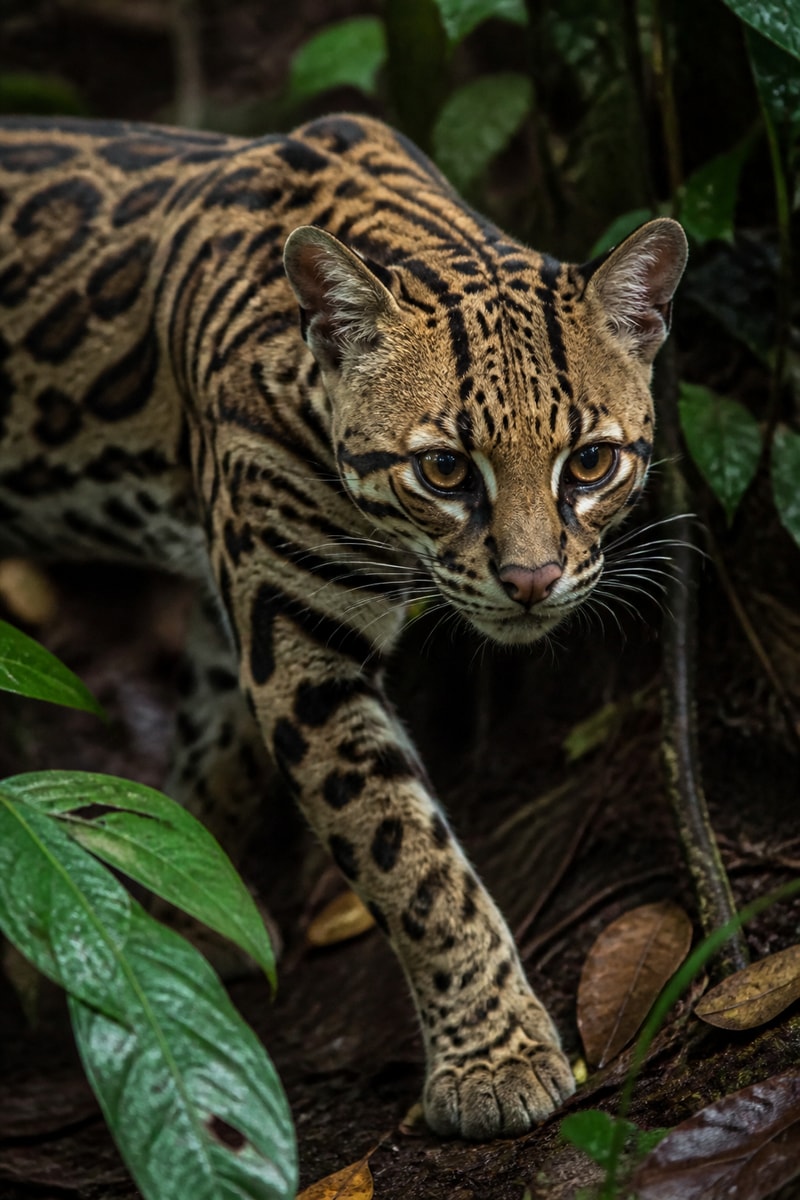
- Ocelotrare • Neotropical Forest
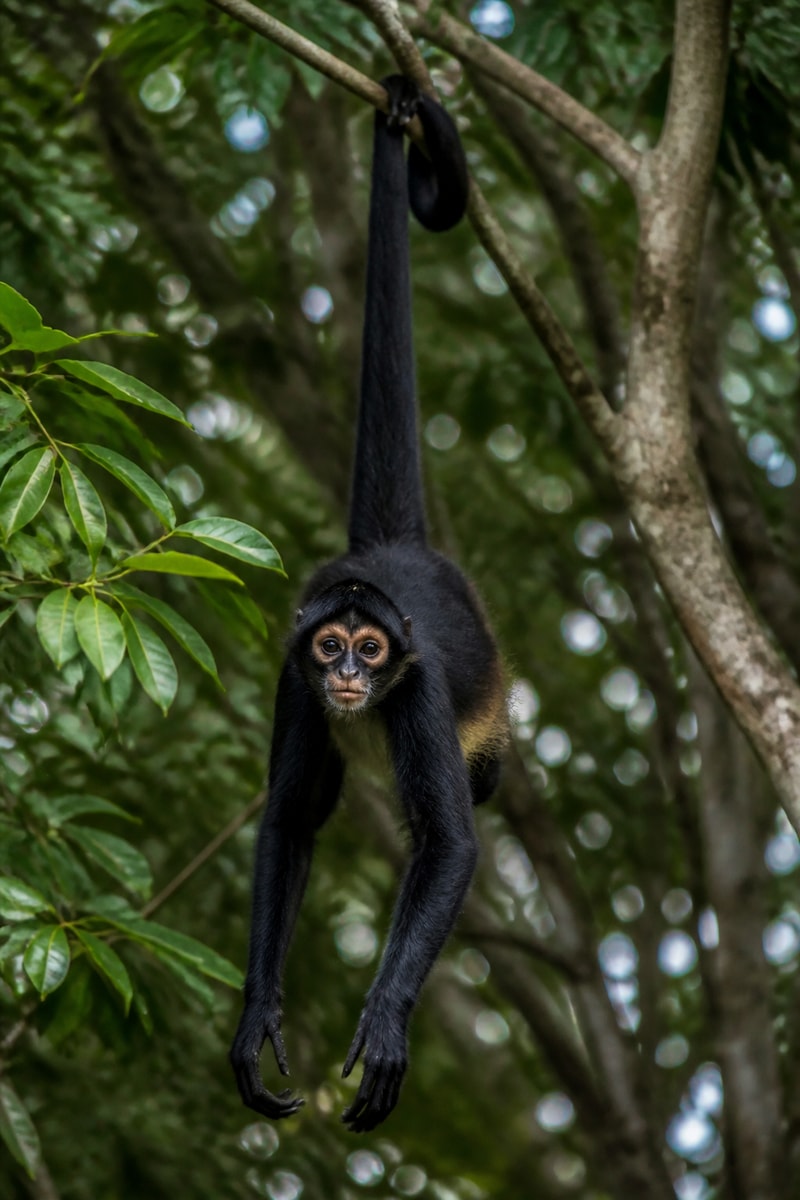
- Geoffroy's Spider Monkeyrare • Central American Canopy
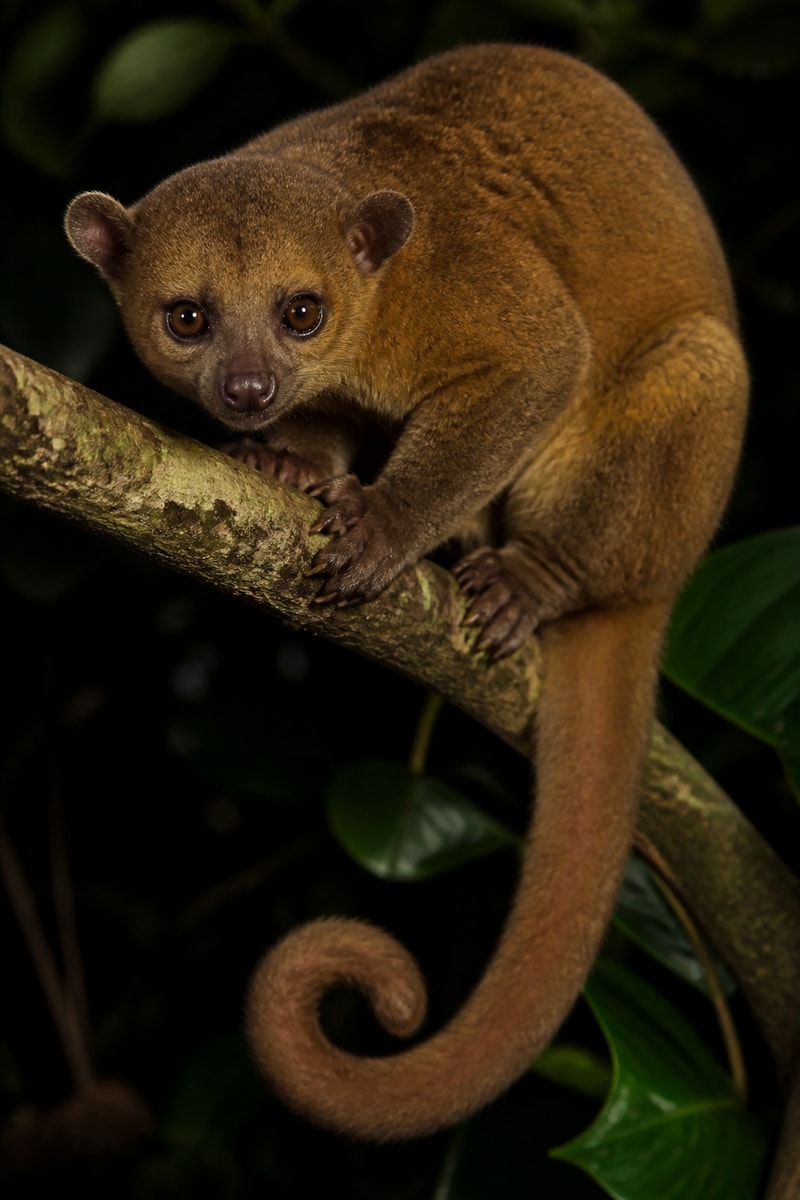
- Kinkajourare • Neotropical Canopy
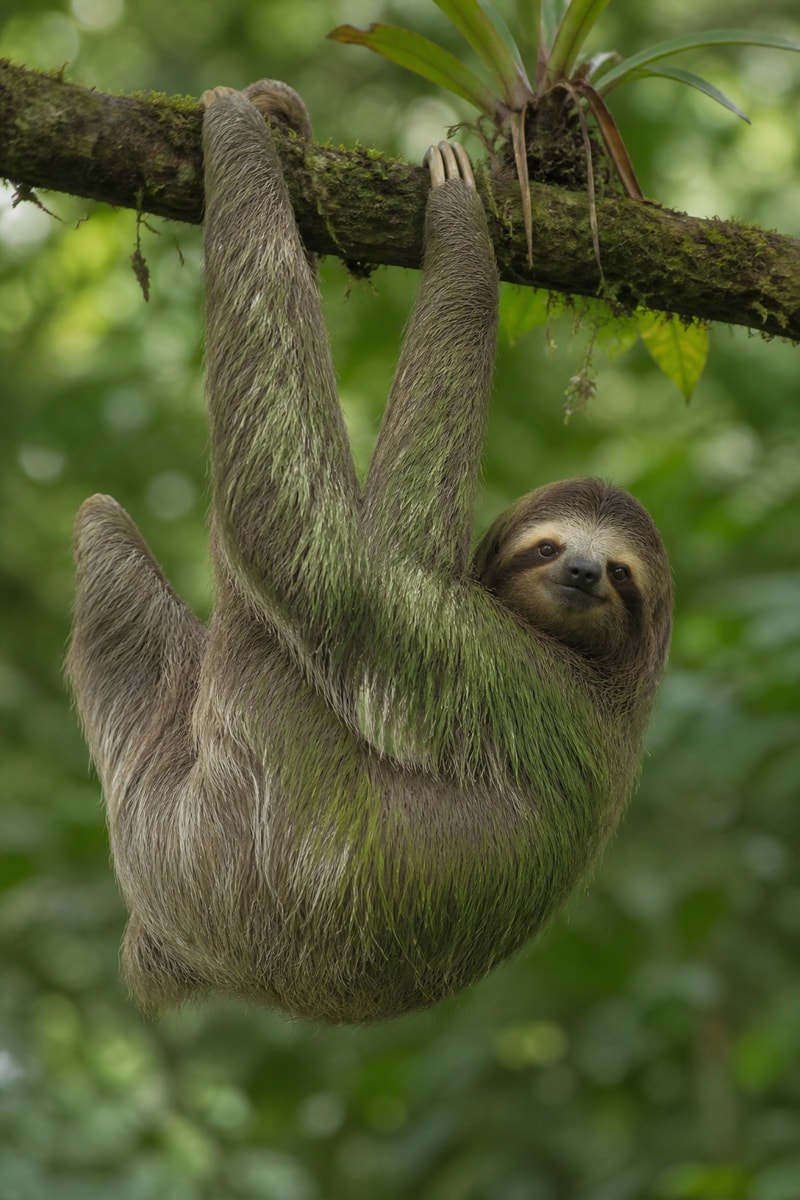
- Slothcommon • Rainforest Canopy
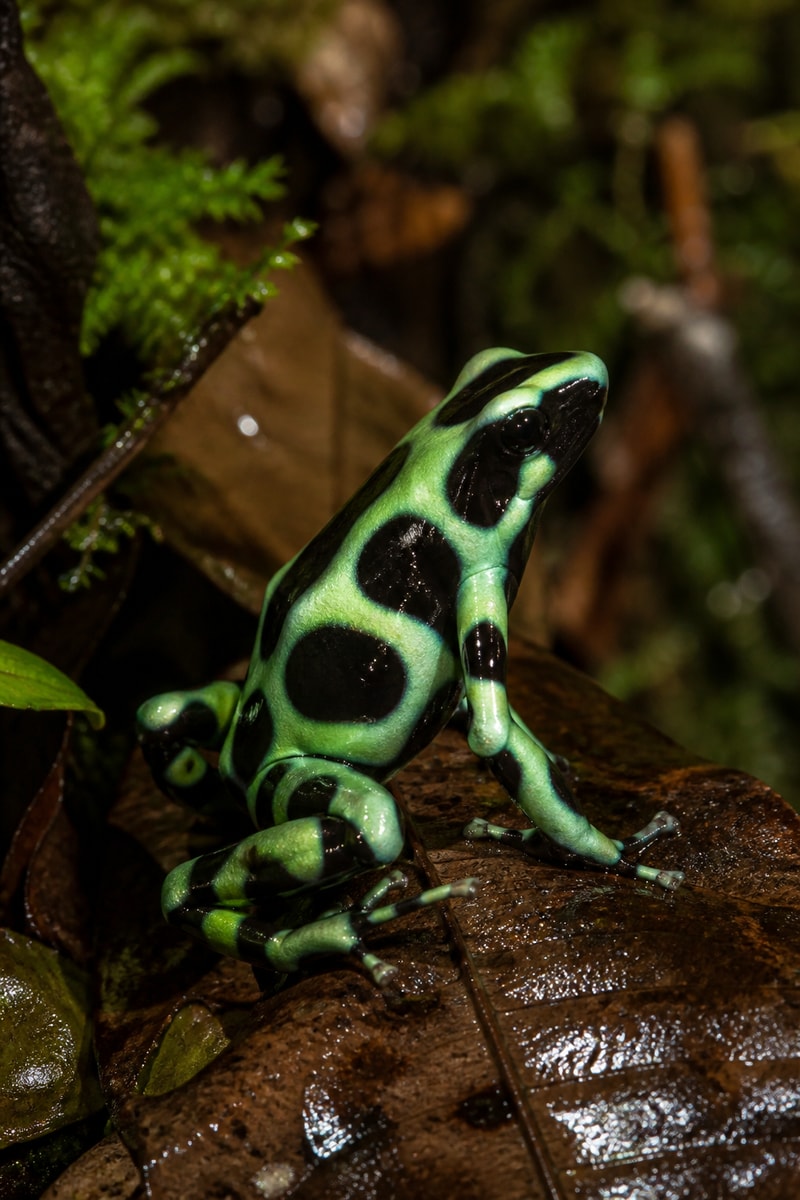
- Poison Dart Frogcommon • Rainforest Floor
Free on iOS
Catch the Red-eyed Tree Frog
Spot one in the wild, then scan it in Catch'Um to log your common discovery.