
Field guide · common
Sloth
The slow-motion acrobat, a tree-dwelling mammal so unhurried that moss grows in its fur.
Least Concern
Bradypus variegatus
Overview
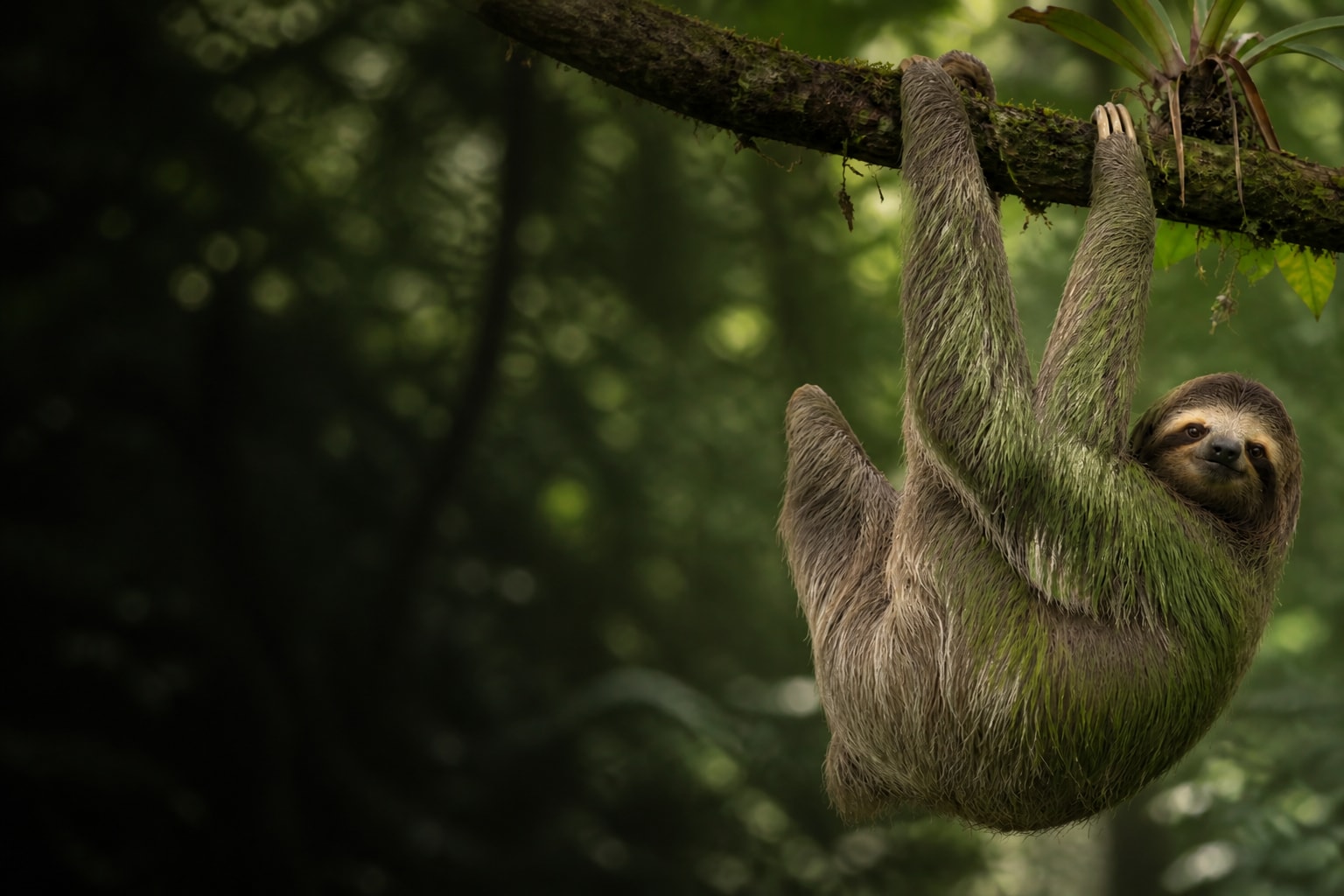
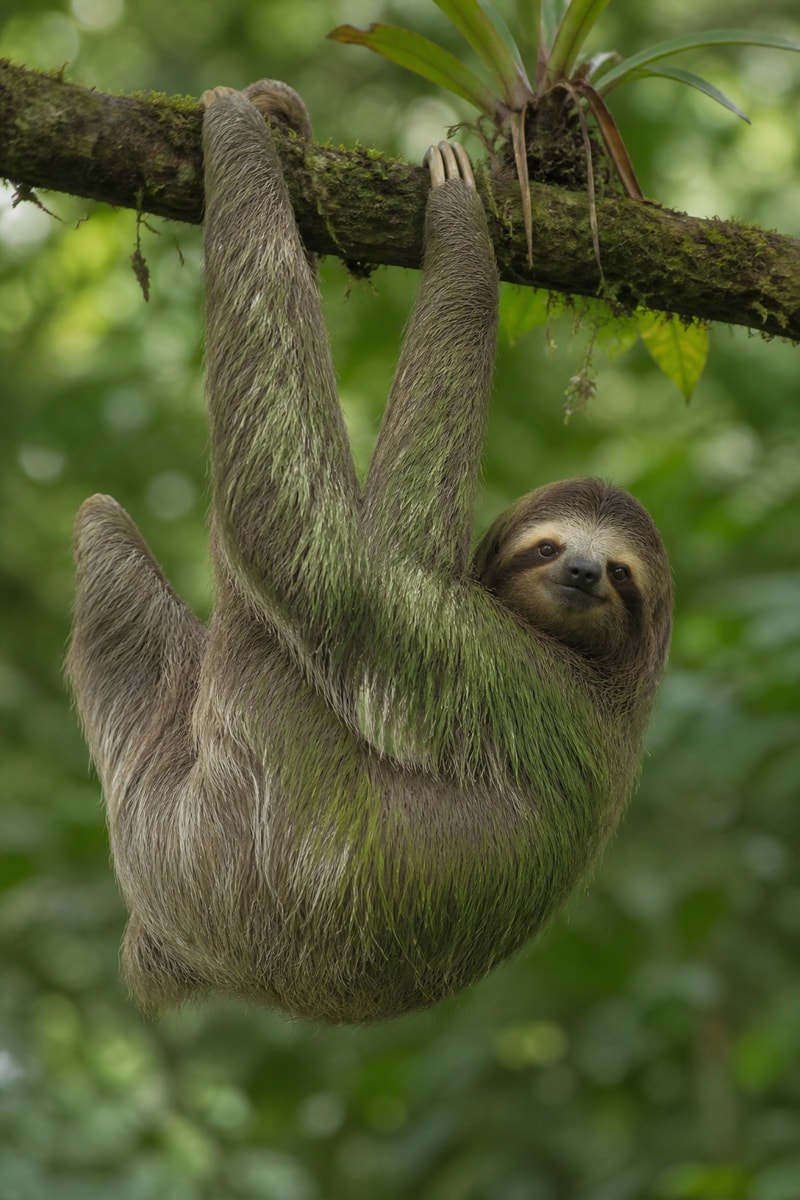
Sloths are the undisputed champions of taking it easy. Three-toed sloths spend nearly their entire lives hanging upside down in rainforest canopy, moving so slowly that green algae grow in their fur, camouflage that also feeds moths living in the coat.
Everything about sloths is adapted for energy conservation: a slow metabolism, low muscle mass, and a diet of leaves that takes days to digest. They descend to the ground only once a week to defecate, a risky journey that puzzles scientists.
- Scientific nameBradypus variegatus
- Length40–80 cm
- Weight2.5–5.5 kg
- LifespanAround 20–30 years in the wild
- DietBrown-throated…
- ConservationLeast Concern
- RegionRainforest Canopy
Habitat
- Tropical rainforest
- Canopy forest
Lowland tropical rainforest canopy in Costa Rica, Panama, and across Central and northern South America holds three-toed sloths. They need continuous forest with cecropia and other favoured tree species.
Countries found
Field notes
Field scale for the Sloth: length around 40-80 cm; weight 2.5-5.5 kg. Typical lifespan: Around 20-30 years in the wild.
When you are scanning habitat, prioritise tropical rainforest and canopy forest. Those settings are where a clean look and a usable photo are most likely.
Quick ID anchor: Long-limbed canopy mammal with a round face, small ears, and three long curved claws on each forefoot. Grey-brown fur often tinged green with algae; head can turn nearly 270°. Confirm with behaviour and habitat before you log the discovery.
Where to see one
Costa Rica
In Costa Rica, strong options include Monteverde Cloud Forest, Manuel Antonio National Park, and Corcovado National Park. Misty canopy bridges and moss-draped trees, with sloths, quetzals, and hummingbirds in cool highland forest.
Open the Costa Rica spotting guide for every park note tied to the sloth.
Diet
Brown-throated three-toed sloths eat mainly leaves, especially from trees such as Cecropia, plus buds and tender shoots. Digestion is extremely slow to extract energy from fibrous foliage.
Behaviour
Almost entirely arboreal and famously slow, hanging upside-down for feeding and rest. Descend roughly weekly to defecate at the tree base; surprisingly capable swimmers.
How to identify
Long-limbed canopy mammal with a round face, small ears, and three long curved claws on each forefoot. Grey-brown fur often tinged green with algae; head can turn nearly 270°.
Interesting facts
- 01
Sloths move so slowly that algae grows on their fur, camouflage and extra nutrients.
- 02
They can rotate their heads 270 degrees to scan for predators.
- 03
Sloths are excellent swimmers. They sometimes cross rivers between trees.
Conservation status
Brown-throated three-toed sloths are Least Concern, though deforestation in Central America reduces habitat. Costa Rica's protected forests support healthy populations.
Sources: IUCN Red List
Keep exploring
Where it lives
Related discoveries
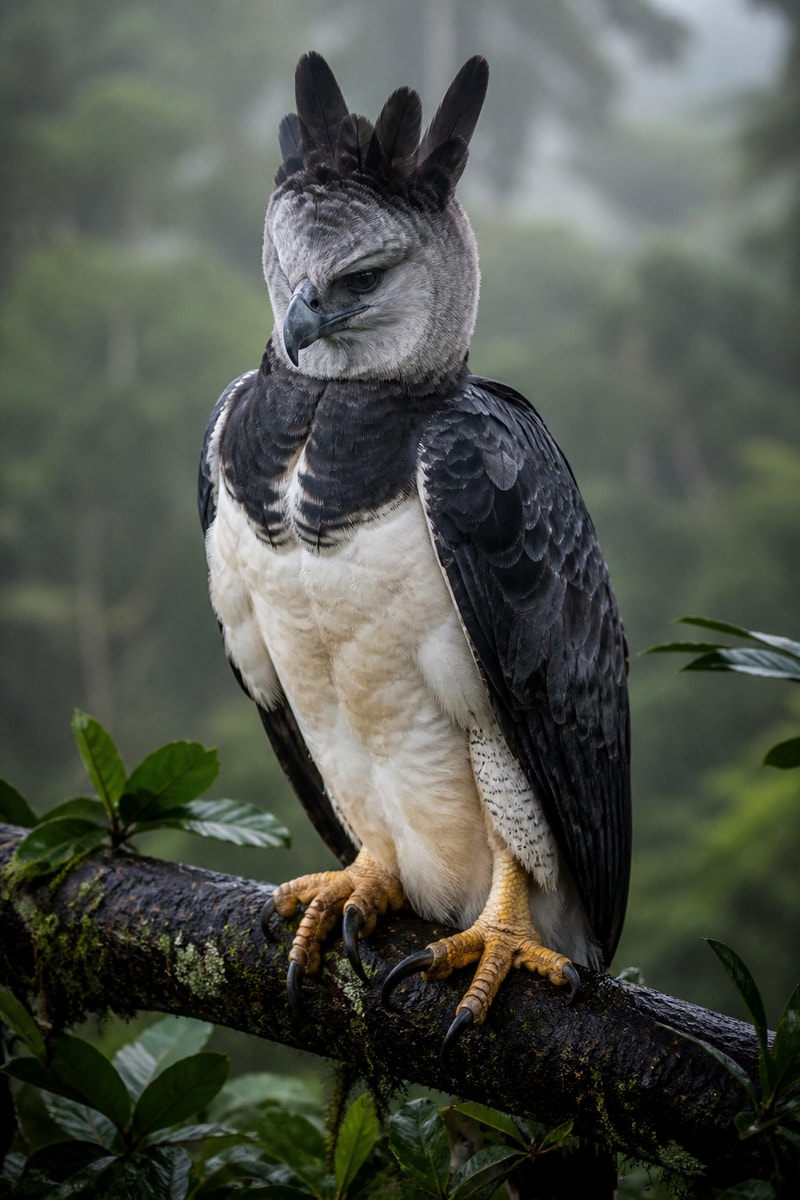
- Harpy Eaglelegendary • Rainforest Canopy
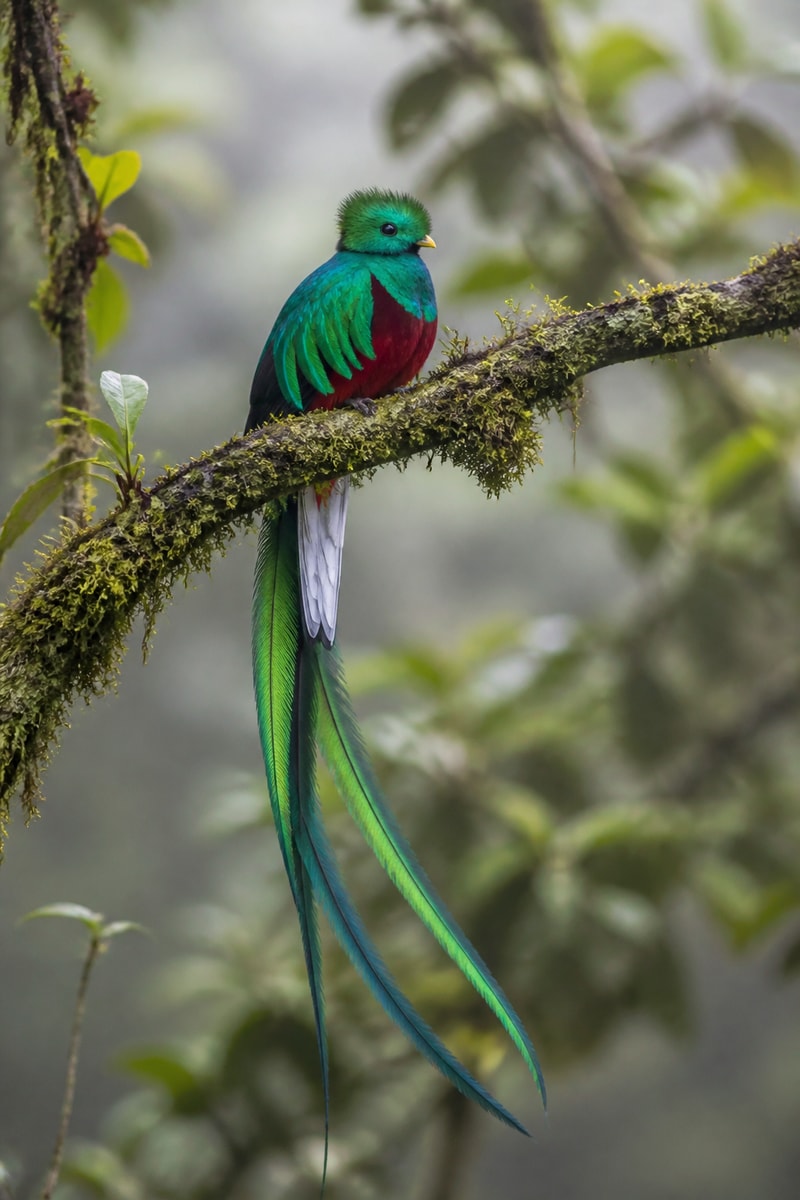
- Resplendent Quetzallegendary • Cloud Forest
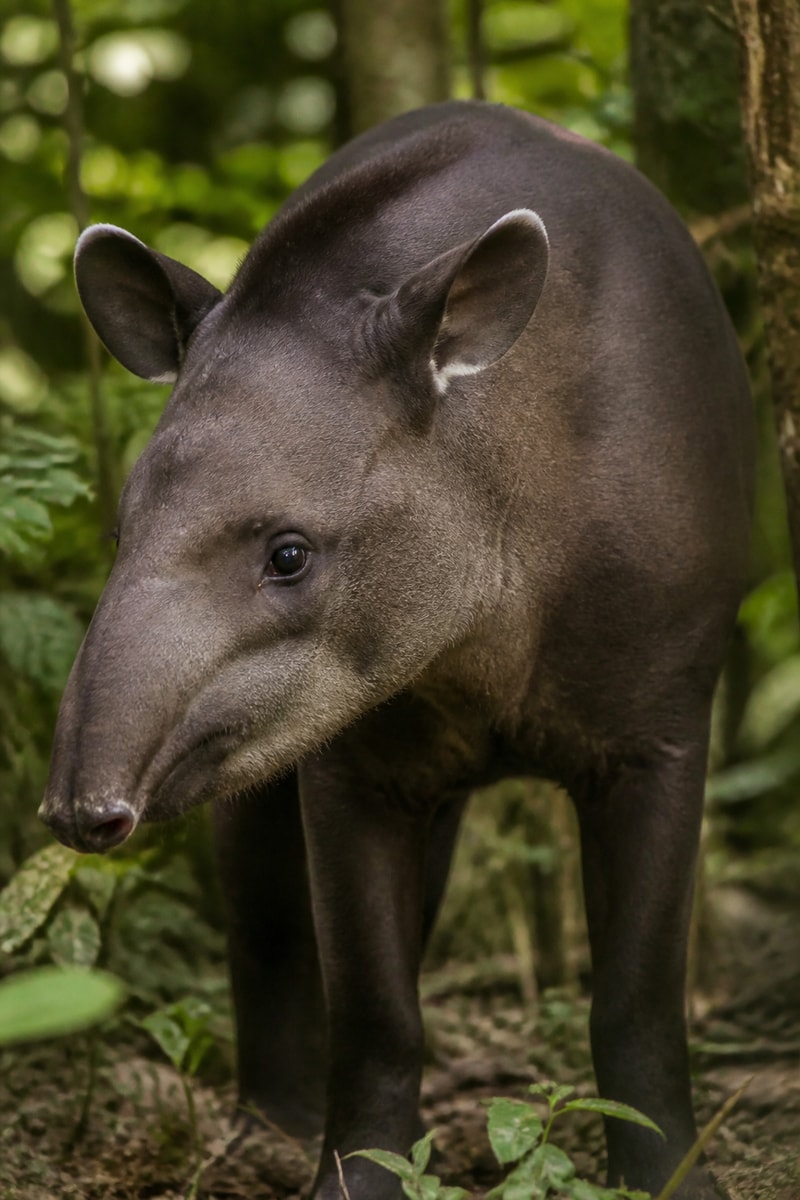
- Baird's Tapirlegendary • Central American Forest
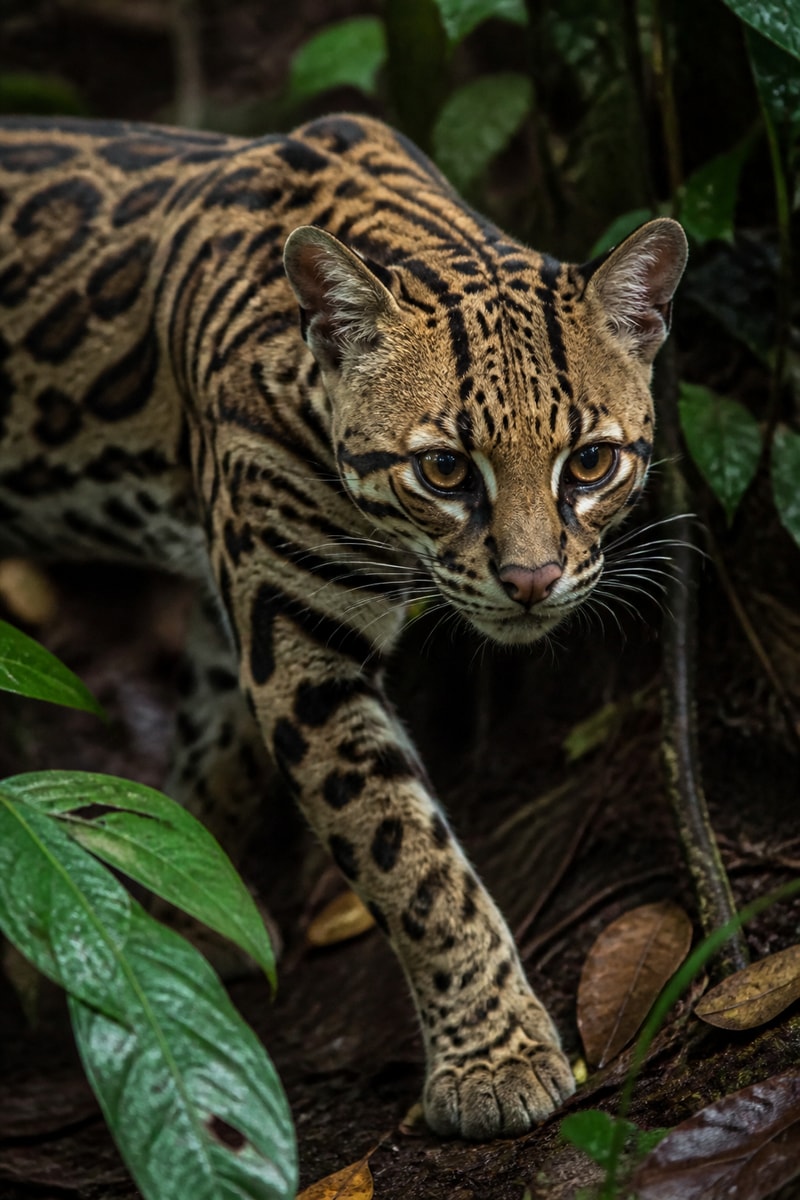
- Ocelotrare • Neotropical Forest
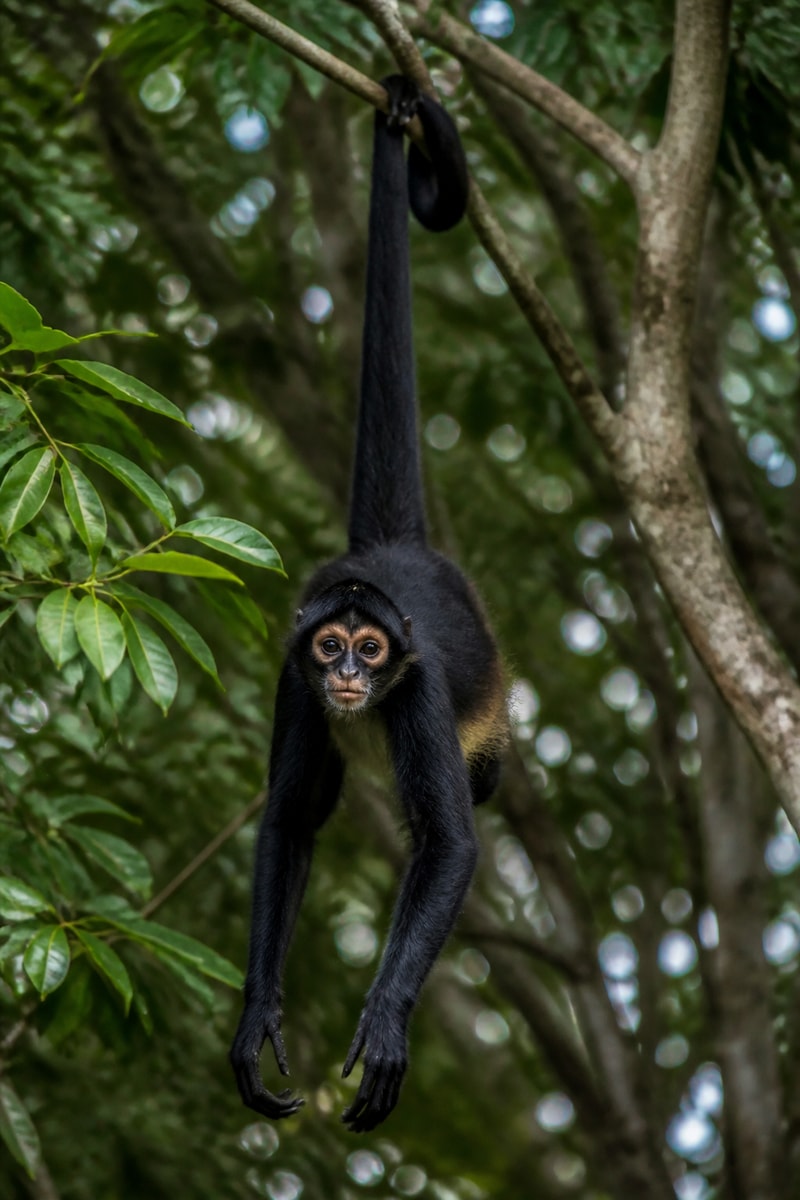
- Geoffroy's Spider Monkeyrare • Central American Canopy
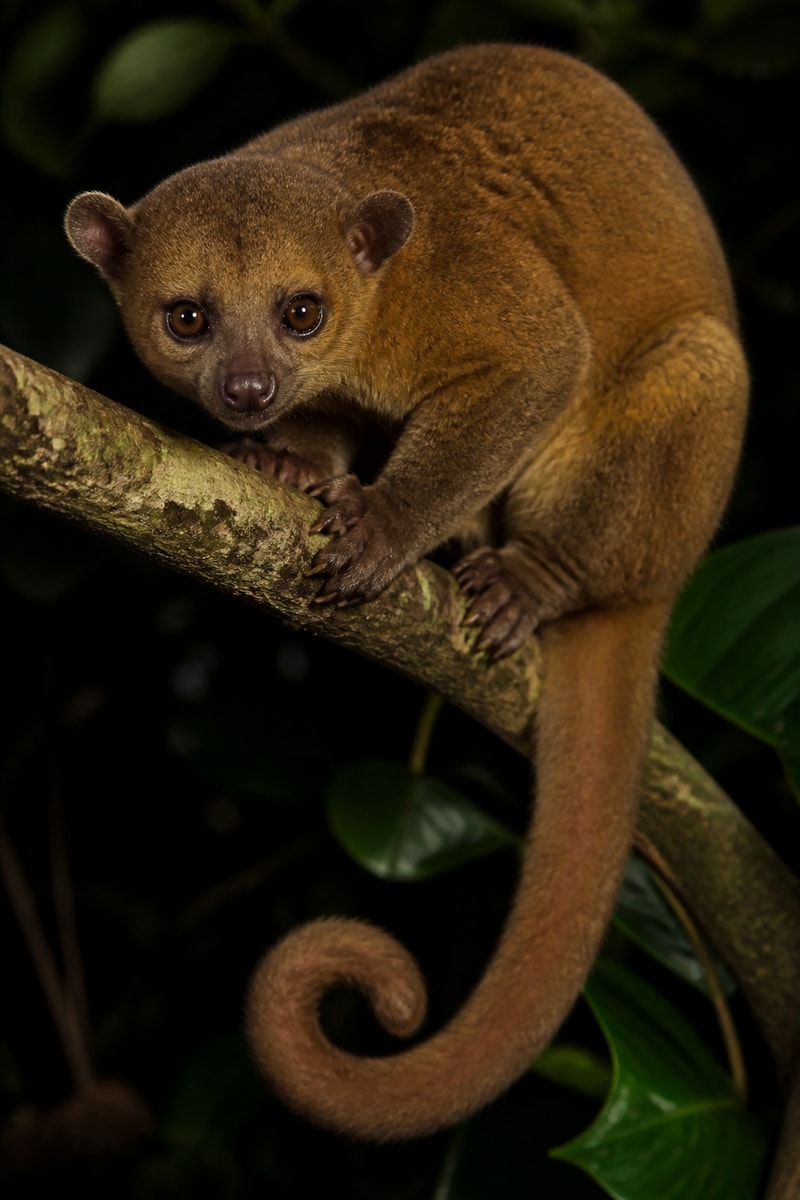
- Kinkajourare • Neotropical Canopy
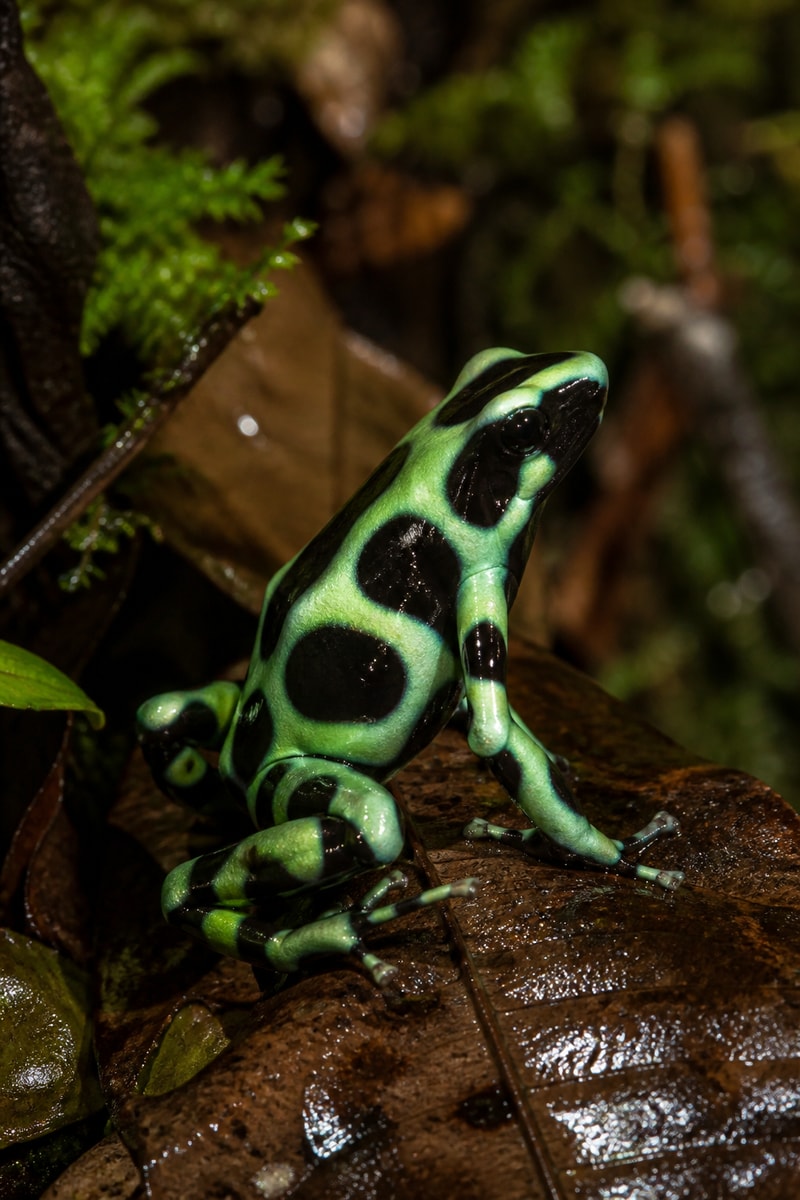
- Poison Dart Frogcommon • Rainforest Floor
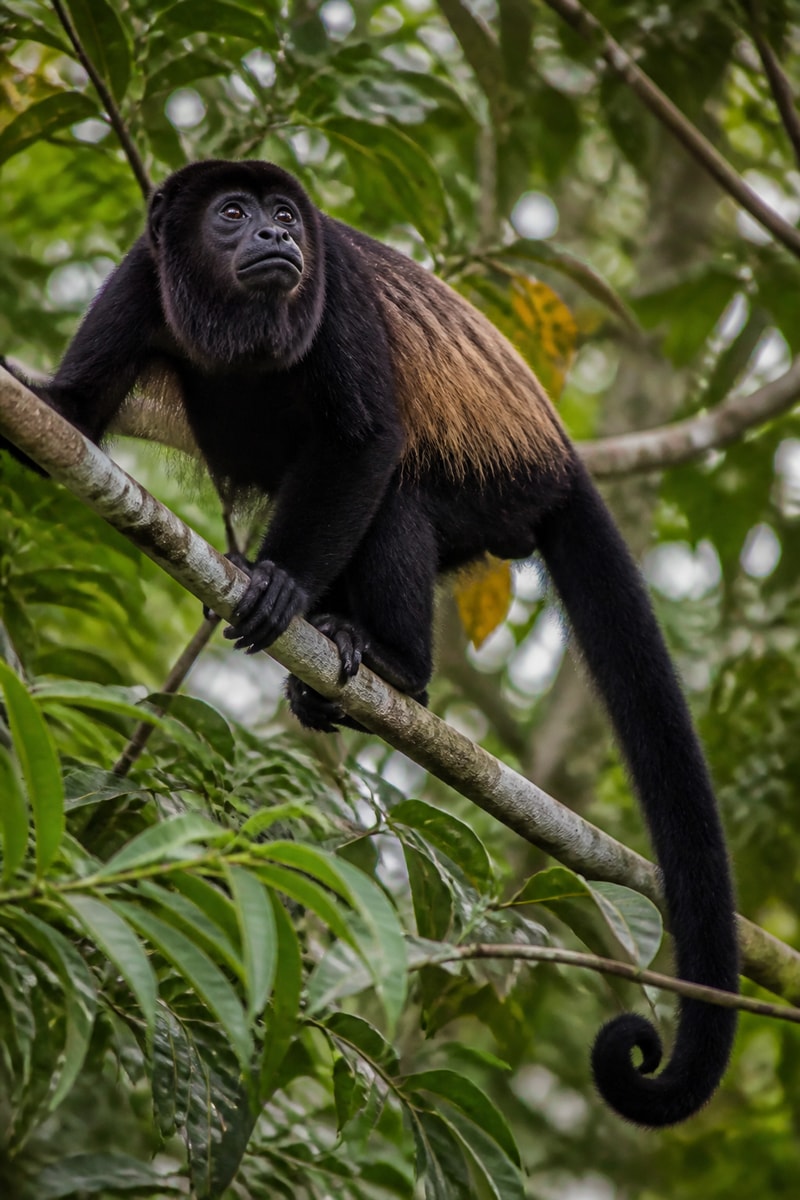
- Mantled Howlercommon • Rainforest Canopy
Free on iOS
Catch the Sloth
Spot one in the wild, then scan it in Catch'Um to log your common discovery.