
Expedition 🇨🇷 Costa Rica
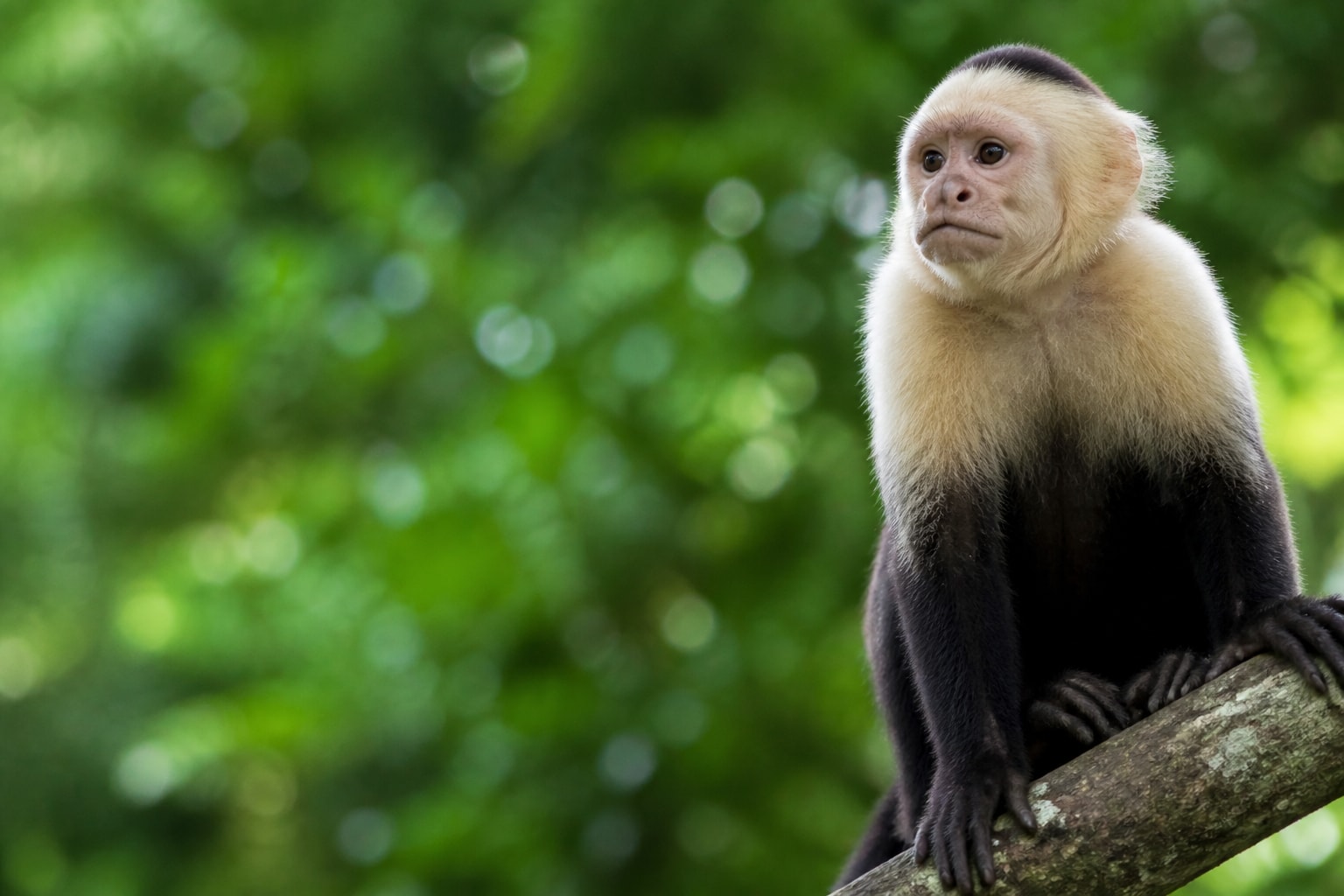
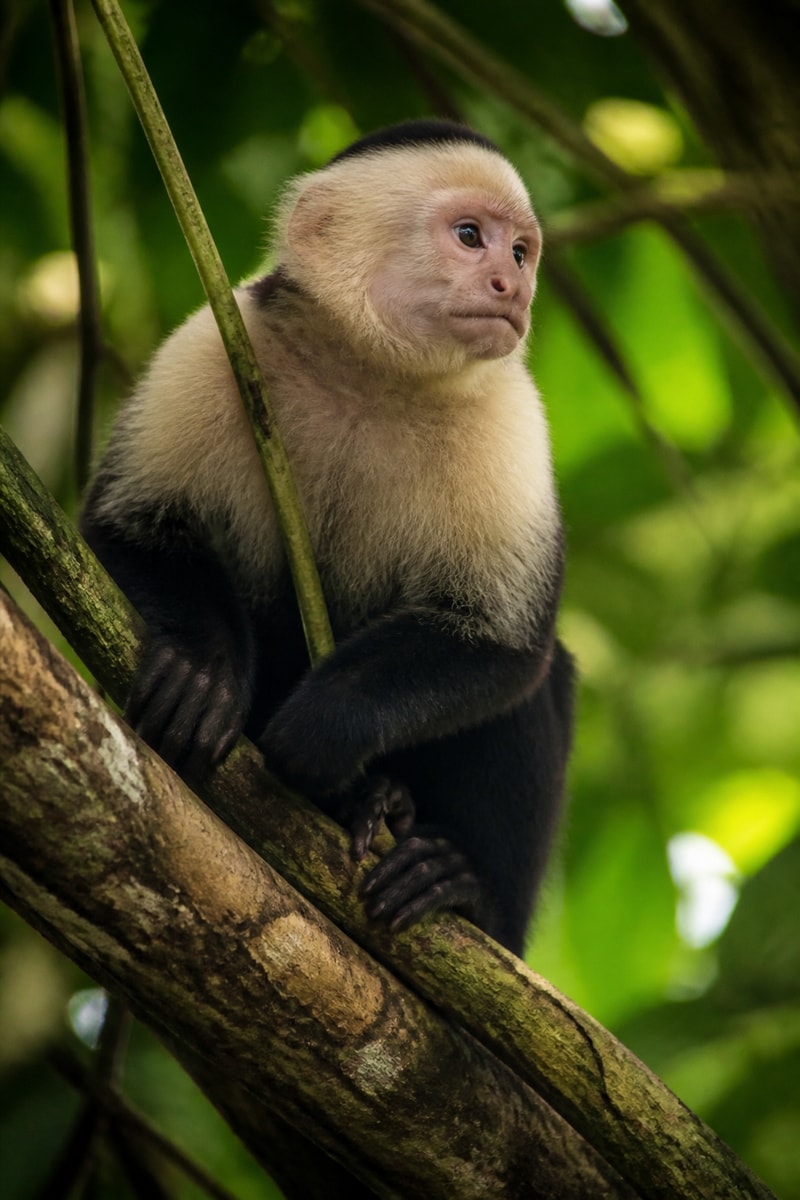
White-faced Capuchin in Costa Rica
Start with Monteverde Cloud Forest and Manuel Antonio National Park. Finding notes below, full White-faced Capuchin field guide one tap away.
Cebus imitator
Where to spot one
Monteverde Cloud Forest
Puntarenas
Misty canopy bridges and moss-draped trees, with sloths, quetzals, and hummingbirds in cool highland forest.
Manuel Antonio National Park
Puntarenas
Where beach meets rainforest, with sloths, capuchin monkeys, and iguanas on trails above Pacific coves.
Finding White-faced Capuchin in Costa Rica
Where are white-faced capuchins in Costa Rica? The strongest odds are at Monteverde Cloud Forest and Manuel Antonio National Park, where access and habitat beat a chance roadside glimpse.
Several parks and reserves in Costa Rica are worth planning around. Monteverde Cloud Forest (Puntarenas); Manuel Antonio National Park (Puntarenas). Use the notes under each spot to match the trip to your route.
Costa Rica context: Sloths in the cloud forest, toucans in the canopy, and more biodiversity per square kilometre than almost anywhere on Earth.
In Costa Rica, look especially around tropical rainforest, dry forest, and secondary woodland. Those settings usually put you closest to where this species is active.
Full species guide
Biology, interesting facts, identification, and conservation live on the White-faced Capuchin field guide. This page stays focused on finding one in Costa Rica.
Open White-faced Capuchin species guideCosta Rica expedition
Keep exploring
Keep exploring
- White-faced Capuchincommon • Rainforest Canopy
- Costa Rica15 species
- Sloth in Costa RicaWhere to find it
- Harpy Eagle in Costa RicaWhere to find it
- Poison Dart Frog in Costa RicaWhere to find it
- Resplendent Quetzal in Costa RicaWhere to find it
- Mantled Howler in Costa RicaWhere to find it
- Red-eyed Tree Frog in Costa RicaWhere to find it
- Leafcutter Ant in Costa RicaWhere to find it
- Ocelot in Costa RicaWhere to find it
Free on iOS
Log the White-faced Capuchin in Costa Rica
Spot one in the wild, then scan it in Catch'Um to log your common discovery.