
Field guide · common
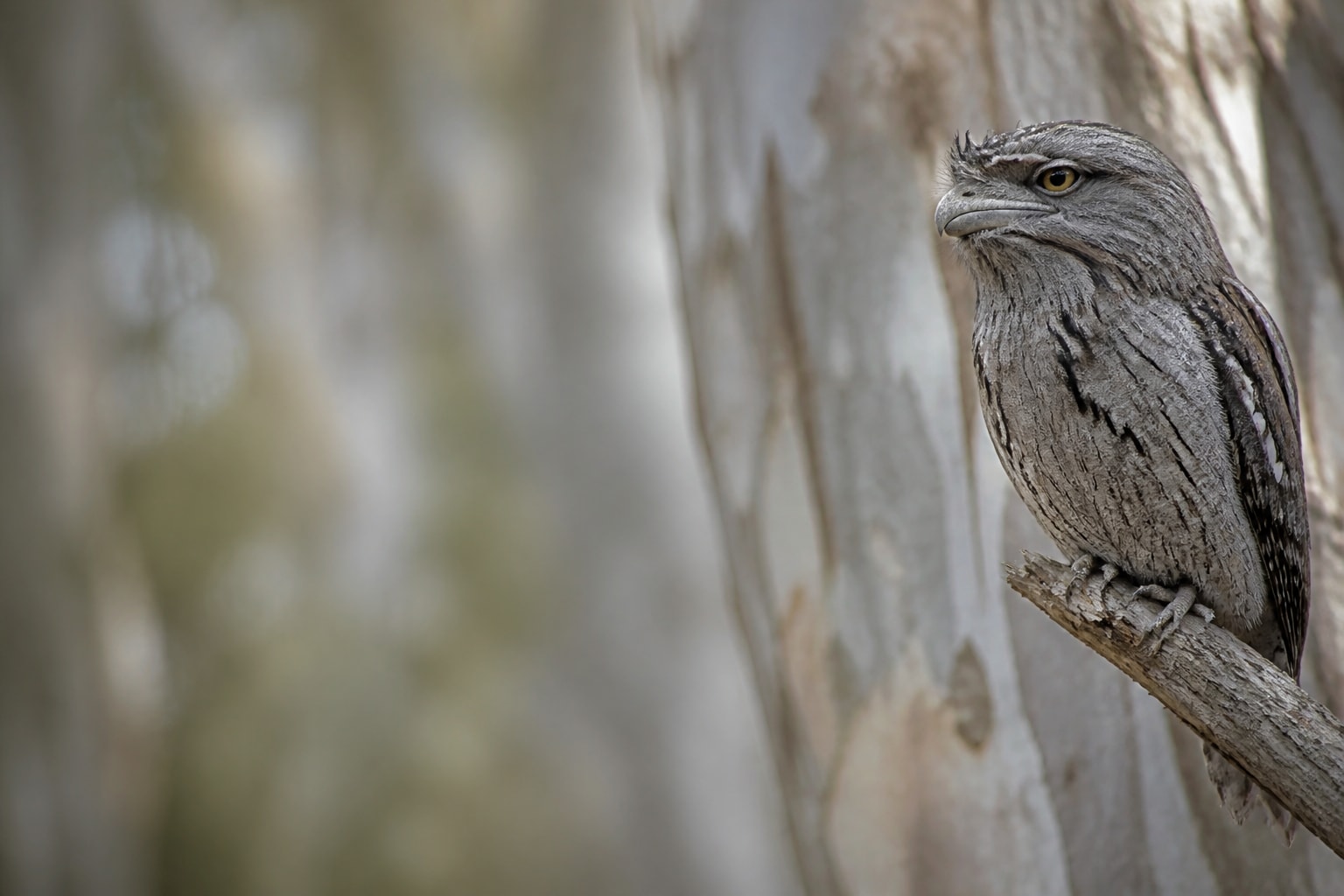
Tawny Frogmouth
Bark-camouflage night hunter — wide frog-like gape, not a true owl.
Least Concern
Podargus strigoides
Overview
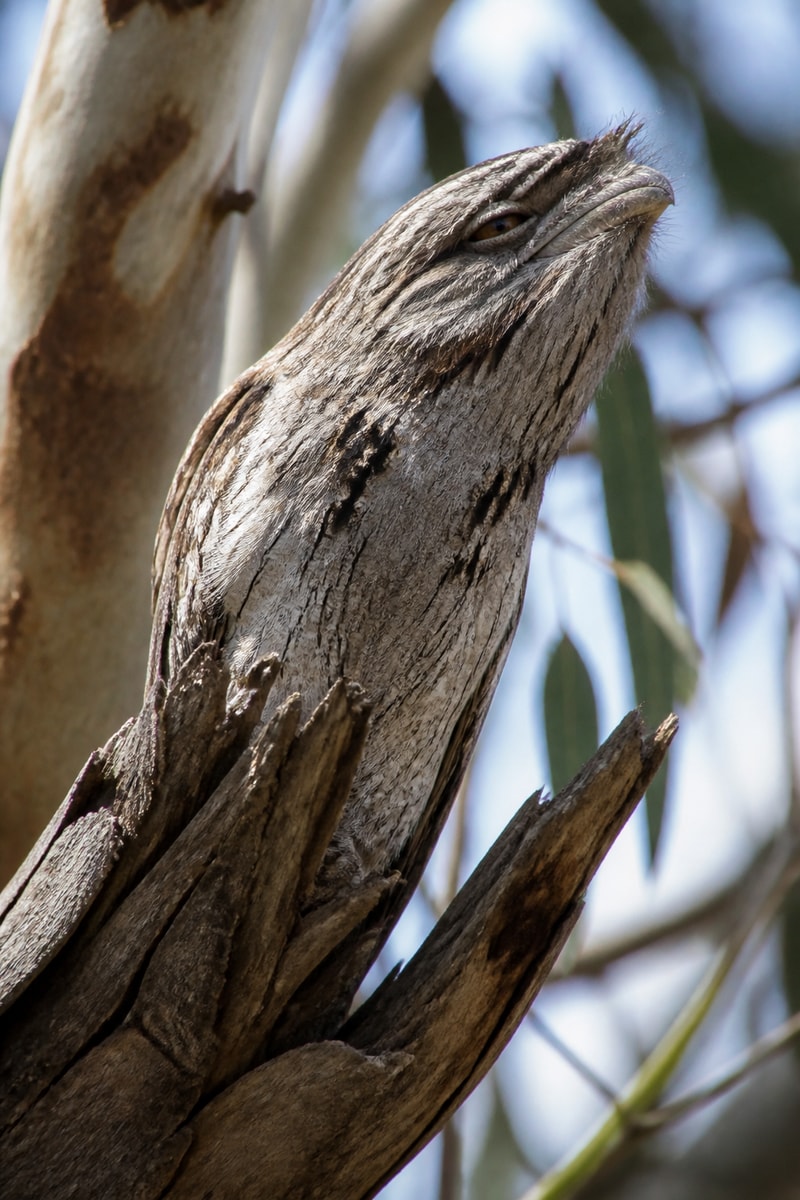
Tawny frogmouths are nocturnal birds that freeze against tree trunks by day, their mottled plumage mimicking broken bark. At night they sally from perches to snatch insects and small prey with a huge, flattened bill.
For Australia collectors, the frogmouth is a common after-dark find — stump-still silhouette, wide gape, and a favourite of night walks and backyard spotlights.
- Scientific namePodargus strigoides
- Length34–53 cm
- Weight150–550 g
- LifespanAround 10–15 years in the wild
- DietNocturnal insects
- ConservationLeast Concern
- RegionAustralian Night Woodland
Where to see them
Habitat
- Open woodland
- Suburban tree cover
- Forest edge
- Parkland
Woodland, forest edges, parks, and suburban trees across mainland Australia and Tasmania, roosting motionless on horizontal branches by day.
Field notes
Field scale for the Tawny Frogmouth: length around 34-53 cm; weight 150-550 g. Typical lifespan: Around 10-15 years in the wild.
When you are scanning habitat, prioritise open woodland, suburban tree cover, forest edge, and parkland. Those settings are where a clean look and a usable photo are most likely.
Quick ID anchor: Stocky, large-headed bird with mottled grey-brown bark camouflage and huge flattened bill. Confirm with behaviour and habitat before you log the discovery.
Where to see one
Australia
In Australia, start at Daintree Rainforest (Queensland). Ancient tropical forest at the edge of the Great Barrier Reef, with cassowaries, tree kangaroos, and forest birds.
More context on this destination lives on the Australia expedition page.
Diet
Nocturnal insects, spiders, worms, and occasional frogs, lizards, or small mammals.
Sit-and-wait hunters that drop or flutter from a perch onto prey.
Behaviour
Roost frozen against bark by day; become active after dusk.
Defend territories with soft booming calls and shared nest duties.
How to identify
Stocky, large-headed bird with mottled grey-brown bark camouflage and huge flattened bill.
Yellow eyes and a wide gape; lacks the facial disc of true owls.
Interesting facts
- 01
Not an owl — a nightjar relative with a wide frog-like bill.
- 02
Daytime camouflage makes them look like broken branches.
- 03
Hunt from perches, snatching insects in short flights.
- 04
Soft ‘oom-oom’ calls carry on still nights.
- 05
Pair bonds often last for years on the same territory.
- 06
Found Australia-wide in suitable woodland and suburbs.
Conservation status
Tawny frogmouths are Least Concern and widespread. Road vehicles, secondary poisoning from pest baits, and habitat clearing are the main local threats.
Sources: IUCN Red List


Keep exploring
Related discoveries
- Great White Sharklegendary • Coastal Ocean
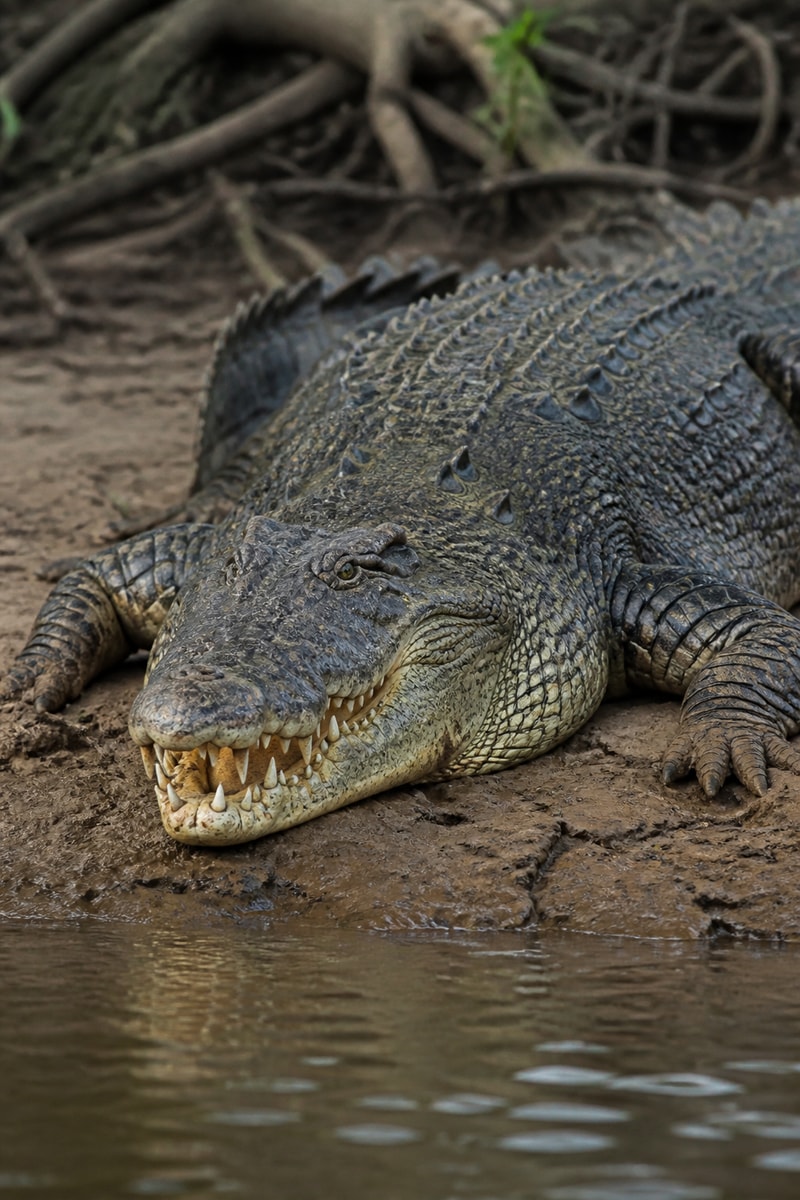
- Saltwater Crocodilelegendary • Estuaries & Coast
- Orcalegendary • Coastal Ocean
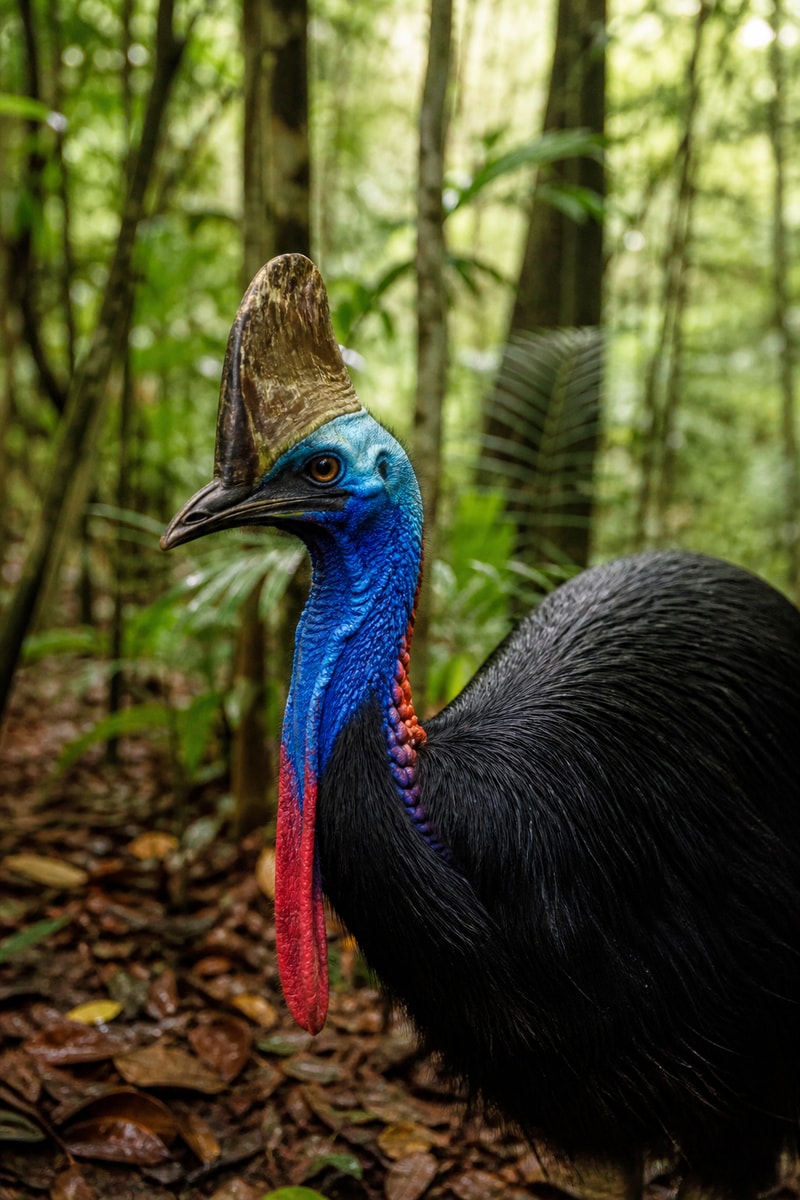
- Southern Cassowarylegendary • Rainforest
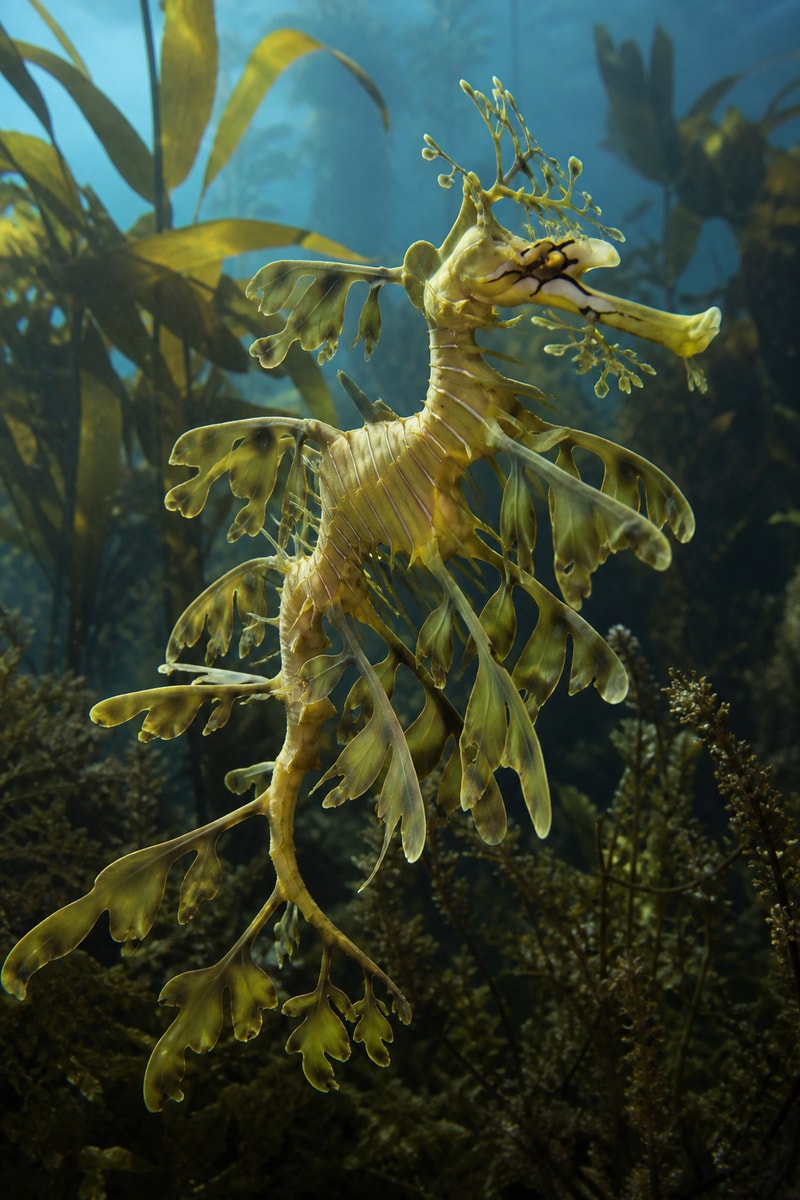
- Leafy Sea Dragonlegendary • Kelp & Seagrass
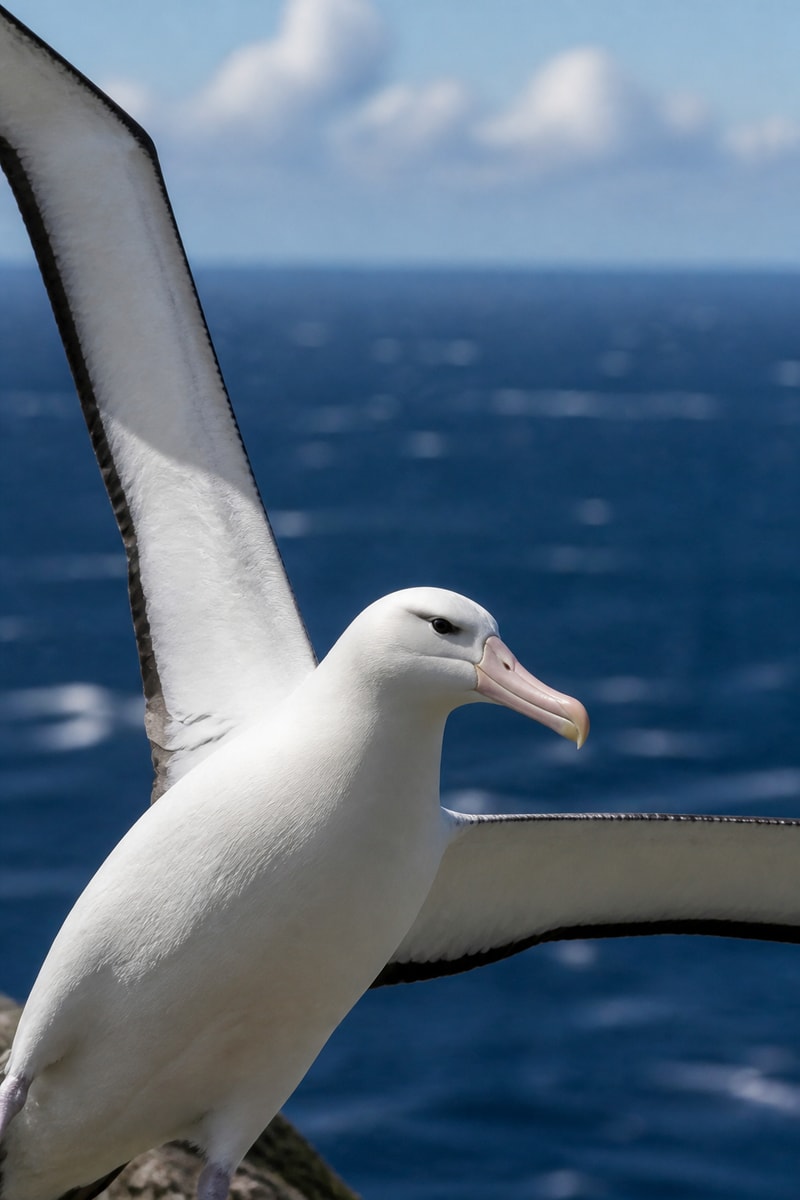
- Wandering Albatrosslegendary • Southern Ocean Skies
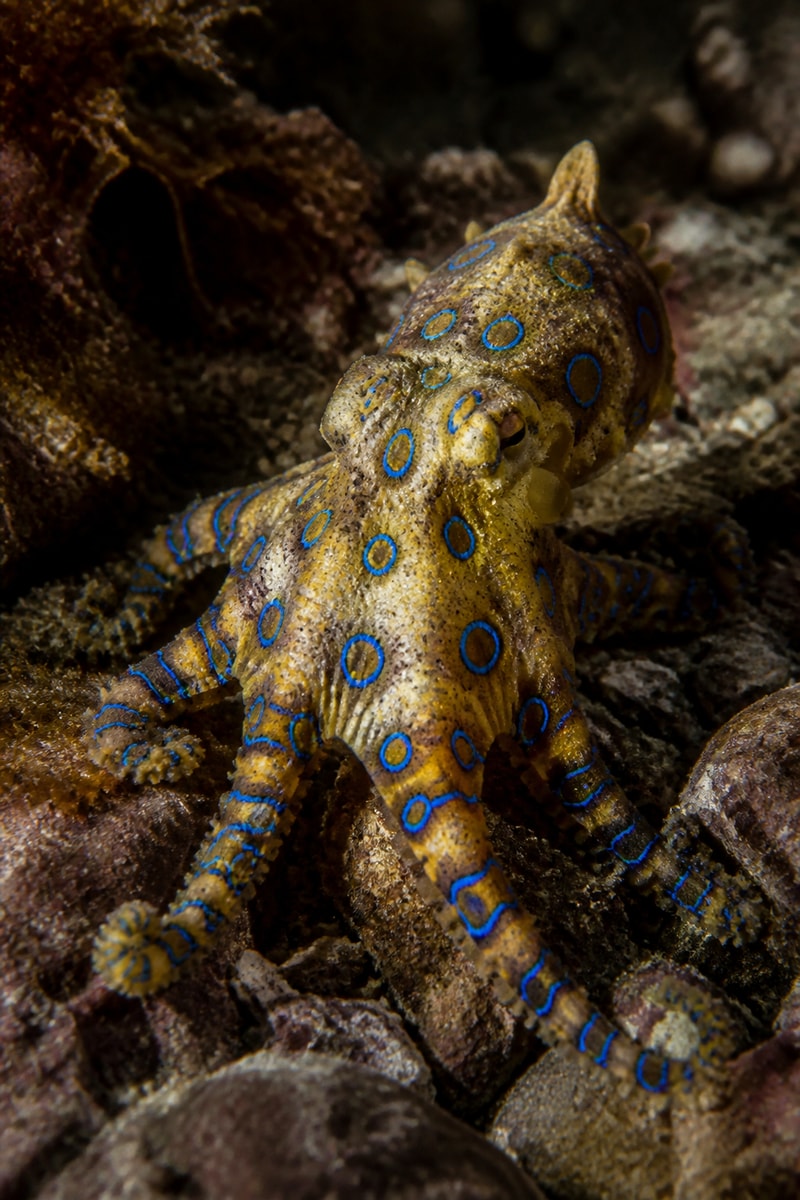
- Southern Blue-ringed Octopuslegendary • Southern Australian Reefs
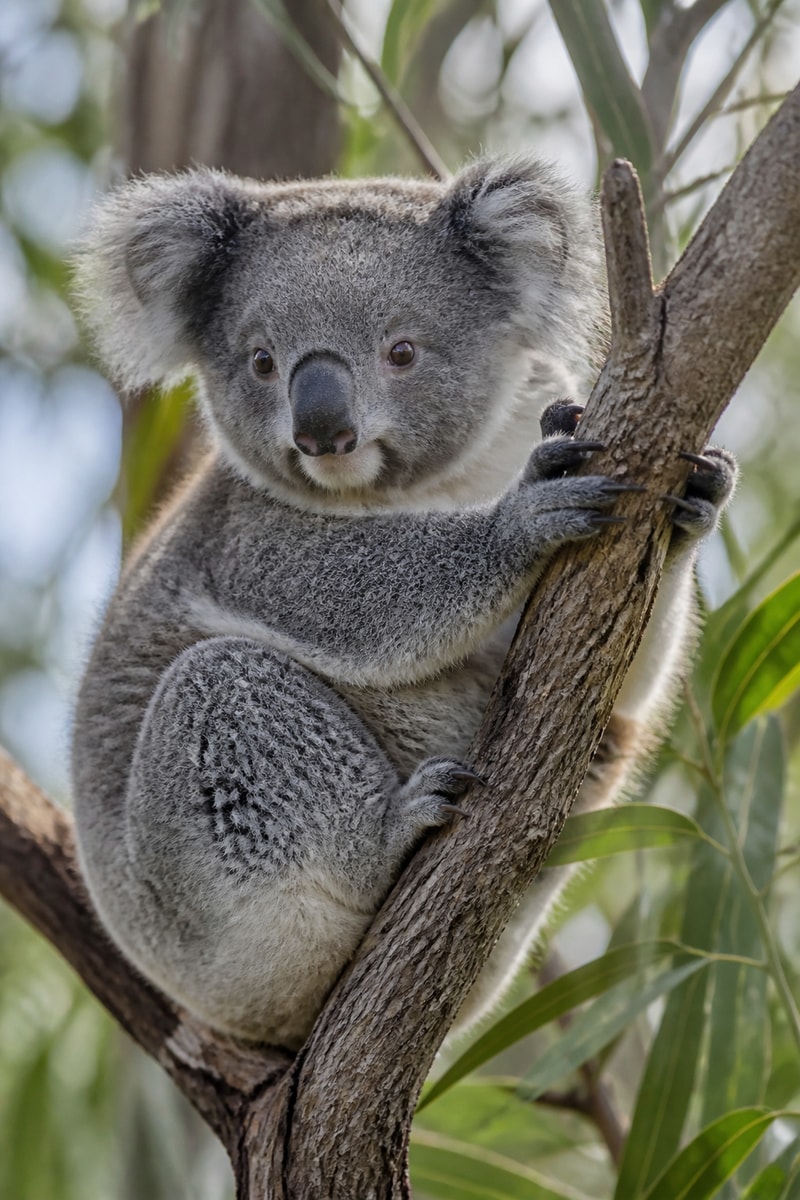
- Koalarare • Eucalyptus Forest
Free on iOS
Catch the Tawny Frogmouth
Spot one in the wild, then scan it in Catch'Um to log your common discovery.