
Field guide · common
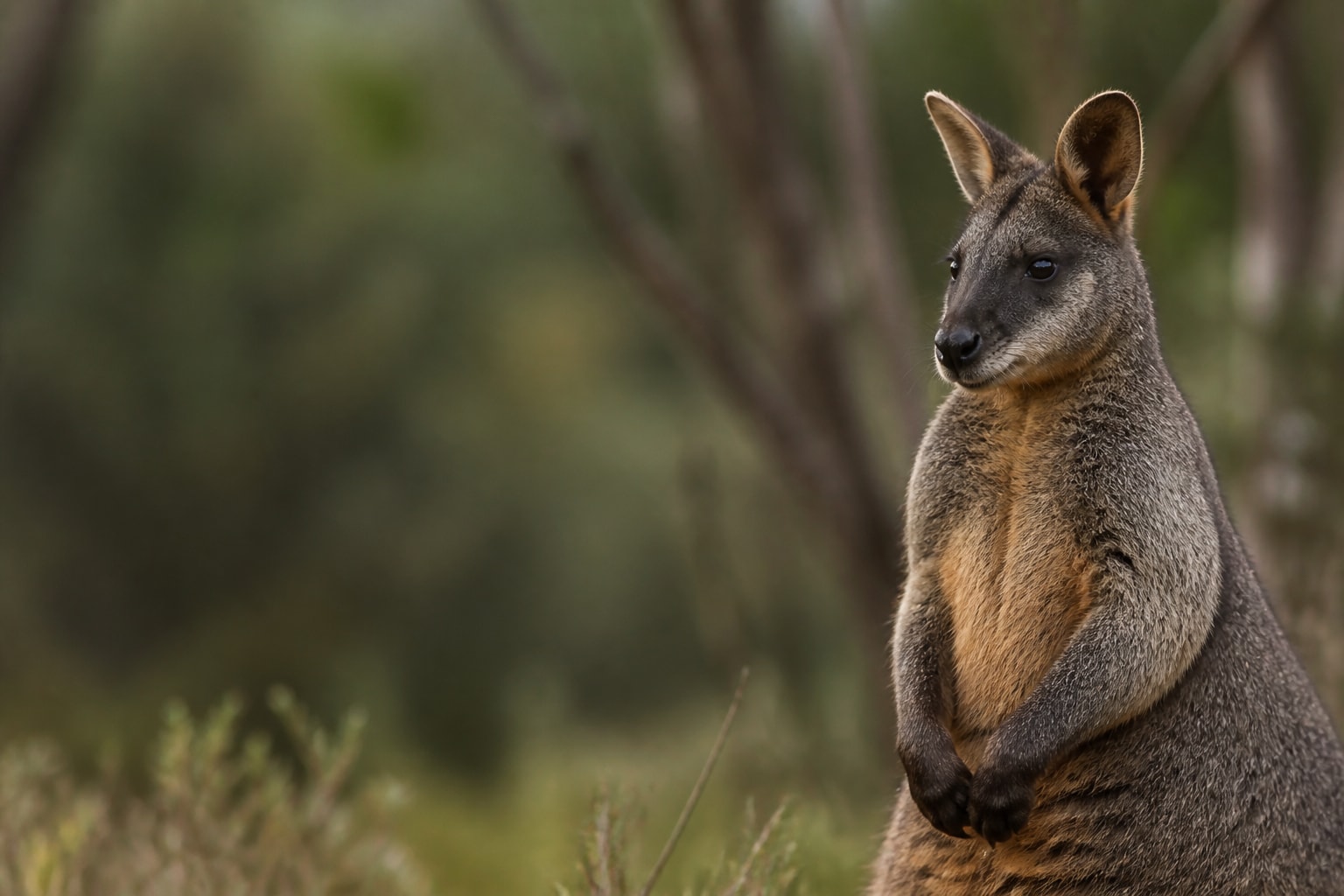
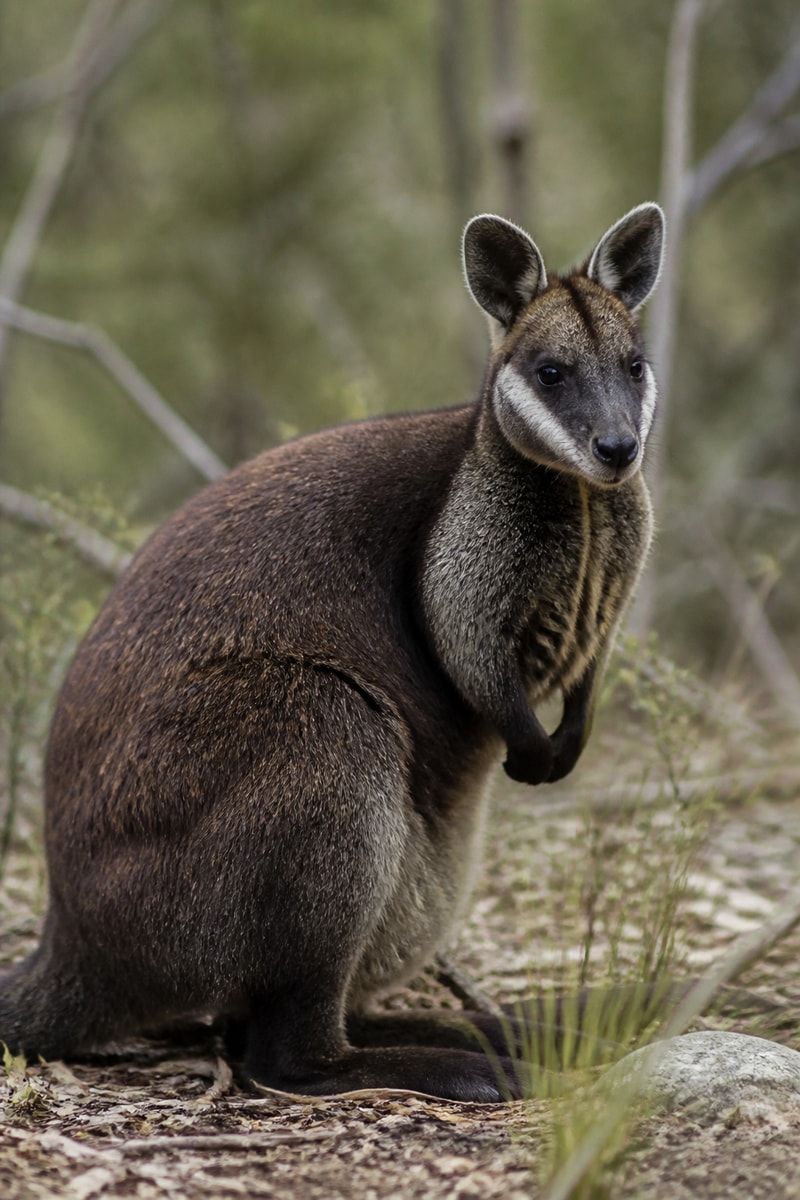
Swamp Wallaby
Dark wallaby of thickets — solitary browser with a black face and tough palate.
Least Concern
Wallabia bicolor
Overview
Swamp wallabies are stocky, dark-furred wallabies of eastern Australian forests and scrub. Despite the name they favour dense cover more than open wetlands, browsing tough plants that other macropods avoid and moving mostly at dusk and night.
For Australia collectors, the swamp wallaby is an eastern scrub regular — dark coat, shy roadside freeze, and a common night spotlight in thick bush.
- Scientific nameWallabia bicolor
- Length70–85 cm body; tail 65–85 cm
- Weight10–20 kg
- LifespanAround 10–15 years in the wild
- DietBrowse leaves
- ConservationLeast Concern
- RegionEastern Australian Scrub
Where to see them
Habitat
- Dense scrub
- Forest understorey
- Coastal heath
- Gully thicket
Forest, woodland, heath, and dense scrub of eastern Australia, especially thick undergrowth near gullies, swamps, and coastal ranges.
Field notes
Field scale for the Swamp Wallaby: length around 70-85 cm body; tail 65-85 cm; weight 10-20 kg. Typical lifespan: Around 10-15 years in the wild.
When you are scanning habitat, prioritise dense scrub, forest understorey, coastal heath, and gully thicket. Those settings are where a clean look and a usable photo are most likely.
Quick ID anchor: Dark, stocky wallaby with a pale cheek stripe and often a darker face. Confirm with behaviour and habitat before you log the discovery.
Where to see one
Australia
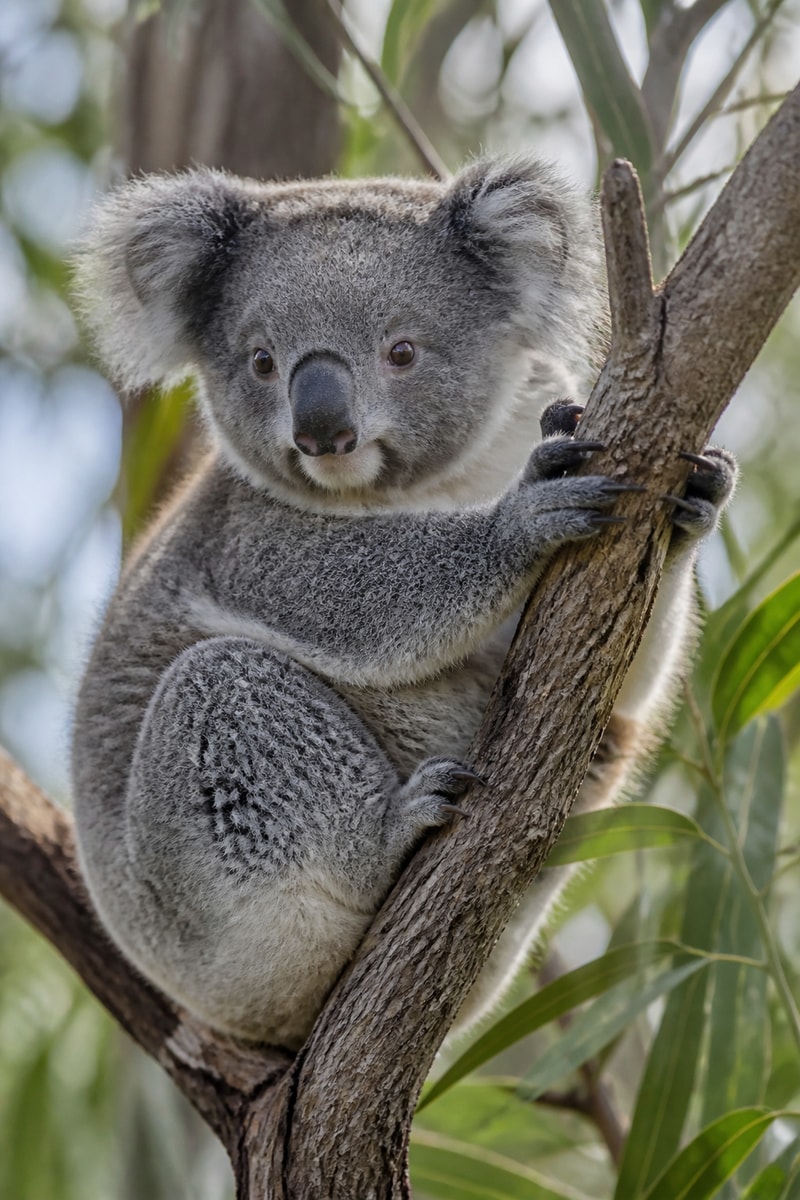
In Australia, start at Great Ocean Road (Victoria). Coastal eucalyptus forest and Kennett River's wild koalas, one of the most reliable places to spot them in the wild.
More context on this destination lives on the Australia expedition page.
Diet
Browse leaves, shoots, ferns, and shrubs, including many toxic or fibrous plants.
Also take fungi and occasional soft fruits.
Behaviour
Solitary browsers that freeze in cover then bound away low through scrub.
Active mainly at dawn, dusk, and night; rest in thickets by day.
How to identify
Dark, stocky wallaby with a pale cheek stripe and often a darker face.
Heavier, more hunched look than agile wallabies; thick brushy tail.
Interesting facts
- 01
Only living member of the genus Wallabia.
- 02
Dark brown to blackish coat with a pale cheek stripe.
- 03
Browses tough shrubs and plants other wallabies leave alone.
- 04
Mostly solitary and crepuscular or nocturnal.
- 05
Name reflects wet-gully habitat, not true swamp living.
- 06
Common in many eastern national parks and coastal scrub.
Conservation status
Swamp wallabies are Least Concern across eastern Australia. They tolerate some habitat fragmentation where dense cover remains, though dogs and vehicles cause local losses.
Sources: IUCN Red List
Keep exploring
Related discoveries
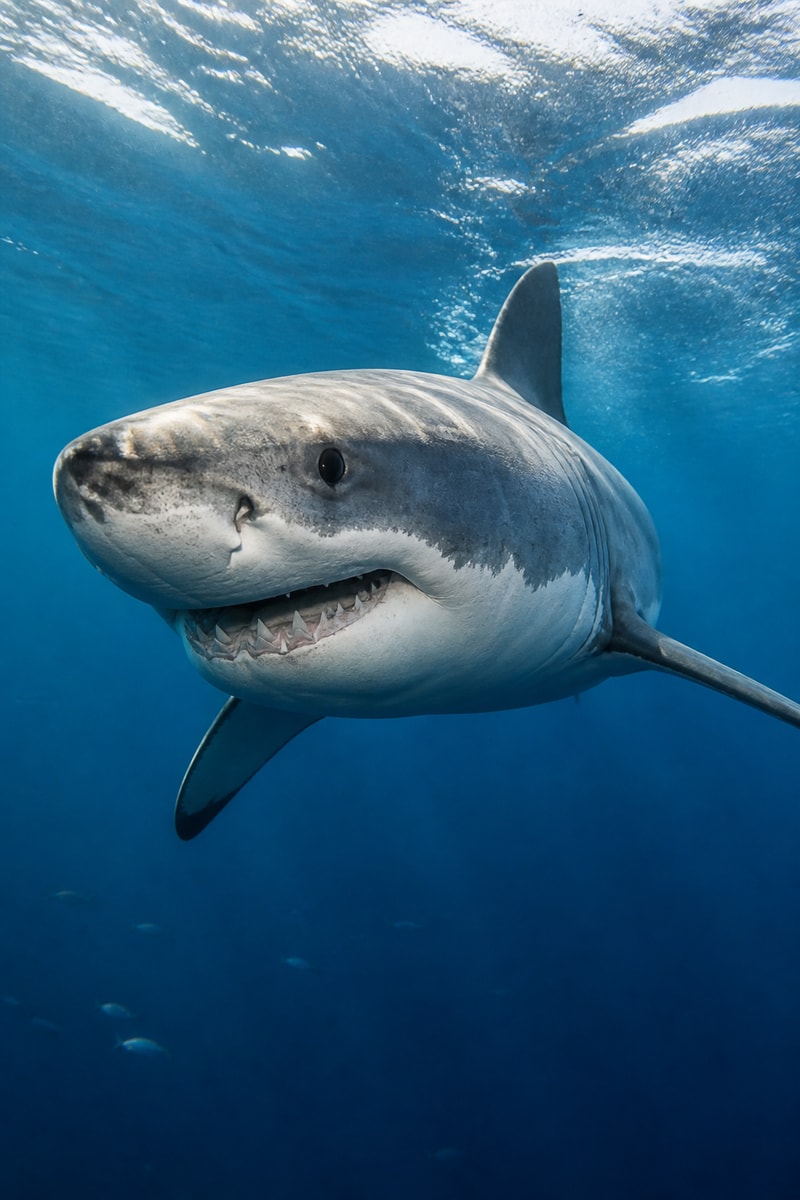
- Great White Sharklegendary • Coastal Ocean
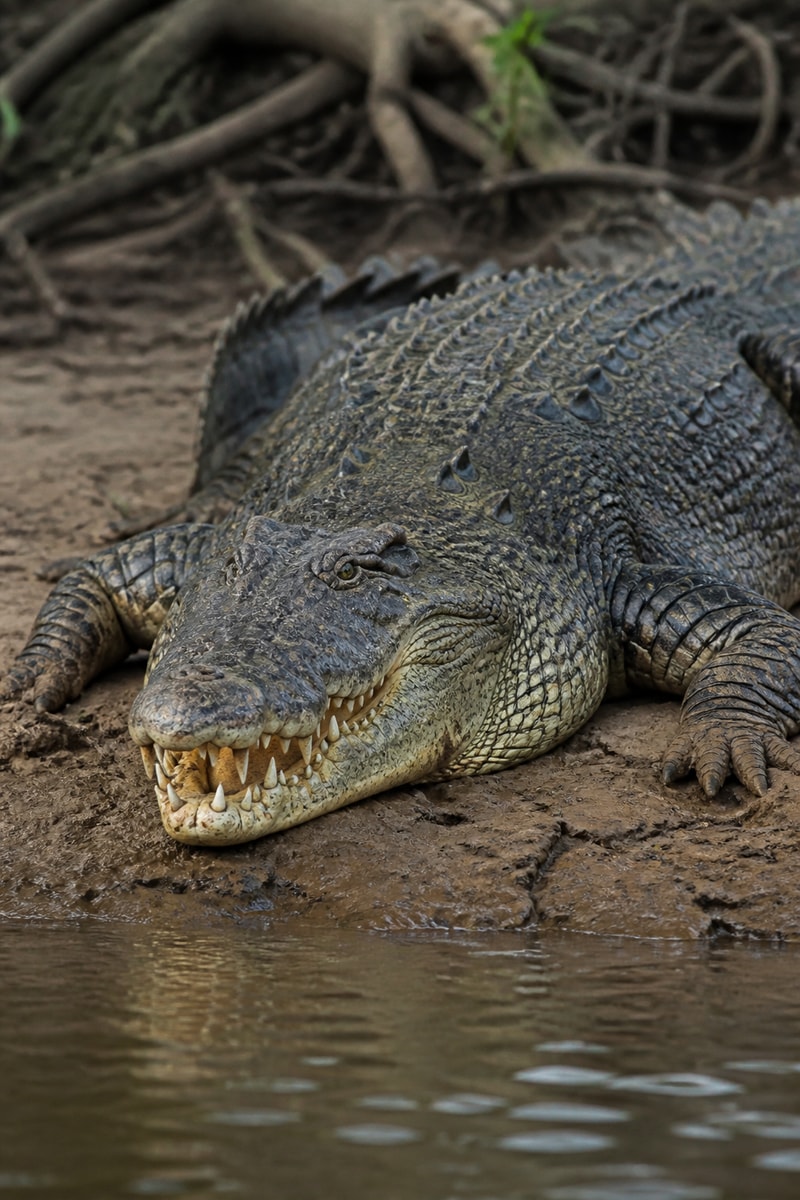
- Saltwater Crocodilelegendary • Estuaries & Coast
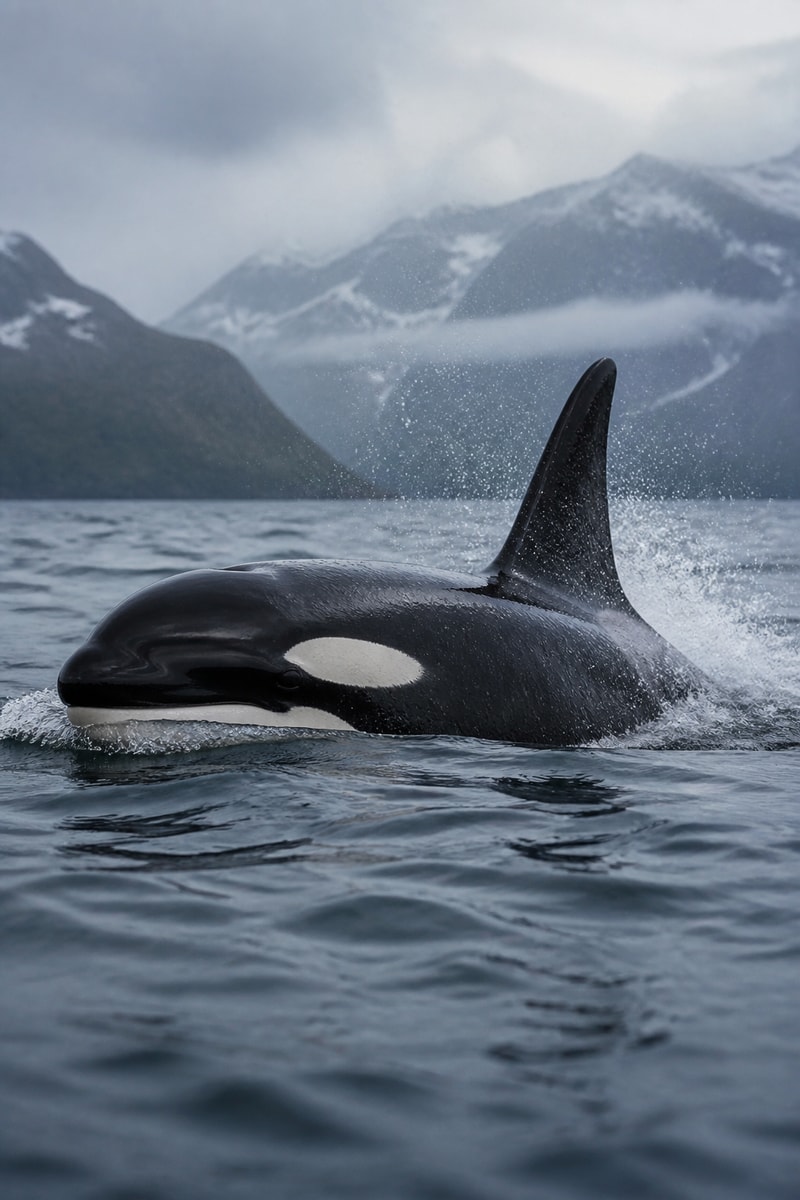
- Orcalegendary • Coastal Ocean
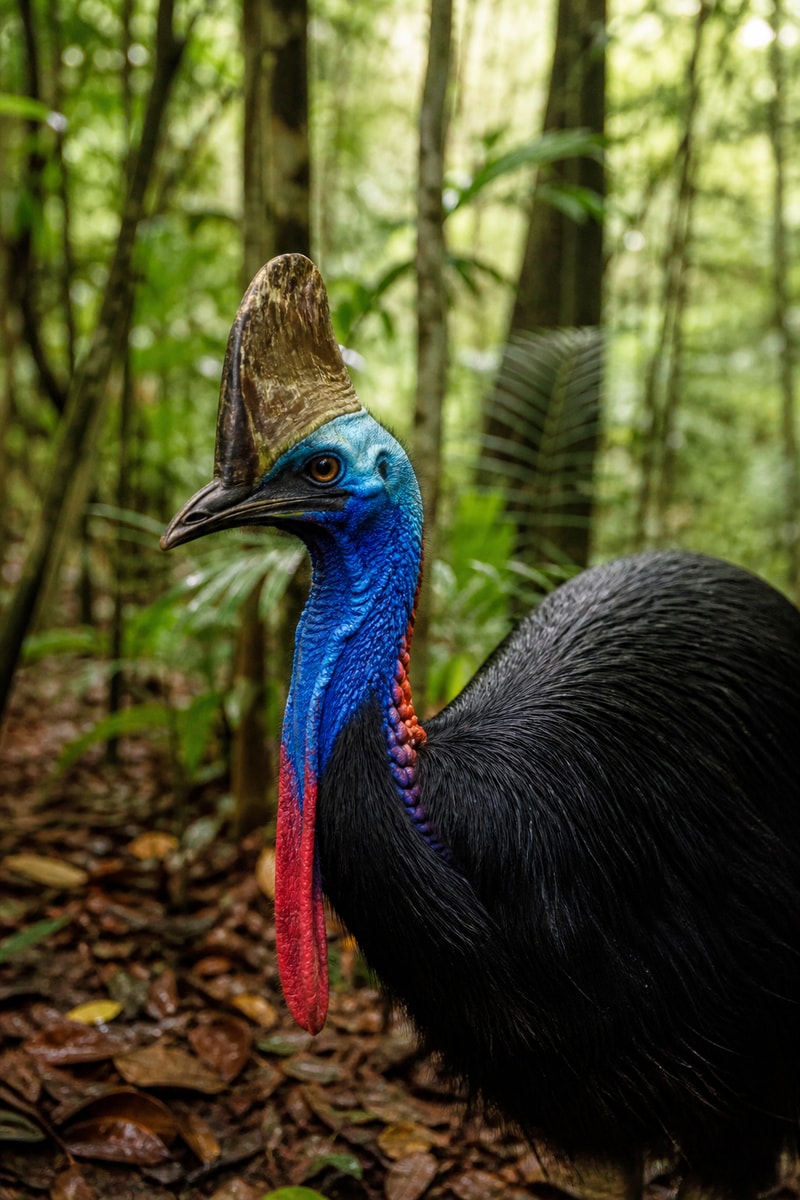
- Southern Cassowarylegendary • Rainforest
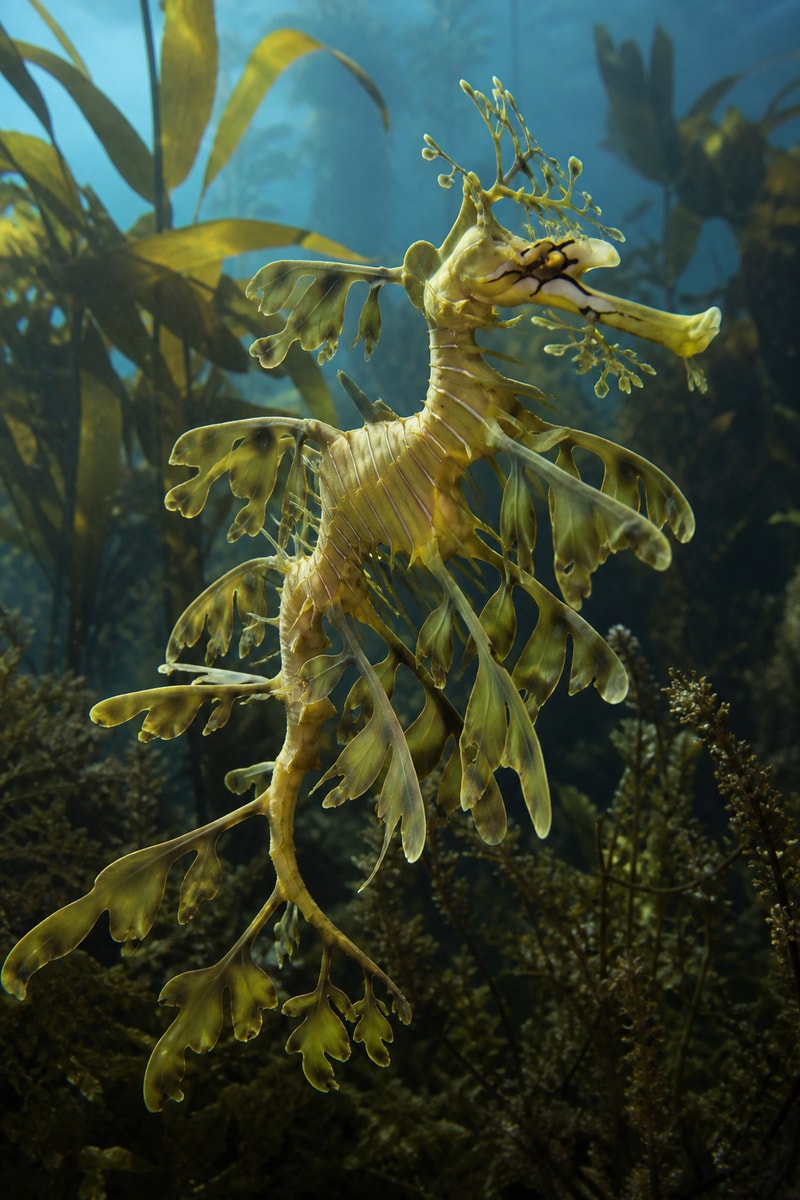
- Leafy Sea Dragonlegendary • Kelp & Seagrass
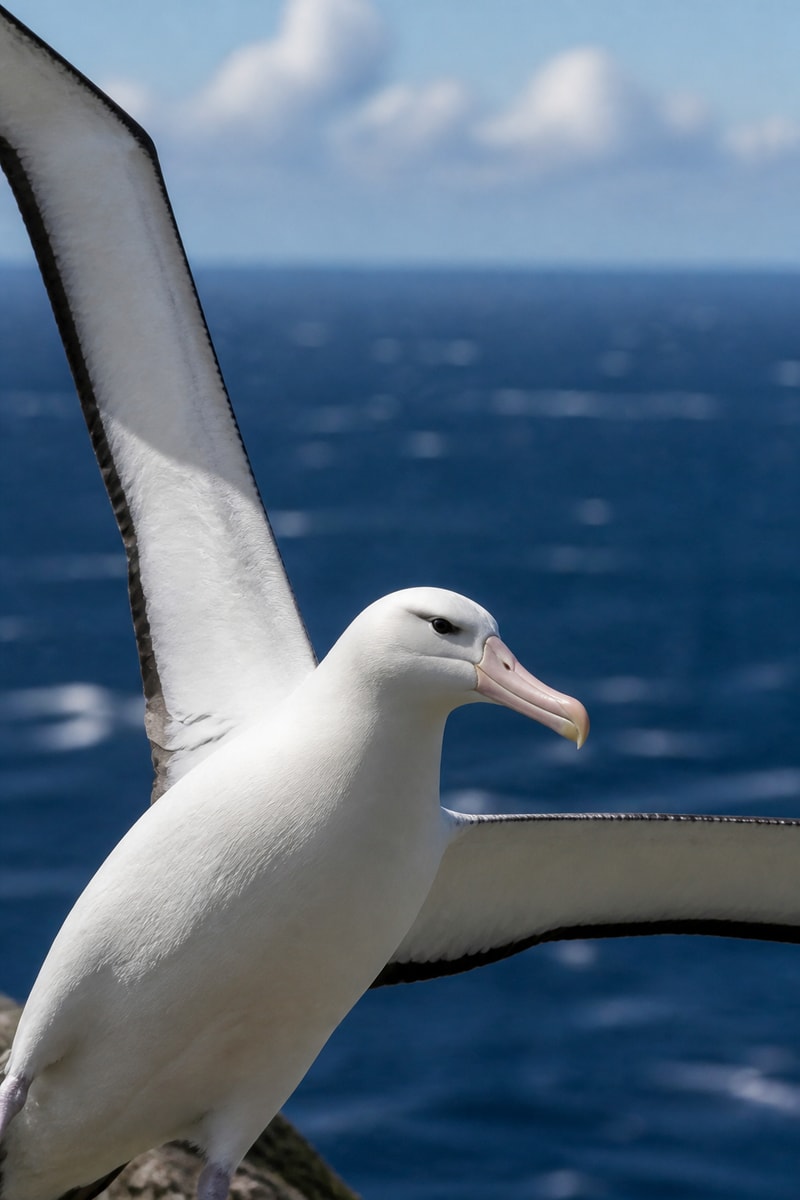
- Wandering Albatrosslegendary • Southern Ocean Skies
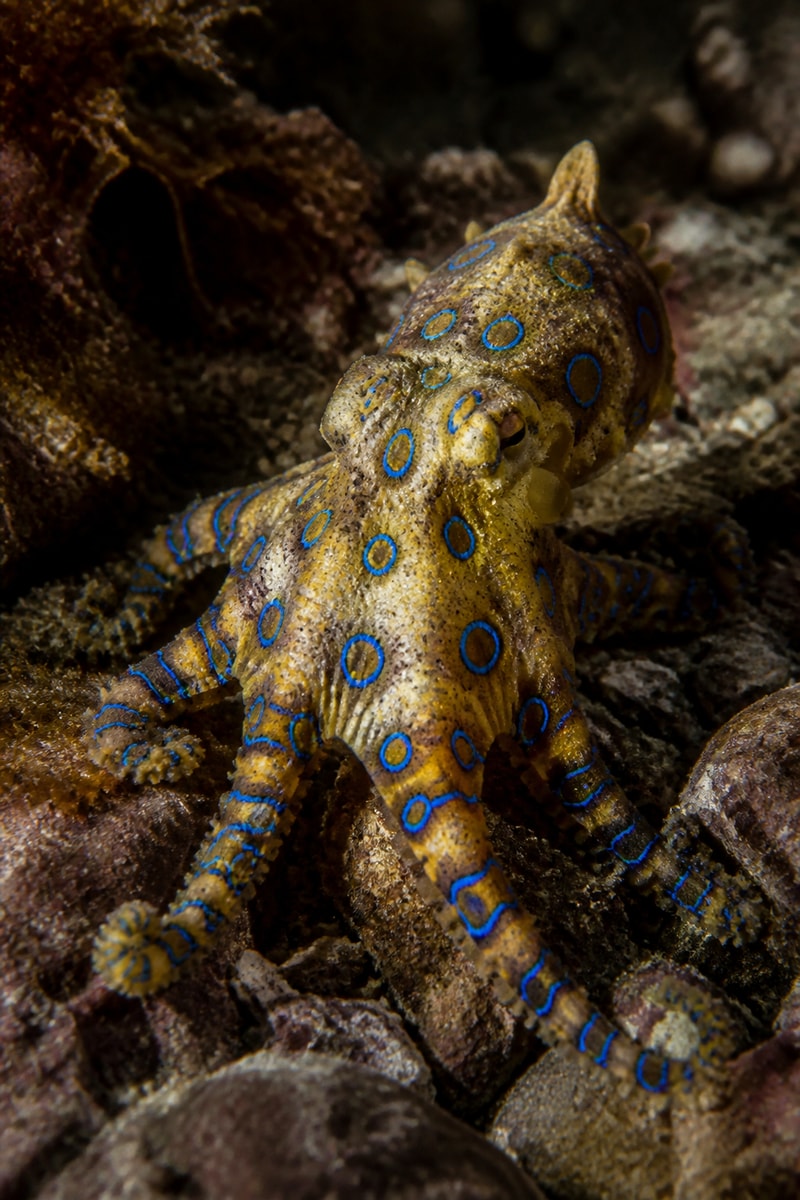
- Southern Blue-ringed Octopuslegendary • Southern Australian Reefs
- Koalarare • Eucalyptus Forest
Free on iOS
Catch the Swamp Wallaby
Spot one in the wild, then scan it in Catch'Um to log your common discovery.