
Field guide · common
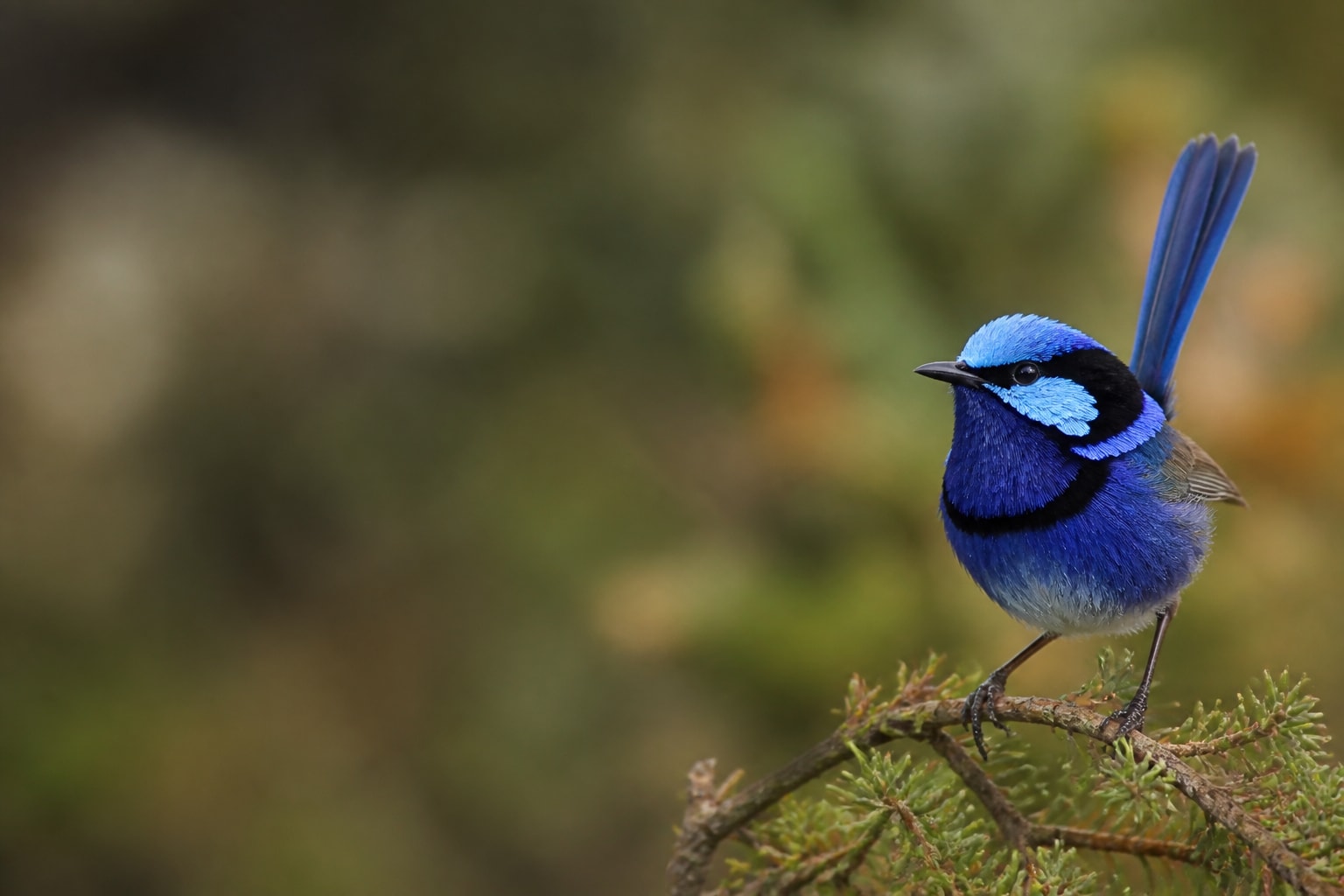
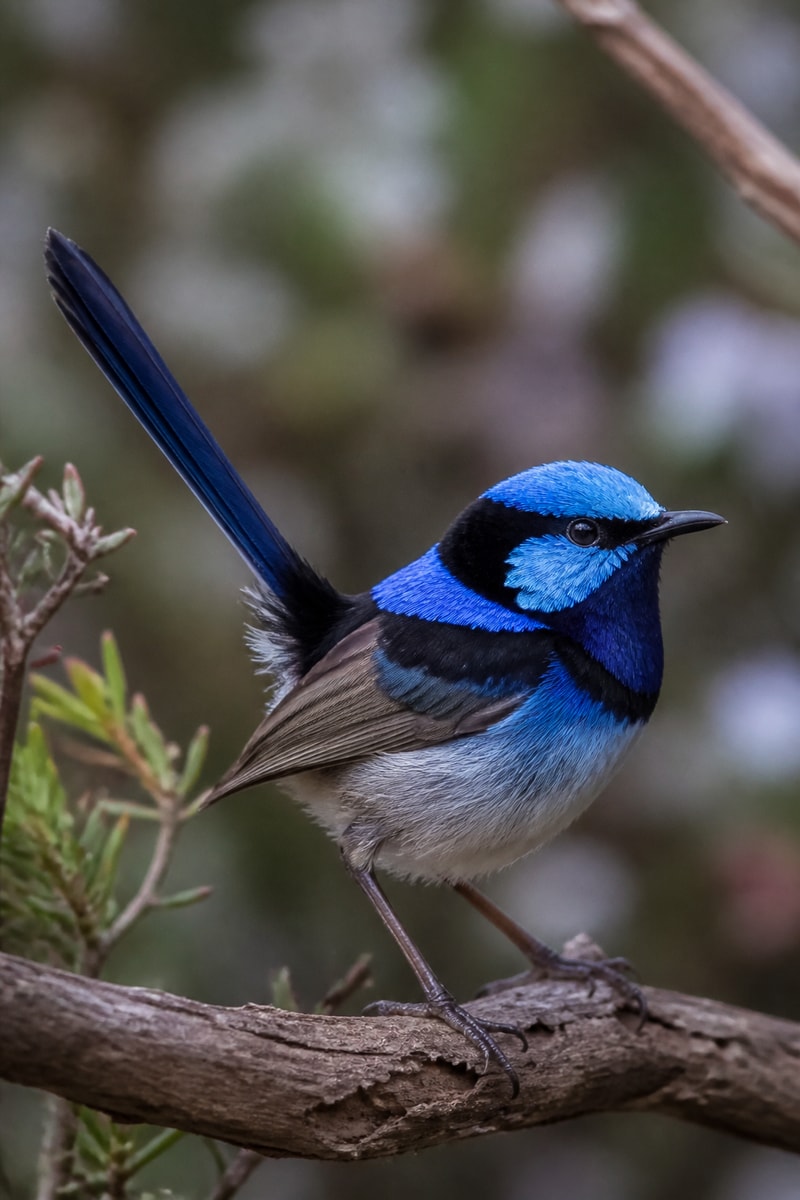
Superb Fairy-wren
Electric blue male, soft brown female — tiny royalty of the undergrowth.
Least Concern
Malurus cyaneus
Overview
Superb fairy-wrens are tiny, long-tailed songbirds of southeastern Australia. Breeding males flash brilliant cobalt-blue crowns and backs, while females and non-breeding males stay soft brown — classic cooperative groups hopping through dense shrubs.
For Australia collectors, this fairy-wren is a common garden jewel — twitchy tails, soft trills, and one of the most photographed small birds Down Under.
- Scientific nameMalurus cyaneus
- Length14 cm
- Weight8–13 g
- LifespanAround 5–6 years in the wild
- DietSmall insects and other…
- ConservationLeast Concern
- RegionSoutheastern Australian Scrub
Where to see them
Habitat
- Dense shrubbery
- Woodland understorey
- Suburban garden
- Heathland
Dense shrubs, heath, woodland understorey, and suburban gardens across southeastern Australia and Tasmania, favouring thick cover near open foraging edges.
Field notes
Field scale for the Superb Fairy-wren: length around 14 cm; weight 8-13 g. Typical lifespan: Around 5-6 years in the wild.
When you are scanning habitat, prioritise dense shrubbery, woodland understorey, suburban garden, and heathland. Those settings are where a clean look and a usable photo are most likely.
Quick ID anchor: Tiny bird with a long cocked tail; breeding male is bright blue and black. Confirm with behaviour and habitat before you log the discovery.
Diet
Small insects and other invertebrates gleaned from foliage and leaf litter.
Occasionally take seeds; mostly active insect hunters near cover.
Behaviour
Territorial family groups; helpers assist the breeding pair.
Males perform petal displays and soft songs during courtship.
How to identify
Tiny bird with a long cocked tail; breeding male is bright blue and black.
Female brown with a reddish-brown bill and lores; soft reeling song.
Interesting facts
- 01
Breeding males wear vivid cobalt-blue crowns and backs.
- 02
Live in cooperative groups that help raise nestlings.
- 03
Hold long cocked tails while hopping through undergrowth.
- 04
Females and eclipse males are mostly soft brown.
- 05
Famous for complex social and mating systems.
- 06
Common in parks and gardens of southeastern cities.
Conservation status
Superb fairy-wrens are Least Concern and adapt well to gardens with dense shrub cover. Clearing of understorey reduces local nesting success.
Sources: IUCN Red List



Keep exploring
Related discoveries
- Great White Sharklegendary • Coastal Ocean
- Saltwater Crocodilelegendary • Estuaries & Coast
- Orcalegendary • Coastal Ocean
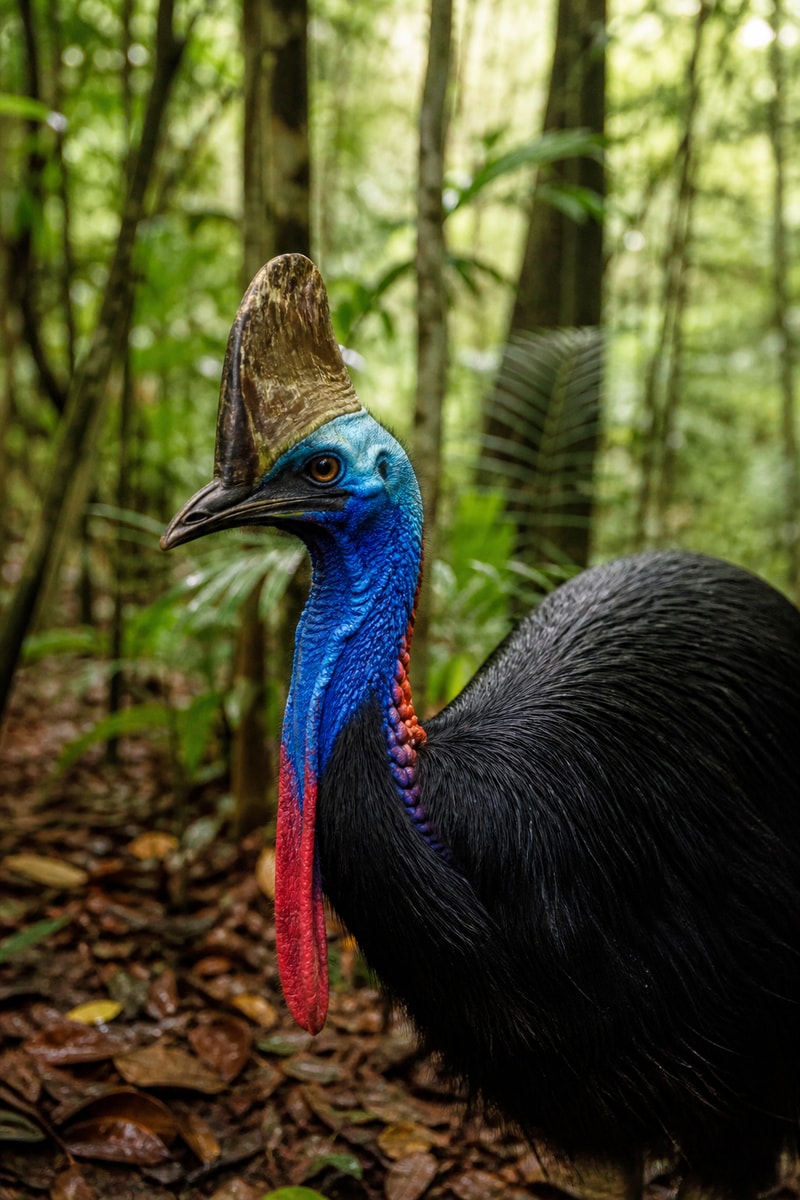
- Southern Cassowarylegendary • Rainforest
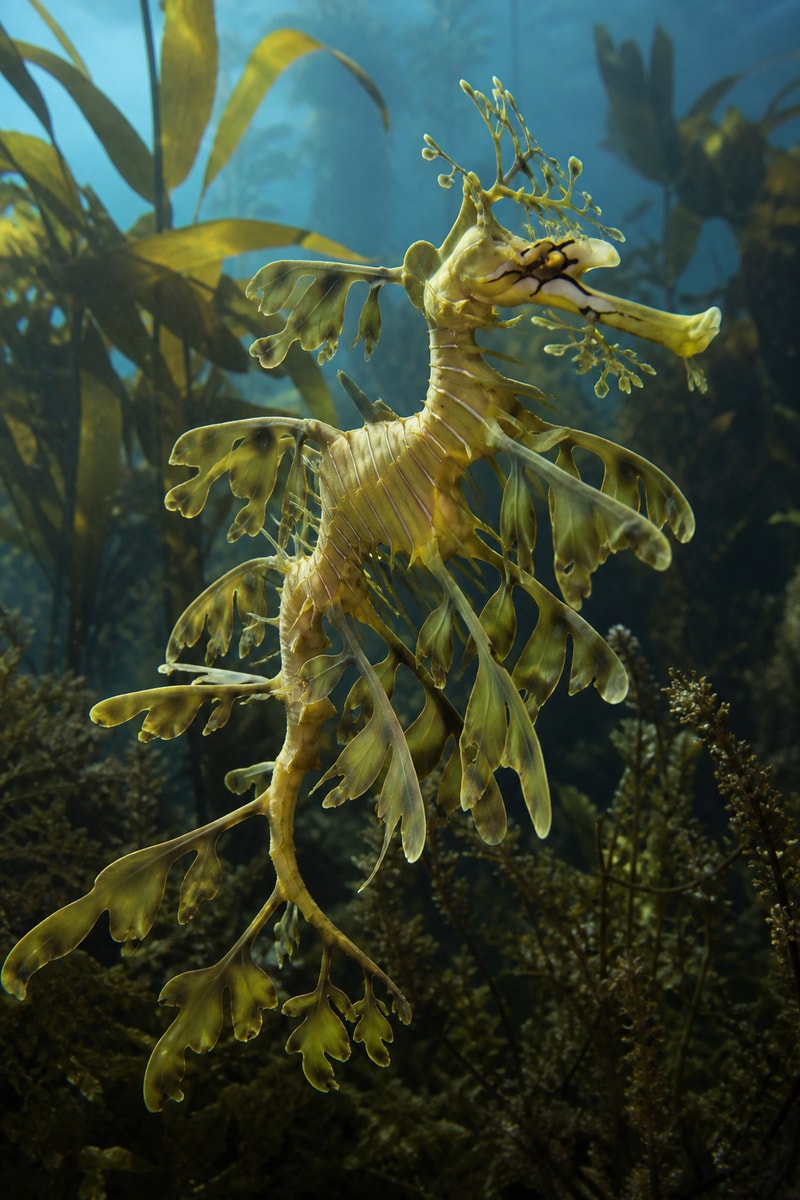
- Leafy Sea Dragonlegendary • Kelp & Seagrass
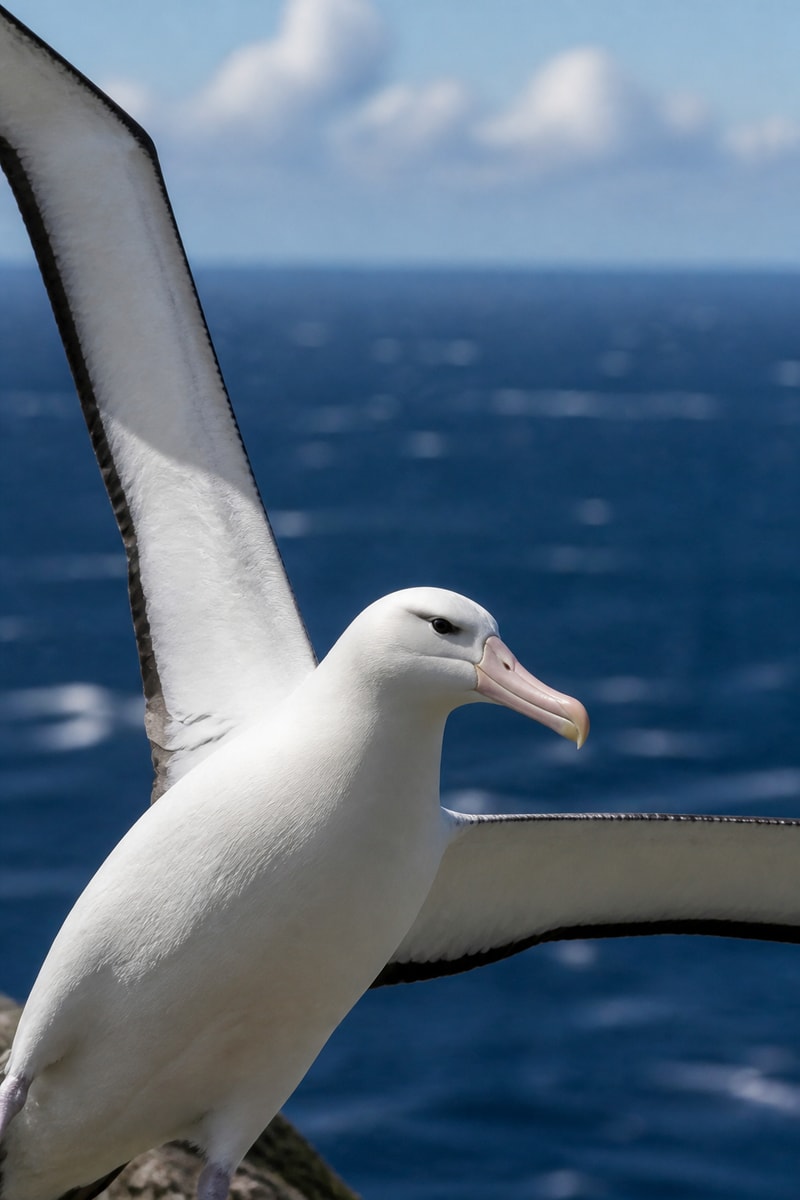
- Wandering Albatrosslegendary • Southern Ocean Skies
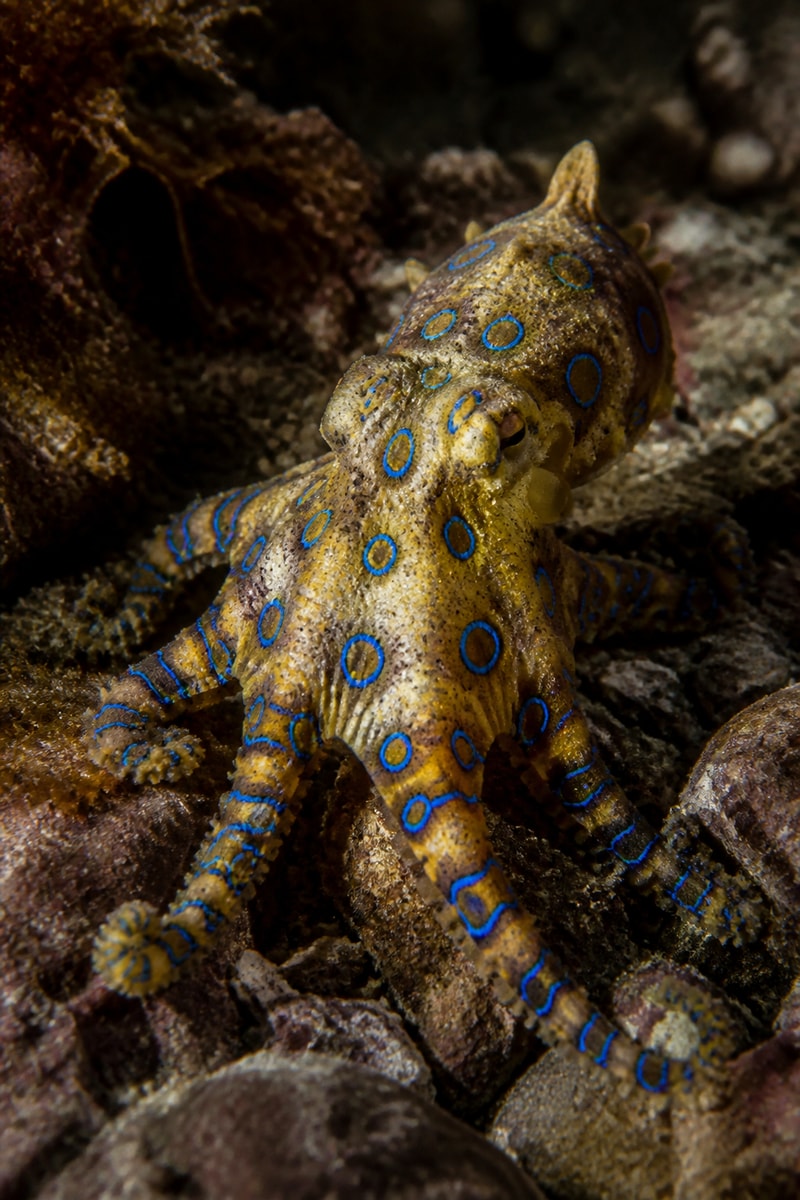
- Southern Blue-ringed Octopuslegendary • Southern Australian Reefs
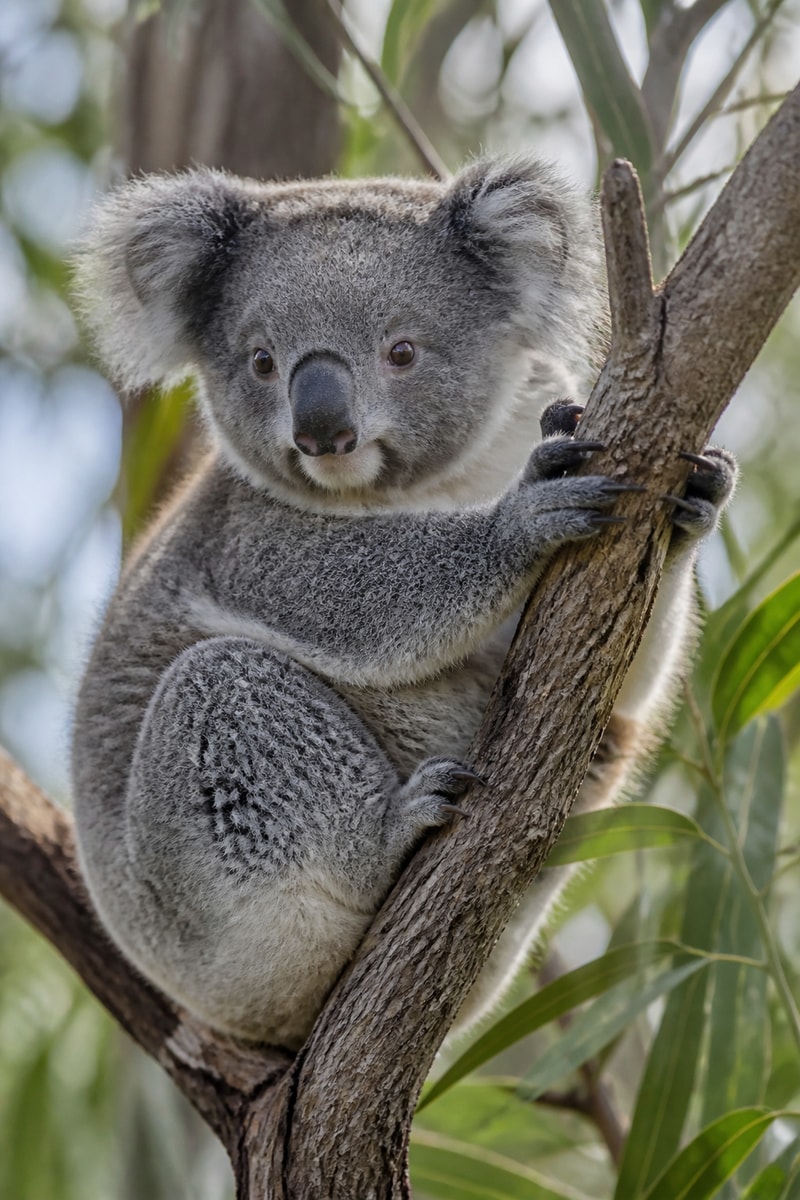
- Koalarare • Eucalyptus Forest
Free on iOS
Catch the Superb Fairy-wren
Spot one in the wild, then scan it in Catch'Um to log your common discovery.