
Field guide · common
Sugar Glider
A pocket-sized gliding marsupial — big eyes, soft gliding membrane, and a sweet tooth for nectar.
Least Concern
Petaurus breviceps
Overview
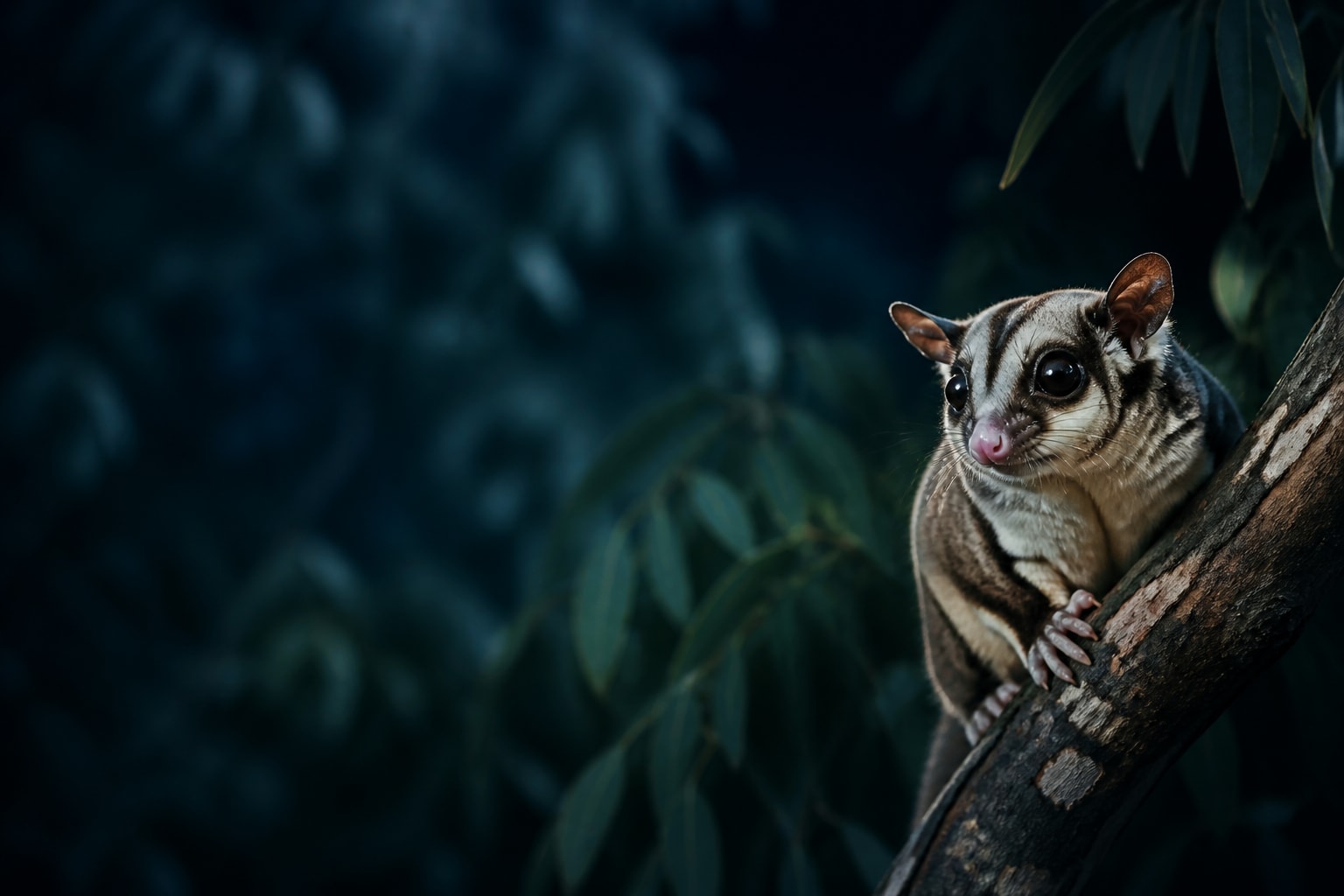
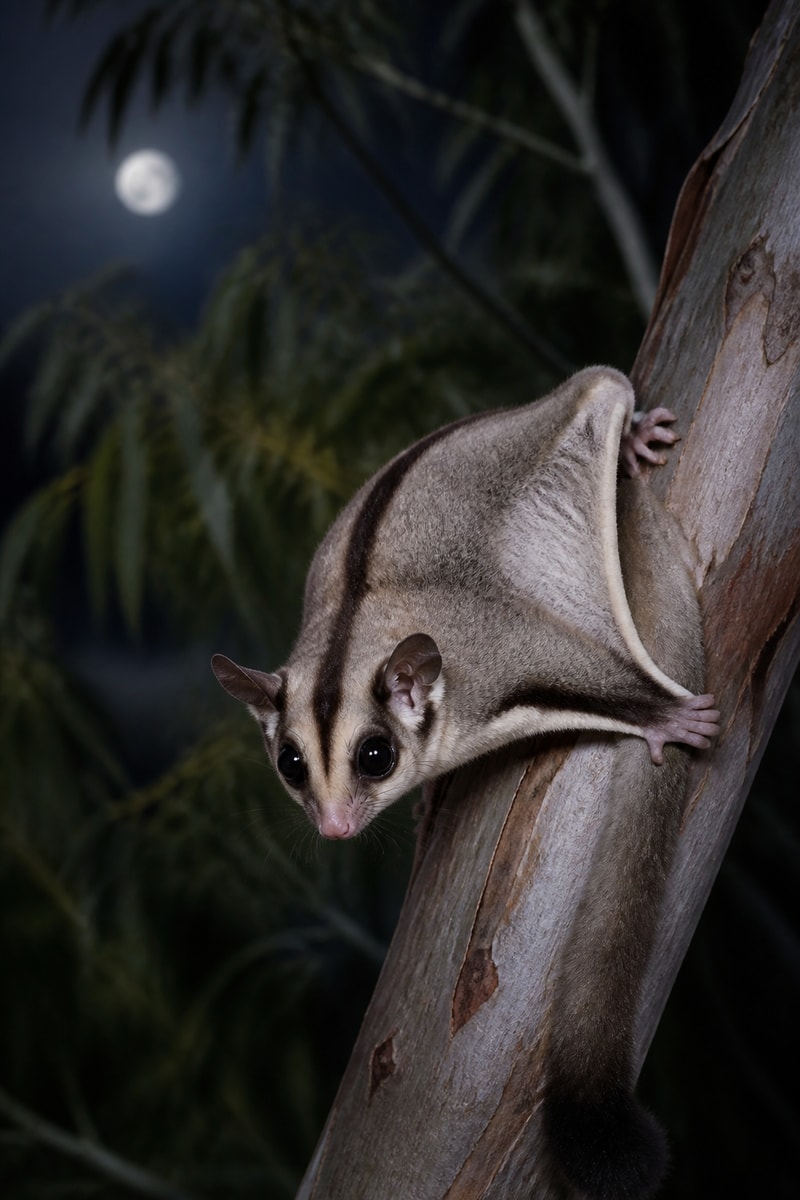
Sugar gliders are tiny nocturnal marsupials that leap and glide between eucalyptus trees on a skin membrane stretching from wrist to ankle. Social and vocal, they nest in tree hollows and feast on nectar, sap, and insects.
An irresistible Australia card — cute, distinctive, and built for collection reveals.
- Scientific namePetaurus breviceps
- Length16–21 cm body; tail similar
- Weight100–160 g
- LifespanAround 4–9 years in the wild
- DietNectar
- ConservationLeast Concern
- RegionEucalyptus Woodland
Where to see them
Habitat
- Eucalyptus woodland
- Forest hollows
Eucalyptus forest and woodland across eastern and northern Australia (and New Guinea), with tree hollows for daytime dens.
Field notes
Field scale for the Sugar Glider: length around 16-21 cm body; tail similar; weight 100-160 g. Typical lifespan: Around 4-9 years in the wild.
When you are scanning habitat, prioritise eucalyptus woodland and forest hollows. Those settings are where a clean look and a usable photo are most likely.
Quick ID anchor: Small grey marsupial with a dark dorsal stripe, big black eyes, and a bushy tail. Confirm with behaviour and habitat before you log the discovery.
Diet
Nectar, pollen, eucalyptus sap, insects, and small vertebrates.
Use sharp teeth to gouge bark for sap flows.
Behaviour
Nocturnal and social; glide between trees and nest in hollows by day.
Communicate with yapping and crabbing calls.
How to identify
Small grey marsupial with a dark dorsal stripe, big black eyes, and a bushy tail.
Gliding membrane visible when leaping; cream underside.
Interesting facts
- 01
Gliding membranes let them soar between trees for tens of metres.
- 02
Named for a love of sweet nectar and sap.
- 03
Live in social groups sharing nest hollows.
- 04
Mothers carry joeys in a pouch.
- 05
Large eyes suit a nocturnal lifestyle.
- 06
Scent glands help mark group members and territory.
Conservation status
Sugar gliders are Least Concern across much of their range, though local declines occur where hollow-bearing trees are cleared. Nest boxes can help in fragmented woodland.
Sources: IUCN Red List
Keep exploring
Related discoveries
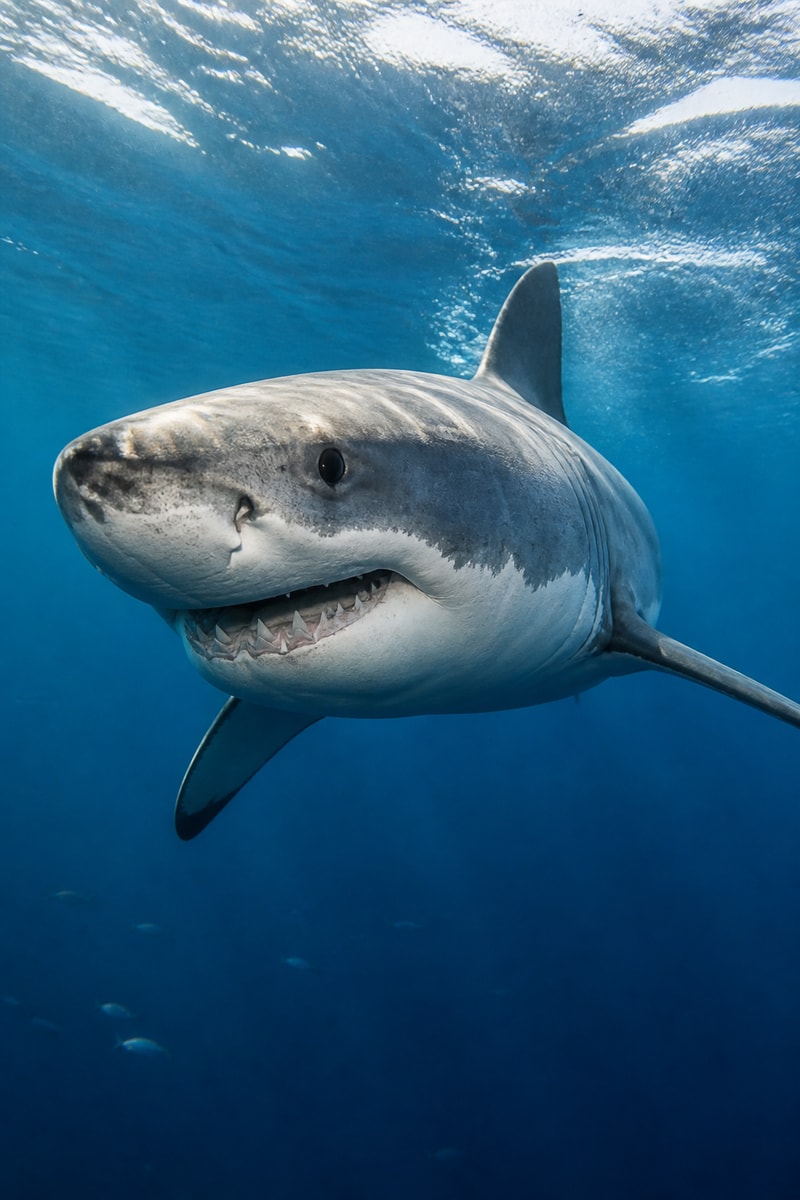
- Great White Sharklegendary • Coastal Ocean
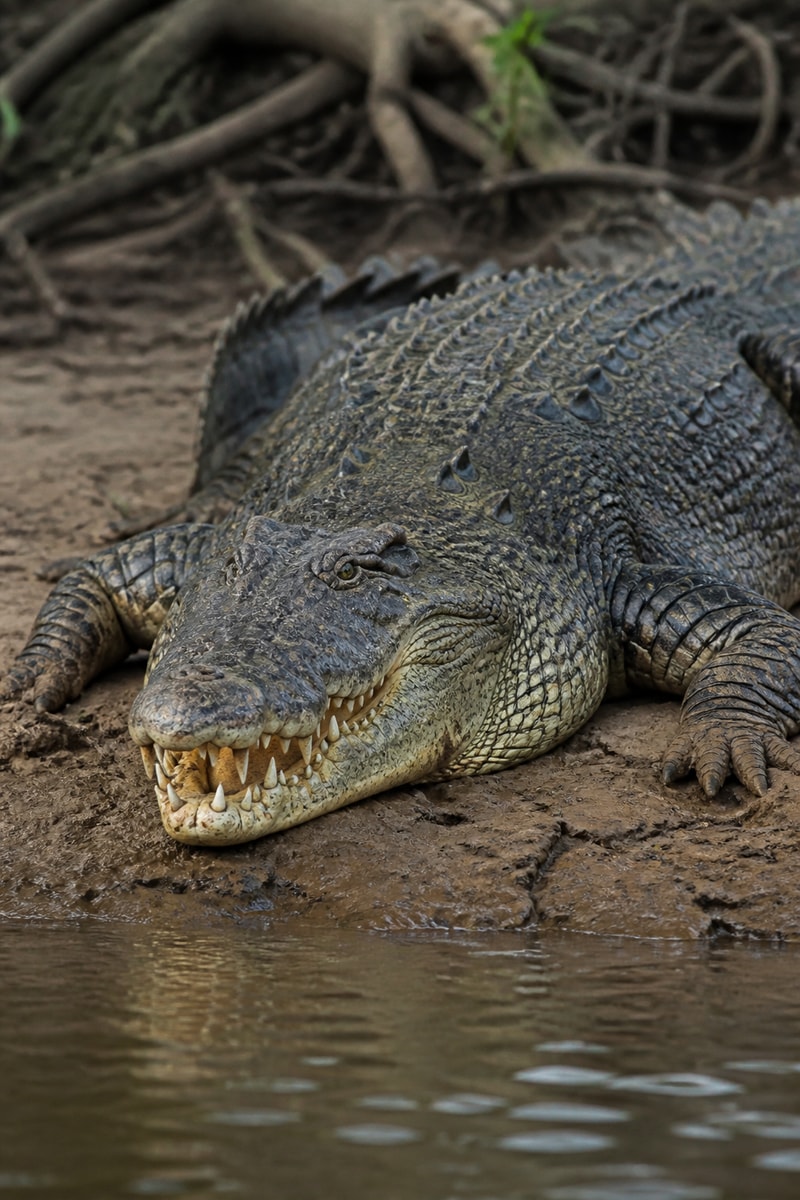
- Saltwater Crocodilelegendary • Estuaries & Coast
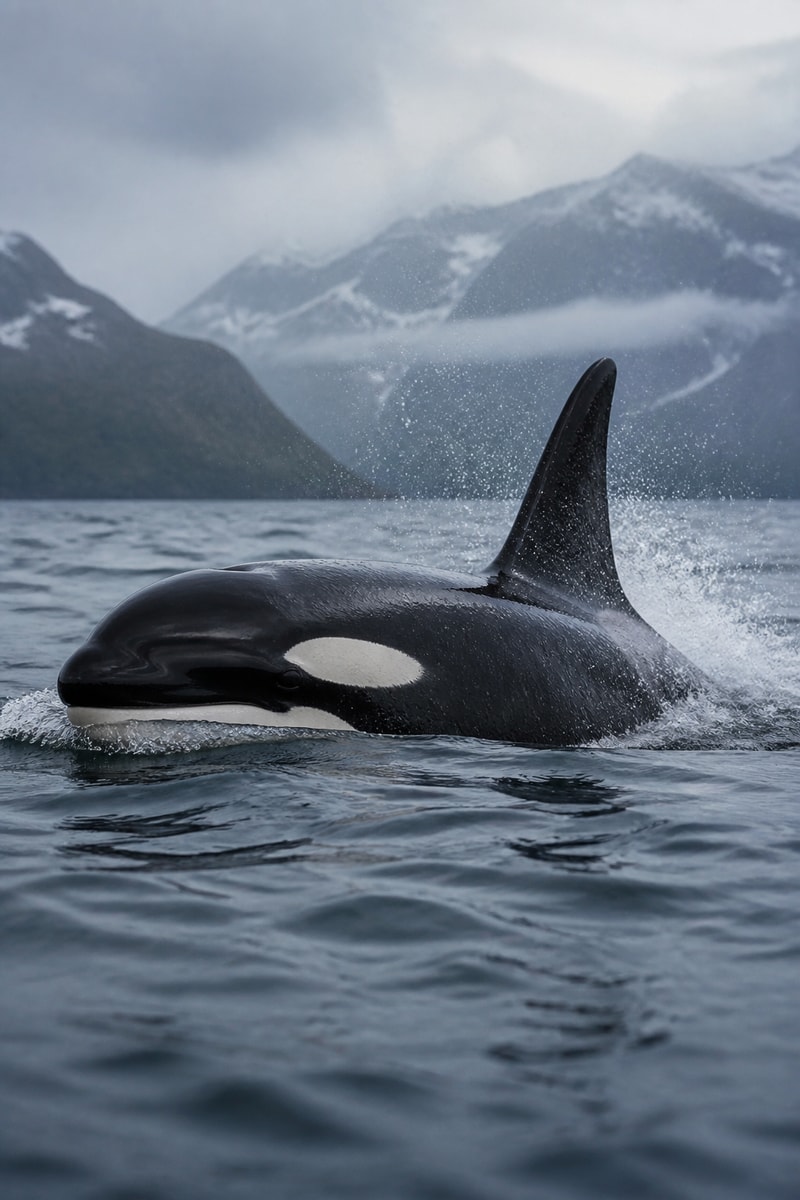
- Orcalegendary • Coastal Ocean
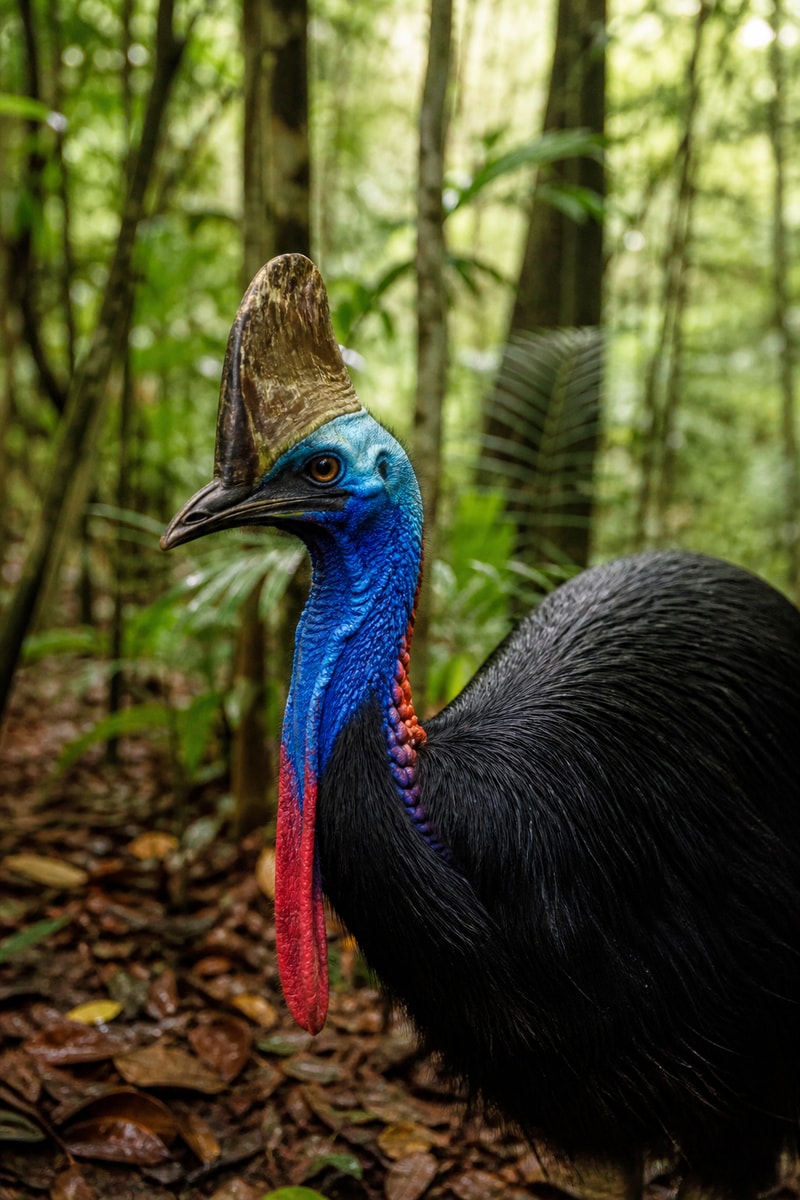
- Southern Cassowarylegendary • Rainforest
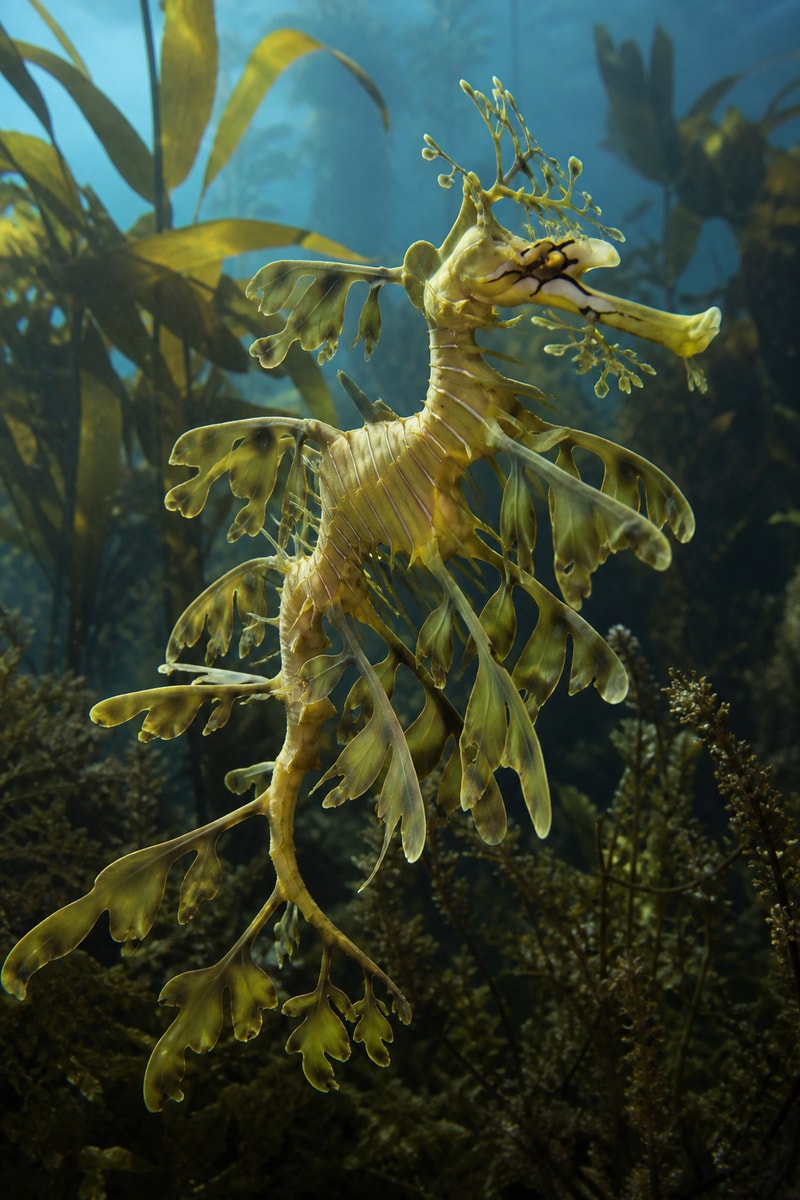
- Leafy Sea Dragonlegendary • Kelp & Seagrass
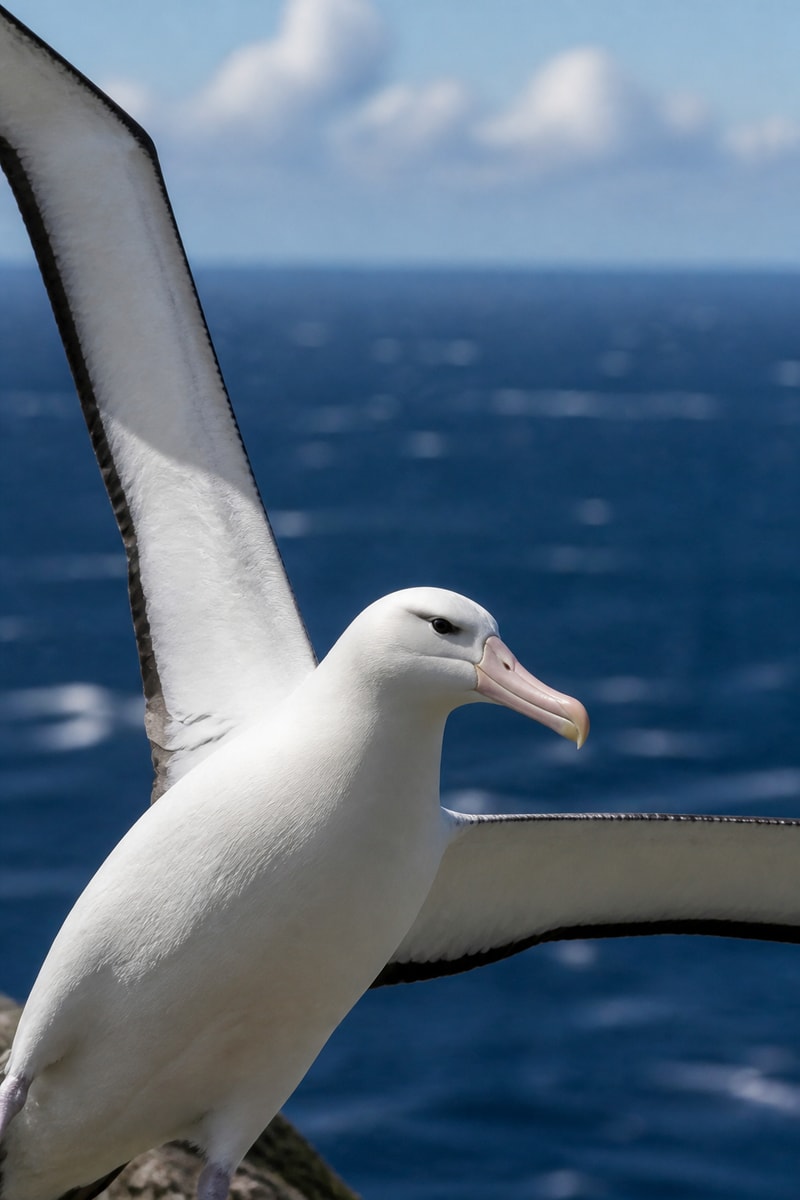
- Wandering Albatrosslegendary • Southern Ocean Skies
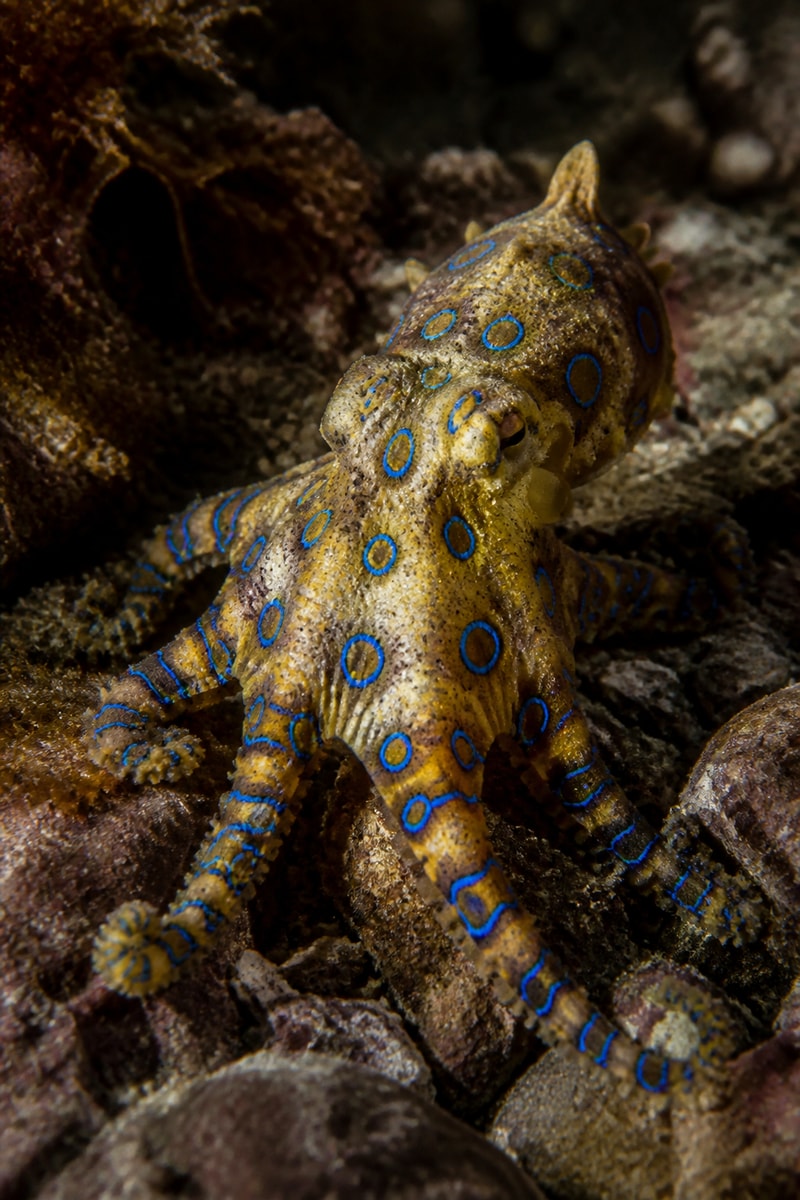
- Southern Blue-ringed Octopuslegendary • Southern Australian Reefs
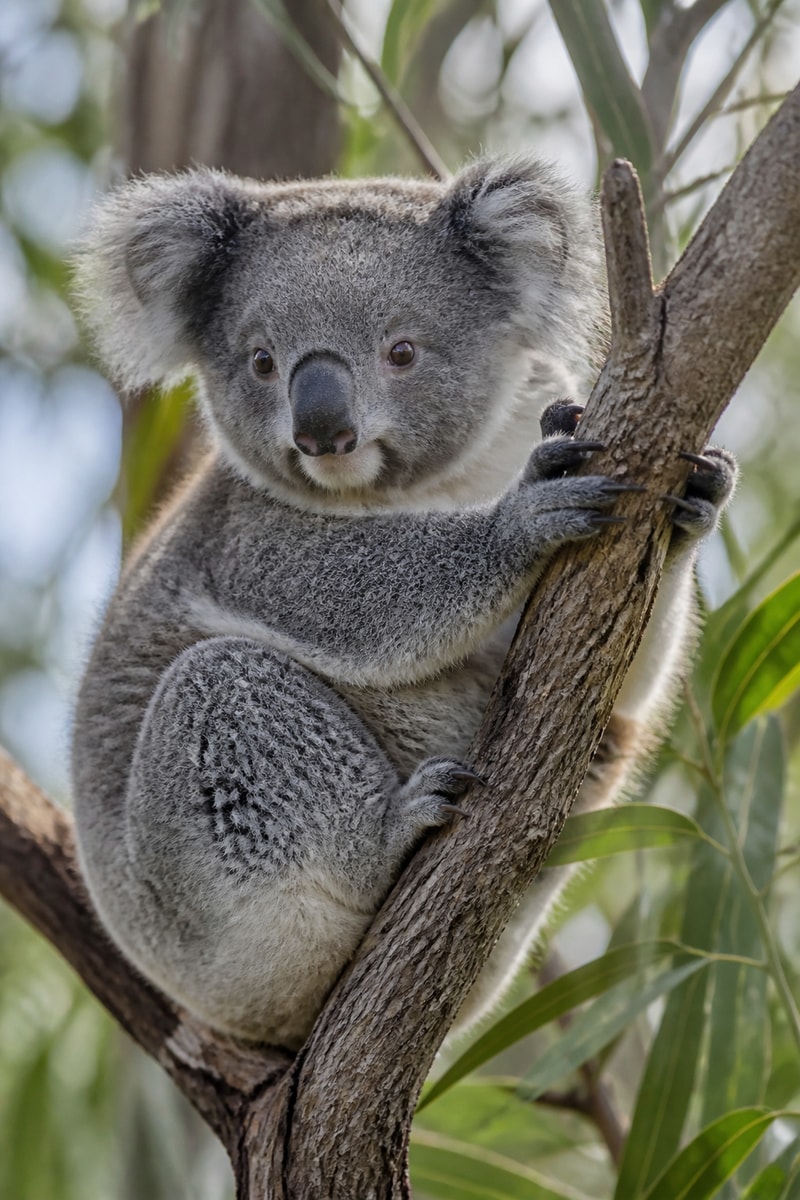
- Koalarare • Eucalyptus Forest
Free on iOS
Catch the Sugar Glider
Spot one in the wild, then scan it in Catch'Um to log your common discovery.