
Field guide · common
Rainbow Lorikeet
Electric blues, oranges, and greens — nectar chatter in eastern city parks.
Least Concern
Trichoglossus moluccanus
Overview
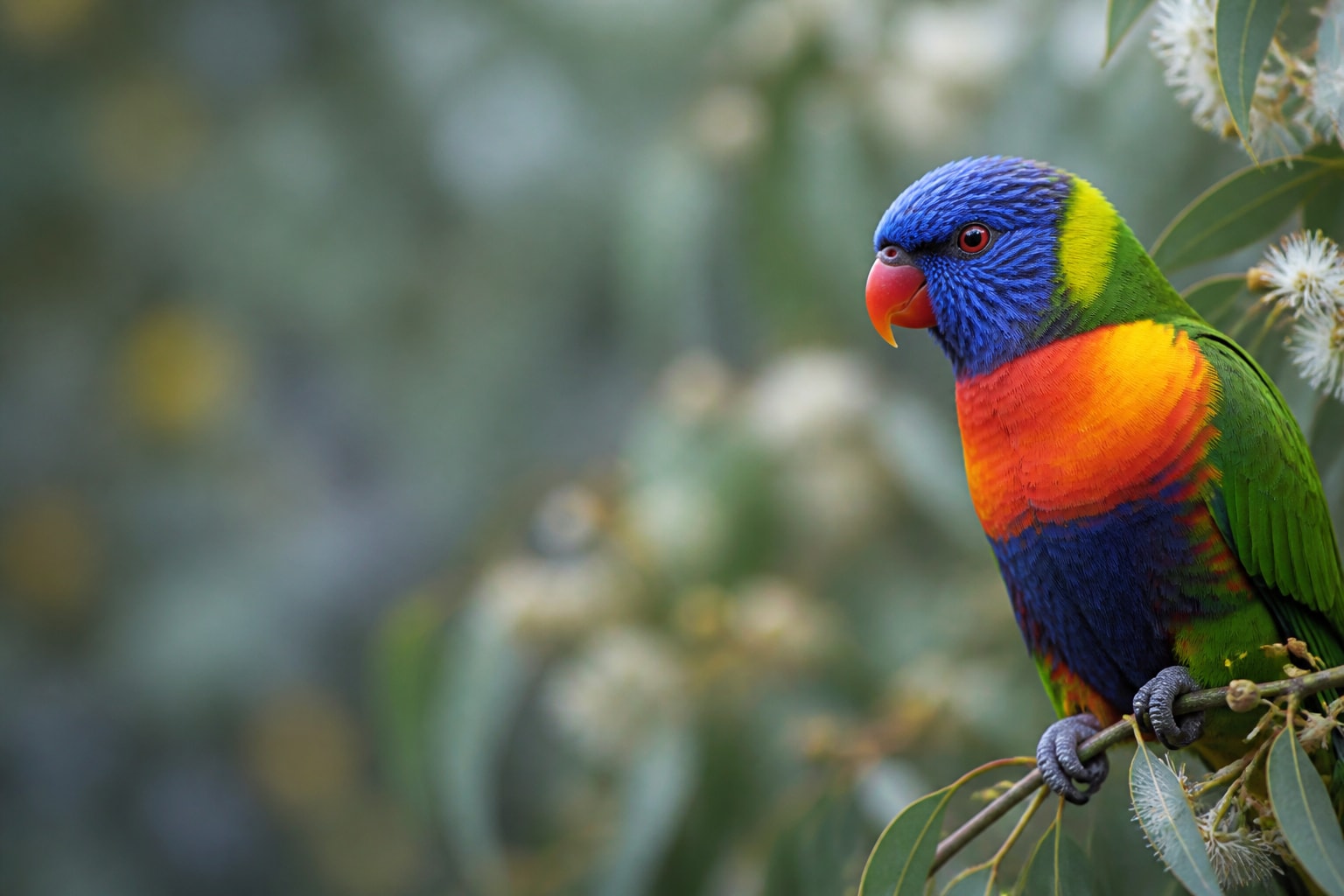
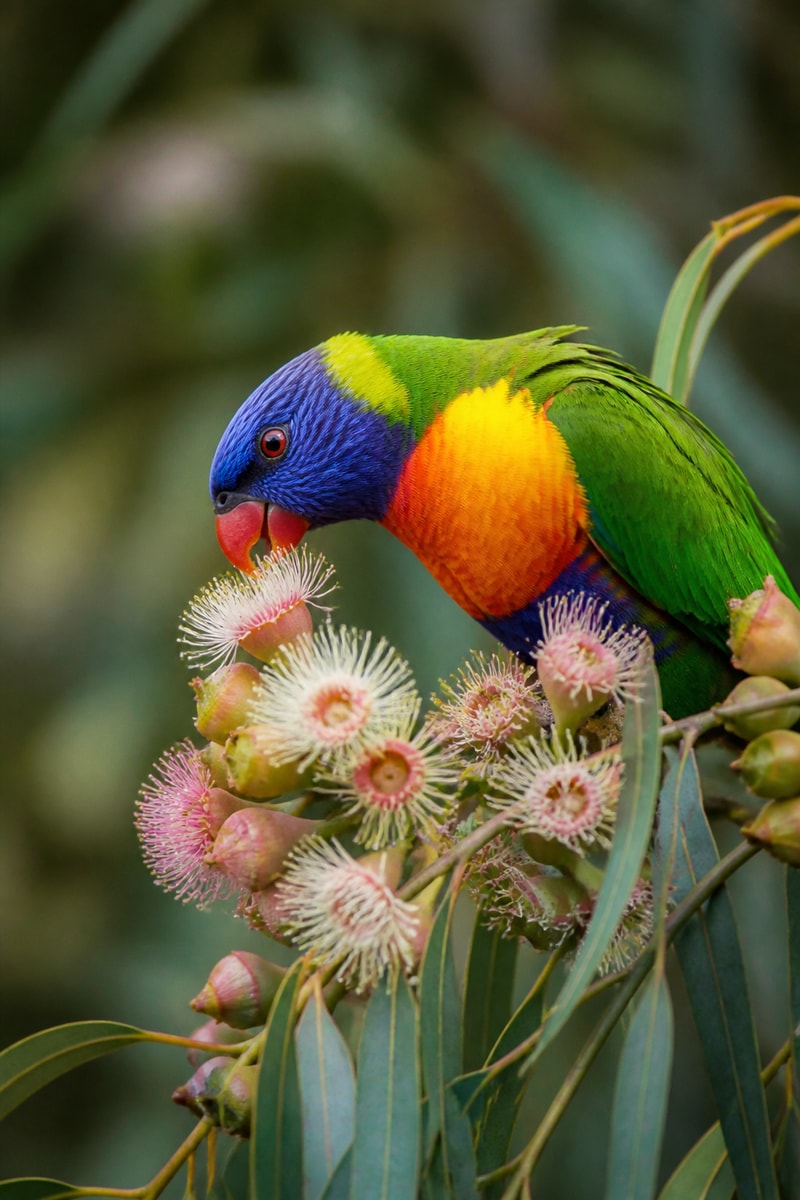
Rainbow lorikeets are brilliantly coloured nectar-feeding parrots of eastern Australia. Screeching flocks mob flowering gums and bottlebrushes, using brush-tipped tongues to lap nectar and pollen.
For Australia collectors, this lorikeet is a vivid common catch — parkland colour, noisy flocks, and one of the easiest eastern birds to spot at blossom time.
- Scientific nameTrichoglossus moluccanus
- Length25–30 cm
- Weight75–157 g
- LifespanAround 10–15 years in the wild
- DietPrimarily nectar and pollen
- ConservationLeast Concern
- RegionEastern Australian Canopy
Where to see them
Habitat
- Coastal woodland
- Urban parkland
- Flowering canopy
- Rainforest edge
Coastal and near-coastal forests, woodlands, and urban parks of eastern Australia where flowering trees and shrubs provide nectar year-round.
Field notes
Field scale for the Rainbow Lorikeet: length around 25-30 cm; weight 75-157 g. Typical lifespan: Around 10-15 years in the wild.
When you are scanning habitat, prioritise coastal woodland, urban parkland, flowering canopy, and rainforest edge. Those settings are where a clean look and a usable photo are most likely.
Quick ID anchor: Blue head, bright orange-yellow breast band, green wings and back, and a red bill. Confirm with behaviour and habitat before you log the discovery.
Where to see one
Australia
In Australia, start at Daintree Rainforest (Queensland). Ancient tropical forest at the edge of the Great Barrier Reef, with cassowaries, tree kangaroos, and forest birds.
More context on this destination lives on the Australia expedition page.
Diet
Primarily nectar and pollen, plus soft fruit, berries, and occasional insects.
Use a brushy tongue tip to sweep nectar from blossoms.
Behaviour
Highly social; roost and forage in flocks with piercing screeches.
Aggressive around favoured flowering trees and garden feeders.
How to identify
Blue head, bright orange-yellow breast band, green wings and back, and a red bill.
Fast, direct flight and loud calls make flocks easy to track.
Interesting facts
- 01
Brush-tipped tongue specialised for nectar and pollen.
- 02
Often feed in noisy, colourful flocks on flowering trees.
- 03
Nest in tree hollows; pairs often lifelong.
- 04
Eastern Australian form is Trichoglossus moluccanus.
- 05
Blue head, orange breast, and green wings flash in flight.
- 06
Common visitors to nectar feeders in coastal cities.
Conservation status
Rainbow lorikeets are Least Concern and thriving in many eastern Australian cities. Competition with other hollow-nesting birds and feeder dependence are local management issues.
Sources: IUCN Red List

Keep exploring
Related discoveries
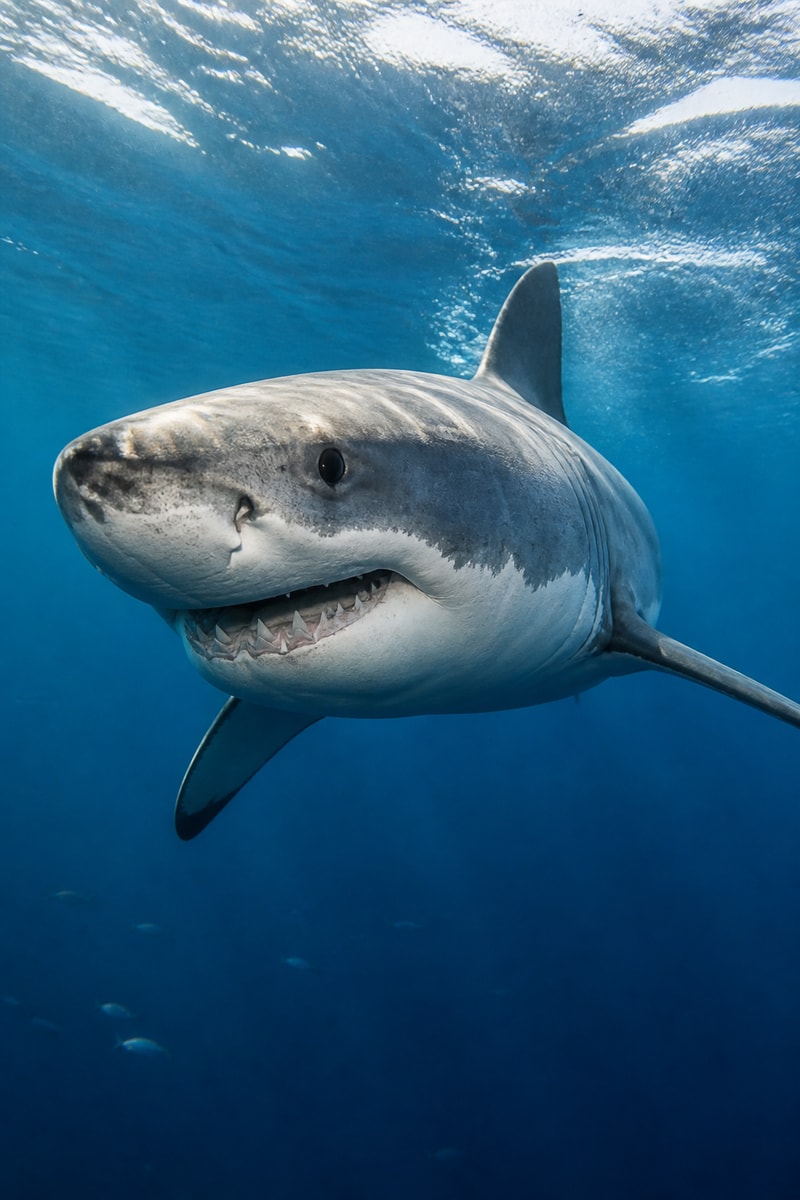
- Great White Sharklegendary • Coastal Ocean
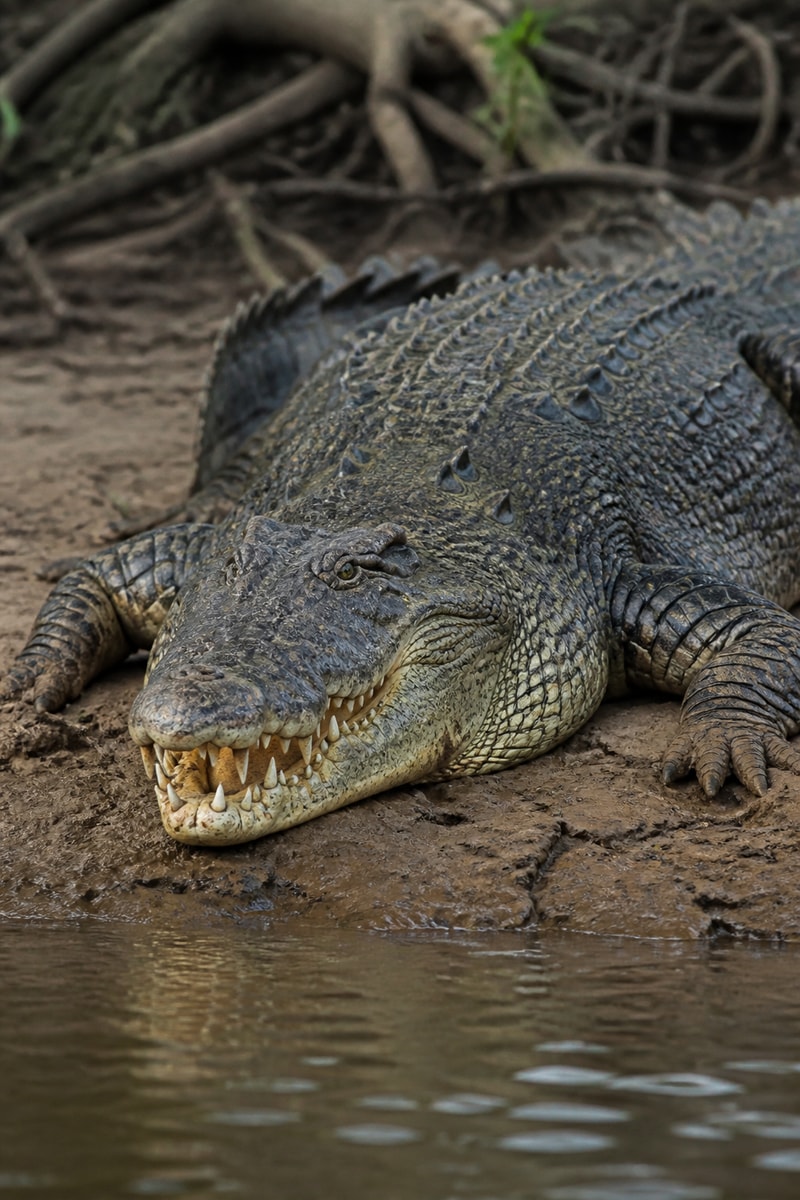
- Saltwater Crocodilelegendary • Estuaries & Coast
- Orcalegendary • Coastal Ocean
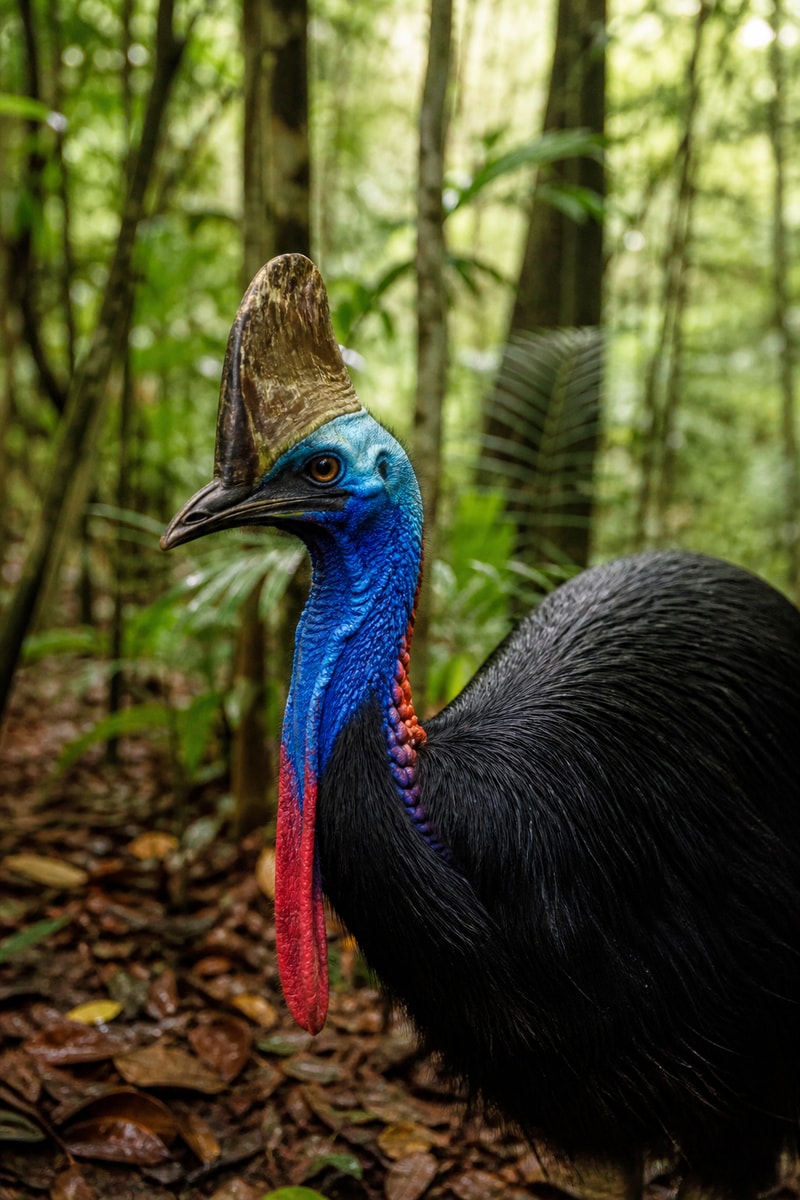
- Southern Cassowarylegendary • Rainforest
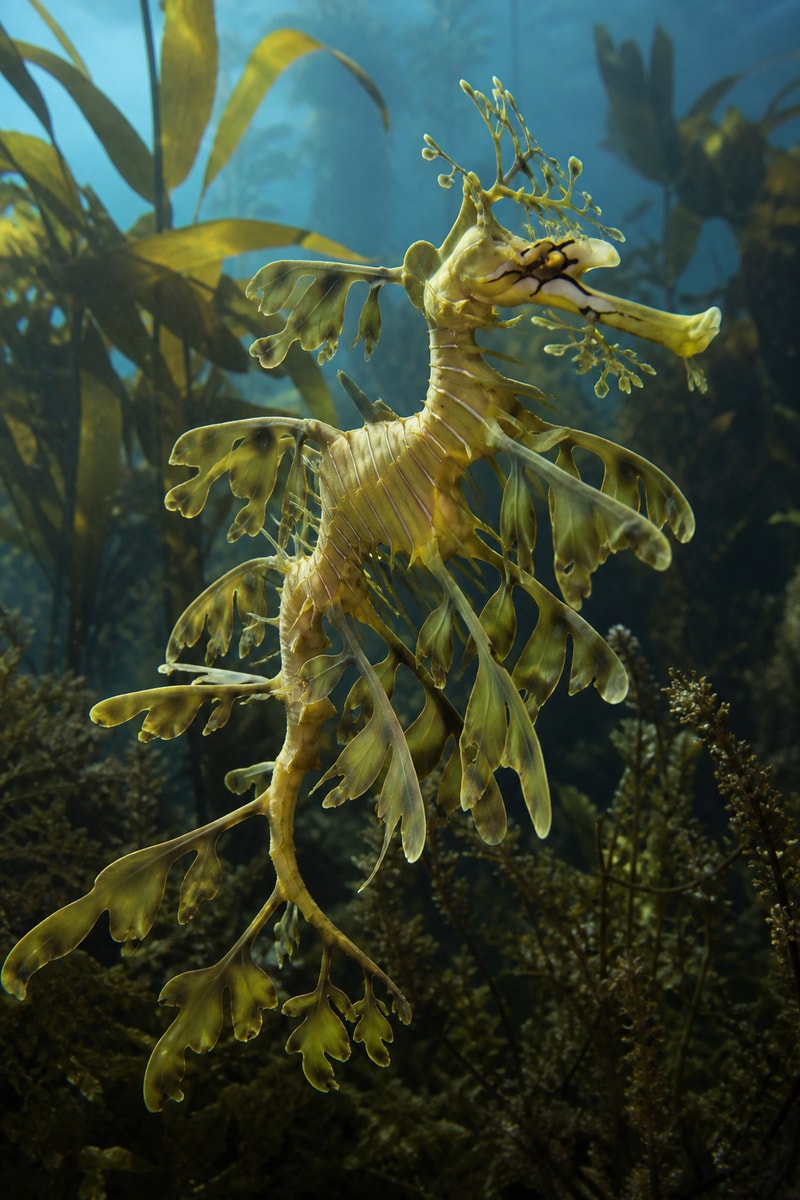
- Leafy Sea Dragonlegendary • Kelp & Seagrass
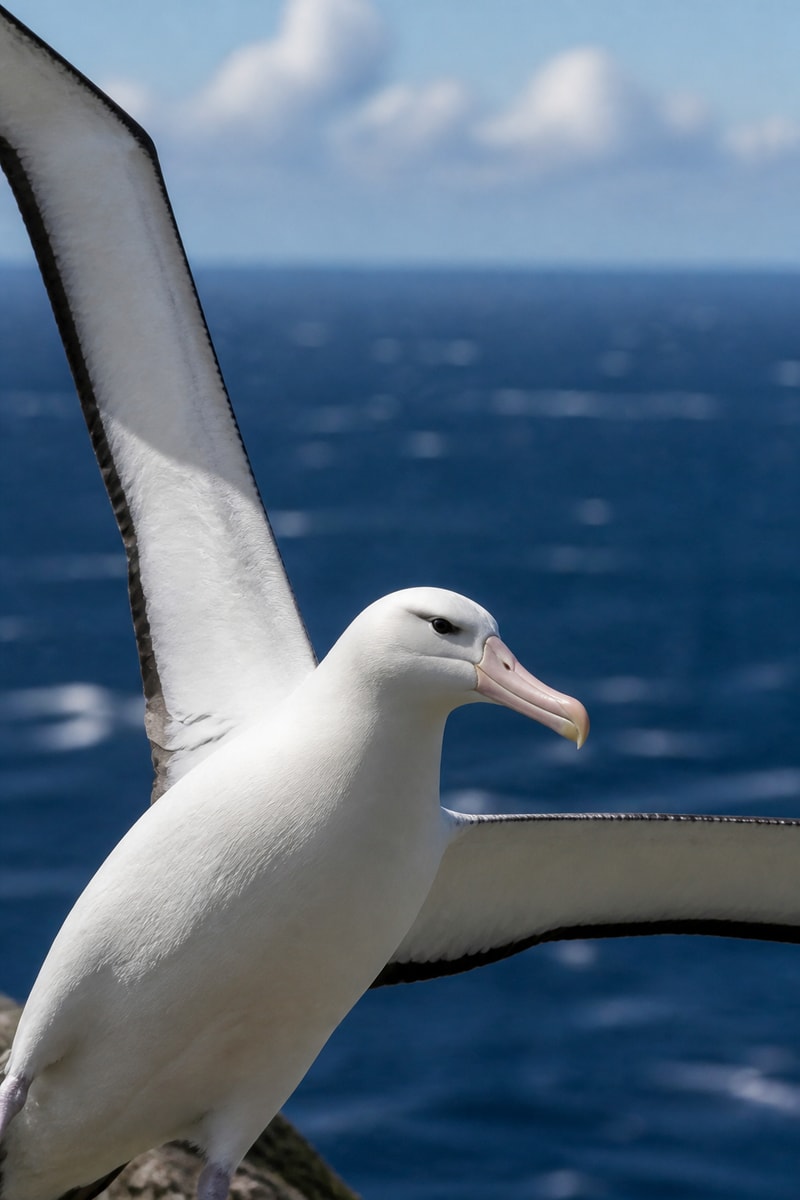
- Wandering Albatrosslegendary • Southern Ocean Skies
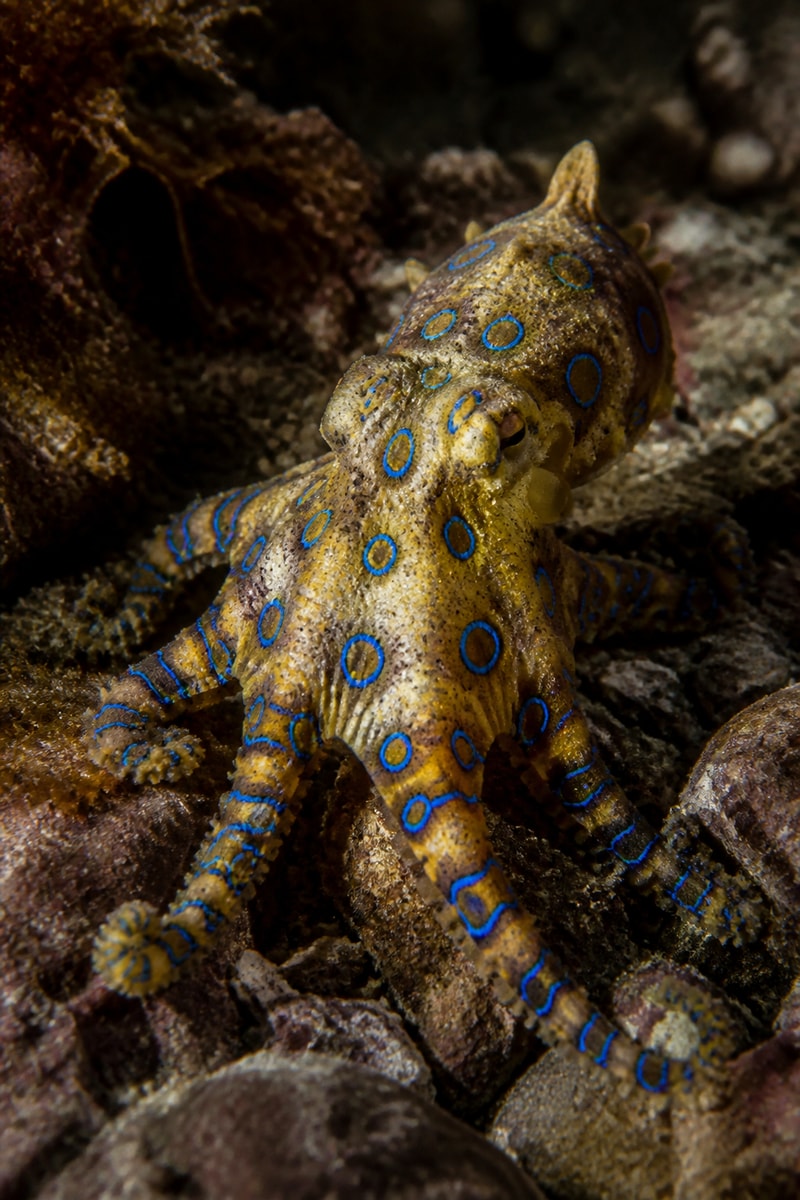
- Southern Blue-ringed Octopuslegendary • Southern Australian Reefs
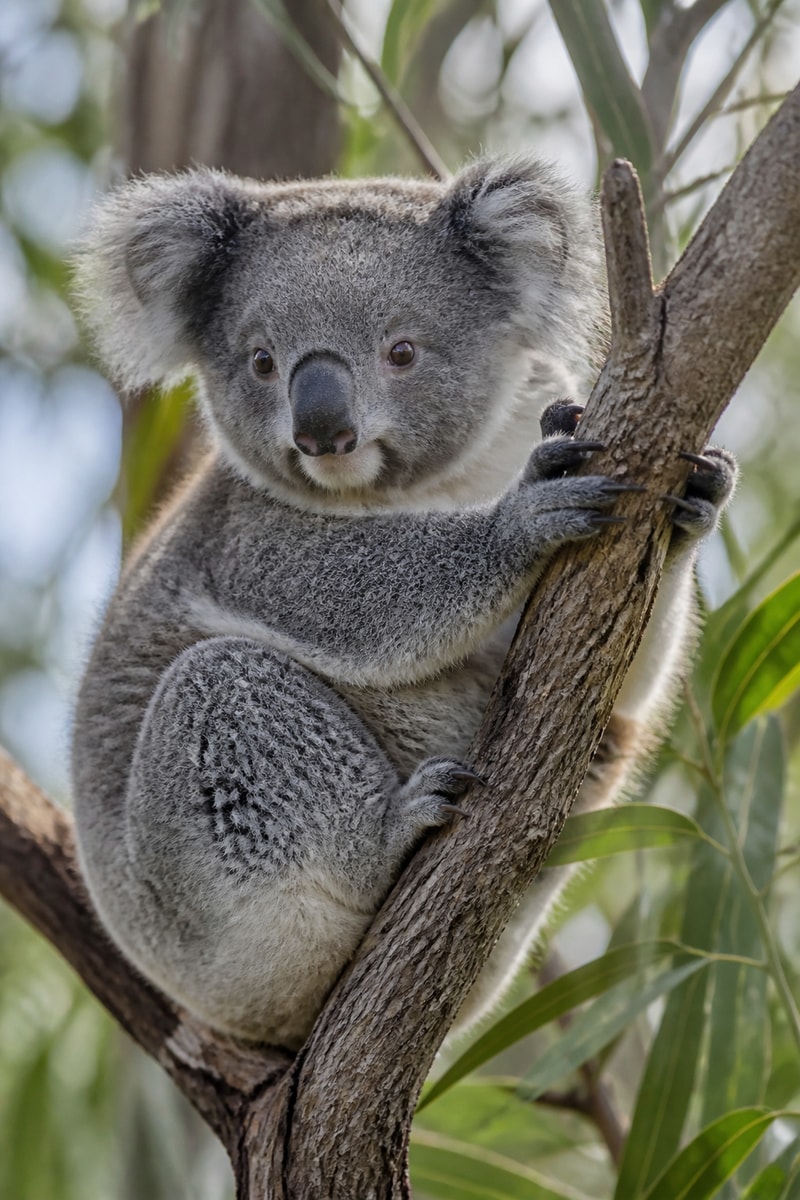
- Koalarare • Eucalyptus Forest
Free on iOS
Catch the Rainbow Lorikeet
Spot one in the wild, then scan it in Catch'Um to log your common discovery.