
Field guide · common
Quokka
The world's happiest marsupial, a small wallaby with a permanent smile that turned Rottnest Island into a selfie destination.
Vulnerable
Setonix brachyurus
Overview
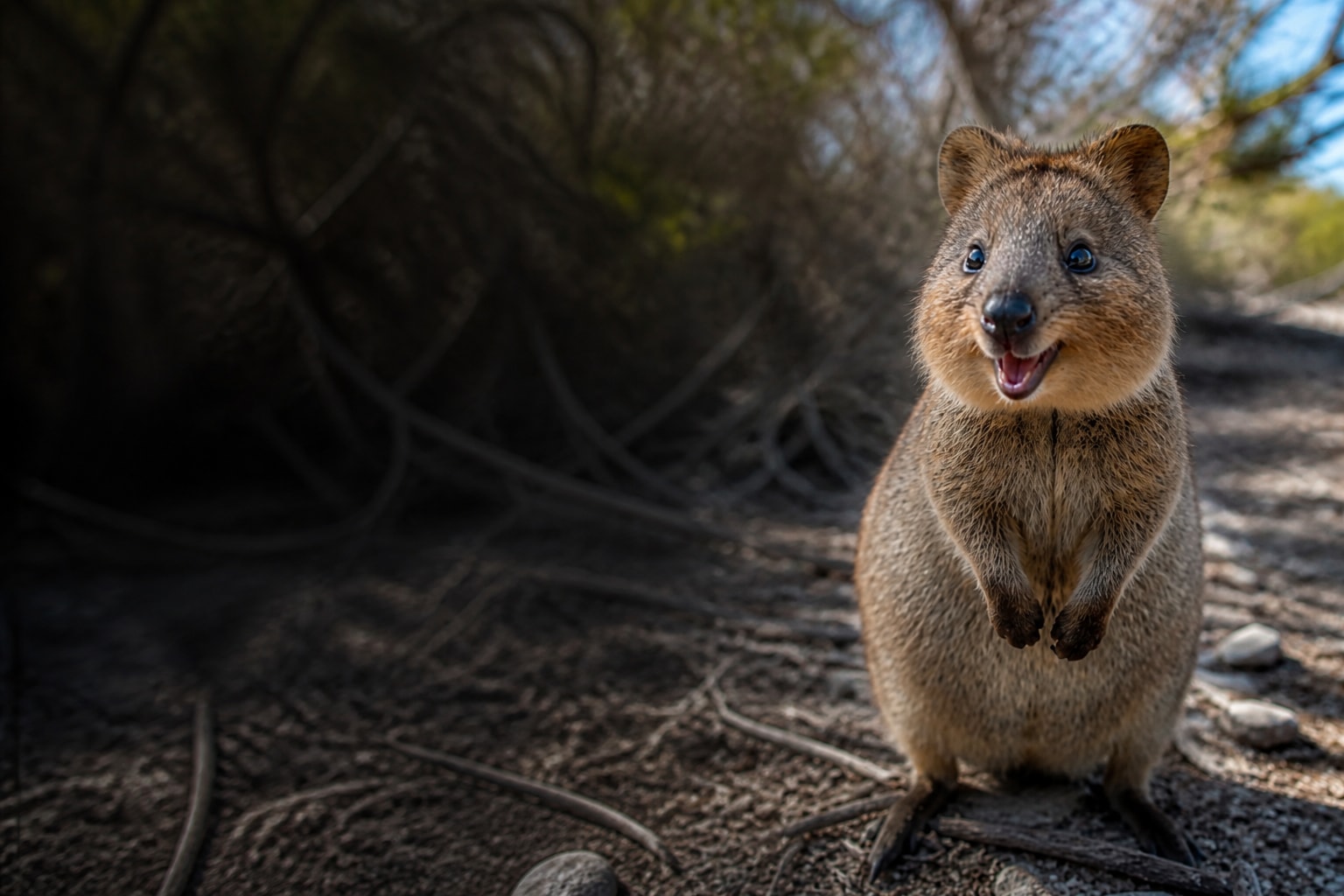
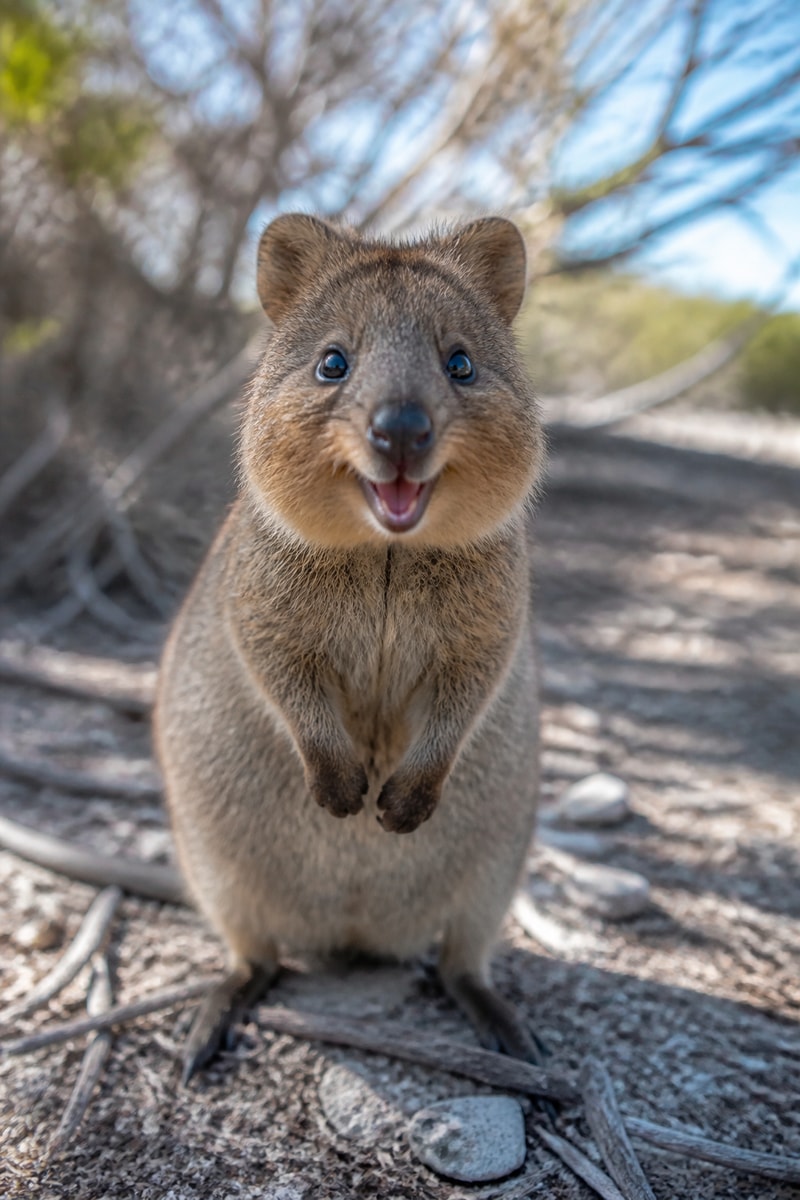
The quokka is a small macropod about the size of a cat, with a round face that appears to smile, a feature that made it an internet sensation. On Rottnest Island off Perth, quokkas have no natural predators and approach visitors with fearless curiosity.
Quokkas are herbivores, grazing on native grasses and succulents at dawn and dusk. On the mainland they are shy and declining, but the island population thrives and has become one of Australia's most beloved wildlife encounters.
- Scientific nameSetonix brachyurus
- Length40–54 cm body; tail 25–30 cm
- Weight2.5–5 kg
- LifespanAround 10 years in the wild
- DietHerbivore
- ConservationVulnerable
- RegionIsland Scrub
Habitat
- Island scrub
- Coastal heath
- Dense thicket
Coastal scrub and woodland on Rottnest Island and a few mainland sites in Western Australia hold quokkas. They need dense vegetation for shelter and open areas for grazing, and depend on islands free from foxes and cats.
Countries found
Field notes
Field scale for the Quokka: length around 40-54 cm body; tail 25-30 cm; weight 2.5-5 kg. Typical lifespan: Around 10 years in the wild.
When you are scanning habitat, prioritise island scrub, coastal heath, and dense thicket. Those settings are where a clean look and a usable photo are most likely.
Quick ID anchor: Small wallaby-like macropod with a rounded 'smiling' face, short tail, and thick brown-grey fur. Confirm with behaviour and habitat before you log the discovery.
Diet
Herbivore browsing grasses, leaves, stems, and succulent plants on island and mainland scrub.
Gets much of its water from vegetation, aiding survival on dry Rottnest Island.
Behaviour
Mostly nocturnal; shelters in dense vegetation by day and forages along tracks at night.
Island populations are unusually bold around people; mainland animals remain shy and scarce.
How to identify
Small wallaby-like macropod with a rounded 'smiling' face, short tail, and thick brown-grey fur.
About the size of a domestic cat; hopping gait and small rounded ears are distinctive.
Interesting facts
- 01
Quokkas have no fear of humans on Rottnest Island. They became an internet sensation.
- 02
They can climb trees up to two metres to reach leaves.
- 03
Quokkas carry their joey in a pouch for about six months.
Conservation status
Quokkas are Vulnerable on the mainland due to habitat loss and predation by foxes and cats. The Rottnest Island population is healthy and protected.
Sources: IUCN Red List
Keep exploring
Where it lives
Related discoveries
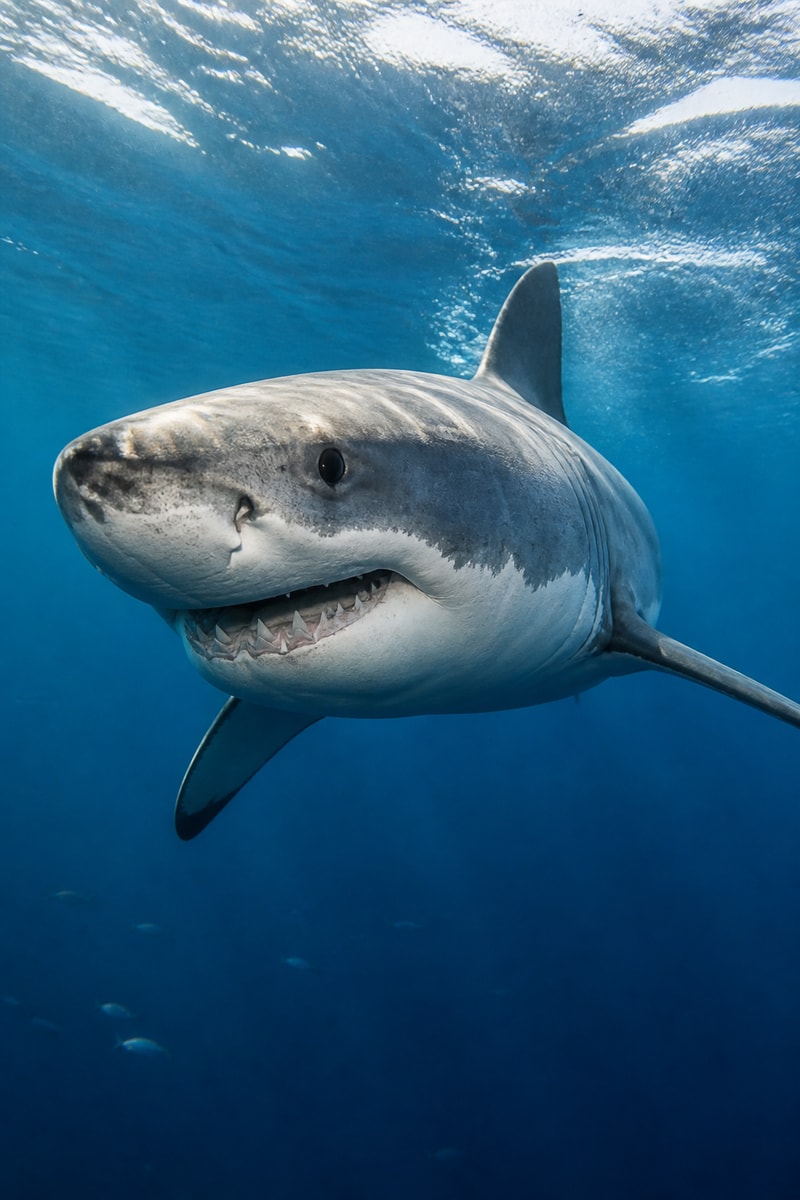
- Great White Sharklegendary • Coastal Ocean
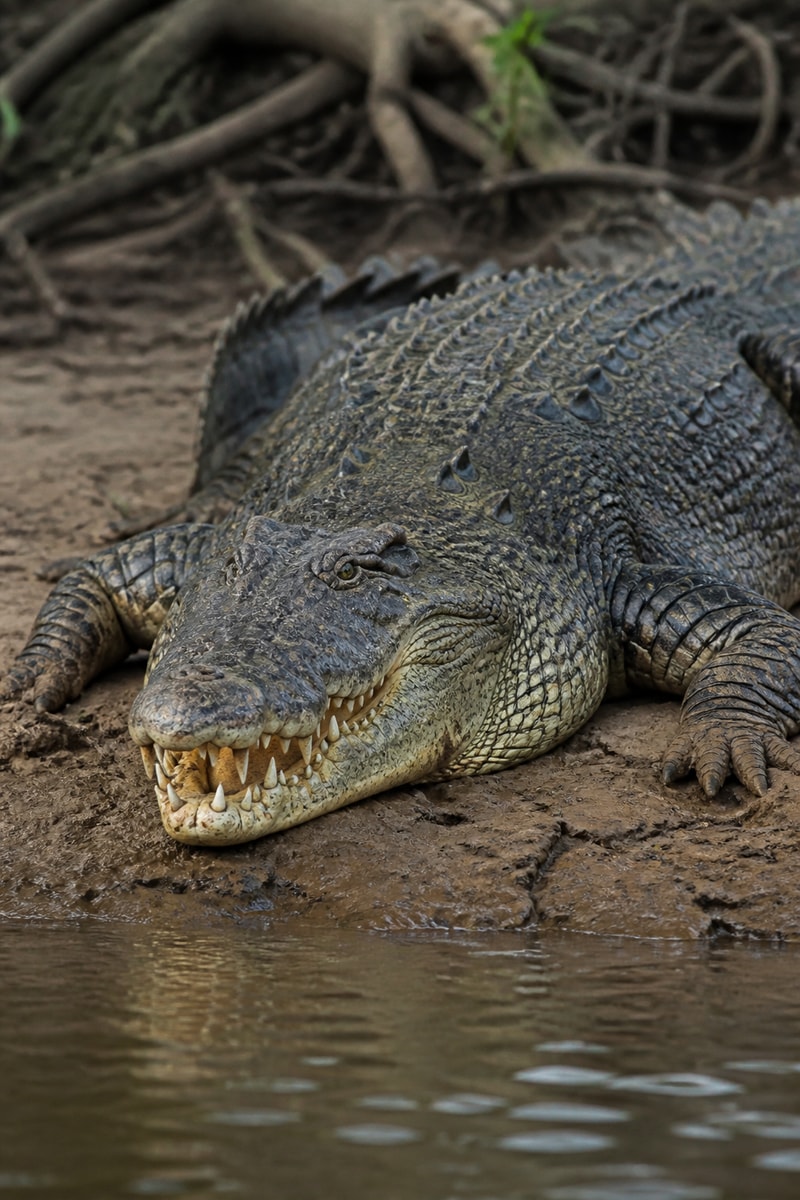
- Saltwater Crocodilelegendary • Estuaries & Coast
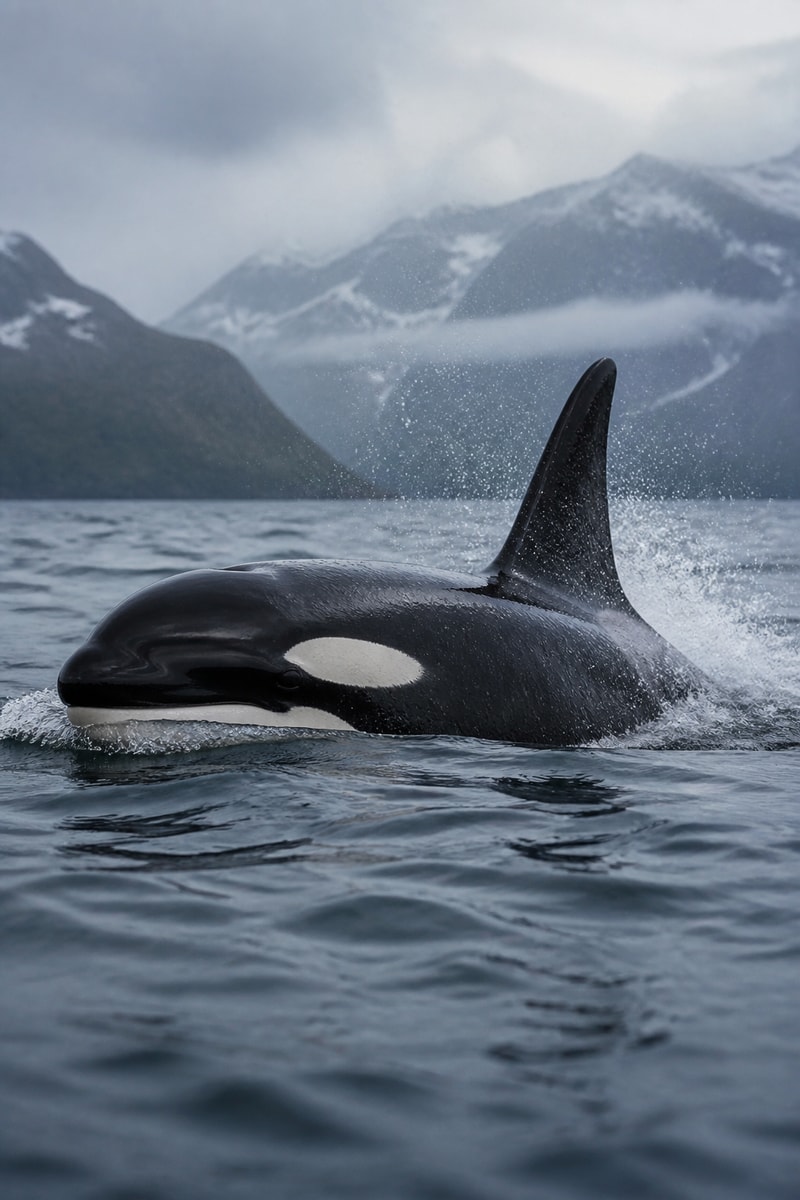
- Orcalegendary • Coastal Ocean
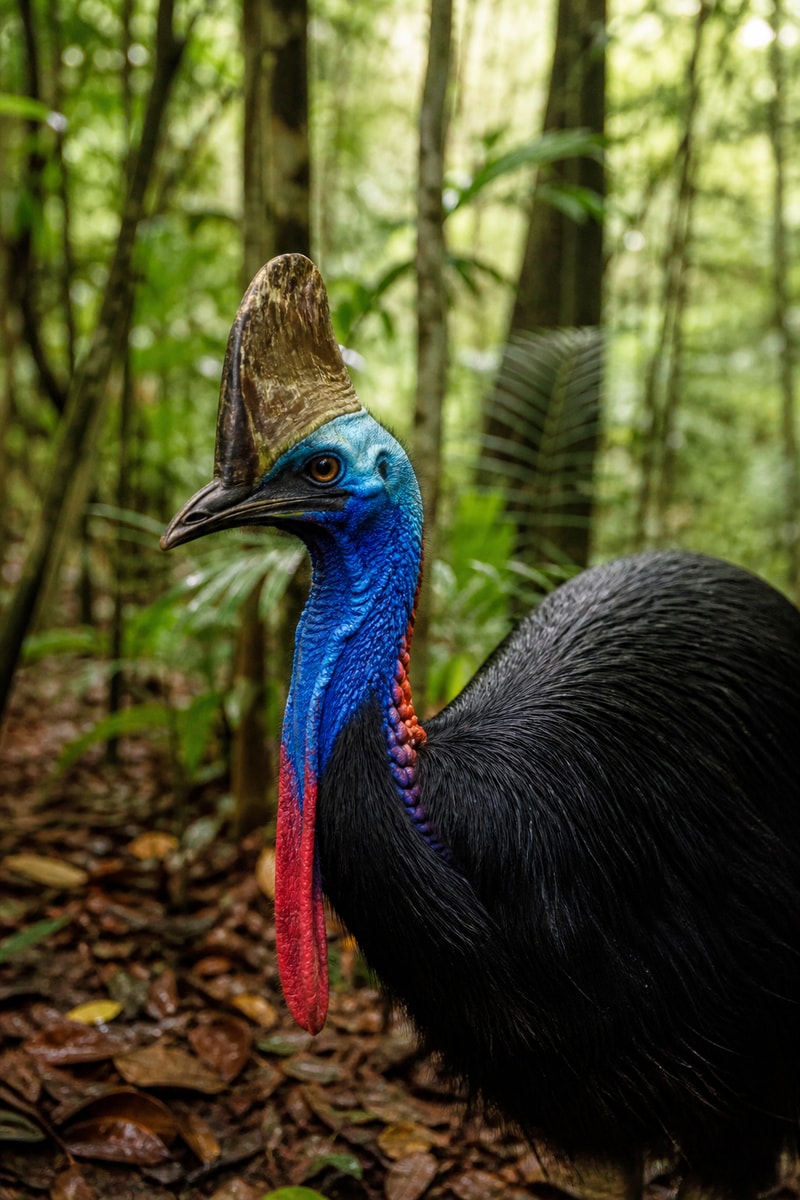
- Southern Cassowarylegendary • Rainforest
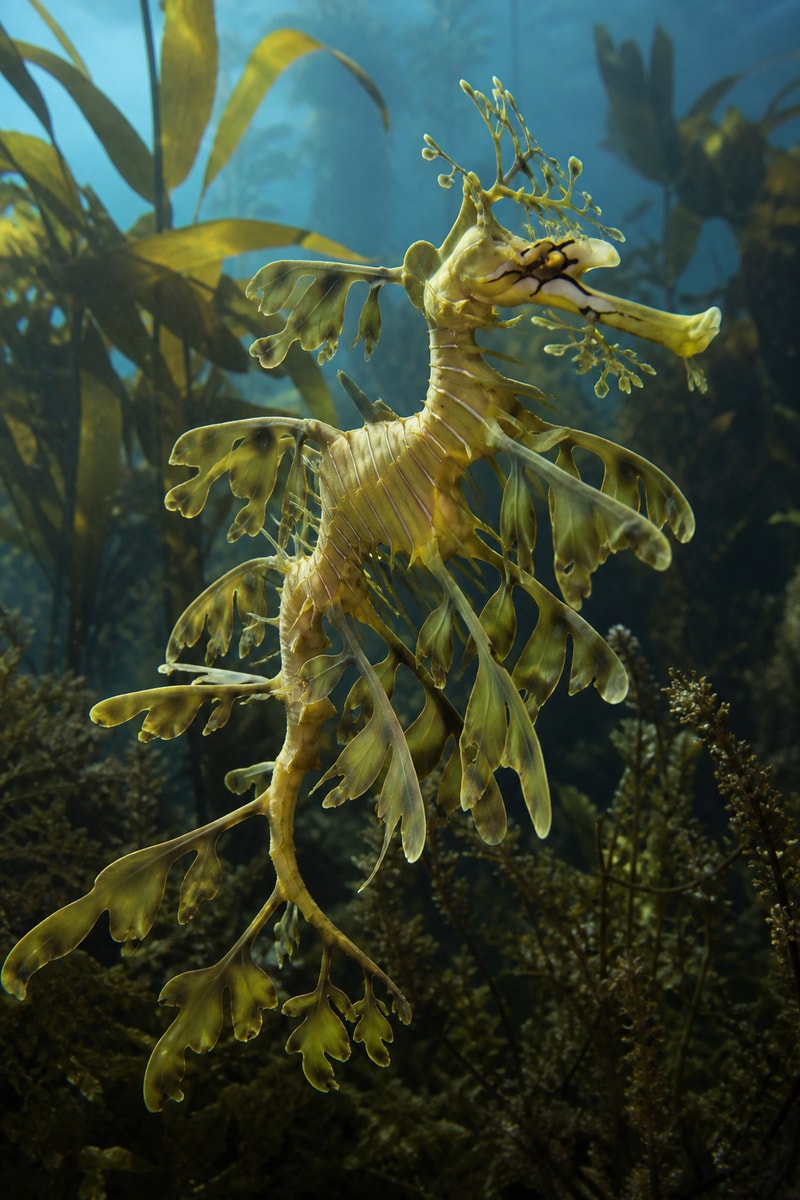
- Leafy Sea Dragonlegendary • Kelp & Seagrass
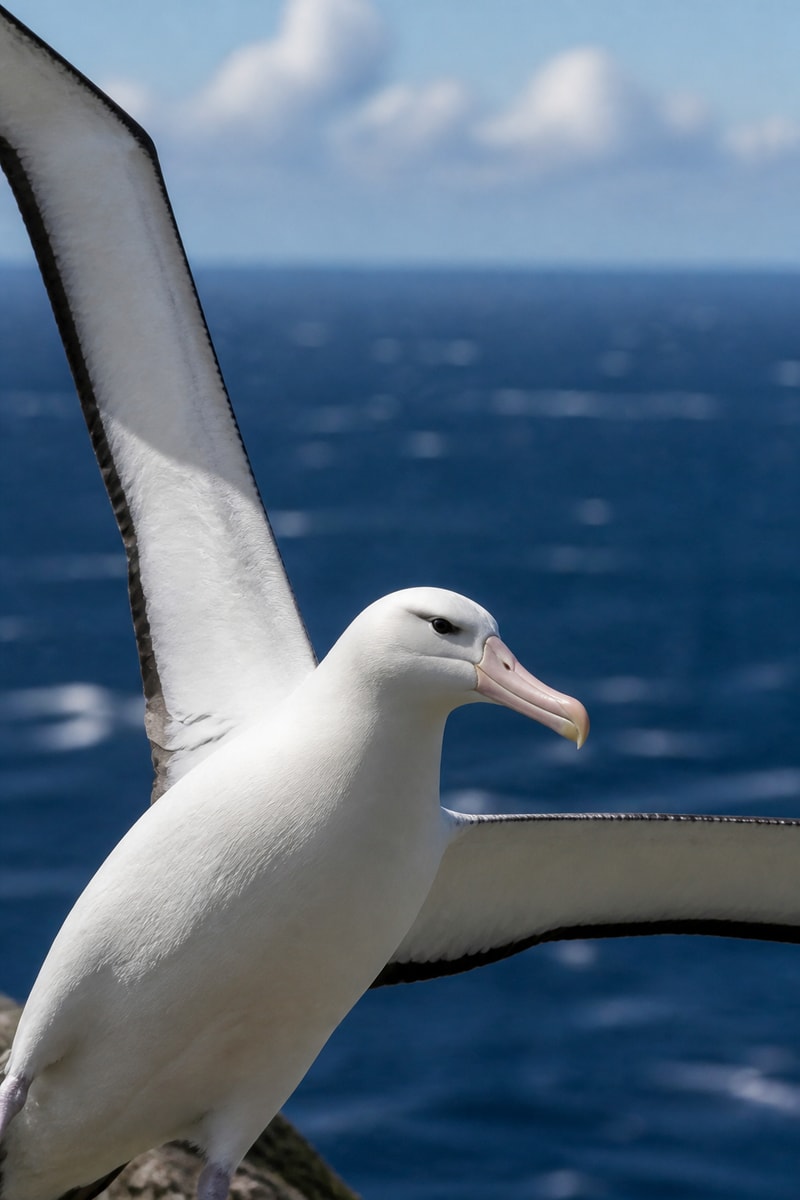
- Wandering Albatrosslegendary • Southern Ocean Skies
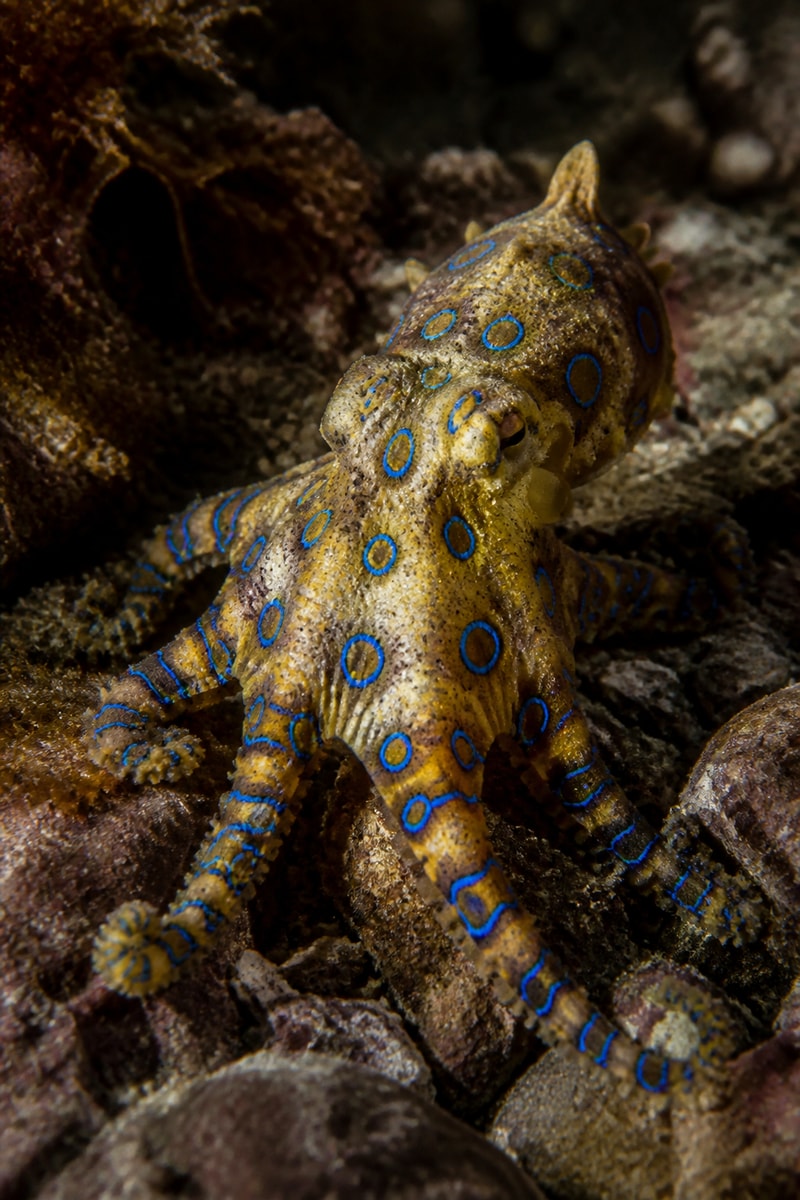
- Southern Blue-ringed Octopuslegendary • Southern Australian Reefs
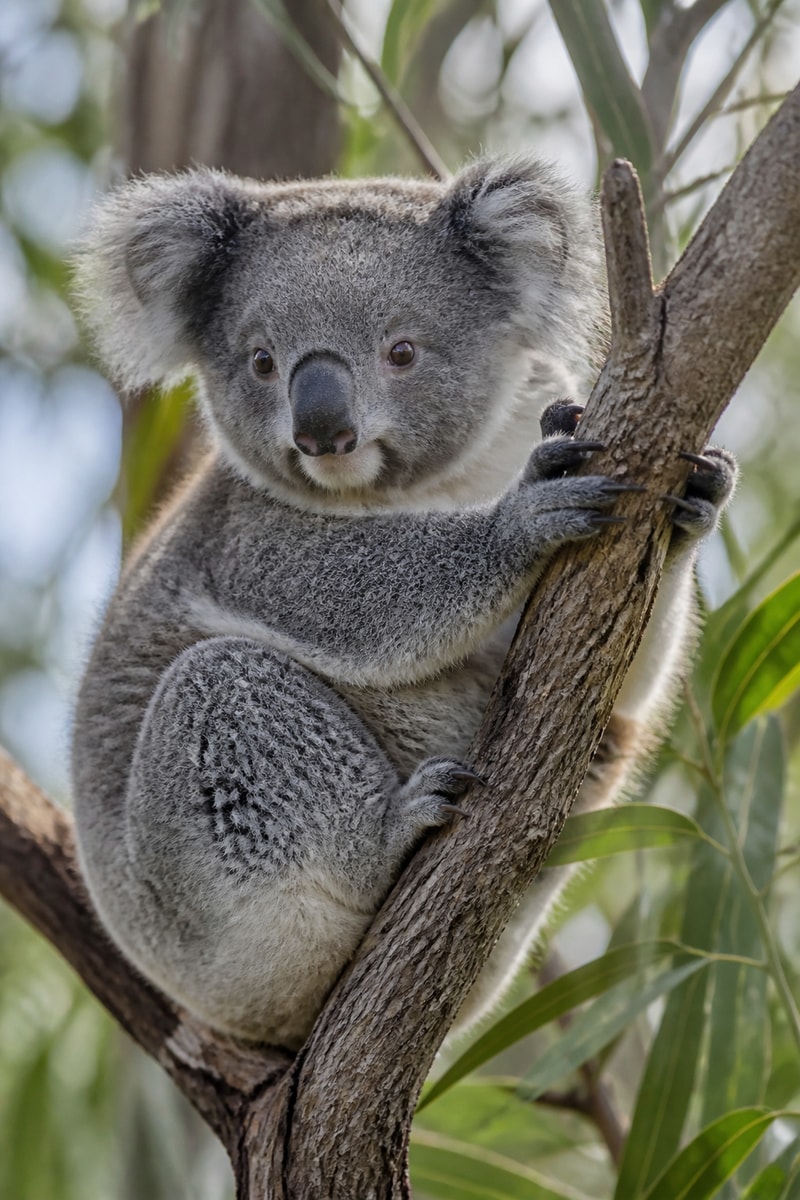
- Koalarare • Eucalyptus Forest
Free on iOS
Catch the Quokka
Spot one in the wild, then scan it in Catch'Um to log your common discovery.