
Field guide · common
Pied Currawong
Yellow-eyed forest crow-cousin — ringing ‘curra-wong’ through eastern gums.
Least Concern
Strepera graculina
Overview
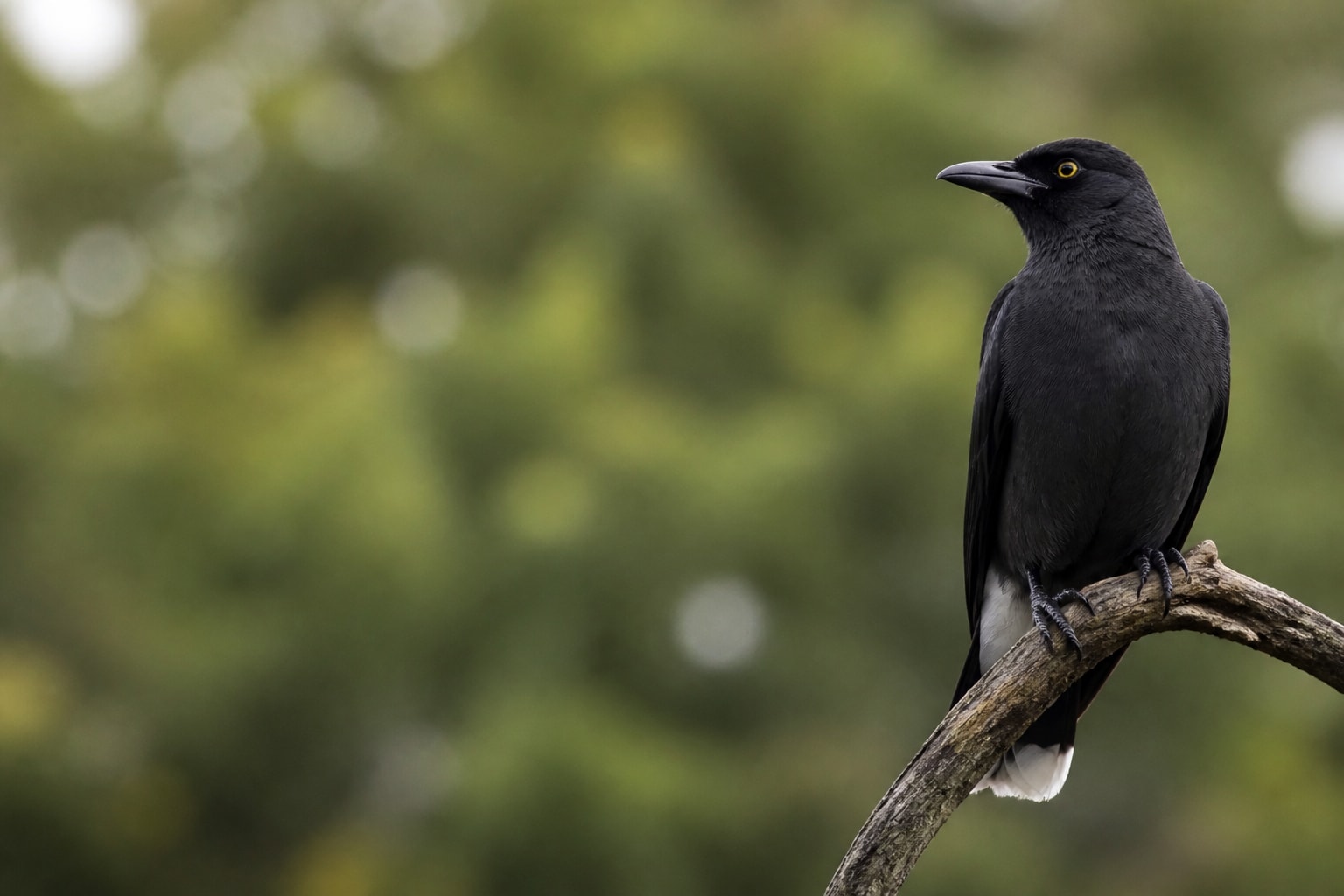
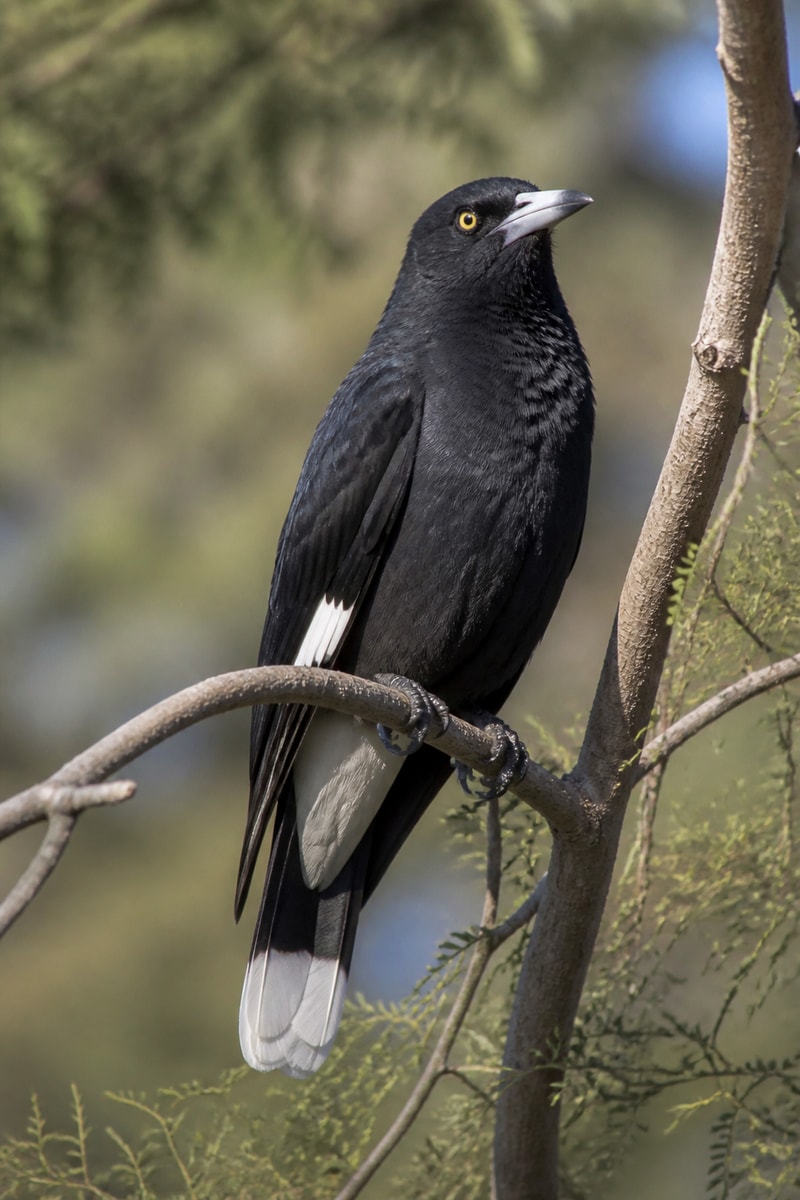
Pied currawongs are large black songbirds of eastern Australia with bright yellow eyes and white wing and tail flashes. Their loud, ringing calls carry through forests and suburbs, especially in cooler months when flocks gather.
For Australia collectors, the pied currawong is an eastern staple — yellow eye, white wing flash, and that unmistakable name-call rolling through the canopy.
- Scientific nameStrepera graculina
- Length41–51 cm
- Weight250–350 g
- LifespanAround 10–20 years in the wild
- DietFruit
- ConservationLeast Concern
- RegionEastern Australian Forests
Where to see them
Habitat
- Wet sclerophyll forest
- Dry woodland
- Suburban canopy
- Forest edge
Wet and dry forests, woodlands, and suburban trees of eastern Australia from Queensland to Victoria and into South Australia’s southeast.
Field notes
Field scale for the Pied Currawong: length around 41-51 cm; weight 250-350 g. Typical lifespan: Around 10-20 years in the wild.
When you are scanning habitat, prioritise wet sclerophyll forest, dry woodland, suburban canopy, and forest edge. Those settings are where a clean look and a usable photo are most likely.
Quick ID anchor: Large glossy black bird with yellow eyes and a robust bill. Confirm with behaviour and habitat before you log the discovery.
Diet
Fruit, berries, insects, small vertebrates, and bird eggs or nestlings.
Also take carrion and opportunistic scraps near people.
Behaviour
Often solitary or in pairs in breeding season; flock in winter.
Perch high and drop onto prey or fruit; loud territorial calls.
How to identify
Large glossy black bird with yellow eyes and a robust bill.
White wing patch and white undertail tip visible in flight.
Interesting facts
- 01
Call sounds like ‘curra-wong’ — the source of the common name.
- 02
Bright yellow iris and heavy bill distinguish them from ravens.
- 03
White patches in the wing and undertail show in flight.
- 04
Omnivorous — fruit, insects, nestlings, and scraps.
- 05
Often form winter flocks in towns and farmland.
- 06
Strongly associated with eastern Australian forests.
Conservation status
Pied currawongs are Least Concern and common in eastern Australia. Local increases in towns can raise predation pressure on smaller nesting birds.
Sources: IUCN Red List

Keep exploring
Related discoveries
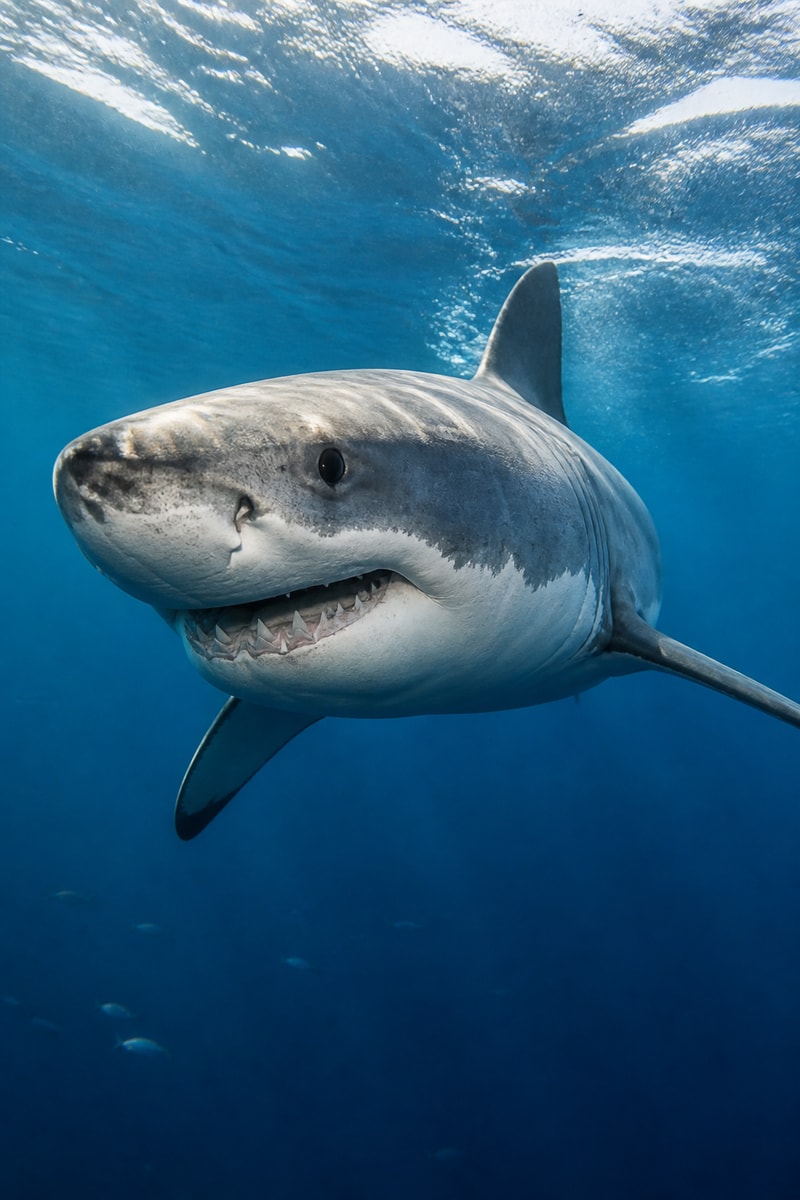
- Great White Sharklegendary • Coastal Ocean
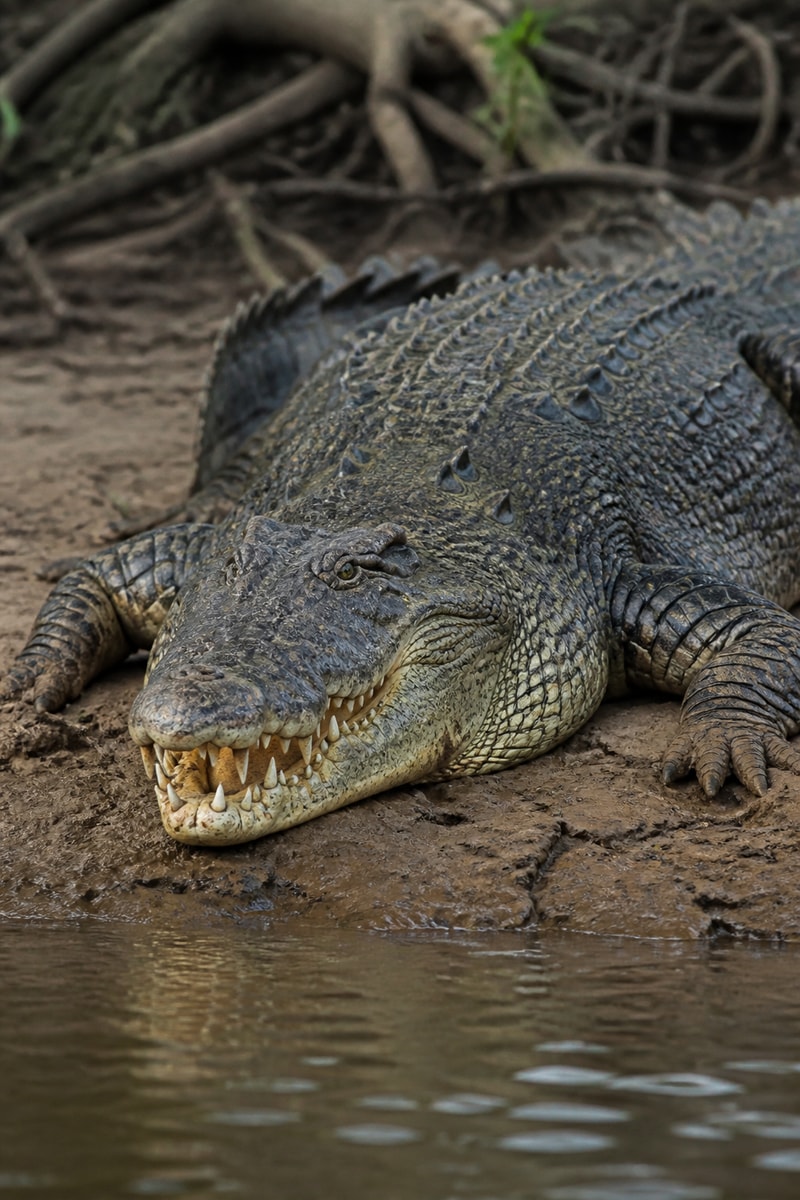
- Saltwater Crocodilelegendary • Estuaries & Coast
- Orcalegendary • Coastal Ocean
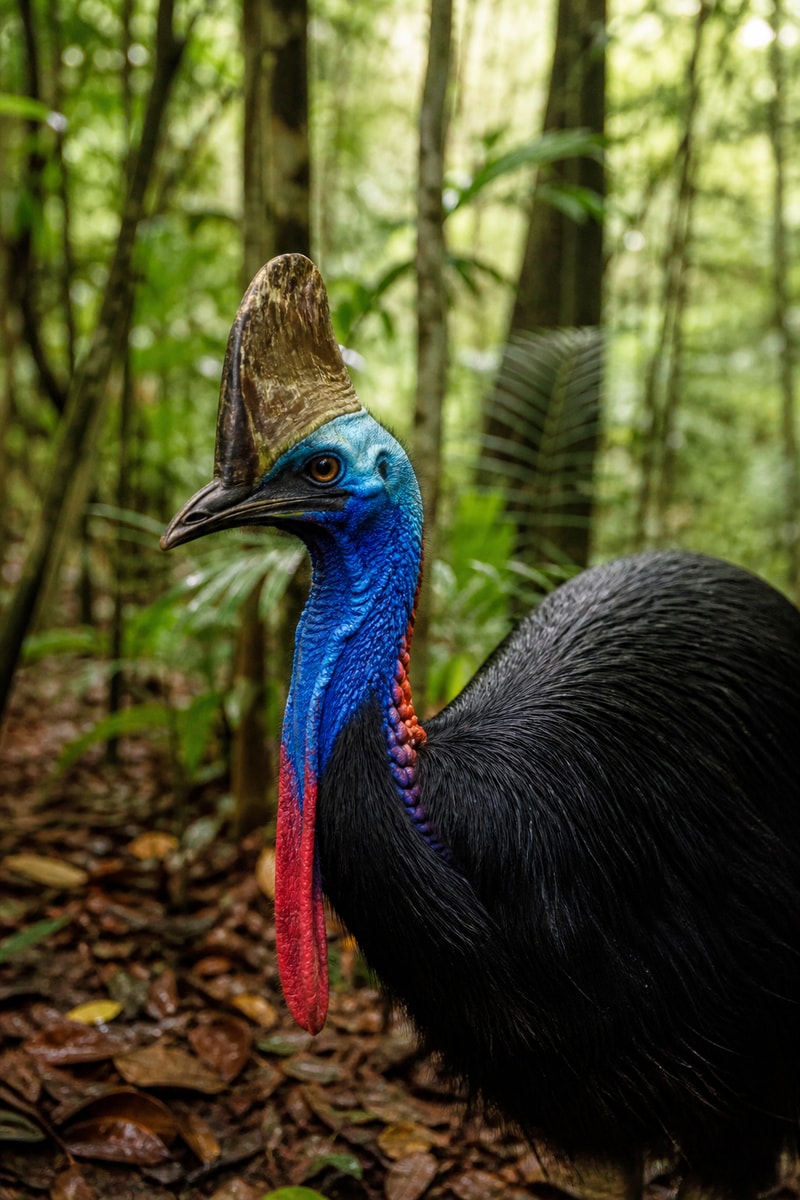
- Southern Cassowarylegendary • Rainforest
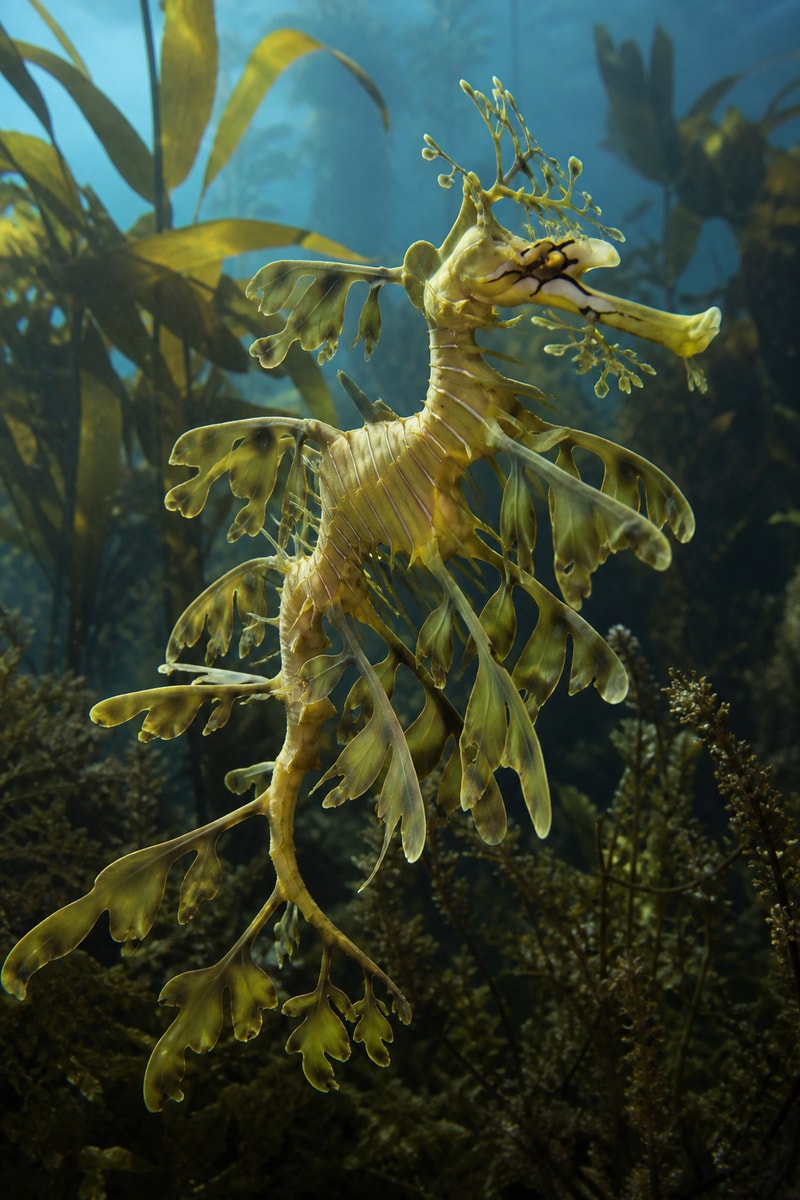
- Leafy Sea Dragonlegendary • Kelp & Seagrass
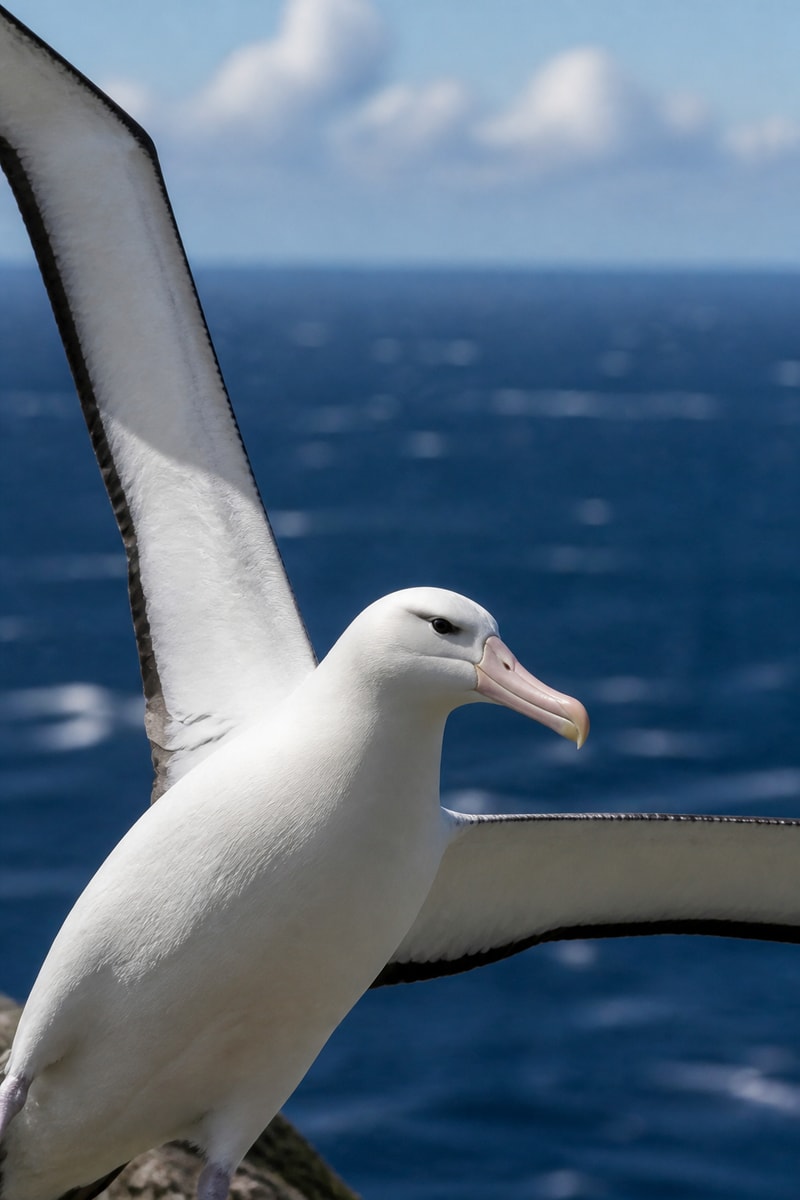
- Wandering Albatrosslegendary • Southern Ocean Skies
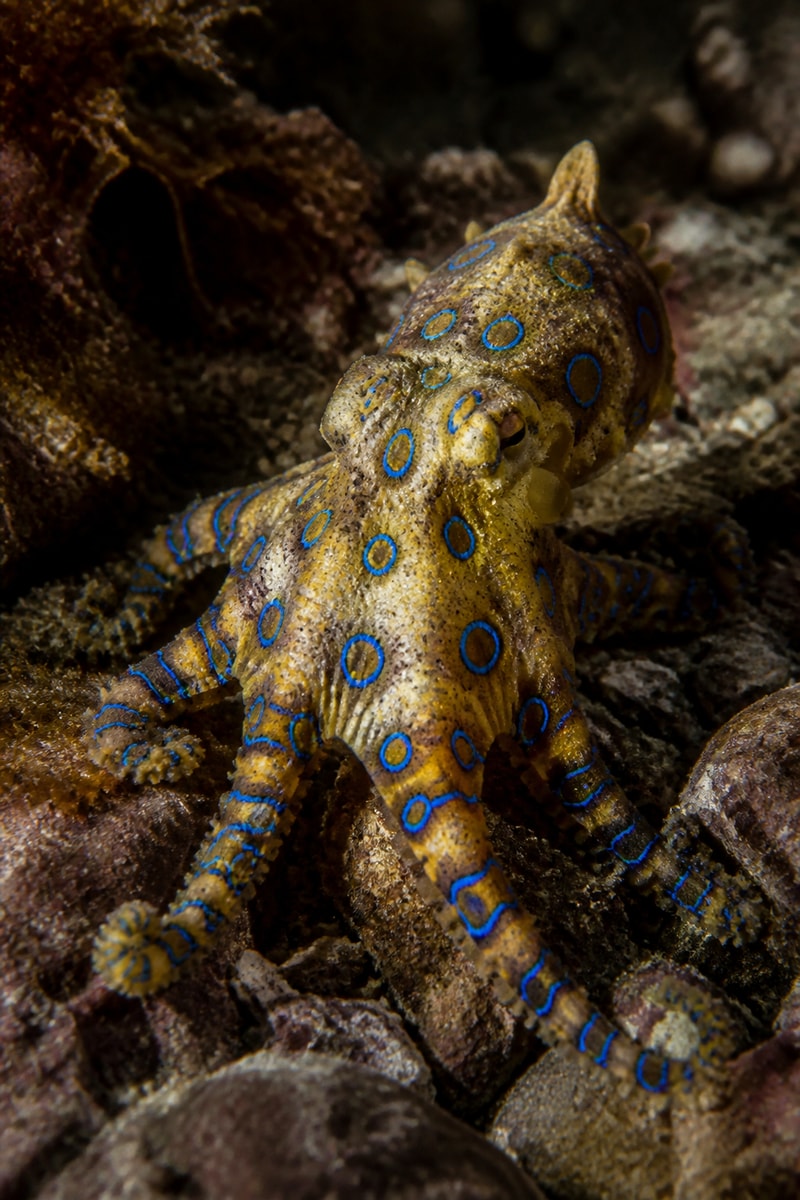
- Southern Blue-ringed Octopuslegendary • Southern Australian Reefs
- Koalarare • Eucalyptus Forest
Free on iOS
Catch the Pied Currawong
Spot one in the wild, then scan it in Catch'Um to log your common discovery.