
Field guide · common
Lace Monitor
Tree-climbing goanna in lace-like bands — forest scavenger with a forked tongue.
Least Concern
Varanus varius
Overview
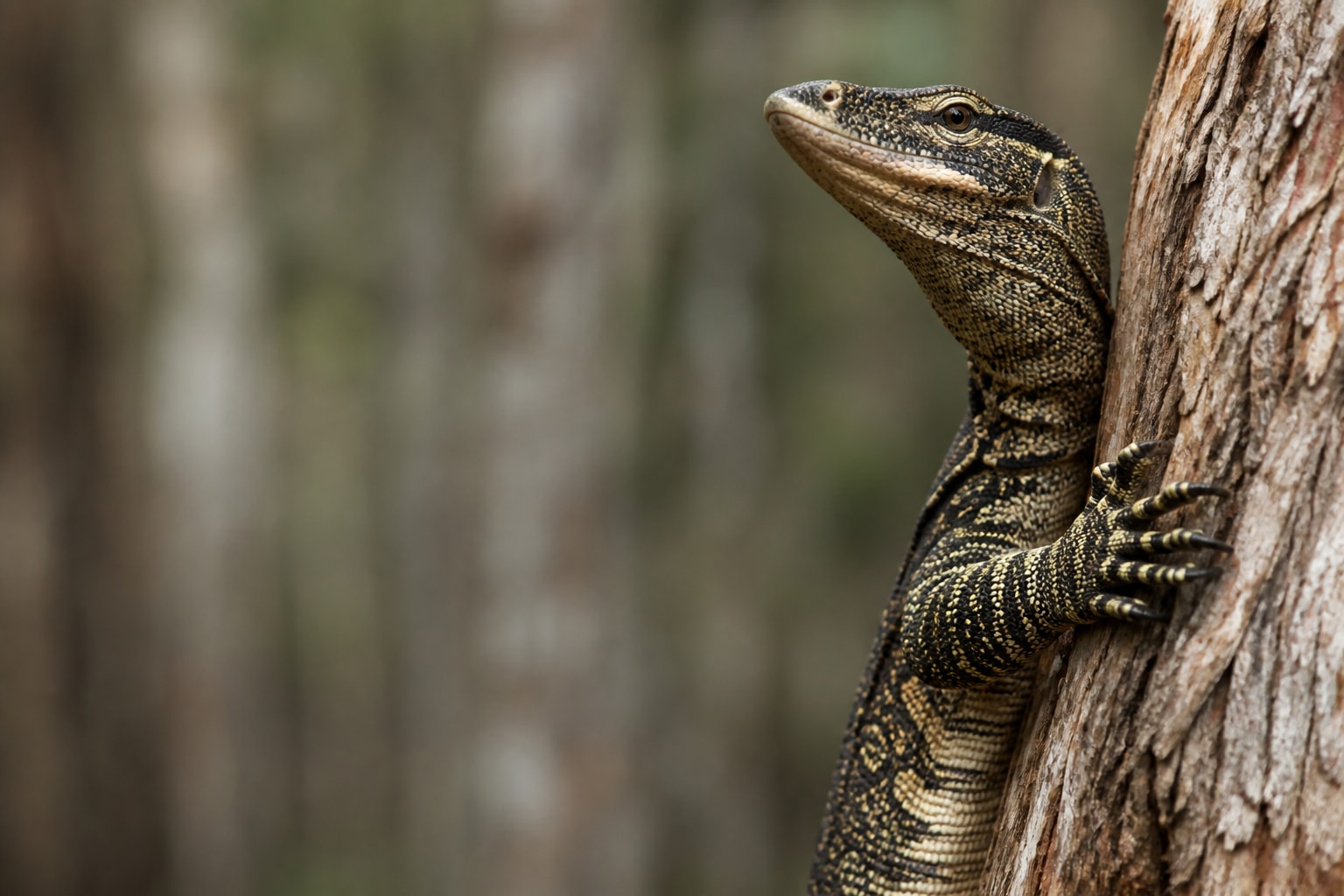
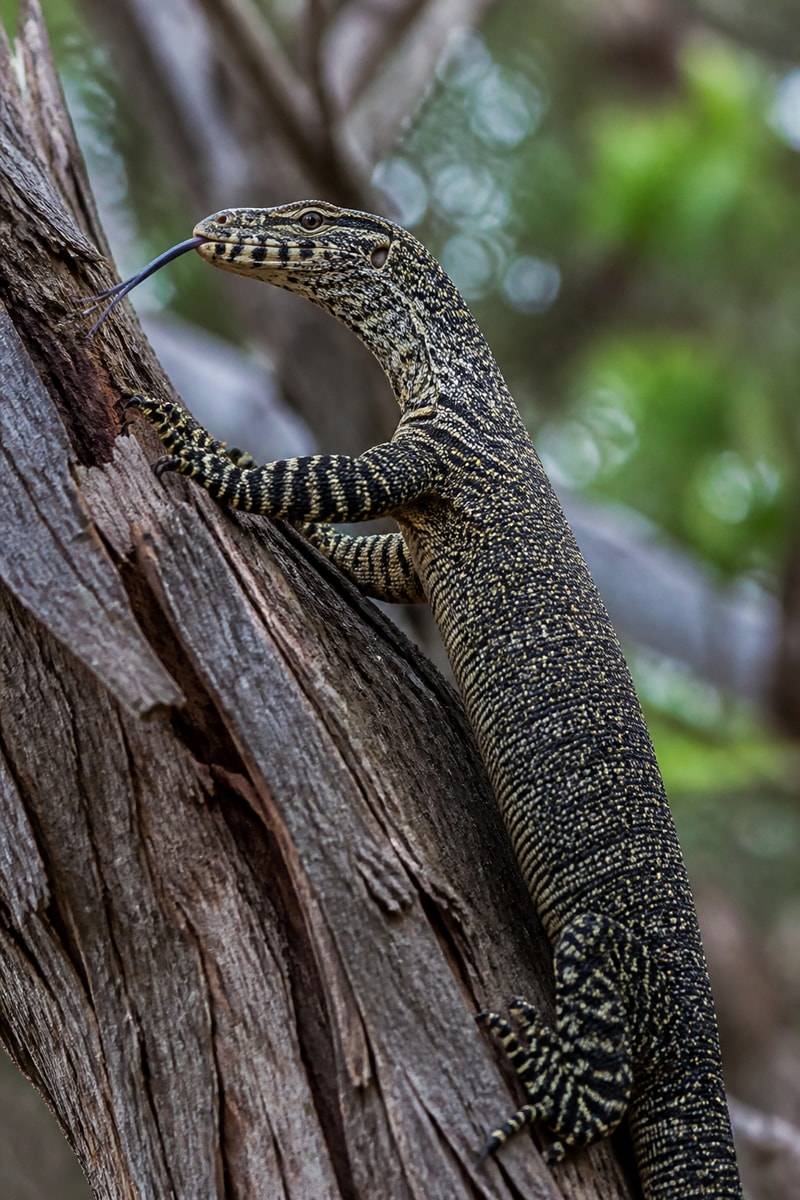
Lace monitors are large eastern Australian goannas patterned in dark lace-like bands or, in some individuals, a striking yellow-and-black ‘Bell’s’ form. They climb trees skilfully, raid nests, and cruise forest floors with a flickering forked tongue.
For Australia collectors, the lace monitor is a classic eastern goanna — tree trunk scramble, picnic-ground boldness, and one of the biggest lizards you can still meet on a day walk.
- Scientific nameVaranus varius
- Length1.5–2.1 m
- Weight4–14 kg
- LifespanAround 15–25 years in the wild
- DietCarrion
- ConservationLeast Concern
- RegionEastern Australian Woodland
Where to see them
Habitat
- Eucalypt woodland
- Coastal forest
- Tall timber
- Forest clearing edge
Eastern Australian forests, woodlands, and coastal ranges with large trees for climbing, hollows for shelter, and open ground for foraging.
Field notes
Field scale for the Lace Monitor: length around 1.5-2.1 m; weight 4-14 kg. Typical lifespan: Around 15-25 years in the wild.
When you are scanning habitat, prioritise eucalypt woodland, coastal forest, tall timber, and forest clearing edge. Those settings are where a clean look and a usable photo are most likely.
Quick ID anchor: Large goanna with a long neck, strong claws, and lace-patterned dark bands. Confirm with behaviour and habitat before you log the discovery.
Where to see one
Australia
In Australia, strong options include Kangaroo Island and Daintree Rainforest. Kangaroos, koalas, and sea lions on an island sanctuary off Adelaide. Compact Australian wildlife in one place.
Open the Australia spotting guide for every park note tied to the lace monitor.
Diet
Carrion, bird eggs, nestlings, insects, reptiles, and small mammals.
Opportunistic scavengers that also hunt actively on the forest floor.
Behaviour
Climb trees when threatened; bask and forage along tracks and clearings.
Use termite mounds as nest incubators in parts of the range.
How to identify
Large goanna with a long neck, strong claws, and lace-patterned dark bands.
Bell’s form shows bright yellow bands; forked tongue continually flicks.
Interesting facts
- 01
Australia’s second-largest lizard after the perentie.
- 02
Lace-like dark banding or bold yellow-black Bell’s colour morph.
- 03
Excellent climbers that sleep and escape up tree trunks.
- 04
Eat carrion, eggs, nestlings, insects, and small vertebrates.
- 05
Forked tongue samples scent like a snake.
- 06
Often lay eggs in termite mounds for incubation.
Conservation status
Lace monitors are Least Concern in eastern Australia. Roadkill, habitat loss, and persecution near campsites are local pressures, but the species remains widespread.
Sources: IUCN Red List
Keep exploring
Related discoveries
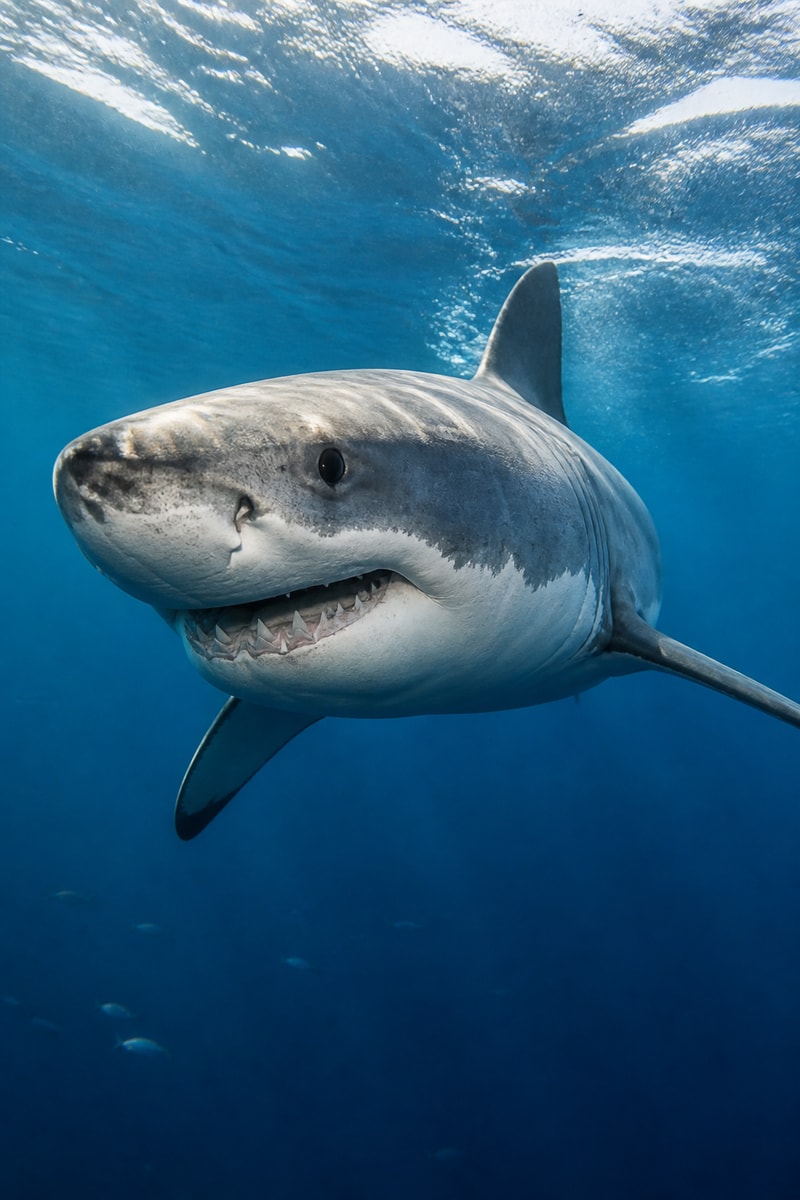
- Great White Sharklegendary • Coastal Ocean
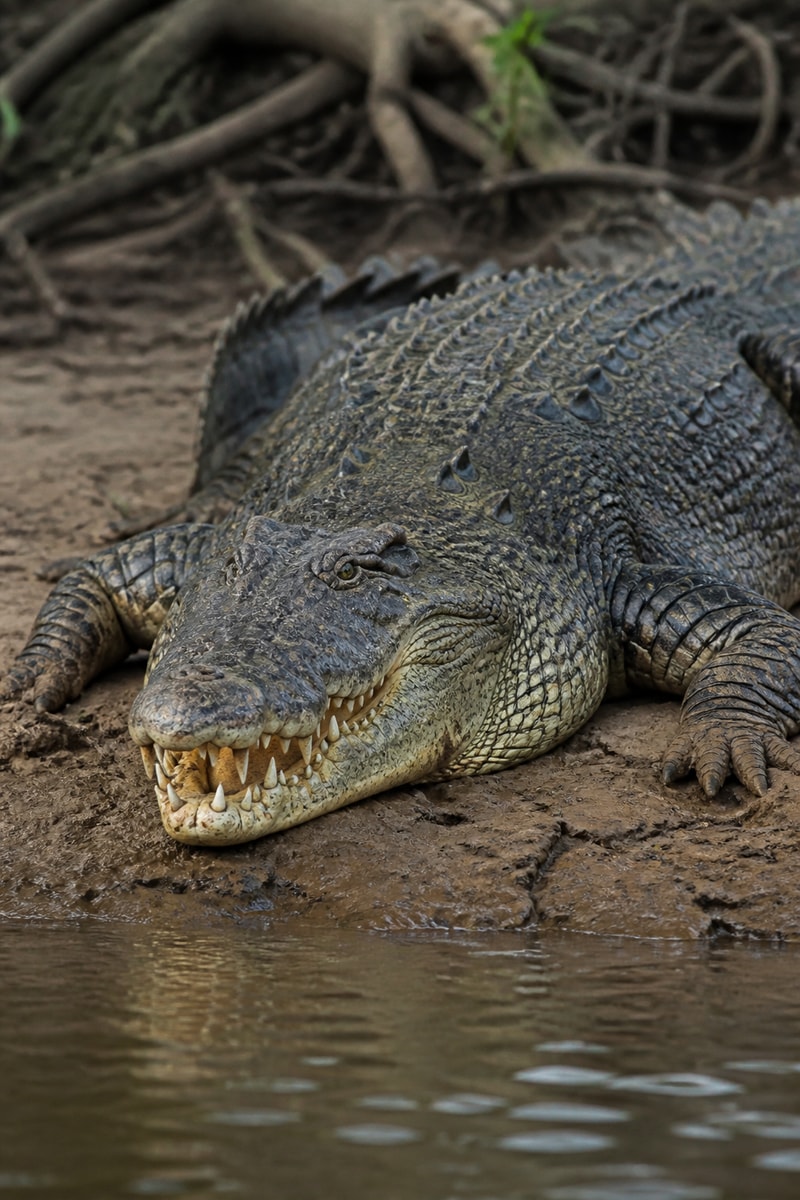
- Saltwater Crocodilelegendary • Estuaries & Coast
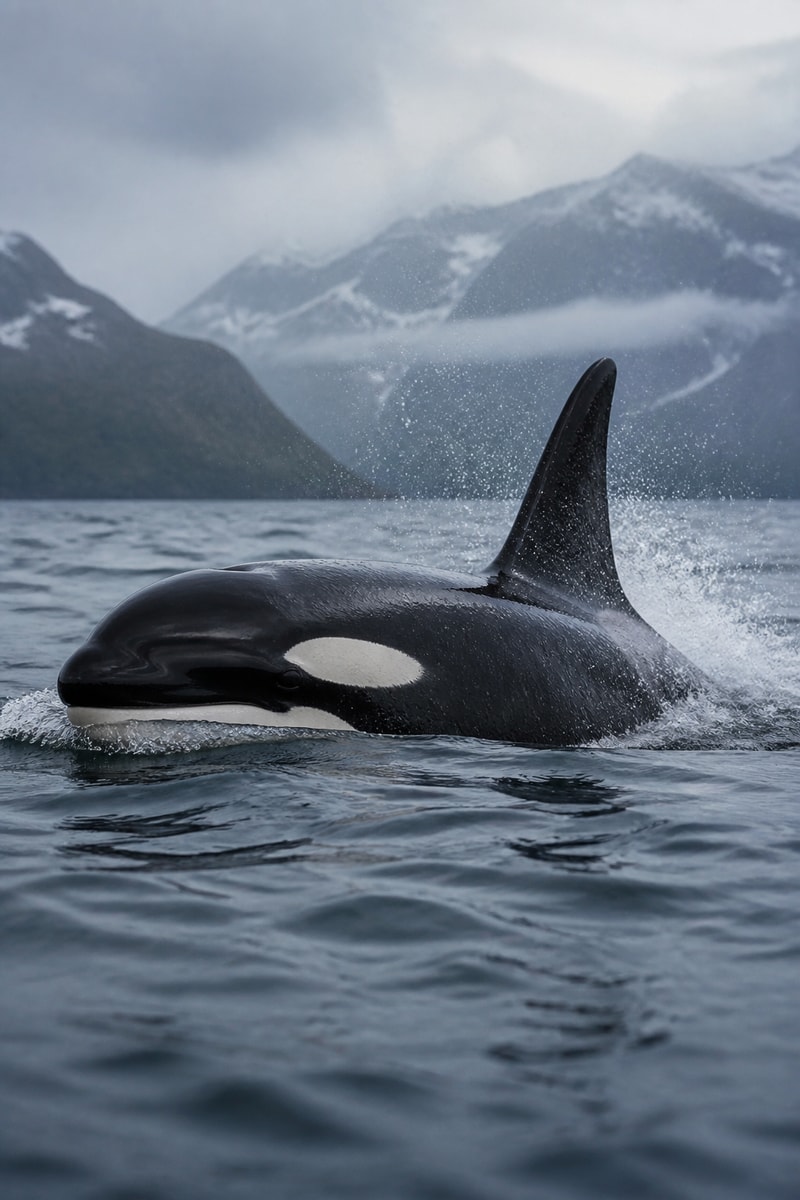
- Orcalegendary • Coastal Ocean
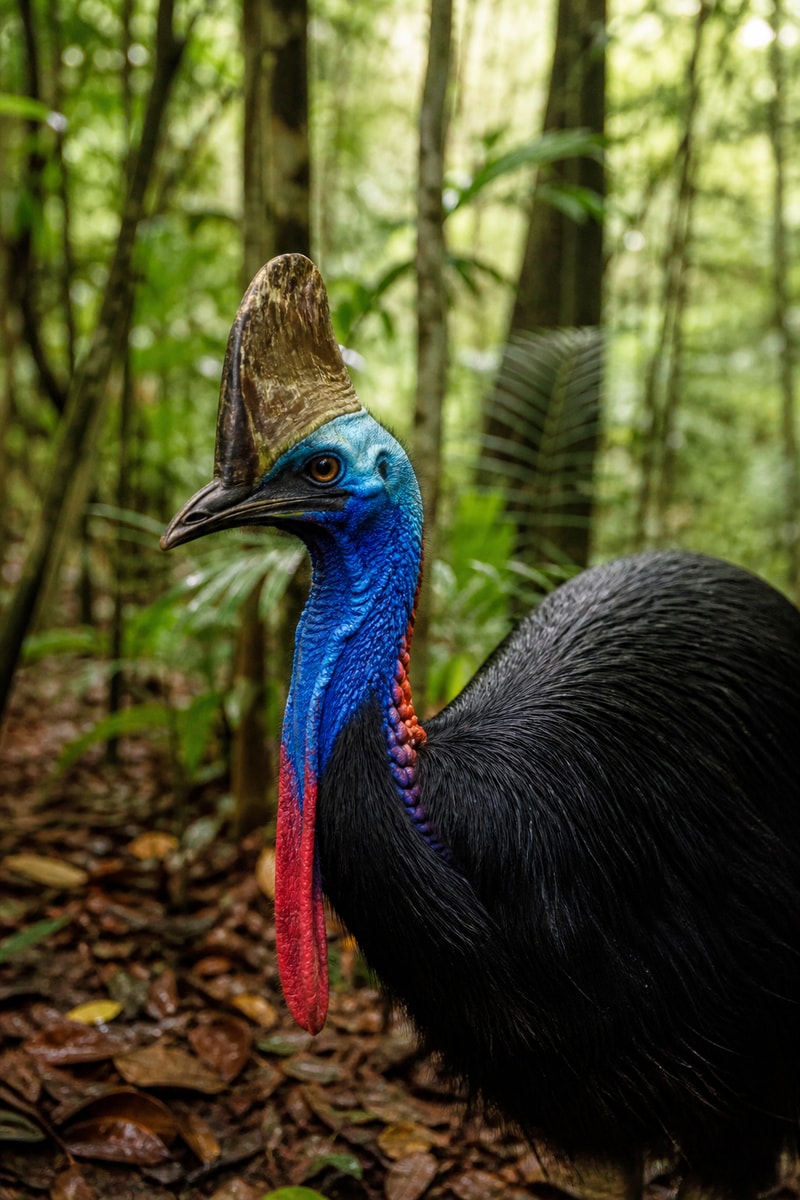
- Southern Cassowarylegendary • Rainforest
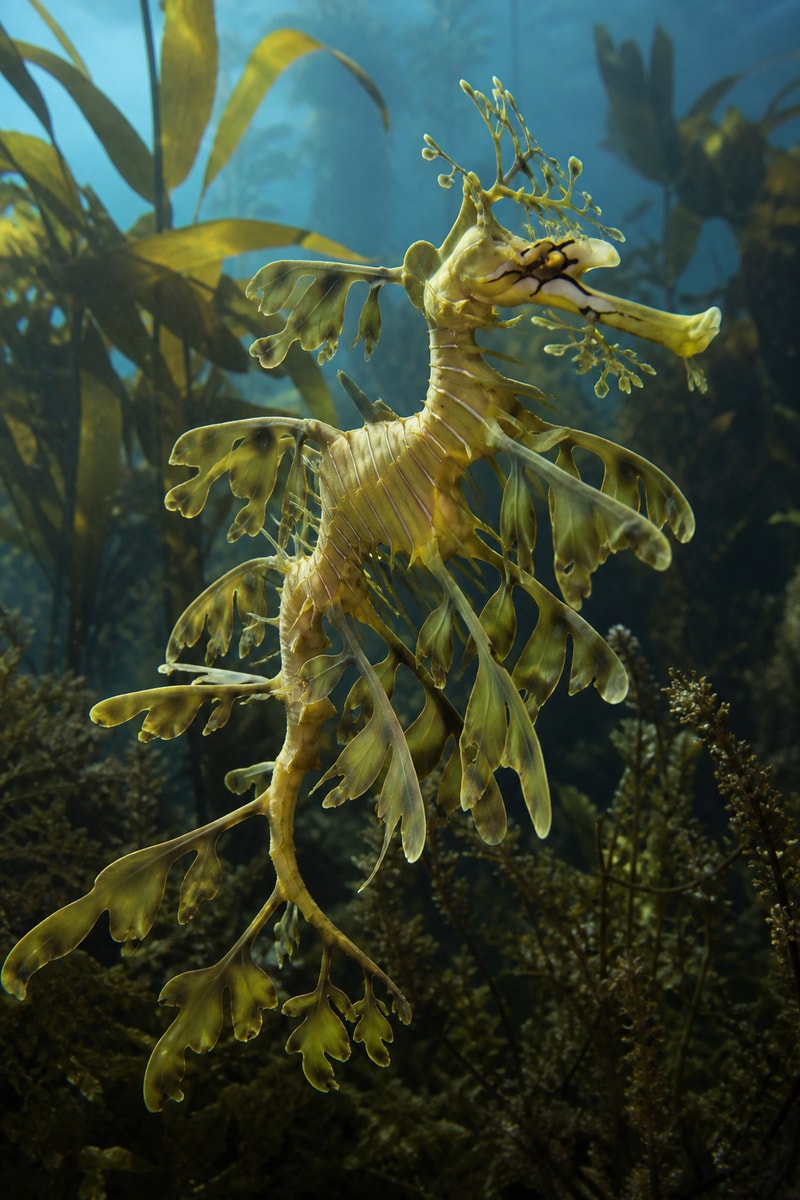
- Leafy Sea Dragonlegendary • Kelp & Seagrass
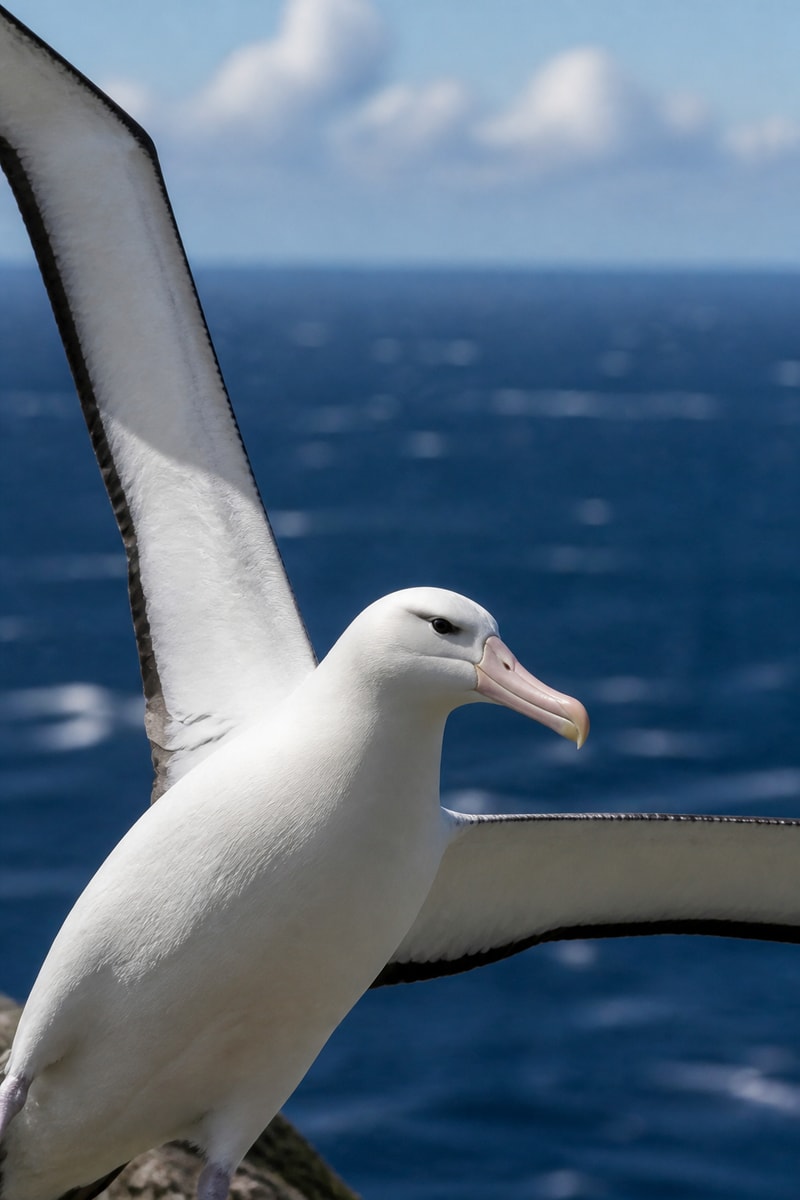
- Wandering Albatrosslegendary • Southern Ocean Skies
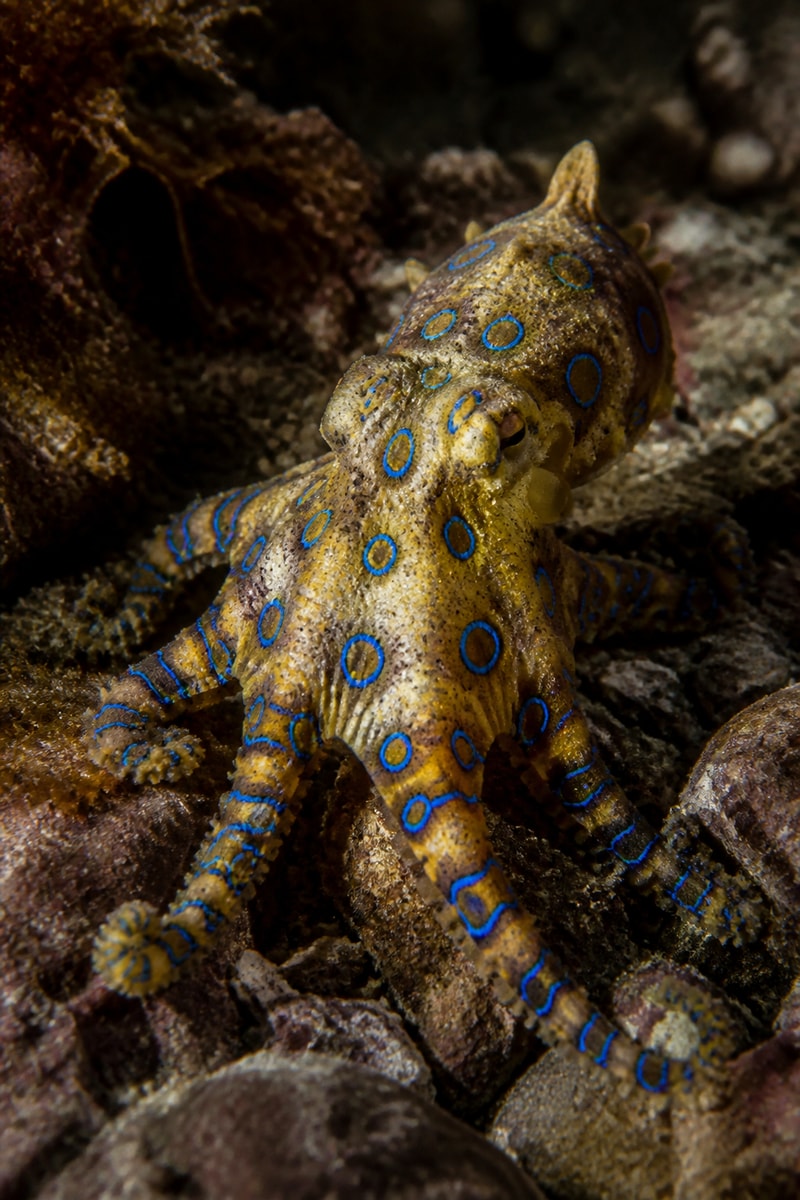
- Southern Blue-ringed Octopuslegendary • Southern Australian Reefs
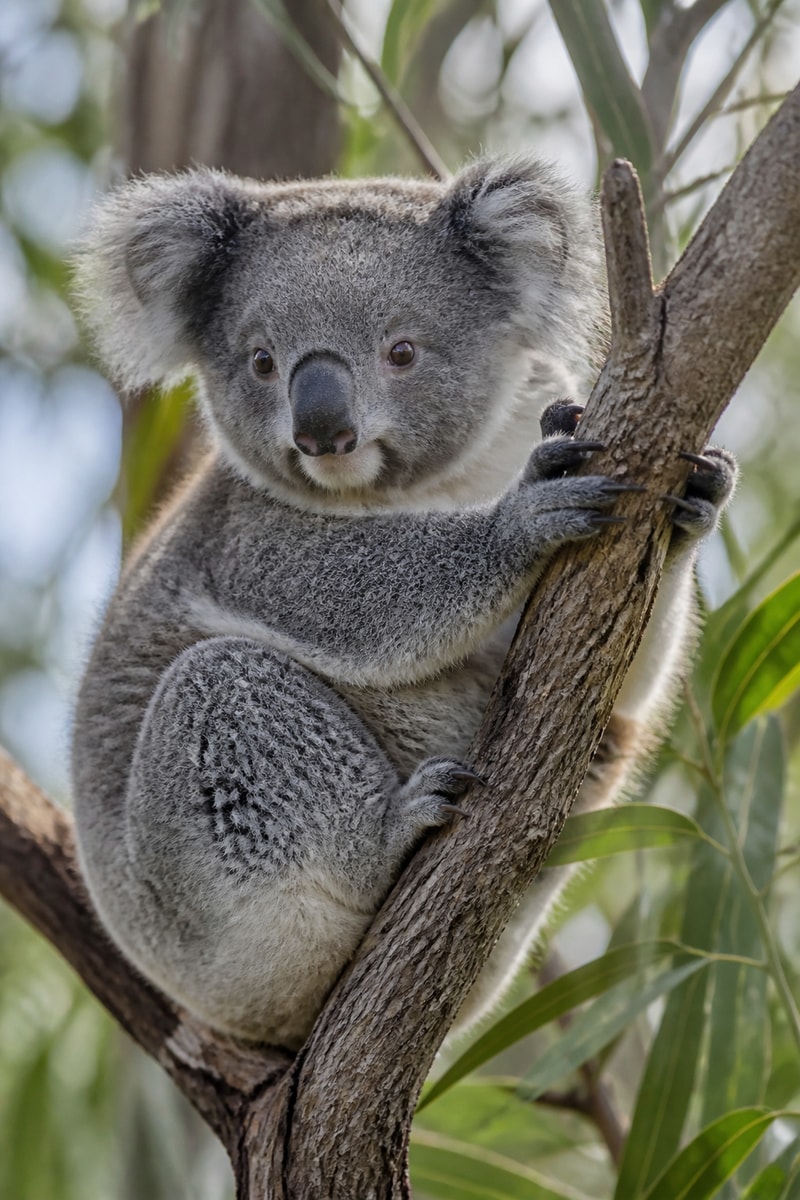
- Koalarare • Eucalyptus Forest
Free on iOS
Catch the Lace Monitor
Spot one in the wild, then scan it in Catch'Um to log your common discovery.