
Field guide · common
Kookaburra
The bush comedian, Australia's laughing bird whose cackle at dawn and dusk defines the sound of the outback.
Least Concern
Dacelo novaeguineae
Overview
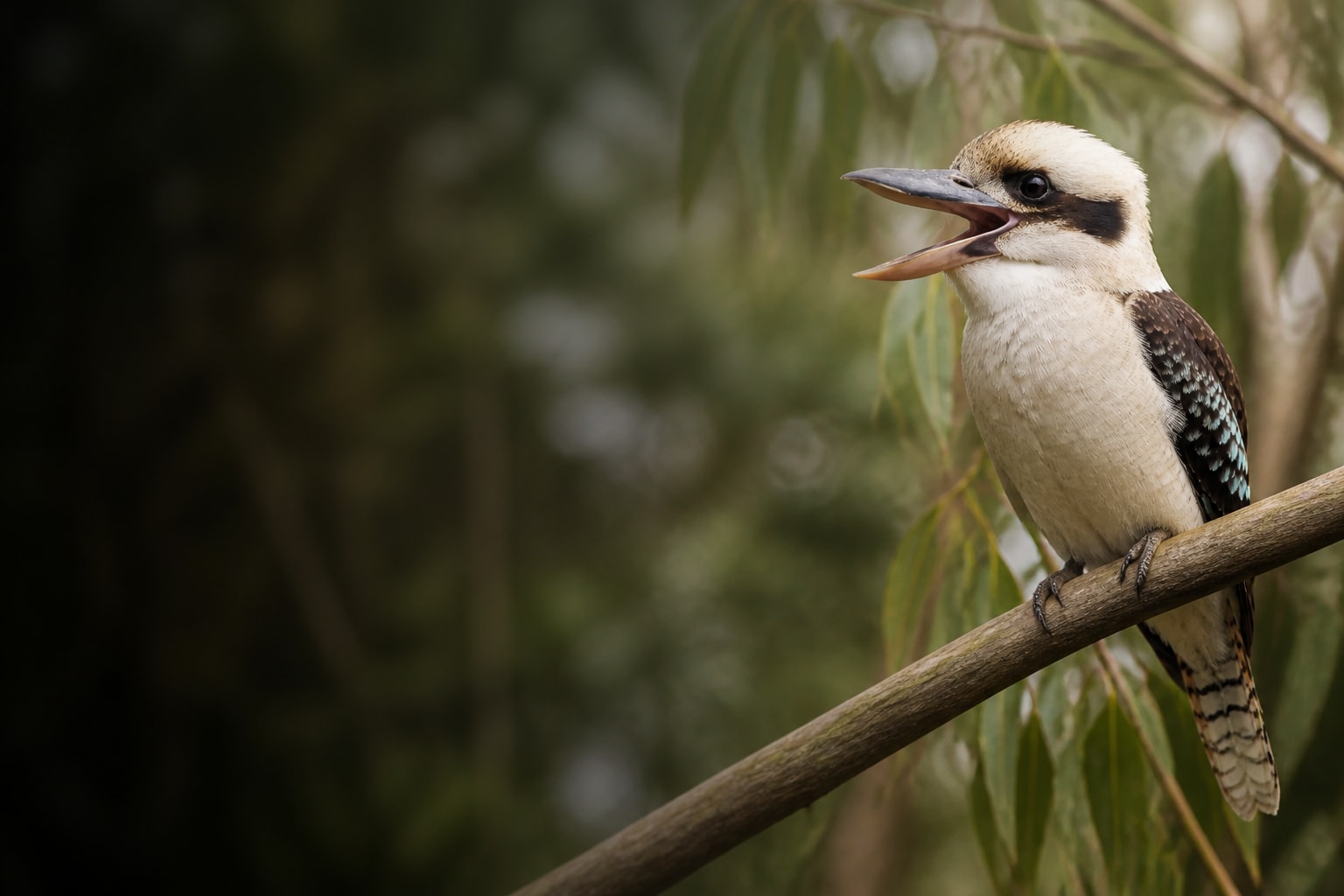
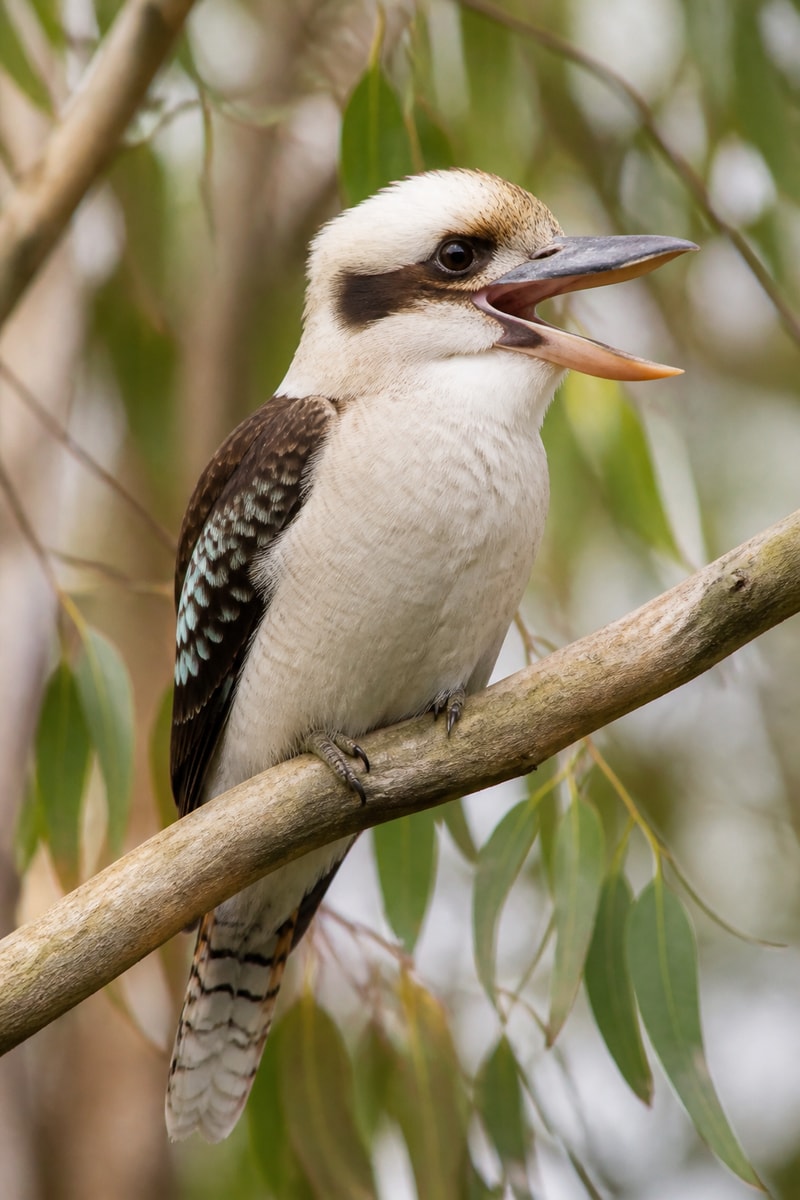
The laughing kookaburra is one of Australia's most beloved birds, a large kingfisher that doesn't need fish, instead sitting on branches and power lines waiting to pounce on snakes, lizards, and mice. Its raucous laughing call, rising and falling in a manic cackle, is the soundtrack to bush mornings.
Kookaburras are cooperative breeders, offspring from previous years help parents raise the next clutch. They are bold around humans, visiting picnic grounds and gardens across eastern Australia.
- Scientific nameDacelo novaeguineae
- Length40–45 cm
- Weight300–450 g
- LifespanAround 10–15 years in the wild
- DietLaughing kookaburras…
- ConservationLeast Concern
- RegionEucalyptus Woodland
Habitat
- Eucalyptus woodland
- Open forest
- Suburban parks
Eucalyptus woodland, open forest, and suburban parks across eastern Australia hold laughing kookaburras. They need tree hollows for nesting and open ground for hunting, and have adapted well to human-altered landscapes.
Countries found
Field notes
Field scale for the Kookaburra: length around 40-45 cm; weight 300-450 g. Typical lifespan: Around 10-15 years in the wild.
When you are scanning habitat, prioritise eucalyptus woodland, open forest, and suburban parks. Those settings are where a clean look and a usable photo are most likely.
Quick ID anchor: Large brown-and-white kingfisher with a heavy bill and dark eye-stripe; lacks the bright blue of many tropical kingfishers. Confirm with behaviour and habitat before you log the discovery.
Diet
Laughing kookaburras take snakes, lizards, insects, small mammals, and nestling birds from perches.
Despite being kingfishers, they rarely eat fish and hunt mostly on land.
Behaviour
Famous laughing chorus at dawn and dusk marks territory; families are cooperative breeders.
Sit-and-wait hunters that pounce from power lines, posts, and open woodland perches.
How to identify
Large brown-and-white kingfisher with a heavy bill and dark eye-stripe; lacks the bright blue of many tropical kingfishers.
The rolling 'laugh' call is the surest field mark across eastern Australian bush.
Interesting facts
- 01
Kookaburras' laughing call at dawn is one of Australia's iconic sounds.
- 02
Despite being kingfishers, they rarely eat fish, preferring land prey.
- 03
Family groups defend territories year-round with their laughing calls.
Conservation status
Laughing kookaburras are Least Concern and abundant across eastern Australia. They thrive in suburban areas but need hollow-bearing trees for nesting.
Sources: IUCN Red List
Keep exploring
Related discoveries
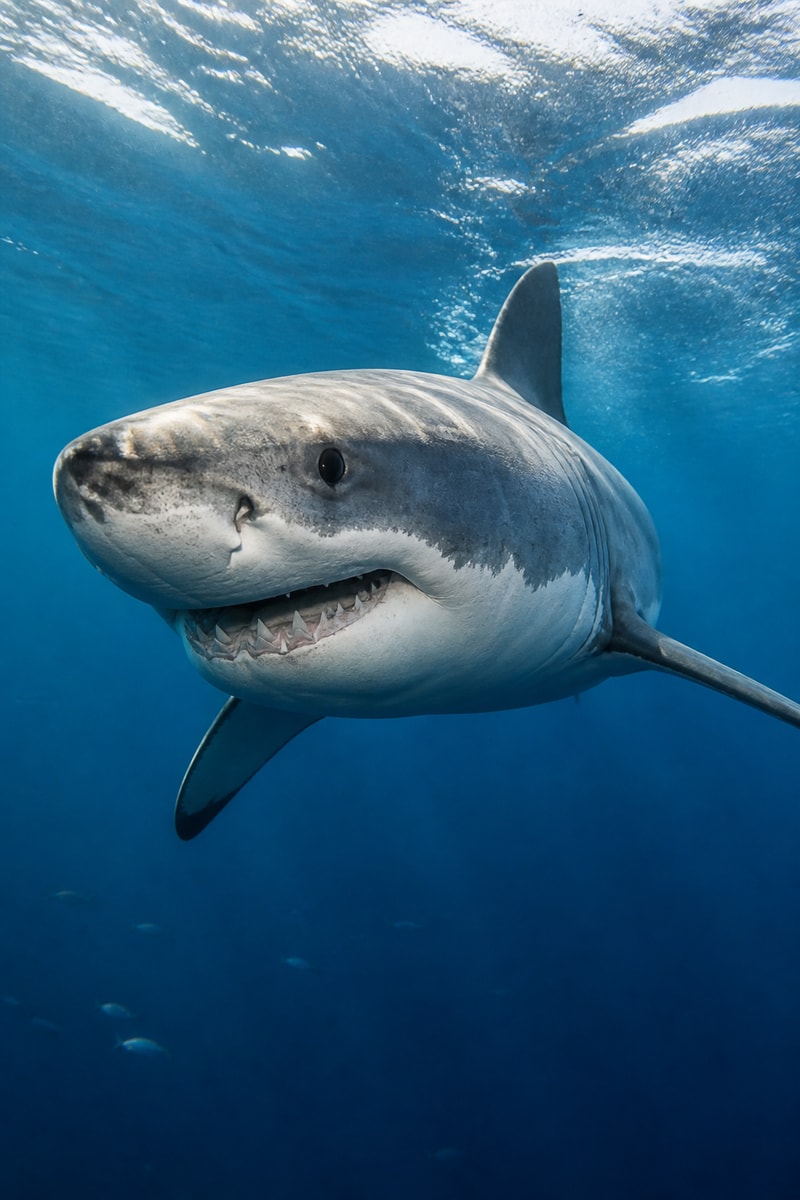
- Great White Sharklegendary • Coastal Ocean
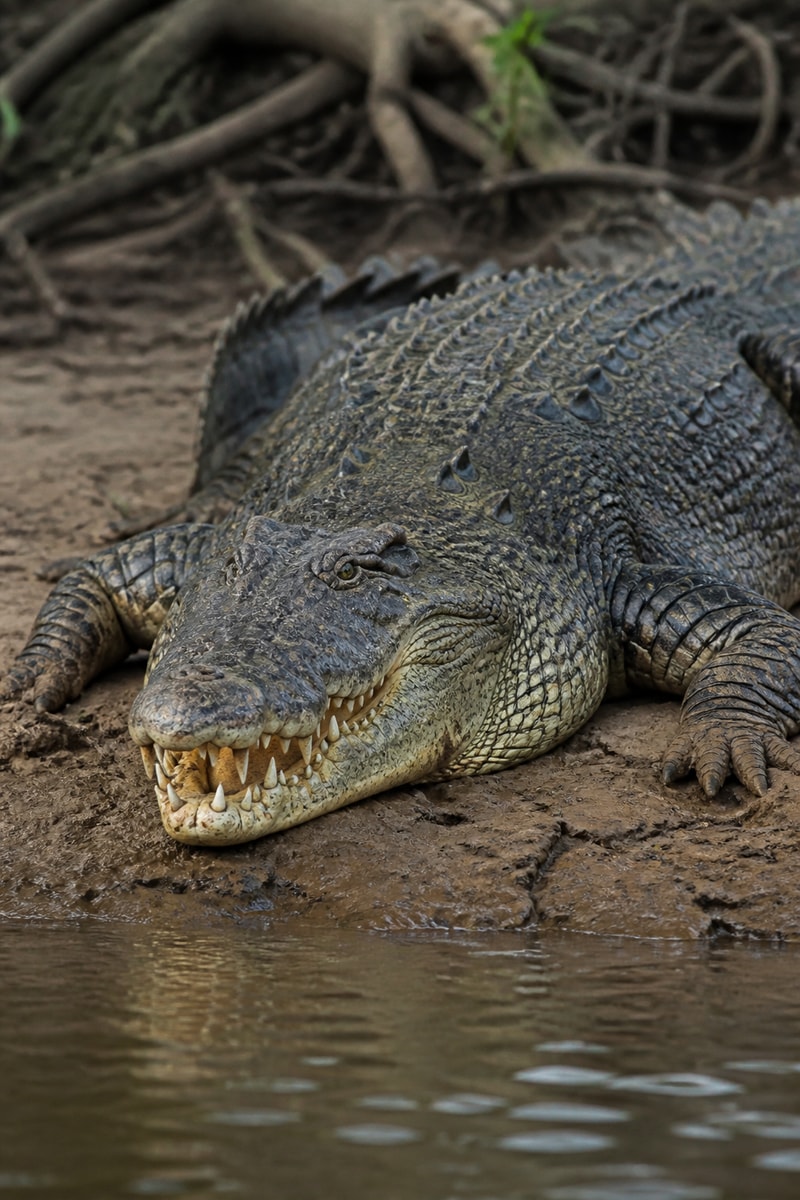
- Saltwater Crocodilelegendary • Estuaries & Coast
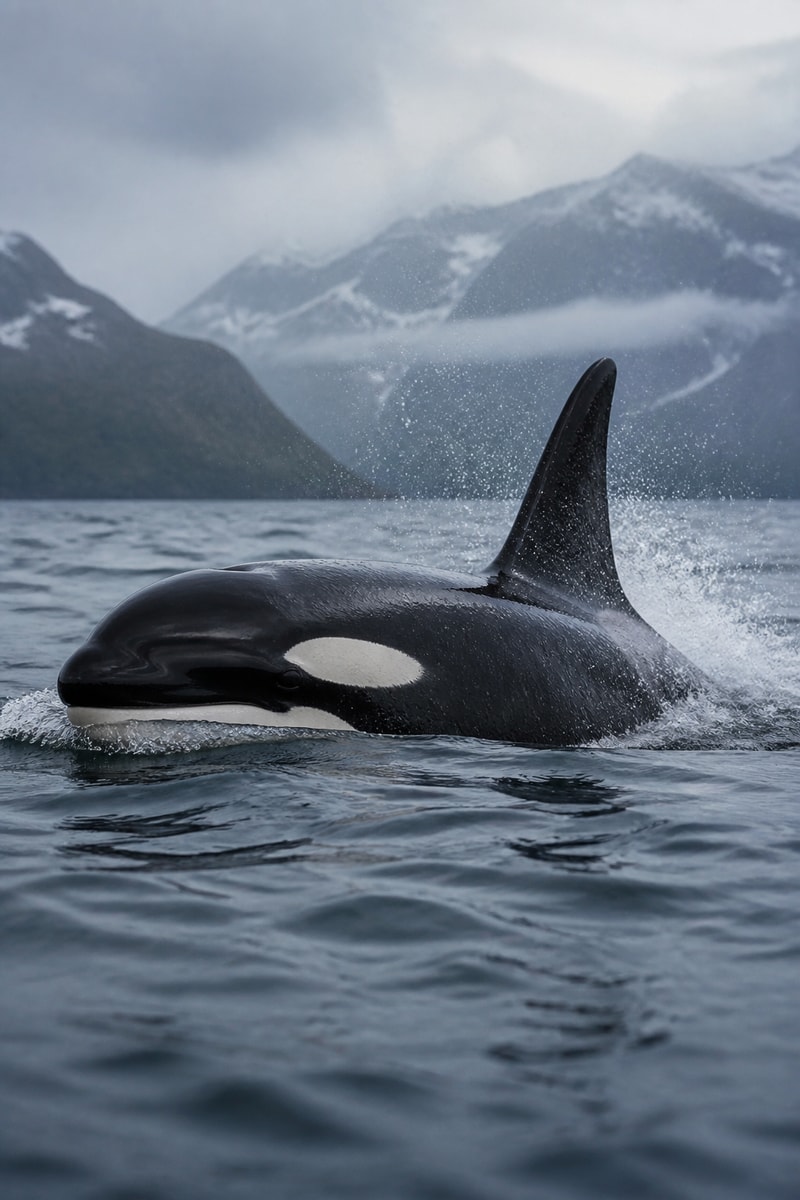
- Orcalegendary • Coastal Ocean
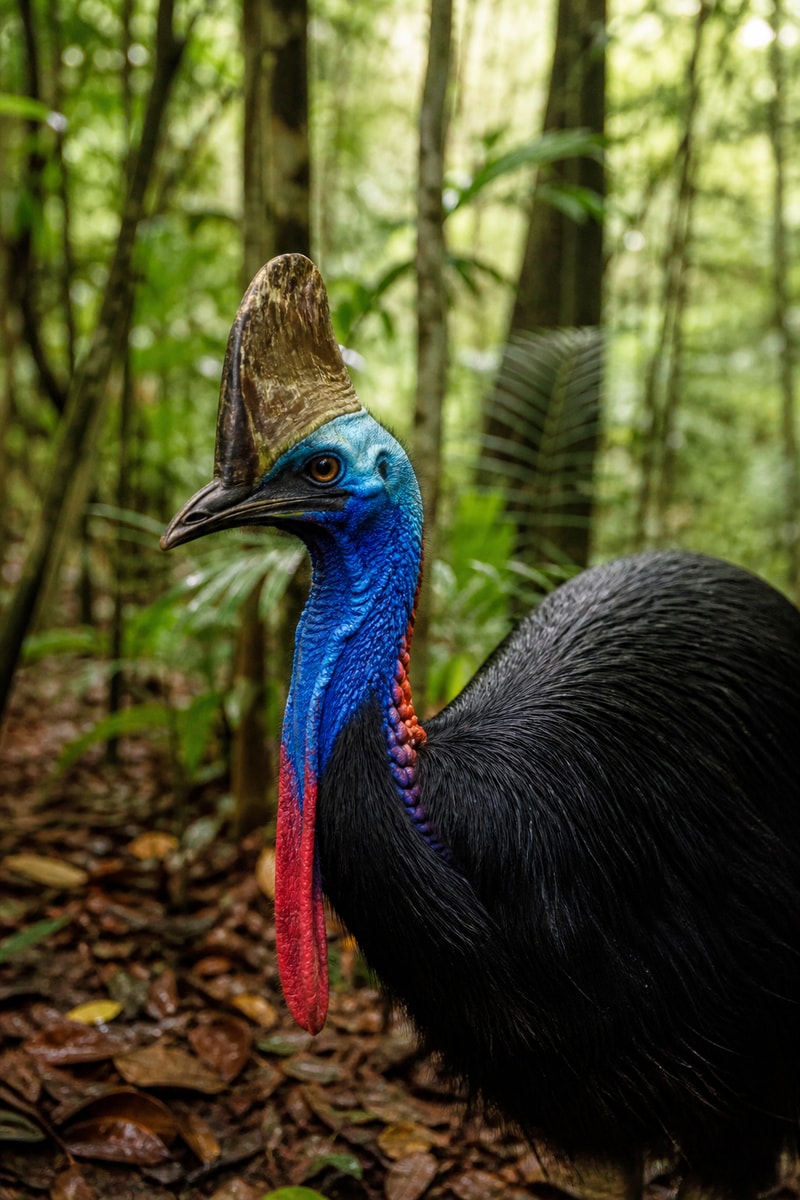
- Southern Cassowarylegendary • Rainforest
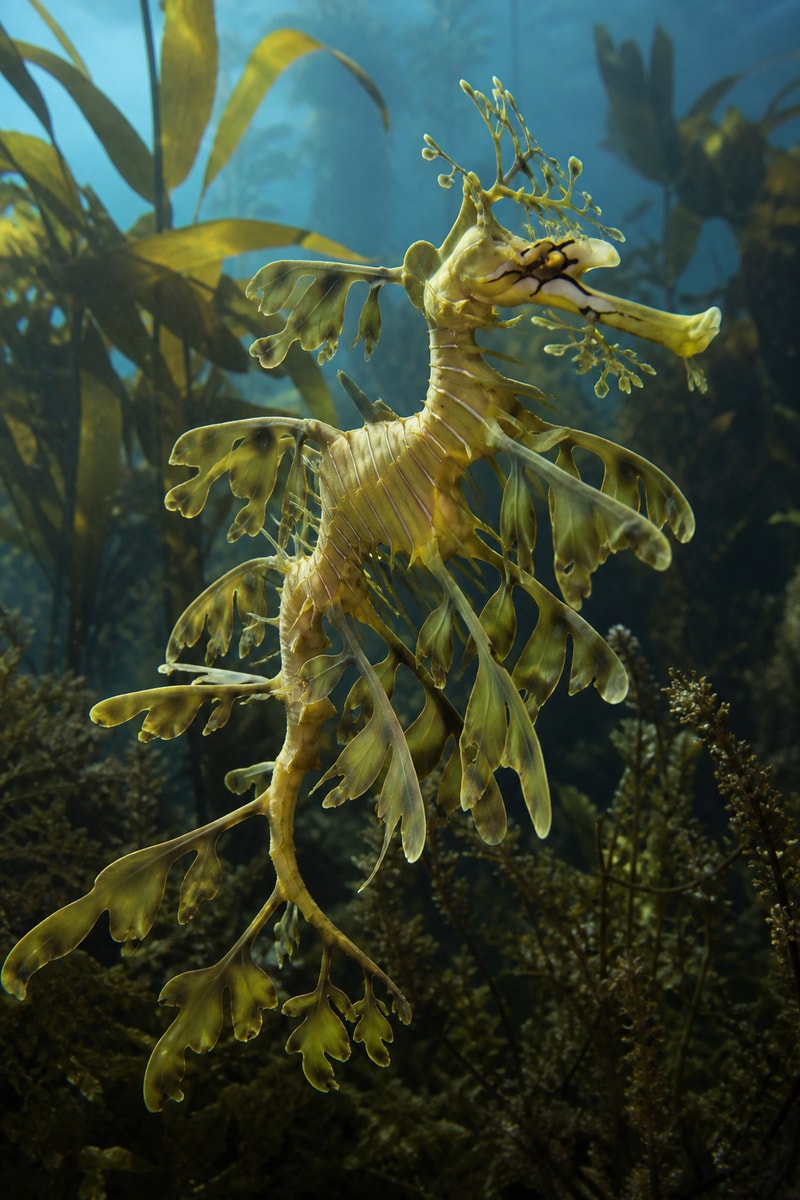
- Leafy Sea Dragonlegendary • Kelp & Seagrass
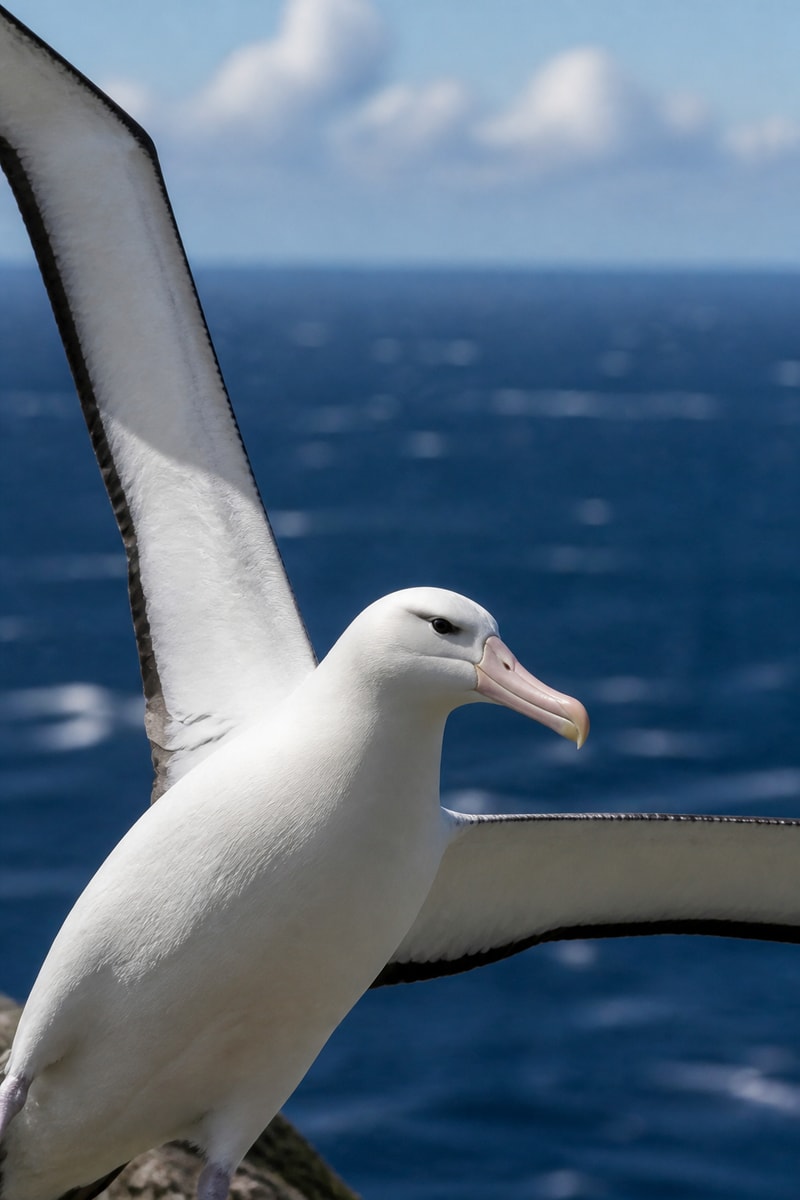
- Wandering Albatrosslegendary • Southern Ocean Skies
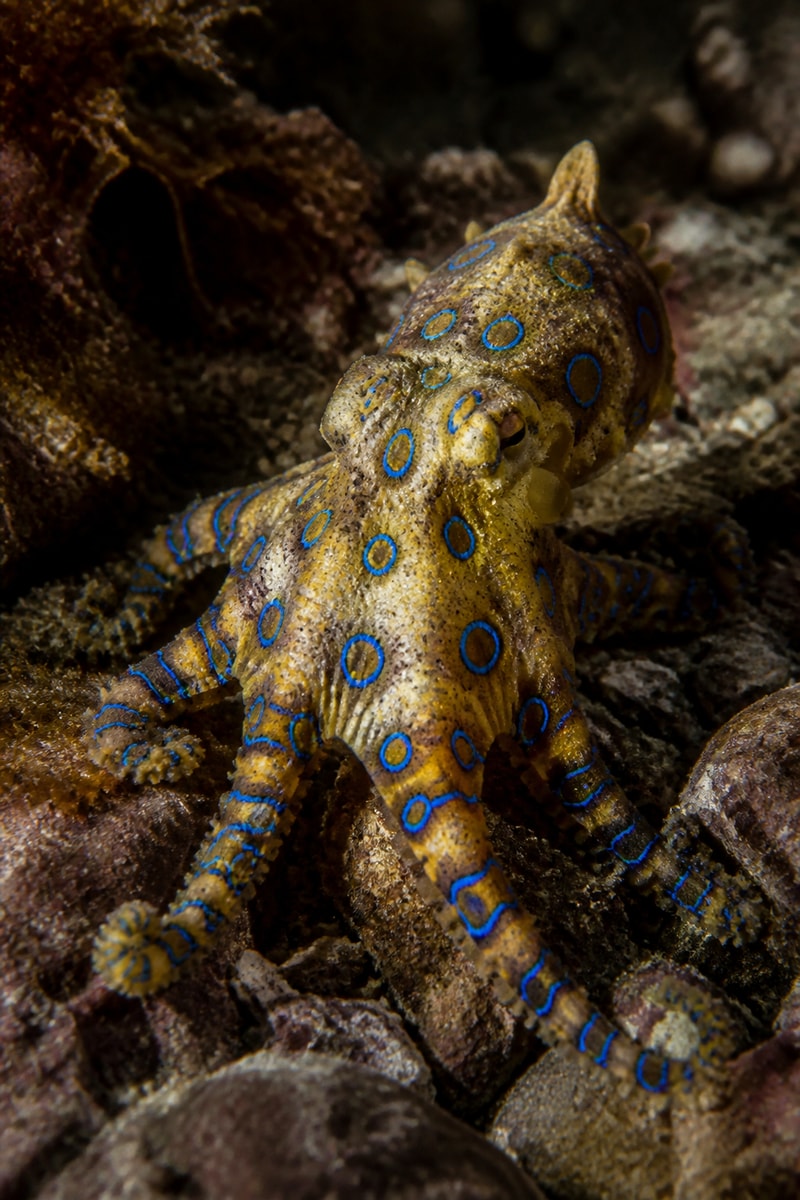
- Southern Blue-ringed Octopuslegendary • Southern Australian Reefs
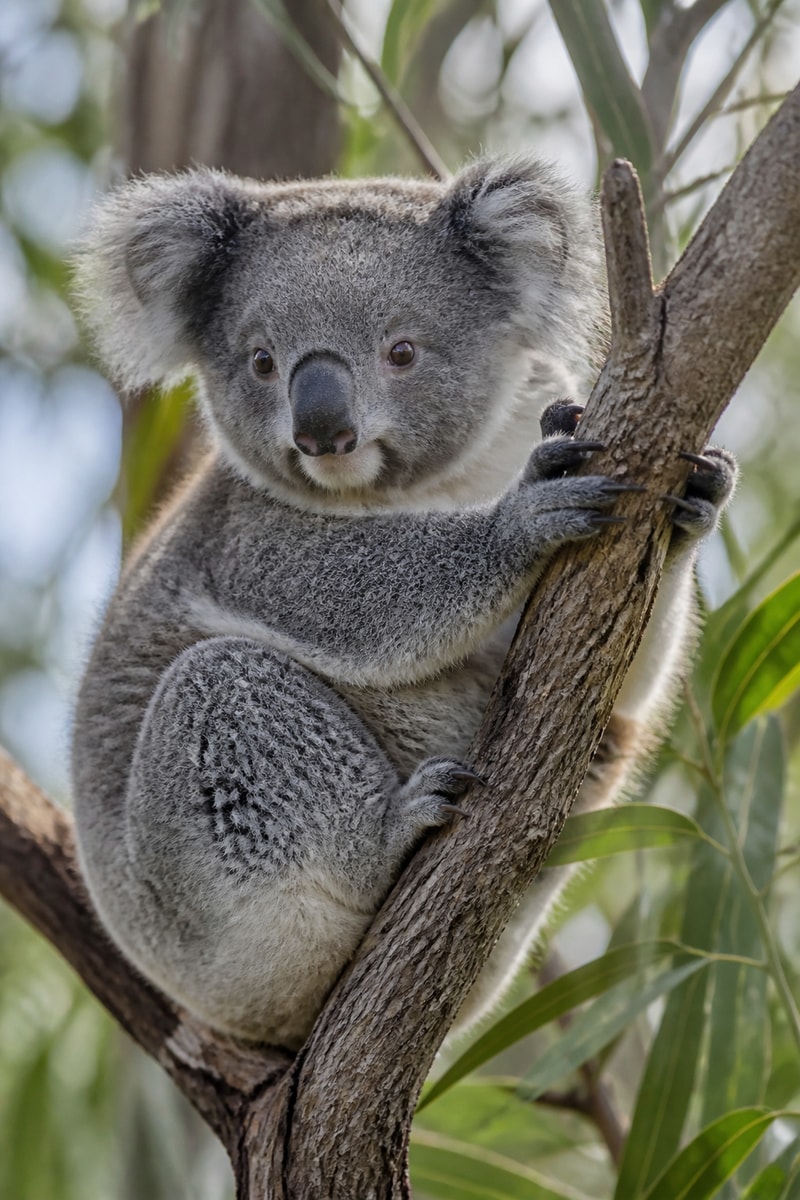
- Koalarare • Eucalyptus Forest
Free on iOS
Catch the Kookaburra
Spot one in the wild, then scan it in Catch'Um to log your common discovery.