
Field guide · common
Kangaroo
The bounder of the red centre, a marsupial that crosses the outback in leaps and carries its joey in a built-in pouch.
Least Concern
Macropus rufus
Overview
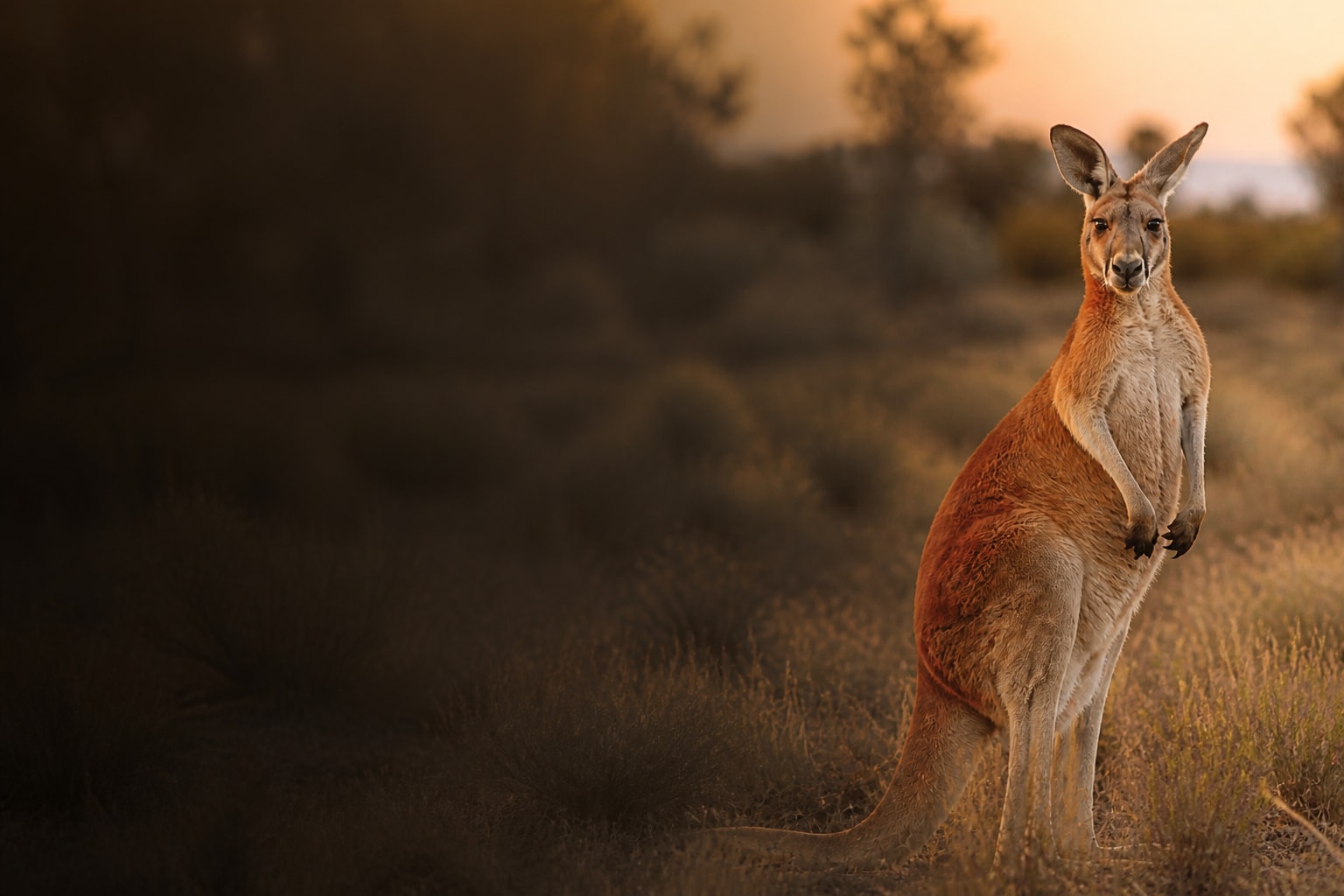
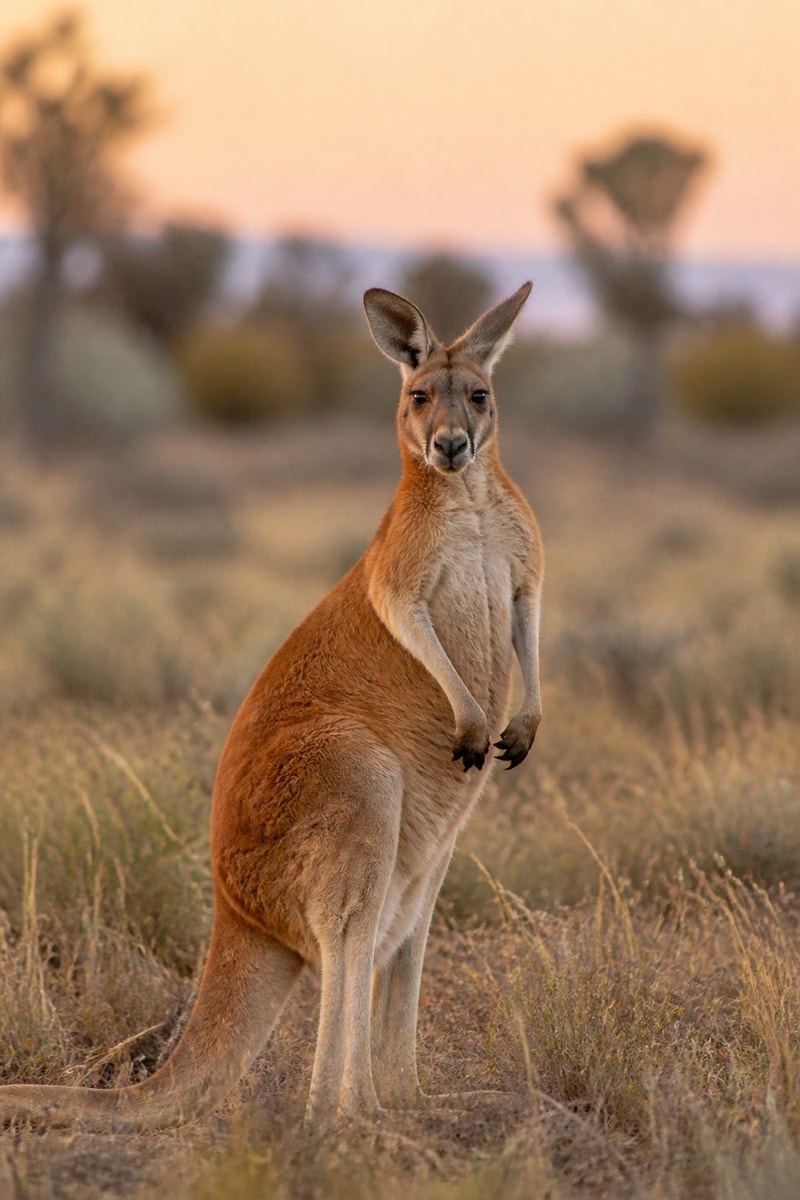
The red kangaroo is the largest living marsupial and an emblem of Australia. Males, 'big reds', can stand two metres tall and cover eight metres in a single hop, using their massive tail as a balance and a third leg when sitting.
Kangaroos cannot walk backwards, a fact enshrined in Australian coat-of-arms symbolism alongside the emu. They gather in mobs on open grassland, grazing at dusk and dawn, and have thrived in the outback alongside sheep and cattle stations.
- Scientific nameMacropus rufus
- HeightMales up to ~1.8–2 m standing
- WeightMales 55–90 kg; females ~18–40 kg
- LifespanAround 8–12 years in the wild; longer in captivity
- DietRed kangaroos graze…
- ConservationLeast Concern
- RegionOutback & Grassland
Habitat
- Arid grassland
- Open plains
- Scrub
Arid and semi-arid grassland across the Australian interior suits red kangaroos. They need open plains for grazing and shade from heat, and are common across the outback, though eastern grey kangaroos dominate coastal regions.
Countries found
Field notes
Field scale for the Kangaroo: height Males up to ~1.8-2 m standing; weight Males 55-90 kg; females ~18-40 kg. Typical lifespan: Around 8-12 years in the wild; longer in captivity.
When you are scanning habitat, prioritise arid grassland, open plains, and scrub. Those settings are where a clean look and a usable photo are most likely.
Quick ID anchor: Largest living marsupial: powerful hind legs, long muscular tail, and short forelimbs. Males ('big reds') are rusty-red; females are often bluish-grey and smaller. Confirm with behaviour and habitat before you log the discovery.
Where to see one
Australia
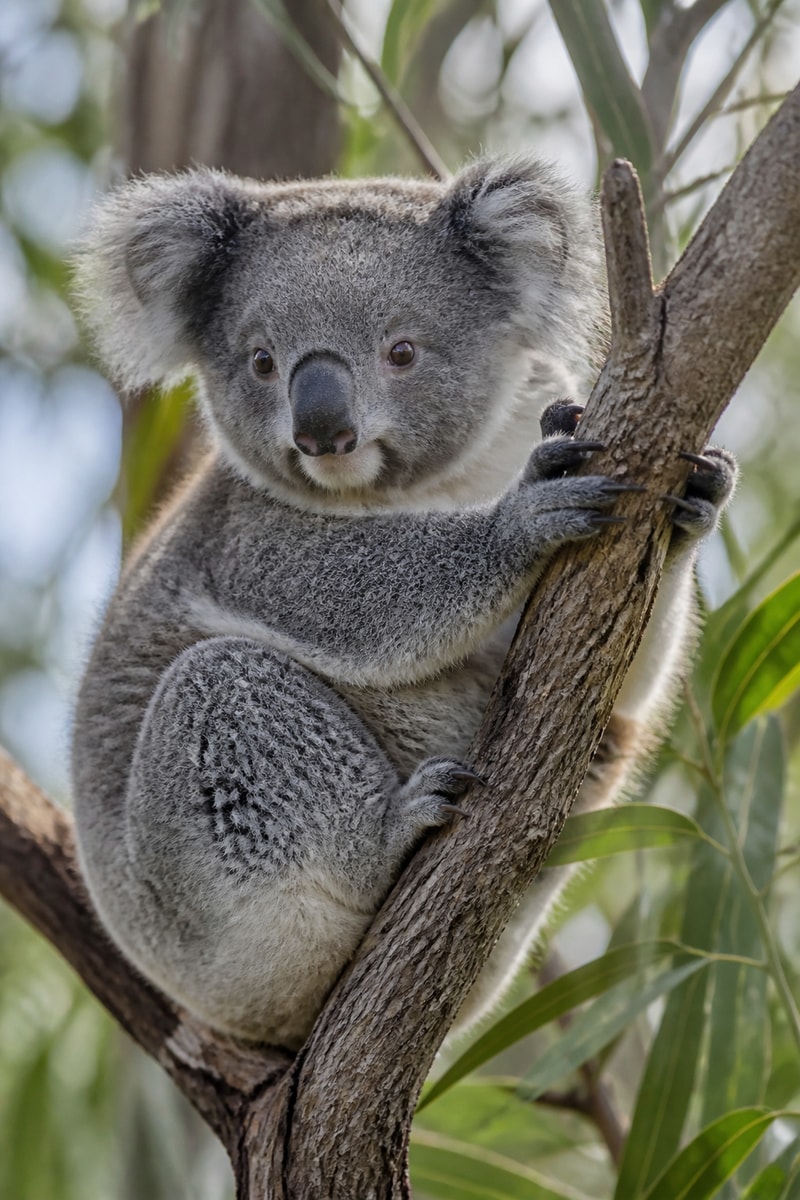
In Australia, strong options include Great Ocean Road, Kangaroo Island, Uluru-Kata Tjuta National Park, and Daintree Rainforest. Coastal eucalyptus forest and Kennett River's wild koalas, one of the most reliable places to spot them in the wild.
Open the Australia spotting guide for every park note tied to the kangaroo.
Diet
Red kangaroos graze grasses and forbs on open plains, also taking shrubs when green feed is scarce. They are adapted to arid country and can go long periods between drinking when forage is moist.
Behaviour
Form loose mobs; most active at dusk and dawn. Move by hopping with the heavy tail as a counterbalance, and females carry a single joey in the pouch for many months.
How to identify
Largest living marsupial: powerful hind legs, long muscular tail, and short forelimbs. Males ('big reds') are rusty-red; females are often bluish-grey and smaller.
Interesting facts
- 01
Kangaroos cannot walk backwards, their tail and leg structure prevents it.
- 02
A joey stays in the pouch for about eight months after birth.
- 03
Red kangaroos can hop at over 70 km/h over short distances.
Conservation status
Red kangaroos are Least Concern and abundant across central Australia. Commercial harvesting is regulated, and populations fluctuate with rainfall.
Sources: IUCN Red List
Keep exploring
Where it lives
Related discoveries
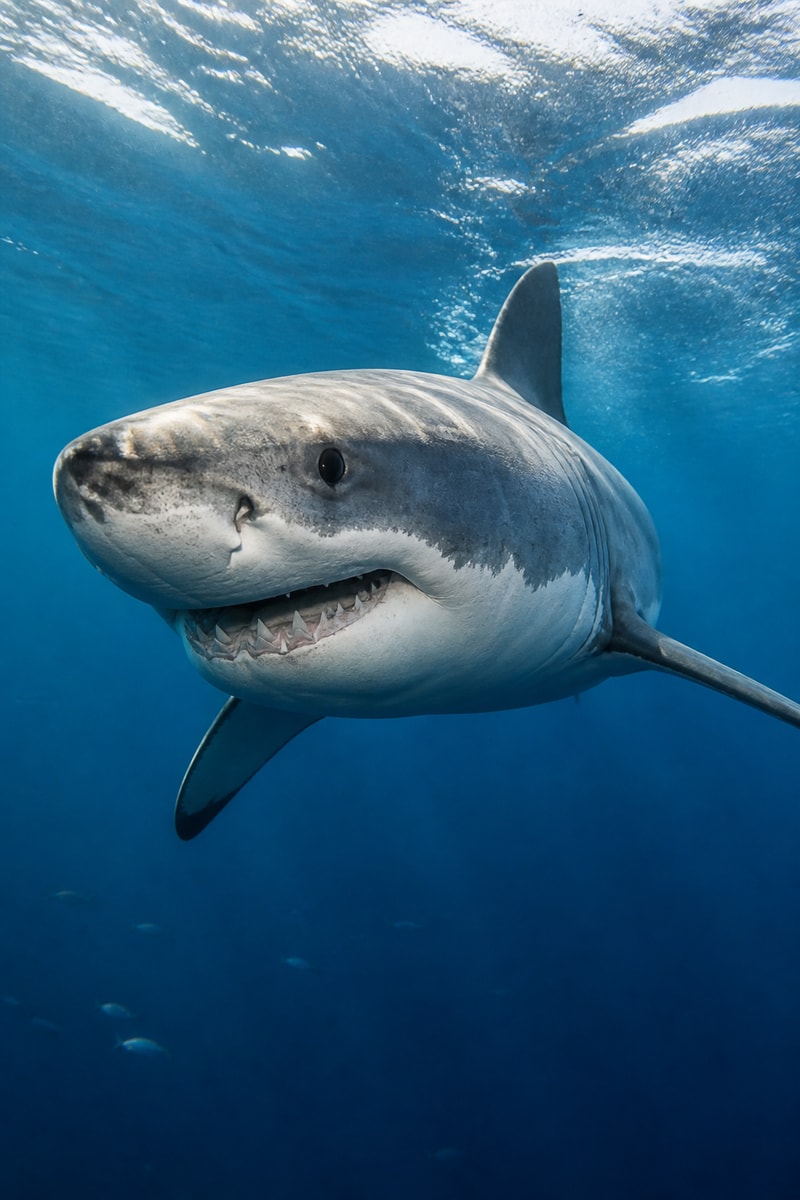
- Great White Sharklegendary • Coastal Ocean
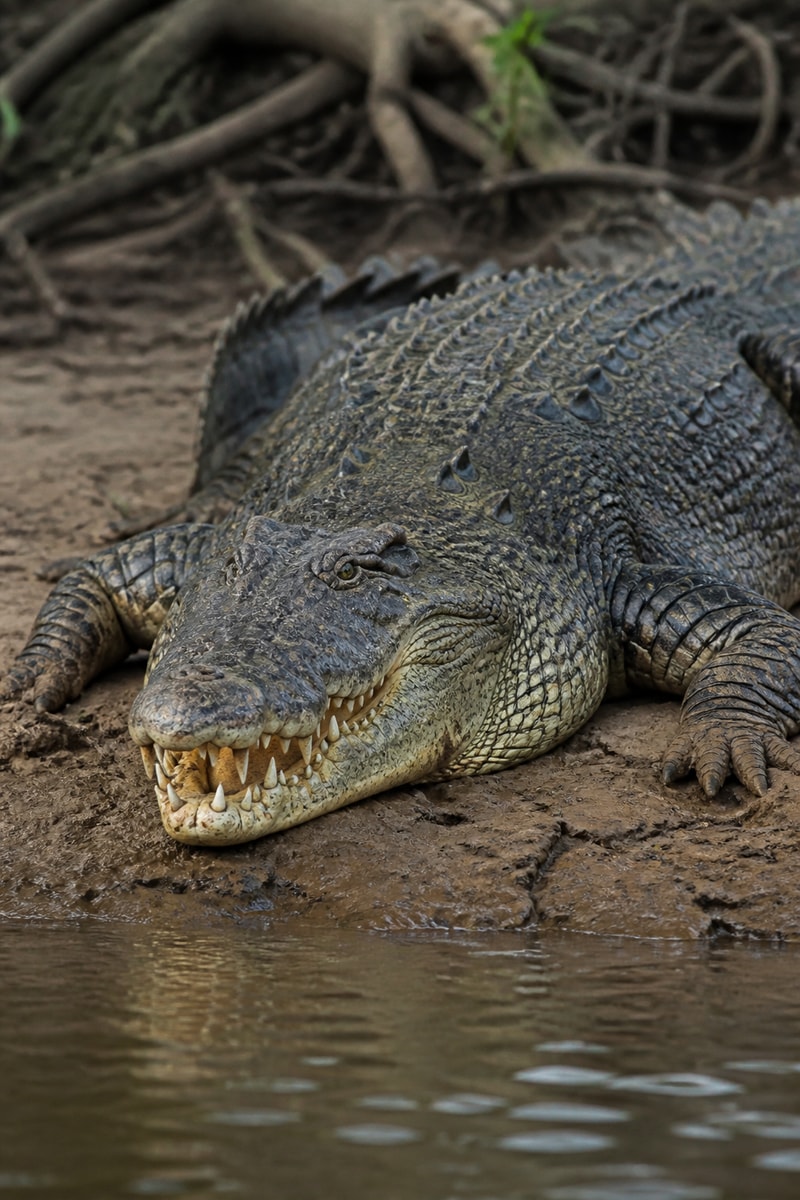
- Saltwater Crocodilelegendary • Estuaries & Coast
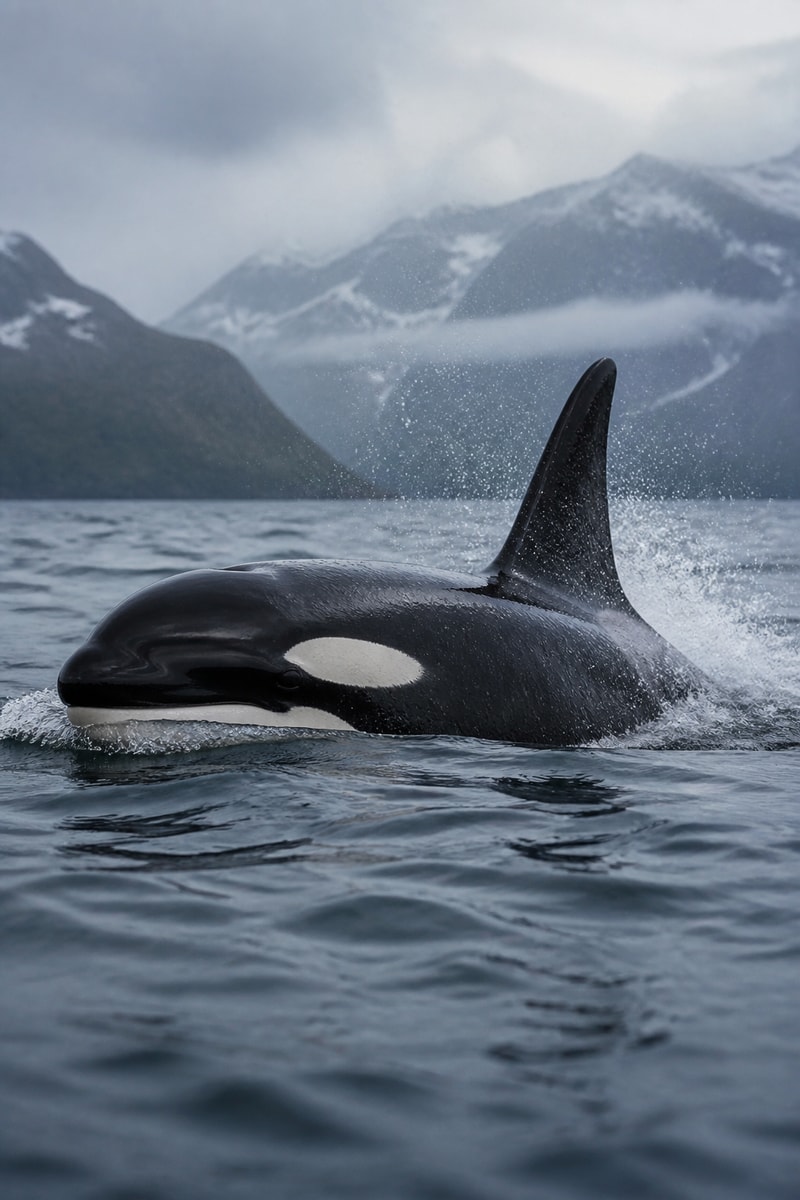
- Orcalegendary • Coastal Ocean
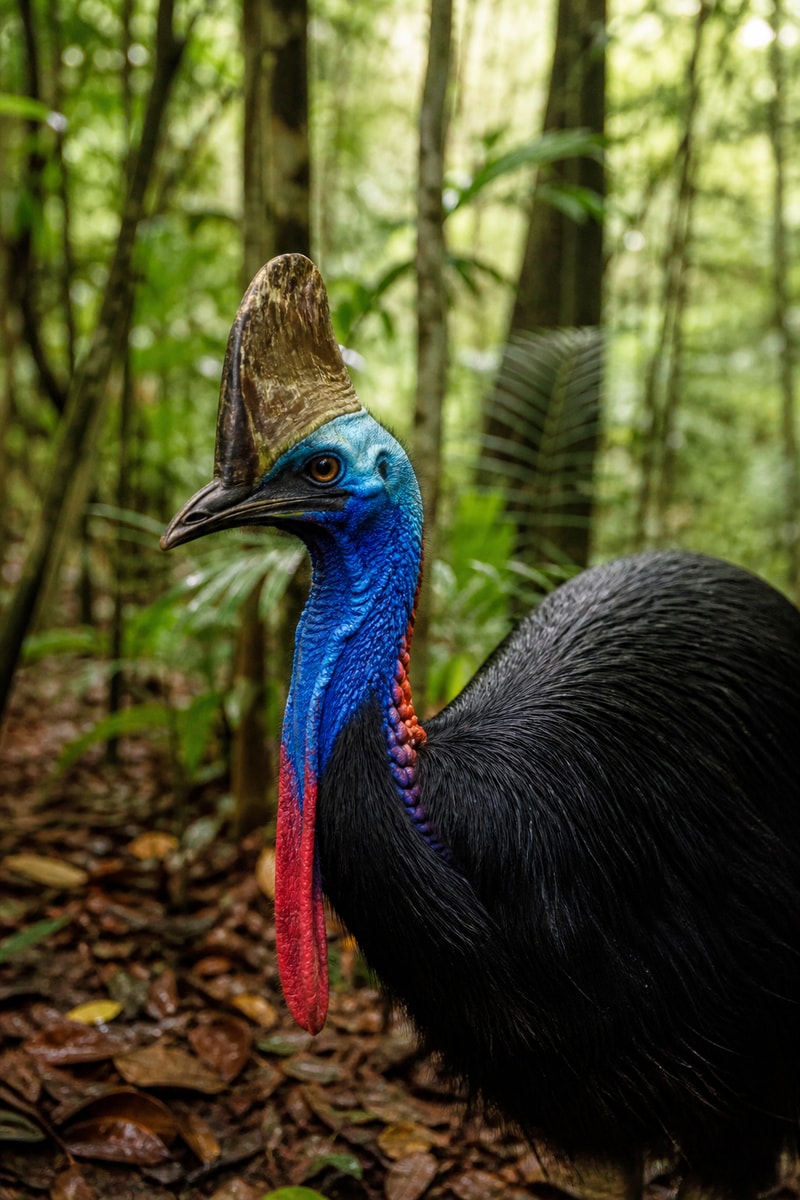
- Southern Cassowarylegendary • Rainforest
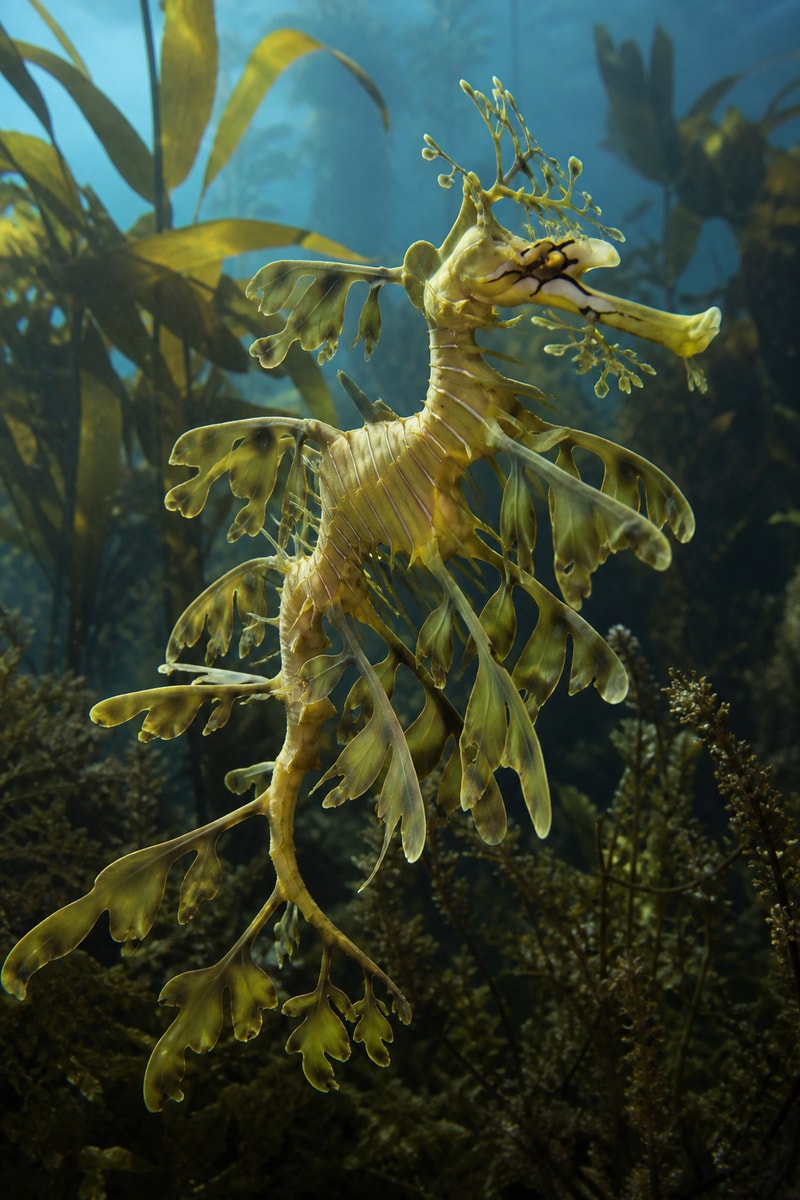
- Leafy Sea Dragonlegendary • Kelp & Seagrass
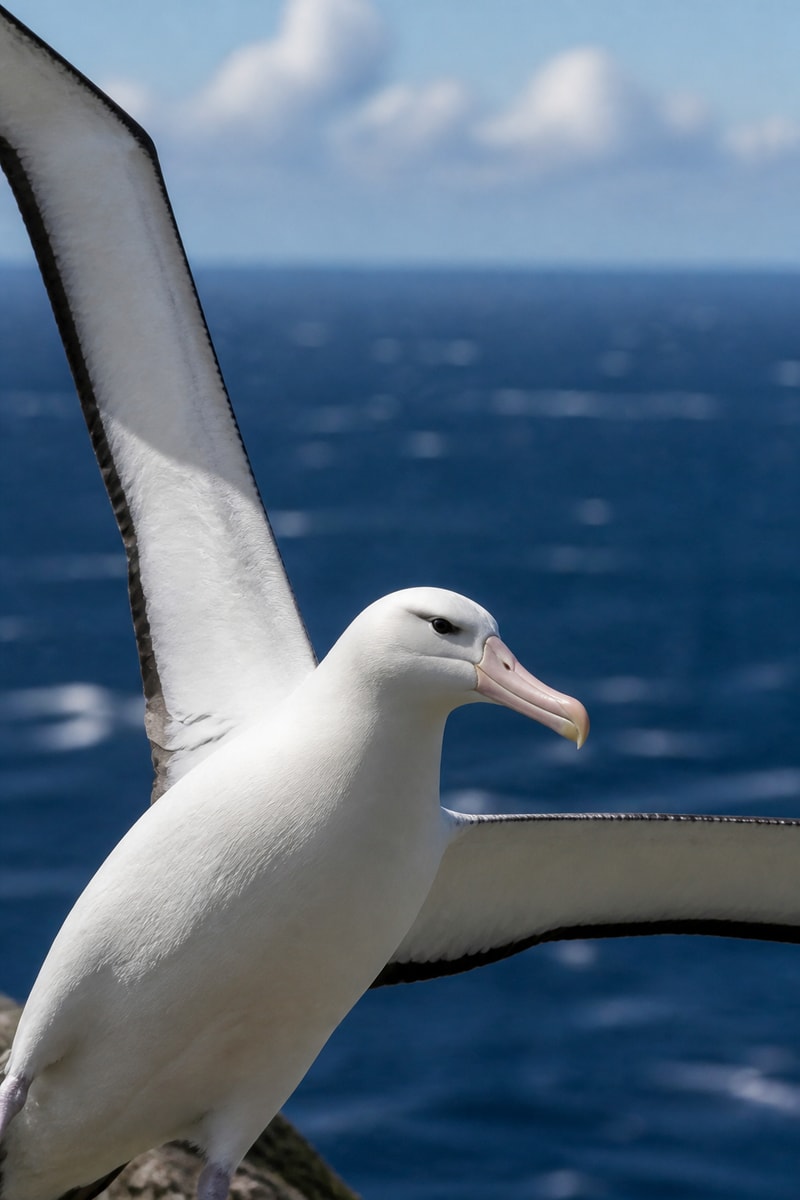
- Wandering Albatrosslegendary • Southern Ocean Skies
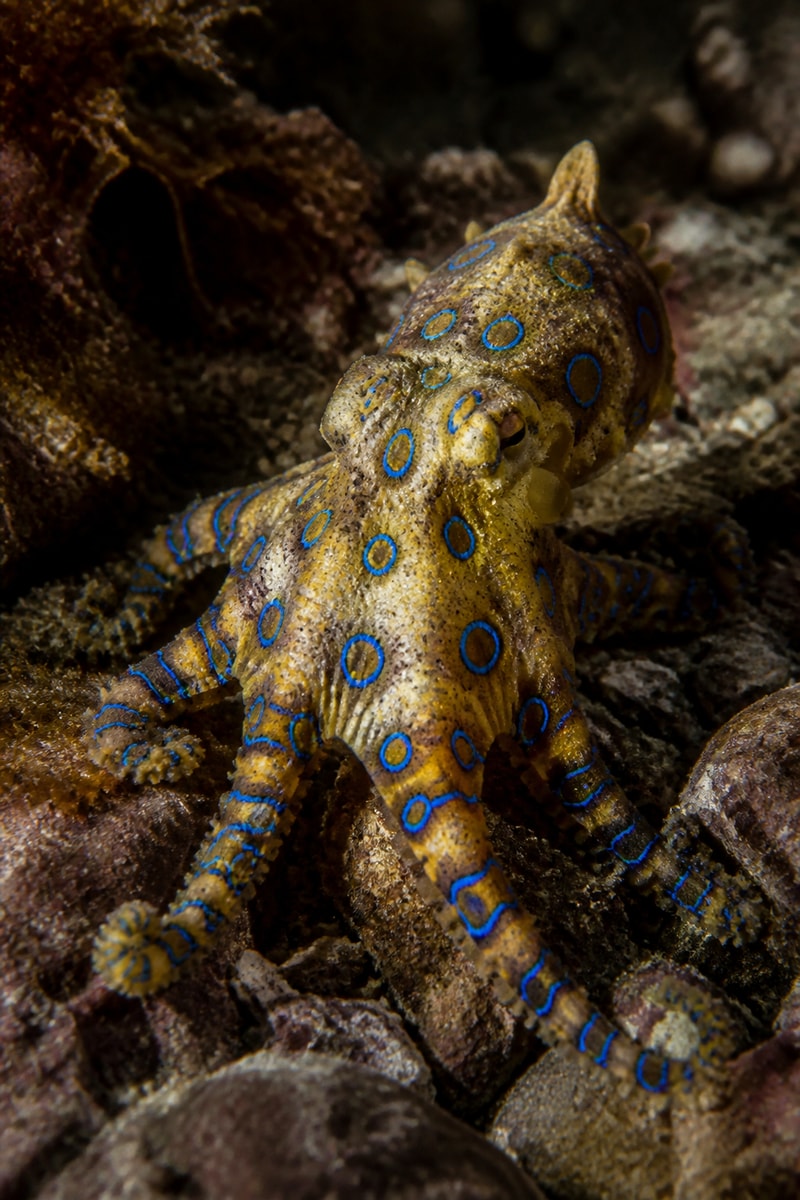
- Southern Blue-ringed Octopuslegendary • Southern Australian Reefs
- Koalarare • Eucalyptus Forest
Free on iOS
Catch the Kangaroo
Spot one in the wild, then scan it in Catch'Um to log your common discovery.