
Field guide · rare
Grey-headed Flying Fox
Australia's big blossom bat — silver-grey head, fox face, and dusk sky rivers of wings.
Vulnerable
Pteropus poliocephalus
Overview
Grey-headed flying foxes are large fruit bats endemic to eastern Australia. By day they hang in noisy camps; at dusk they stream out to feed on blossom, nectar, and fruit, pollinating and dispersing native trees.
For Australia collectors, a flying-fox camp at sunset is a rare eastern-seaboard card — controversial neighbour, vital pollinator.
- Scientific namePteropus poliocephalus
- LengthBody 23–29 cm; wingspan 1–1.2 m
- Weight600–1,000 g
- LifespanAround 15 years in the wild
- DietNectar
- ConservationVulnerable
- RegionEastern Australian Forests
Where to see them
Habitat
- Eucalypt forest
- Coastal rainforest
- Urban park camps
Rainforest, eucalypt forest, coastal scrub, and urban parks of eastern Australia from Queensland to Victoria, roosting in communal camps near water and foraging widely at night.
Field notes
Field scale for the Grey-headed Flying Fox: length around Body 23-29 cm; wingspan 1-1.2 m; weight 600-1,000 g. Typical lifespan: Around 15 years in the wild.
When you are scanning habitat, prioritise eucalypt forest, coastal rainforest, and urban park camps. Those settings are where a clean look and a usable photo are most likely.
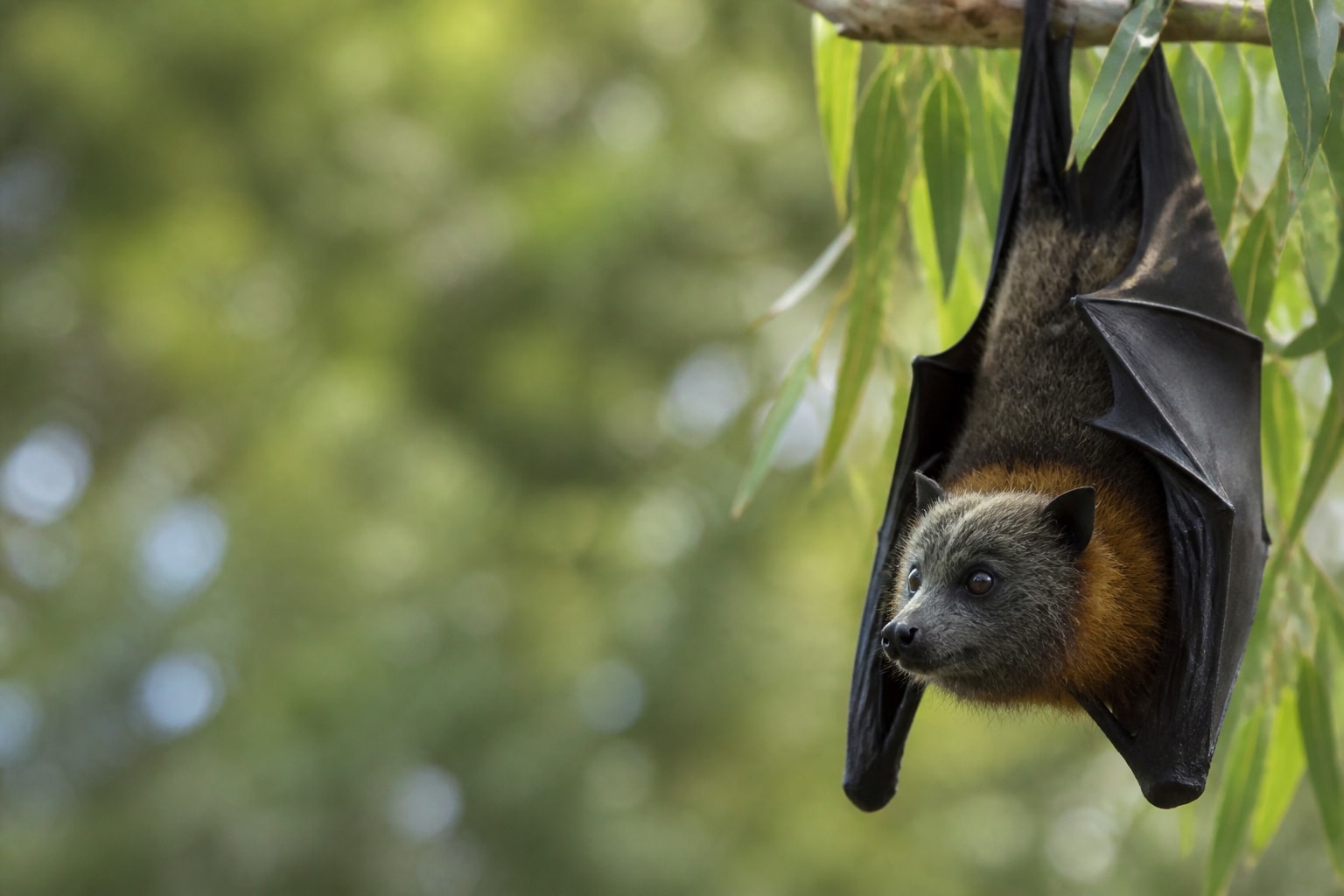
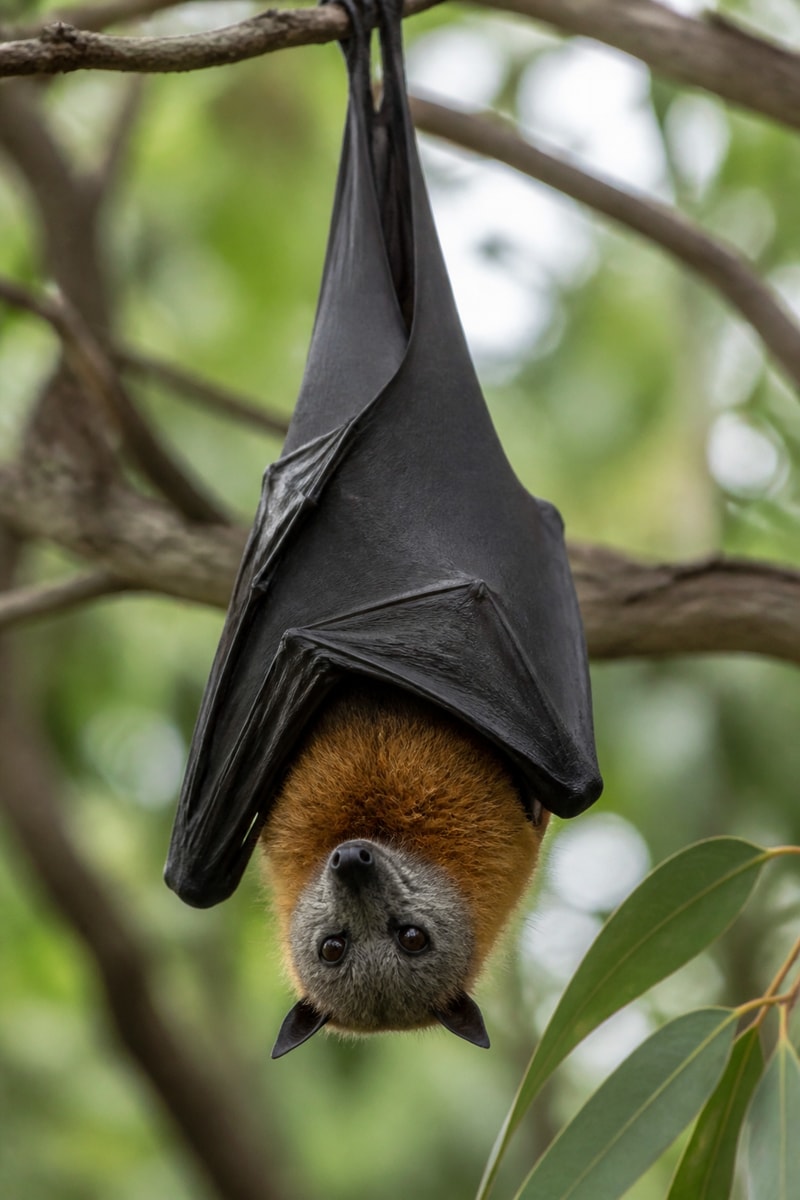
Quick ID anchor: Grey head and neck, rusty-brown collar and body, and large dark eyes with a fox-like face. Confirm with behaviour and habitat before you log the discovery.
Where to see one
Australia
In Australia, start at Daintree Rainforest (Queensland). Ancient tropical forest at the edge of the Great Barrier Reef, with cassowaries, tree kangaroos, and forest birds.
More context on this destination lives on the Australia expedition page.
Diet
Nectar, pollen, blossom, and fruit from eucalypts, figs, and other native and orchard trees.
Forage by night, often commuting long distances from the day camp.
Behaviour
Hang upside-down in noisy colonies by day; stream out at dusk in long flight lines.
Social within camps; mothers carry dependent young while foraging.
How to identify
Grey head and neck, rusty-brown collar and body, and large dark eyes with a fox-like face.
No tail; wingspan often over 1 m; claws for hanging and climbing.
Interesting facts
- 01
Largest bat endemic to mainland Australia.
- 02
Silver-grey head contrasts with reddish-brown body fur.
- 03
Important pollinators and seed dispersers of native trees.
- 04
Roost by day in large communal camps.
- 05
Can fly tens of kilometres nightly to flowering trees.
- 06
Wingspans exceed a metre in adults.
Conservation status
Grey-headed flying foxes are Vulnerable. Habitat loss, extreme heat events, and conflict at urban camps reduce numbers. Protecting roosts and flowering forests along eastern Australia is critical.
Sources: IUCN Red List
Keep exploring
Related discoveries
- Great White Sharklegendary • Coastal Ocean
- Saltwater Crocodilelegendary • Estuaries & Coast
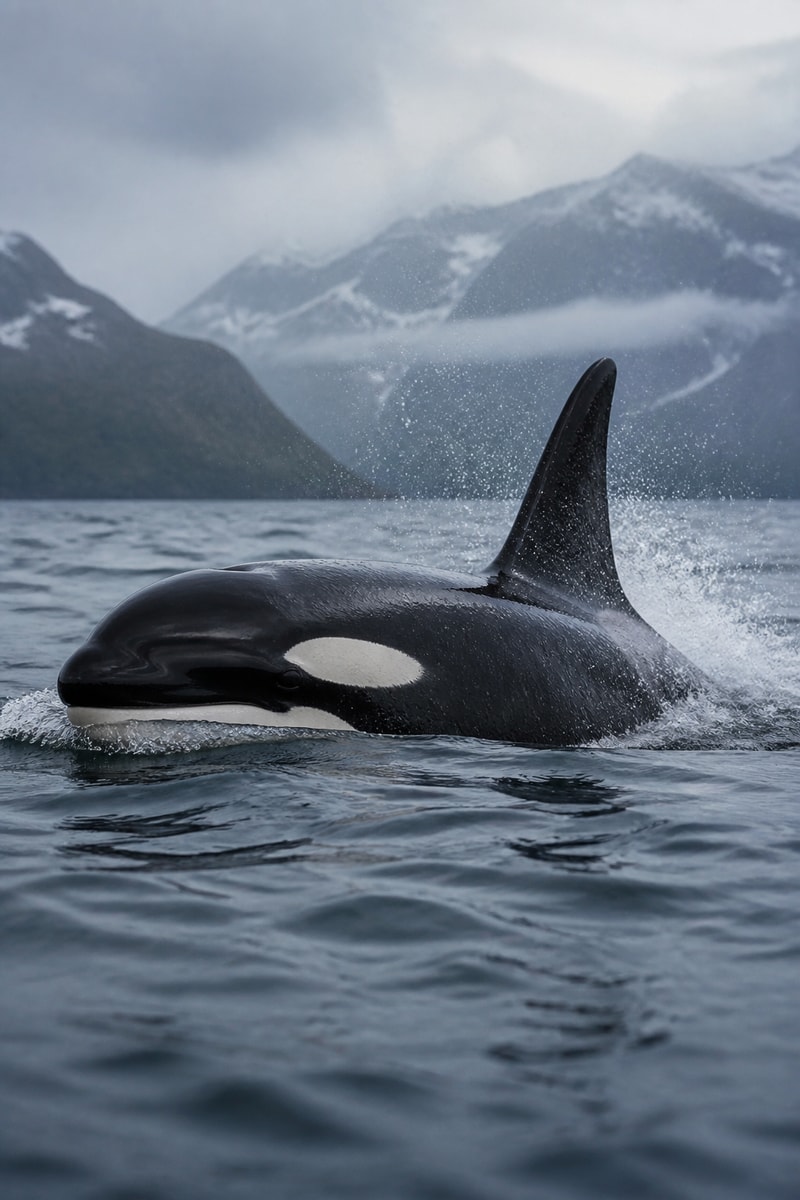
- Orcalegendary • Coastal Ocean
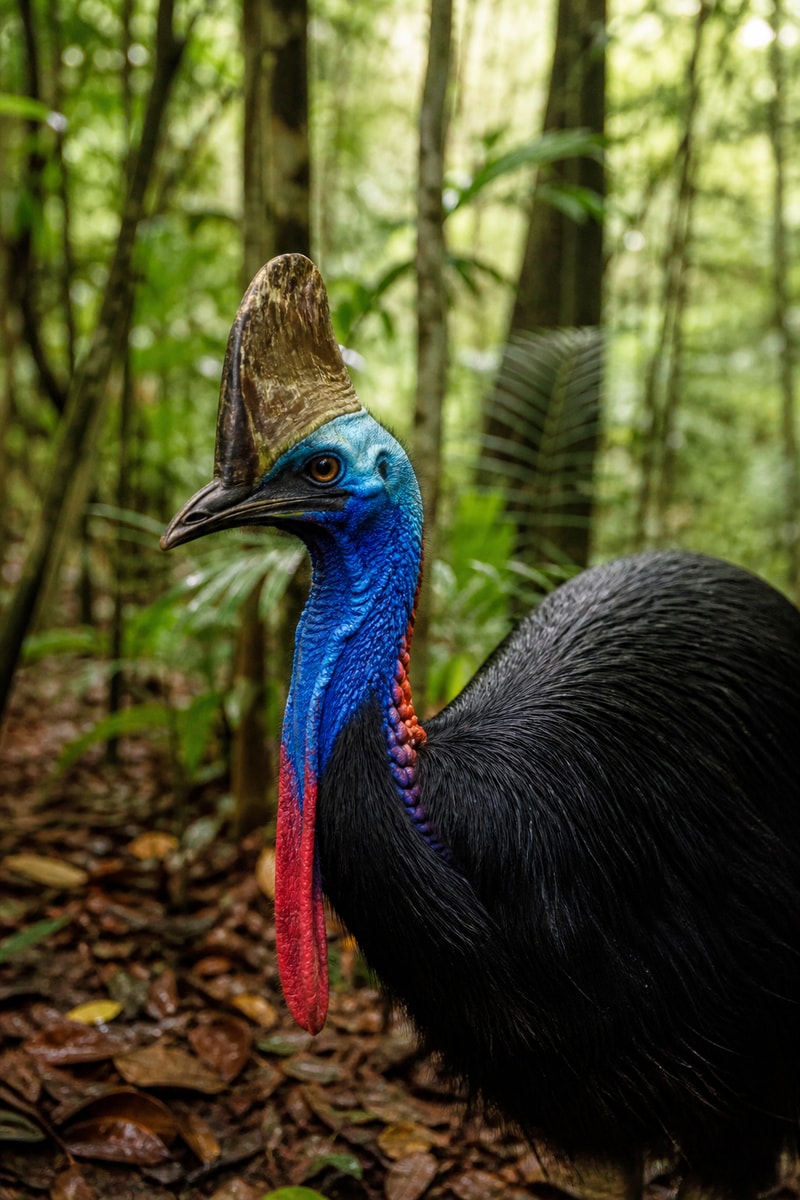
- Southern Cassowarylegendary • Rainforest
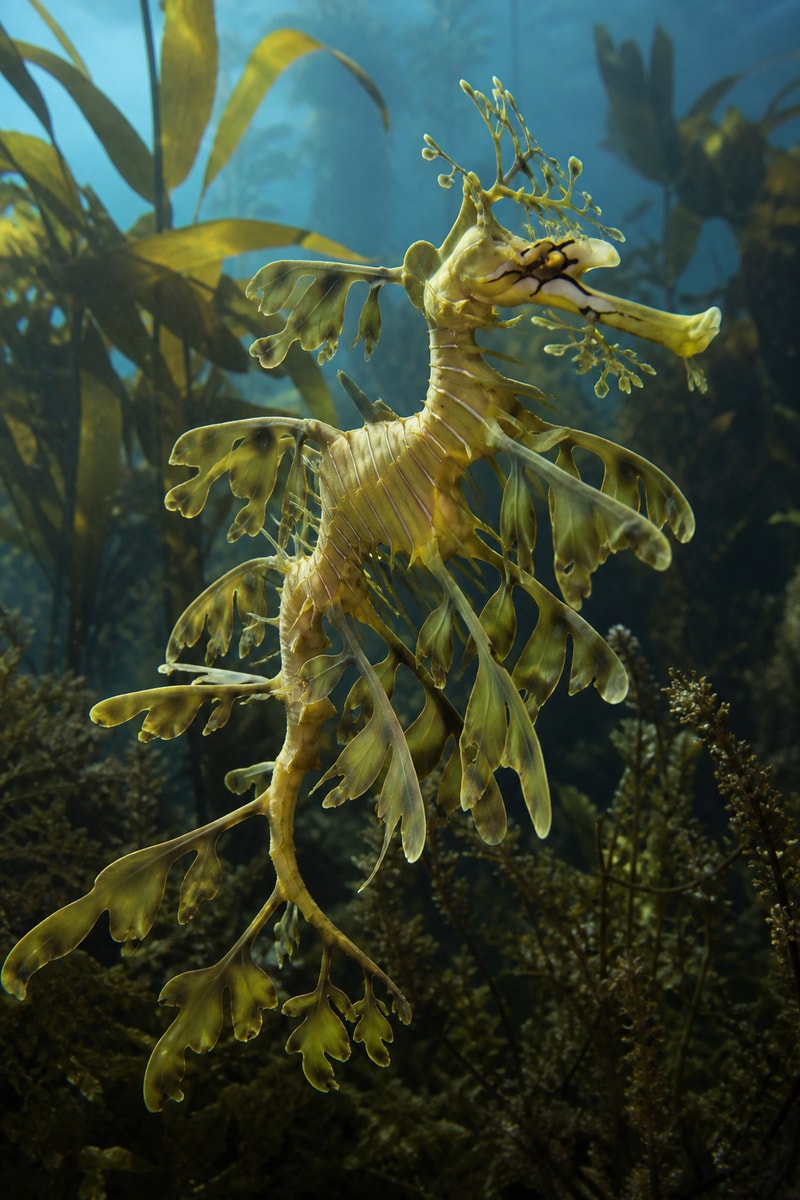
- Leafy Sea Dragonlegendary • Kelp & Seagrass
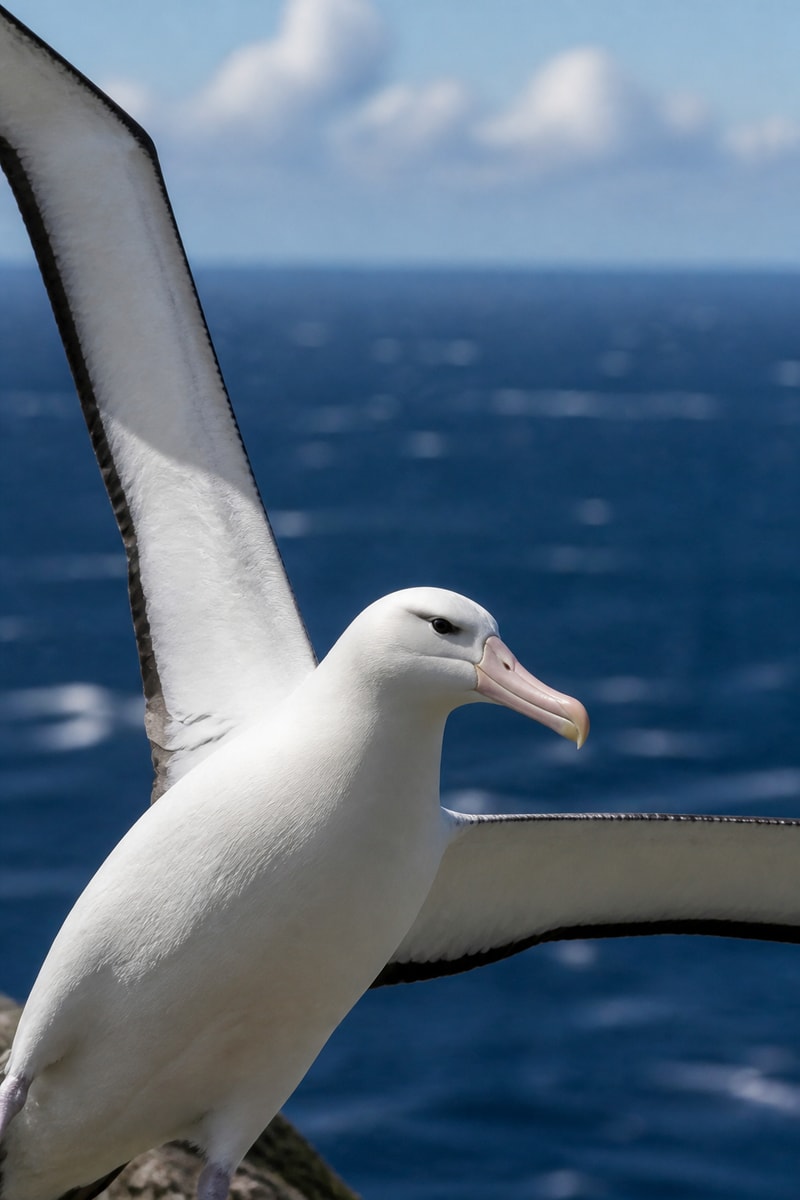
- Wandering Albatrosslegendary • Southern Ocean Skies
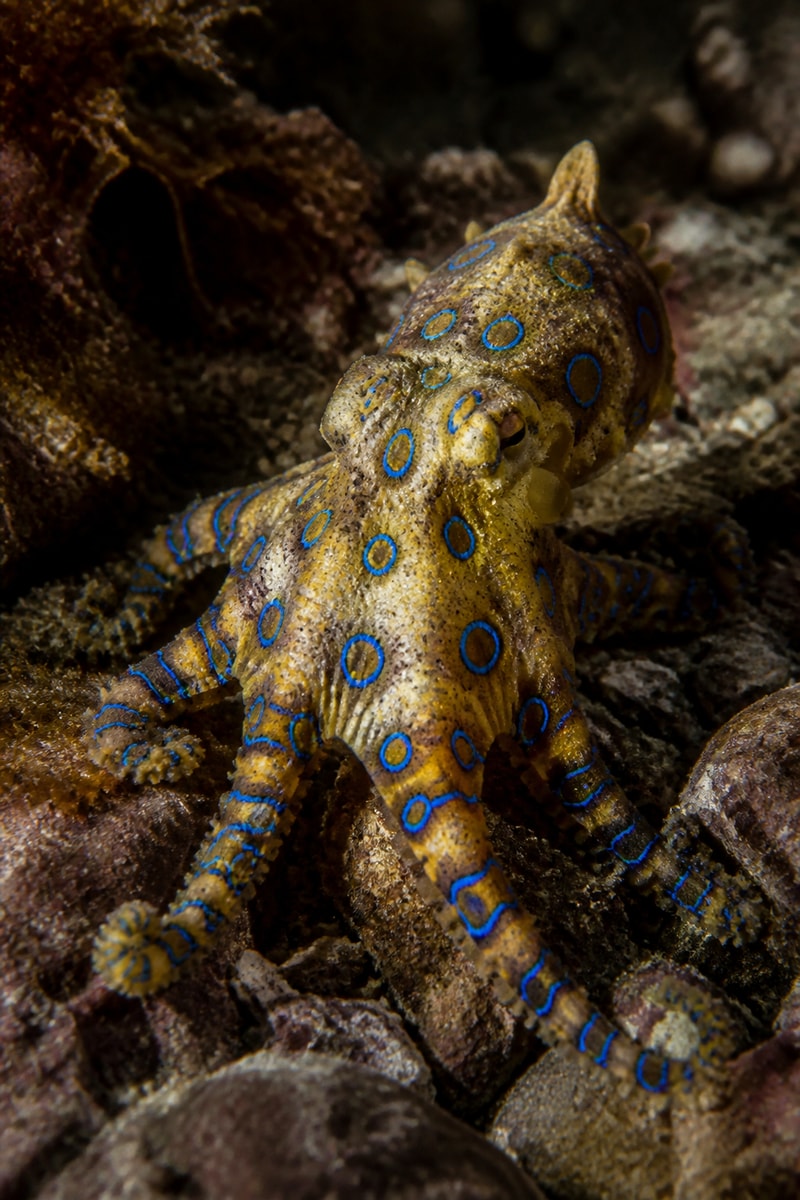
- Southern Blue-ringed Octopuslegendary • Southern Australian Reefs
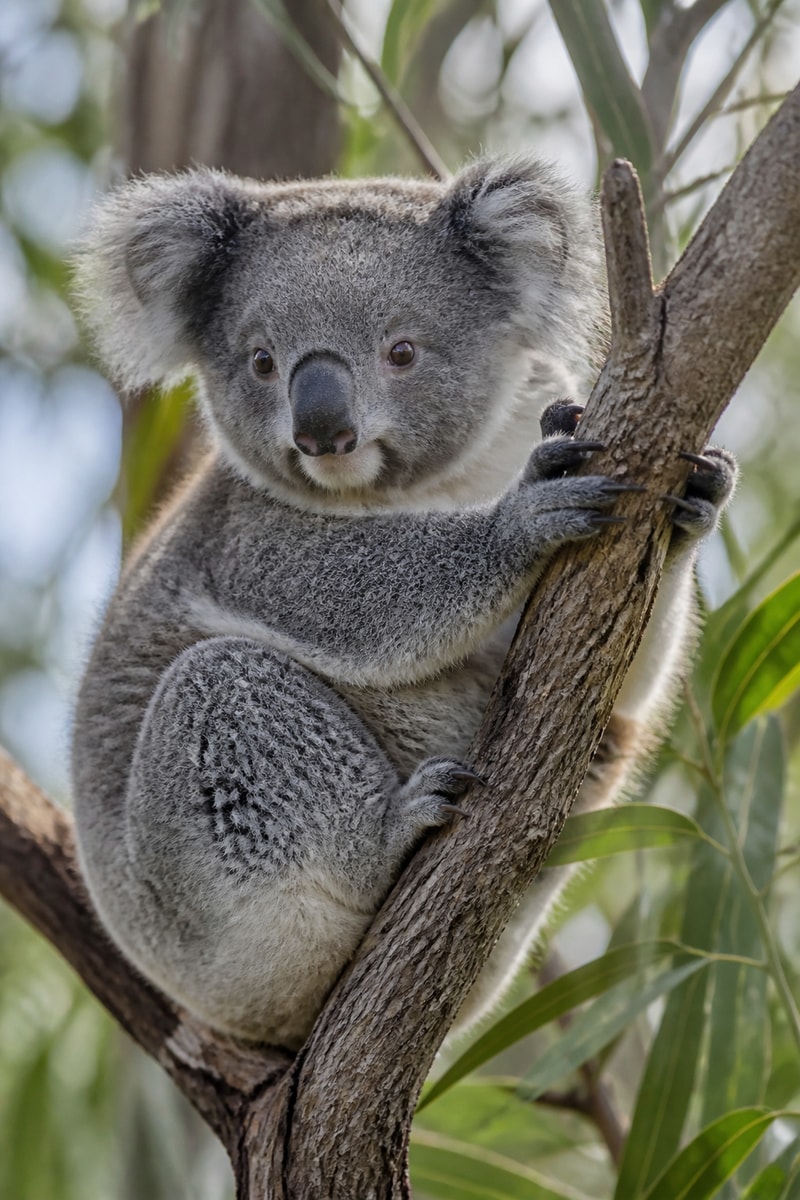
- Koalarare • Eucalyptus Forest
Free on iOS
Catch the Grey-headed Flying Fox
Spot one in the wild, then scan it in Catch'Um to log your rare discovery.