
Field guide · rare
Green Tree Python
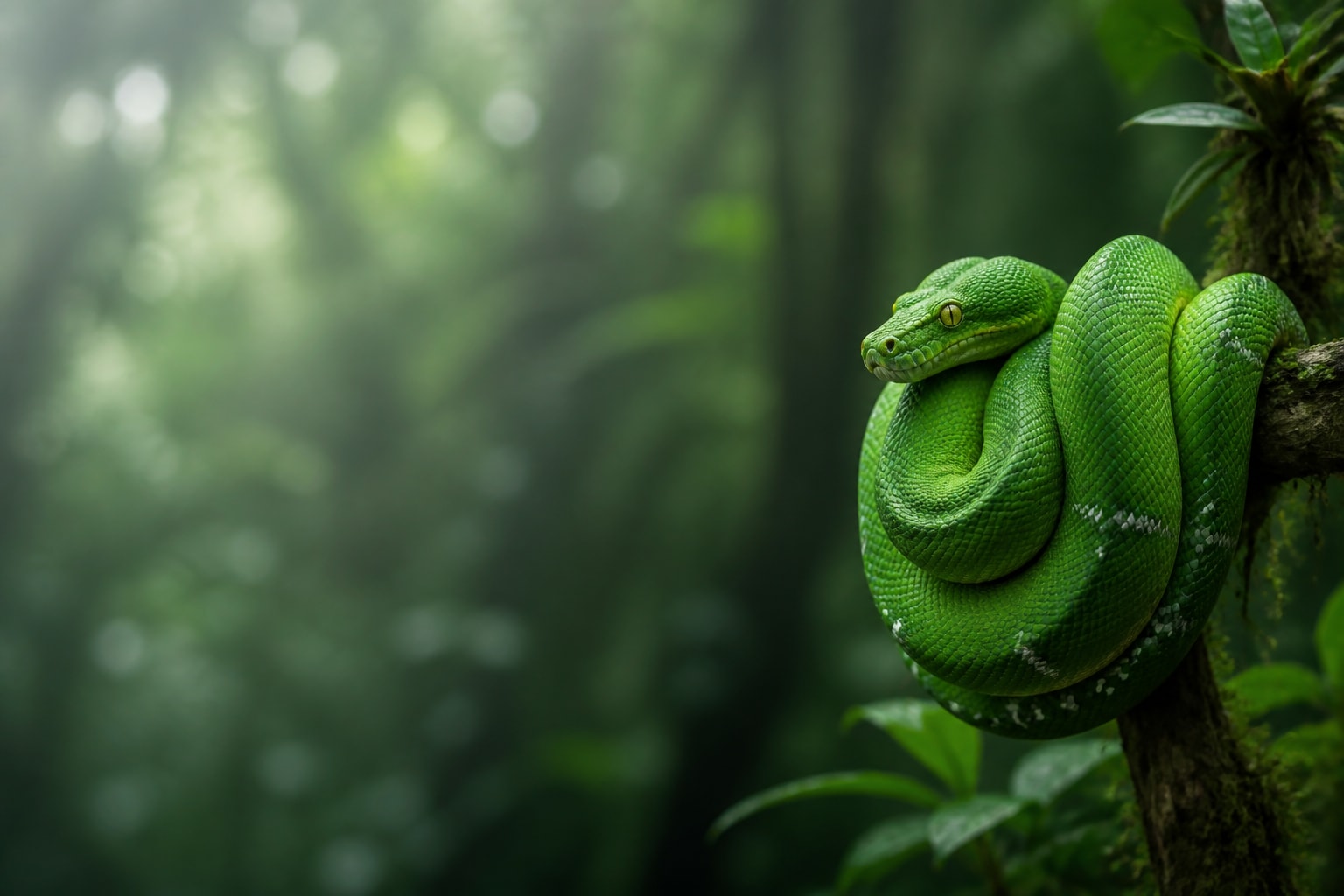
An emerald coil on a branch — New Guinea and Australian rainforest's jewel python.
Least Concern
Morelia viridis
Overview
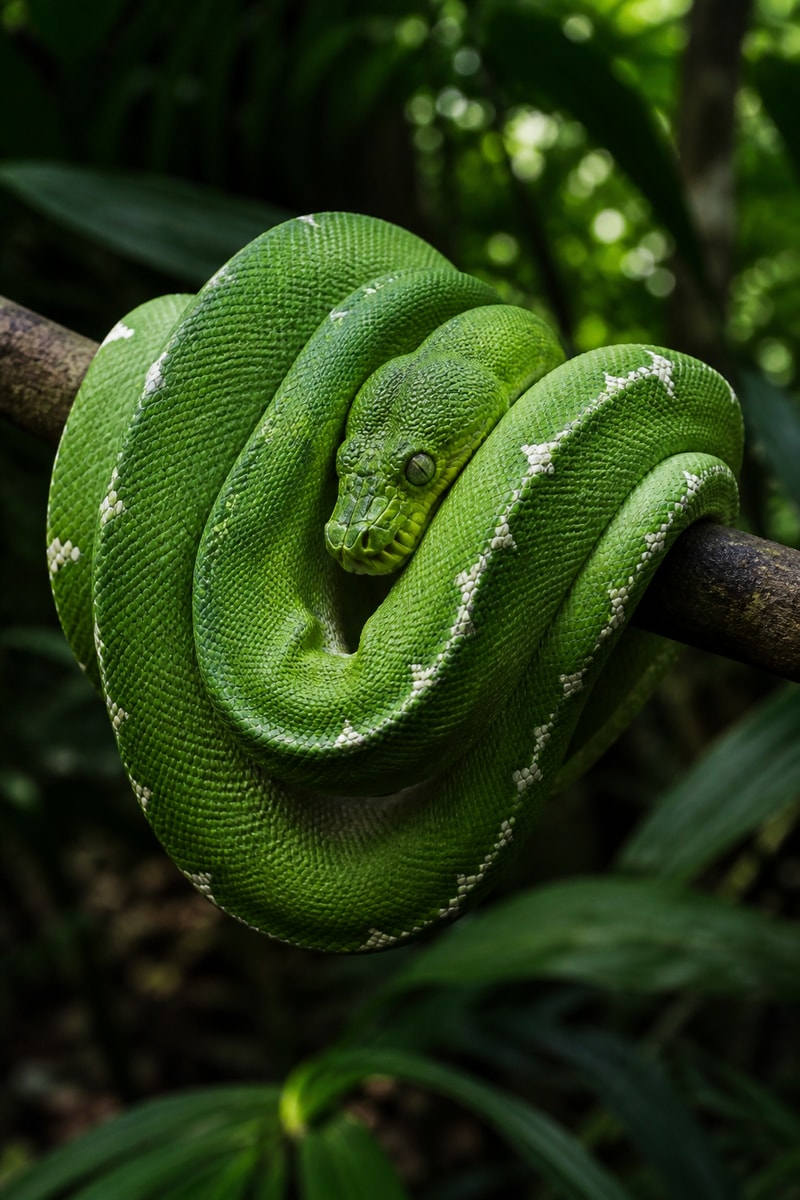
Green tree pythons spend their days looped in perfect saddle coils over rainforest branches, vivid green with a white vertebral stripe. Juveniles are often yellow or red before turning green — a transformation that fascinates collectors and photographers alike.
A high-glamour Australia reptile card beside frilled lizards and cassowaries.
- Scientific nameMorelia viridis
- Length1.2–1.8 m
- Weight1–2 kg typical
- LifespanAround 15–20 years in the wild
- DietBirds
- ConservationLeast Concern
- RegionRainforest Canopy
Where to see them
Habitat
- Tropical rainforest
- Canopy branches
Tropical rainforest canopy of northern Australia (Cape York) and New Guinea, perched on branches above the forest floor.
Field notes
Field scale for the Green Tree Python: length around 1.2-1.8 m; weight 1-2 kg typical. Typical lifespan: Around 15-20 years in the wild.
When you are scanning habitat, prioritise tropical rainforest and canopy branches. Those settings are where a clean look and a usable photo are most likely.
Quick ID anchor: Vivid green python with a slender white stripe along the back and large head scales. Confirm with behaviour and habitat before you log the discovery.
Where to see one
Australia
In Australia, start at Daintree Rainforest (Queensland). Ancient tropical forest at the edge of the Great Barrier Reef, with cassowaries, tree kangaroos, and forest birds.
More context on this destination lives on the Australia expedition page.
Diet
Birds, bats, and small mammals ambushed from branches.
Strike and constrict; mostly nocturnal hunters.
Behaviour
Arboreal; spend daylight coiled on perches.
May bask in dappled canopy light; solitary.
How to identify
Vivid green python with a slender white stripe along the back and large head scales.
Juveniles yellow/red; labial heat pits visible along the lips.
Interesting facts
- 01
Adults are emerald green; juveniles are often bright yellow or red.
- 02
Rest in a characteristic coiled loop over horizontal branches.
- 03
Non-venomous constrictors that ambush birds and mammals.
- 04
Heat-sensing pits help locate warm prey at night.
- 05
Prehensile tails aid climbing.
- 06
Closely convergent in look with South America's emerald tree boa.
Conservation status
Green tree pythons are Least Concern across much of their range, though local habitat loss and illegal collection can pressure populations. Intact Cape York and New Guinea rainforest supports wild coils.
Sources: IUCN Red List
Keep exploring
Related discoveries
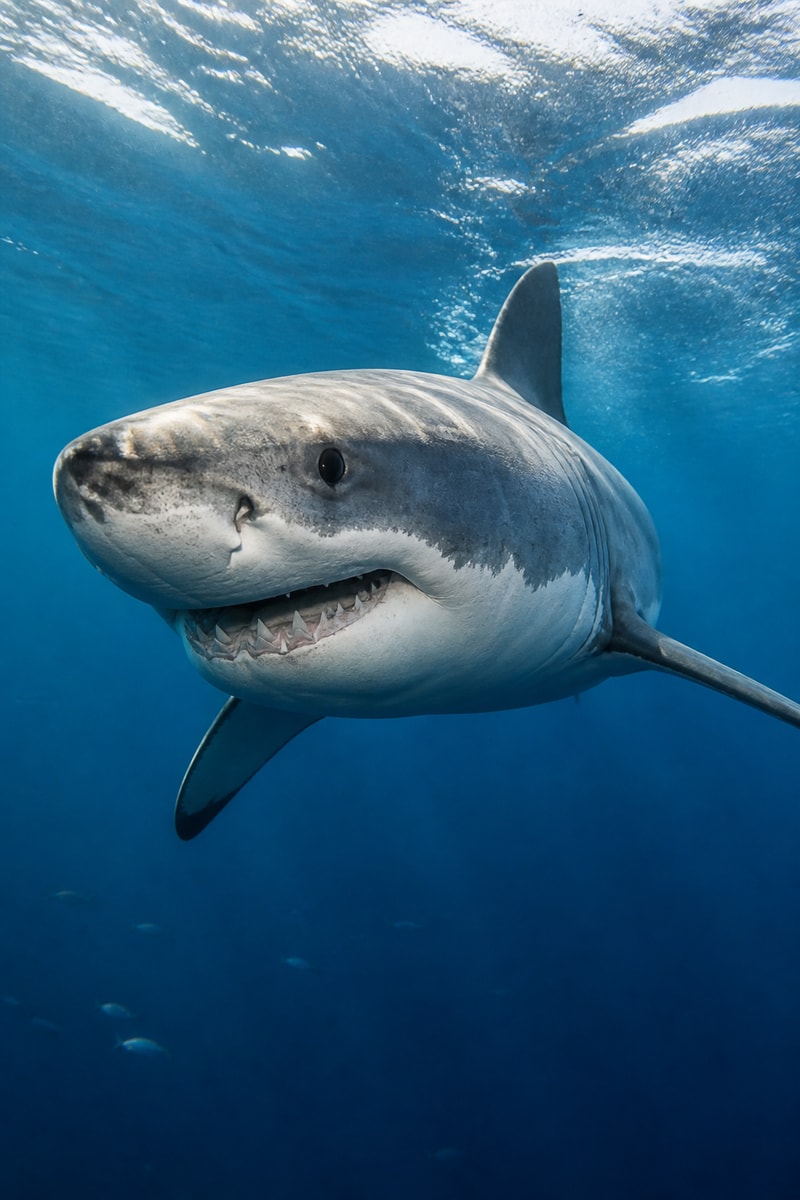
- Great White Sharklegendary • Coastal Ocean
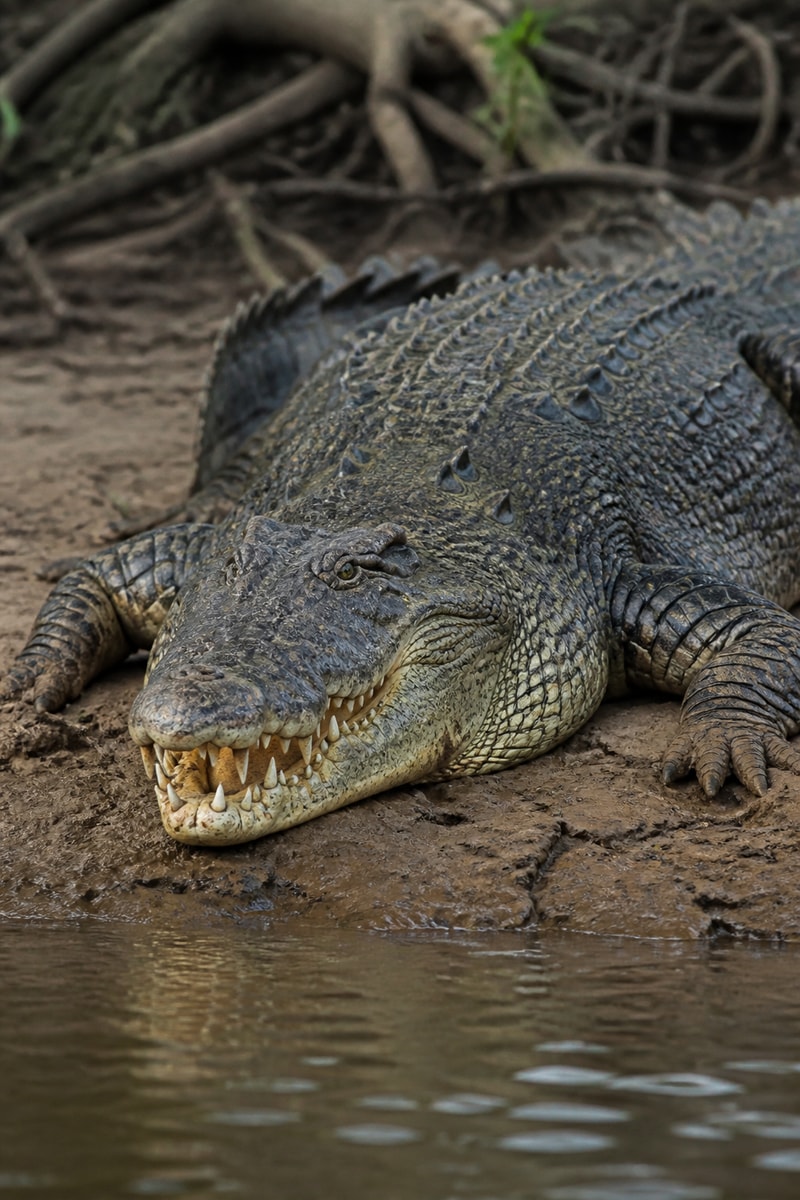
- Saltwater Crocodilelegendary • Estuaries & Coast
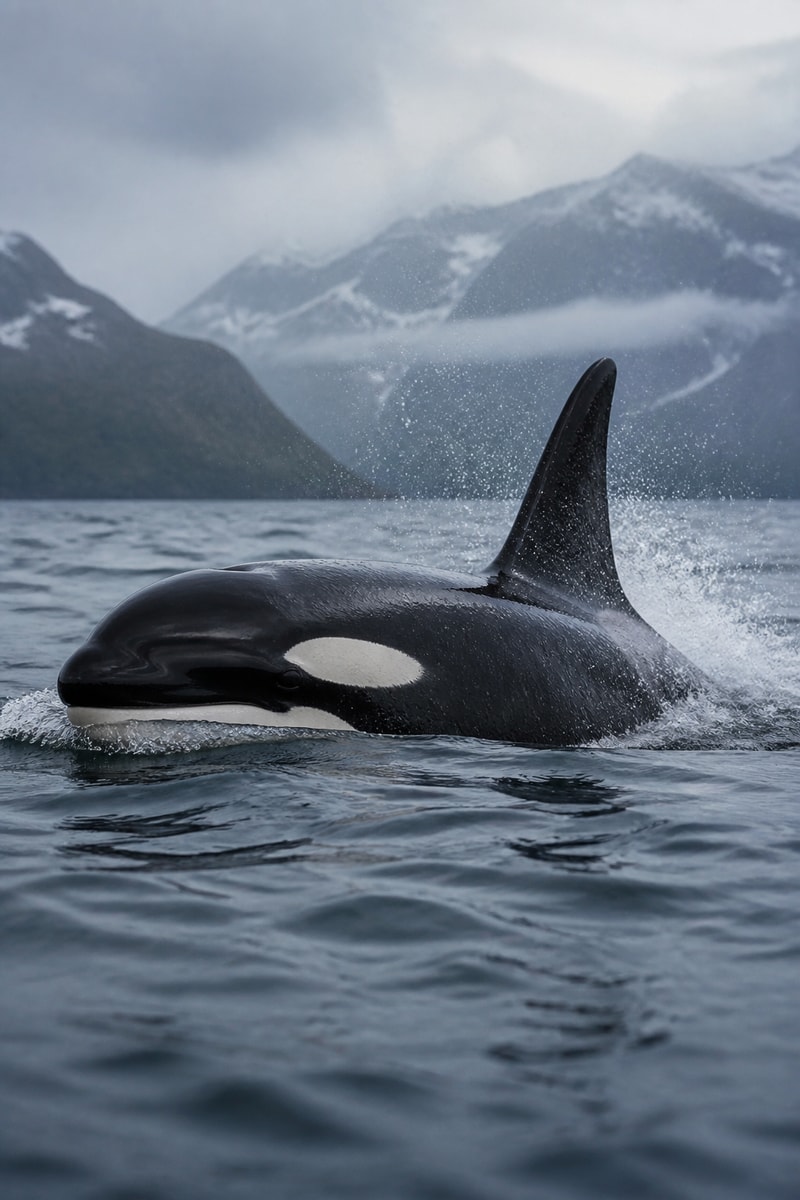
- Orcalegendary • Coastal Ocean
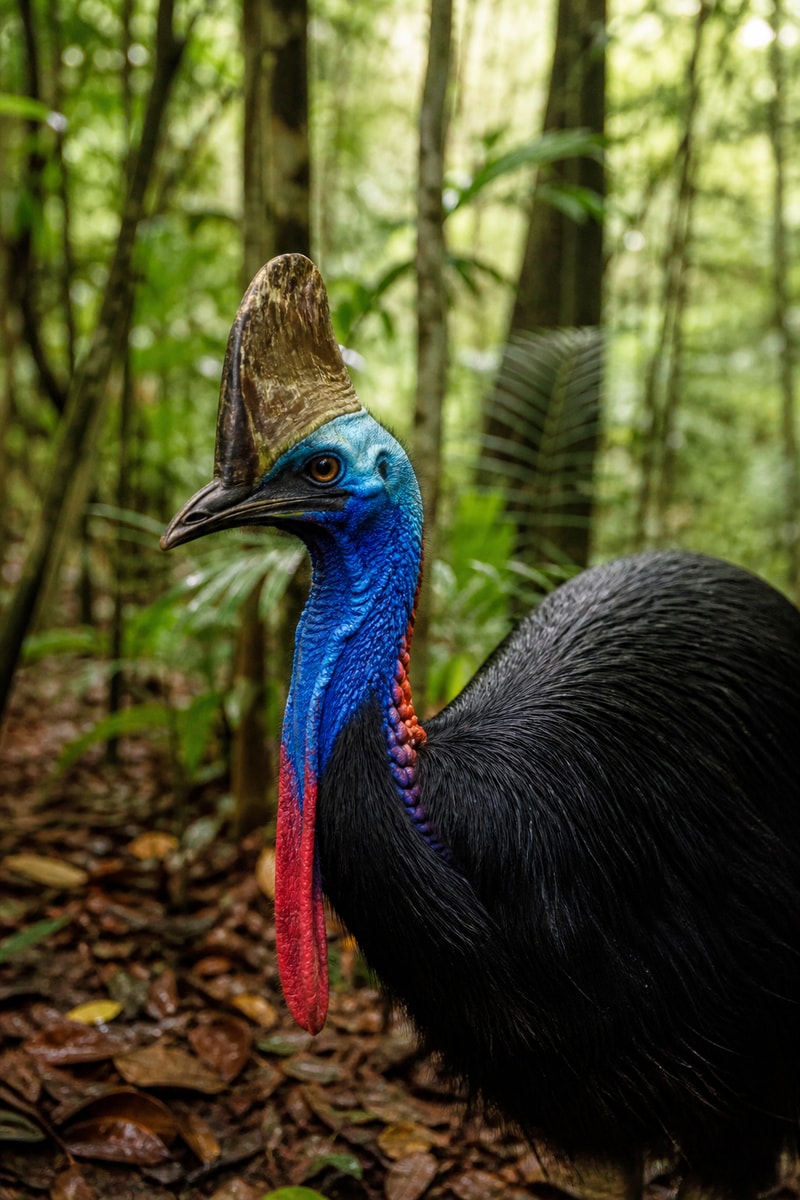
- Southern Cassowarylegendary • Rainforest
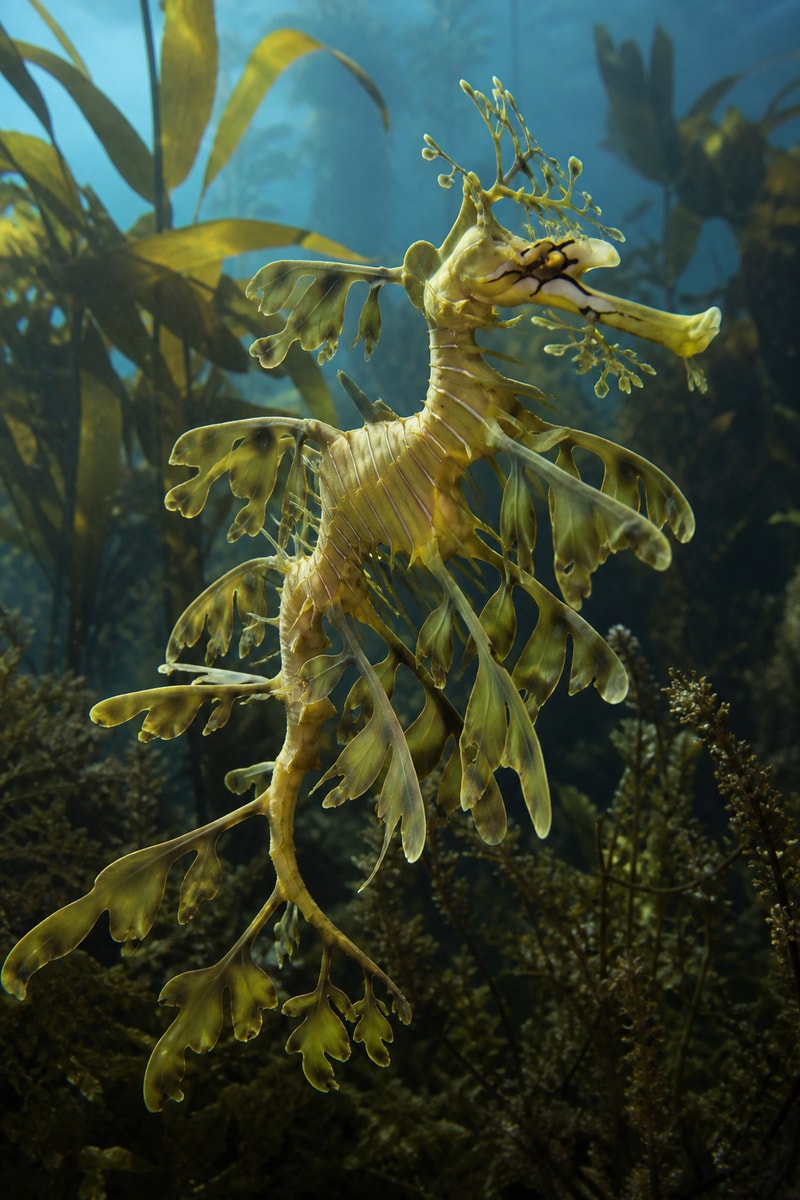
- Leafy Sea Dragonlegendary • Kelp & Seagrass
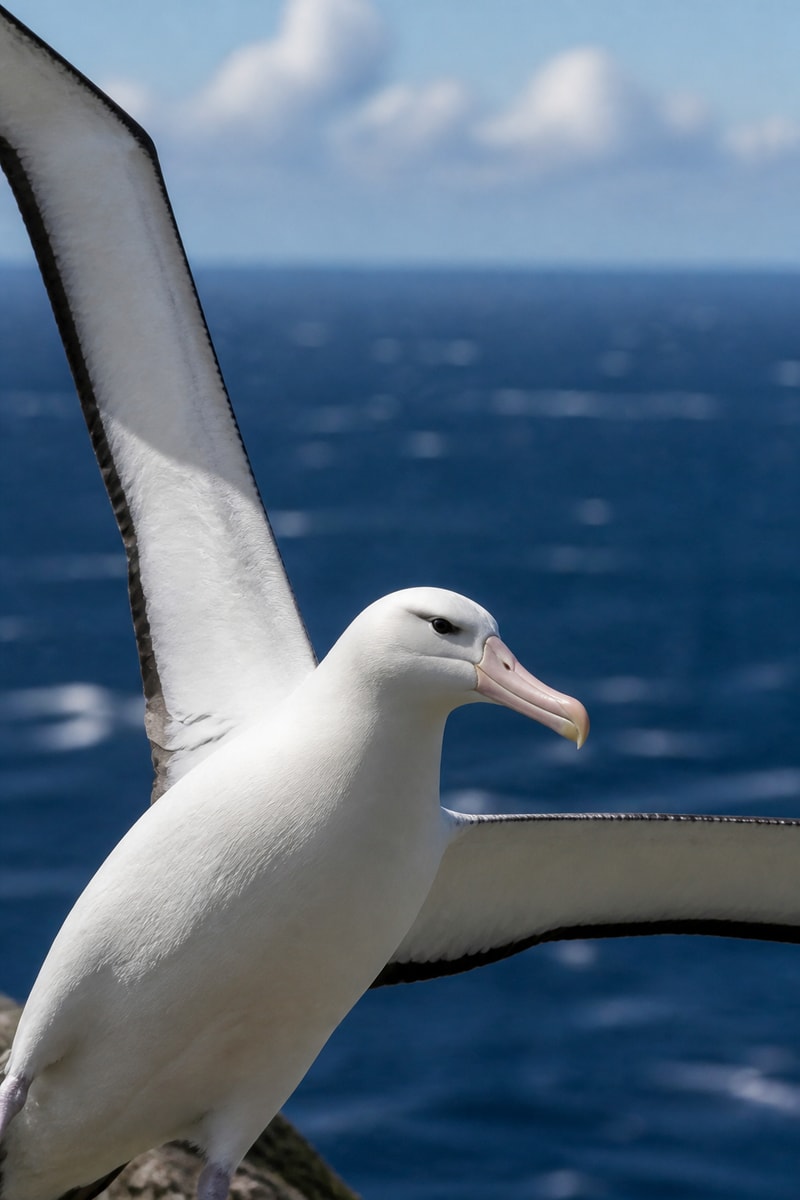
- Wandering Albatrosslegendary • Southern Ocean Skies
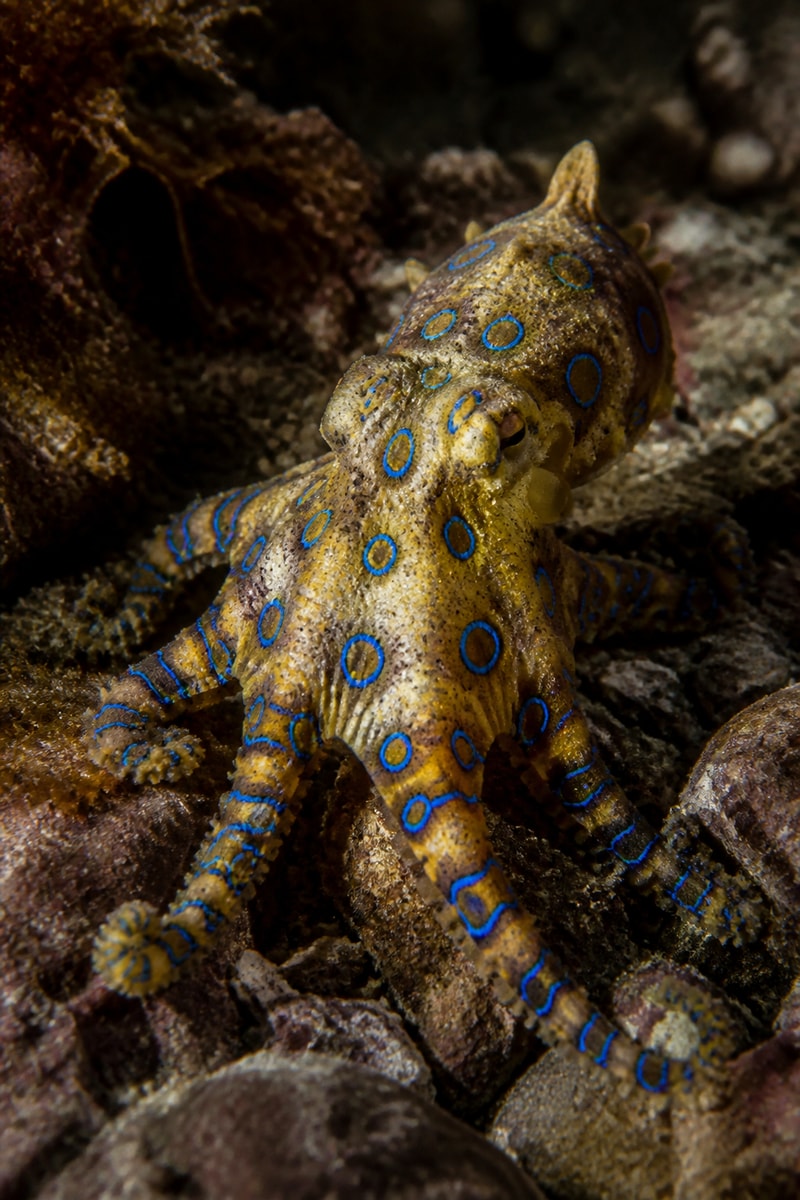
- Southern Blue-ringed Octopuslegendary • Southern Australian Reefs
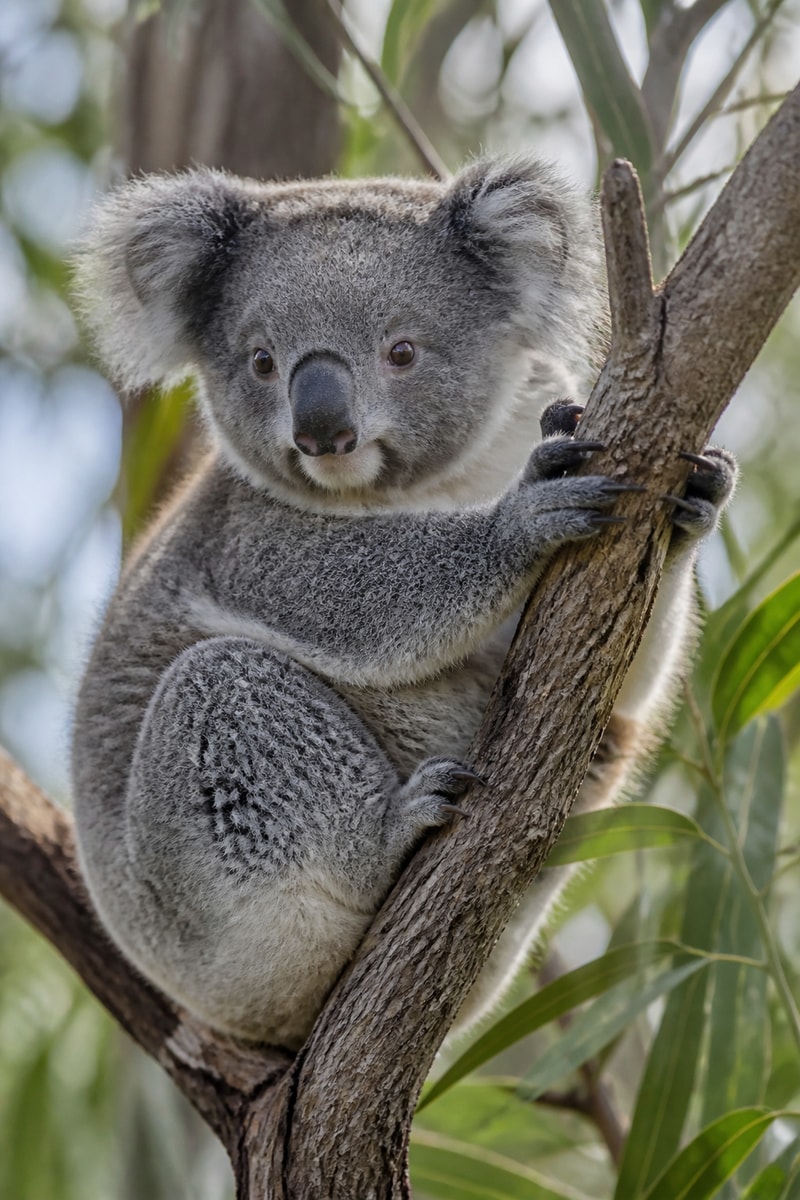
- Koalarare • Eucalyptus Forest
Free on iOS
Catch the Green Tree Python
Spot one in the wild, then scan it in Catch'Um to log your rare discovery.