
Field guide · common
Giant Cuttlefish
World’s largest cuttlefish — colour-changing king of southern rocky reefs.
Near Threatened
Sepia apama
Overview
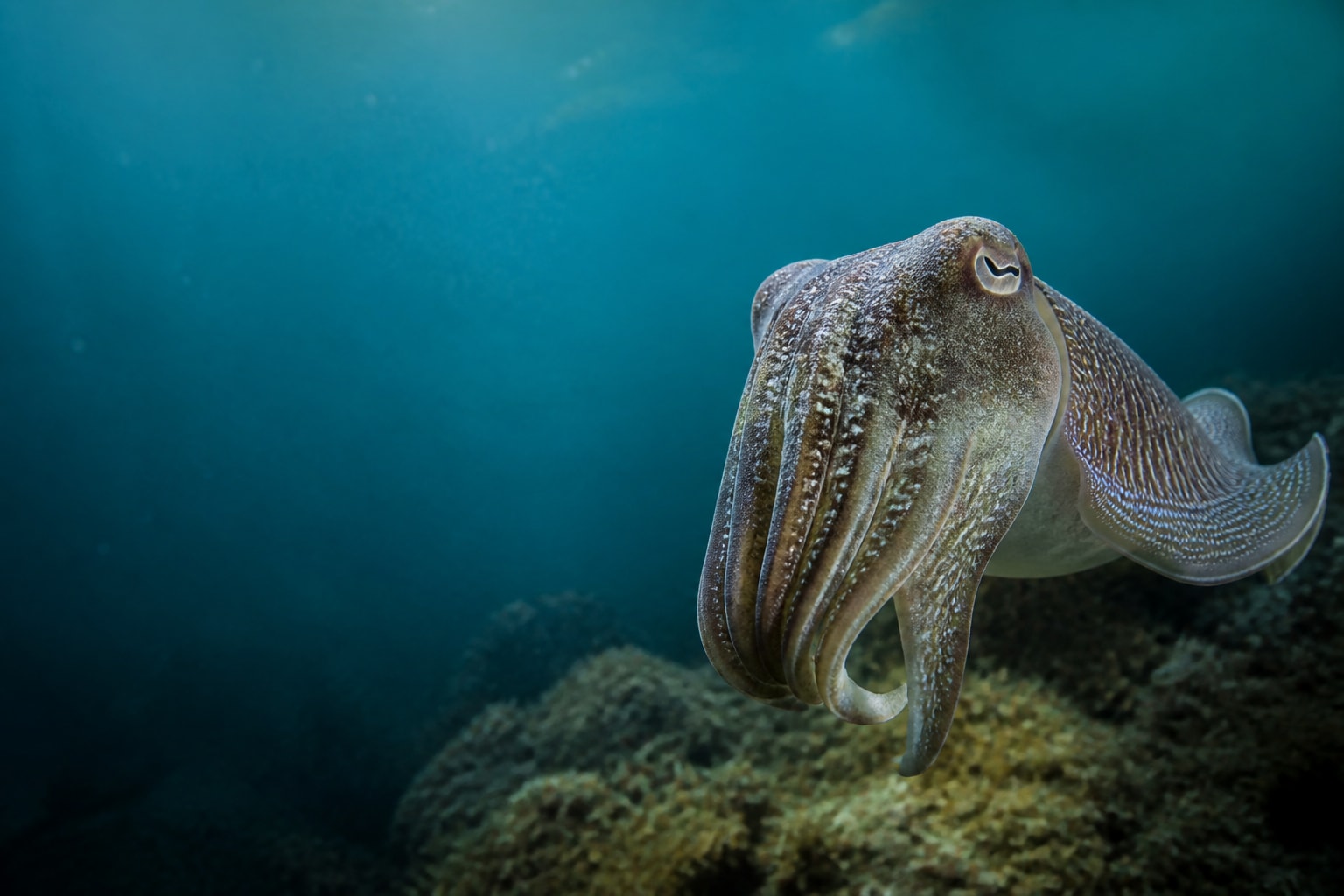
Giant cuttlefish are the world’s largest cuttlefish, endemic to southern Australian waters. They ripple through colour and texture with chromatophores, and gather in spectacular breeding aggregations on rocky reefs — most famously near Whyalla in South Australia.
For Australia collectors, this cuttlefish is a southern reef icon — Whyalla winter spectacle, instant camouflage, and one of the most memorable marine invertebrates you can snorkel beside.
- Scientific nameSepia apama
- LengthUp to ~50 cm mantle; over 1 m including tentacles
- WeightUp to ~10 kg
- LifespanAround 1–2 years
- DietCrustaceans
- ConservationNear Threatened
- RegionSouthern Australian Reefs
Where to see them
Habitat
- Rocky reef
- Seagrass bed
- Sand and mud bottom
- Breeding aggregation site
Rocky reefs, seagrass beds, and sand or mud bottoms of southern Australian waters from roughly Brisbane around to Shark Bay, including Tasmania, to about 100 m depth.
Field notes
Field scale for the Giant Cuttlefish: length around Up to ~50 cm mantle; over 1 m including tentacles; weight Up to ~10 kg. Typical lifespan: Around 1-2 years.
When you are scanning habitat, prioritise rocky reef, seagrass bed, sand and mud bottom, and breeding aggregation site. Those settings are where a clean look and a usable photo are most likely.
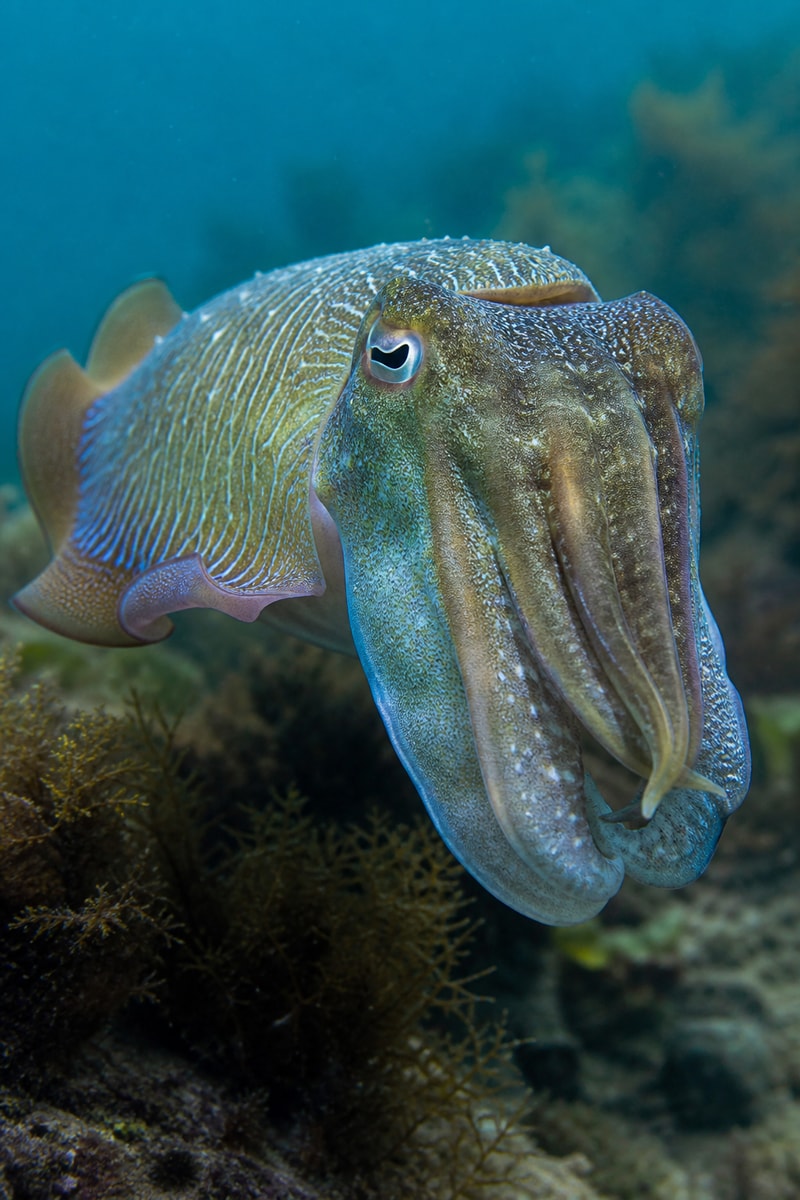
Quick ID anchor: Large broad cuttlefish with a W-shaped pupil and undulating lateral fins. Confirm with behaviour and habitat before you log the discovery.
Diet
Crustaceans, small fish, and other molluscs seized with tentacles.
Ambush and stalk prey using camouflage on reefs and seagrass.
Behaviour
Solitary for much of the year; mass at breeding sites in winter.
Males fight and flash patterns; females lay eggs in rock crevices.
How to identify
Large broad cuttlefish with a W-shaped pupil and undulating lateral fins.
Rapid colour shifts from mottled camouflage to bold display patterns.
Interesting facts
- 01
Largest cuttlefish species — mantle can exceed 50 cm.
- 02
Change colour and skin texture in milliseconds via chromatophores.
- 03
Famous winter breeding aggregation near Whyalla, South Australia.
- 04
Males wrestle and display elaborate patterns to win mates.
- 05
Internal cuttlebone provides buoyancy control.
- 06
Endemic to Australian temperate and subtropical seas.
Conservation status
Giant cuttlefish are Near Threatened on the IUCN Red List following earlier declines. The Spencer Gulf breeding aggregation is closely watched, and habitat quality plus fishing pressure remain key concerns.
Sources: IUCN Red List
Keep exploring
Related discoveries
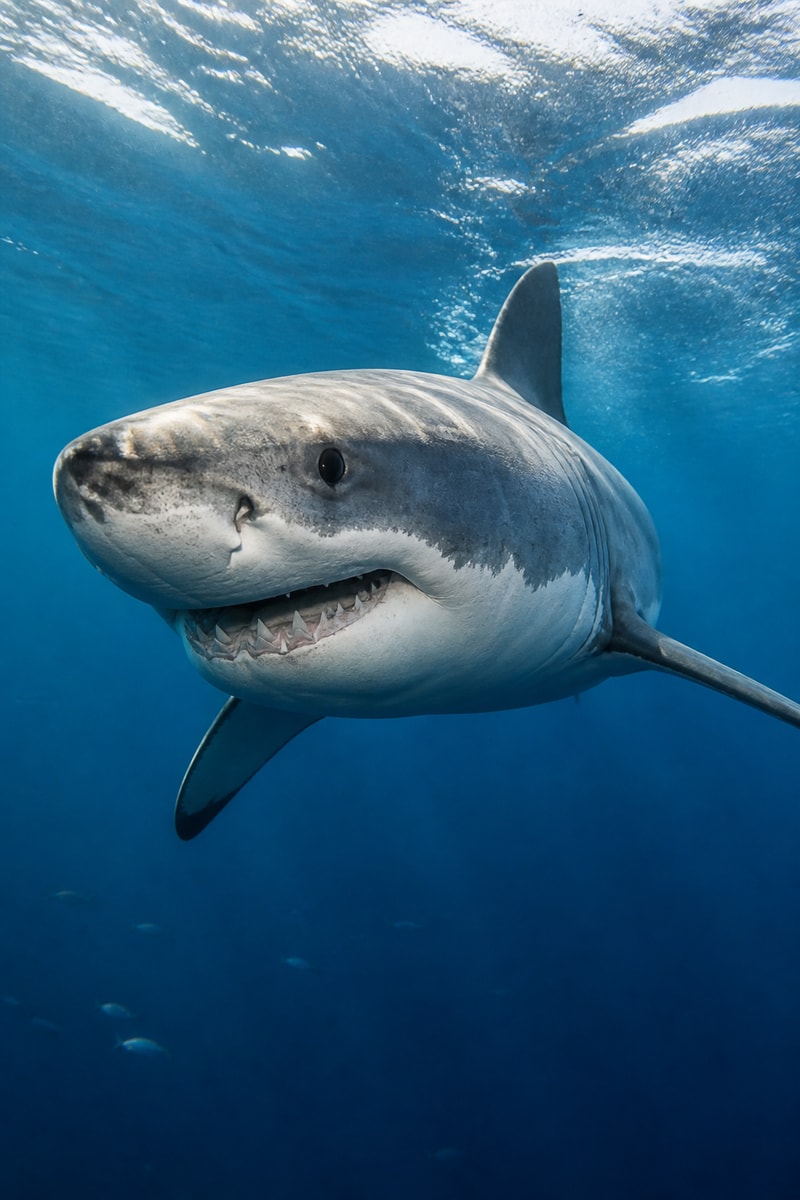
- Great White Sharklegendary • Coastal Ocean
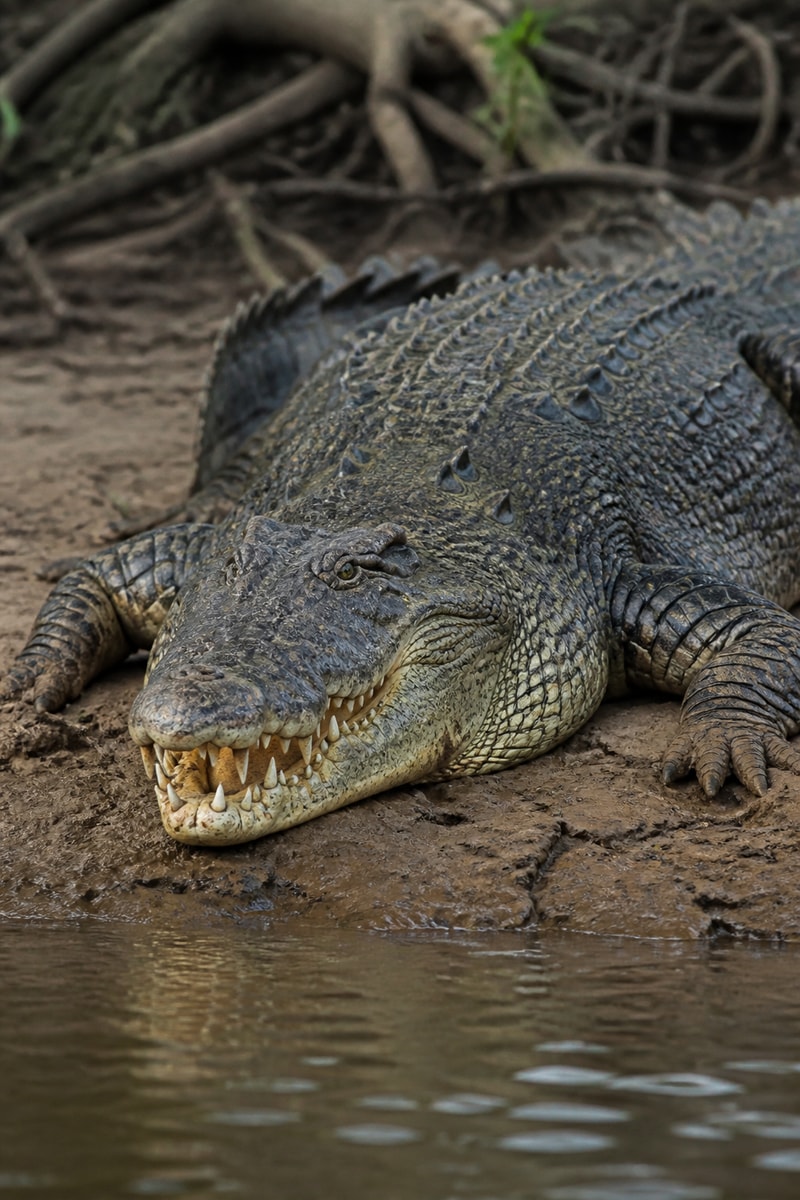
- Saltwater Crocodilelegendary • Estuaries & Coast
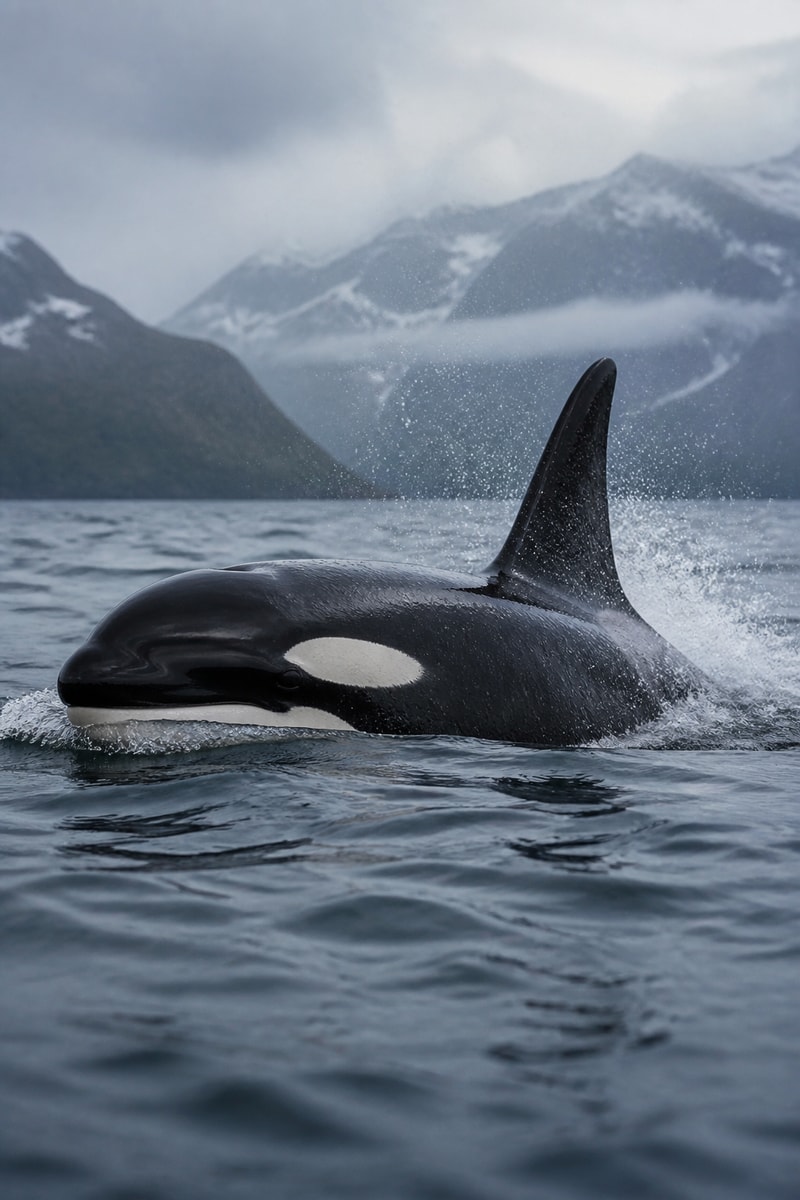
- Orcalegendary • Coastal Ocean
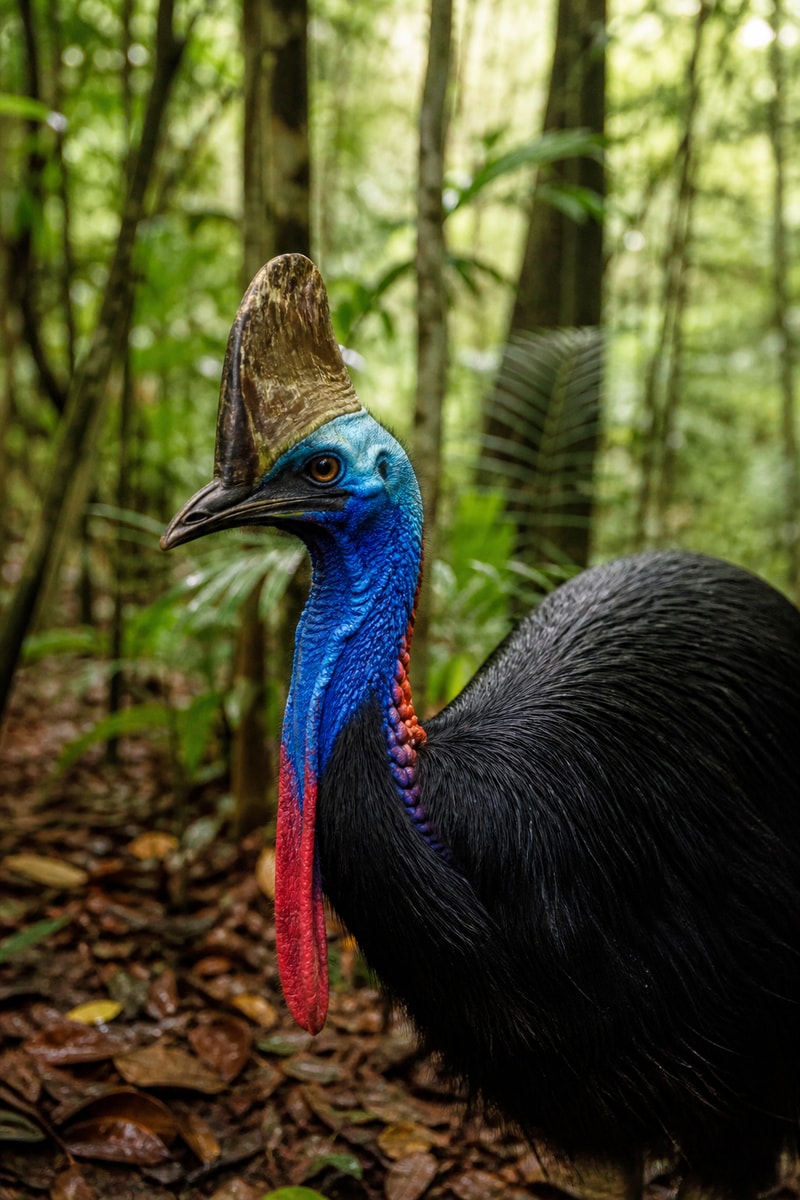
- Southern Cassowarylegendary • Rainforest
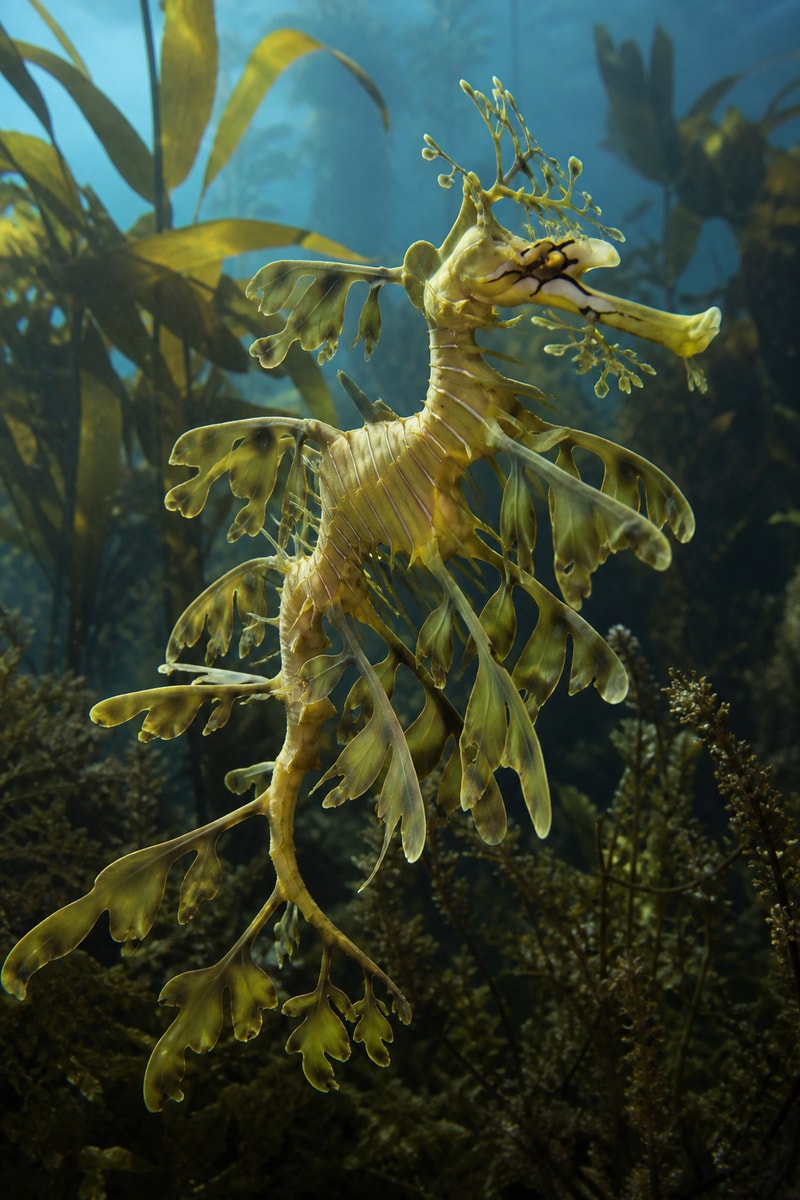
- Leafy Sea Dragonlegendary • Kelp & Seagrass
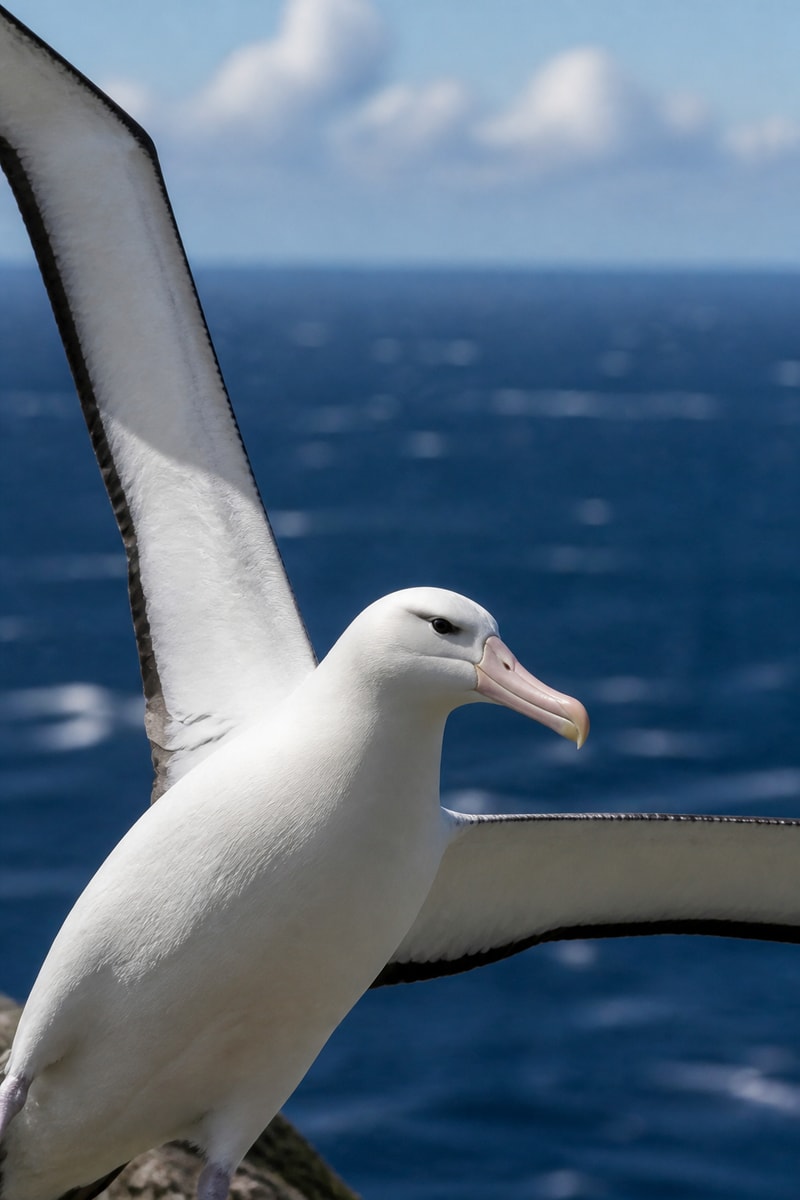
- Wandering Albatrosslegendary • Southern Ocean Skies
- Southern Blue-ringed Octopuslegendary • Southern Australian Reefs
- Koalarare • Eucalyptus Forest
Free on iOS
Catch the Giant Cuttlefish
Spot one in the wild, then scan it in Catch'Um to log your common discovery.