
Field guide · common
Emu
Australia's flightless giant, a shaggy ratite that sprints across the red centre and features on the national coat of arms.
Least Concern
Dromaius novaehollandiae
Overview
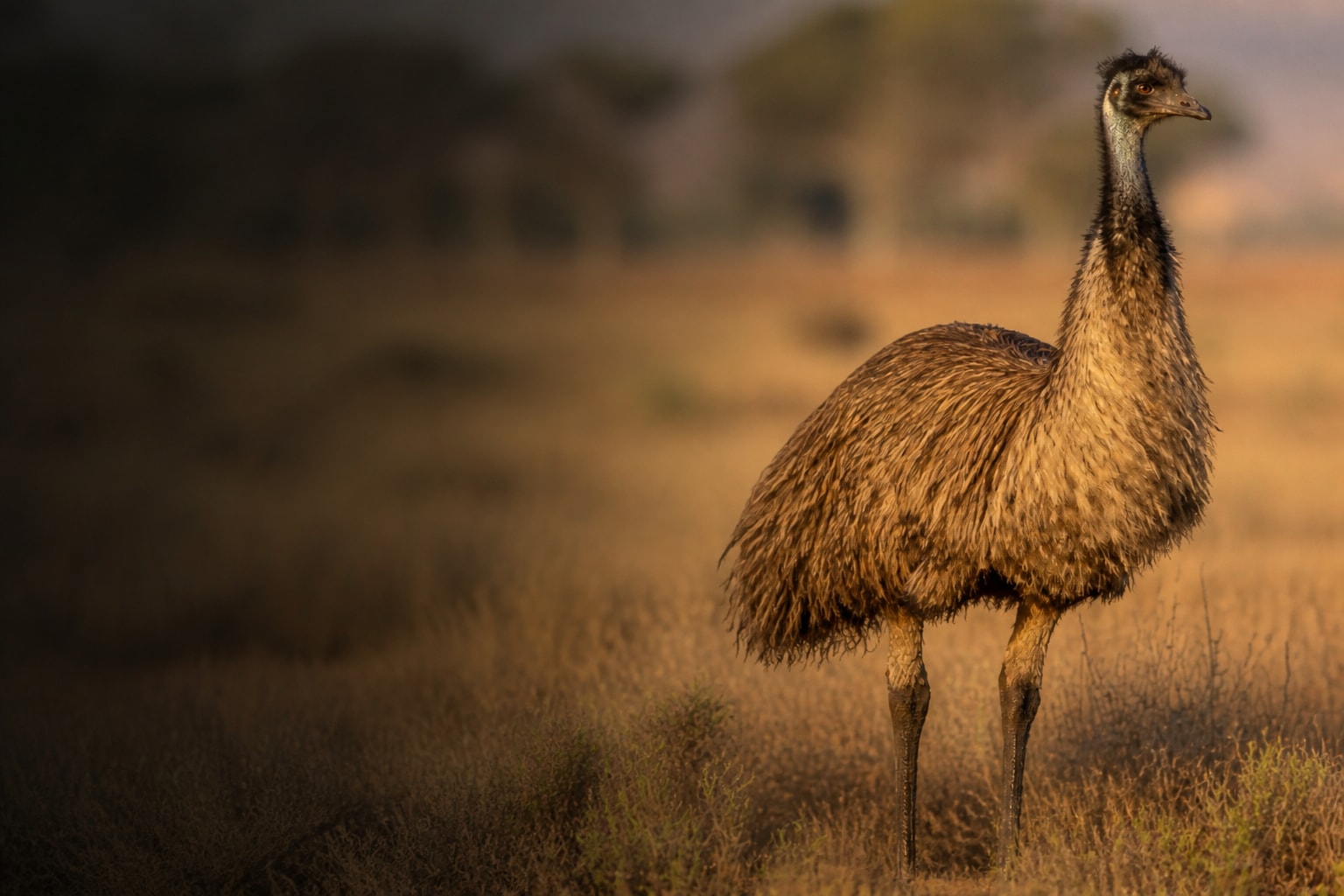
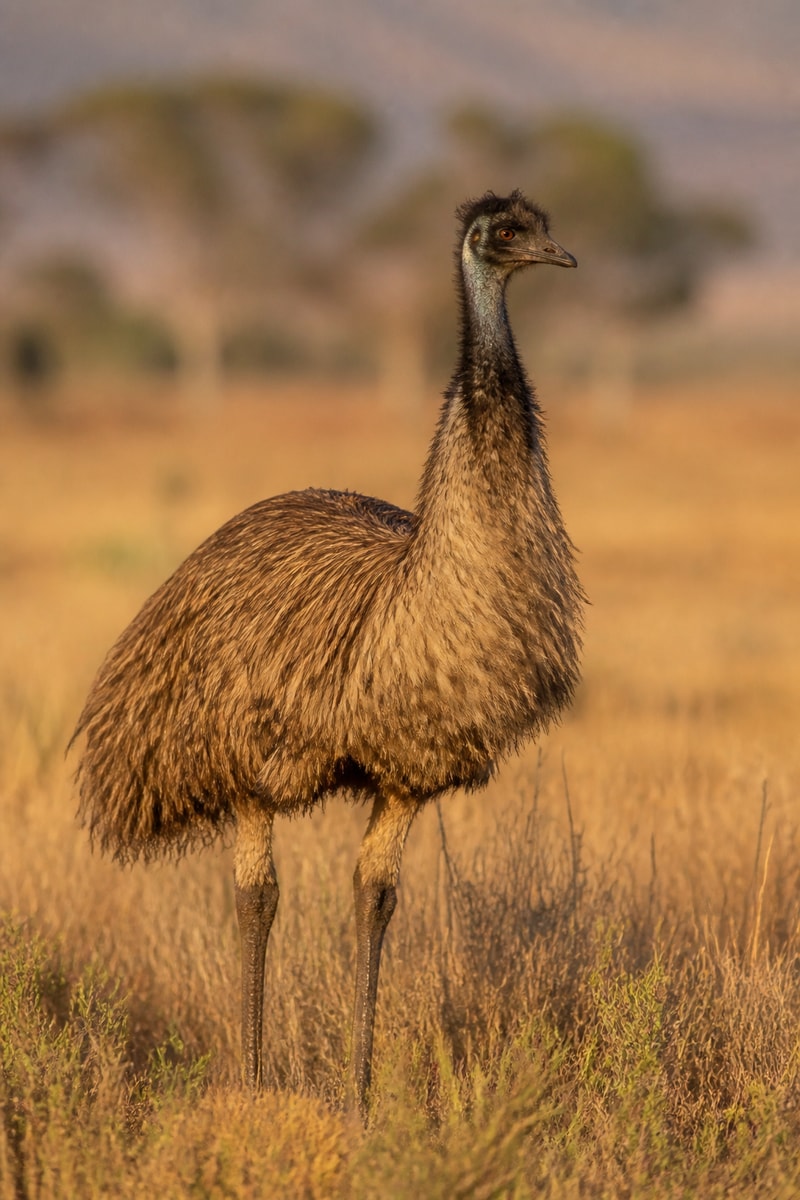
The emu is Australia's tallest native bird, a flightless runner standing up to two metres tall, with shaggy brown feathers, powerful legs, and a curious, bold temperament. Emus can sprint at 50 km/h and swim rivers when needed, roaming the outback in pairs or small groups.
Emus once famously defeated the Australian army in the 'Emu War' of 1932, when soldiers with machine guns failed to control a crop-raiding flock. They remain icons of the bush, on the coat of arms alongside the kangaroo.
- Scientific nameDromaius novaehollandiae
- Height1.5–1.9 m
- Weight30–55 kg
- LifespanAround 10–20 years in the wild
- DietOmnivore
- ConservationLeast Concern
- RegionOutback Grassland
Habitat
- Grassland
- Open woodland
- Semi-arid scrub
Open grassland, savanna woodland, and arid scrub across most of mainland Australia suit emus. They avoid dense forest and the driest deserts, and follow rainfall to find food and breeding opportunities.
Countries found
Field notes
Field scale for the Emu: height 1.5-1.9 m; weight 30-55 kg. Typical lifespan: Around 10-20 years in the wild.
When you are scanning habitat, prioritise grassland, open woodland, and semi-arid scrub. Those settings are where a clean look and a usable photo are most likely.
Quick ID anchor: Tall shaggy brown ratite with long legs, a soft booming call, and a relatively small head on a long neck. Confirm with behaviour and habitat before you log the discovery.
Diet
Omnivorous: seeds, fruits, flowers, insects, and small vertebrates taken while walking open country.
Swallows stones to help grind tough plant material in the gizzard.
Behaviour
Flightless but fast runners, often in pairs or small groups; males incubate eggs and rear chicks.
Nomadic movements follow rainfall and food across inland Australia.
How to identify
Tall shaggy brown ratite with long legs, a soft booming call, and a relatively small head on a long neck.
Second only to the ostrich among living birds in height; double-shafted feathers look loose and hair-like.
Interesting facts
- 01
Emus cannot fly but can sprint at 50 km/h, and swim if they need to.
- 02
The male incubates the eggs and raises the chicks alone for up to 18 months.
- 03
Emus appear on Australia's coat of arms alongside the kangaroo.
Conservation status
Emus are Least Concern and abundant across Australia. They thrive in pastoral country and are farmed for meat, leather, and oil.
Sources: IUCN Red List
Keep exploring
Where it lives
Related discoveries
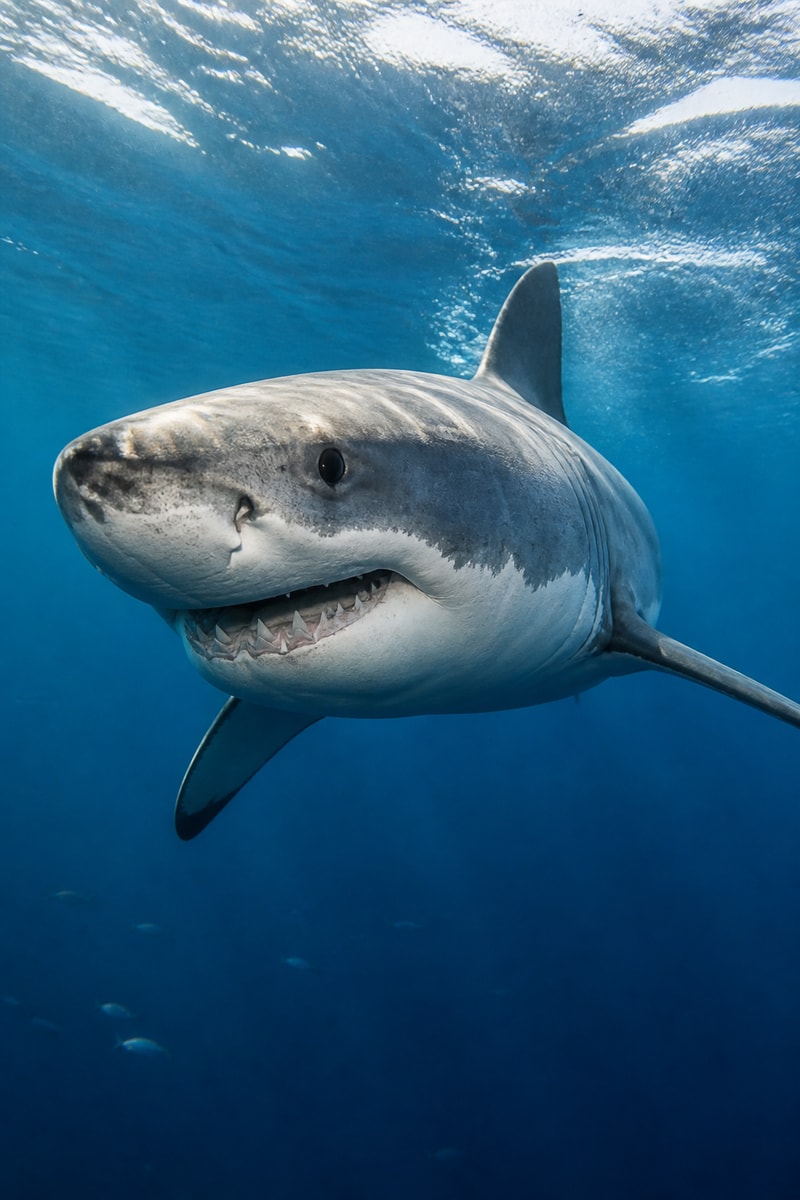
- Great White Sharklegendary • Coastal Ocean
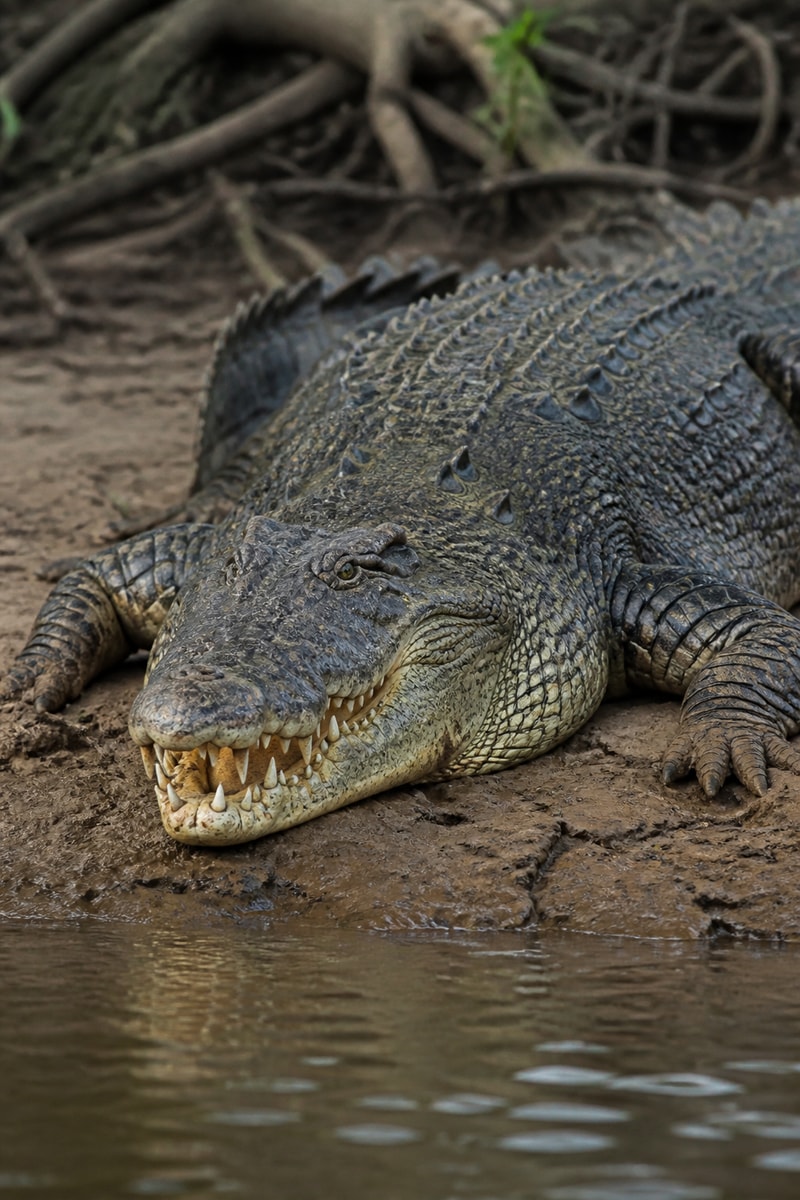
- Saltwater Crocodilelegendary • Estuaries & Coast
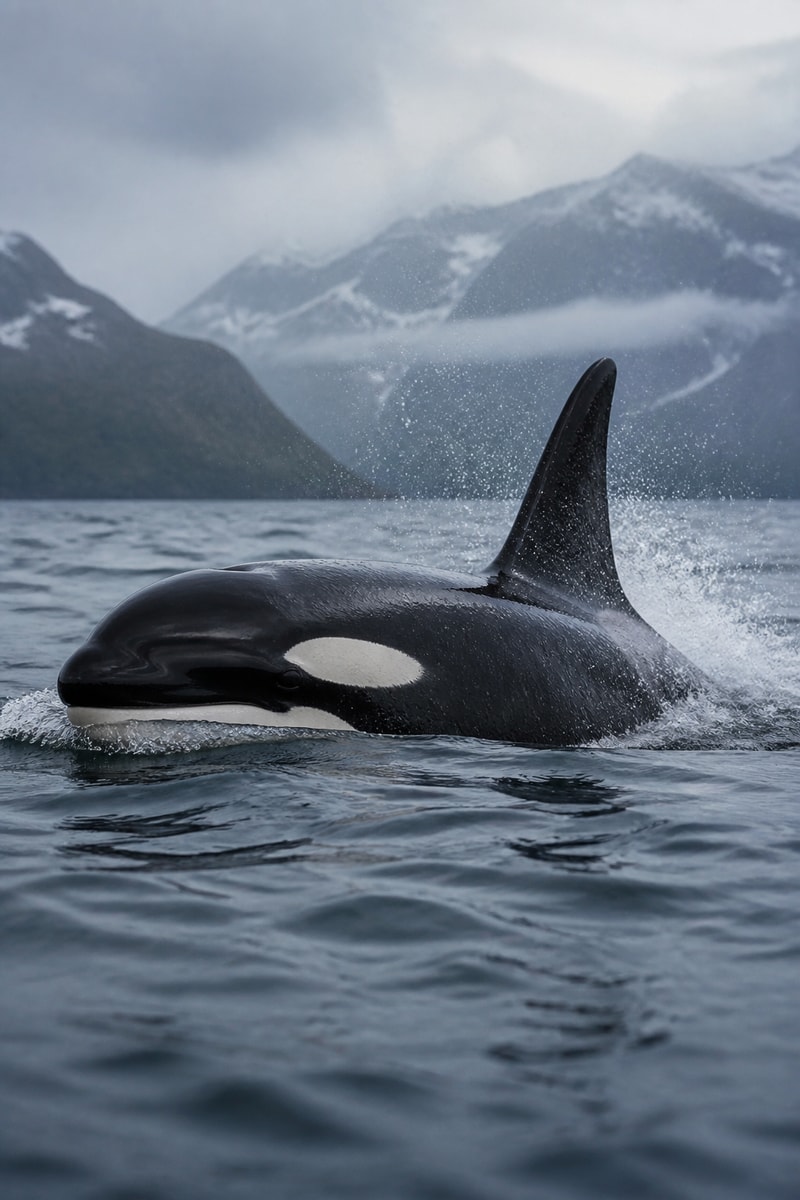
- Orcalegendary • Coastal Ocean
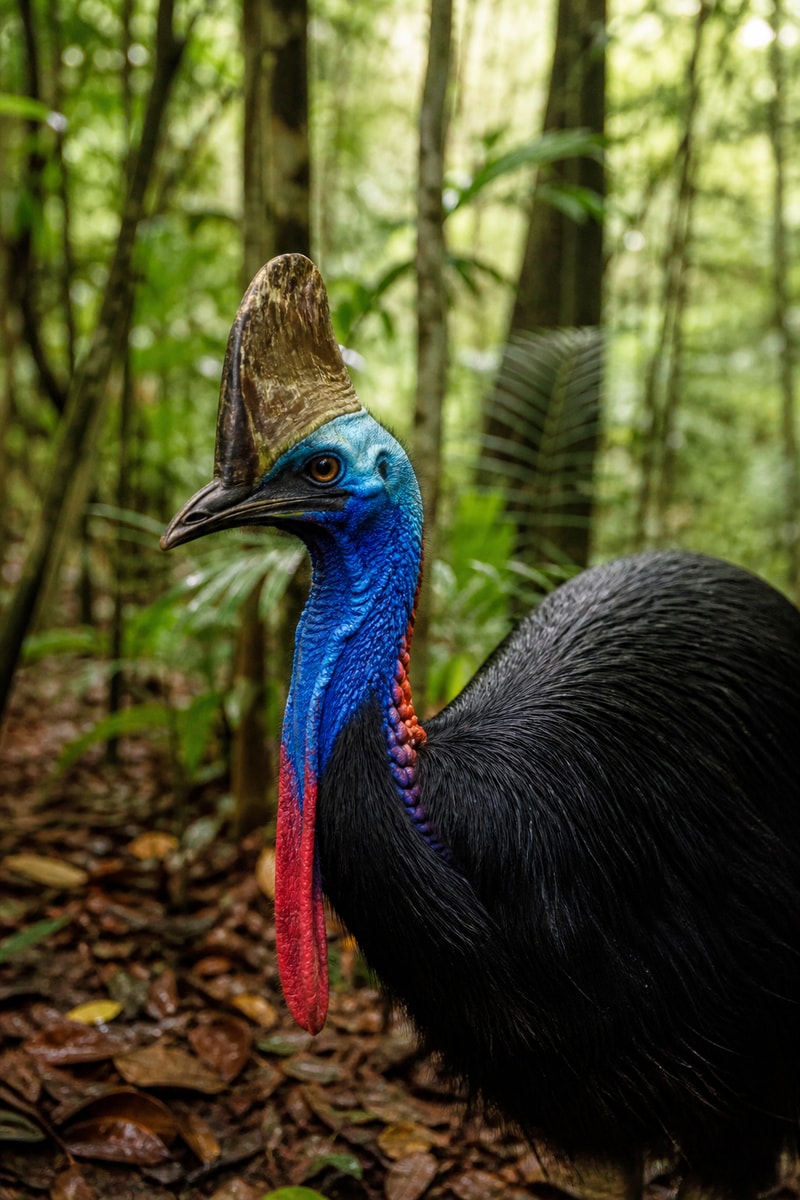
- Southern Cassowarylegendary • Rainforest
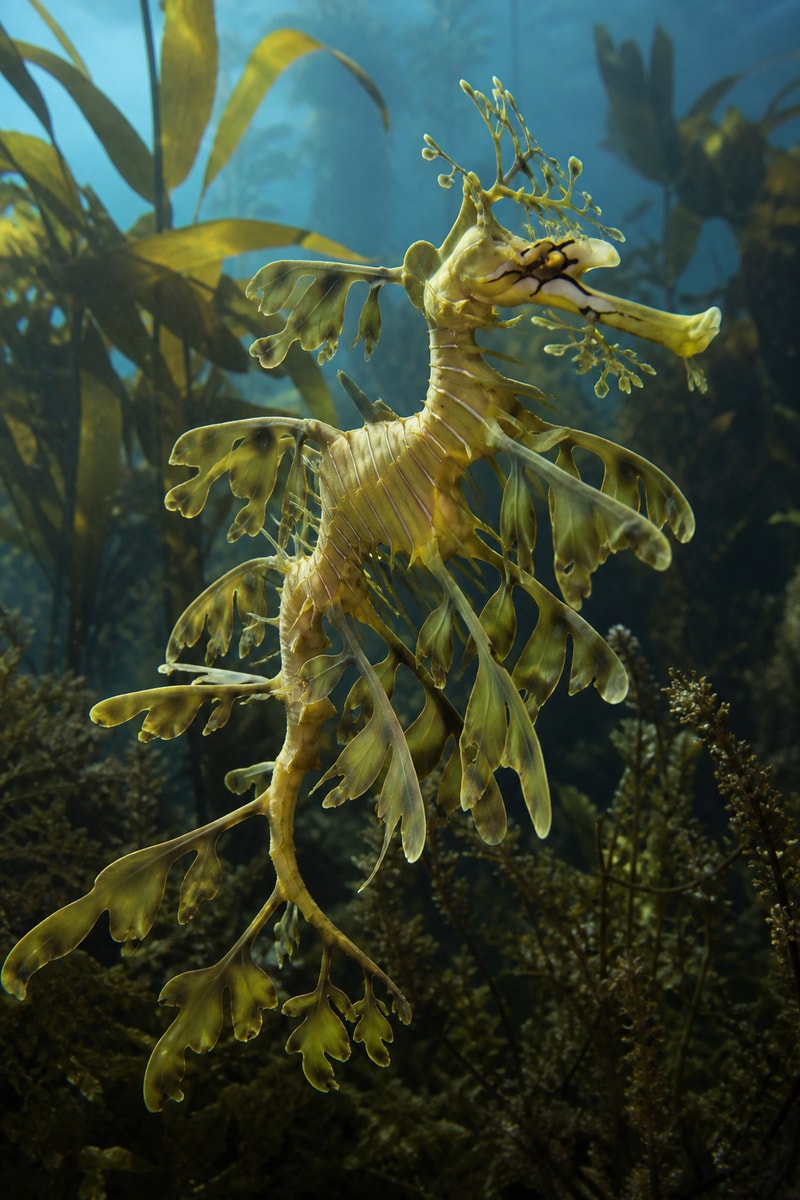
- Leafy Sea Dragonlegendary • Kelp & Seagrass
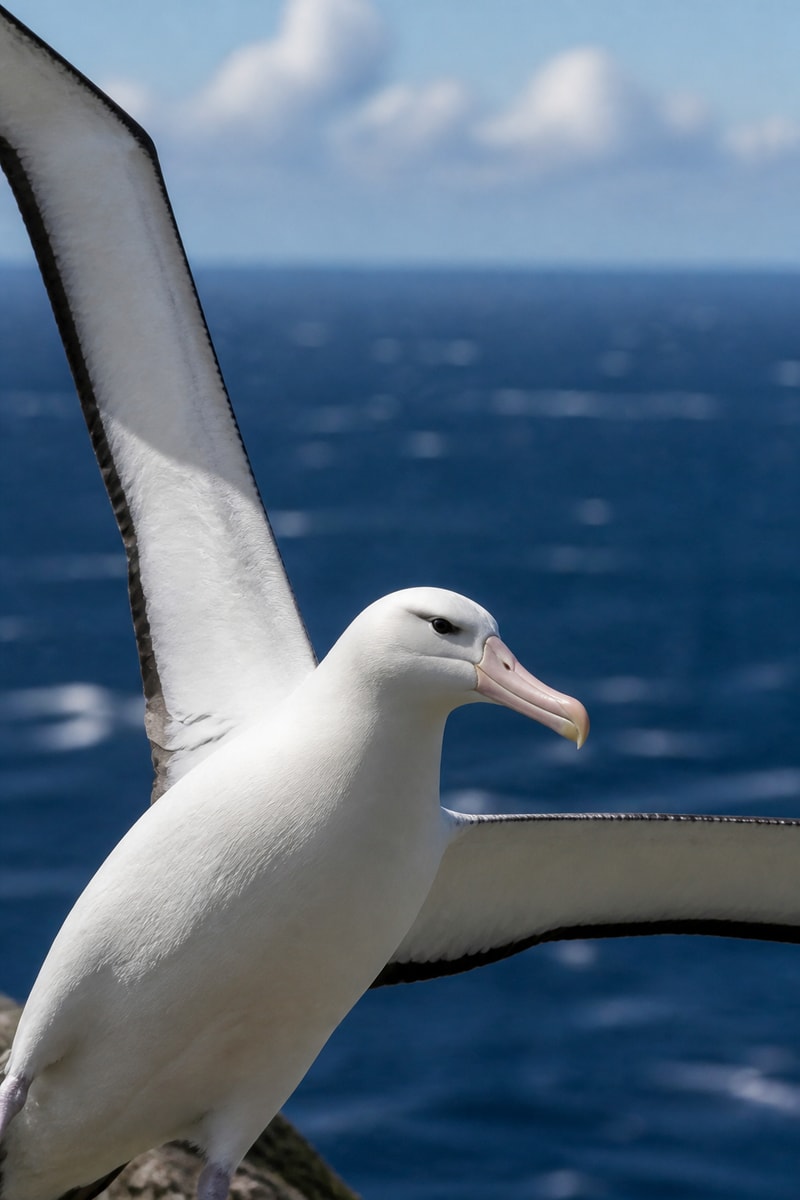
- Wandering Albatrosslegendary • Southern Ocean Skies
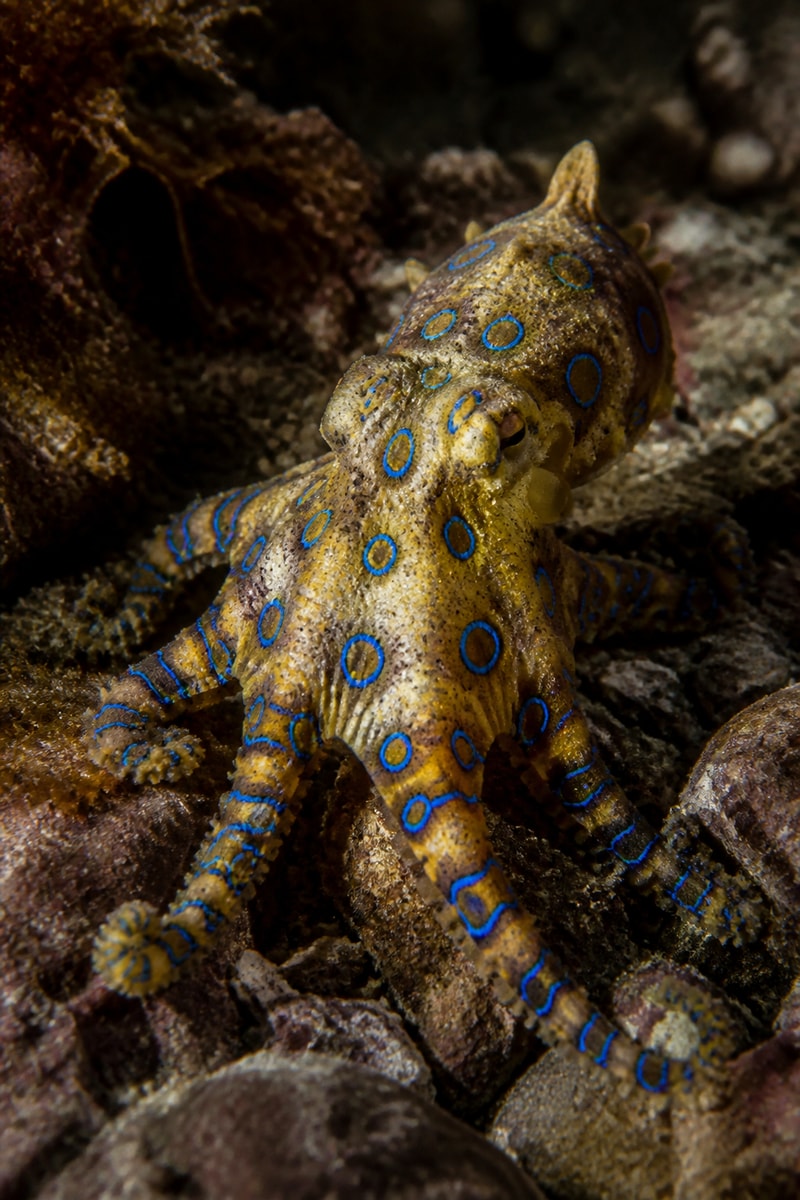
- Southern Blue-ringed Octopuslegendary • Southern Australian Reefs
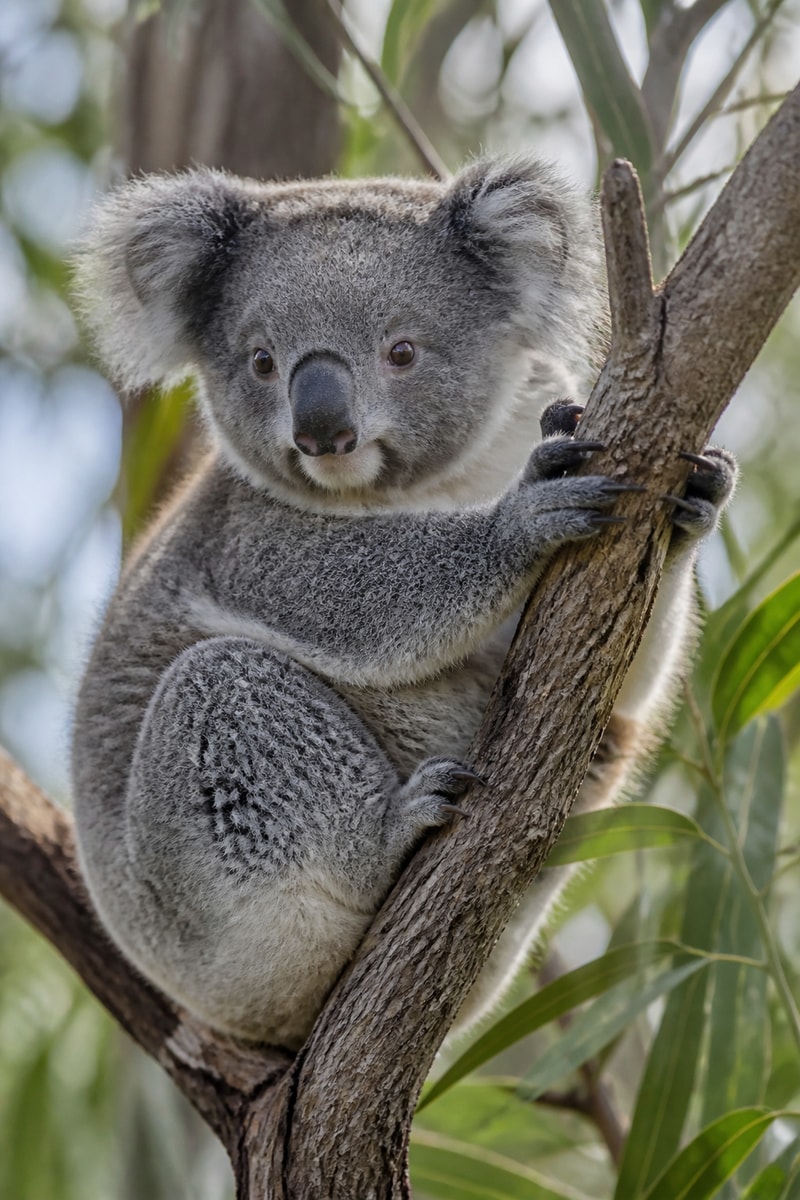
- Koalarare • Eucalyptus Forest
Free on iOS
Catch the Emu
Spot one in the wild, then scan it in Catch'Um to log your common discovery.