
Field guide · common
Echidna
The spiny enigma, an egg-laying mammal with a beak, a pouch, and a tongue that flickers faster than a snake's.
Least Concern
Tachyglossus aculeatus
Overview
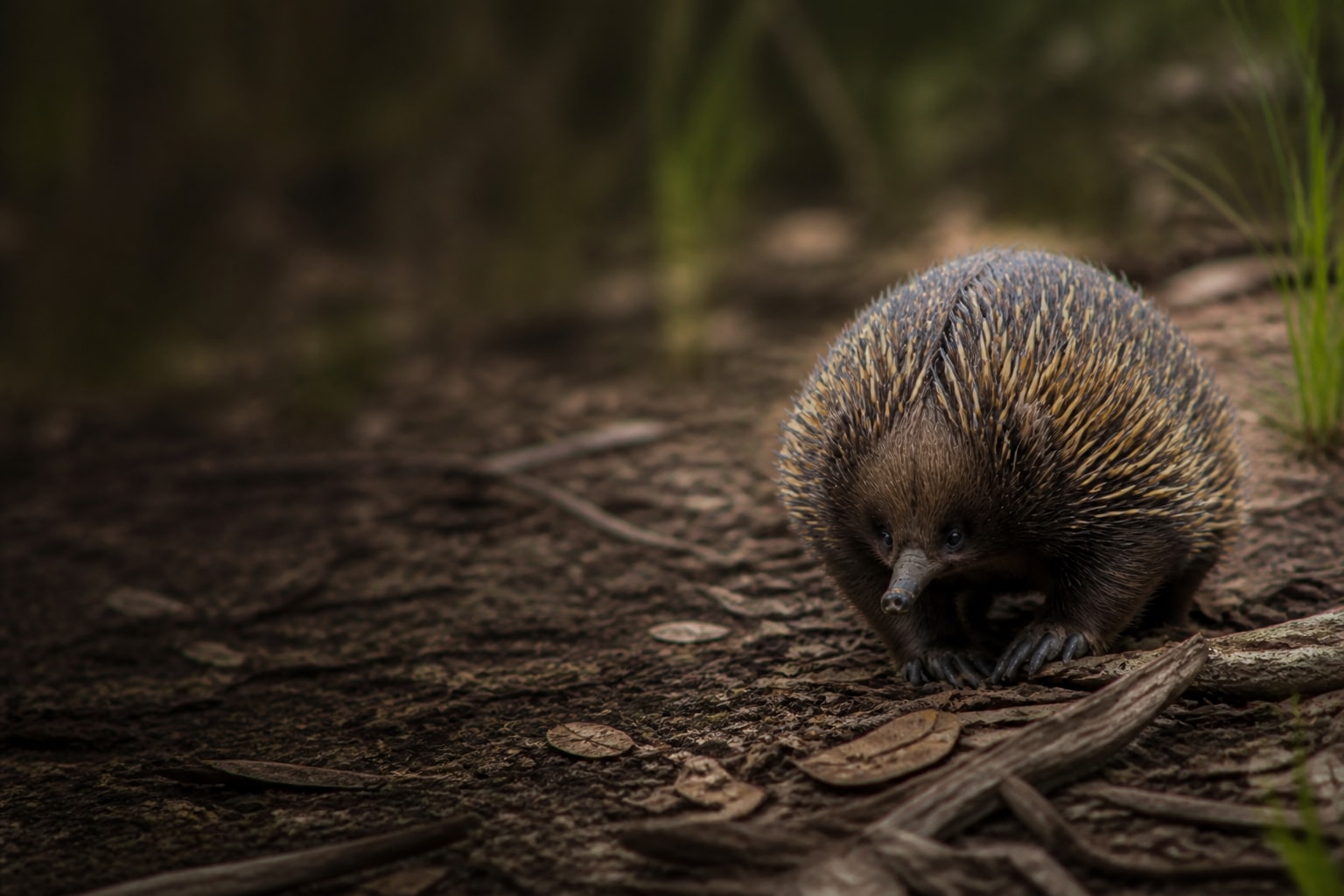
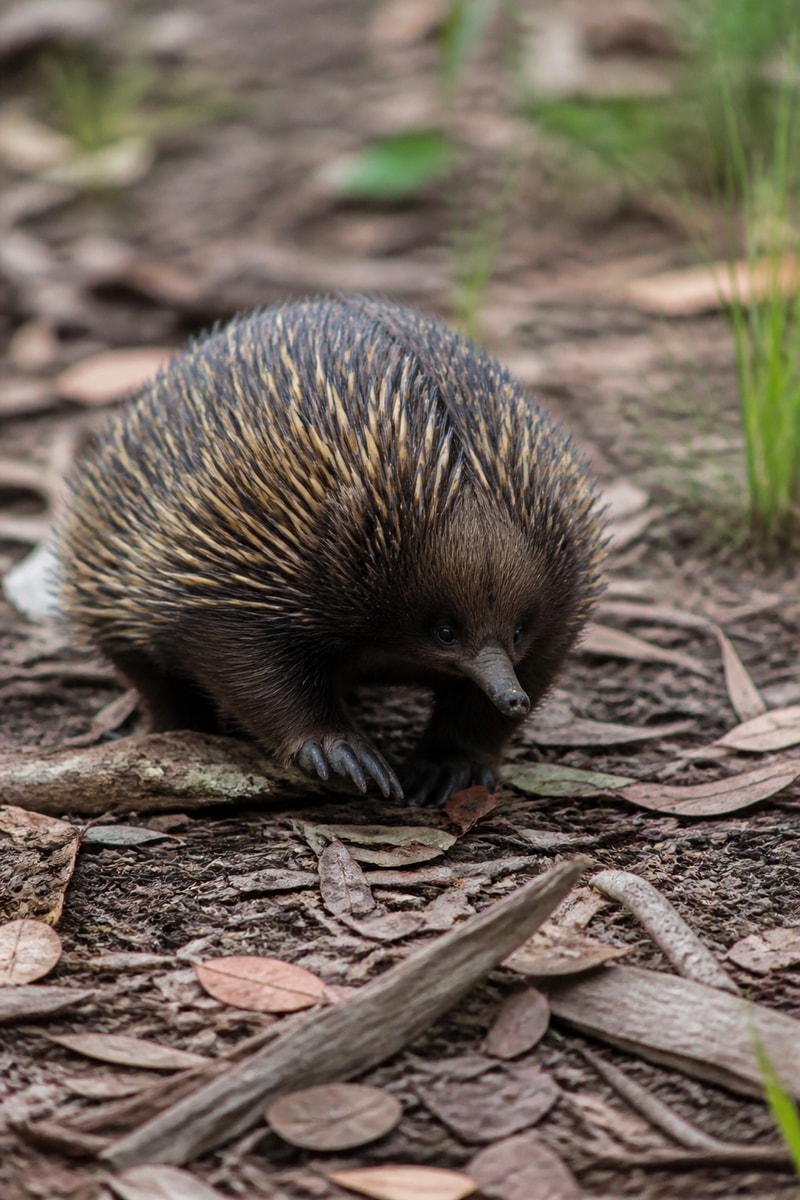
The short-beaked echidna is one of only five monotreme mammals on Earth. It lays leathery eggs like a reptile, then nurses its puggle in a pouch. Covered in spines with a long snout and sticky tongue, it trundles through Australian bush probing for ants and termites.
When threatened, an echidna curls into an impregnable spiny ball, only the soft belly remains exposed, and even that is protected as spines fold inward. They are found across Australia and in Papua New Guinea.
- Scientific nameTachyglossus aculeatus
- Length30–45 cm
- Weight2–7 kg
- LifespanAround 10–15 years in the wild; longer in captivity
- DietShort-beaked echidnas…
- ConservationLeast Concern
- RegionForest & Scrub
Habitat
- Forest
- Woodland
- Scrub
- Grassland
Forest, scrub, grassland, and desert across Australia and Tasmania suit short-beaked echidnas. They are active by day in cooler weather and at night in hot regions, foraging for ants, termites, and beetle larvae.
Countries found
Field notes
Field scale for the Echidna: length around 30-45 cm; weight 2-7 kg. Typical lifespan: Around 10-15 years in the wild; longer in captivity.
When you are scanning habitat, prioritise forest, woodland, scrub, and grassland. Those settings are where a clean look and a usable photo are most likely.
Quick ID anchor: Spiny coat, short legs, and a long hairless snout; no obvious external ears. Confirm with behaviour and habitat before you log the discovery.
Where to see one
Australia
In Australia, start at Kangaroo Island (South Australia). Kangaroos, koalas, and sea lions on an island sanctuary off Adelaide. Compact Australian wildlife in one place.
More context on this destination lives on the Australia expedition page.
Diet
Short-beaked echidnas eat ants and termites, probing nests with a long sticky tongue.
Powerful claws tear into logs and soil to reach insect colonies.
Behaviour
Solitary and mostly nocturnal or crepuscular; curls into a spiny ball or digs in when threatened.
Egg-laying monotreme: a single egg is incubated in a temporary pouch, then the puggle is nursed on milk.
How to identify
Spiny coat, short legs, and a long hairless snout; no obvious external ears.
Looks hedgehog-like but is a monotreme; spines are modified hairs, not quills like a porcupine.
Interesting facts
- 01
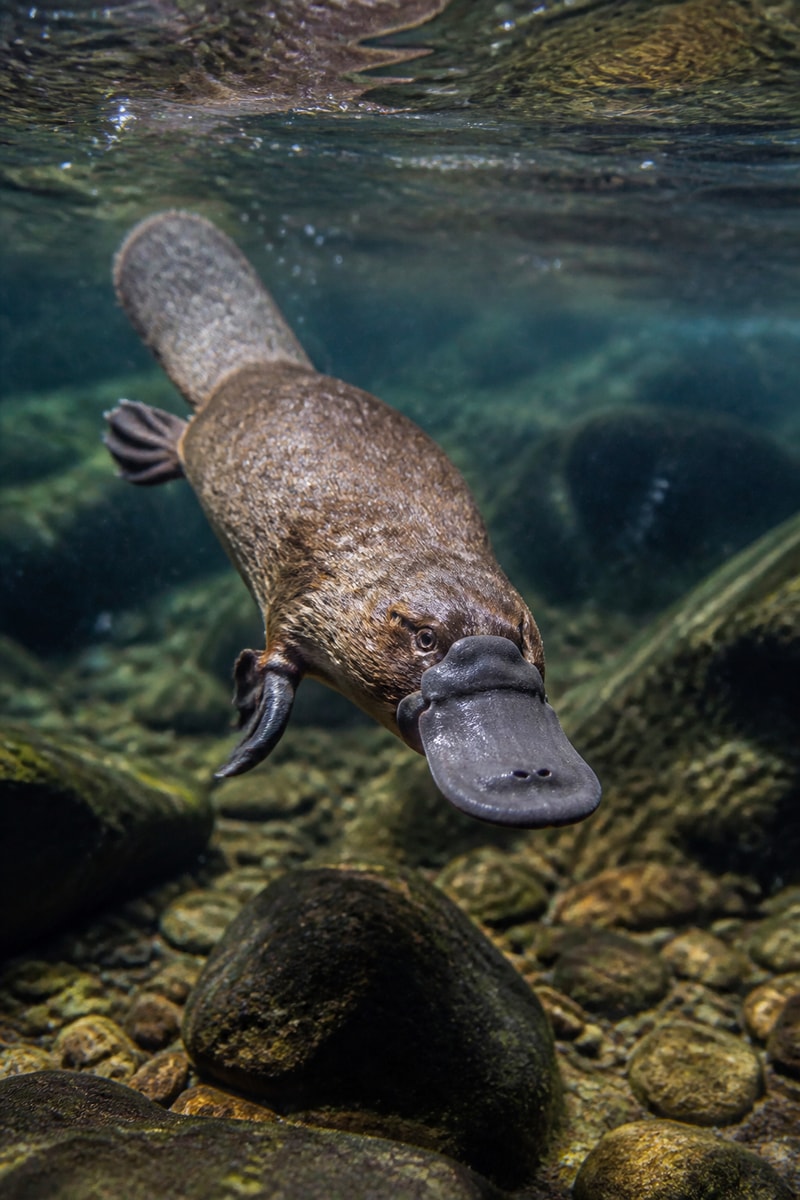
Echidnas and platypuses are the only egg-laying mammals on Earth.
- 02
Their tongues can flick in and out over 100 times per minute.
- 03
Baby echidnas are called puggles and hatch from eggs after 10 days.
Conservation status
Short-beaked echidnas are Least Concern and widespread across Australia. They are occasionally killed on roads but populations remain stable.
Sources: IUCN Red List

Keep exploring
Where it lives
Related discoveries
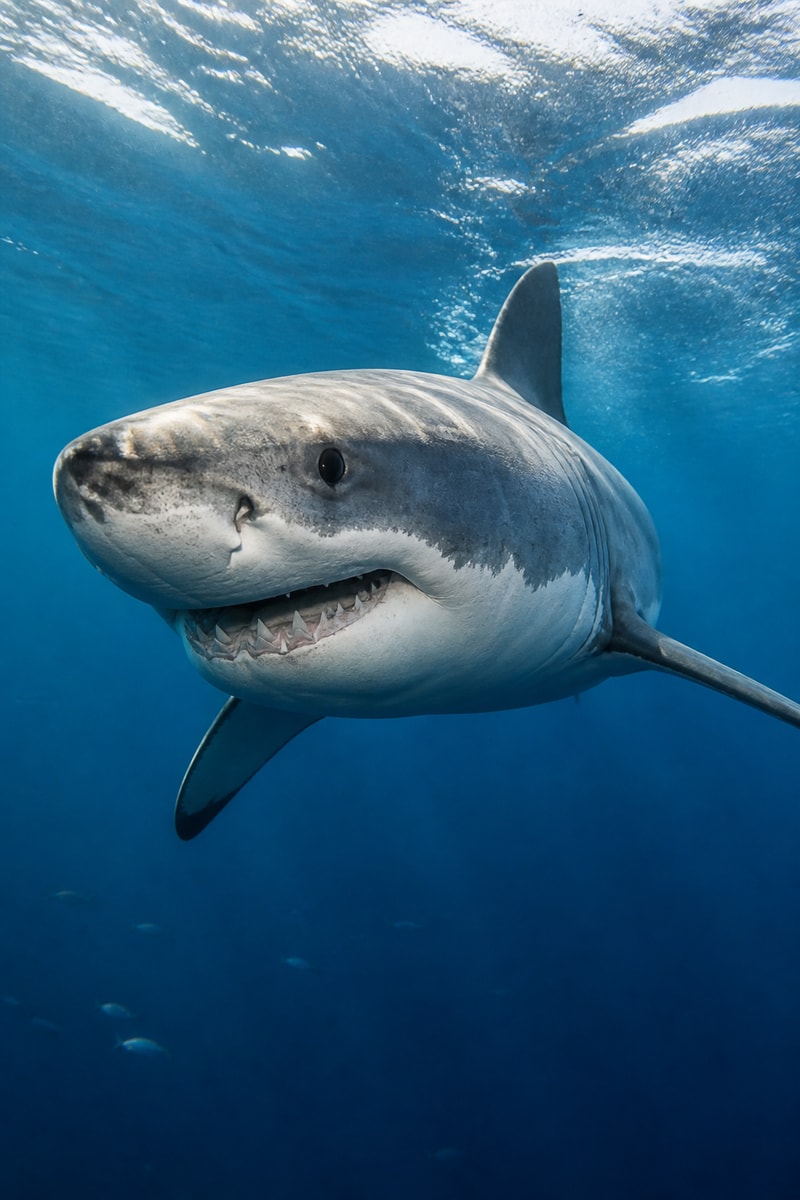
- Great White Sharklegendary • Coastal Ocean
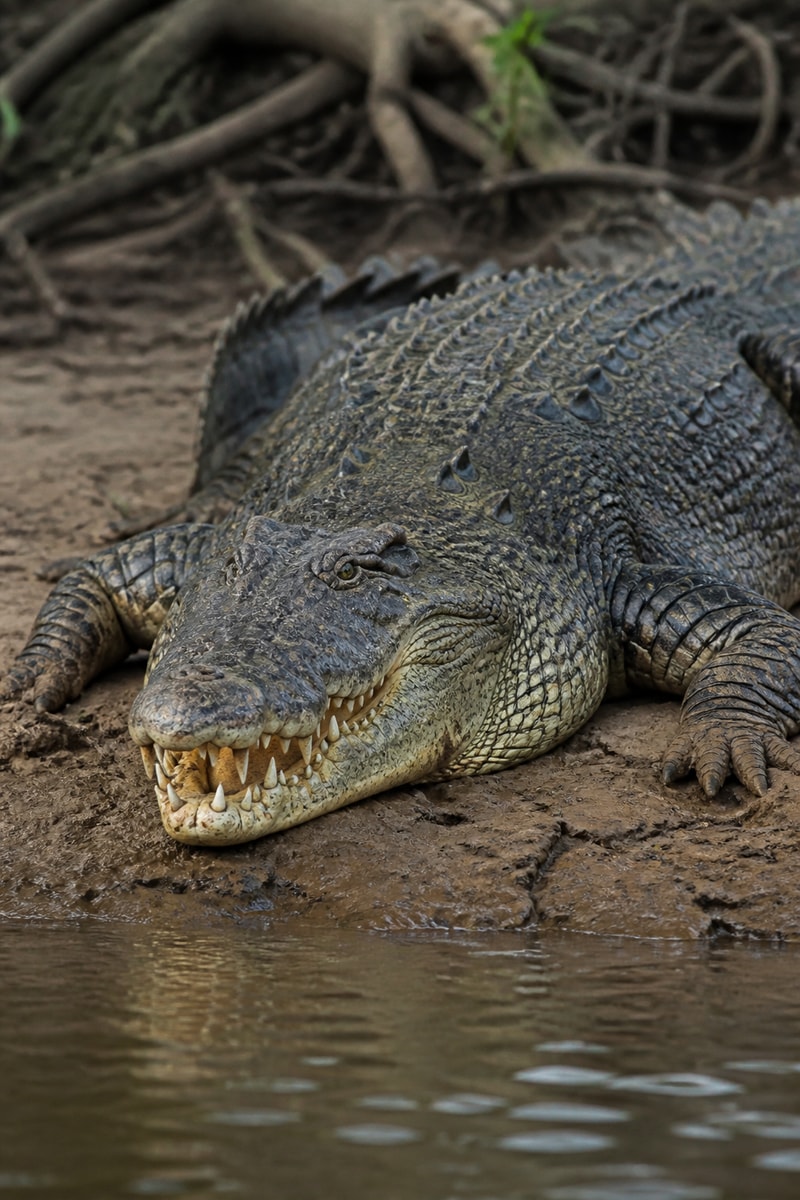
- Saltwater Crocodilelegendary • Estuaries & Coast
- Orcalegendary • Coastal Ocean
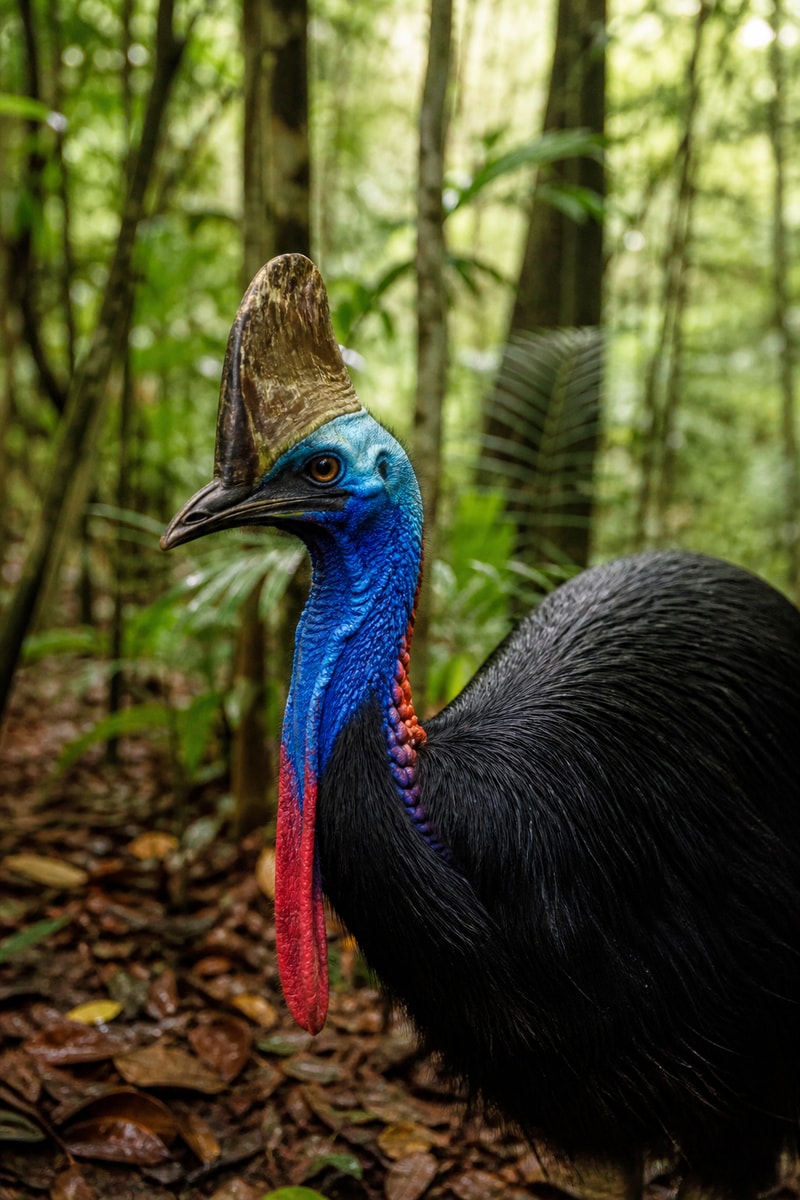
- Southern Cassowarylegendary • Rainforest
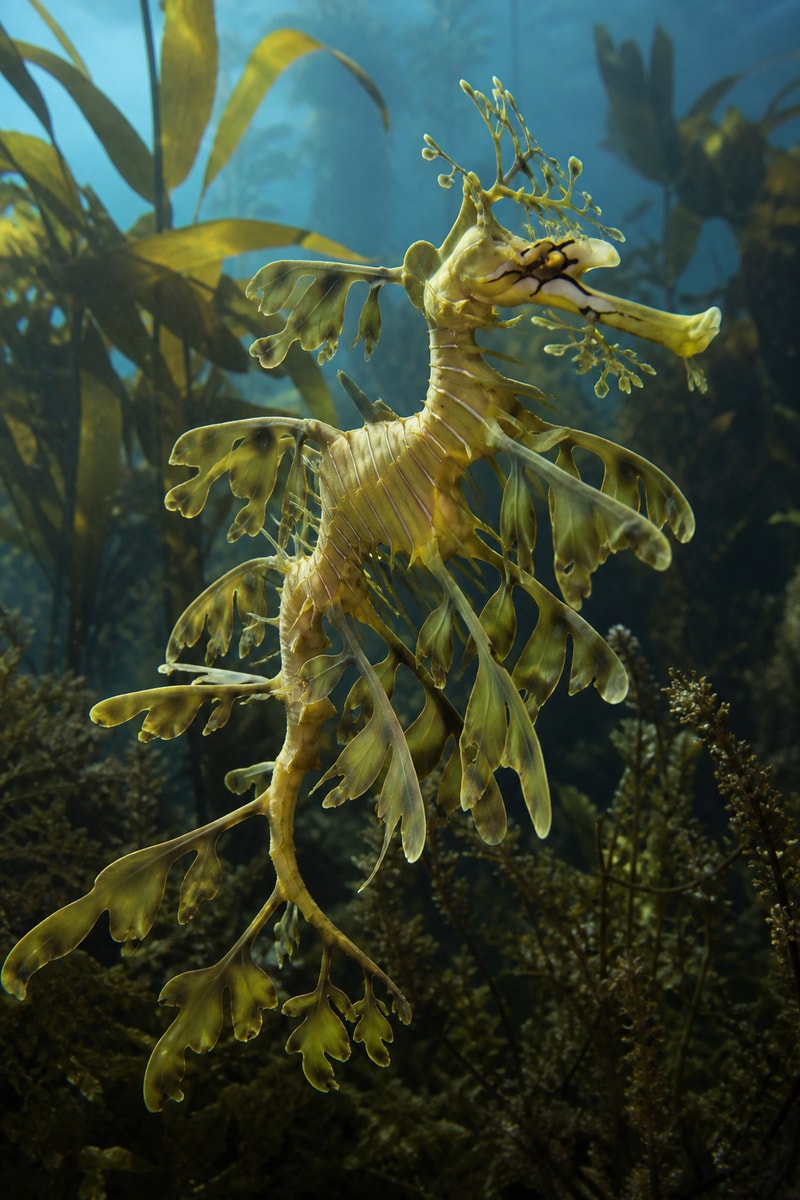
- Leafy Sea Dragonlegendary • Kelp & Seagrass
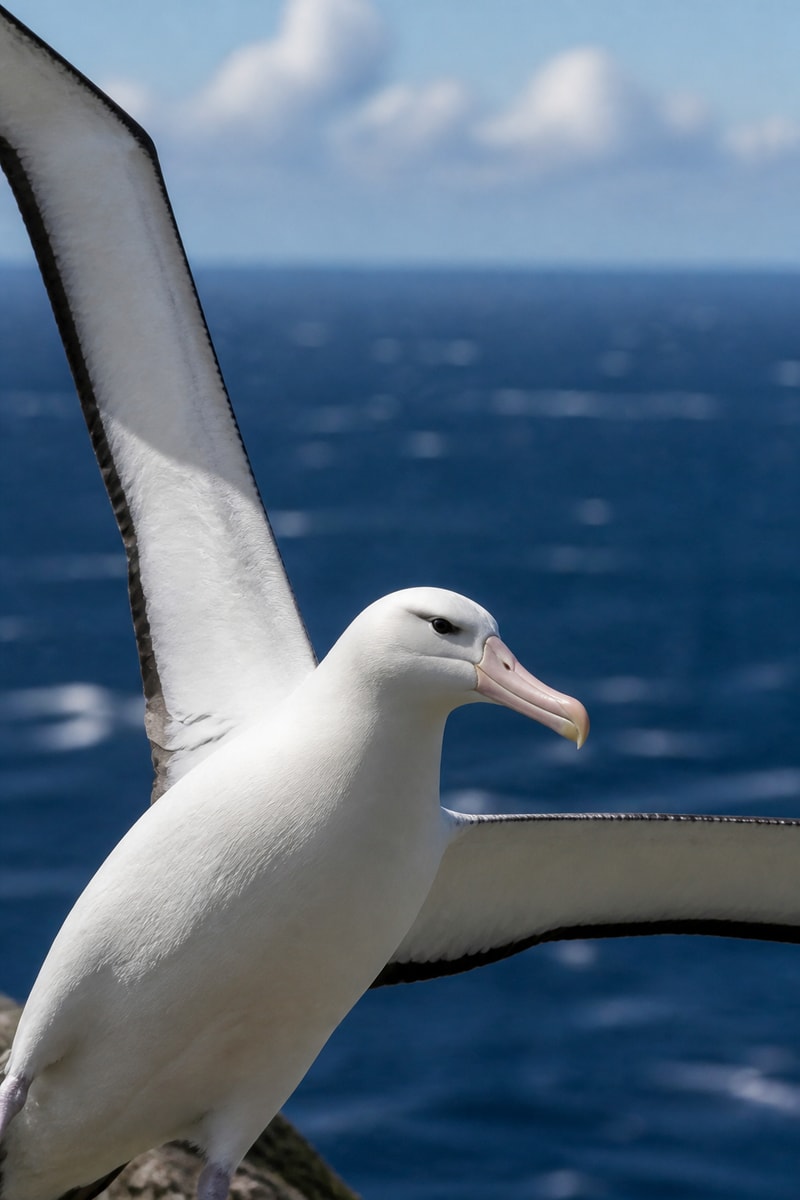
- Wandering Albatrosslegendary • Southern Ocean Skies
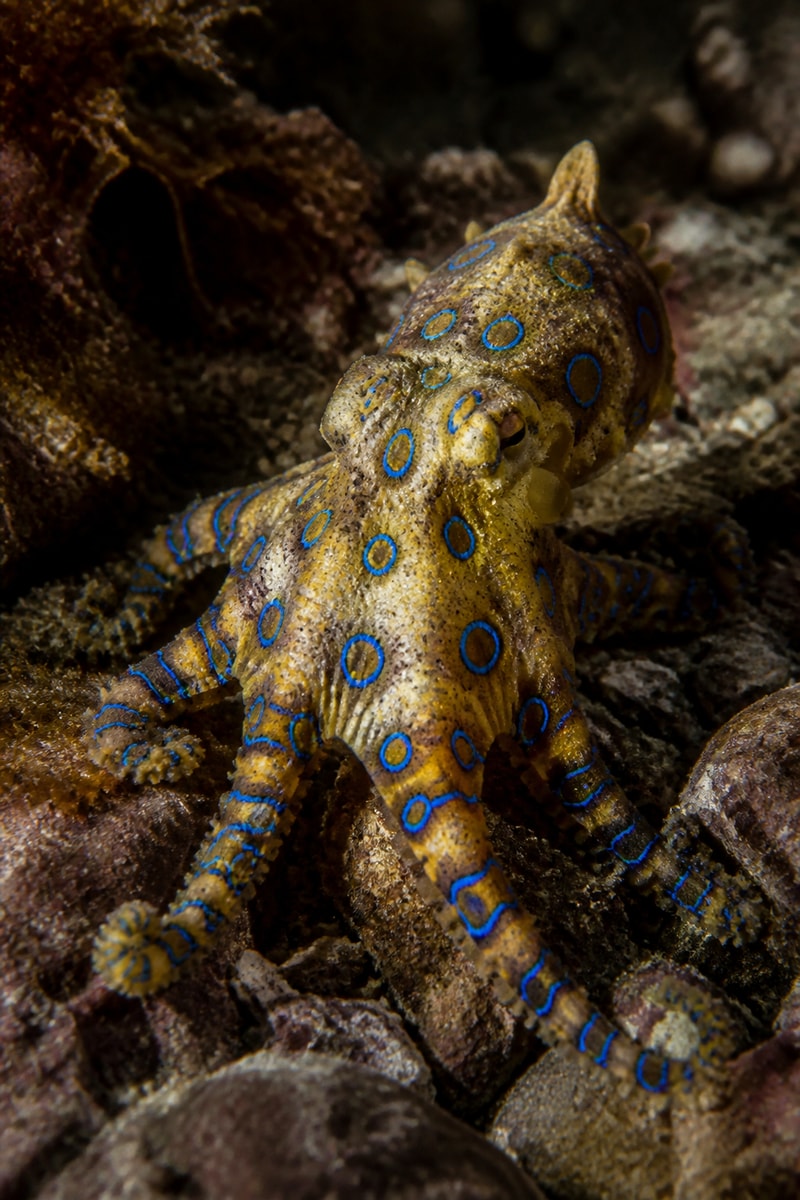
- Southern Blue-ringed Octopuslegendary • Southern Australian Reefs
- Koalarare • Eucalyptus Forest
Free on iOS
Catch the Echidna
Spot one in the wild, then scan it in Catch'Um to log your common discovery.