
Field guide · rare
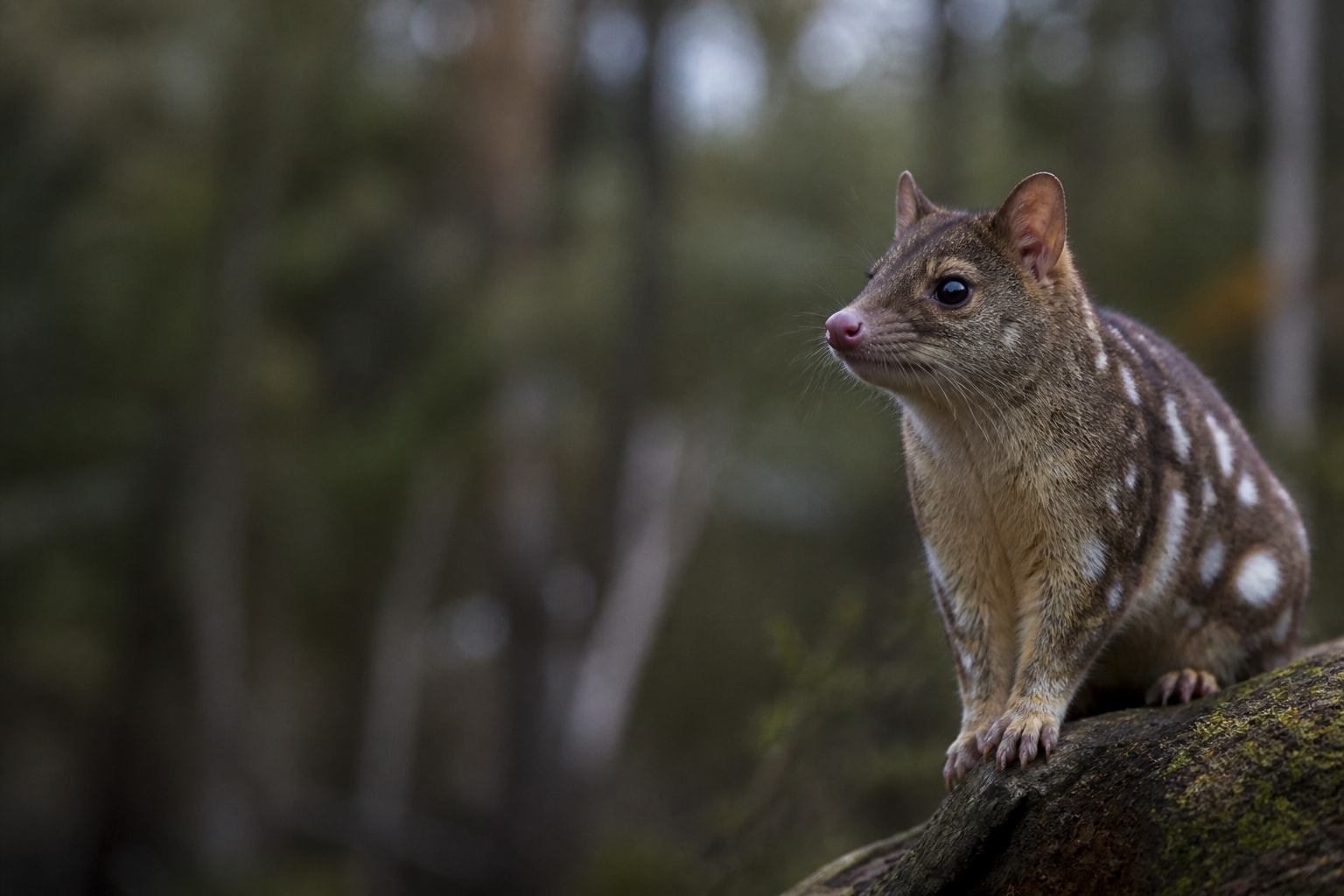
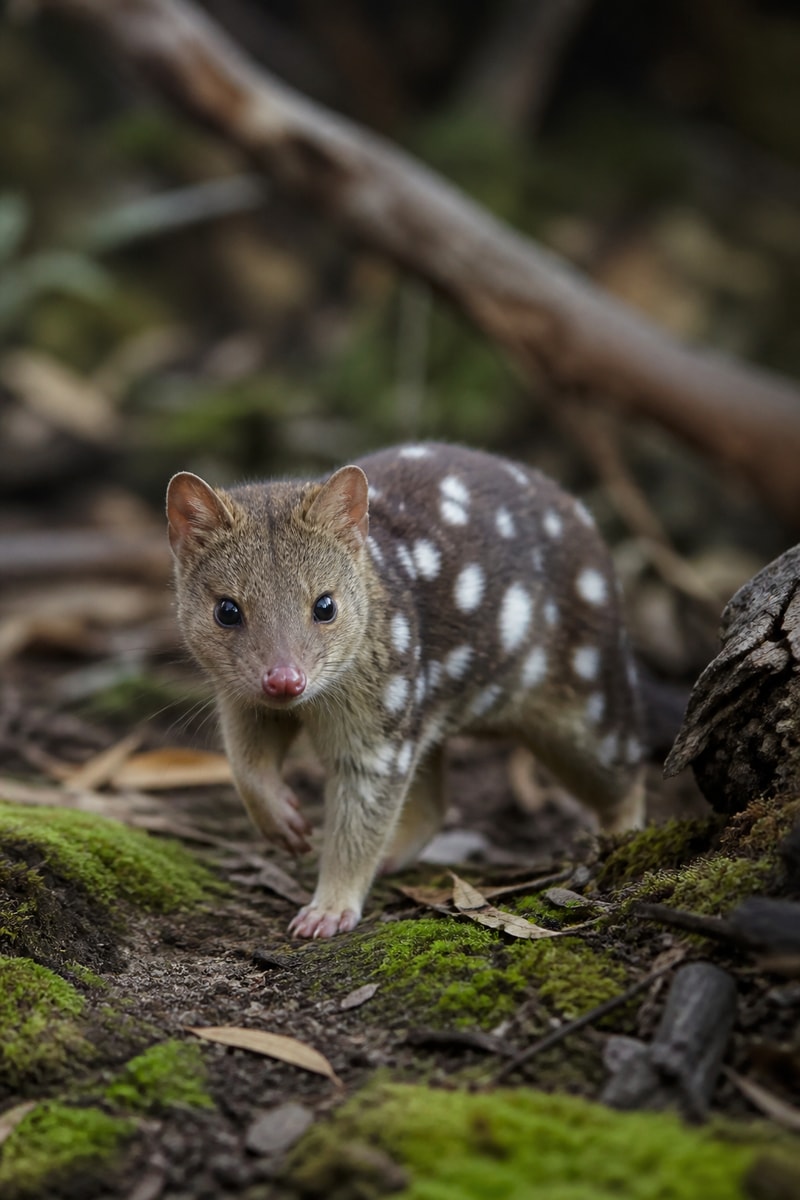
Eastern Quoll
Spotted night hunter of Tasmania — mainland ghost making a careful comeback.
Endangered
Dasyurus viverrinus
Overview
Eastern quolls are small spotted marsupial carnivores, once widespread on mainland Australia but now largely confined to Tasmania, with reintroduction projects underway on the mainland. They hunt insects, small vertebrates, and scavenged food after dark.
For Australia collectors, the eastern quoll is a rare marsupial prize — spotted coat, Tasmanian stronghold, and a symbol of recovery from mainland extinction.
- Scientific nameDasyurus viverrinus
- Length28–45 cm body; tail 17–28 cm
- Weight0.7–2.0 kg
- LifespanAround 3–5 years in the wild
- DietInsects
- ConservationEndangered
- RegionTasmanian Bushland
Where to see them
Habitat
- Dry sclerophyll forest
- Woodland
- Grassland edge
- Farmland fringe
Dry sclerophyll forest, woodland, grassland, and agricultural edges in Tasmania, denning in burrows, hollow logs, or rock piles by day.
Field notes
Field scale for the Eastern Quoll: length around 28-45 cm body; tail 17-28 cm; weight 0.7-2.0 kg. Typical lifespan: Around 3-5 years in the wild.
When you are scanning habitat, prioritise dry sclerophyll forest, woodland, grassland edge, and farmland fringe. Those settings are where a clean look and a usable photo are most likely.
Quick ID anchor: Cat-sized marsupial with white spots on a fawn or black body and an unspotted tail. Confirm with behaviour and habitat before you log the discovery.
Diet
Insects, spiders, small mammals, birds, reptiles, and scavenged carrion or farm scraps.
Active nocturnal foragers covering large distances on the ground.
Behaviour
Solitary and nocturnal; den by day in burrows or hollow cover.
Breed in winter; litters of several young compete for pouch teats.
How to identify
Cat-sized marsupial with white spots on a fawn or black body and an unspotted tail.
Pointed snout and pink nose; more compact than spotted-tailed quoll.
Interesting facts
- 01
Extinct on the mainland by the 1960s; Tasmania remains the stronghold.
- 02
Coat is fawn or black with white spots; no spots on the tail.
- 03
Nocturnal hunters of insects, rabbits, and small vertebrates.
- 04
Females raise young in a rear-opening pouch.
- 05
Mainland reintroduction projects are underway in fenced and managed sites.
- 06
Smaller and more terrestrial than the spotted-tailed quoll.
Conservation status
Eastern quolls are Endangered. Mainland extinction, foxes, cats, and disease pressures left Tasmania as the main refuge. Captive breeding and rewilding aim to restore secure mainland populations.
Sources: IUCN Red List
Keep exploring
Related discoveries
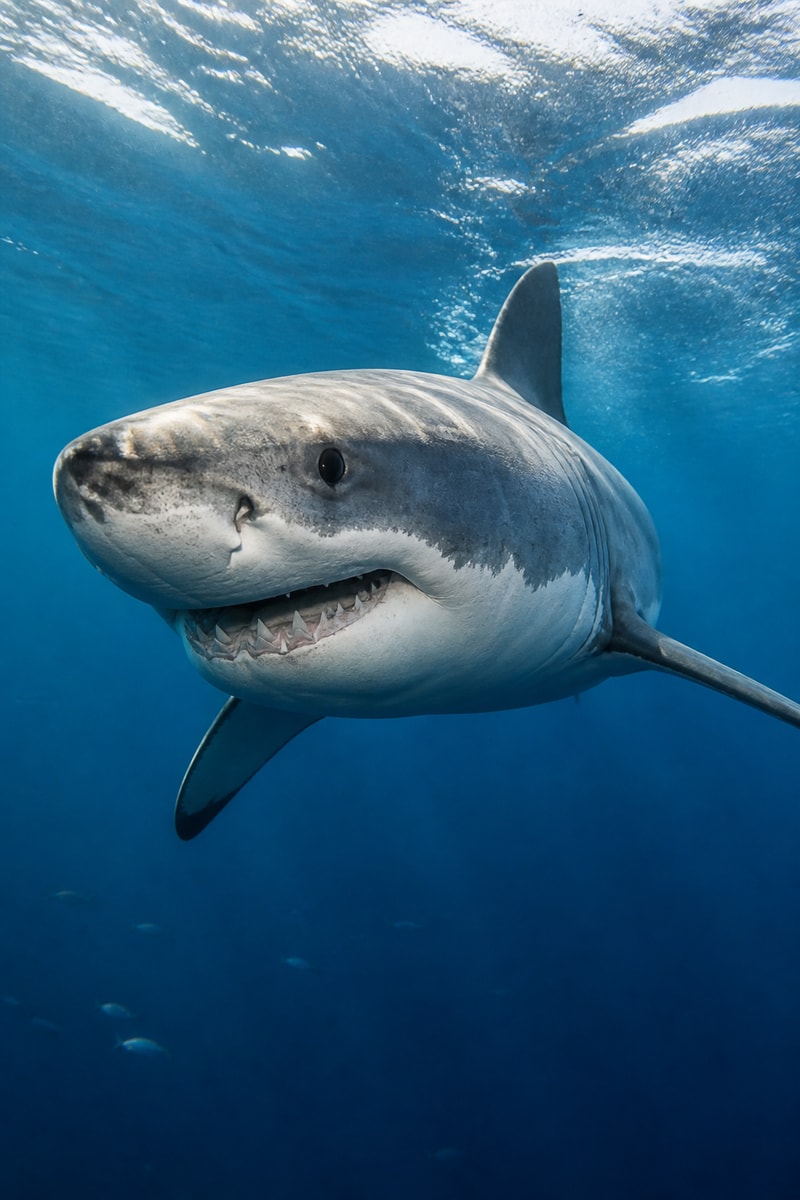
- Great White Sharklegendary • Coastal Ocean
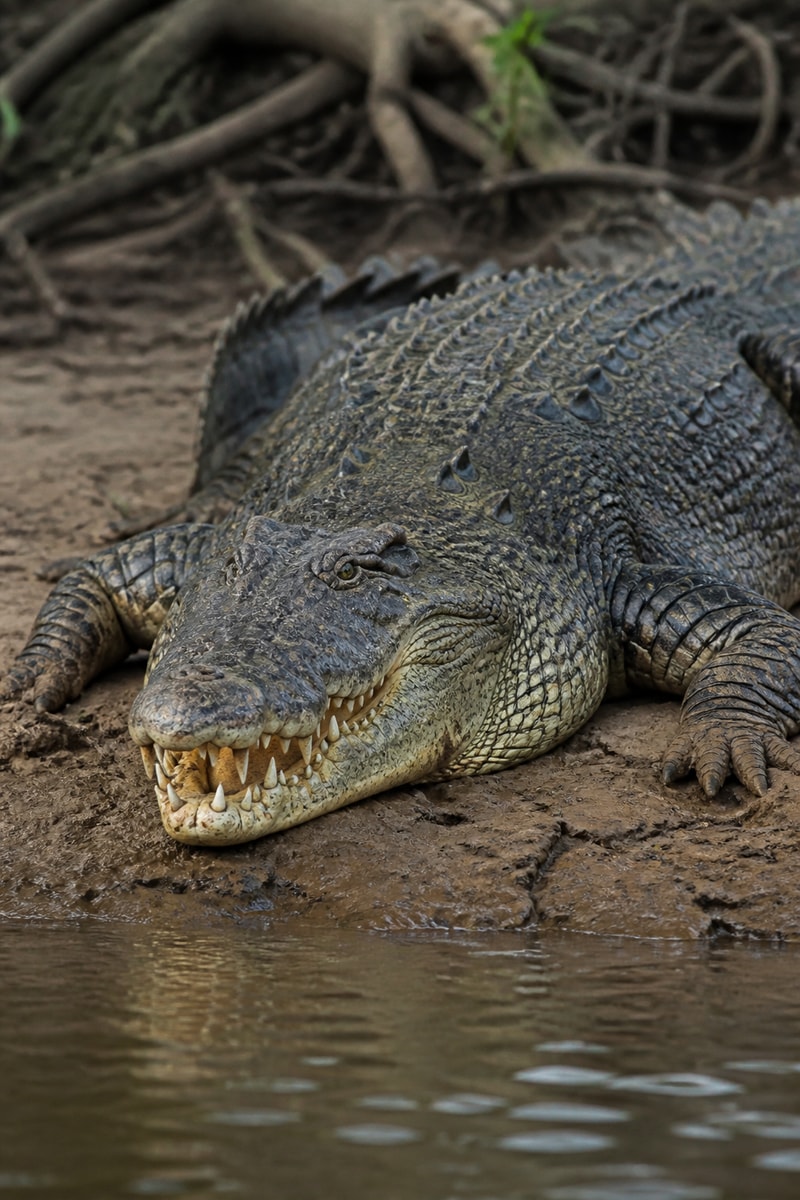
- Saltwater Crocodilelegendary • Estuaries & Coast
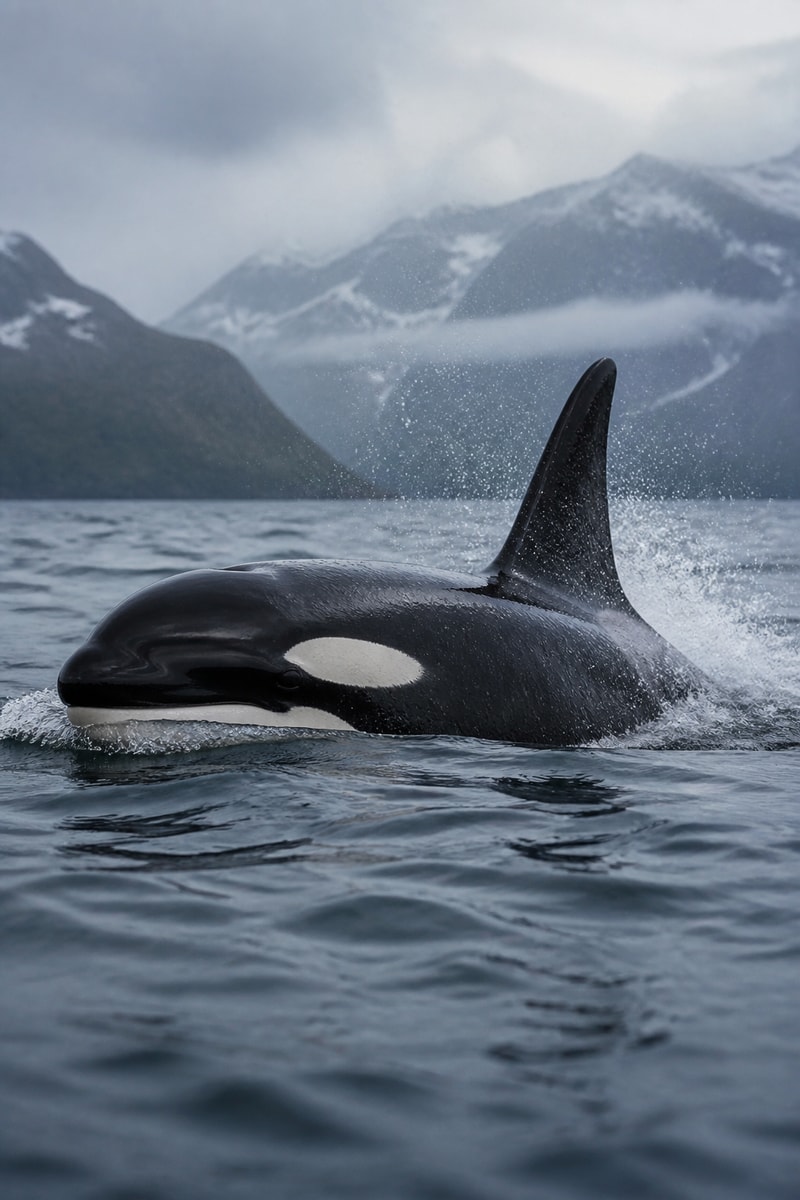
- Orcalegendary • Coastal Ocean
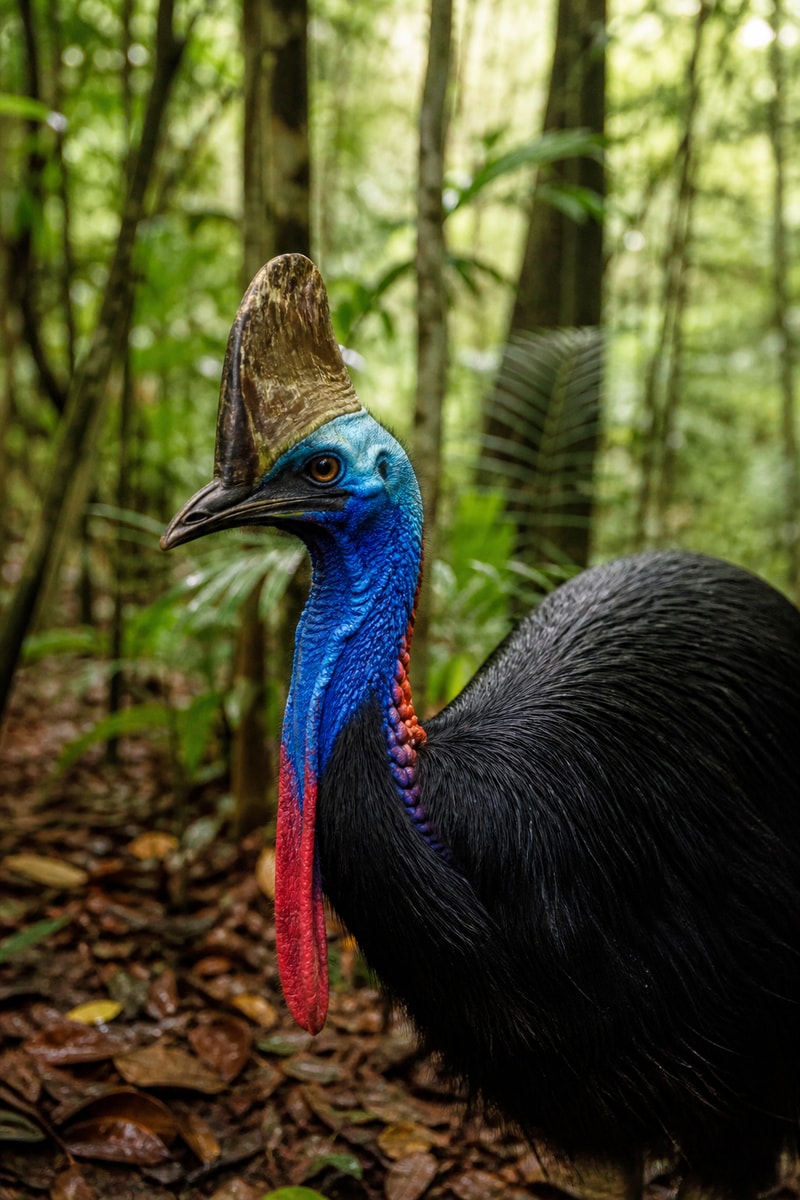
- Southern Cassowarylegendary • Rainforest
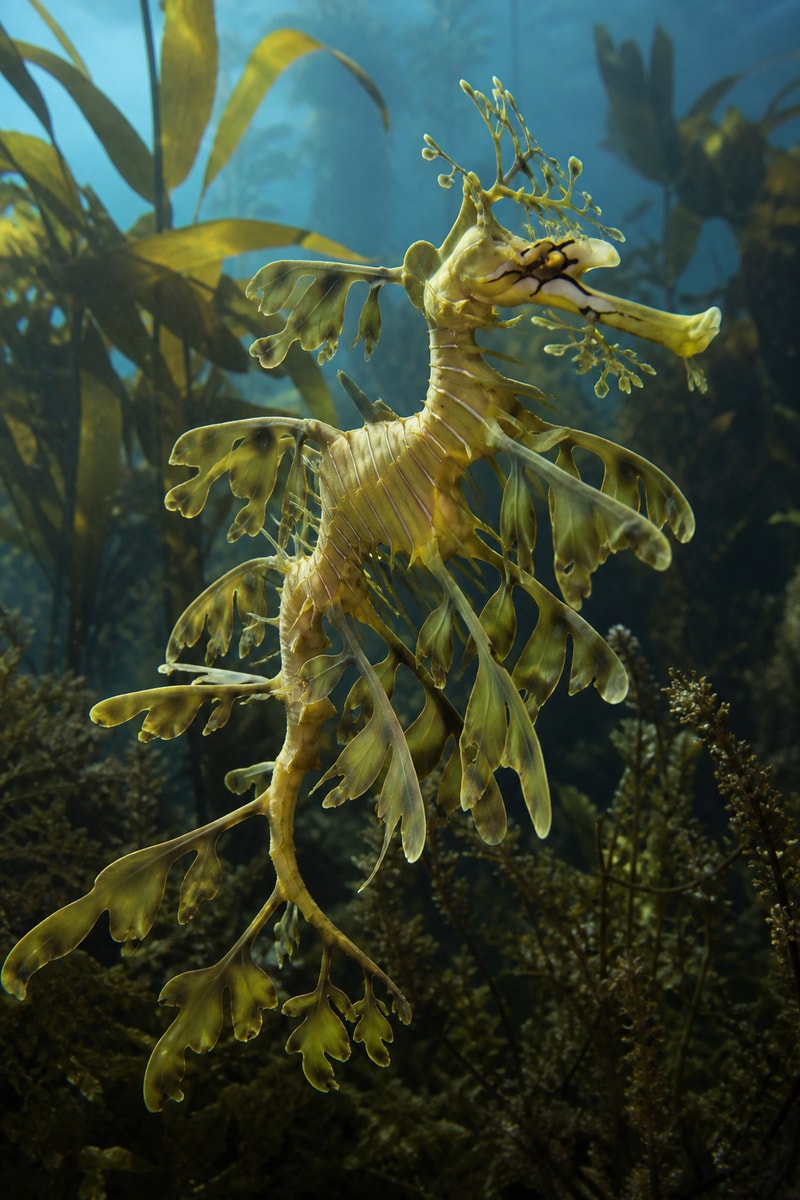
- Leafy Sea Dragonlegendary • Kelp & Seagrass
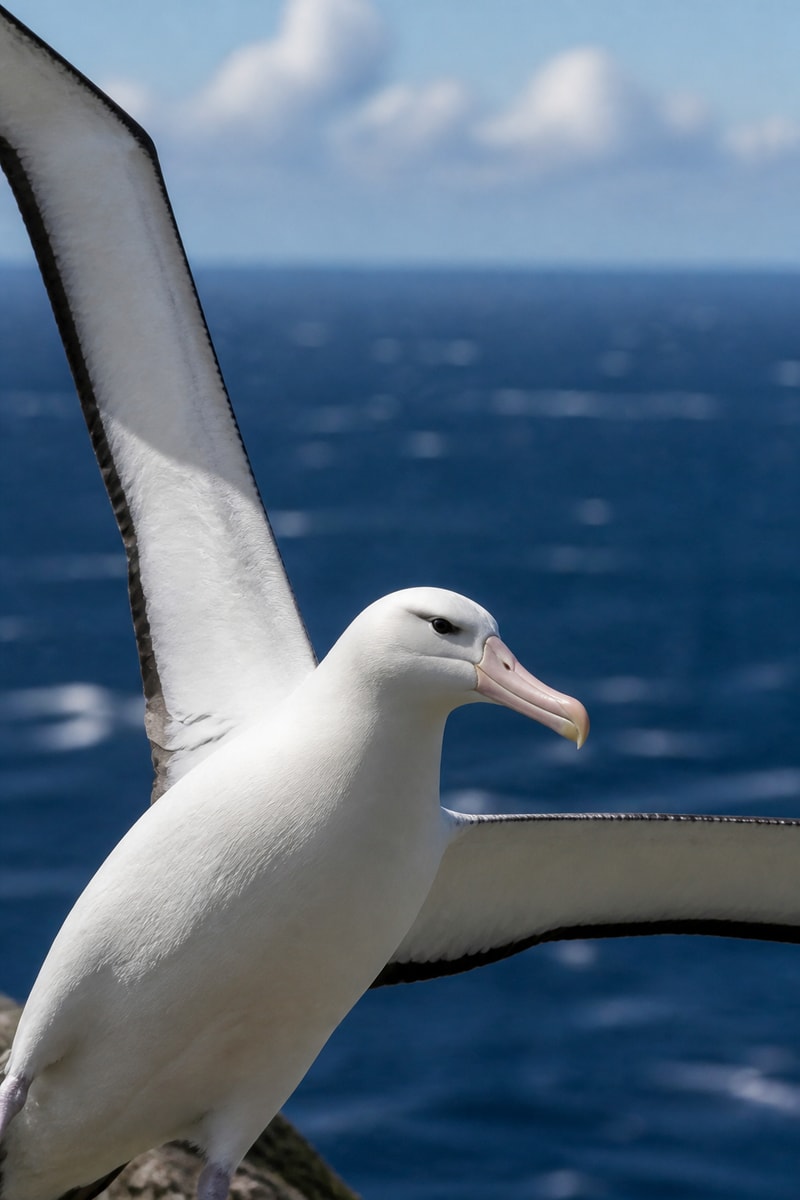
- Wandering Albatrosslegendary • Southern Ocean Skies
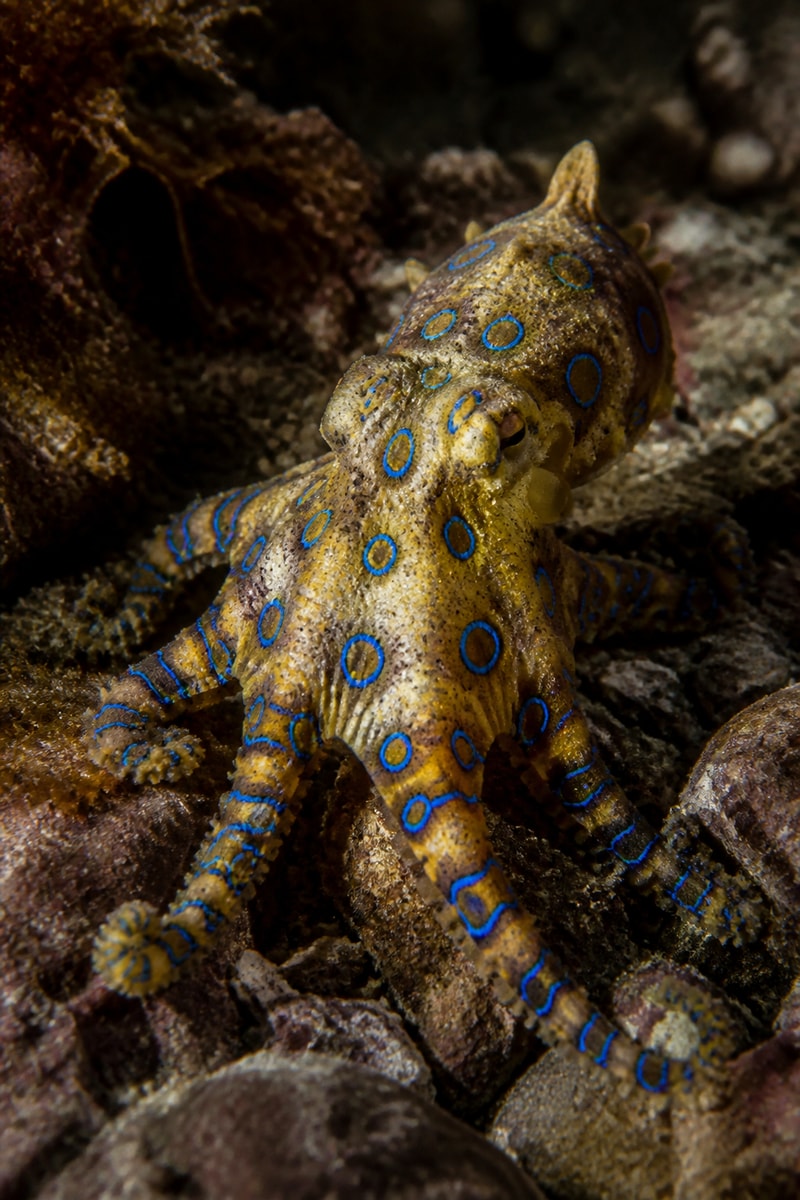
- Southern Blue-ringed Octopuslegendary • Southern Australian Reefs
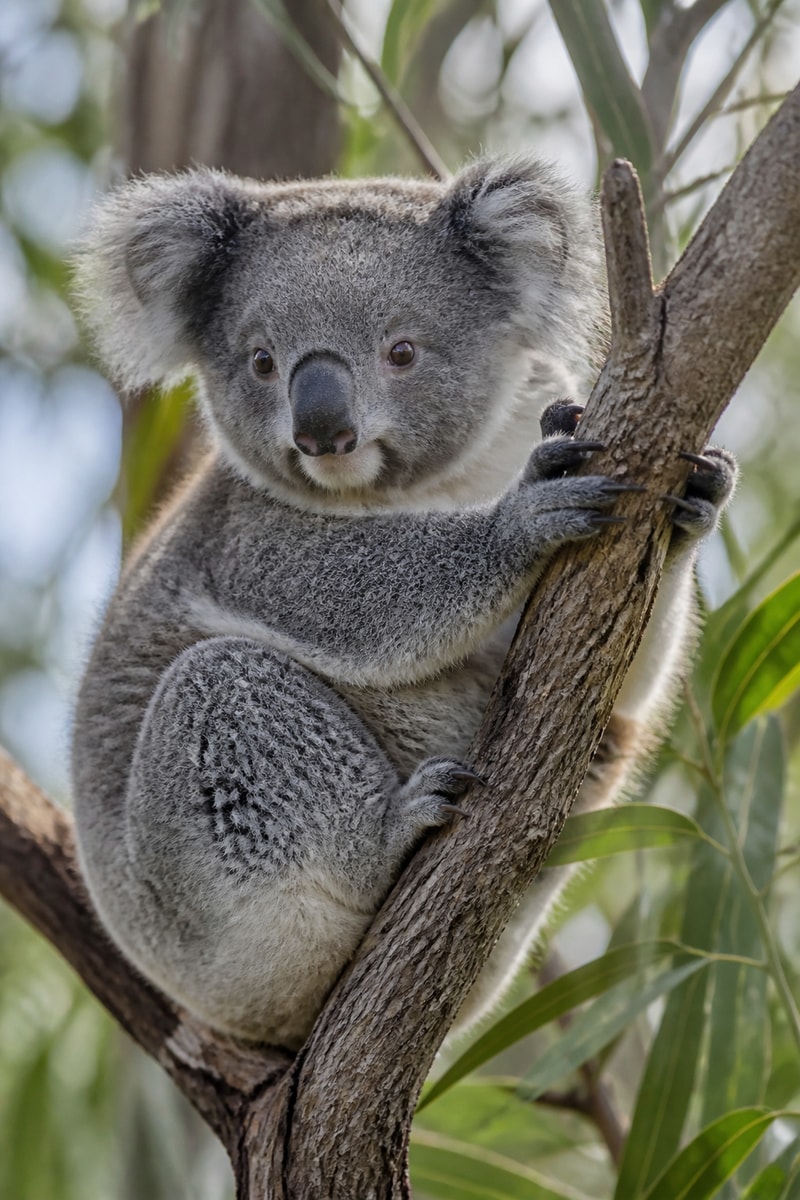
- Koalarare • Eucalyptus Forest
Free on iOS
Catch the Eastern Quoll
Spot one in the wild, then scan it in Catch'Um to log your rare discovery.