
Field guide · rare
Dingo
Australia's wild dog, a golden-coated hunter that arrived with ancient seafarers and shaped the outback for millennia.
Vulnerable
Canis dingo
Overview
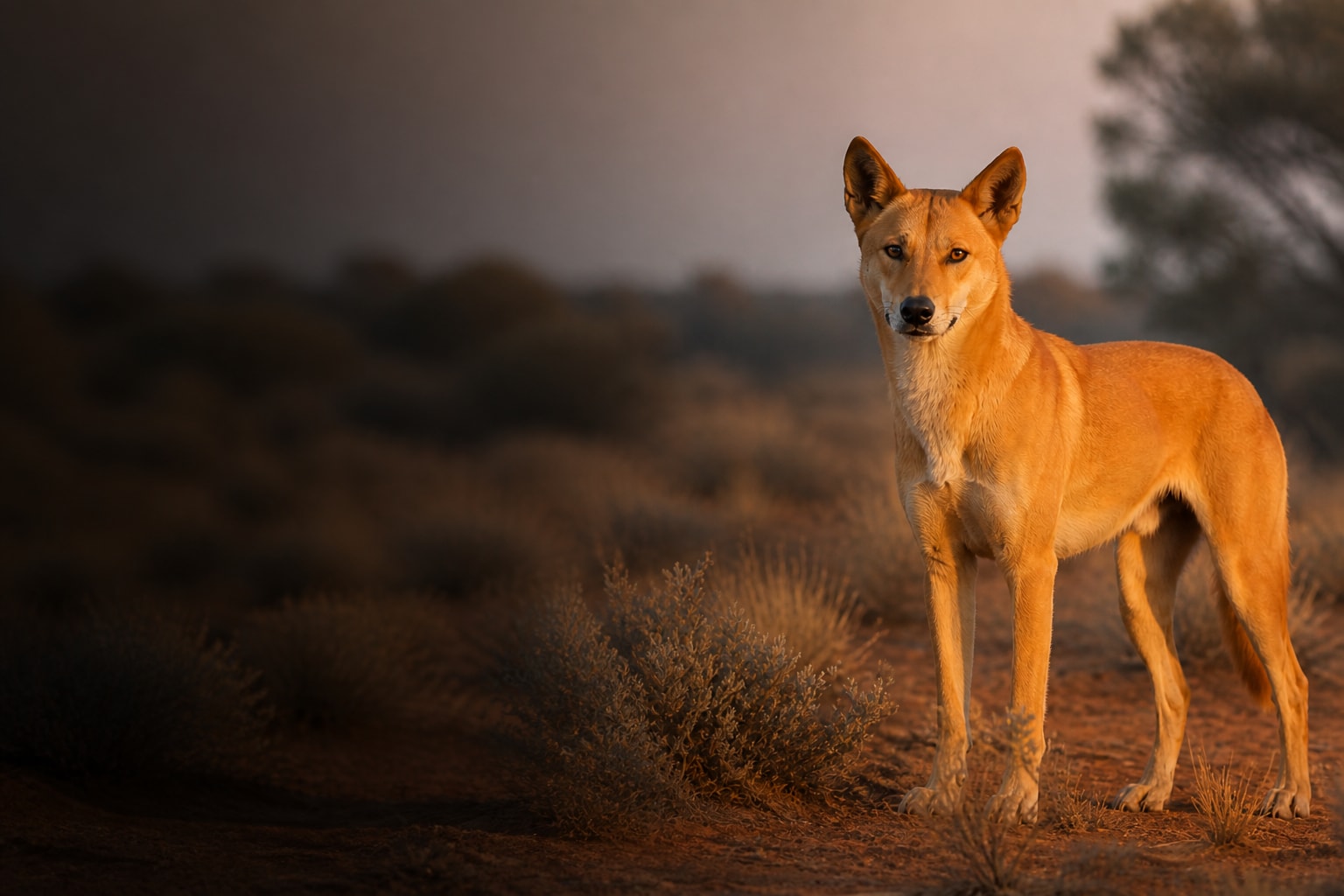
The dingo is Australia's largest terrestrial predator, a lean, golden-furred wild dog that arrived over 4,000 years ago, likely with seafaring people from Asia. Dingoes hunt kangaroos, rabbits, and livestock across the outback in cooperative packs.
Unlike domestic dogs, dingoes howl rather than bark, and breed once a year. They are controversial, persecuted by farmers but ecologically important as the top predator in many Australian ecosystems.
- Scientific nameCanis dingo
- Length86–122 cm body; tail ~30 cm
- Height44–63 cm at shoulder
- Weight13–24 kg
- LifespanAround 5–10 years in the wild
- DietHunts kangaroos
- ConservationVulnerable
- RegionOutback & Bush
Habitat
- Outback
- Open woodland
- Desert fringe
- Coastal bush
Arid grassland, desert, tropical savanna, and forest across most of mainland Australia suit dingoes. They are absent from Tasmania and rare where the Dingo Fence excludes them from sheep country in the southeast.
Countries found
Field notes
Field scale for the Dingo: length around 86-122 cm body; tail ~30 cm; height 44-63 cm at shoulder; weight 13-24 kg. Typical lifespan: Around 5-10 years in the wild.
When you are scanning habitat, prioritise outback, open woodland, desert fringe, and coastal bush. Those settings are where a clean look and a usable photo are most likely.
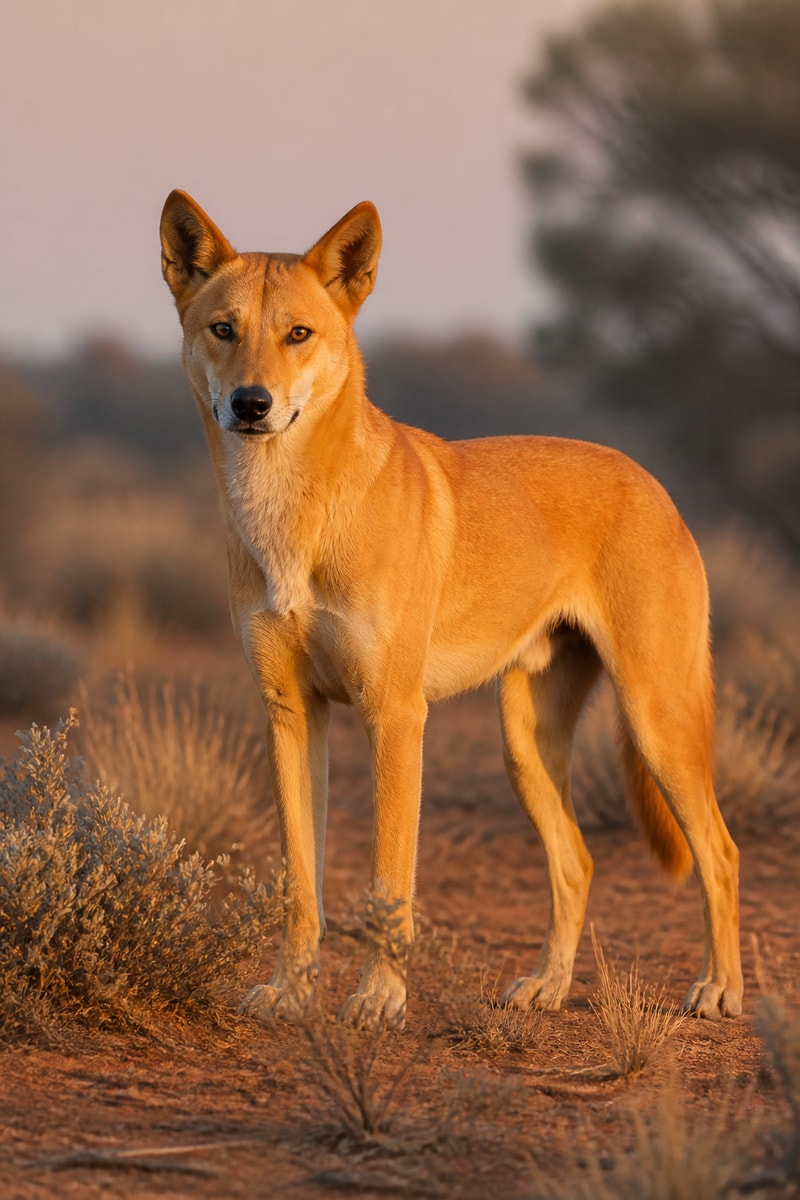
Quick ID anchor: Lean, athletic dog with ginger to sandy coat, upright ears, and a bushy tail often carried high. Confirm with behaviour and habitat before you log the discovery.
Where to see one
Australia
In Australia, start at Uluru-Kata Tjuta National Park (Northern Territory). Red centre country where red kangaroos graze at dawn against the backdrop of Uluru.
More context on this destination lives on the Australia expedition page.
Diet
Hunts kangaroos, wallabies, rabbits, and smaller mammals; also scavenges and occasionally takes livestock.
Packs cooperate on larger prey; solitary animals take smaller quarry.
Behaviour
Australia's wild canid: territorial packs with complex howling communication, mostly crepuscular.
Hybridisation with domestic dogs threatens genetic purity in many regions.
How to identify
Lean, athletic dog with ginger to sandy coat, upright ears, and a bushy tail often carried high.
Typically lacks the varied mottling of many feral dogs; white feet and chest markings are common.
Interesting facts
- 01
Dingoes arrived in Australia over 4,000 years ago, Australia's top native predator.
- 02
They howl to communicate, rarely bark like domestic dogs.
- 03
The Dingo Fence stretches over 5,600 km across southeastern Australia.
Conservation status
Pure dingoes are Vulnerable, threatened by hybridisation with domestic dogs and persecution. The 5,600-kilometre Dingo Fence protects sheep country but isolates dingo populations.
Sources: IUCN Red List
Keep exploring
Where it lives
Related discoveries
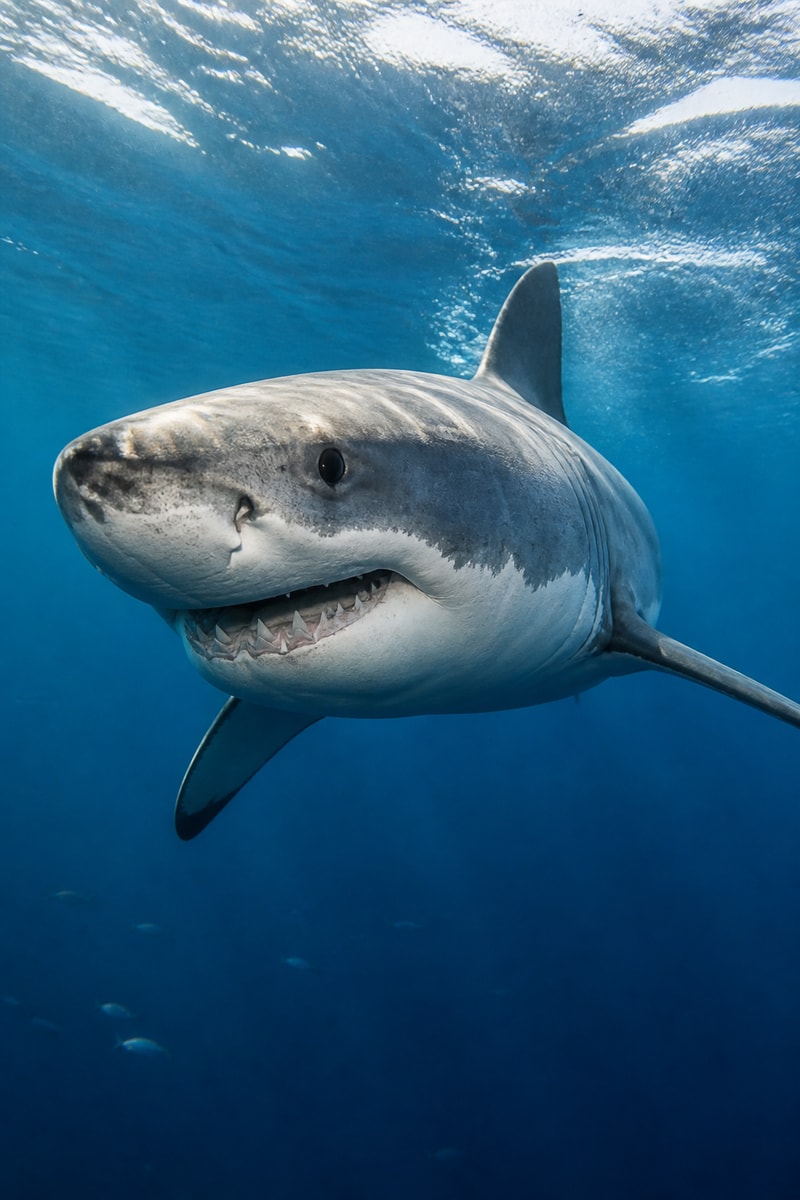
- Great White Sharklegendary • Coastal Ocean
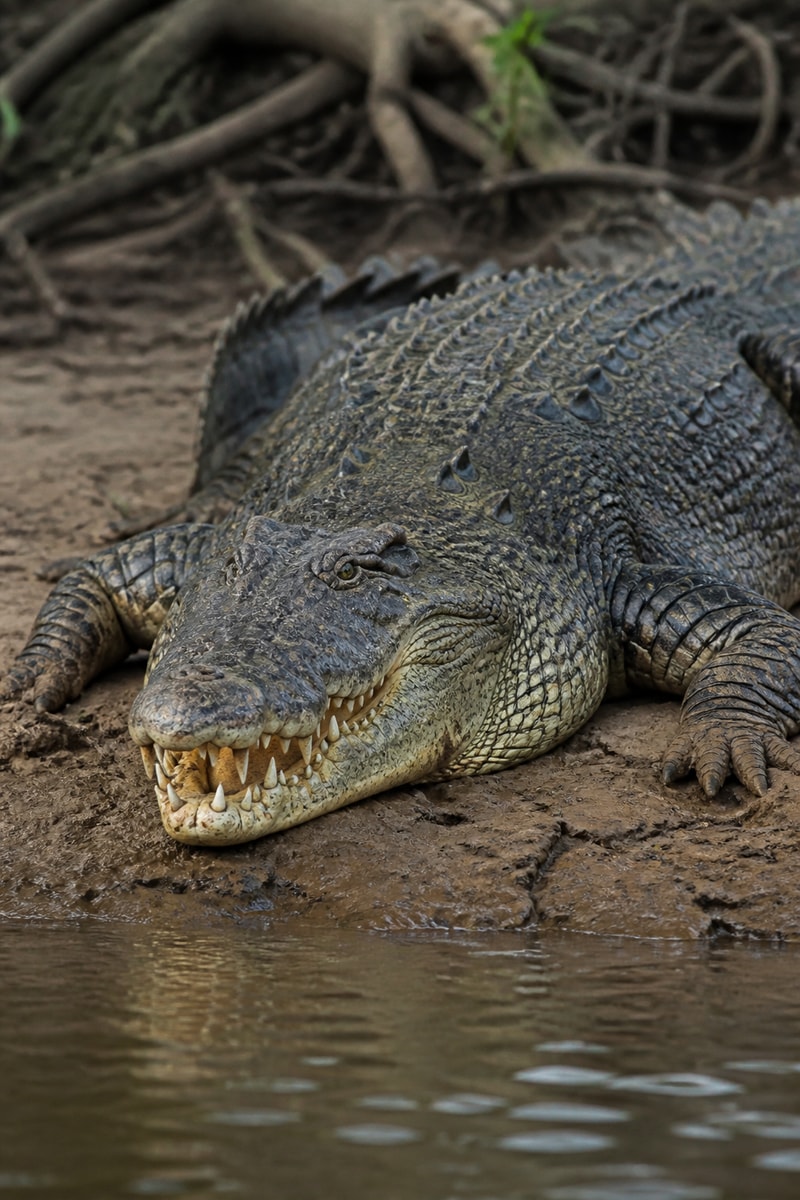
- Saltwater Crocodilelegendary • Estuaries & Coast
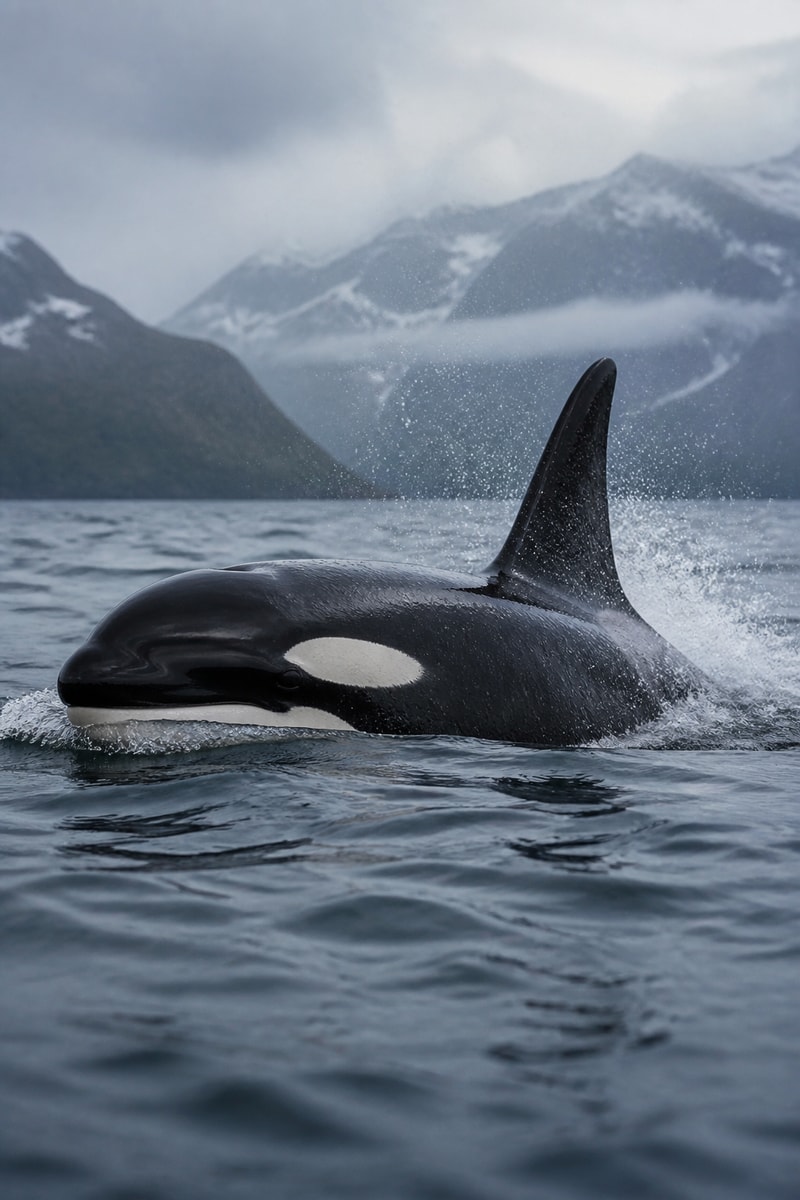
- Orcalegendary • Coastal Ocean
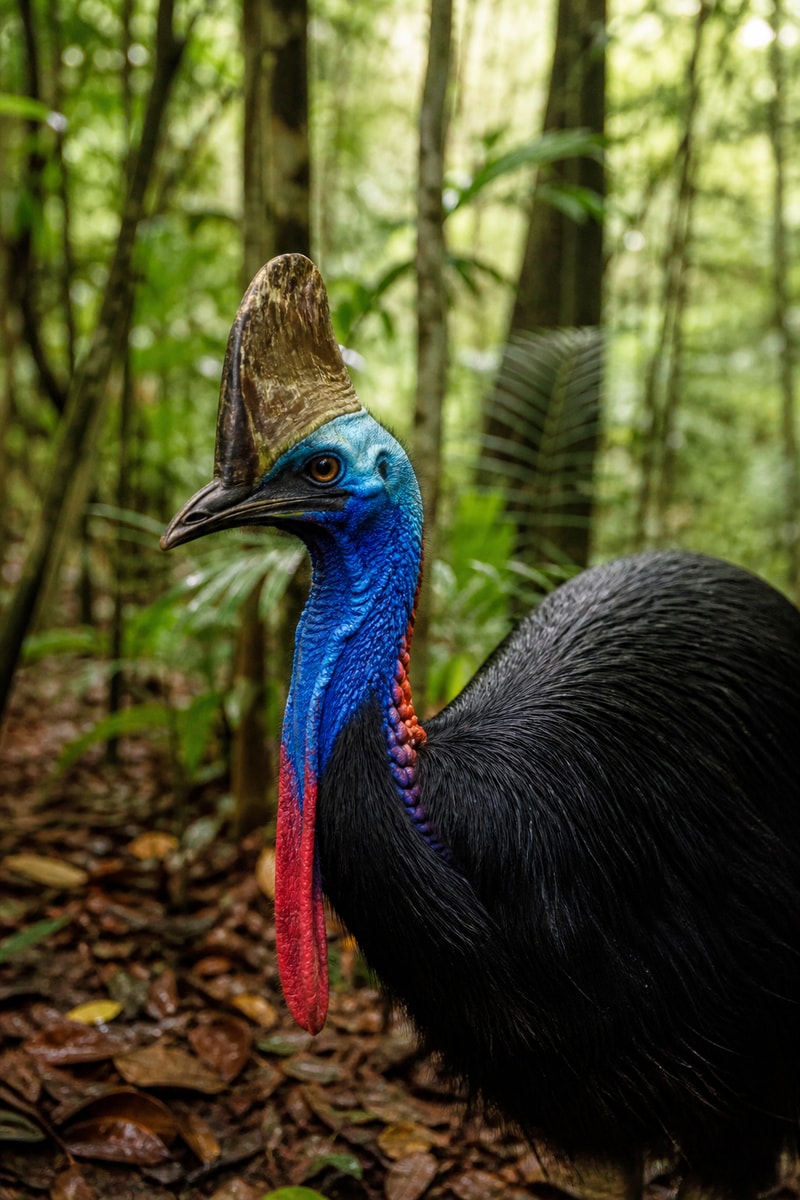
- Southern Cassowarylegendary • Rainforest
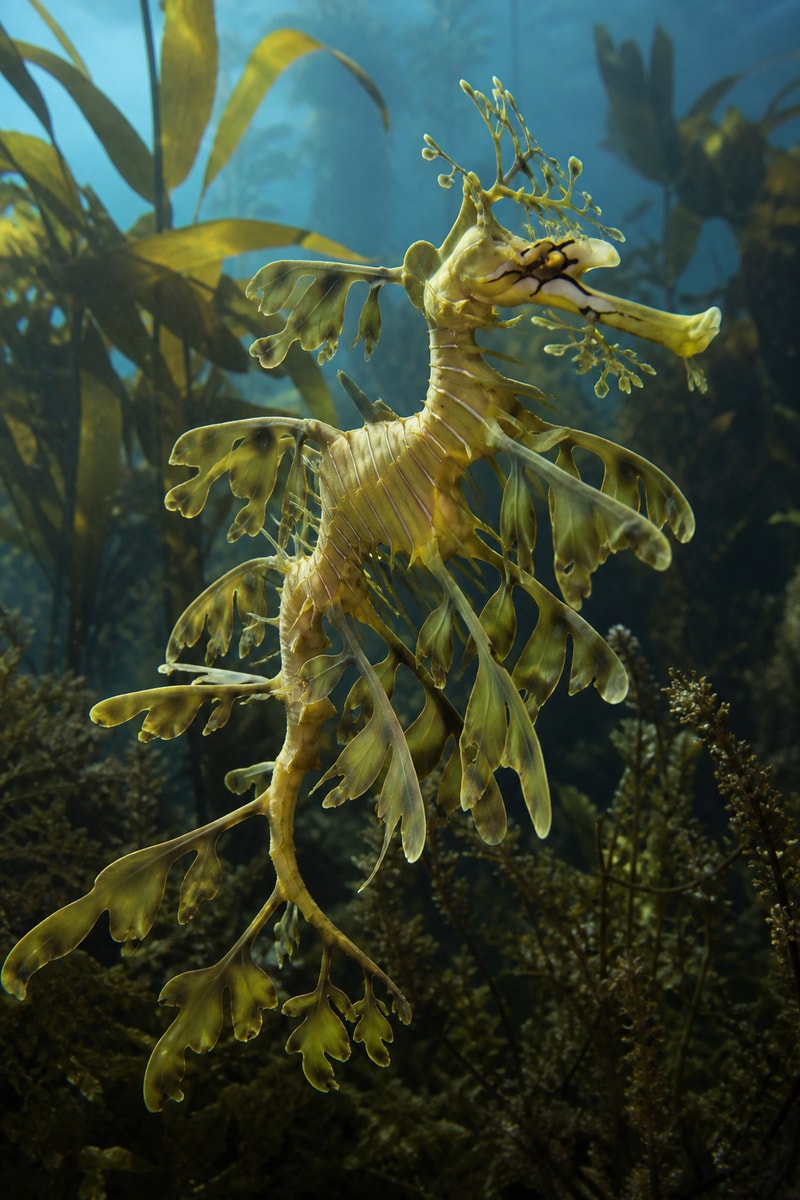
- Leafy Sea Dragonlegendary • Kelp & Seagrass
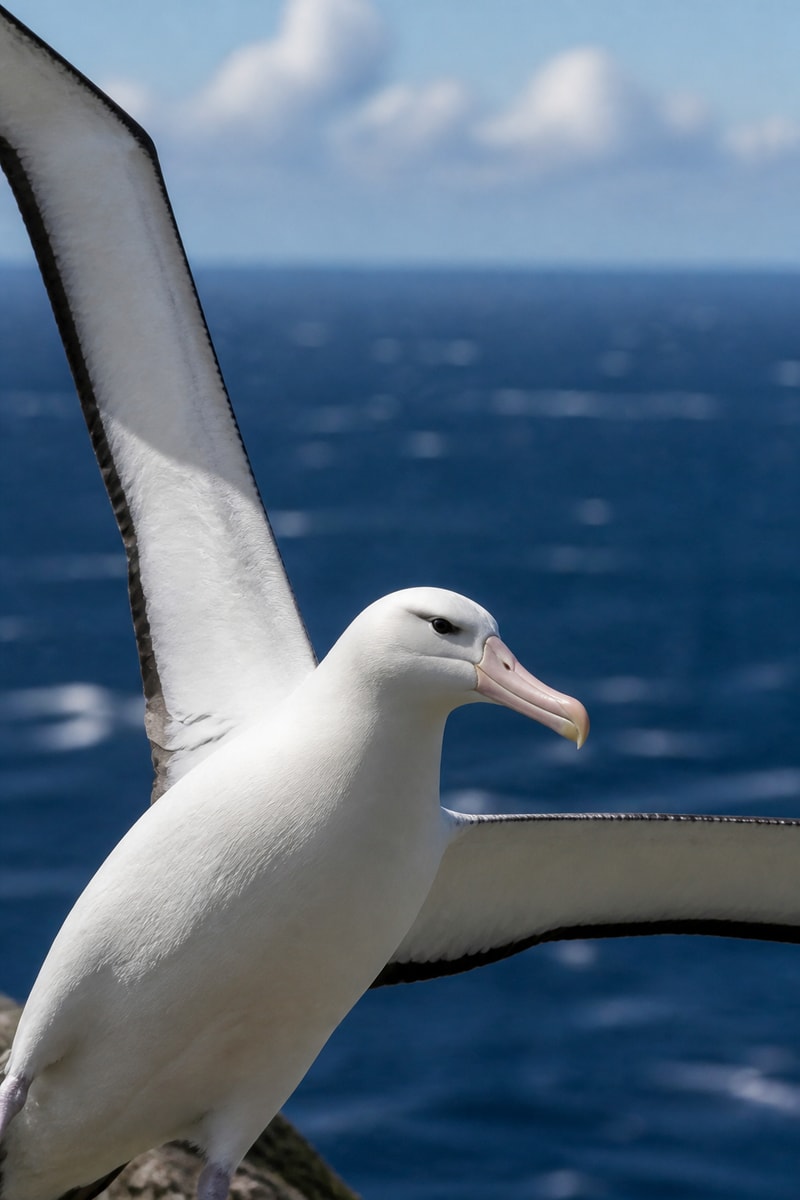
- Wandering Albatrosslegendary • Southern Ocean Skies
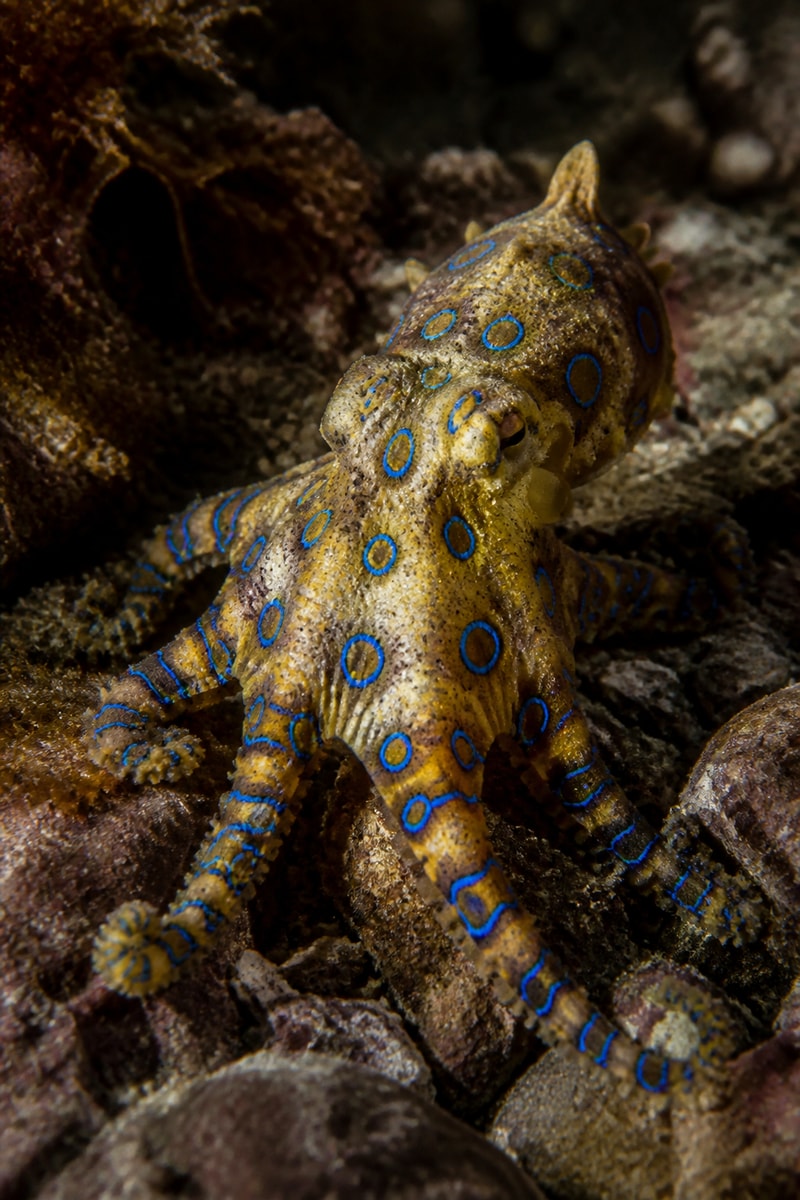
- Southern Blue-ringed Octopuslegendary • Southern Australian Reefs
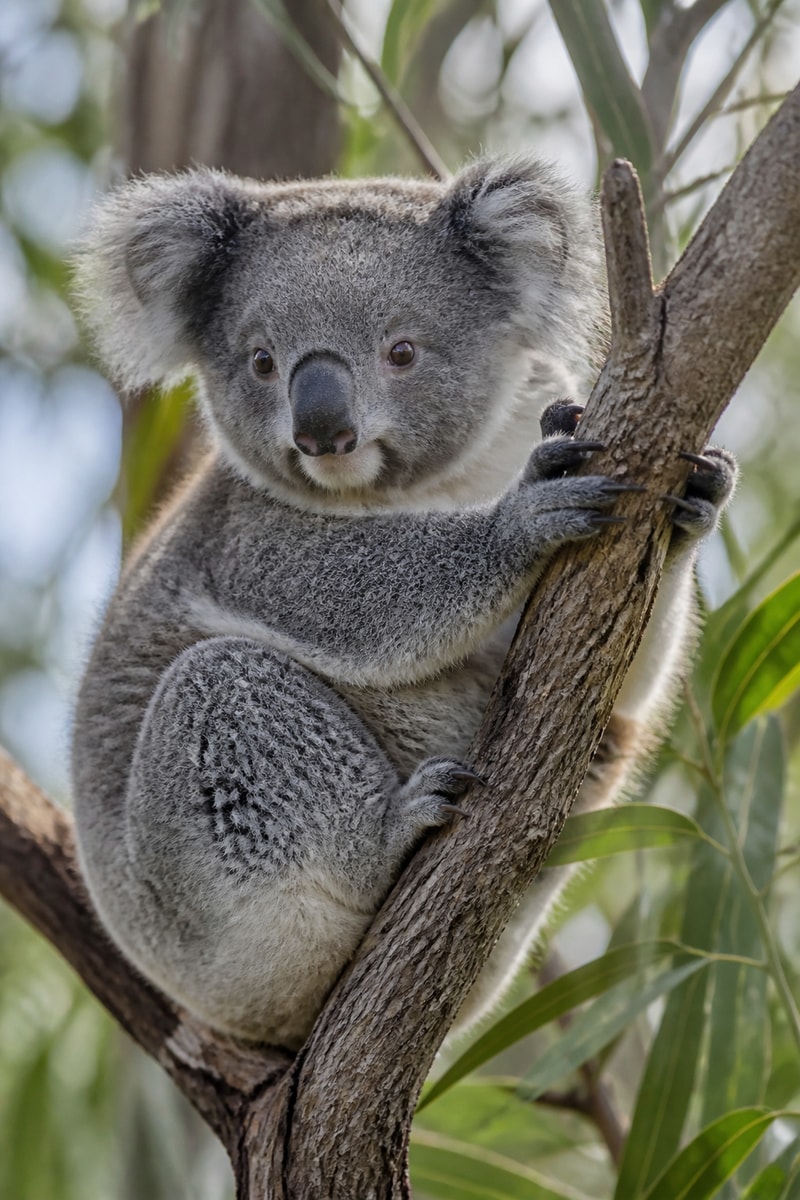
- Koalarare • Eucalyptus Forest
Free on iOS
Catch the Dingo
Spot one in the wild, then scan it in Catch'Um to log your rare discovery.