
Field guide · common
Crimson Rosella
Scarlet-and-blue broad-tailed parrot — gum-tree colour of the southeast.
Least Concern
Platycercus elegans
Overview
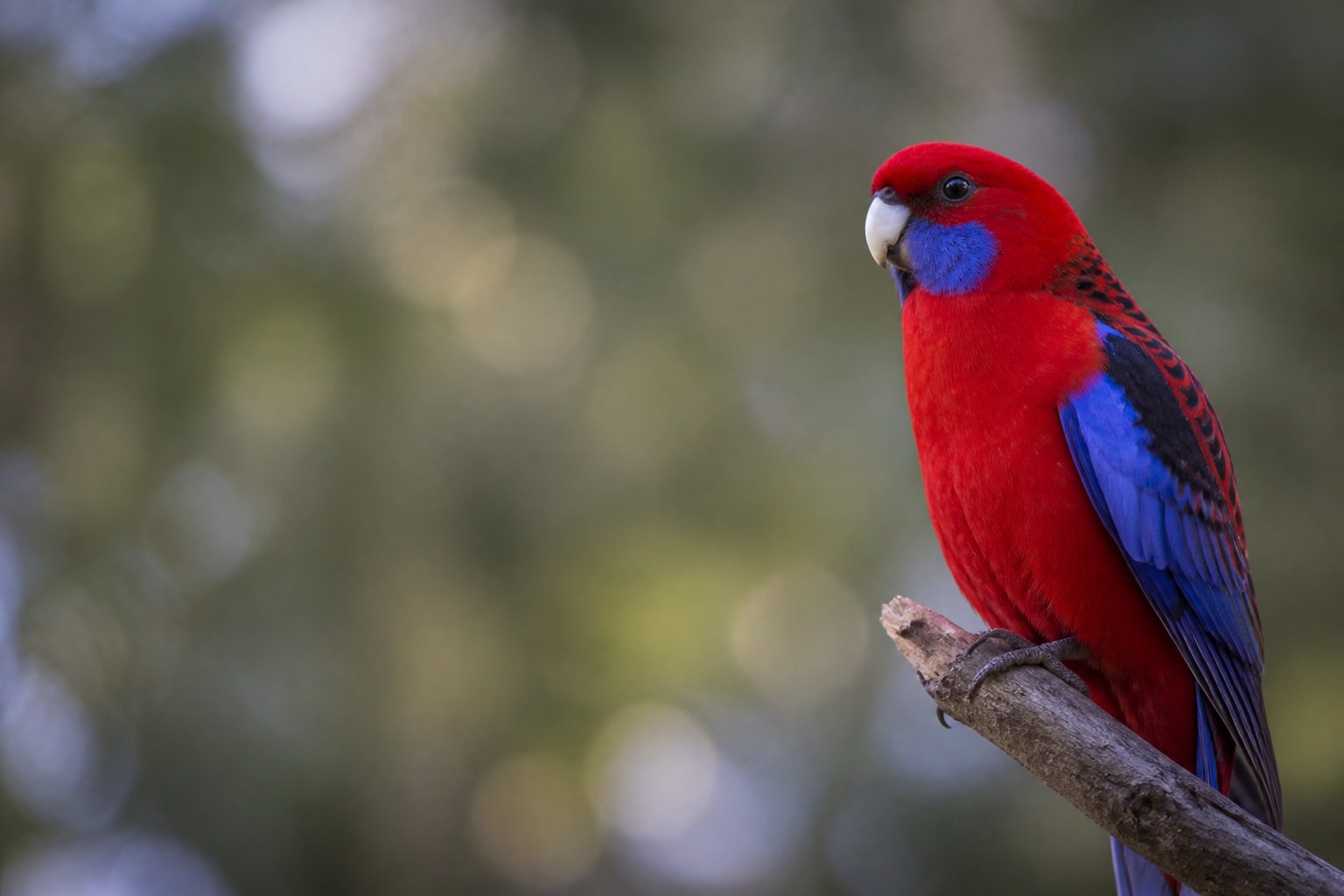
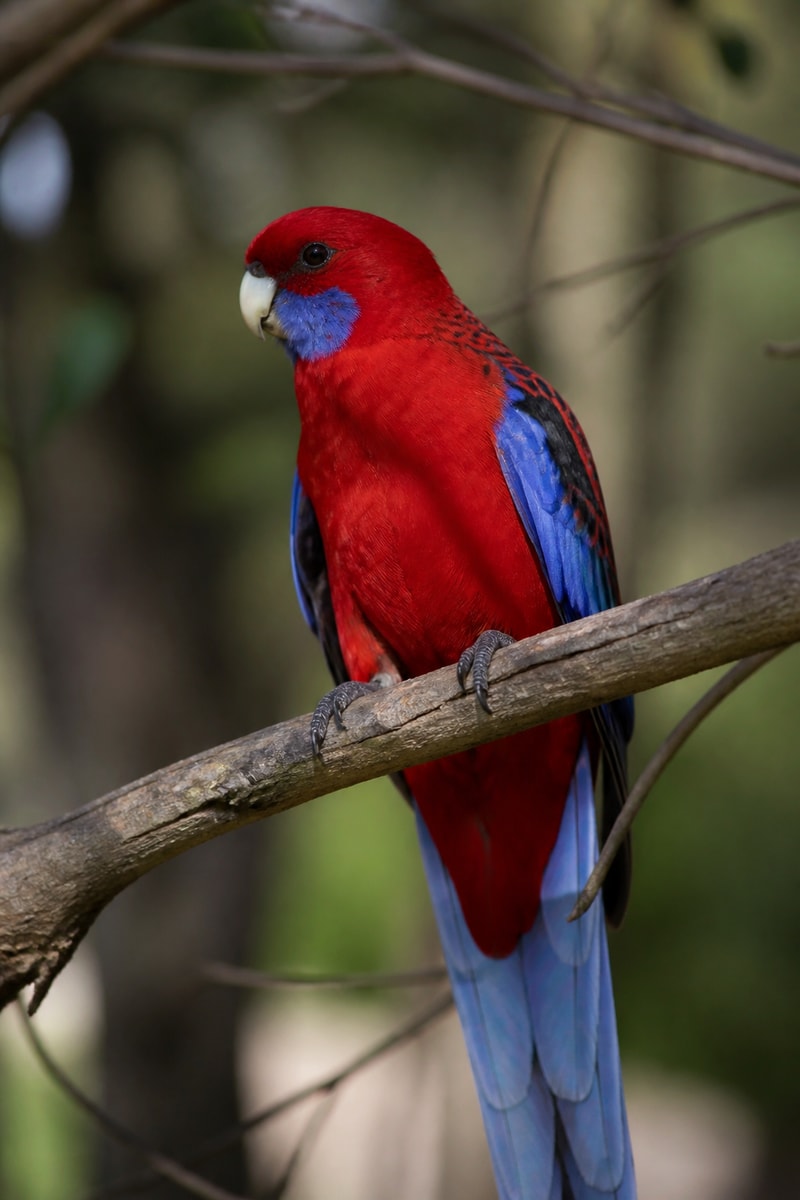
Crimson rosellas are vivid eastern Australian parrots with crimson bodies, blue cheeks, and blue-and-black wing patterning. They feed quietly on seeds and blossoms in woodland and mountain forests, flashing colour when they burst into flight.
For Australia collectors, this rosella is a southeastern colour card — crimson flash in wet forest, picnic-ground visitor, and a classic Platycercus catch.
- Scientific namePlatycercus elegans
- Length30–37 cm
- Weight110–170 g
- LifespanAround 15–20 years in the wild
- DietEucalypt and grass seeds
- ConservationLeast Concern
- RegionSoutheastern Australian Woodland
Where to see them
Habitat
- Wet eucalypt forest
- Mountain woodland
- Coastal forest
- Garden and park trees
Wet and dry eucalypt forests, woodlands, and gardens of southeastern Australia, including mountain forests and coastal ranges.
Field notes
Field scale for the Crimson Rosella: length around 30-37 cm; weight 110-170 g. Typical lifespan: Around 15-20 years in the wild.
When you are scanning habitat, prioritise wet eucalypt forest, mountain woodland, coastal forest, and garden and park trees. Those settings are where a clean look and a usable photo are most likely.
Quick ID anchor: Crimson body with blue cheek patches and scalloped dark wing feathers edged blue. Confirm with behaviour and habitat before you log the discovery.
Where to see one
Australia
In Australia, start at Daintree Rainforest (Queensland). Ancient tropical forest at the edge of the Great Barrier Reef, with cassowaries, tree kangaroos, and forest birds.
More context on this destination lives on the Australia expedition page.
Diet
Eucalypt and grass seeds, nectar, fruit, buds, and some insects.
Often forage quietly among foliage before flying as a colourful burst.
Behaviour
Usually seen in pairs or small groups moving through the canopy.
Breed in tree hollows; soft chatter contrasts with sudden flight calls.
How to identify
Crimson body with blue cheek patches and scalloped dark wing feathers edged blue.
Long broad tail; greenish young birds can confuse beginners.
Interesting facts
- 01
Adults are mostly crimson with blue cheeks and blue wing edges.
- 02
Juveniles are greener and gradually redden with age.
- 03
Feed on seeds, blossoms, fruits, and insects in the canopy.
- 04
Nest in tree hollows high above the forest floor.
- 05
Several subspecies vary in how much red versus yellow they show.
- 06
Common in parks and picnic areas of southeast Australia.
Conservation status
Crimson rosellas are Least Concern across their southeastern range. Hollow availability and habitat fragmentation are the main local management concerns.
Sources: IUCN Red List
Keep exploring
Related discoveries
- Great White Sharklegendary • Coastal Ocean
- Saltwater Crocodilelegendary • Estuaries & Coast
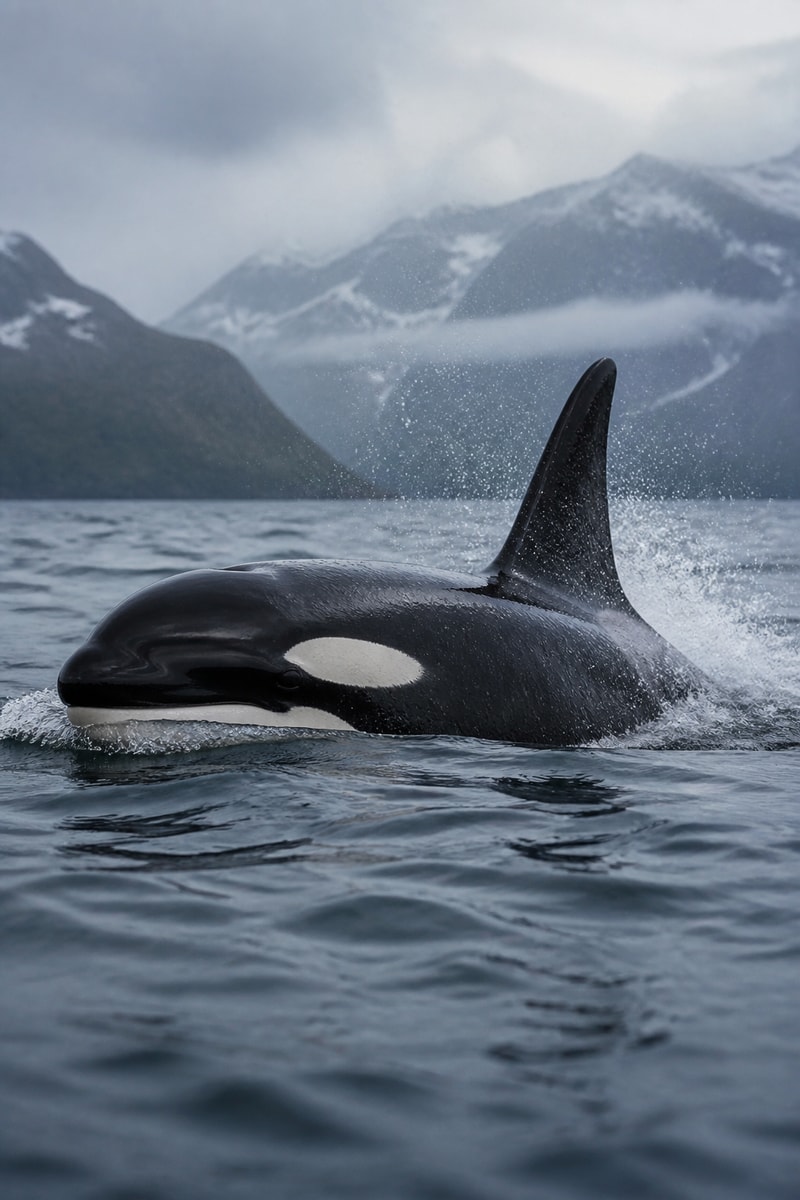
- Orcalegendary • Coastal Ocean
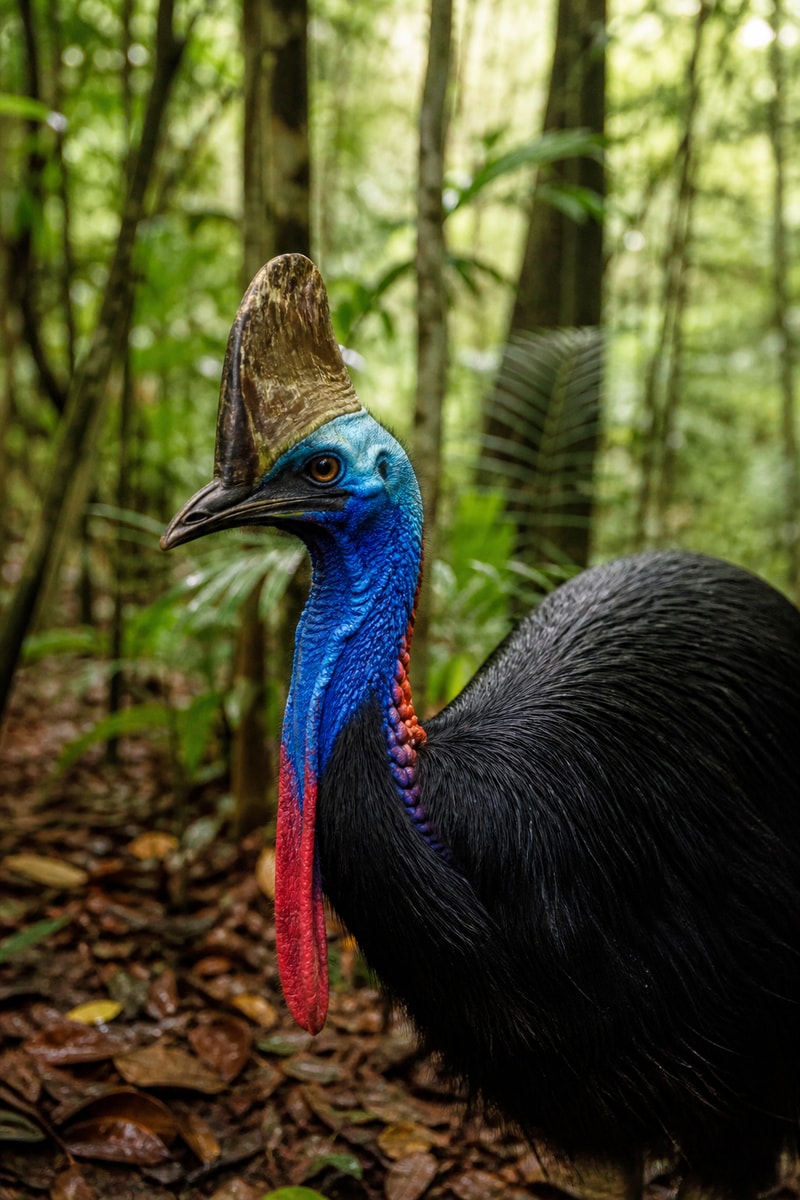
- Southern Cassowarylegendary • Rainforest
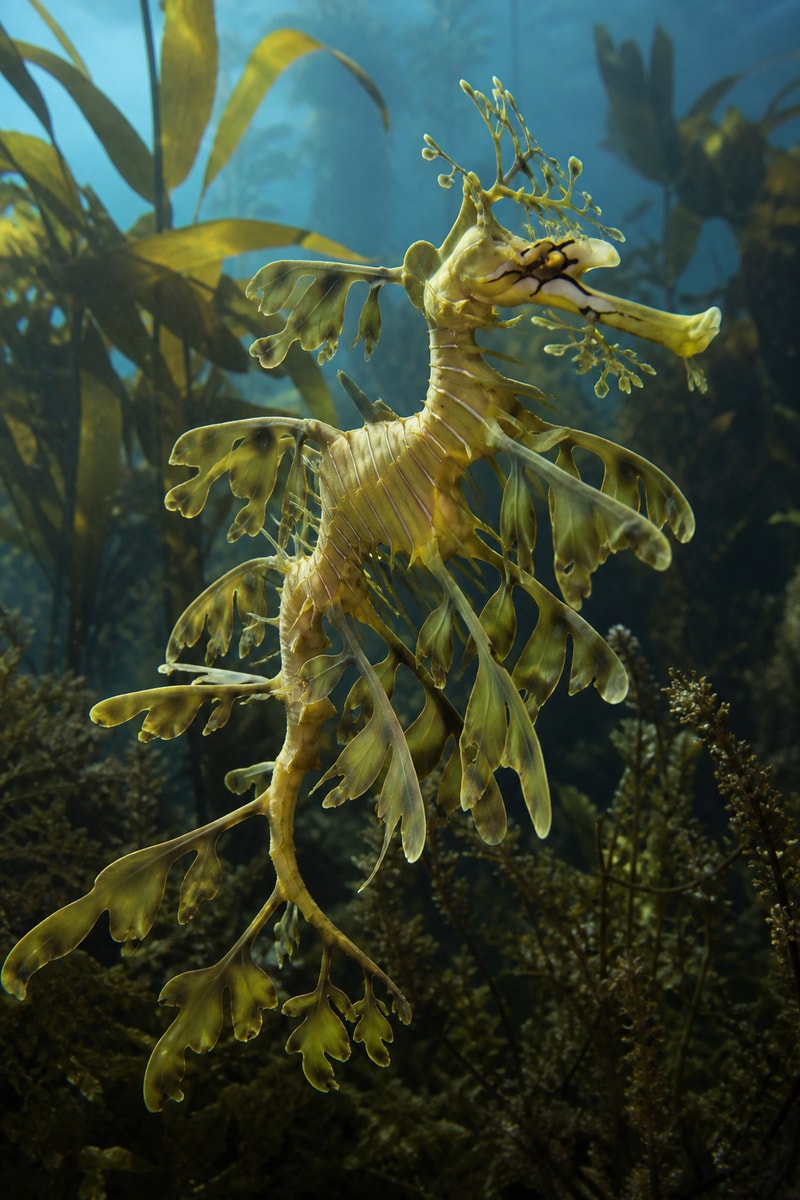
- Leafy Sea Dragonlegendary • Kelp & Seagrass
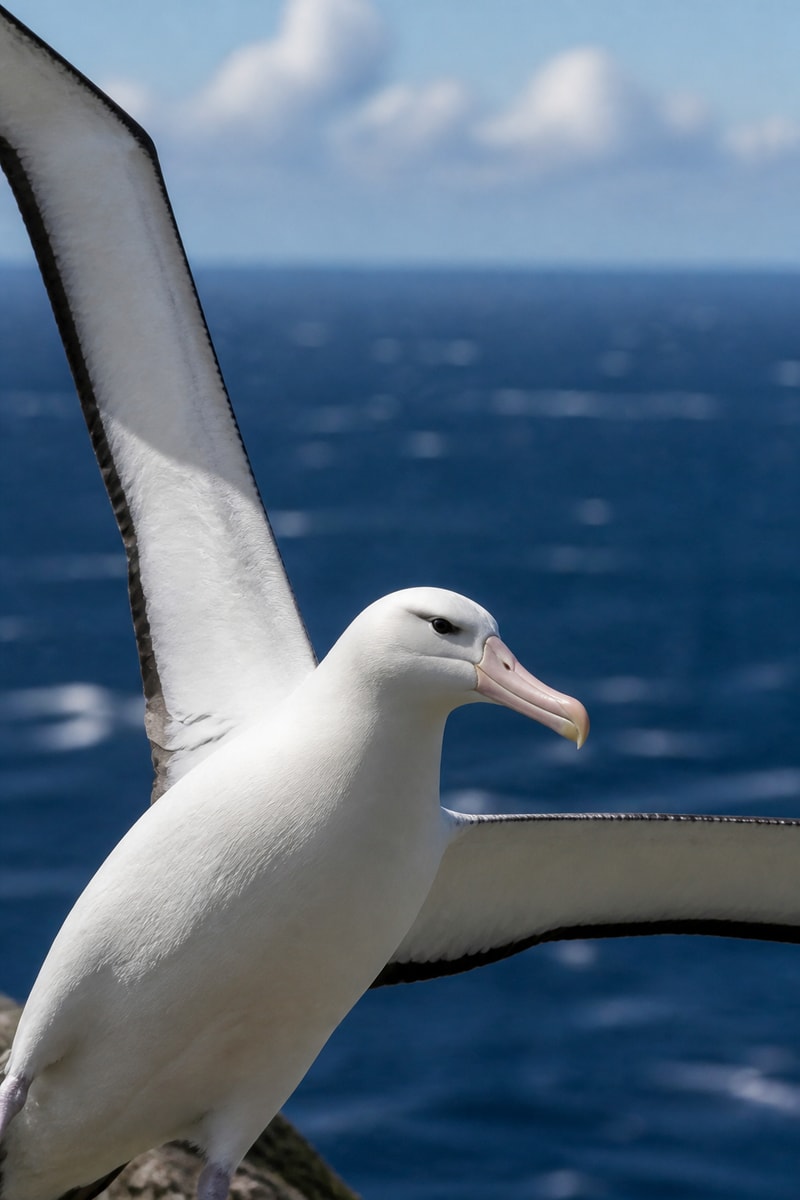
- Wandering Albatrosslegendary • Southern Ocean Skies
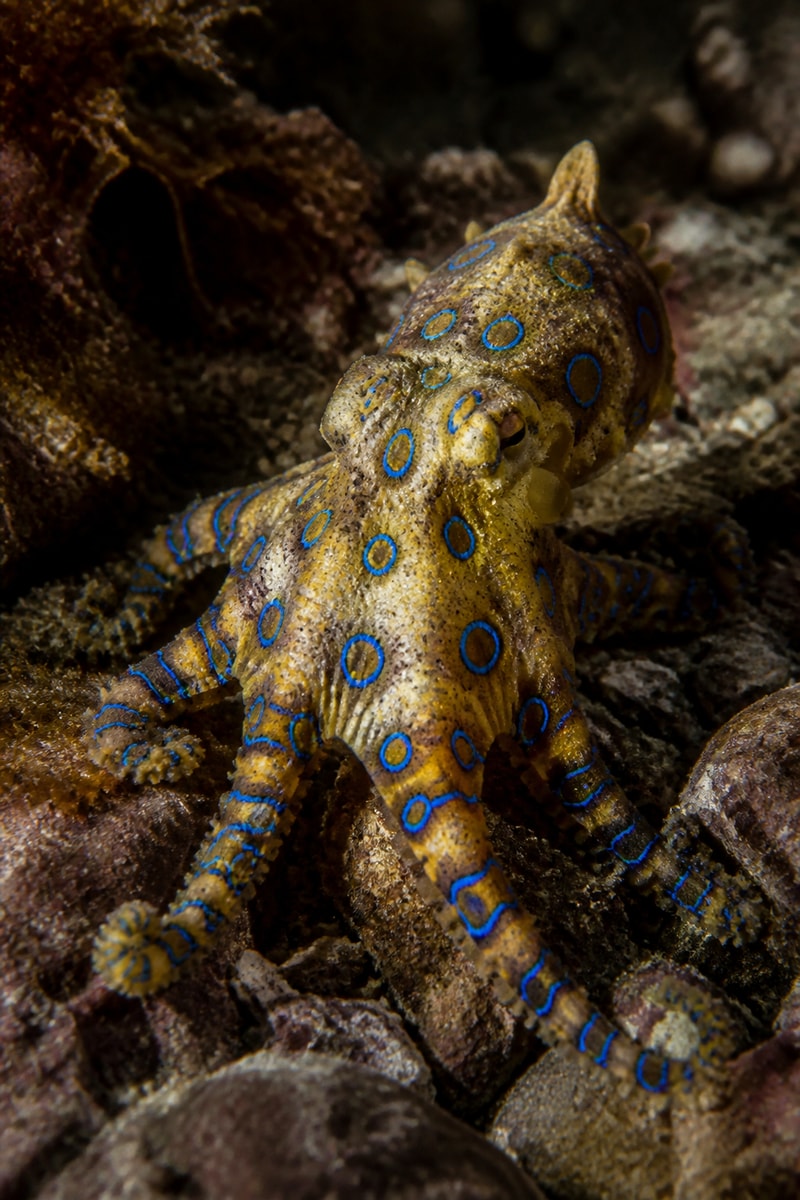
- Southern Blue-ringed Octopuslegendary • Southern Australian Reefs
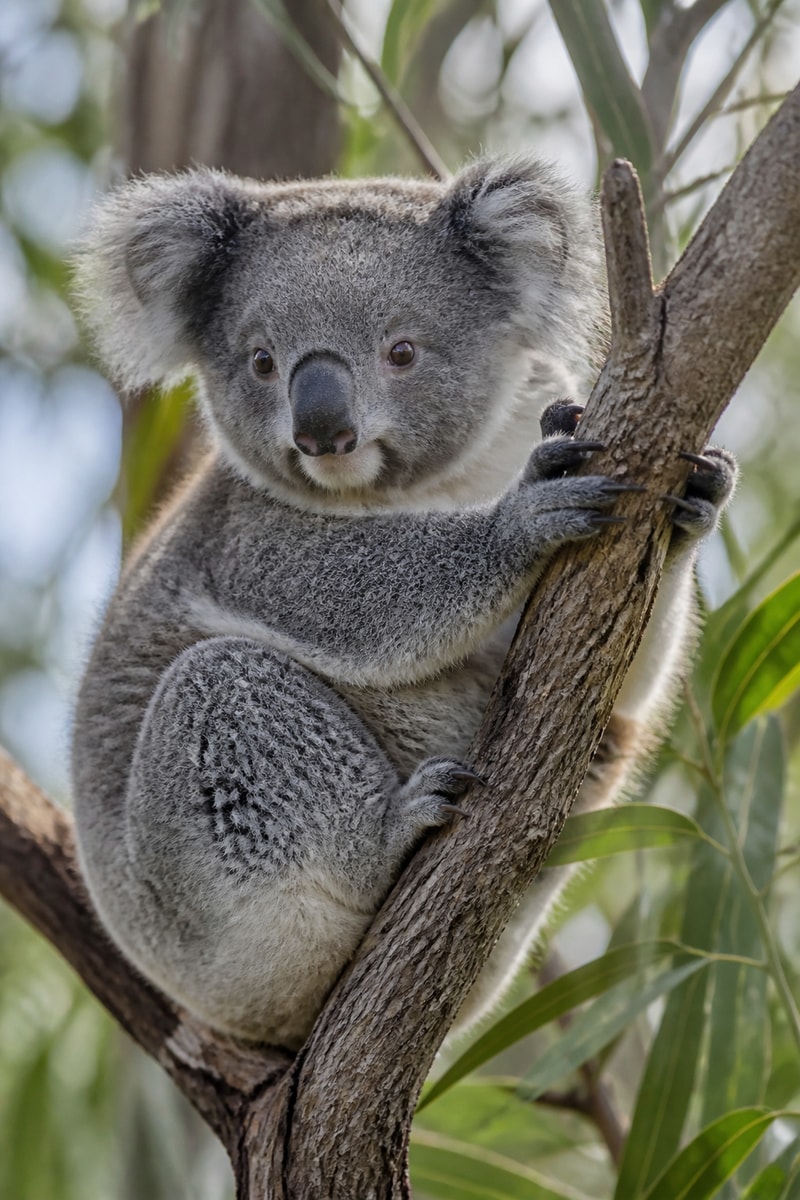
- Koalarare • Eucalyptus Forest
Free on iOS
Catch the Crimson Rosella
Spot one in the wild, then scan it in Catch'Um to log your common discovery.